The Best Gene Hackman Movies Ranked
The Definitive Filmography of a Hollywood Legend
Explore the finest performances of Gene Hackman, from gritty crime dramas to iconic villainous turns in this ranked cinematic guide.
About Gene Hackman
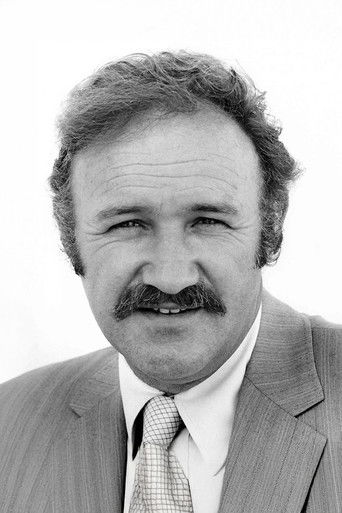
In an industry built on vanity and artifice, Gene Hackman always functioned as a jolt of inconvenient truth. He didn't look like a movie star in the traditional sense; he had the face of a man who worked a double shift or coached a losing high school team. Yet, for four decades, he was the most vital engine in American cinema, a performer capable of oscillating between blue-collar empathy and terrifying, unpredictable violence. He possessed a particular kind of gravity—a grounded, no-nonsense masculinity that felt entirely stripped of ego. When he stepped onto a set, the stakes of the story immediately felt real because he refused to play anything but the messy, complicated reality of being human.
The early 1970s saw him truly dismantle the archetype of the cinematic hero. As Popeye Doyle in The French Connection, he discarded the polished image of the movie cop, replacing it with a frantic, obsessive energy that won him an Oscar and changed the trajectory of the crime thriller. That same decade, he pivoted to the internal and the haunted, delivering perhaps his most subtle work in The Conversation. As Harry Caul, he portrayed a man collapsing under the weight of his own paranoia, proving he didn't need a car chase to command a screen. Even when he leaned into the fantastical as Lex Luthor in Superman, he avoided the trap of the cartoonish villain. He gave the criminal mastermind a petty, narcissistic wit that made him the perfect foil for the Man of Steel’s earnestness.
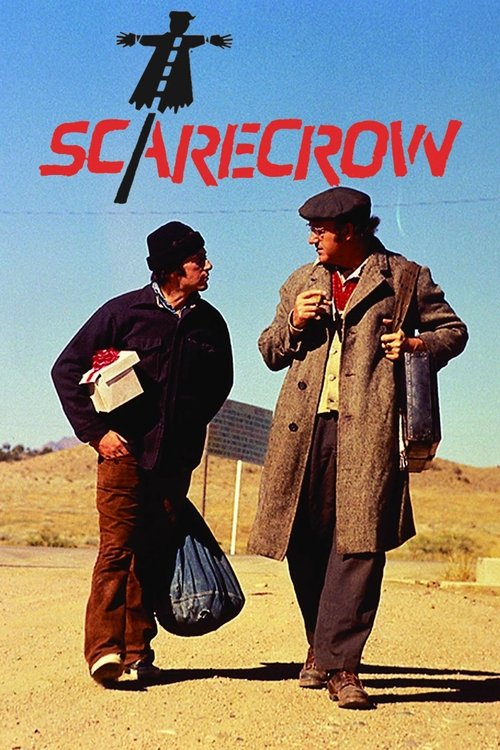
What made audiences connect with him so deeply was his sheer versatility. He could inhabit the broken, lonely road-tripper in Scarecrow just as easily as the ruthless, corrupt sheriff Little Bill Daggett in Unforgiven. In the latter, he managed to make a villain feel logical and even principled, a feat that earned him his second Academy Award. Hackman never seemed to be "acting" so much as reacting to the world with a weary, often cynical intelligence. This was evident in the 1990s as he became the quintessential authority figure you couldn't quite trust—the menacing mentor in The Firm or the hard-line submarine commander clashing with Denzel Washington in Crimson Tide.
Yet, just when the world pigeonholed him as a dramatic heavyweight, he revealed a brilliant, dry comedic timing. He was a riot as the repressed Senator Keeley in The Birdcage and reached a new creative peak in The Royal Tenenbaums. As the titular patriarch, he managed to make a selfish, manipulative absentee father deeply lovable, anchoring Wes Anderson’s eccentric world with genuine heart. Whether he was leading a ragtag basketball team to glory in Hoosiers or navigating the racial tensions of the South in Mississippi Burning, he brought a workmanlike dignity to every role. Since his quiet retirement in 2004, a massive void has remained in Hollywood. He was the everyman who could do anything, a rare talent who reminded us that the most compelling thing a person can be is authentic.
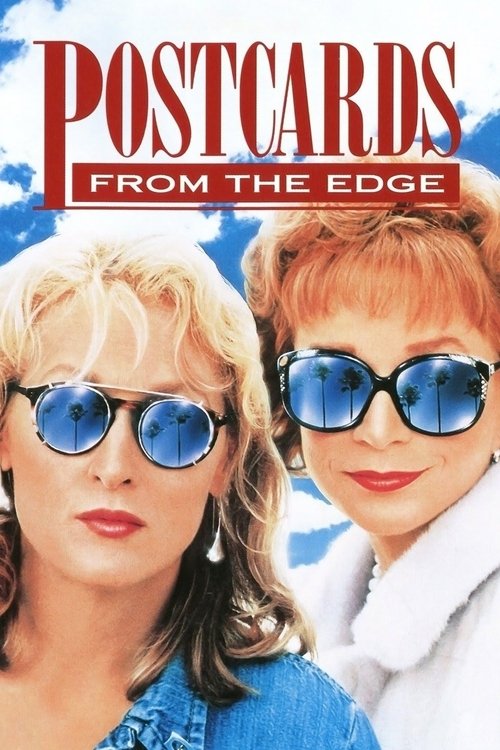
Postcards from the Edge
1990A substance-addicted actress tries to look on the bright side even as she's forced to move back in with her mother to avoid unemployment.
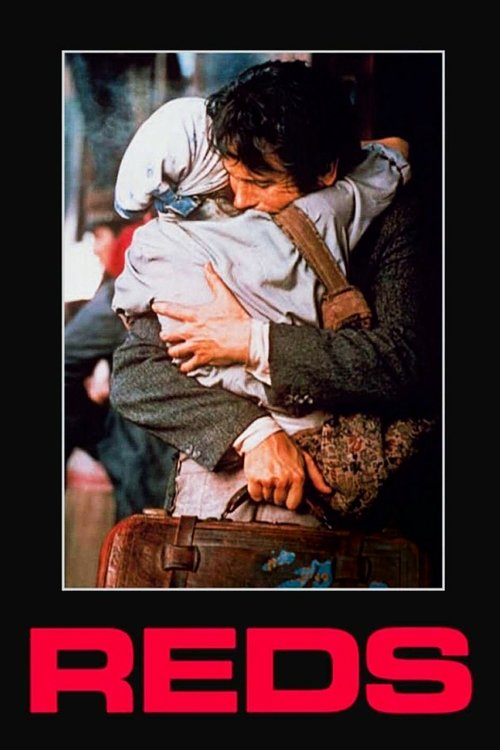
Reds
1981An account of the revolutionary years of the legendary American journalist John Reed, who shared his adventurous professional life with his radical commitment to the socialist revolution in Russia, his dream of spreading its principles among the members of the American working class, and his troubled romantic relationship with the writer Louise Bryant.
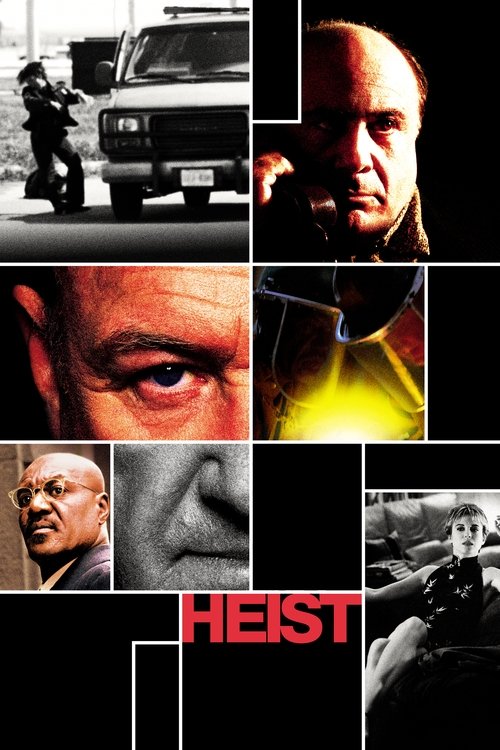
Heist
2001Joe Moore has a job he loves. He's a thief. His job goes sour when he gets caught on security camera tape. His fence, Bergman, reneges on the money he's owed, and his wife may be betraying him with the fence's young lieutenant. Moore and his partner, Bobby Blane, and their utility man, Pinky Pincus, find themselves broke, betrayed, and blackmailed. Moore is forced to commit his crew to do one last big job.
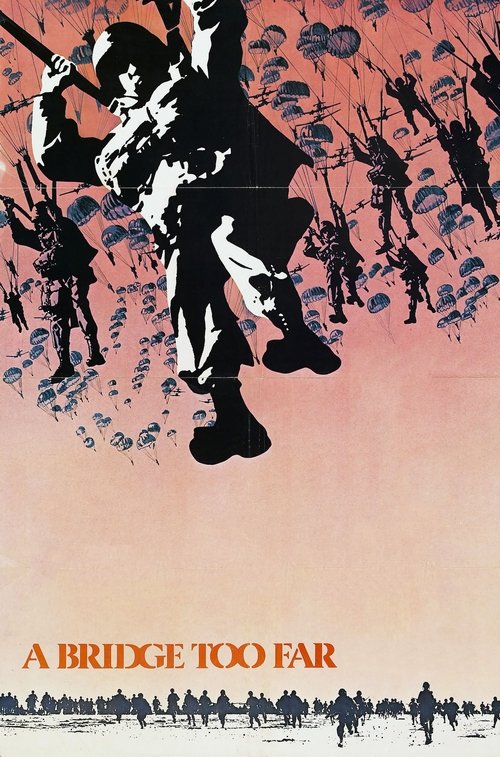
A Bridge Too Far
1977The story of Operation Market Garden—a failed attempt by the allies in the latter stages of WWII to end the war quickly by securing three bridges in Holland allowing access over the Rhine into Germany. A combination of poor allied intelligence and the presence of two crack German panzer divisions meant that the final part of this operation (the bridge in Arnhem over the Rhine) was doomed to failure.
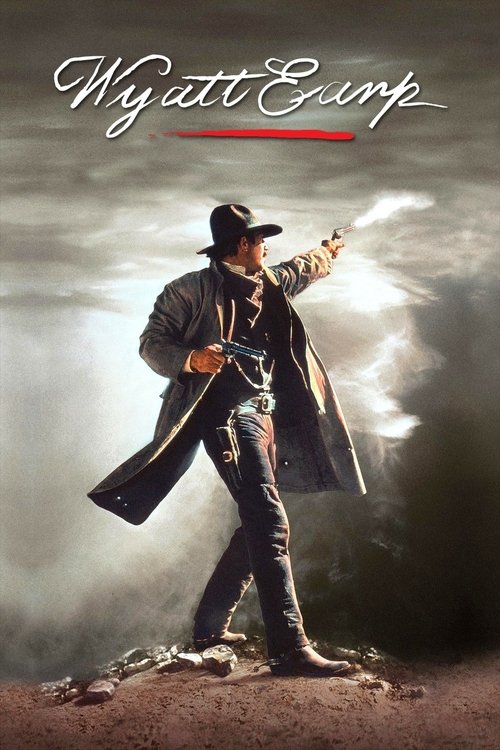
Wyatt Earp
1994From Wichita to Dodge City, to the O.K. Corral in Tombstone, Wyatt Earp is taught that nothing matters more than family and the law. Joined by his brothers and Doc Holliday, Earp wages war on the dreaded Clanton and McLaury gangs.
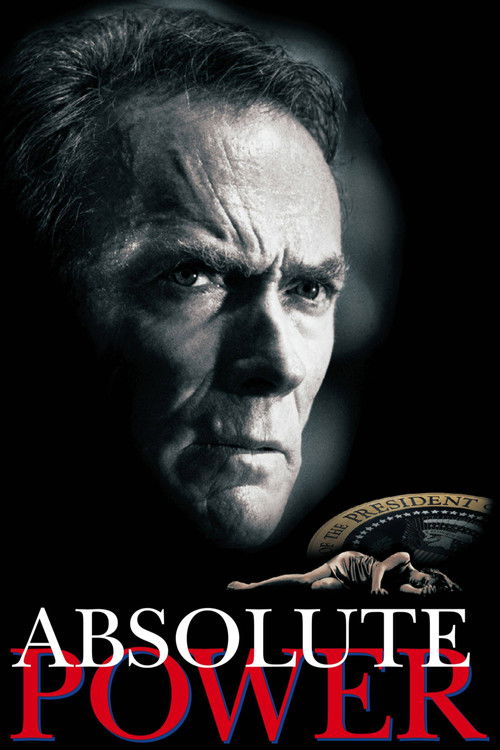
Absolute Power
1997A master thief coincidentally is robbing a house where a murder—in which the President of the United States is involved—occurs in front of his eyes. He is forced to run, while holding evidence that could convict the President.
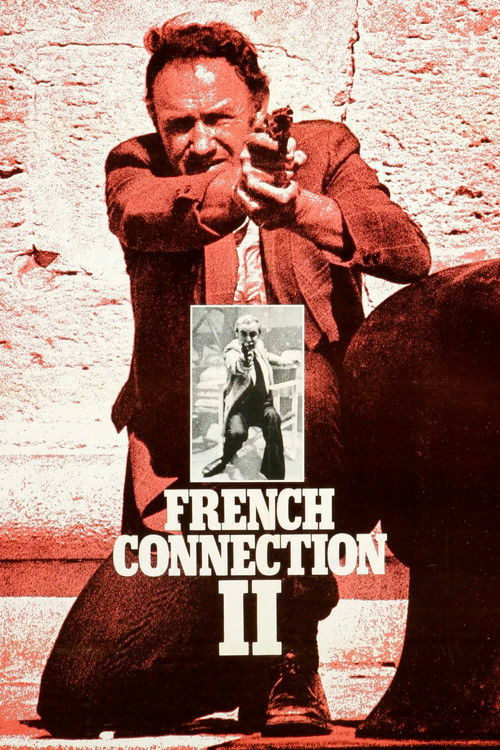
"Popeye" Doyle travels to Marseilles to find Alain Charnier, the drug smuggler that eluded him in New York.
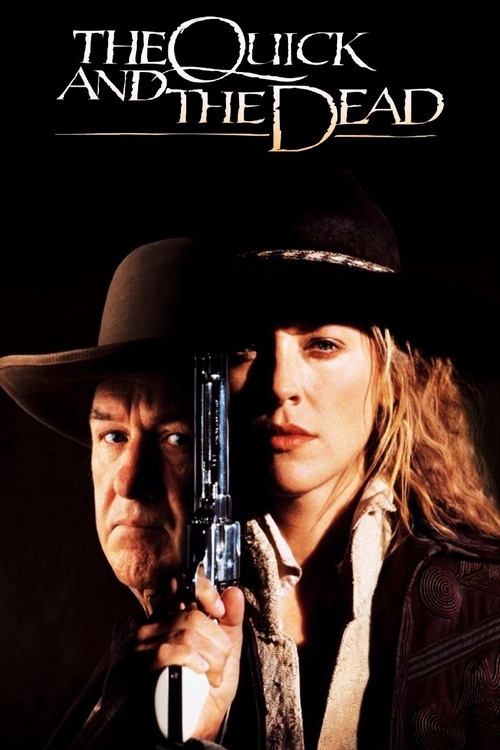
A mysterious woman comes to compete in a quick-draw elimination tournament, in a town taken over by a notorious gunman.
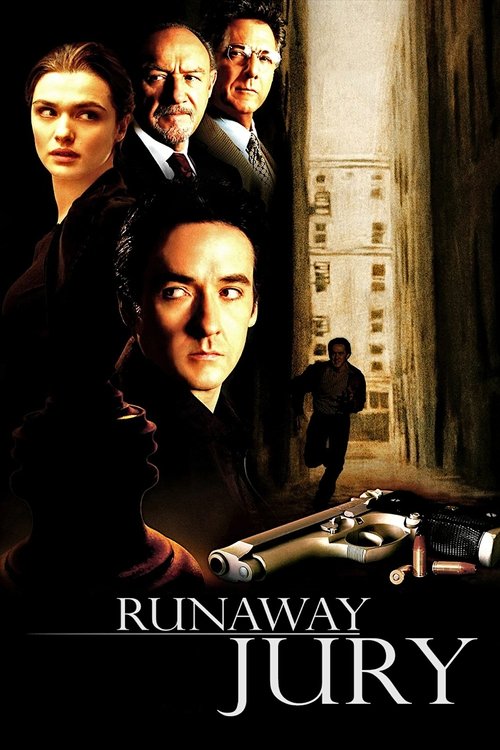
Runaway Jury
2003After a workplace shooting in New Orleans, a trial against the gun manufacturer pits lawyer Wendell Rohr against shady jury consultant Rankin Fitch, who uses illegal means to stack the jury with people sympathetic to the defense. But when juror Nicholas Easter and his girlfriend Marlee reveal their ability to sway the jury into delivering any verdict they want, a high-stakes cat-and-mouse game begins.
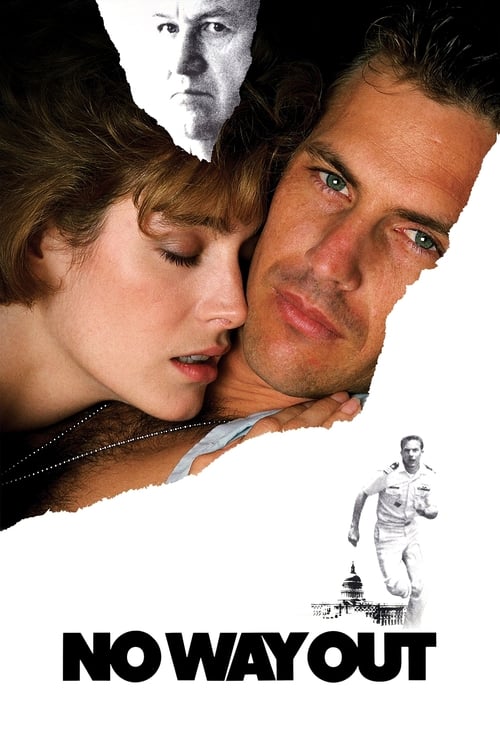
No Way Out
1987Navy Lt. Tom Farrell meets a young woman, Susan Atwell , and they share a passionate fling. Farrell then finds out that his superior, Defense Secretary David Brice, is also romantically involved with Atwell. When the young woman turns up dead, Farrell is put in charge of the murder investigation. He begins to uncover shocking clues about the case, but when details of his encounter with Susan surface, he becomes a suspect as well.
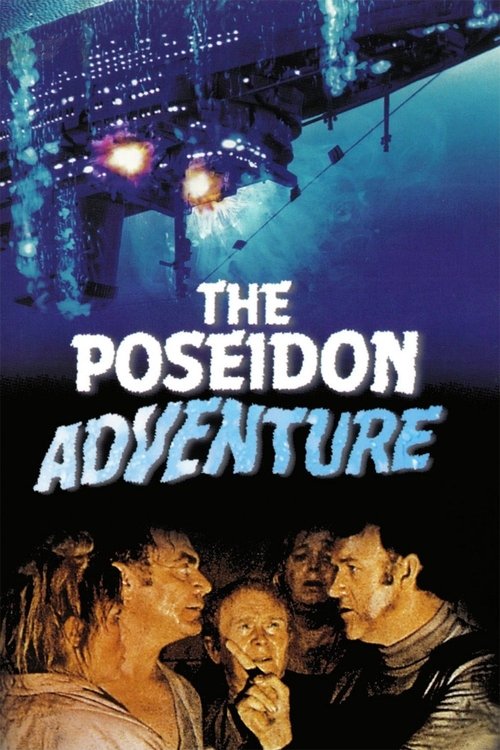
The Poseidon Adventure
1972When their ocean liner capsizes, a group of passengers struggle to survive and escape.
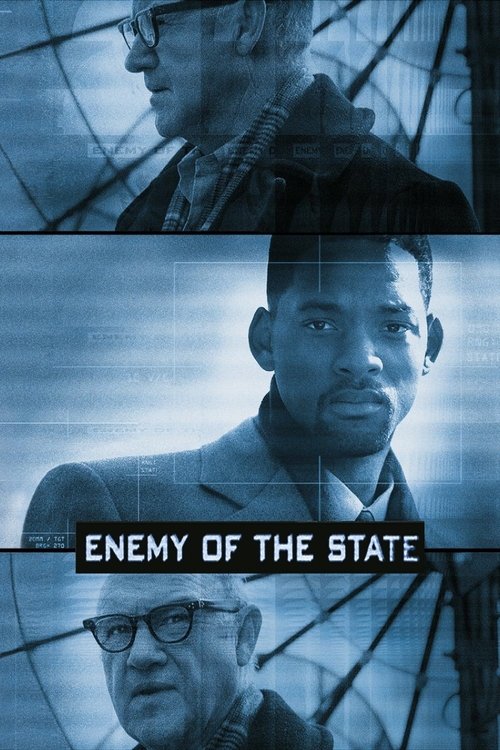
When the videotape of the murder of a congressman unknowingly ends up in the hands of labor lawyer and dedicated family man Robert Clayton Dean, he is framed for the murder. With the help of the mysterious Brill, Dean attempts to throw the NSA off his trail and prove his innocence.
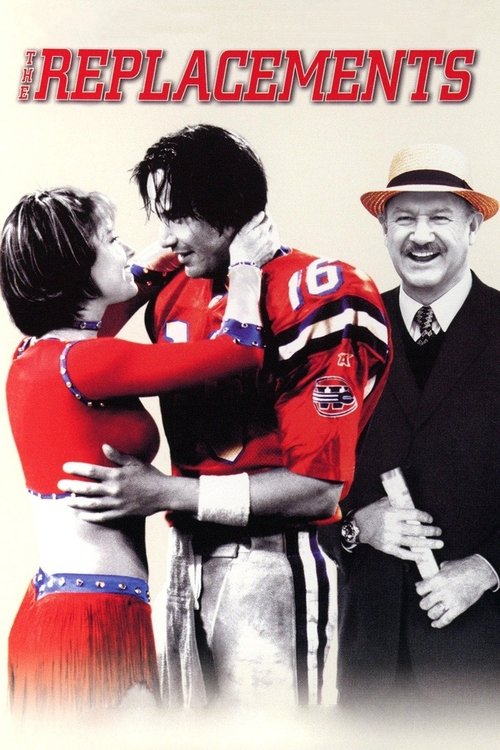
The Replacements
2000Maverick old-guard coach Jimmy McGinty is hired in the wake of a players' strike to help the Washington Sentinels advance to the playoffs. But that impossible dream hinges on whether his replacements can hunker down and do the job. So, McGinty dusts off his secret dossier of ex-players who never got a chance (or screwed up the one they were given) and knits together a bad-dream team of guys who just may give the Sentinels their title shot.
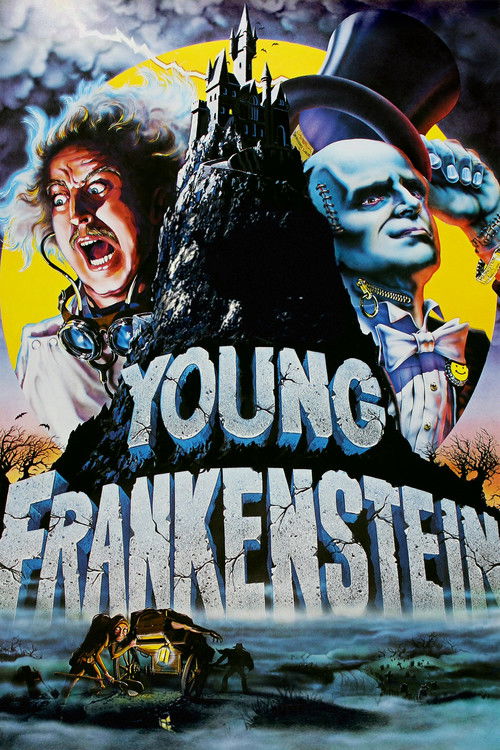
A young neurosurgeon inherits the castle of his grandfather, the famous Dr. Victor von Frankenstein. In the castle he finds a funny hunchback, a pretty lab assistant and the elderly housekeeper. Young Frankenstein believes that the work of his grandfather was delusional, but when he discovers the book where the mad doctor described his reanimation experiment, he suddenly changes his mind.
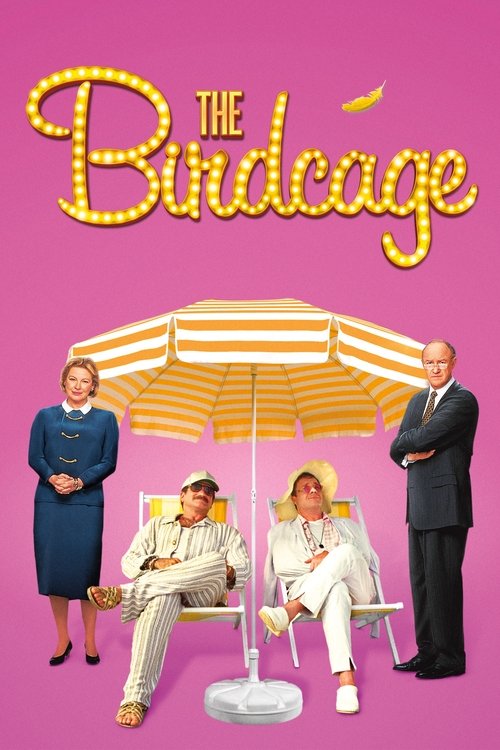
The Birdcage
1996A gay cabaret owner and his drag queen partner agree to put up a false heterosexual front so that their son can introduce them to his fiancée's conservative parents.
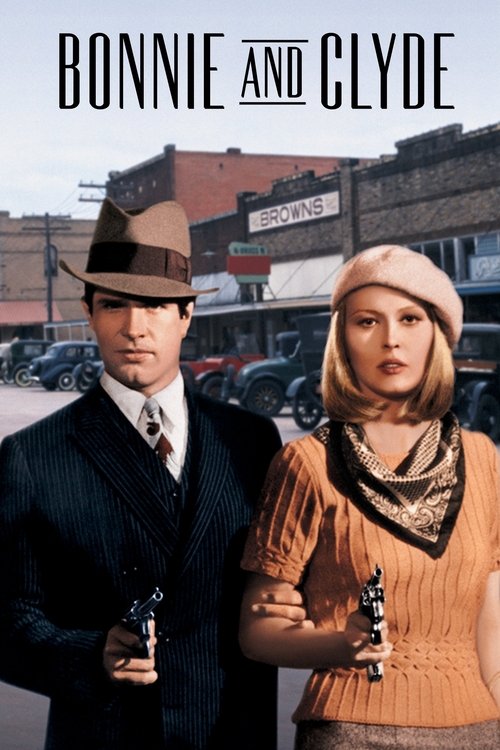
Bonnie and Clyde
1967In the 1930s, bored European-American waitress Bonnie Parker falls in love with a European-American ex-con named Clyde Barrow and together they start a violent crime spree through the country, stealing cars and robbing banks.
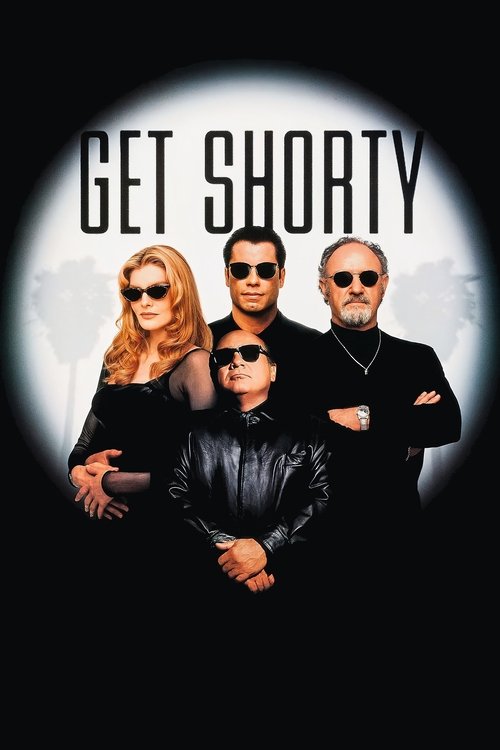
Get Shorty
1995Chili Palmer is a Miami mobster who gets sent to L.A. to collect a bad debt from Harry Zimm, a Hollywood producer who specializes in cheesy horror films. When Chili meets Harry's leading lady, the romantic sparks fly. After pitching his own life story as a movie idea, Chili learns that being a mobster and being a Hollywood producer really aren't all that different.
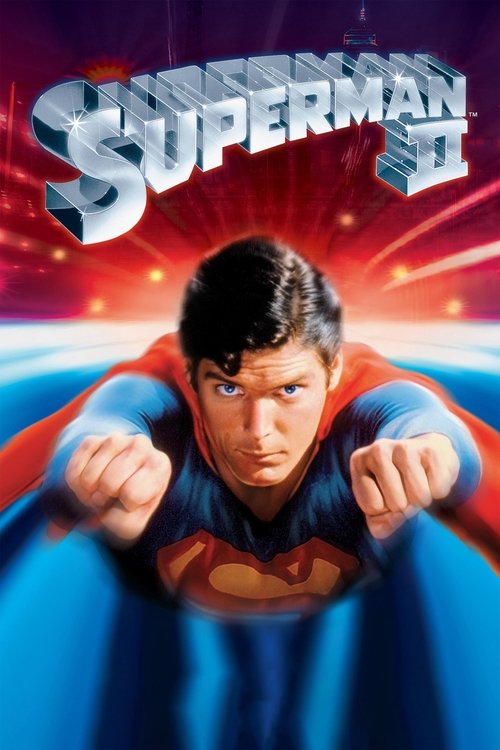
Superman II
1980Three Kryptonian criminals led by General Zod team up with Lex Luthor to conquer Earth, forcing a depowered Superman to regain his strength and stop them.
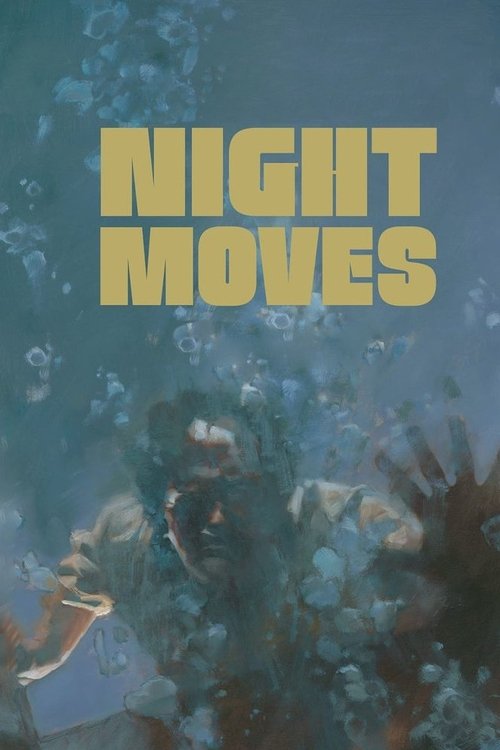
Night Moves
1975Private detective and former football player Harry Moseby gets hired on to what seems a standard missing person case - a former Hollywood actress wants Moseby to find and return her daughter. Harry travels to Florida to find her, but he begins to see a connection between the runaway girl, the world of Hollywood stuntmen, and a suspicious mechanic when an unsolved murder comes to light.
Hackman excels as a man drowning in his own professional detachment, trading his usual explosive energy for a simmering, bewildered melancholy. It is a defining mid-career study in weary cynicism, capturing a detective who can solve the crime but remains fundamentally blind to his own life. He strips away the bravado of the classic private eye to reveal a portrait of modern obsolescence.
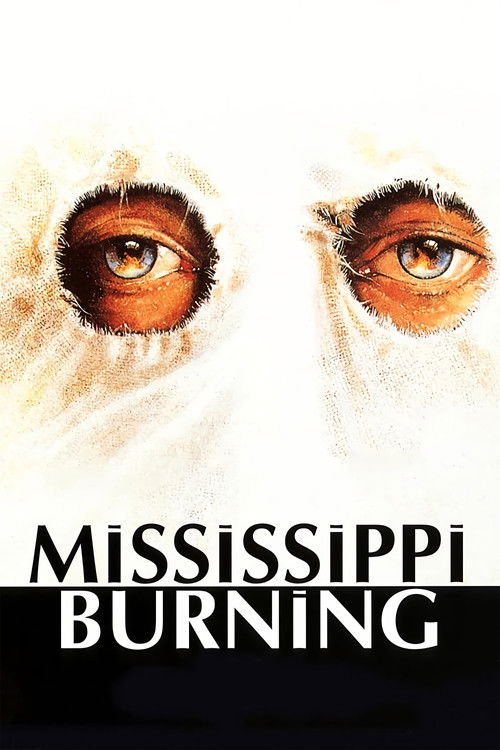
Two FBI agents investigating the murder of civil rights workers during the 60s seek to breach the conspiracy of silence in a small Southern town where segregation divides black and white. The younger agent trained in FBI school runs up against the small town ways of his partner, a former sheriff.
Hackman weaponizes a deceptive, good-ol'-boy charm to mask a serrated edge, perfectly capturing the moral ambiguity of a Southern lawman who plays dirty for the right reasons. It is a definitive masterclass in his ability to command the screen through weary pragmatism and explosive, blue-collar intensity. This remains the quintessential portrait of his gritty screen persona, proving no one could simmer with more controlled, righteous fury.
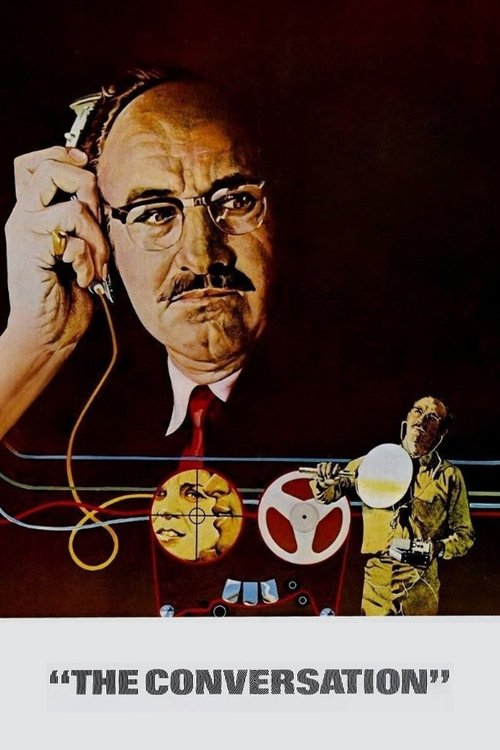
The Conversation
1974A paranoid, secretive surveillance expert has a crisis of conscience when he suspects that the couple he is spying on will be murdered.
Hackman sheds his usual explosive bravado to master a role of clenched, clinical paranoia as the lonely surveillance expert Harry Caul. This internalised turn serves as the ultimate counterpoint to his rowdy persona in The French Connection, proving he could command the screen through stillness and hauntingly precise anxiety. It remains his most soulful work, capturing the slow erosion of a man who watches everything but truly sees nothing.
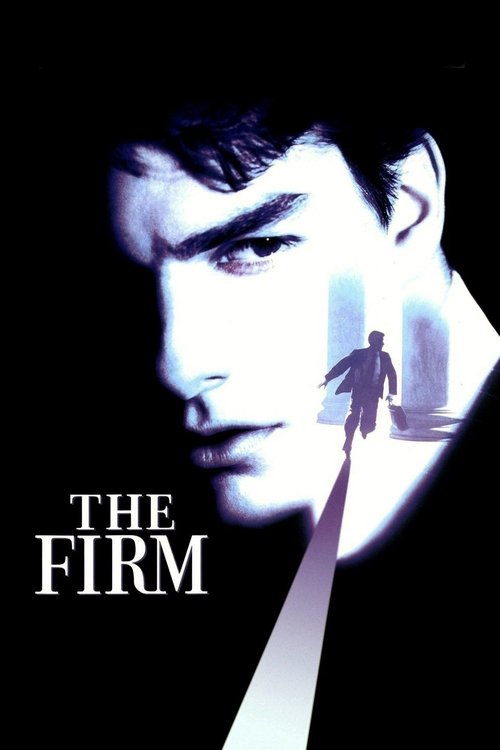
The Firm
1993Mitch McDeere is a young man with a promising future in Law. About to sit his Bar exam, he is approached by 'The Firm' and made an offer he doesn't refuse. Seduced by the money and gifts showered on him, he is totally oblivious to the more sinister side of his company. Then, two Associates are murdered. The FBI contact him, asking him for information and suddenly his life is ruined. He has a choice - work with the FBI, or stay with the Firm. Either way he will lose his life as he knows it. Mitch figures the only way out is to follow his own plan...
Hackman weaponizes his natural paternal warmth to mask a chilling moral rot, playing Avery Tolar with the weary charisma of a man who sold his soul decades ago and forgot where he put the receipt. It is a masterful late-career turn in calculated subtlety, proving he could dominate a scene through quiet, whiskey-soaked world-weariness rather than his trademark explosive volatility. He gives the film its dark heart, transforming a standard legal thriller into a seductive cautionary tale about the high cost of institutional corruption.
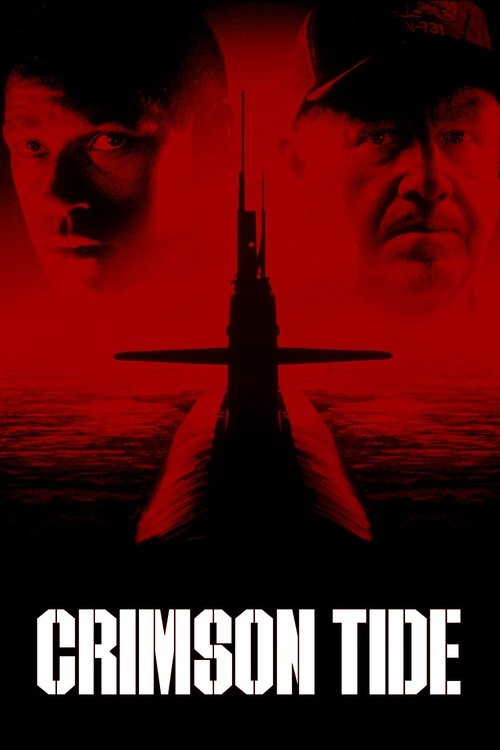
Crimson Tide
1995After the Cold War, a breakaway Russian republic with nuclear warheads becomes a possible worldwide threat. U.S. submarine Capt. Frank Ramsey signs on a relatively green but highly recommended Lt. Cmdr. Ron Hunter to the USS Alabama, which may be the only ship able to stop a possible Armageddon. When Ramsey insists that the Alabama must act aggressively, Hunter, fearing they will start rather than stop a disaster, leads a potential mutiny to stop him.
Hackman weaponizes his authoritative gravel and a terrifying, old-guard certainty to turn Captain Ramsey into a masterclass in controlled volatility. It stands as the definitive climax of his "tough-as-nails" persona, internalizing the tension of a nuclear standoff until he becomes more dangerous than the missiles themselves. He doesn't just play the villain; he crafts a chillingly logical argument for absolute command that remains one of the most formidable displays of his late-career gravity.
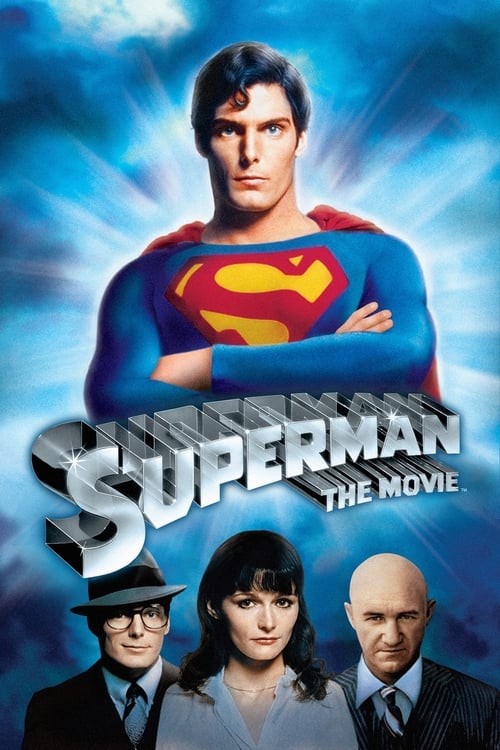
Superman
1978Mild-mannered Clark Kent works as a reporter at the Daily Planet alongside his crush, Lois Lane. Clark must summon his superhero alter-ego when the nefarious Lex Luthor launches a plan to take over the world.
Hackman eschews the brooding menace of traditional villainy for a vanity-drenched, comedic magnetism that reimagines Lex Luthor as a used-car salesman with a god complex. By infusing the campy dialogue with sharp-tongued theatricality, he proved a dramatic heavyweight could thrive in a comic book frame without sacrificing his signature grit. It remains a masterclass in how to steal a spectacle through sheer, arrogant charisma.
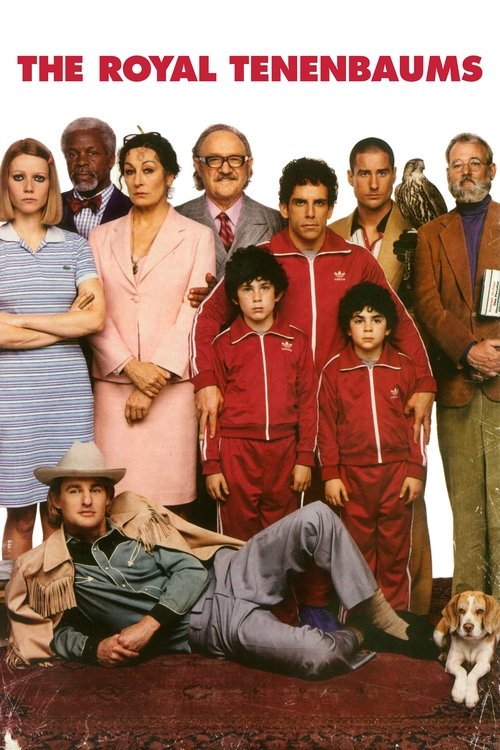
Royal Tenenbaum and his wife Etheline had three children and then they separated. All three children are extraordinary --- all geniuses. Virtually all memory of the brilliance of the young Tenenbaums was subsequently erased by two decades of betrayal, failure, and disaster. Most of this was generally considered to be their father's fault. "The Royal Tenenbaums" is the story of the family's sudden, unexpected reunion one recent winter.
Hackman weaponizes his signature cantankerousness into a masterclass of lovable villainy, playing Royal with a chaotic, wolfish charm that anchors Wes Anderson’s stylized world in genuine human messiness. It is a swan song of comedic precision, proving that the legendary tough guy could dismantle his own persona with a mischievous, rascally vulnerability. This late-career triumph stands as the definitive proof of his range, finding the soul inside a terminal narcissist.
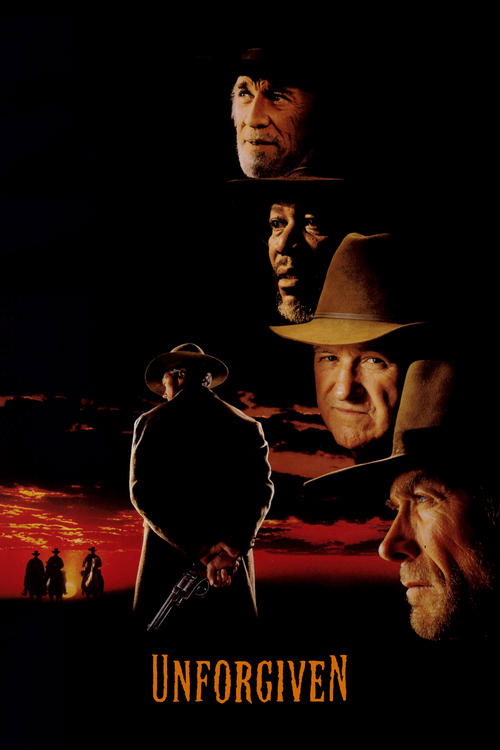
Unforgiven
1992William Munny is a retired, once-ruthless killer turned gentle widower and hog farmer. To help support his two motherless children, he accepts one last bounty-hunter mission to find the men who brutalized a prostitute. Joined by his former partner and a cocky greenhorn, he takes on a corrupt sheriff.
Hackman transforms the archetype of the frontier lawman into a jovial sociopath, weaponizing a terrifying, folksy charm that makes his outbursts of cruelty feel sickeningly casual. It is the definitive deconstruction of his tough-guy persona, earning him a second Oscar for proving that the most frightening monsters are the ones convinced of their own righteousness. By stripping away any hint of cinematic heroism, he delivers a chilling masterclass in the banality of authoritarian violence.
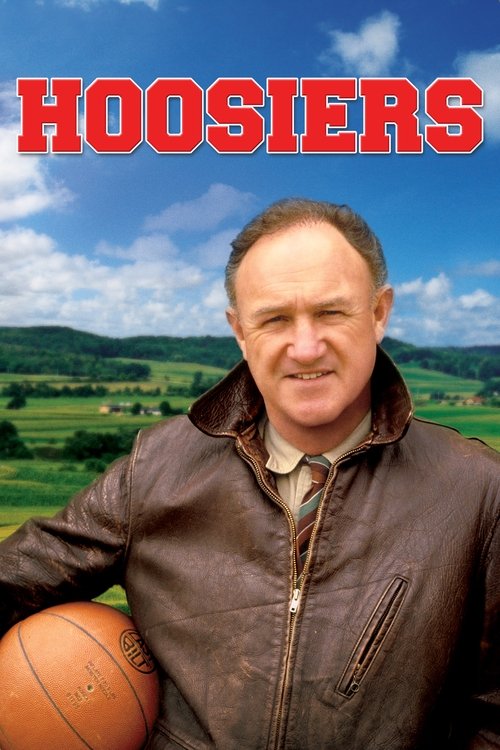
Hoosiers
1986Failed college coach Norman Dale gets a chance at redemption when he is hired to coach a high school basketball team in a tiny Indiana town. After a teacher persuades star player Jimmy Chitwood to quit and focus on his long-neglected studies, Dale struggles to develop a winning team in the face of community criticism for his temper and his unconventional choice of assistant coach: Shooter, a notorious alcoholic.
Hackman transcends the typical underdog coach archetype by infusing Norman Dale with a volatile, sandpaper-dry intensity that makes his redemption feel earned rather than scripted. He trades his usual cinematic cynicism for a simmering vulnerability, grounding the film’s sentimentality with a stubborn, hard-edged humanity. It remains the definitive showcase of his ability to command a screen through quiet authority and restrained, weathered grit.
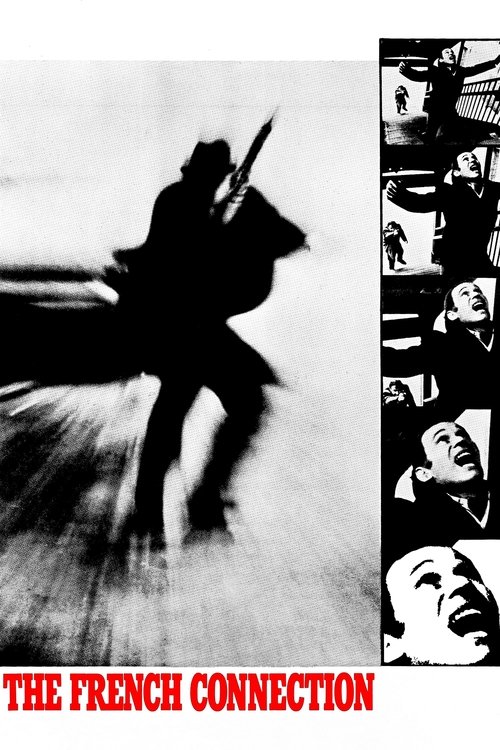
Tough narcotics detective 'Popeye' Doyle is in hot pursuit of a suave French drug dealer who may be the key to a huge heroin-smuggling operation.
Gene Hackman transforms Popeye Doyle into a twitchy, relentless engine of blue-collar rage, trading traditional heroism for a gritty, unvarnished obsession. This breakthrough role stripped away the artifice of the Hollywood lawman, earning him an Oscar and setting the template for every morally complex anti-hero that followed in the 1970s. He doesn't just play the part; he vibrates with a frantic, dangerous energy that anchors the film’s chaotic realism.
Frequently Asked Questions
Everything you need to know about this list and SnakeDrafts
- Gene Hackman's standout crime thriller performance is in "The French Connection," where he plays a relentless NYC detective. This film showcases his gritty acting and earned widespread acclaim for its intense and realistic portrayal of police work.
- Hackman demonstrated his versatility in family and drama genres with films like "Hoosiers," where he portrayed a determined basketball coach, blending toughness with emotional depth. This role highlights his ability to convey resilience and humanity beyond action-packed scenes.
- Gene Hackman masterfully portrayed complex villains in movies like "Unforgiven" and "The Firm," where his characters exhibit a blend of menace and nuanced personality. These roles emphasize his skill in elevating antagonistic parts with layered performances.
- Hackman's portrayal of the cunning Lex Luthor in "Superman" (1978) is iconic for its charismatic and sly villainy. His performance added a memorable comic-book flair that balanced the film's heroic themes with sharp wit.
- Hackman worked with acclaimed directors like William Friedkin in "The French Connection" and Francis Ford Coppola in "The Conversation." These collaborations brought out nuanced performances that contributed significantly to the films' critical success.
- Gene Hackman's career spans diverse genres, from intense thrillers like "Crimson Tide" to quirky comedies such as "The Royal Tenenbaums." This breadth showcases his adaptability and skill in delivering compelling performances across various cinematic styles.
- In "Mississippi Burning," Hackman portrayed an FBI agent tackling racial injustice in the American South, highlighting his engagement with socially charged narratives. His performance added gravitas to the film's exploration of civil rights themes.