A Ranking of Barbara Hershey's Best Movies
The Versatile Career of a Hollywood Icon
Explore the finest performances from Barbara Hershey, spanning psychological thrillers, period dramas, and modern horror classics.
About Barbara Hershey
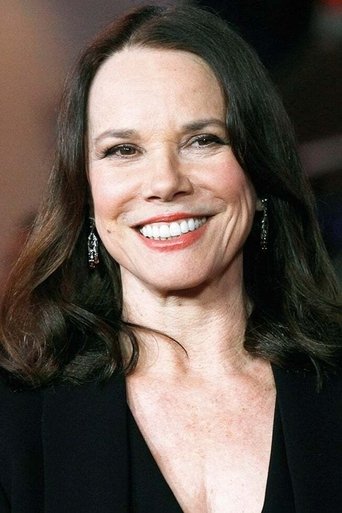
In an industry that often demands its starlets remain frozen in amber, Barbara Hershey has spent five decades doing something far more radical: she has evolved. Her screen presence suggests a woman who possesses secrets she might share if you listen closely enough, a quality that transformed her from a flower-child ingénue into one of the most formidable character actresses of her generation. She does not merely occupy a scene; she anchors it with a centered, almost hypnotic stillness that masks a simmering emotional intensity.
Her journey began in the gritty, experimental waters of the 1970s, exemplified by her breakout role in the Depression-era locomotive drama Boxcar Bertha. That early collaboration with Martin Scorsese hinted at a fearlessness that would later culminate in her transcendent, controversial turn as Mary Magdalene in The Last Temptation of Christ. While other actors of her era leaned into vanity, Hershey gravitated toward the complicated and the frayed. She excelled at playing women caught between their own desires and the suffocating expectations of society, whether she was navigating the high-stakes ego of a stunt set in The Stunt Man or providing the moral backbone of a small town in the beloved basketball classic Hoosiers.
The 1980s served as a masterclass in her range. She was the luminous sister Lee in Hannah and Her Sisters, capturing the quiet agony of falling for a sibling's husband with a grace that avoided melodrama. She could pivot from the suburban terror of The Entity to the glitzy, tear-jerking friendship of Beaches without losing a shred of her inherent dignity. Even in masculine-driven epics like The Right Stuff or the baseball mythos of The Natural, she carved out space for internal lives that felt as vital as the primary action.
What makes audiences connect with her across so many decades is a specific brand of survivalist intelligence. In Falling Down, she portrays the exhausting anxiety of a woman being stalked by a fracturing husband, and in the Australian noir Lantana, she brings a weary, clinical depth to a grieving therapist. She never asks for the audience's pity, only their attention. This steely resolve took on a terrifying new dimension in Black Swan, where she played the ultimate stage mother, a woman whose thwarted dreams had curdled into a suffocating, pink-hued obsession. It was a performance that reminded modern moviegoers of her ability to dominate the frame through sheer psychological pressure.
Even as she entered the realm of modern horror with the Insidious franchise or delved into period drama with her Oscar-nominated nuance in The Portrait of a Lady, that signature mystery remained intact. She understands that silence is often more communicative than a monologue. From the dusty trails of Last of the Dogmen to the polished floors of a ballet studio, Hershey has spent her career exploring the architecture of the feminine psyche. She has outpaced the fleeting nature of Hollywood stardom by becoming something much more permanent: an essential, transformative artist who remains as unpredictable today as she was when she first stepped in front of a camera.
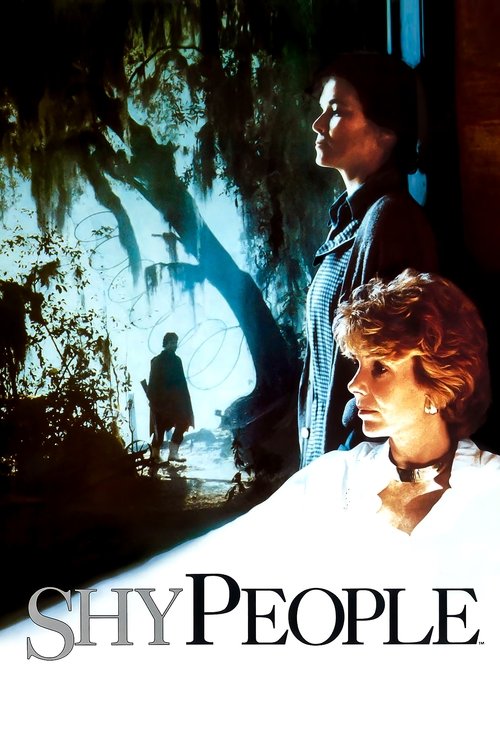
Shy People
1987A Cosmo Magazine journalist and her daughter leave New York City to visit their distant relatives deep in the bayous of Louisiana.
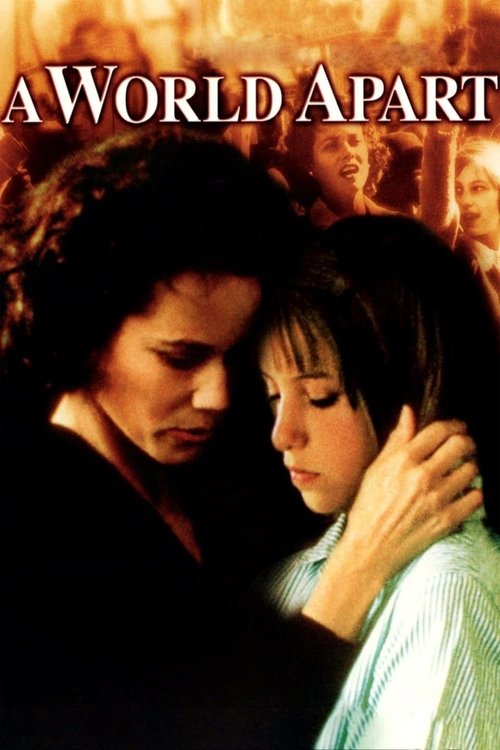
A World Apart
1988A White enclave in Johannesburg, South Africa, in the 1960s. Molly Roth, 13 years old, is the daughter of leftist parents, and she must piece together what's happening around her when her father disappears one night, barely evading arrest, and, not long after, her mother is detained by the authorities. Some of Molly's White friends turn against her, and her family's friendships with Blacks take on new meaning. Relationships are fragile in the world of apartheid. How will she manage?
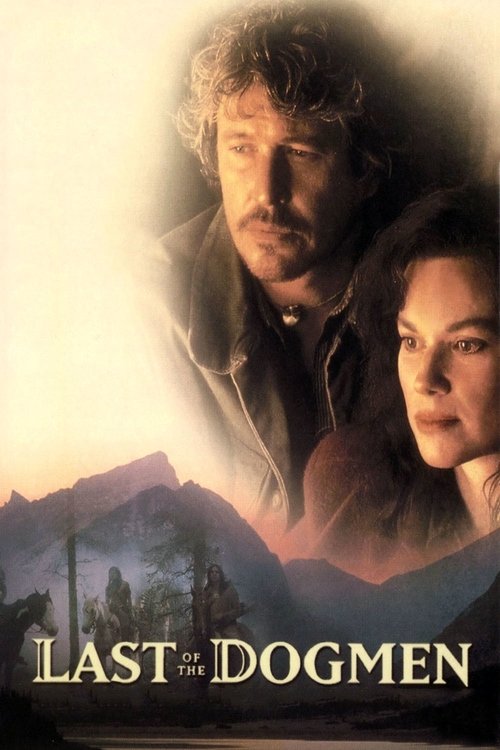
Last of the Dogmen
1995A Montana bounty hunter is sent into the wilderness to track three escaped prisoners. Instead he sees something that puzzles him. Later with a female Native Indian history professor, he returns to find some answers.
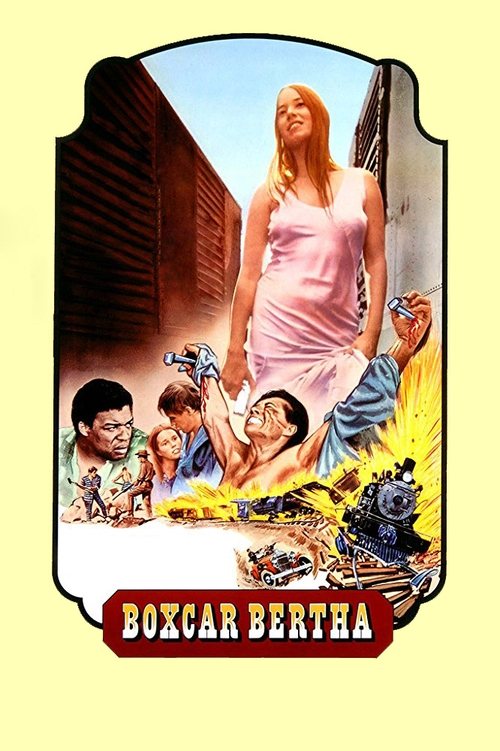
Boxcar Bertha
1972"Boxcar" Bertha Thompson, a transient woman in Arkansas during the violence-filled Depression of the early '30s, meets up with rabble-rousing union man "Big" Bill Shelly and the two team up to fight the corrupt railroad establishment.
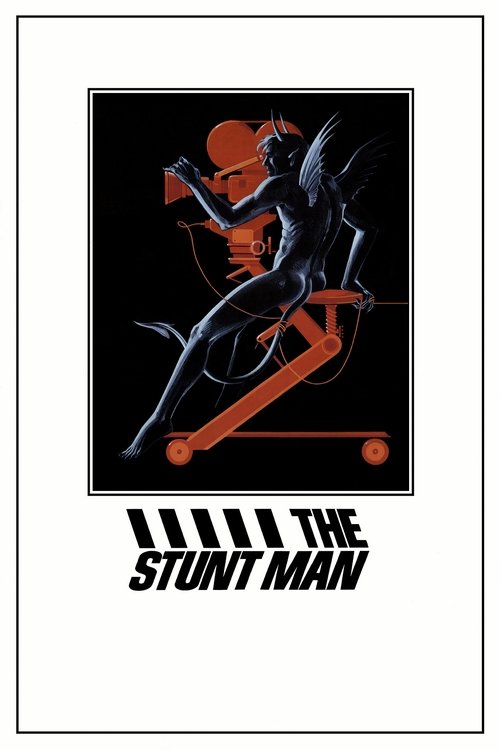
The Stunt Man
1980A fugitive stumbles onto a movie set just when they need a new stunt man, takes the job as a way to hide out and falls for the leading lady while facing off with his manipulative director.
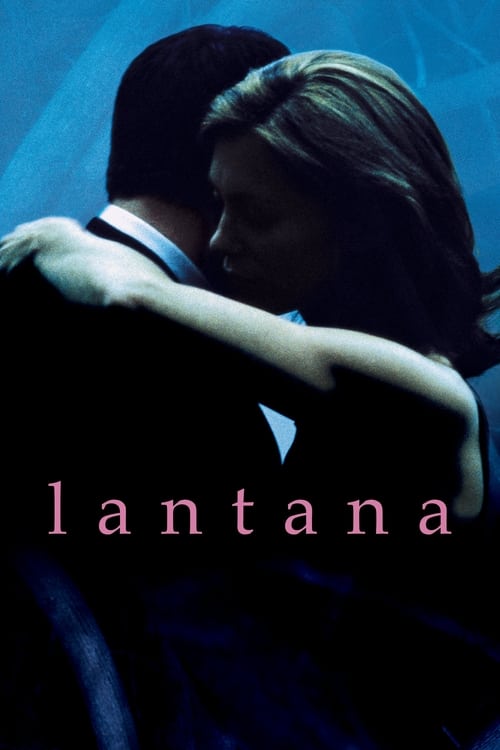
Lantana
2001Plagued with grief over the murder of her daughter, Valerie Somers suspects that her husband John is cheating on her. When Valerie disappears, Detective Leon Zat attempts to solve the mystery of her absence. A complex web of love, sex and deceit emerges -- drawing in four related couples whose various partners are distrustful and suspicious about each other's involvement.
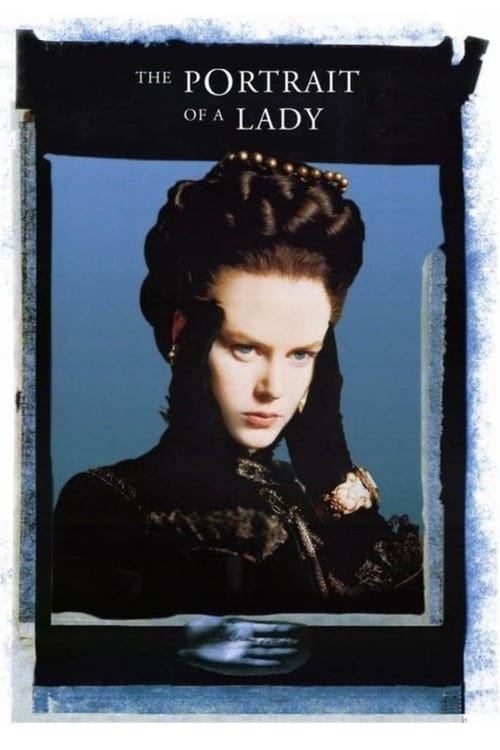
The Portrait of a Lady
1996Ms. Isabel Archer isn't afraid to challenge societal norms. Impressed by her free spirit, her kindhearted cousin writes her into his fatally ill father's will. Suddenly rich and independent, Isabelle ventures into the world, along the way befriending a cynical intellectual and romancing an art enthusiast. However, the advantage of her affluence is called into question when she realizes the extent to which her money colors her relationships.

The Entity
1982A single mom is raped by an invisible force. Her psychiatrist believes the experience stems from childhood trauma, while she knows something supernatural is at play.
Hershey carries this grueling supernatural thriller with a raw, physical commitment that prevents the high-concept premise from becoming exploitative. It is a grueling, brave performance that demanded a level of vulnerability few actresses of her era would dare to explore.
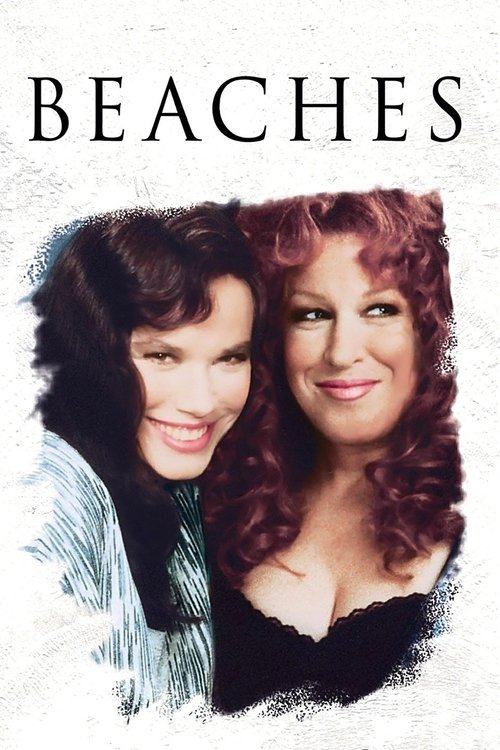
Beaches
1988A privileged rich debutante and a cynical struggling entertainer share a turbulent, but strong childhood friendship over the years.
In this quintessential weepie, Hershey offers a refined and restrained contrast to the explosive energy of her co-star. Her ability to navigate the saccharine elements with dignity cemented her reputation as a formidable dramatic powerhouse in mainstream Hollywood.
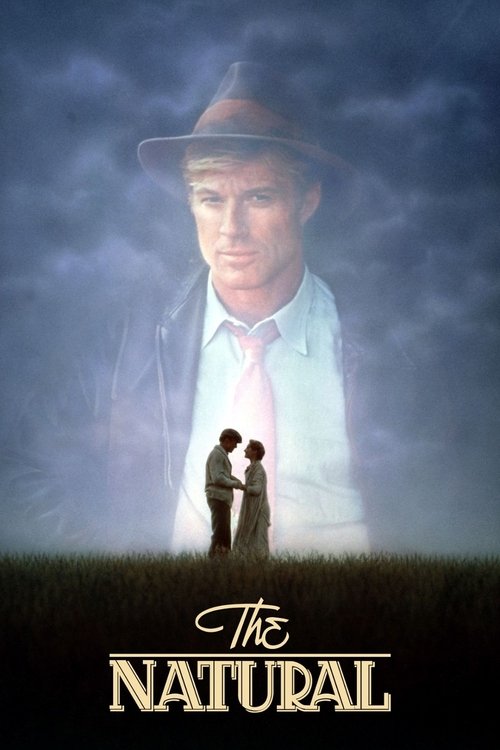
The Natural
1984An unknown middle-aged batter named Roy Hobbs with a mysterious past appears out of nowhere to take a losing 1930s baseball team to the top of the league.
Hershey is hauntingly enigmatic as the woman in black, a brief but foundational role that drives the entire mythological arc of the film. She manages to embody a literal noir trope while infusing it with a tragic, lingering psychological impact.
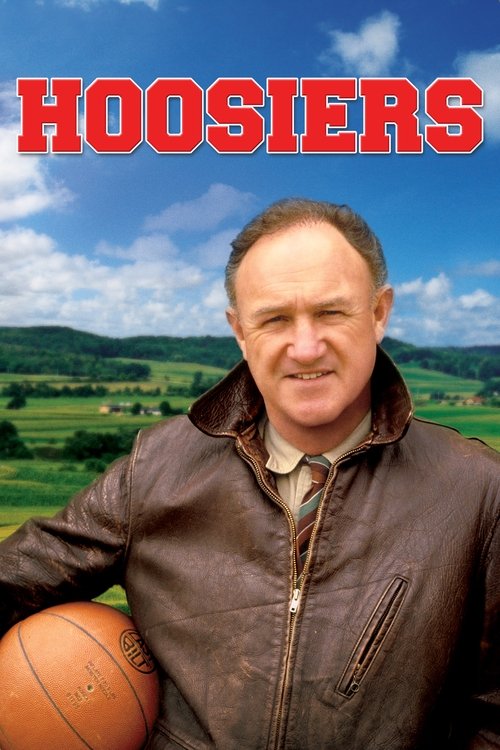
Hoosiers
1986Failed college coach Norman Dale gets a chance at redemption when he is hired to coach a high school basketball team in a tiny Indiana town. After a teacher persuades star player Jimmy Chitwood to quit and focus on his long-neglected studies, Dale struggles to develop a winning team in the face of community criticism for his temper and his unconventional choice of assistant coach: Shooter, a notorious alcoholic.
The skepticism Hershey projects as Myra Fleener offers a necessary intellectual counterpoint to the film's sports-driven sentimentality. Her evolution from guarded educator to cautious romantic anchor showcases her talent for slow-burn character development.
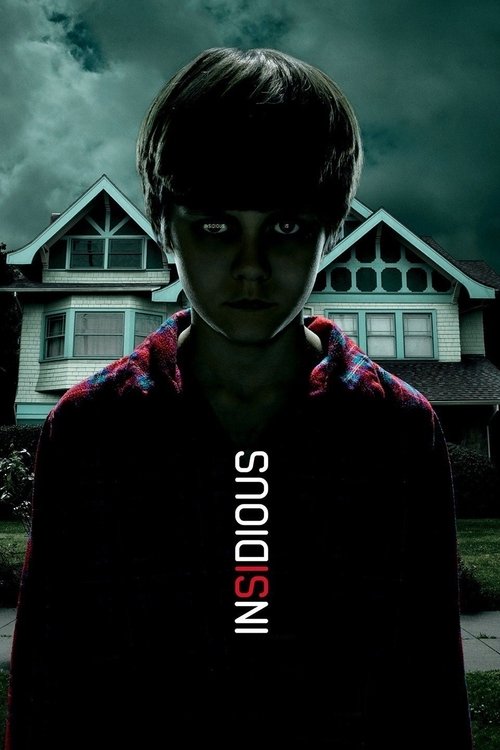
Insidious
2011A family discovers that dark spirits have invaded their home after their son inexplicably falls into an endless sleep. When they reach out to a professional for help, they learn things are a lot more personal than they thought.
Returning to the horror genre with seasoned authority, Hershey provides the narrative's vital connective tissue and a sense of sophisticated alarm. She lends a prestige weight to the supernatural proceedings, elevating the material through sheer conviction.
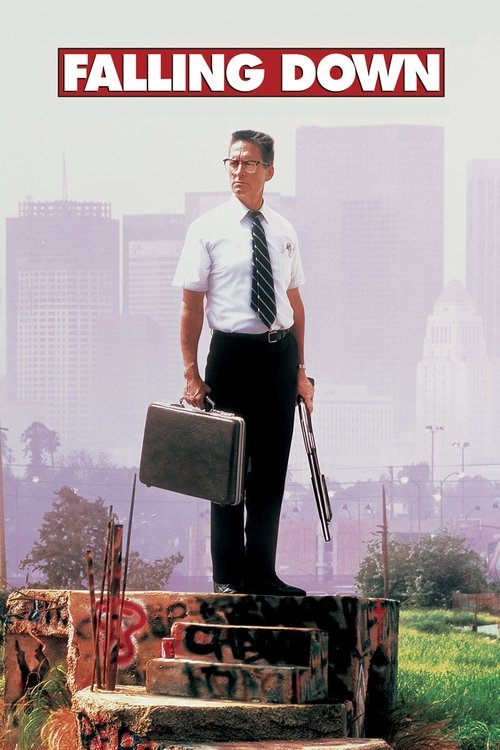
Falling Down
1993An ordinary man frustrated with the various flaws he sees in society begins to psychotically and violently lash out against them.
Hershey captures a particular brand of suburban dread as the ex-wife caught in the crosshairs of a mental breakdown. Her performance is a masterclass in reactionary tension, articulating the creeping fear of a woman who realizes her past has become a threat.
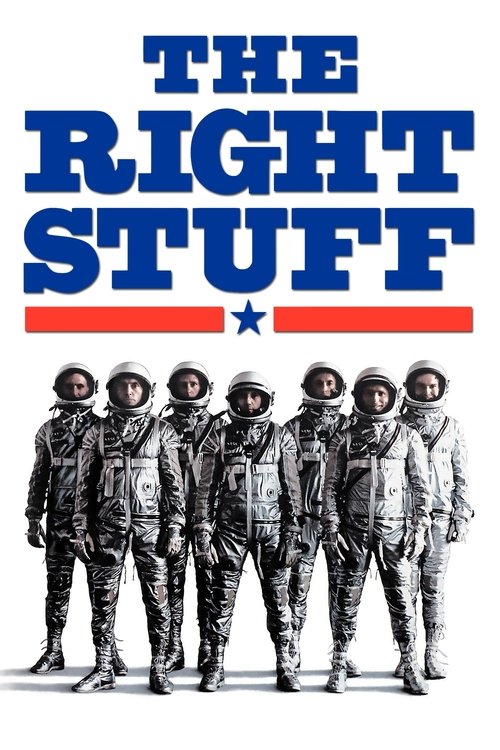
The Right Stuff
1983At the dawn of the Space Race, seven test pilots set out to become the first American astronauts to enter space. However, the road to making history brings momentous challenges.
Playing Glennis Yeager, Hershey transforms the traditional pilot's wife archetype into a figure of fierce independence and silent resilience. She brings a necessary gravitas to the domestic fringes of the Space Race, proving her ability to steal scenes with subtle, steely glances.
Jesus, a humble Judean carpenter beginning to see that he is the son of God, is drawn into revolutionary action against the Roman occupiers by Judas -- despite his protestations that love, not violence, is the path to salvation. The burden of being the savior of mankind torments Jesus throughout his life, leading him to doubt.
In the role of Mary Magdalene, Hershey projects a earthy, radical humanity that grounds the film's theological abstractions. Her presence provides the essential emotional friction that makes the story's central spiritual conflict feel visceral and lived-in.
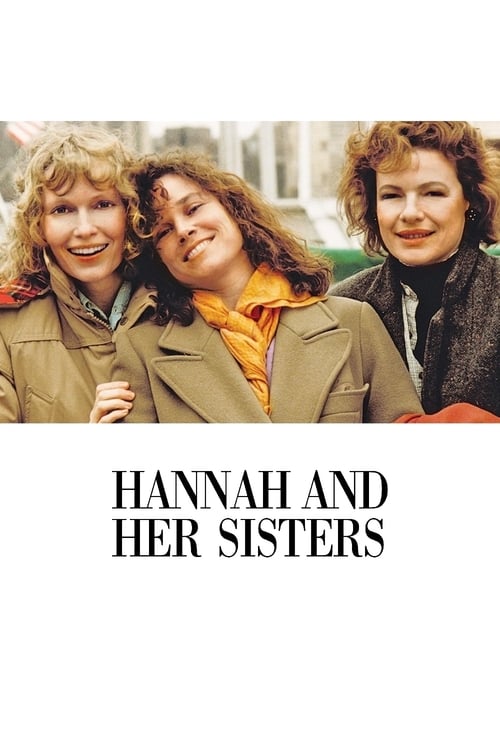
Between two Thanksgivings, Hannah's husband falls in love with her sister Lee, while her hypochondriac ex-husband rekindles his relationship with her sister Holly.
As the restless Lee, Hershey serves as the film's soulful moral compass while navigating a landscape of intellectual pretension and domestic betrayal. Her nuanced portrayal of a woman seeking self-actualization outside the shadow of her sisters remains a high-water mark of eighties auteur cinema.
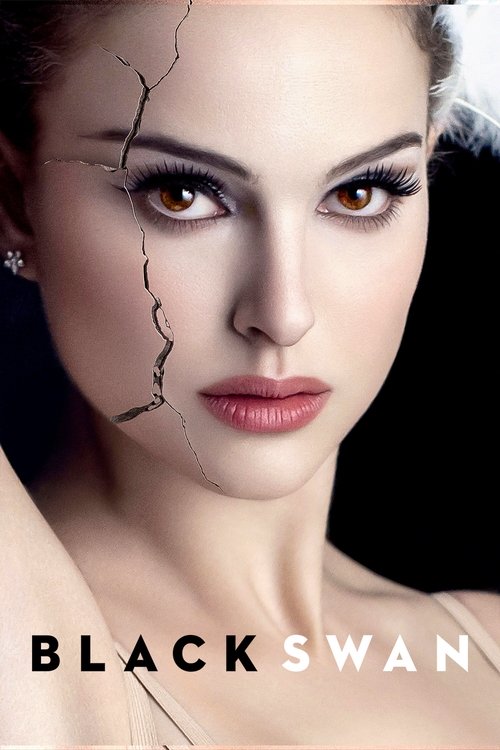
Black Swan
2010A committed dancer struggles to maintain her sanity after winning the lead role in a production of Tchaikovsky's "Swan Lake".
Hershey weaponizes maternal obsession as the suffocating Erica Sayers, a performance defined by brittle desperation and vicarious ambition. This chilling turn revitalized her status as a character actress capable of commandingly eerie psychological depth.
Frequently Asked Questions
Everything you need to know about this list and SnakeDrafts
- Barbara Hershey's filmography highlights her impressive range across psychological thrillers like 'Black Swan' and 'Insidious,' period dramas such as 'The Portrait of a Lady,' and modern horror classics including 'The Entity.' This diversity underscores her adaptability and enduring appeal in complex roles.
- Hershey has transitioned from youthful ingénue roles to deeply layered characters, as seen in films like 'Hannah and Her Sisters' and 'The Last Temptation of Christ.' Her performances show a progression towards more psychologically intricate and mature characters, reflecting her growth as an actress.
- In films like 'Black Swan' and 'Insidious,' Hershey brings a hypnotic stillness and emotional depth that anchors the tension on screen. Her ability to convey inner turmoil subtly yet powerfully sets her apart in the thriller and horror genres.
- Yes, films like 'The Portrait of a Lady' and 'The Right Stuff' showcase Hershey's talent in historical and period dramas, highlighting her skill in bringing authenticity and nuance to characters set in distinct time periods.
- Barbara Hershey has worked with renowned directors such as Martin Scorsese ('The Last Temptation of Christ') and Woody Allen ('Hannah and Her Sisters'), demonstrating her ability to thrive under visionary filmmakers who craft compelling and character-driven narratives.
- In ensemble films, Hershey anchors scenes with a captivating presence, thoughtfully interacting with co-stars to enrich the narrative complexity. Her nuanced performances in such films create a harmonious balance that elevates the entire cast.
- In supernatural and horror films like 'Insidious' and 'The Entity,' Hershey often portrays characters grappling with otherworldly forces, delivering performances filled with emotional intensity and suspense that heighten the eerie atmosphere.