The Best Meryl Streep Movies Ranked
The Queen of the Silver Screen's Greatest Roles
Explore the definitive ranking of Meryl Streep's most iconic performances, from Sophie's Choice to The Devil Wears Prada and beyond.
About Meryl Streep
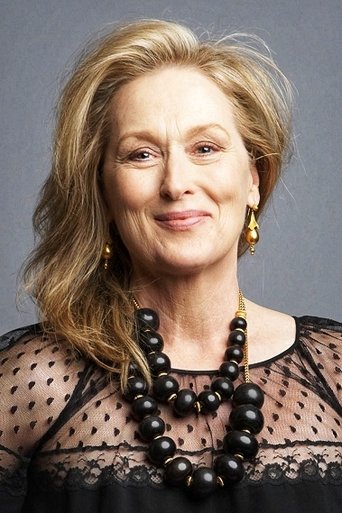
In the calculus of modern cinema, there is a distinct dividing line between being a movie star and being the standard-bearer for an entire craft. Meryl Streep somehow occupies both spaces simultaneously, though she has spent most of her career trying to disappear into the people she plays. To watch her work is to observe a masterclass in the invisible mechanics of empathy. She doesn't just adopt an accent or a posture; she seems to recalibrate her pulse to match the internal rhythm of her characters. It is this chameleon-like quality that has made her the most decorated performer of her generation, yet her true power lies in an uncanny ability to find the universal vibration in the most specific souls.
Her early breakthrough in The Deer Hunter signaled the arrival of a performer who could hold the screen with a quiet, magnetic stillness, but it was the searing emotional devastation of Sophie’s Choice that solidified her as the gold standard. In that role, she navigated the unthinkable with a physical fragility that felt dangerously real. This period established her as the premiere dramatic architect of the 1970s and 80s, where she could pivot from the domestic wreckage of Kramer vs. Kramer into the whistleblowing intensity of Silkwood or the sweeping, epic romance of Out of Africa. She became the guardian of the high-stakes drama, a woman capable of making the internal monologue of a character visible to the back row of a theater.
Most actors find a comfortable lane and stay there, but she chose to dismantle her own prestige as the years progressed. She embraced the camp and vanity of Death Becomes Her and later transformed herself into the terrifying, high-fashion glacier Miranda Priestly in The Devil Wears Prada. This shift proved that her wit was just as sharp as her dramatic instincts. Whether she is voicing a refined fox in Fantastic Mr. Fox or portraying a woman paralyzed by moral uncertainty in Doubt, she navigates these personas without a hint of artifice. She can find the poetic yearning in a lonely housewife in The Bridges of Madison County just as easily as she can capture the frantic, meta-anxiety of Charlie Kaufman’s world in Adaptation.
Audiences connect with her because she refuses to play icons; she plays humans. Even when portraying historical titans, as she did in The Post, she focuses on the tremor in her voice and the hesitation in her hands, reminding us that history is made by people who are often frightened. Her later turns, such as the nurturing matriarch in Little Women or the weary intellectual in The Hours, show an artist who has moved beyond the need to prove her range. She simply inhabits the screen. At this stage in her storied career, her legacy isn't built on the number of statues on her mantle, but on the fact that for over forty years, she has remained the industry's true north, the singular talent against whom every other actor is eventually measured.

The River Wild
1994Gail and Tom Hartman are struggling to stay together and decide to take a white-water rafting holiday adventure in Montana for their son Roarke's 10th birthday, only to meet up with a pair of mysterious men whose desperation grows, turning their vacation into a nightmare.
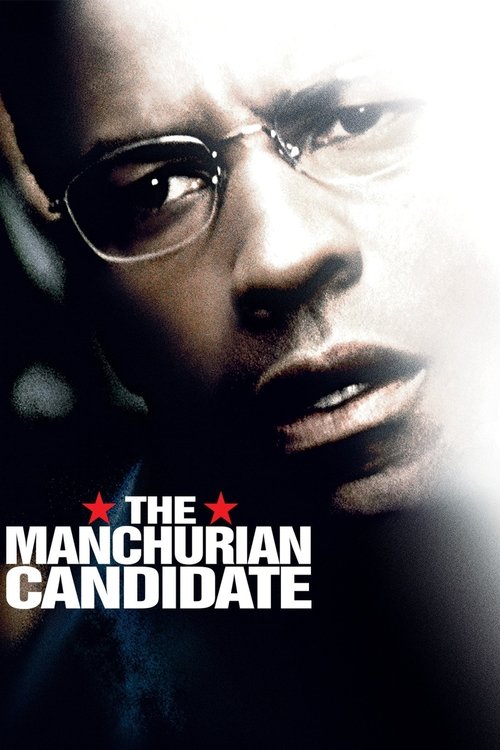
The Manchurian Candidate
2004Years after his squad was ambushed during the Gulf War, Major Ben Marco finds himself having terrible nightmares. He begins to doubt that his fellow squad-mate Sergeant Raymond Shaw, now a vice-presidential candidate, is the hero he remembers him being. As Marco's doubts deepen, Shaw's political power grows, and, when Marco finds a mysterious implant embedded in his back, the memory of what really happened begins to return.
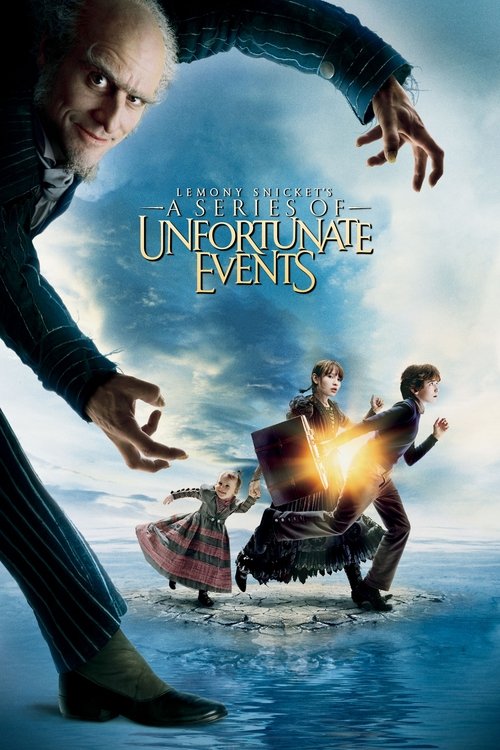
Lemony Snicket's A Series of Unfortunate Events
2004Three wealthy children's parents are killed in a fire. When they are sent to a distant relative, they find out that he is plotting to kill them and seize their fortune.

Don't Look Up
2021Two astronomers go on a media tour to warn humankind of a planet-killing comet hurtling toward Earth. The response from a distracted world: Meh.
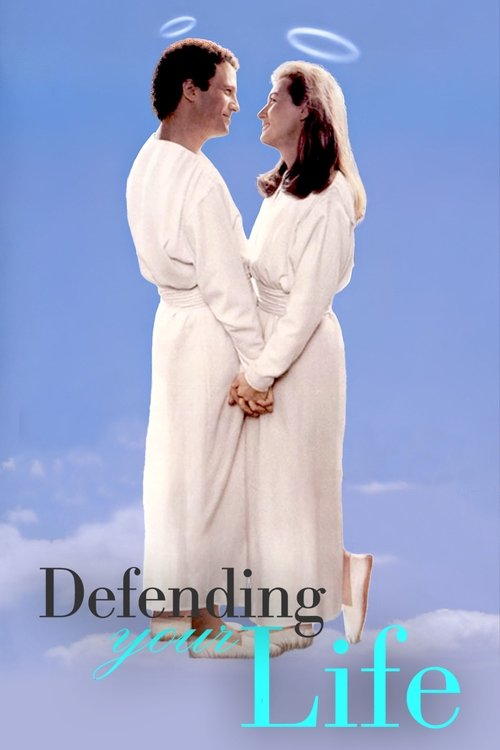
Is there love after death? After he dies suddenly, the hapless advertising executive Daniel Miller finds himself in Judgment City, a gleaming way station where the newly deceased must prove they lived a life of sufficient courage to advance in their journey through the universe. As the self-doubting Daniel struggles to make his case, a budding relationship with the uninhibited Julia offers him a chance to finally feel alive.
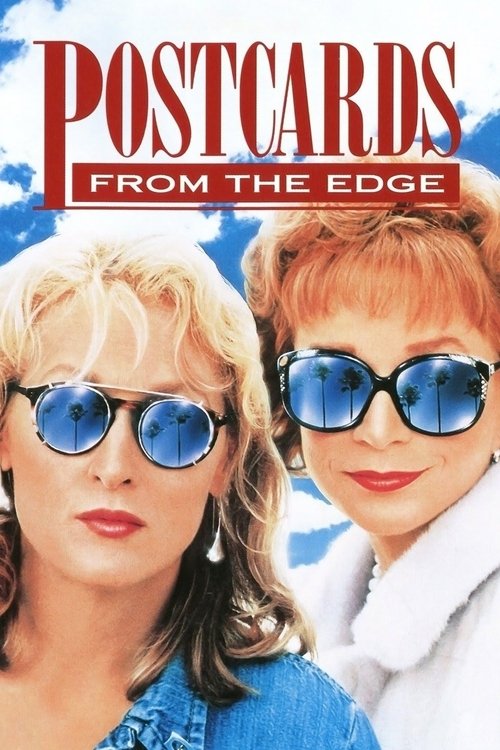
Postcards from the Edge
1990A substance-addicted actress tries to look on the bright side even as she's forced to move back in with her mother to avoid unemployment.

The Giver
2014In a seemingly perfect community, without war, pain, suffering, differences or choice, a young boy is chosen to learn from an elderly man about the true pain and pleasure of the "real" world.
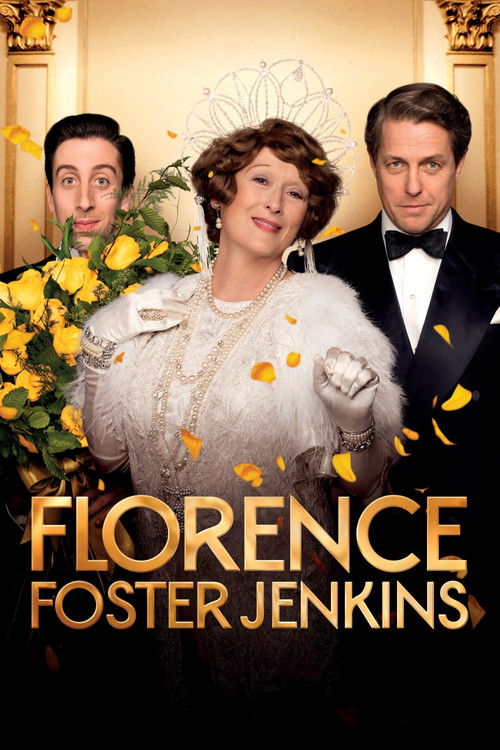
Florence Foster Jenkins
2016The story of Florence Foster Jenkins, a New York heiress, who dreamed of becoming an opera singer, despite having a terrible singing voice.
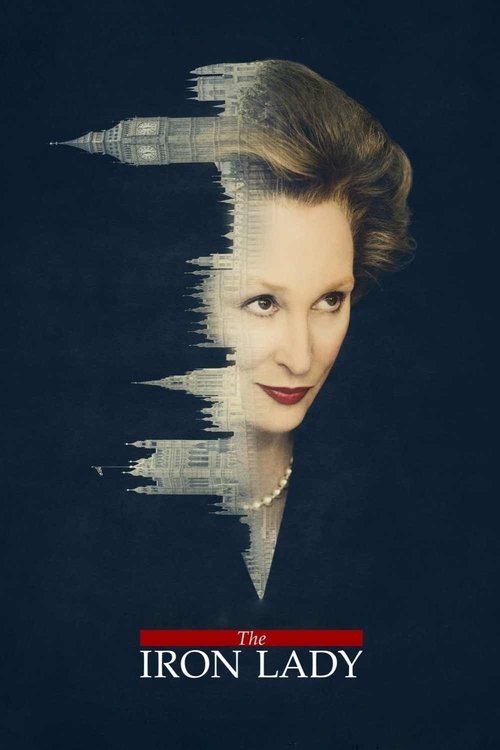
The Iron Lady
2011A look at the life of Margaret Thatcher, the former Prime Minister of the United Kingdom, with a focus on the price she paid for power.
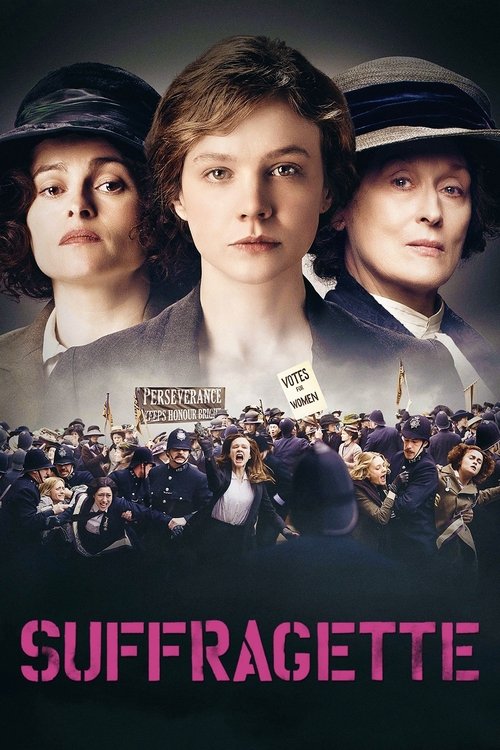
Suffragette
2015Based on true events about the foot soldiers of the early feminist movement, women who were forced underground to pursue a dangerous game of cat and mouse with an increasingly brutal State.
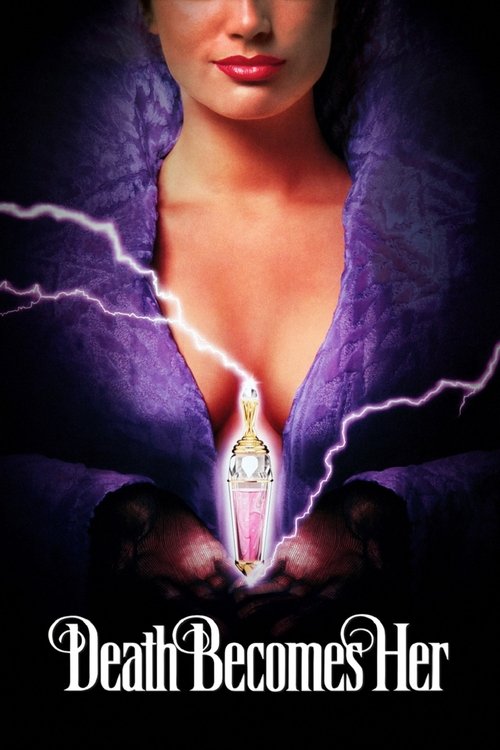
Death Becomes Her
1992Madeline is married to Ernest, who was once her arch-rival Helen's fiancé. After recovering from a mental breakdown, Helen vows to kill Madeline and steal back Ernest. Unfortunately for everyone, the introduction of a magic potion causes things to be a great deal more complicated than a mere murder plot.
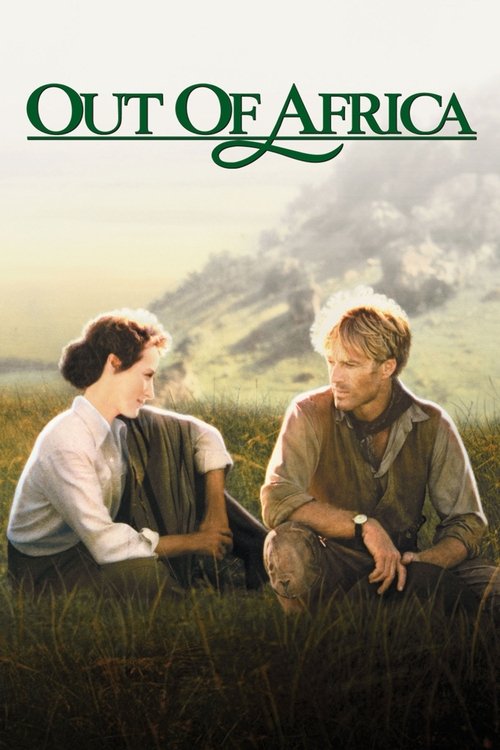
Out of Africa
1985Tells the life story of Danish author Karen Blixen, who at the beginning of the 20th century moved to Africa to build a new life for herself. The film is based on her 1937 autobiographical novel.
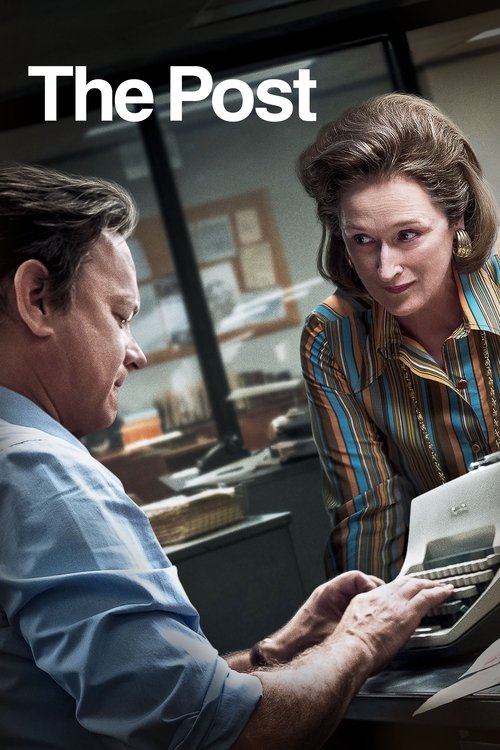
The Post
2017A cover-up that spanned four U.S. Presidents pushed the country's first female newspaper publisher and a hard-driving editor to join an unprecedented battle between journalist and government. Inspired by true events.

The Fantastic Mr. Fox, bored with his current life, plans a heist against the three local farmers. The farmers, tired of sharing their chickens with the sly fox, seek revenge against him and his family.
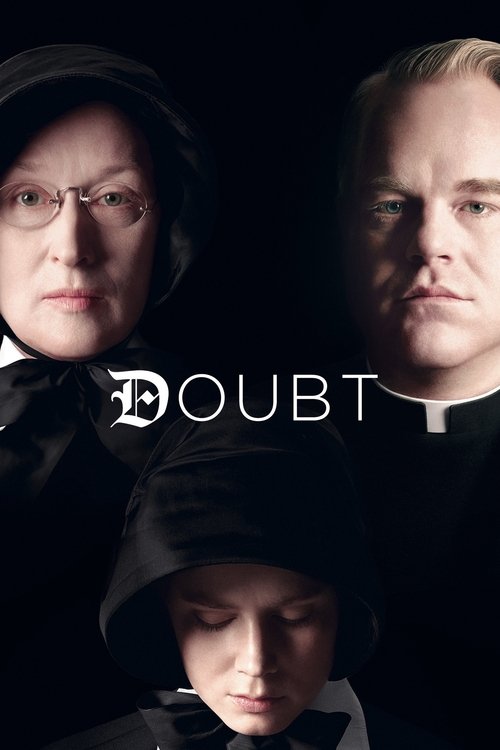
Doubt
2008In 1964 Bronx, two Catholic school nuns question the new priest's ambiguous relationship with a troubled African-American student.
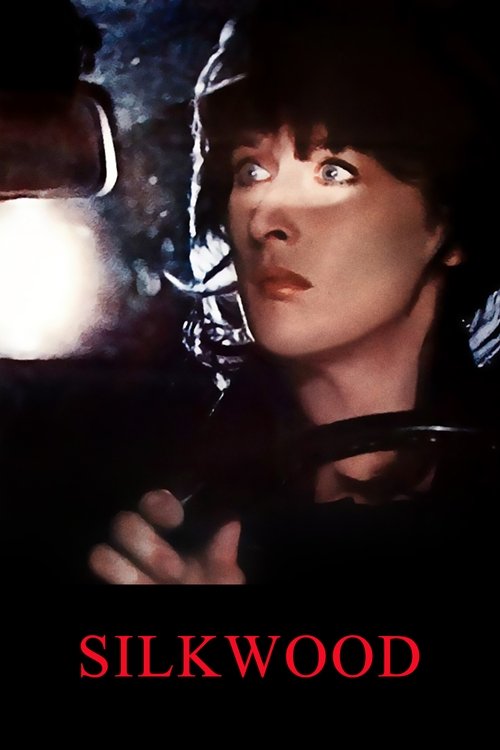
Silkwood
1983Like most of the people in her town, Karen Silkwood works at the local nuclear plant producing highly radioactive plutonium. Exposed one day to a lethal dose of radiation, Karen faces the blank walls of corporate indifference and denial. As her illness increases, her protest grows louder and she becomes an obvious danger to the powers that be.
Moving away from the European art-house aesthetic, Streep adopts a blue-collar grit that emphasizes her physical commitment to the role of a whistleblowing pariah. This performance solidified her as a political force in cinema, blending high-stakes tension with a raw, unvarnished humanity.
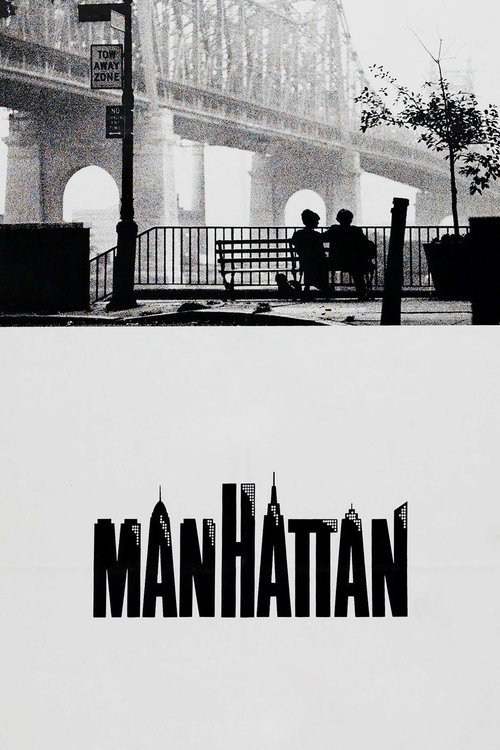
Manhattan
1979Manhattan explores how the life of a middle-aged television writer dating a teenage girl is further complicated when he falls in love with his best friend's mistress.
Even in a brief, icy appearance, Streep captures the intellectual severity of the late-70s New York zeitgeist with surgical precision. She provides a vital, unsentimental counterpoint to the film's neurotic protagonist, proving early on that she could dominate a frame with minimal screen time.
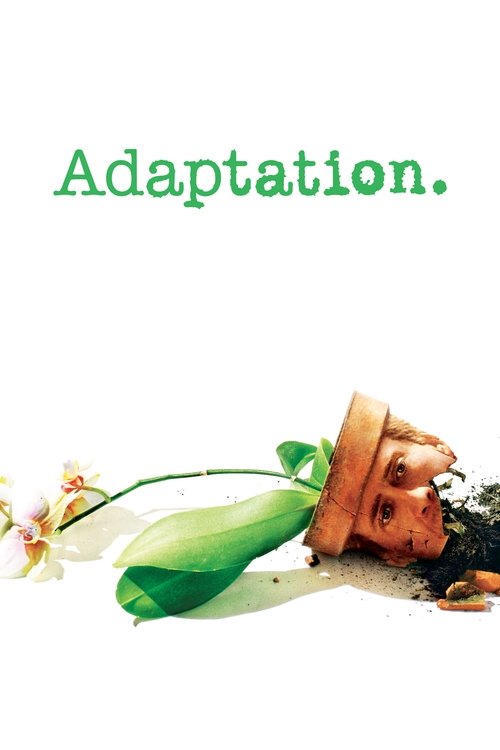
Adaptation.
2002Charlie Kaufman is a confused L.A. screenwriter overwhelmed by feelings of inadequacy, sexual frustration, self-loathing, and by the screenwriting ambitions of his freeloading twin brother Donald. While struggling to adapt "The Orchid Thief," by Susan Orlean, Kaufman's life spins from pathetic to bizarre. The lives of Kaufman, Orlean's book, become strangely intertwined as each one's search for passion collides with the others'.
Streep subverts her refined image by descending into a whimsical, drug-addled, and eventually surreal headspace that perfectly matches the film’s meta-narrative chaos. It is perhaps her most liberated work, shedding all vanity to play with the very idea of her own prestigious persona.
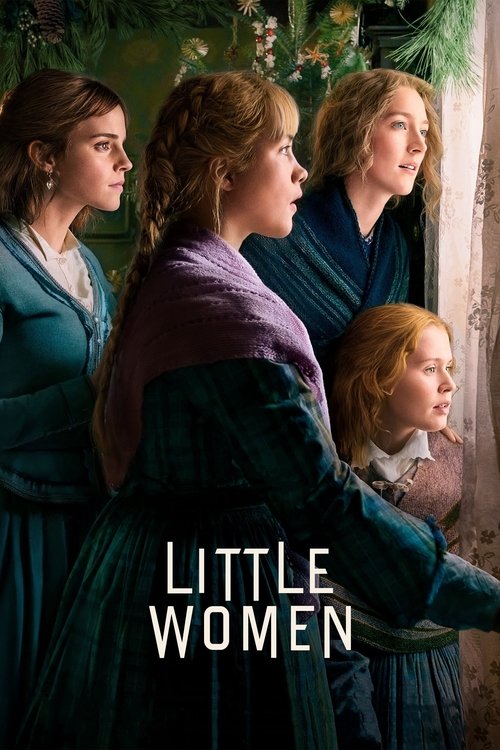
Little Women
2019Four sisters come of age in America in the aftermath of the Civil War.
As the formidable Aunt March, Streep weaponizes cynicism and sharp-tongued pragmatism to provide a necessary friction against the film’s youthful idealism. It is a delicioulsy acerbic supporting turn that demonstrates her late-career ability to steal entire scenes with nothing more than a piercing glare and a well-timed barb.
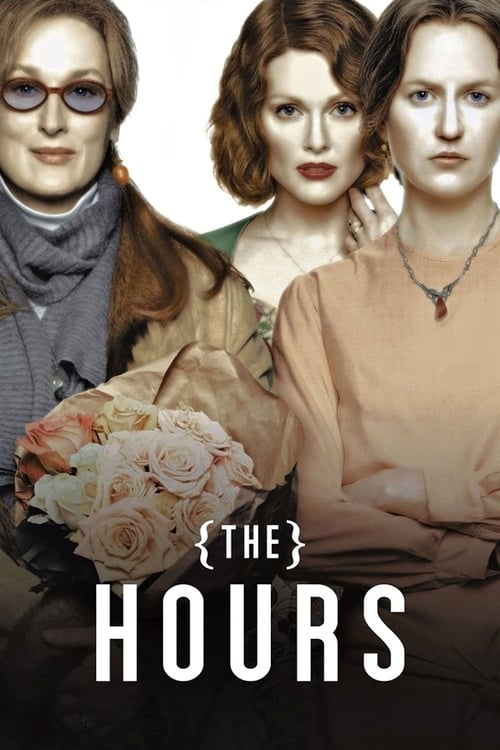
The Hours
2002The story of three women searching for more potent, meaningful lives. Each is alive at a different time and place, all are linked by their yearnings and their fears. Their stories intertwine, and finally come together in a surprising, transcendent moment of shared recognition.
Tasked with the film's contemporary anchor, Streep navigates an internalised, domestic claustrophobia that ripples beneath the surface of a mundane party preparation. She brilliantly mirrors the literary weight of Virginia Woolf through modern neuroses, anchoring the triptych with a weary, lived-in grace.
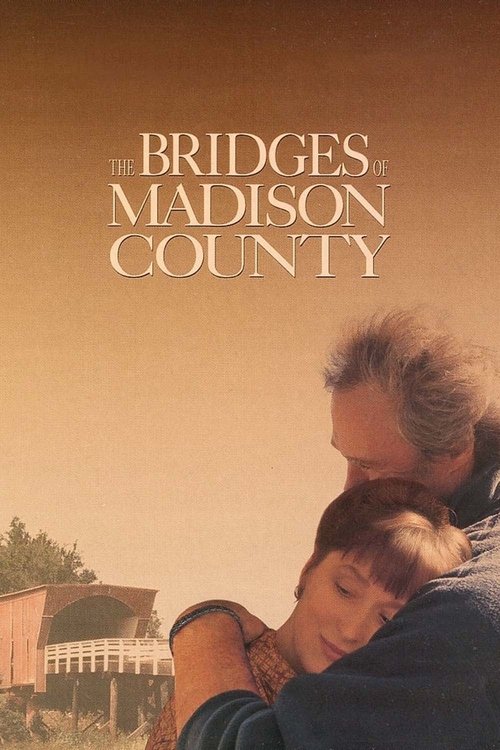
Photographer Robert Kincaid wanders into the life of housewife Francesca Johnson for four days in the 1960s.
Under the direction of Clint Eastwood, Streep sheds her technical affectations to deliver a performance of startling, sun-drenched intimacy and yearning. It remains one of her most grounded and sensuous turns, stripping away the 'Greatest Living Actress' artifice to find the quiet tragedy in a midwestern kitchen.

The Devil Wears Prada
2006A young woman from the Midwest gets more than she bargained for when she moves to New York to become a writer and ends up as the assistant to the tyrannical, larger-than-life editor-in-chief of a major fashion magazine.
Trading her usual vulnerability for a chilled, serpentine elegance, Streep’s turn as Miranda Priestly is a masterclass in the economy of movement and the power of a whispered command. She elevates a high-fashion satire into a legendary character study, proving her sharp comedic timing is just as formidable as her dramatic pathos.
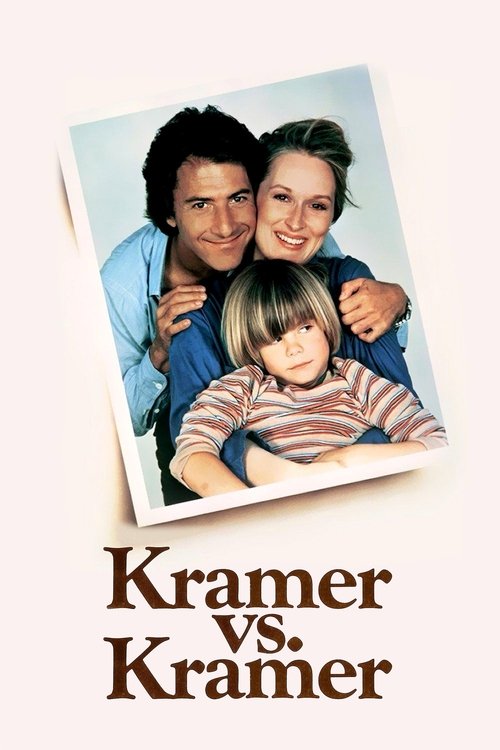
Kramer vs. Kramer
1979Ted Kramer is a career man for whom his work comes before his family. His wife Joanna cannot take this anymore, so she decides to leave him. Ted is now faced with the tasks of housekeeping and taking care of himself and their young son Billy.
By infusing a potentially villainized character with nuanced grief and agonizing self-actualization, Streep challenged the domestic archetypes of late-70s cinema. She manages to occupy the film’s negative space with such gravity that her presence is felt even when she is off-screen, marking her definitive transition into a powerhouse lead.
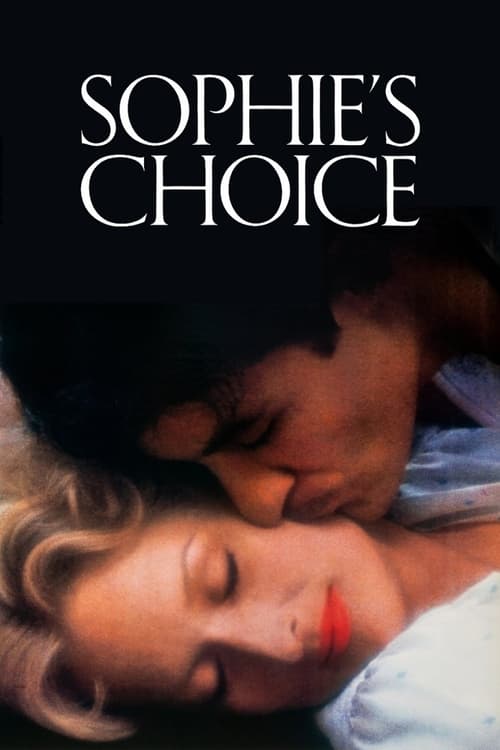
Sophie's Choice
1982Stingo, a young writer, moves to Brooklyn in 1947 to begin work on his first novel. As he becomes friendly with Sophie and her lover Nathan, he learns that she is a Holocaust survivor. Flashbacks reveal her harrowing story, from pre-war prosperity to Auschwitz. In the present, Sophie and Nathan's relationship increasingly unravels as Stingo grows closer to Sophie and Nathan's fragile mental state becomes ever more apparent.
Streep’s technical mastery reaches its zenith here, utilizing a flawless linguistic precision to mask the hollowed-out soul of a survivor. It is a haunting transformation that set the gold standard for the 'prestige biopic,' showcasing a psychological depth that few actors have ever dared to replicate.
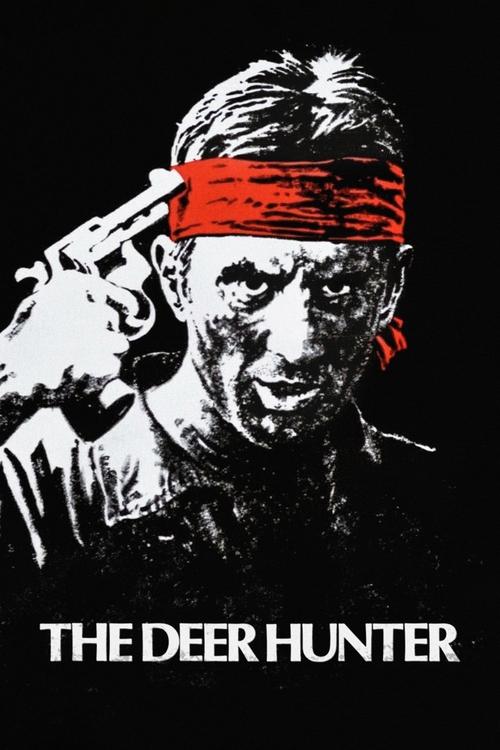
The Deer Hunter
1978Three steelworkers enlist in the army and are sent to Vietnam, one leaving behind a rushed marriage, the others a shared love. What they encounter during the war changes their lives forever.
In an ensemble defined by its raw, masculine intensity, Streep provides a luminous emotional anchor, proving her uncanny ability to command the screen through subtle, reactive stillness. This role established her as the premiere dramatic empathetic of her generation, turning a supporting part into the film's moral conscience.
Frequently Asked Questions
Everything you need to know about this list and SnakeDrafts
- The Deer Hunter stands out as Meryl Streep's powerful performance set against the backdrop of the Vietnam War. Her role in this drama captures the emotional and psychological turmoil of the era, making it one of her most intense and memorable performances.
- In The Devil Wears Prada, Meryl Streep delivers a sharp and charismatic performance in a comedy-drama setting. Unlike her more intense dramatic roles, this film highlights her ability to command the screen with wit and style, portraying a powerful fashion magazine editor with nuanced charm.
- Sophie's Choice is hailed for its emotionally gripping narrative and Meryl Streep's extraordinary ability to convey deep trauma and resilience. This film is often cited as a masterclass in acting, where her performance earned critical acclaim and solidified her reputation as one of cinema's finest actresses.
- The list illustrates Meryl Streep's remarkable versatility, spanning drama, romance, comedy, and even fantasy. From the heartfelt emotional depth in Kramer vs. Kramer and The Bridges of Madison County to comedic turns in Death Becomes Her, she seamlessly adapts to diverse genres showcasing her broad acting range.
- The Hours highlights Meryl Streep’s skill in portraying complex, layered characters within a tightly woven narrative. Her performance in this drama, which explores interconnected stories of women across time, adds profound depth and emotional resonance to the film.
- Meryl Streep’s work in historical dramas such as Out of Africa and The Post showcases her ability to embody real-life figures with authenticity and gravitas. These roles demonstrate her talent for bringing history to life while maintaining emotional nuance and engaging storytelling.
- In both Kramer vs. Kramer and Little Women, Meryl Streep delves into complex family dynamics and relationships. Her compelling performances explore themes of love, sacrifice, and personal growth, reflecting the emotional core of these beloved stories.
- In Adaptation., Meryl Streep plays a pivotal supporting role that blends comedy and drama within a meta-narrative structure. Her performance demonstrates her flexibility to enrich unconventional storytelling with subtlety and depth.