The Best Marlon Brando Movies Ranked
The Definitive Filmography of a Hollywood Icon
Explore the essential performances of Marlon Brando, from Method acting triumphs like On the Waterfront to cinematic legends like The Godfather.
About Marlon Brando
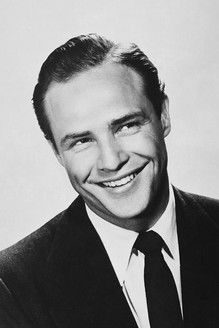
To look at Marlon Brando is to see a fracture in the history of performance. Before him, acting was a series of polished declamations and rehearsed gestures; after he arrived, it became a visceral, sweating, uncomfortably private act of exposure. He didn't just inhabit characters; he dismantled them on screen, forcing audiences to witness the jagged edges of the human psyche. When he crashed onto the scene in A Streetcar Named Desire, he brought a primal, mumbles-and-all intensity that made every other actor in Hollywood look like they were still wearing greasepaint from a silent film. He wasn't playing Stanley Kowalski so much as he was bleeding him into the frame, a revolution in denim that changed the DNA of cinema overnight.
His early streak remains perhaps the most formidable run in the history of the medium. Whether he was channeling the stoic rebellion of a biker in The Wild One or the revolutionary fire of Viva Zapata!, there was a dangerous unpredictability to his presence. It reached a zenith in On the Waterfront, where his portrayal of Terry Malloy turned a story about dockworker corruption into a high-stakes opera of the soul. He possessed an uncanny ability to find the tenderness within the brute, a duality that kept viewers hooked even when his characters were at their most repellent. He made Shakespeare feel modern and urgent in Julius Caesar, proving that his naturalistic approach wasn't a lack of technique but a mastery of a new one.
As the years rolled on, the industry struggled to contain his volatility. By the time he reached the sets of Mutiny on the Bounty and The Fugitive Kind, the myth of the difficult genius had begun to overshadow the work. He was a man who seemed bored by the artifice of moviemaking, often retreating into a self-imposed exile that only heightened his mystique. Yet, just as the world prepared to write him off, he delivered a double-stroke of genius in 1972. In The Godfather, he disappeared behind the prosthetic jowls and gravelly whispers of Vito Corleone, creating an archetype of paternal menace that defines the gangster genre to this day. Simultaneously, he exposed his own raw nerves in Last Tango in Paris, a performance so intimate it felt like a violation of the viewer’s privacy.
The later chapters of his career were defined by a strange, magnetic eccentricity. He could command millions for a few minutes as Jor-El in Superman, lending gravitas to a comic book world that hadn't yet earned its stripes, or vanish into the psychological fog of Apocalypse Now as Colonel Kurtz. Even in lesser-seen works like Burn! or the tense Morituri, he remained the most interesting thing in the room, a performer who understood that silence and stillness were often more communicative than a monologue. Audiences remained obsessed with him not because he was relatable, but because he was uncompromising. He represented the actor as an anarchist, someone who refused to play the game but won it anyway. Brando didn't just give us great movies; he gave us a new way to understand the human face.
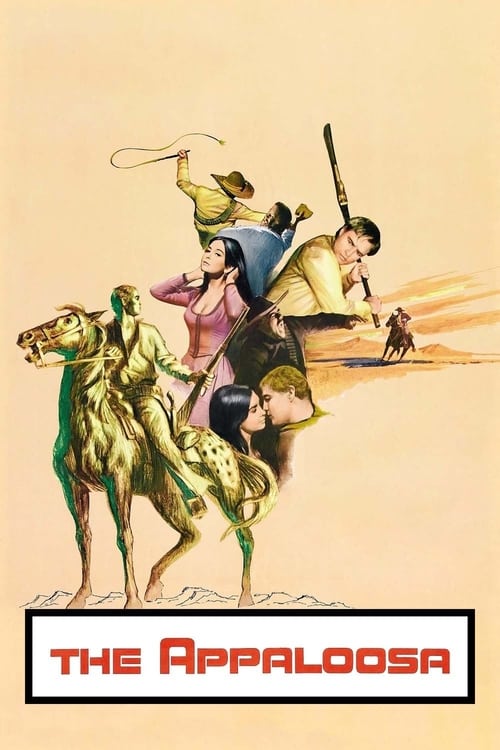
The Appaloosa
1966A man tries to recover a horse stolen from him by a Mexican bandit.
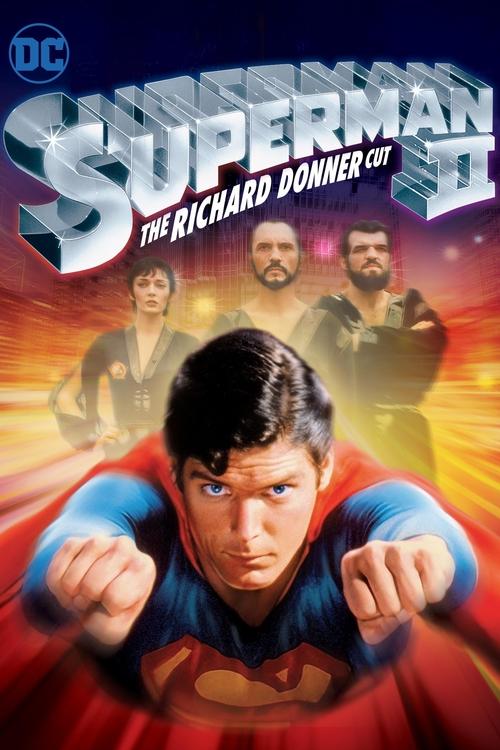
Superman II: The Richard Donner Cut
2006Superman agrees to sacrifice his powers to start a relationship with Lois Lane, unaware that three Kryptonian criminals he inadvertently released are conquering Earth.
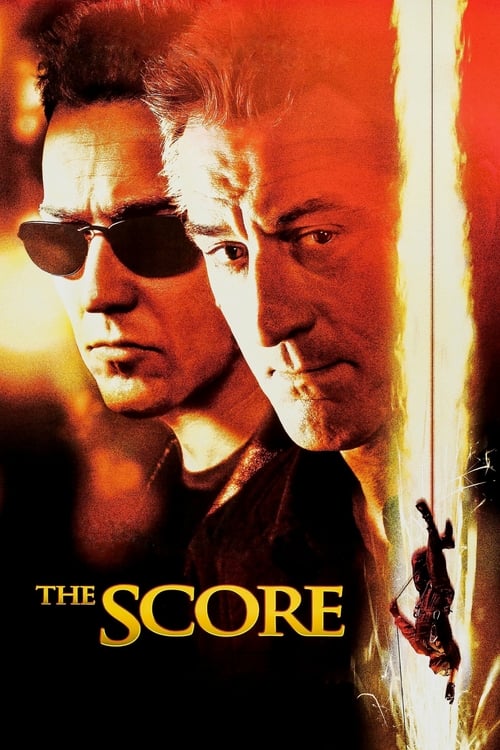
The Score
2001An aging thief hopes to retire and live off his ill-gotten wealth when a young kid convinces him into doing one last heist.
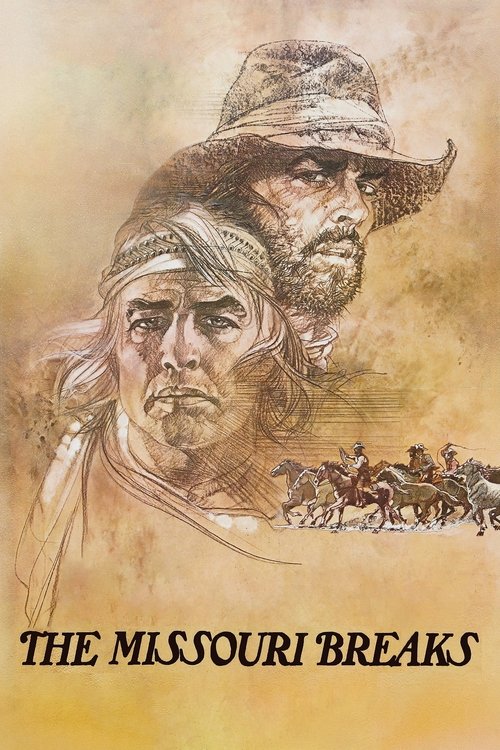
The Missouri Breaks
1976When vigilante land baron David Braxton hangs one of the best friends of cattle rustler Tom Logan, Logan's gang decides to get even by purchasing a small farm next to Braxton's ranch. From there the rustlers begin stealing horses, using the farm as a front for their operation. Determined to stop the thefts at any cost, Braxton retains the services of eccentric sharpshooter Robert E. Lee Clayton, who begins ruthlessly taking down Logan's gang.
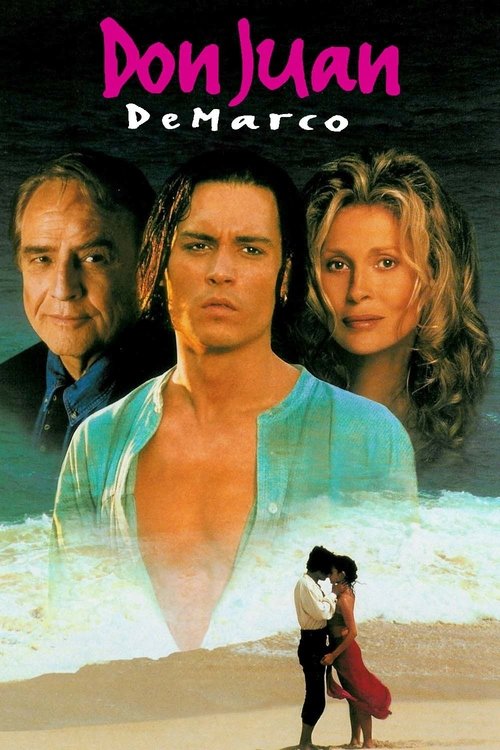
Don Juan DeMarco
1994John Arnold DeMarco is a man who believes he is Don Juan, the greatest lover in the world. Clad in a cape and mask, DeMarco undergoes psychiatric treatment with Dr. Jack Mickler to cure him of his apparent delusion. But the psychiatric sessions have an unexpected effect on the psychiatric staff and, most profoundly, Dr Mickler, who rekindles the romance in his complacent marriage.
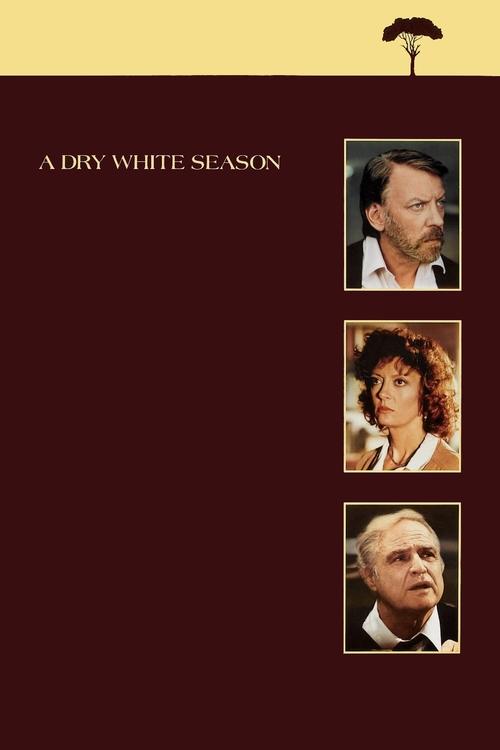
A Dry White Season
1989During the 1976 Soweto uprising, a white school teacher's life and values are threatened when he asks questions about the death of a young black boy who died in police custody.
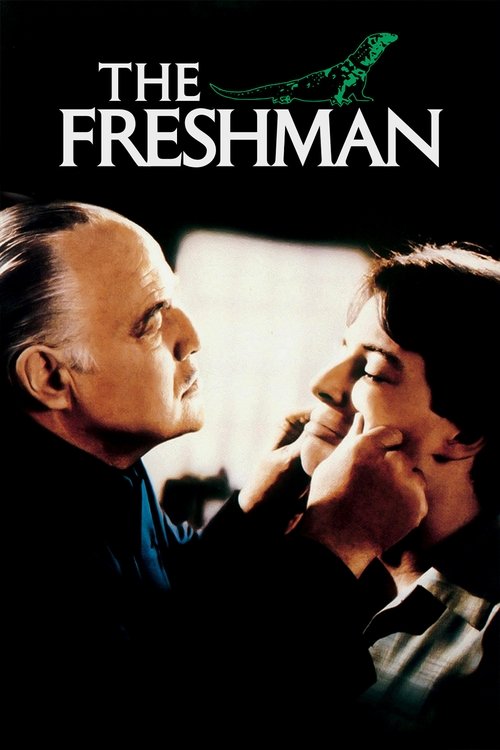
The Freshman
1990After a film student gets his belongings stolen, he meets a mobster bearing a startling resemblance to a certain cinematic godfather. Soon, he finds himself caught up in a caper involving endangered species and fine dining.
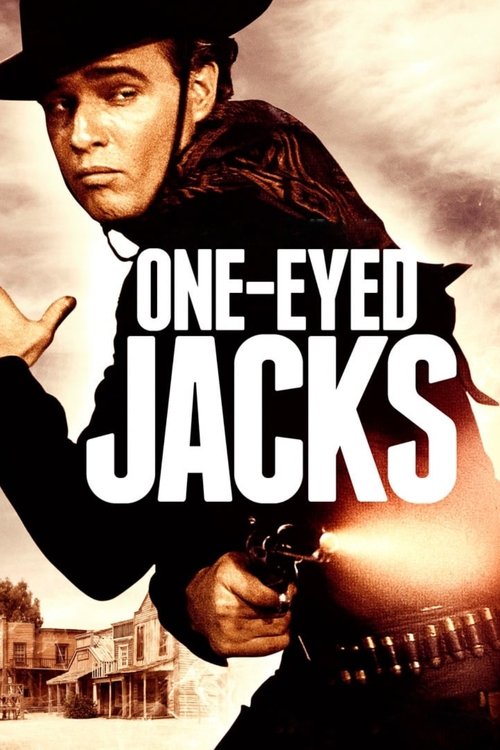
One-Eyed Jacks
1961Running from the law after a bank robbery in Mexico, Dad Longworth finds an opportunity to take the stolen gold and leave his partner Rio to be captured. Years later, Rio escapes from the prison where he has been since, and hunts down Dad for revenge. Dad is now a respectable sheriff in California, and has been living in fear of Rio's return.
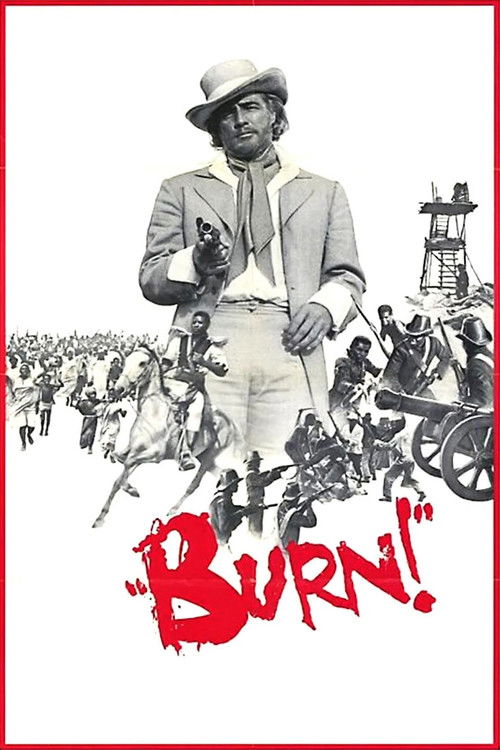
Burn!
1969The professional mercenary Sir William Walker instigates a slave revolt on the Caribbean island of Queimada in order to help improve the British sugar trade. Years later he is sent again to deal with the same rebels that he built up because they have seized too much power that now threatens British sugar interests.
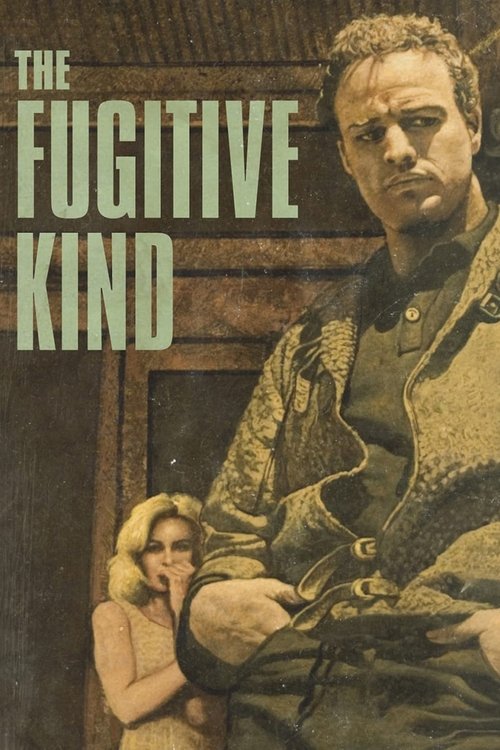
The Fugitive Kind
1960Val Xavier, a drifter of obscure origins, arrives at a small town and gets a job in a store run by Lady Torrence. Her husband, Jabe M. Torrance, is dying of cancer. Val is pursued by Carol Cutere, the enigmatic local tramp-of-good-family.
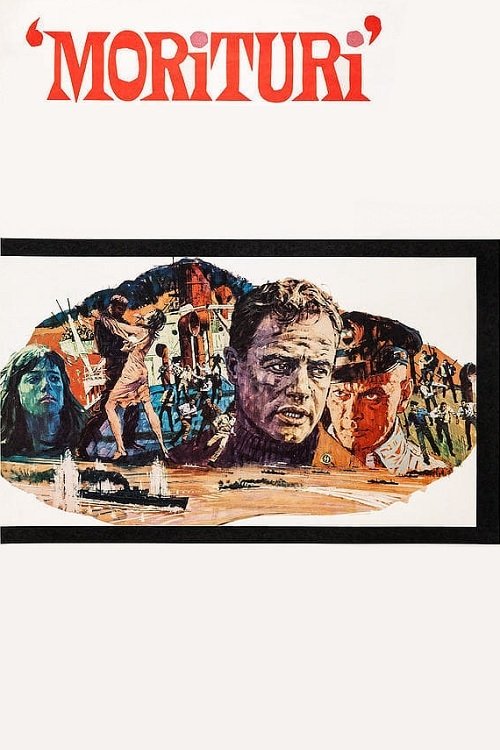
Morituri
1965A German living in India during World War II is blackmailed by the English to impersonate an SS officer on board a cargo ship leaving Japan for Germany carrying a large supply of rubber for tyres. His mission is to disable the scuttling charges so the captain cannot sink the ship if they are stopped by English warships.
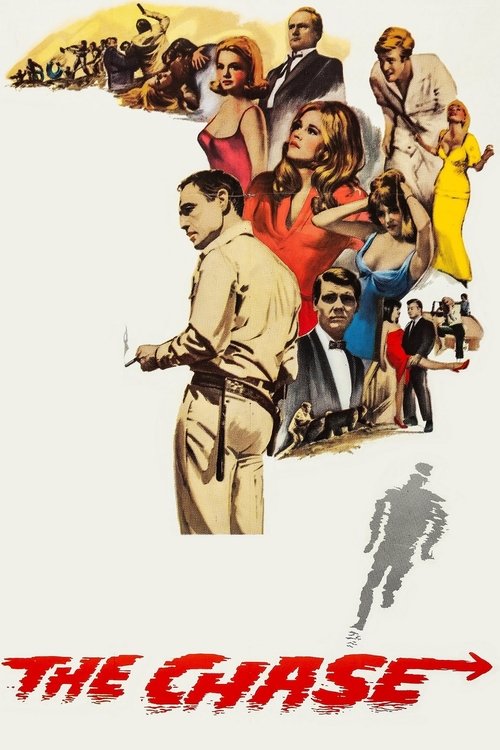
The Chase
1966The escape of Bubber Reeves from prison affects the inhabitants of a small Southern town.
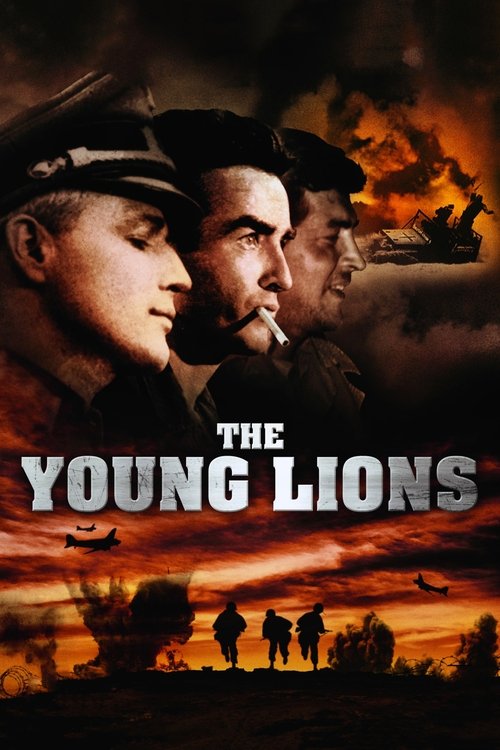
The Young Lions
1958The lives of three young men, a German and two Americans, during WWII.
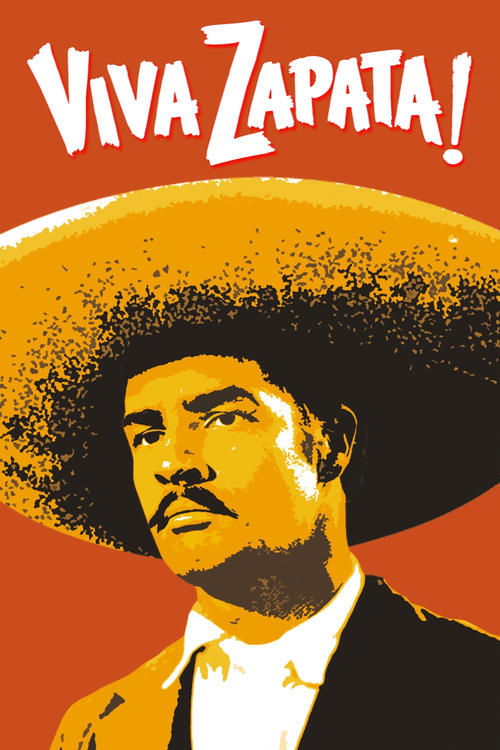
Viva Zapata!
1952The story of Mexican revolutionary Emiliano Zapata, who led a rebellion against the corrupt, oppressive dictatorship of president Porfirio Díaz in the early 20th century.
Under Kazan’s direction, Brando traded his urban edge for a stoic, earthy intensity that grounded the revolutionary fervor of the script. This role showcased his early versatility, proving he could translate his revolutionary acting style into a historical epic without losing his trademark intimacy.
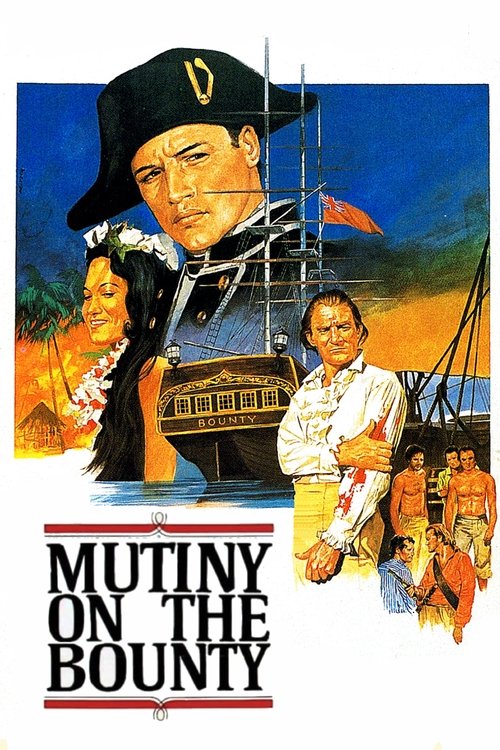
Mutiny on the Bounty
1962The Bounty leaves Portsmouth in 1787. Its destination: to sail to Tahiti and load bread-fruit. Captain Bligh will do anything to get there as fast as possible, using any means to keep up a strict discipline. When they arrive at Tahiti, it is like a paradise for the crew, something completely different than the living hell aboard the ship. On the way back to England, officer Fletcher Christian becomes the leader of a mutiny.
Brando’s eccentric, foppish interpretation of Fletcher Christian serves as a fascinating example of his desire to subvert traditional heroic tropes. While the production was famously troubled, his performance highlights a career-long obsession with reinventing standard archetypes through unexpected character choices.
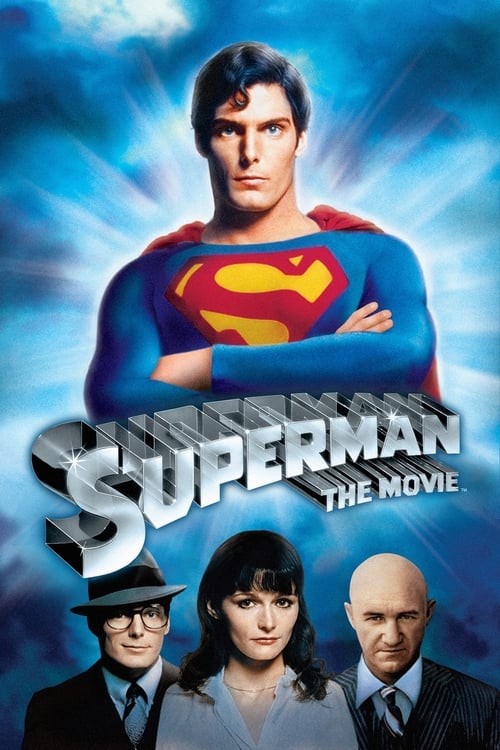
Superman
1978Mild-mannered Clark Kent works as a reporter at the Daily Planet alongside his crush, Lois Lane. Clark must summon his superhero alter-ego when the nefarious Lex Luthor launches a plan to take over the world.
In a brief but pivotal appearance as Jor-El, Brando lent a sense of operatic prestige to the fledgling superhero genre. His ability to command a massive salary for a few days of work demonstrated his unprecedented leverage and the sheer weight of his name in the global marketplace.
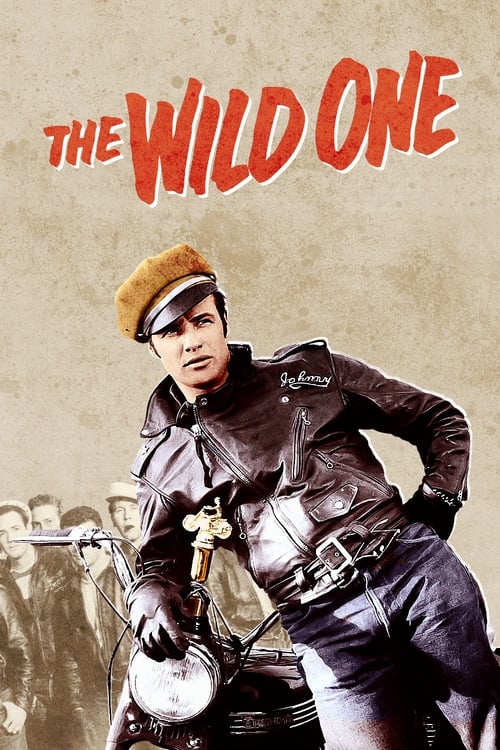
The Wild One
1953The Black Rebels Motorcycle Club ride into the small California town of Wrightsville, eager to raise hell. Brooding gang leader Johnny Strabler takes a liking to Kathie, the daughter of the local lawman, as another club rolls into town.
Leaning against his motorcycle with a defiant, bored sneer, Brando created the visual blueprint for the mid-century counterculture rebel. The film matters less for its narrative than for how Brando’s iconography captured the burgeoning restlessness of a generation without a cause.
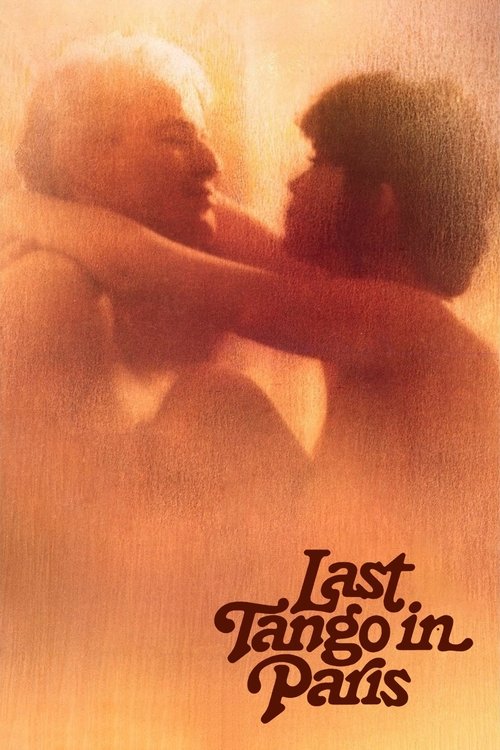
Last Tango in Paris
1972A recently widowed American begins an anonymous sexual relationship with a young Parisian woman.
Brando bared his psyche with a raw, nihilistic vulnerability that remains one of the most polarizing and intimate displays of an actor’s interior life. This controversial performance dismantled his remaining 'leading man' ego, replacing it with a devastating portrait of grief and urban decay.
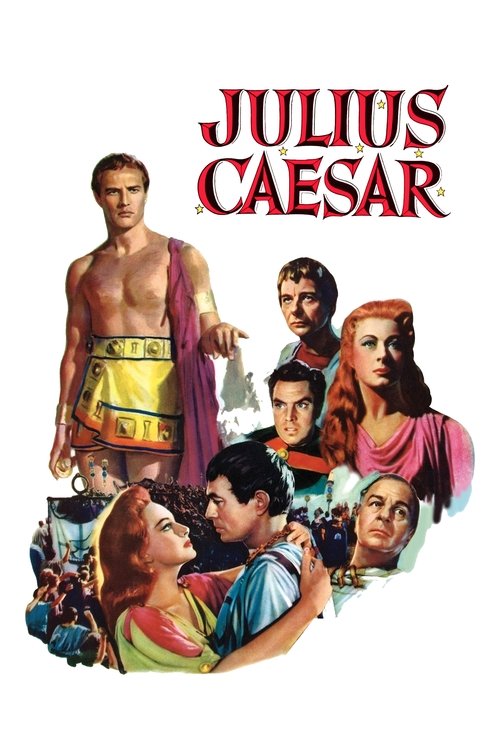
Julius Caesar
1953The growing ambition of Julius Caesar is a source of major concern to his close friend Brutus. Cassius persuades him to participate in his plot to assassinate Caesar but both have sorely underestimated Mark Antony.
By tackling Mark Antony, Brando silenced critics who doubted his range, proving his mumble could give way to a sophisticated, rhythmic command of Shakespearean verse. He infused the classical text with a brooding, contemporary urgency that bridged the gap between old-world theater and modern cinema.
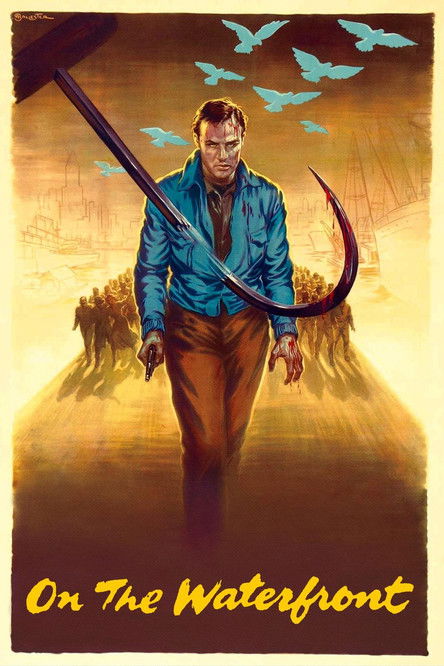
On the Waterfront
1954A prizefighter-turned-longshoreman with a conscience goes up against labor leaders to expose corruption, extortion, and murder among the union ranks.
In this gritty masterwork, Brando’s Terry Malloy remains the definitive study of bruised masculinity and blue-collar poeticism. It is the high-water mark of the Method, proving that a character's internal conflict could be just as cinematic as an explosive physical confrontation.
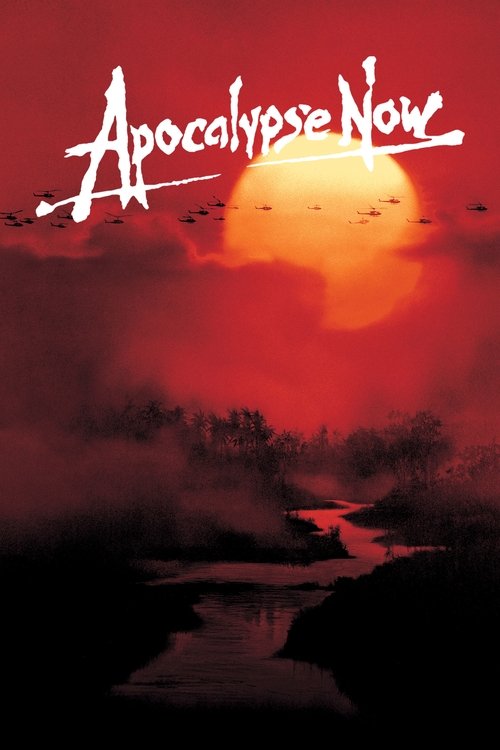
Apocalypse Now
1979At the height of the Vietnam war, Captain Benjamin Willard is sent on a dangerous mission that, officially, "does not exist, nor will it ever exist." His goal is to locate - and eliminate - a mysterious Green Beret Colonel named Walter Kurtz, who has been leading his personal army on illegal guerrilla missions into enemy territory.
Emerging from the shadows of a chaotic production, Brando’s Colonel Kurtz serves as a haunting, philosophical manifestation of the film's existential dread. His improvised, subterranean monologues turned a supporting role into a looming, mythic specter that defines the final act.
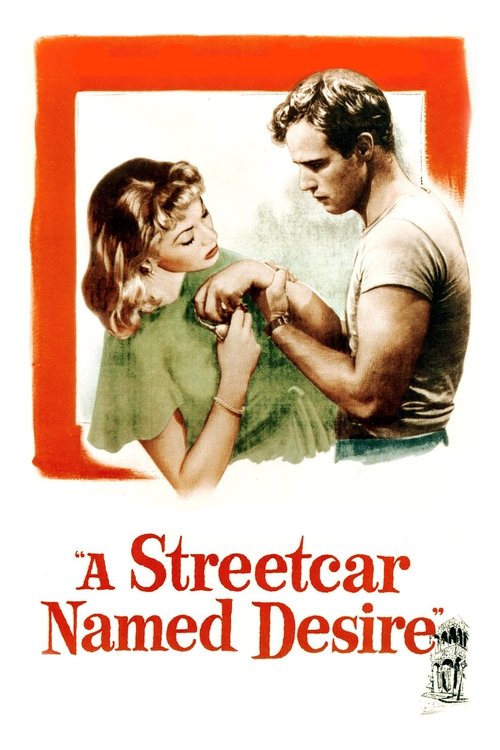
A Streetcar Named Desire
1951A disturbed, aging Southern belle moves in with her sister for solace — but being face-to-face with her brutish brother-in-law accelerates her downward spiral.
As the primal Stanley Kowalski, Brando shattered the artifice of classical Hollywood acting with a volatile, sweat-soaked physicality that felt dangerous to watch. This role didn't just launch his career; it permanently altered the DNA of screen presence by introducing an unapologetic, animalistic eroticism.
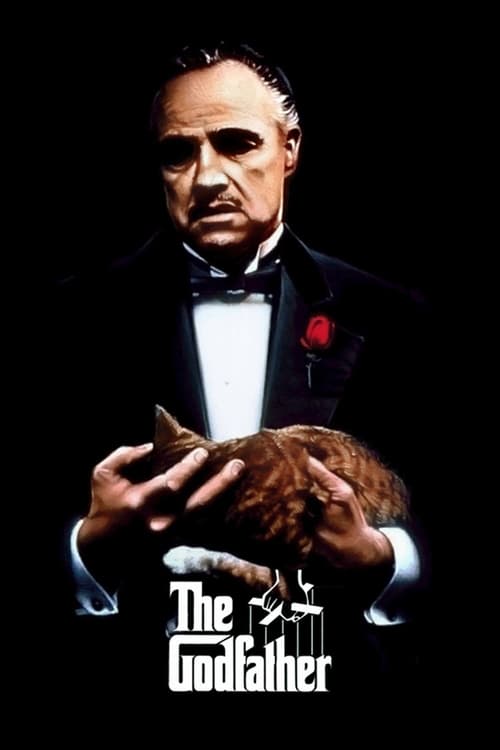
The Godfather
1972Spanning the years 1945 to 1955, a chronicle of the fictional Italian-American Corleone crime family. When organized crime family patriarch, Vito Corleone barely survives an attempt on his life, his youngest son, Michael steps in to take care of the would-be killers, launching a campaign of bloody revenge.
Brando reinvented the screen patriarch with a raspy, minimalist gravity that effectively anchored the modern era of the American epic. This transformation from the industry's rebellious brat to its undisputed deity solidified his status as the primary architect of naturalistic acting.
Frequently Asked Questions
Everything you need to know about this list and SnakeDrafts
- In On the Waterfront, Marlon Brando's intense portrayal of a conflicted dockworker won him an Academy Award and cemented his status as a pioneer of Method acting. His raw emotion and nuanced vulnerability brought a new depth to film acting that resonated with audiences and critics alike.
- Brando's portrayal of Vito Corleone in The Godfather set a new benchmark for complex antiheroes in crime dramas. His subtle yet commanding presence redefined the gangster archetype, influencing countless subsequent films and solidifying the movie’s status as a timeless classic.
- A Streetcar Named Desire introduced audiences to Brando’s primal and improvisational acting approach, marked by mumbling and unfiltered intensity. His performance as Stanley Kowalski broke from theatrical norms, bringing a fierce realism and emotional rawness to the screen that changed acting standards forever.
- Brando’s films often delve into themes of power, identity, and human vulnerability, evident in movies like Julius Caesar and Apocalypse Now. His roles frequently portray internal conflict and societal pressures, reflecting the complexities of the human psyche through gritty, realistic performances.
- In Apocalypse Now, Brando's portrayal of Colonel Kurtz is enigmatic and haunting, showcasing a more mysterious and subdued intensity compared to his earlier fiery characters. The role emphasized psychological depth and a disturbing charisma, expanding his acting range into more surreal and profound territory.
- Brando’s rebellious persona in The Wild One helped define youth counterculture on film, while his role in Viva Zapata! highlighted his political engagement and range in portraying historical figures. Both films solidified his reputation as a versatile actor willing to challenge societal norms and cinematic conventions.
- Last Tango in Paris challenged taboos with its raw depiction of sexuality and emotional turmoil, with Brando delivering a fearless and emotionally charged performance. Despite its controversy, the film influenced how intimacy and complex adult relationships are portrayed in cinema.
- Brando’s role as Jor-El in Superman demonstrated his ability to bring gravitas and authority to the science fiction genre. This performance highlighted his unique capacity to elevate blockbuster films with a blend of warmth and commanding presence, proving his versatility beyond traditional dramas.