The Best Russell Crowe Movies Ranked
From Roman Generals to Noble Mathematicians
Explore the definitive ranking of Russell Crowe's greatest performances, featuring acclaimed dramas, epic blockbusters, and iconic award-winning roles.
About Russell Crowe

In the late nineties, a specific brand of hyper-masculine sensitivity began to dominate the multiplex, and it arrived largely through the sheer force of a New Zealander who seemed to have stepped out of another era. Russell Crowe didn't just play characters; he inhabited them with a density that felt physical. In L.A. Confidential, he was the blunt instrument of the LAPD, a man of brutal violence who somehow possessed the most bruised soul on screen. It was that friction—the tectonic plate shift between outward aggression and inward vulnerability—that turned him into the premier leading man of his generation.
The apex of this era was, of course, Gladiator. As Maximus, he carried the weight of an empire on his shoulders, grounding a high-concept epic with a performance so grounded and weary that it won him an Oscar and single-handedly revived the sword-and-sandals genre. But he was never content with just being the action hero. He immediately pivoted to The Insider and A Beautiful Mind, disappearing behind the thick glasses of whistleblowers and the frantic genius of John Nash. These roles stripped away the armor, proving he could command a room just as effectively with a stutter or a panicked glance as he could with a gladiatorial sword. He became the actor directors turned to when they needed a man’s man who wasn't afraid to weep or lose his mind.
Audiences connect with him because there is an inherent salt-of-the-earth grit to his screen presence. Even when playing a legendary figure in Robin Hood or a stoic naval captain in Master and Commander: The Far Side of the World, he feels like he has dirt under his fingernails and actual history behind his eyes. He excels at playing men defined by their professional competence and personal codes. In 3:10 to Yuma and American Gangster, he explored the dark side of that magnetism, playing outlaws and investigators with a matching intensity that suggested both sides of the law are equally exhausting.
As he moved into his later career, the fiery intensity developed a fascinating, self-aware edge. He surprised everyone by leaning into his comedic timing in The Nice Guys, playing a world-weary enforcer with a dry, grumpy wit that served as the perfect foil to Ryan Gosling’s high-pitched energy. He has also embraced the theatrical, whether bellowing through the revolutionary streets of Les Misérables or providing the steady, fatherly gravity required for Man of Steel. Even in modern gritty fare like Land of Bad or the high-stakes tension of The Next Three Days, he remains an anchor. He doesn't just show up to a set; he occupies the space. Whether he's a detective in Body of Lies or a boxer in Cinderella Man, the through-line is a relentless commitment to the emotional truth of the working man. He remains one of the few actors who can make the simple act of thinking on camera look like a high-stakes contact sport.
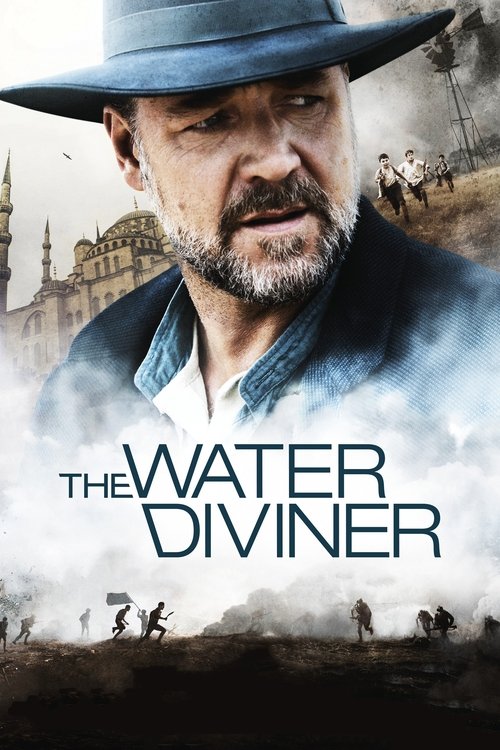
The Water Diviner
2014In 1919, Australian farmer Joshua Connor travels to Turkey to discover the fate of his three sons, reported missing in action. Holding on to hope, Joshua must travel across the war-torn landscape to find the truth and his own peace.
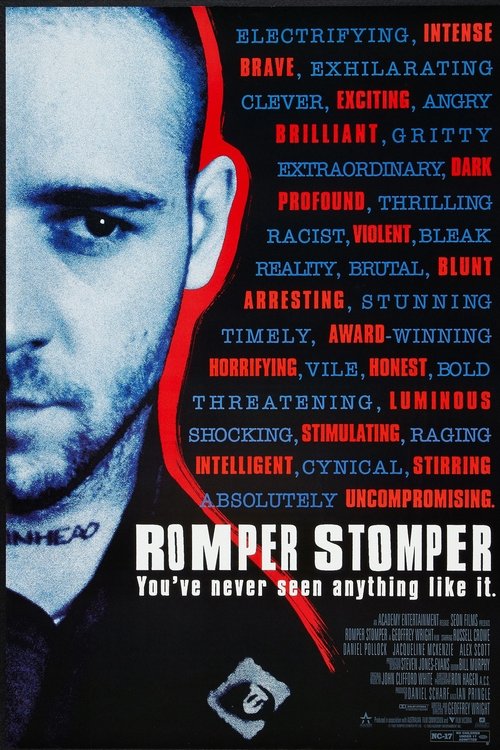
Romper Stomper
1992Nazi skinheads in Melbourne take out their anger on local Vietnamese, who are seen as threatening racial purity. Finally the Vietnamese have had enough and confront the skinheads in an all-out confrontation, sending the skinheads running. A woman who is prone to epileptic seizures joins the skins' merry band, and helps them on their run from justice, but is her affliction also a sign of impurity?
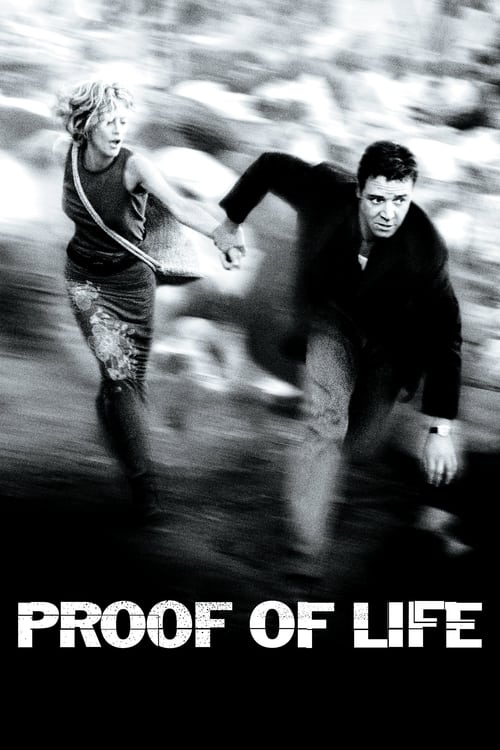
Proof of Life
2000When American engineer Peter Bowman is kidnapped while working in South America, his wife Alice enlists special agent Terry Thorne to help free him. However, complications arise when Thorne falls in love with her. Their lives are on the line, their hearts out on a limb.
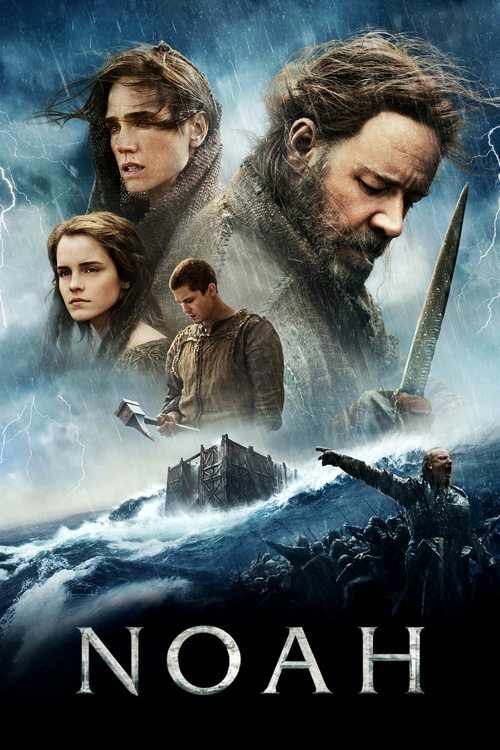
Noah
2014A man who suffers visions of an apocalyptic deluge takes measures to protect his family from the coming flood.
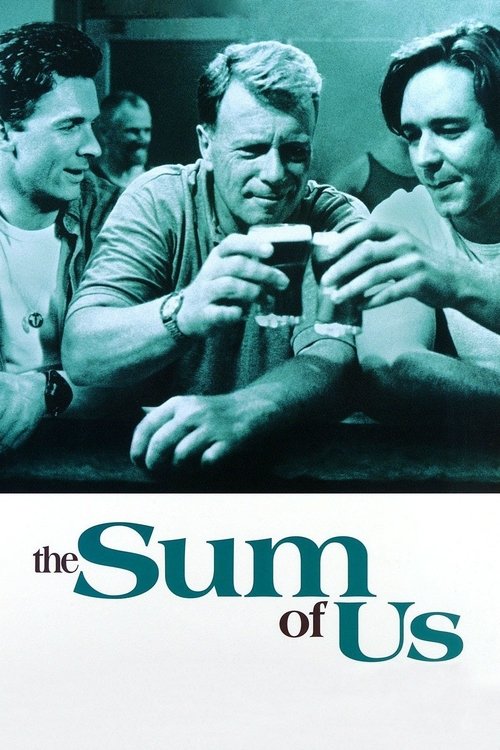
The Sum of Us
1994A widowed father has to deal with two complex issues: while he is searching for "Miss Right," his son, who is in his 20s and gay, is searching for "Mr. Right."

Boy Erased
2018Jared, the son of a Baptist pastor in a small American town, is outed to his parents at age 19. Jared is faced with an ultimatum: attend a gay conversion therapy program – or be permanently exiled and shunned by his family, friends, and faith.
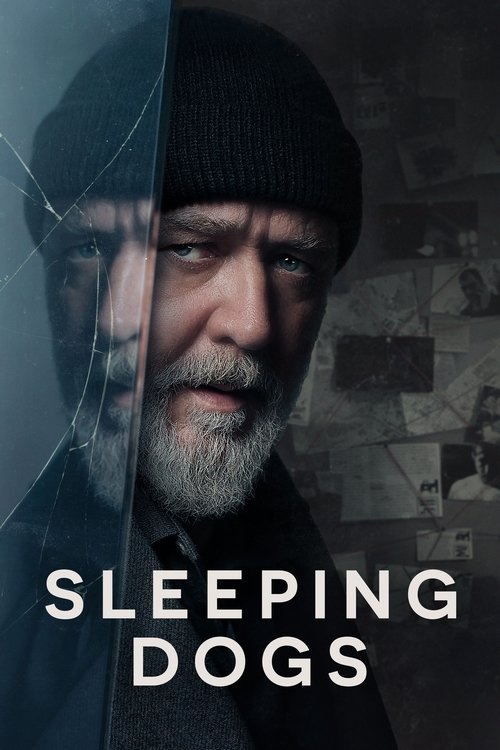
Sleeping Dogs
2024Roy Freeman, an ex-homicide detective with a fractured memory, is forced to revisit a case he can't remember. As a man's life hangs in the balance on death row, Freeman must piece together the brutal evidence from a decade-old murder investigation, uncovering a sinister web of buried secrets and betrayals linking to his past. With only instincts to trust, he faces a chilling truth - sometimes, it's best to let sleeping dogs lie.
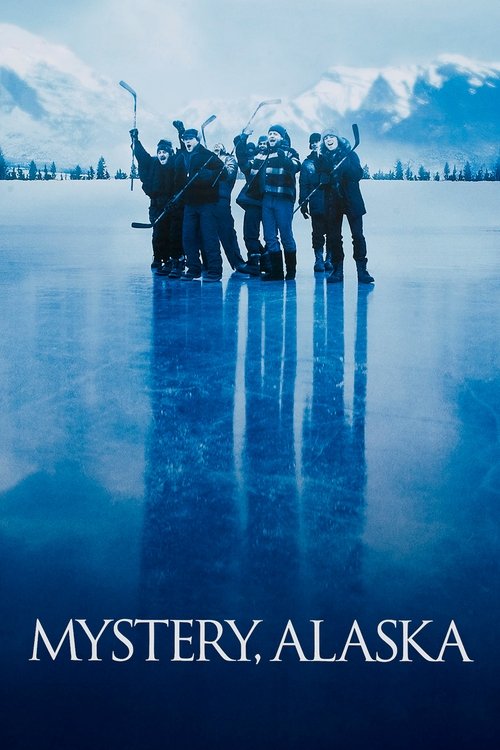
Mystery, Alaska
1999In Mystery, Alaska, life revolves around the legendary Saturday hockey game at the local pond. But everything changes when the hometown team unexpectedly gets booked in an exhibition match against the New York Rangers. When quirky small-towners, slick promoters and millionaire athletes come together.

State of Play
2009When a congressional aide is killed, a Washington, D.C. journalist starts investigating the case involving the Representative, his old college friend.
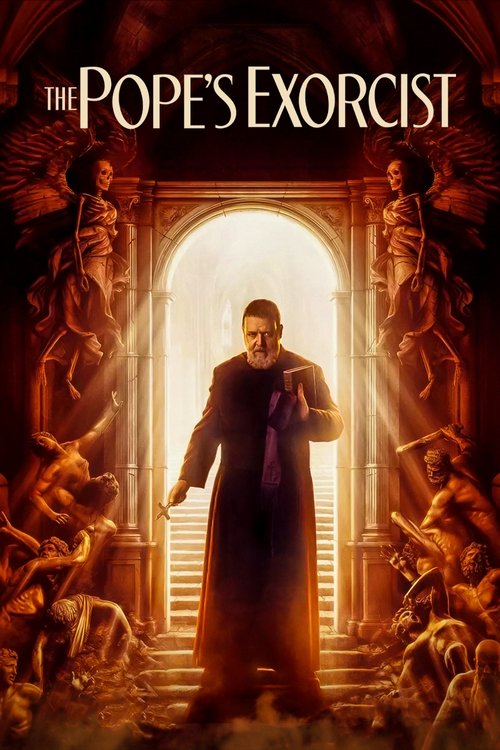
The Pope's Exorcist
2023Father Gabriele Amorth, Chief Exorcist of the Vatican, investigates a young boy's terrifying possession and ends up uncovering a centuries-old conspiracy the Vatican has desperately tried to keep hidden.
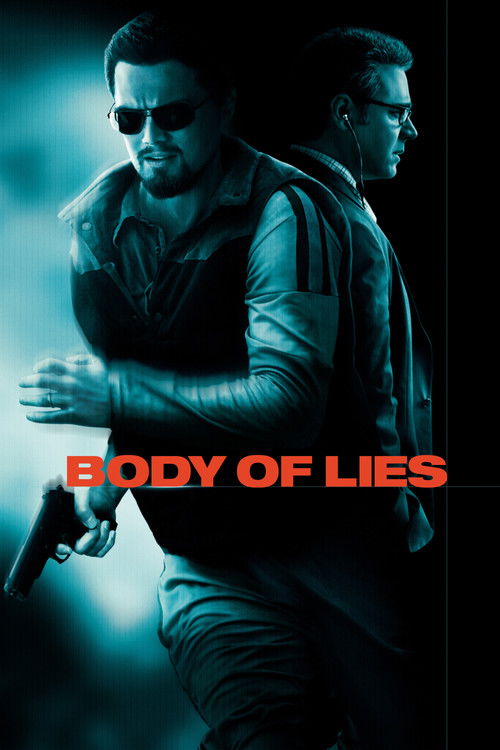
Body of Lies
2008The CIA’s hunt is on for the mastermind of a wave of terrorist attacks. Roger Ferris is the agency’s man on the ground, moving from place to place, scrambling to stay ahead of ever-shifting events. An eye in the sky – a satellite link – watches Ferris. At the other end of that real-time link is the CIA’s Ed Hoffman, strategizing events from thousands of miles away. And as Ferris nears the target, he discovers trust can be just as dangerous as it is necessary for survival.
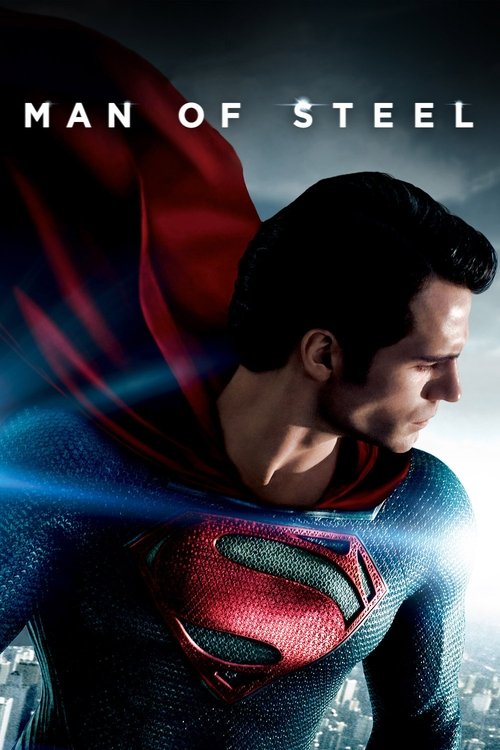
Man of Steel
2013A young boy learns that he has extraordinary powers and is not of this earth. As a young man, he journeys to discover where he came from and what he was sent here to do. But the hero in him must emerge if he is to save the world from annihilation and become the symbol of hope for all mankind.
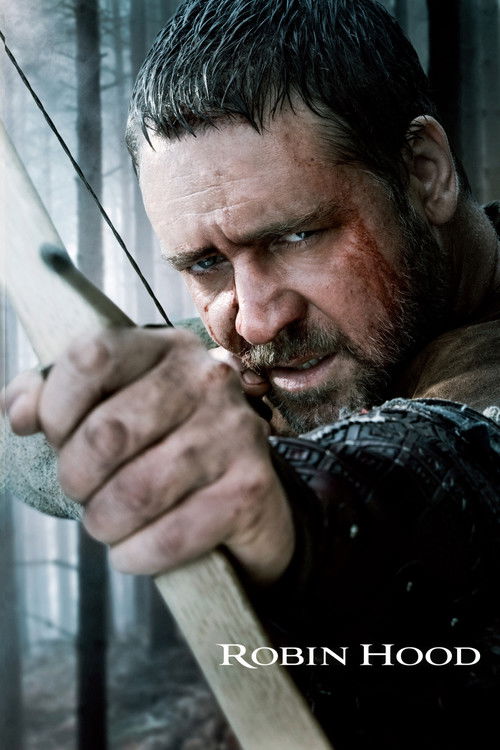
Robin Hood
2010When soldier Robin happens upon the dying Robert of Loxley, he promises to return the man's sword to his family in Nottingham. There, he assumes Robert's identity; romances his widow, Marion; and draws the ire of the town's sheriff and King John's henchman, Godfrey.
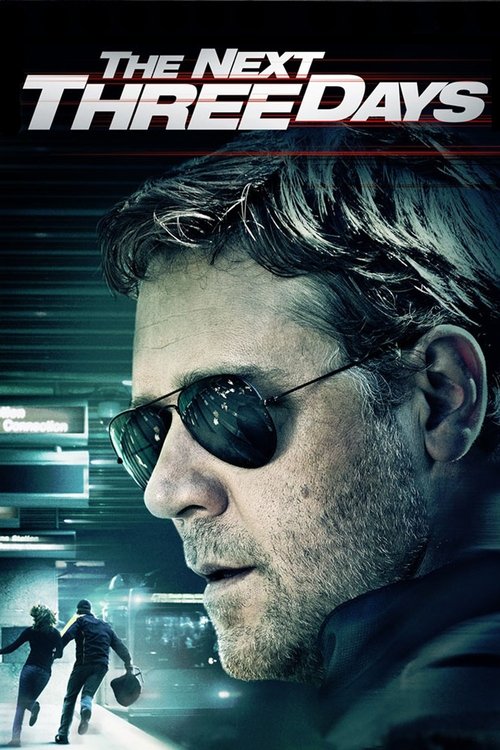
The Next Three Days
2010A married couple's life is turned upside down when the wife is accused of murdering her boss. Her husband John would spend the next few years trying to get her released, but there's no evidence that negates the evidence against her. When the strain of being separated from her husband and son gets to her, John decides to find a way to break her out.
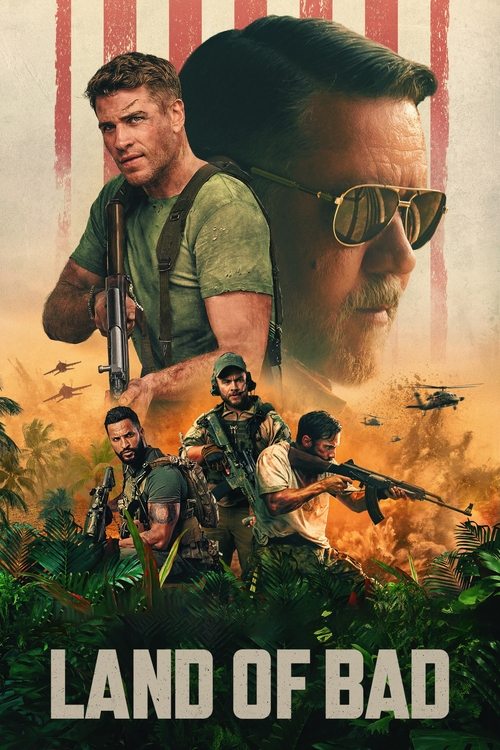
Land of Bad
2024When a Delta Force special ops mission goes terribly wrong, Air Force drone pilot Reaper has 48 hours to remedy what has devolved into a wild rescue operation. With no weapons and no communication other than the drone above, the ground mission suddenly becomes a full-scale battle when the team is discovered by the enemy.

Les Misérables
2012An adaptation of the successful stage musical based on Victor Hugo's classic novel set in 19th-century France. Jean Valjean, a man imprisoned for stealing bread, must flee a relentless policeman named Javert. The pursuit consumes both men's lives, and soon Valjean finds himself in the midst of the student revolutions in France.
Crowe reimagines Javert not as a soaring tenor, but as a rigid, gravel-voiced bureaucrat whose moral inflexibility is mirrored in his staccato, conversational vocal delivery. This polarizing turn marked a daring departure from his usual physical command, forcing the veteran tough guy to trade his brute strength for a fragile, sung-through vulnerability. It remains the most divisive gamble of his career, trading traditional polish for a raw, uncomfortable humanity that captures the inspector’s existential crumbling.
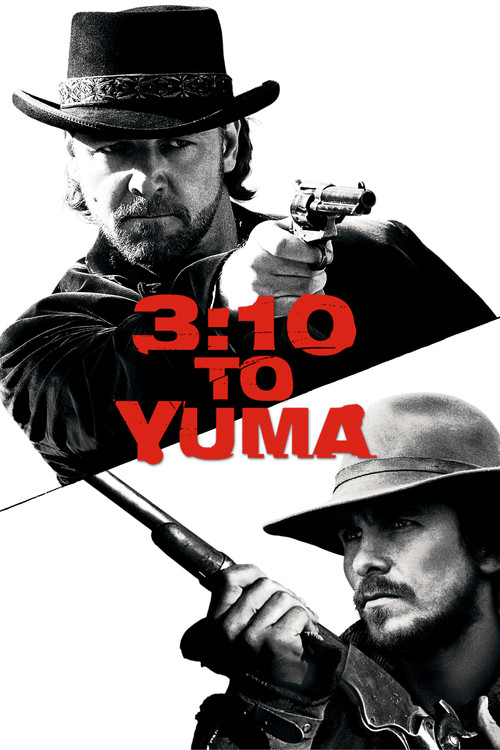
3:10 to Yuma
2007In Arizona in the late 1800s, infamous outlaw Ben Wade and his vicious gang of thieves and murderers have plagued the Southern Railroad. When Wade is captured, Civil War veteran Dan Evans, struggling to survive on his drought-plagued ranch, volunteers to deliver him alive to the "3:10 to Yuma", a train that will take the killer to trial.
Crowe weaponizes a predatory stillness as Ben Wade, trading his typical brash physicality for a seductive, serpent-like charisma. He reimagines the Western outlaw as a sophisticated philosopher-king, proving he could command a screen through psychological intimidation rather than sheer volume. It remains his most effortless display of screen magnetism, anchoring the film with a lethal, silver-tongued grace.
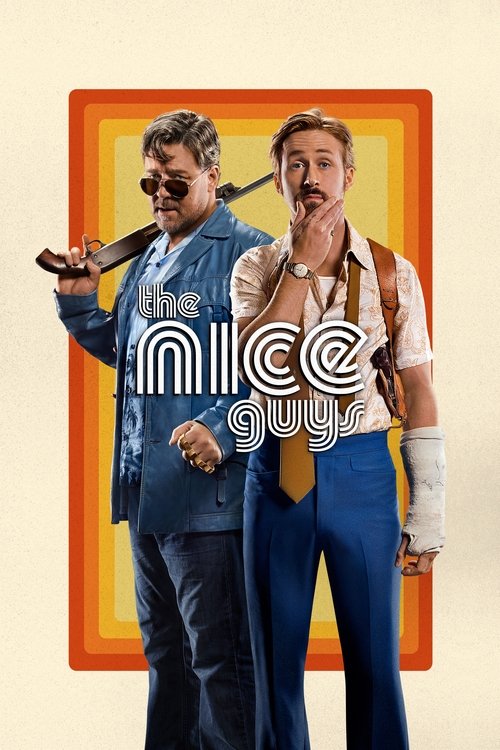
The Nice Guys
2016A private eye investigates the apparent suicide of a fading porn star in 1970s Los Angeles and uncovers a conspiracy.
Crowe weaponizes his natural brawn against his own legacy, delivering a subversively deadpan performance that finds the weary soul inside a professional leg-breaker. It is a brilliant pivot into physical comedy, proving he is most magnetic when he swaps his stoic intensity for a rumpled, grumpy-old-man charm. He sheds the gravitas of his historical epics to become the ultimate straight man, anchoring the film’s absurdity with a comedic timing that feels both effortless and lived-in.
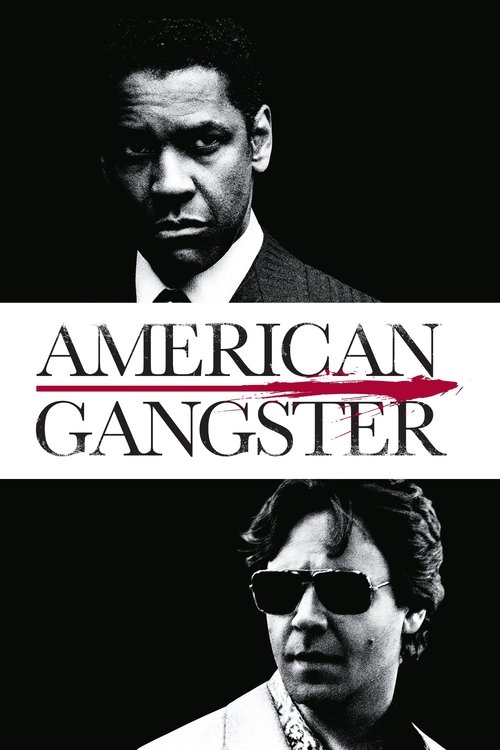
Loosely based on the criminal career of Frank Lucas, a gangster from La Grange, North Carolina, who smuggled heroin into the United States on American service planes returning from the Vietnam War, before being detained by a task force led by Newark Detective Richie Roberts.
Crowe delivers a masterclass in rumpled, blue-collar grit, playing Richie Roberts with a weary doggedness that serves as the perfect low-key ballast to Denzel Washington’s operatic villainy. It is a pivotal late-career pivot where he sheds his sword-and-sandal bravado for a role defined by internal ethics and unglamorous persistence. His performance proves that even when sidelined by a flashier lead, Crowe can command the frame through sheer, methodical stillness.
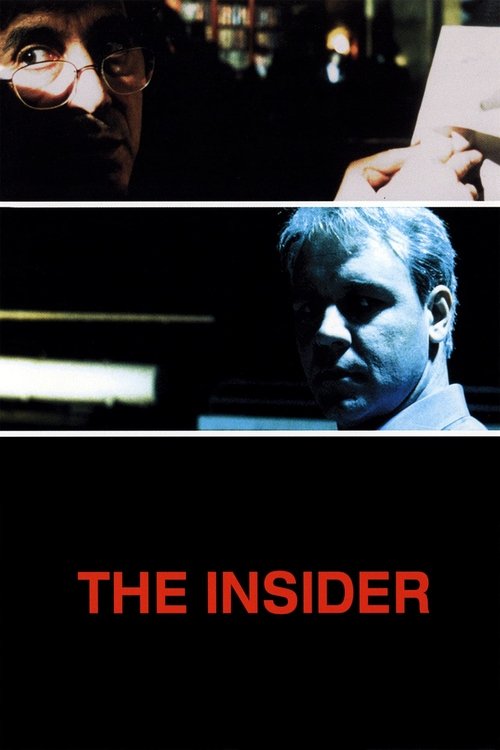
The Insider
1999A research chemist comes under personal and professional attack when he decides to appear in a 60 Minutes exposé on Big Tobacco.
Crowe abandons his usual alpha-male magnetism to play Jeffrey Wigand as a prickly, suffocatingly tense man vibrating with high-stakes anxiety. This transformative turn remains the definitive proof of his range, trading physical intimidation for a masterclass in quiet, subcutaneous desperation. It is the moment he evolved from a rising action star into one of the era’s most formidable character actors.
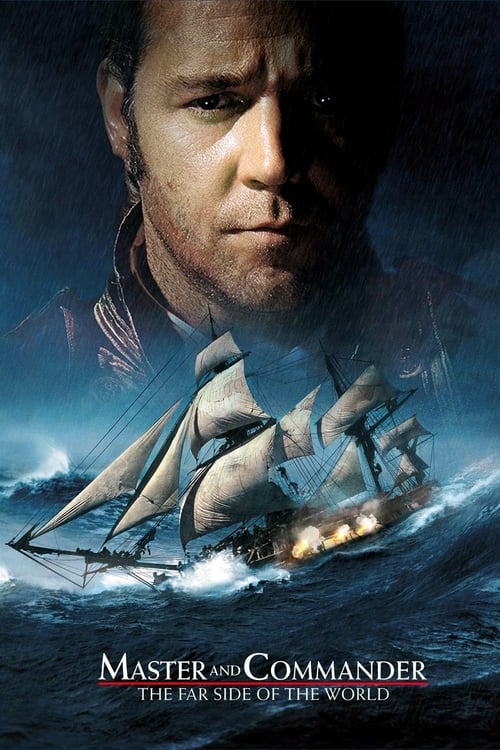
After an abrupt and violent encounter with a French warship inflicts severe damage upon his ship, a captain of the British Royal Navy begins a chase over two oceans to capture or destroy the enemy, though he must weigh his commitment to duty and ferocious pursuit of glory against the safety of his devoted crew, including the ship's thoughtful surgeon, his best friend.
Crowe abandons the brawny bluster of his earlier epics for a magnetic, scholarly authority as Captain Jack Aubrey, blending violin-playing refinement with the steely resolve of a seasoned mariner. It represents the sophisticated peak of his movie-star era, proving he could command a screen through weary wisdom and understated charisma rather than just raw physicality. He anchors the film’s period authenticity by portraying leadership not as a series of speeches, but as a grueling, lived-in responsibility.
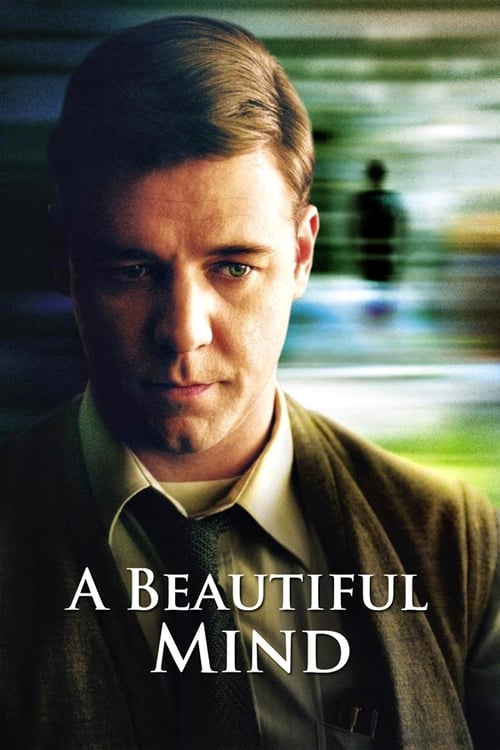
A Beautiful Mind
2001From the heights of notoriety to the depths of depravity, John Forbes Nash Jr. experiences it all. As a brilliant but socially awkward mathematician, he made a groundbreaking discovery early in his career and stands on the brink of international acclaim. But as the handsome and arrogant Nash accepts secret work in cryptography, he becomes entangled in a mysterious conspiracy. His life takes a nightmarish turn and he soon finds himself on a painful and harrowing journey of self-discovery.
Crowe sheds his gladiator armor for a twitchy, internal fragility, capturing John Nash’s descent into schizophrenia with a heartbreaking mastery of physical tics and darting gazes. It remains his most transformative work, proving the rugged leading man could command the screen through intellectual vulnerability rather than sheer force. He navigates the character’s fractured reality with a meticulous restraint that anchors the film’s emotional stakes.
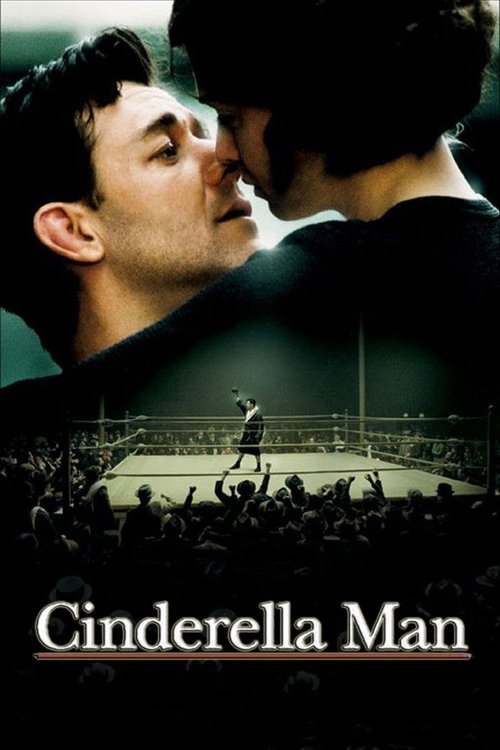
Cinderella Man
2005The true story of boxer Jim Braddock who, following his retirement in the 1930s, makes a surprise comeback in order to lift his family out of poverty.
Crowe swaps his signature Roman roar for a bruised, soulful restraint, grounding the film with a physical exhaustion that feels etched into his very bones. It marks a crucial pivot in his career, trading aggressive bravado for a quiet, blue-collar dignity that proves he can command a screen just as effectively through weary silence as he can through spectacle. He captures Jim Braddock not as a mythic hero, but as a desperate father whose every punch carries the crushing weight of the Great Depression.
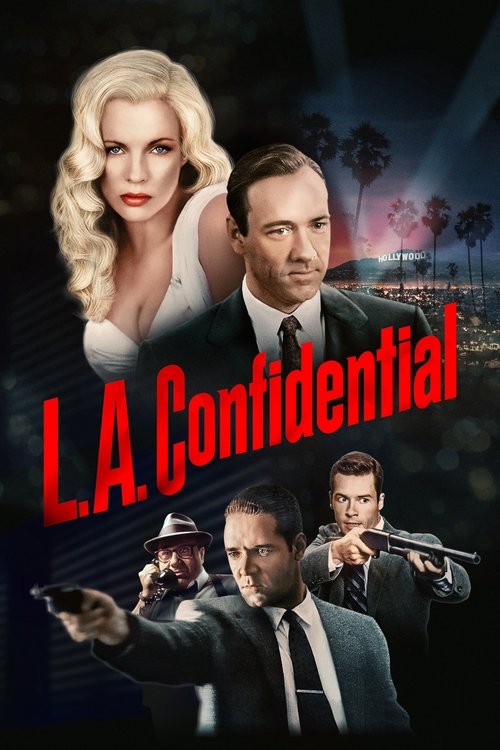
Three detectives in the corrupt and brutal L.A. police force of the 1950s use differing methods to uncover a conspiracy behind the shotgun slayings of the patrons at an all-night diner.
Crowe radiates a terrifying, coiled volatility as Bud White, weaponizing a brutal physicality that masks a simmering, wounded sense of justice. It was the definitive breakout that proved he could command the screen through sheer presence, transforming a blunt-force enforcer into the film’s soulful, aching center. He doesn't just play the heavy; he reinvented the archetype with a simmering intensity that announced a major Hollywood heavyweight.
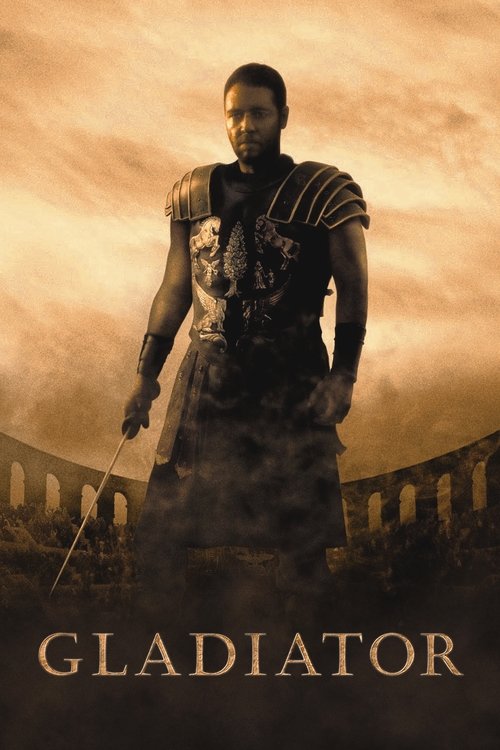
Gladiator
2000After the death of Emperor Marcus Aurelius, his devious son takes power and demotes Maximus, one of Rome's most capable generals who Marcus preferred. Eventually, Maximus is forced to become a gladiator and battle to the death against other men for the amusement of paying audiences.
Crowe anchors a sprawling digital epic with a performance of simmering, stony-faced gravitas that transformed him into a quintessential modern action star. He eschews theatrical shouting for a grounded, weary physicality, weaponizing a quiet authority that makes Maximus both a mythic hero and a relatable grieving soul. This career-defining turn proved he could shoulder a blockbuster with the same interior intensity he previously brought to intimate prestige dramas.
Frequently Asked Questions
Everything you need to know about this list and SnakeDrafts
- Russell Crowe's top movies span a variety of genres including drama, action, historical epics, and crime thrillers. Notable films like Gladiator offer action and adventure, while A Beautiful Mind delves into drama and romance, showcasing his versatile acting range.
- 'L.A. Confidential' highlights Crowe's powerful ability to embody complex characters, portraying a tough LAPD officer with a blend of brute force and hidden vulnerability. This role exemplifies his signature style of intense, emotionally layered performances.
- In 'Cinderella Man,' Crowe delivers a heartfelt performance as a struggling boxer, combining physicality with emotional depth. His portrayal emphasizes resilience and determination, fitting well within his repertoire of gritty, real-life characters.
- Russell Crowe has notably worked multiple times with director Ridley Scott, with films like Gladiator, American Gangster, Robin Hood, and Body of Lies. His collaborations with Ron Howard on A Beautiful Mind and Cinderella Man also stand out as critical successes.
- 'Master and Commander' showcases Crowe in a commanding role as a naval captain during wartime, blending adventure and war genres. This film highlights his ability to carry an epic narrative with leadership and stoic charisma distinct from more intense, urban dramas.
- Recurring themes in Crowe's films include resilience against adversity, complex masculinity, and deep emotional conflicts. Movies such as Gladiator, Cinderella Man, and The Insider explore these motifs through characters facing both internal and external battles.