The Greatest Clint Eastwood Movies Ever Made
The Definitive Filmography of a Hollywood Legend
Explore the essential directorial works of Clint Eastwood, featuring Oscar-winning masterpieces, gritty Westerns, and powerful modern dramas.
About Clint Eastwood
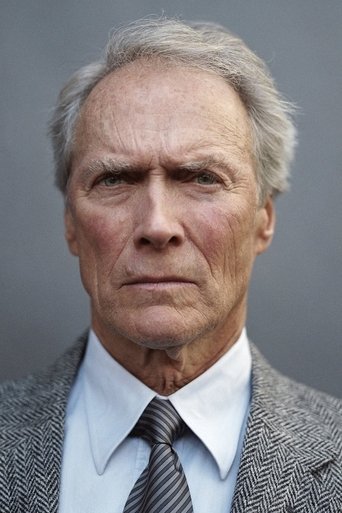
Clint Eastwood does not care for the pageantry of a modern movie set. While other directors obsess over digital monitors or demand twenty takes to find a specific nuance, he operates with the quiet efficiency of a master craftsman. He famously skips the word action, preferring a soft okay instead, a quirk that sets the tone for his entire filmography. This stripped down approach results in a lean, muscular style of storytelling that values instinct over artifice. He treats the camera as an unblinking observer of moral ambiguity, rarely leaning on flashy transitions or overbearing scores to tell the audience what to feel.
His legacy is rooted in the subversion of the very archetypes that made him a star. Where his early Westerns like High Plains Drifter played with the supernatural and the vengeful, he eventually pivoted to deconstructing the myth of the violent hero. This evolution reached its peak with Unforgiven, a somber meditation on age and regret that stripped the glamor from the gunfighter. This recurring interest in the weight of a man's past flows through a diverse range of projects, from the haunted streets of Mystic River to the complicated sacrifice depicted in American Sniper. He possesses a unique ability to find the humanity within hardened, often difficult characters, making us empathize with the stubborn worldviews found in Gran Torino or the quiet desperation of a mother in Changeling.
The sheer variety of his output suggests a restless creative spirit, yet a singular visual grammar binds it all together. He favors high contrast lighting and deep shadows, a noir aesthetic that lends a sense of gravity to even his most sentimental works. In The Bridges of Madison County, he transformed a populist romance into a grounded, sophisticated character study. Even when exploring large scale history, as he did with the haunting Letters from Iwo Jima, he keeps the focus intimate, prioritizing the psychological toll of conflict over the spectacle of battle. He treats his actors like collaborators, trusting their first impulses, which is why performances in movies like Million Dollar Baby feel so raw and unpolished.
In recent years, his focus has shifted toward the unsung American professional. Films like Sully and Richard Jewell celebrate the competence of ordinary individuals caught in the gears of bureaucracy or public scrutiny. These stories feel deeply personal for a filmmaker who has spent over half a century working within the studio system while maintaining an independent streak that rivals any avant garde artist. He is a director of few words but profound impact, proving that the most powerful voice in the room is often the one that refuses to shout. His cinema is a testament to the idea that clarity, pace, and a little bit of darkness are all you need to capture the human condition.
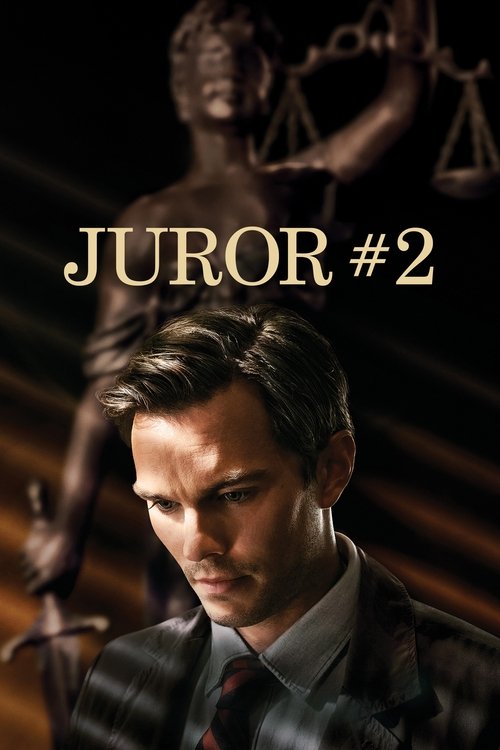
Juror #2
2024While serving as a juror in a high profile murder trial, family man Justin Kemp finds himself struggling with a serious moral dilemma…one he could use to sway the jury verdict and potentially convict—or free—the accused killer.
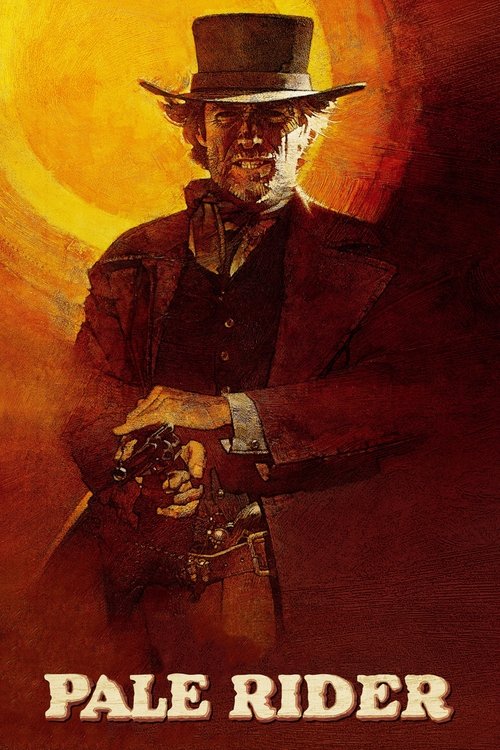
Pale Rider
1985A mysterious preacher protects a humble prospector village from a greedy mining company trying to encroach on their land.
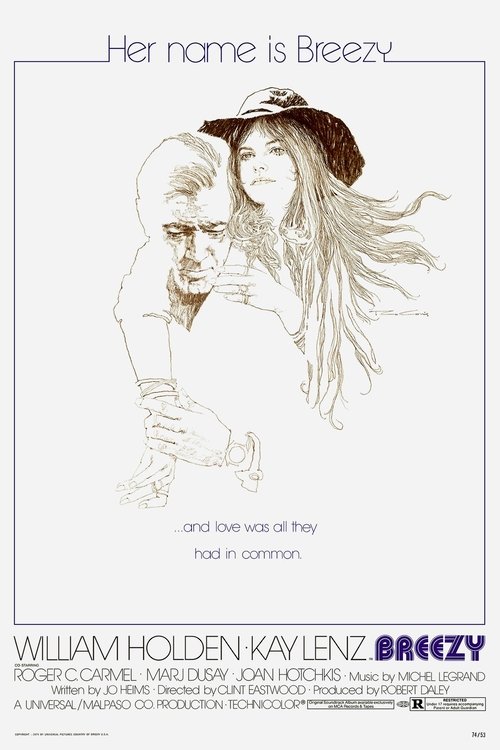
Breezy
1973A free-spirited young woman, Breezy, hitches a ride with an aging real estate salesman, Frank. Sensing that she just wants to use him he tries to have nothing to do with her. She's not that easy to shake, however, and over time a bond forms between them.
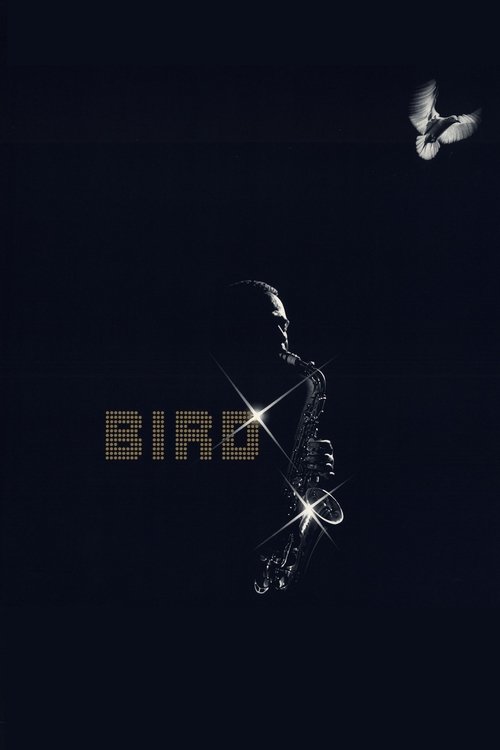
Bird
1988Saxophone player Charlie ‘Bird’ Parker comes to New York in 1940 and is quickly noticed for his remarkable way of playing. He becomes a drug addict but his loving wife Chan tries to help him.
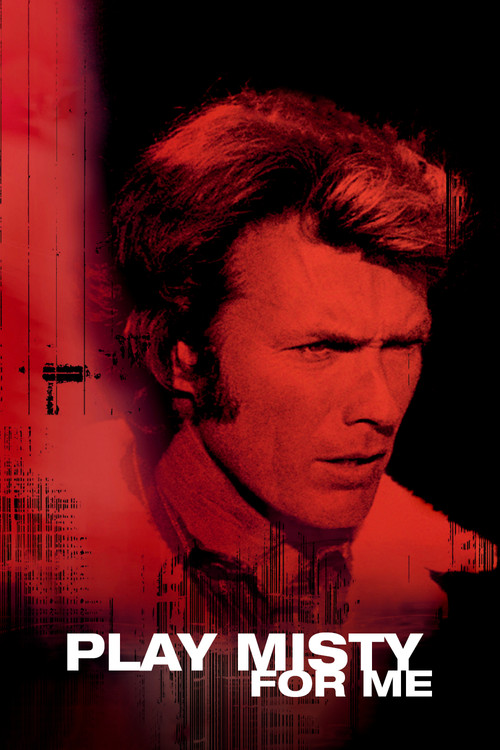
Play Misty for Me
1971A brief fling between a male disc jockey and an obsessed female fan takes a frightening, and perhaps even deadly turn when another woman enters the picture.
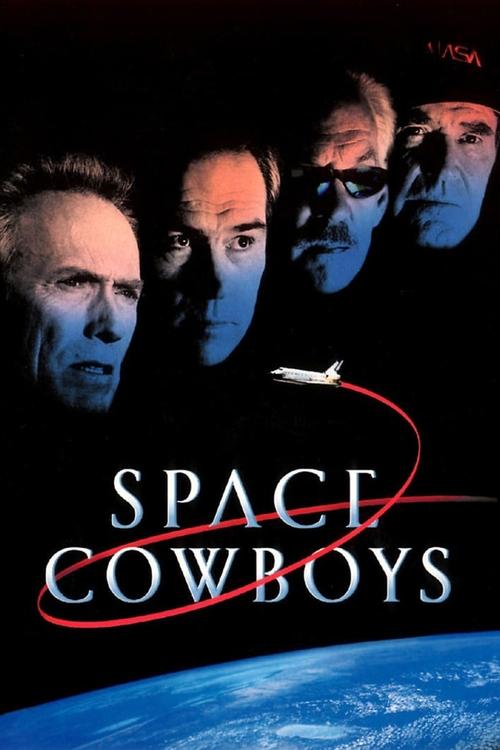
Space Cowboys
2000Frank Corvin, ‘Hawk’ Hawkins, Jerry O'Neill and ‘Tank’ Sullivan were hotdog members of Project Daedalus, the Air Force's test program for space travel, but their hopes were dashed in 1958 with the formation of NASA and the use of trained chimps. They blackmail their way into orbit when Russia's mysterious ‘Ikon’ communications satellite's orbit begins to degrade and threatens to crash to Earth.
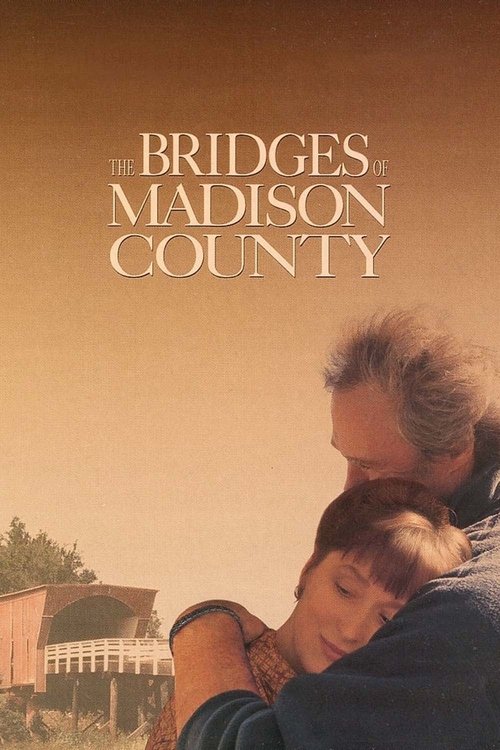
Photographer Robert Kincaid wanders into the life of housewife Francesca Johnson for four days in the 1960s.
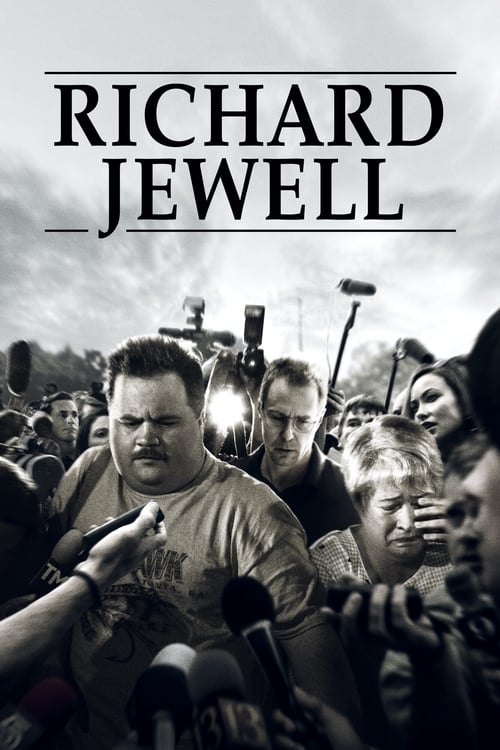
Richard Jewell
2019Richard Jewell thinks quick, works fast, and saves hundreds, perhaps thousands, of lives after a domestic terrorist plants several pipe bombs and they explode during a concert, only to be falsely suspected of the crime by sloppy FBI work and sensational media coverage.
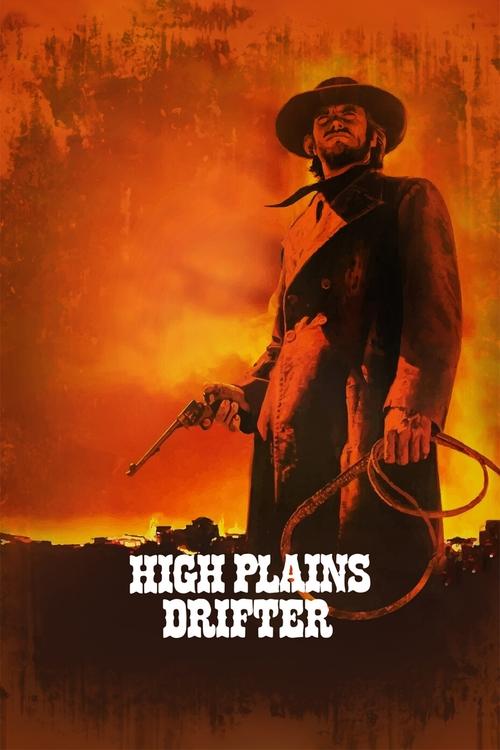
High Plains Drifter
1973A gunfighting stranger comes to the small settlement of Lago. After gunning down three gunmen who tried to kill him, the townsfolk decide to hire the Stranger to hold off three outlaws who are on their way.
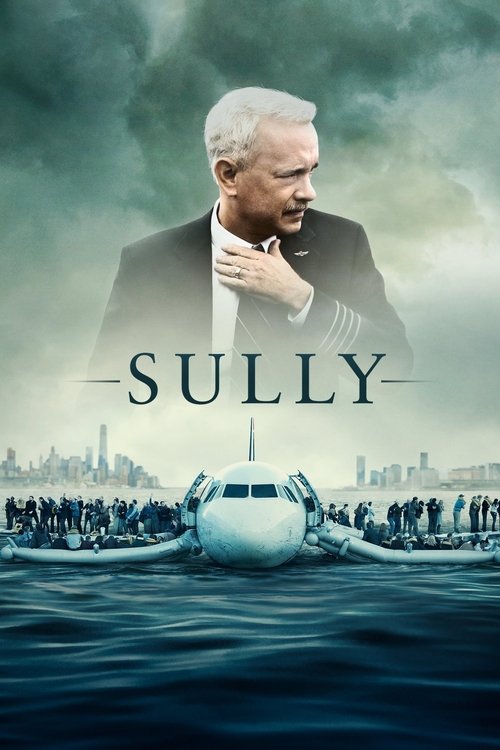
Sully
2016On 15 January 2009, the world witnessed the 'Miracle on the Hudson' when Captain 'Sully' Sullenberger glided his disabled plane onto the Hudson River, saving the lives of all 155 souls aboard. However, even as Sully was being heralded by the public and the media for his unprecedented feat of aviation skill, an investigation was unfolding that threatened to destroy his reputation and career.
Eastwood celebrates professional competence and the quiet dignity of the working man in this taut, efficient procedural. By focusing on the bureaucratic aftermath rather than just the spectacle, he elevates a momentary event into a broader defense of human intuition over cold data.
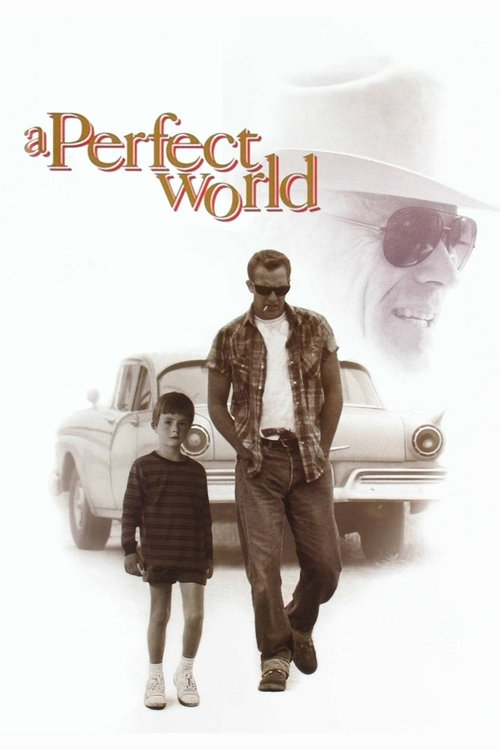
A Perfect World
1993A kidnapped boy strikes up a friendship with his captor: an escaped convict on the run from the law, headed by an honorable U.S. Marshal.
This underrated gem captures Eastwood at his most sensitive, finding an unlikely, lyrical grace within a desperate situation. It excels as a character study that blurs the lines between captor and father figure, proving his mastery of nuanced, emotionally complex storytelling.
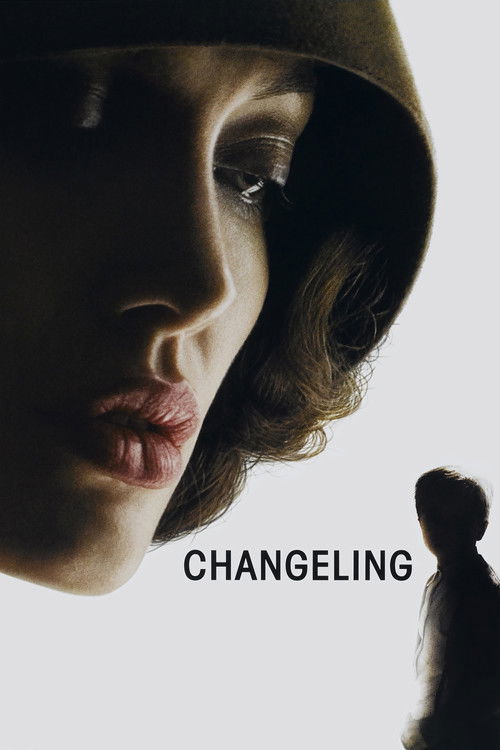
Changeling
2008Los Angeles, 1928. When single mother Christine Collins leaves for work, her son vanishes without a trace. Five months later, the police reunite mother and son. But when Christine suspects that the boy returned to her isn't her child, her quest for truth exposes a world of corruption.
Commanding a meticulously crafted period aesthetic, Eastwood explores the terrifying intersection of institutional corruption and maternal obsession. The film’s formal elegance highlights his skill at mounting a large-scale historical drama without losing the harrowing specificity of a single human struggle.
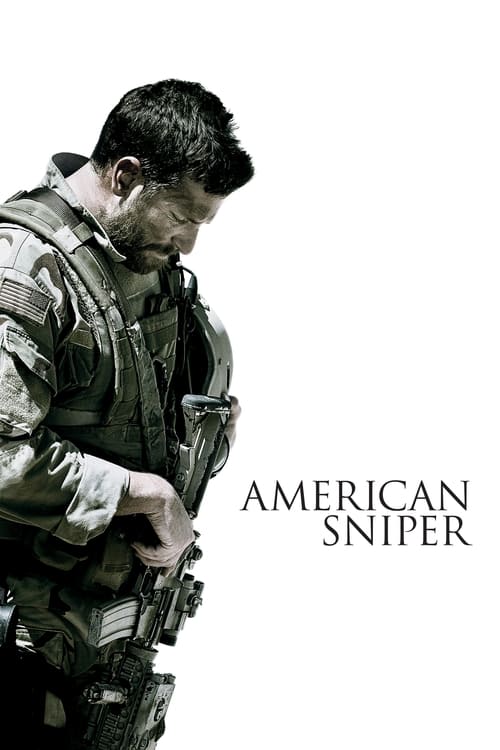
American Sniper
2014U.S. Navy SEAL Chris Kyle takes his sole mission—protect his comrades—to heart and becomes one of the most lethal snipers in American history. His pinpoint accuracy not only saves countless lives but also makes him a prime target of insurgents. Despite grave danger and his struggle to be a good husband and father to his family back in the States, Kyle serves four tours of duty in Iraq. However, when he finally returns home, he finds that he cannot leave the war behind.
Eastwood maintains a stark, clinical focus on the psychological toll of combat, avoiding grandstanding to present a fractured portrait of duty. The film functions as a visceral study of the physical and mental distance between the frontline and the home front.
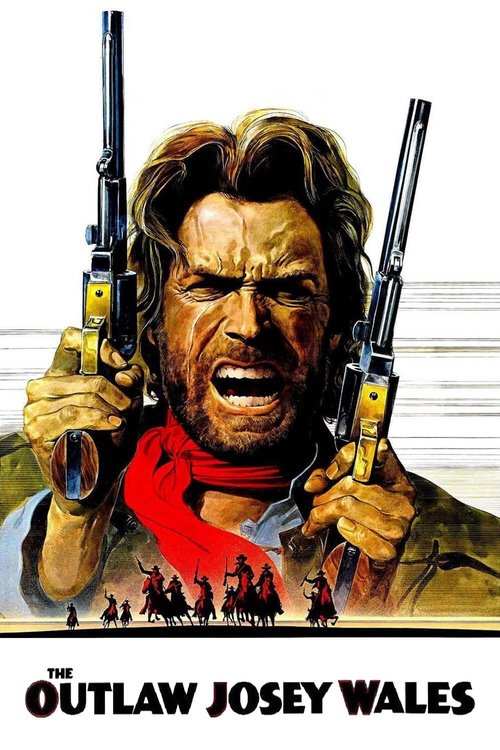
The Outlaw Josey Wales
1976After avenging his family's brutal murder, Wales is pursued by a pack of soldiers. He prefers to travel alone, but ragtag outcasts are drawn to him - and Wales can't bring himself to leave them unprotected.
Blending epic scope with a subversive anti-establishment streak, this Revisionist Western showcases Eastwood’s evolving sophistication behind the camera. It moves beyond the stoicism of his early characters to find a rugged, communal humanity amidst the wreckage of the Civil War.
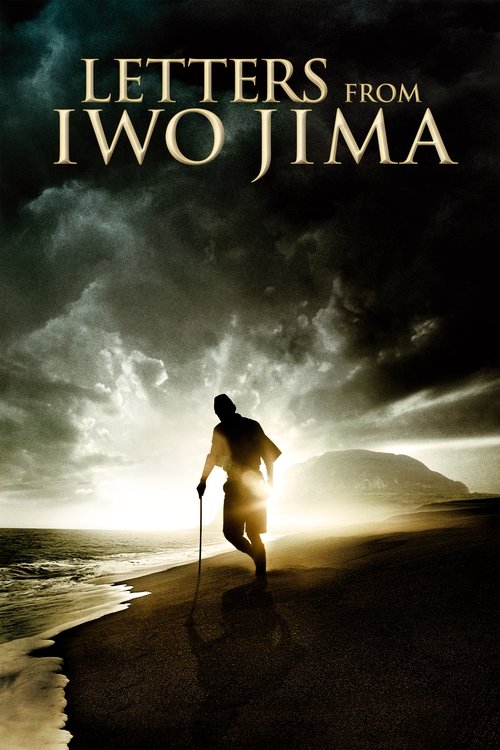
Letters from Iwo Jima
2006The story of the battle of Iwo Jima between the United States and Imperial Japan during World War II, as told from the perspective of the Japanese who fought it.
This poetic exercise in empathy shifts the war film paradigm by humanizing the perceived enemy through a delicate, elegiac lens. Eastwood’s decision to film in Japanese showcases his artistic bravery and his commitment to a universal, rather than nationalistic, perspective on conflict.
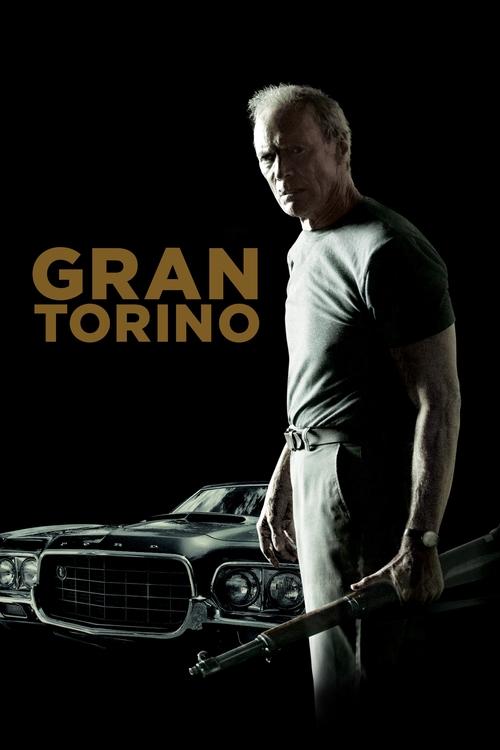
Gran Torino
2008Disgruntled Korean War veteran Walt Kowalski sets out to reform his neighbor, Thao Lor, a Hmong teenager who tried to steal Kowalski's prized possession: a 1972 Gran Torino.
By weaponizing his own iconic screen persona, Eastwood creates a gritty urban fable that examines redemption through the lens of modern cultural friction. It is a lean, uncompromising work that translates his Western sensibilities into a suburban battlefield.
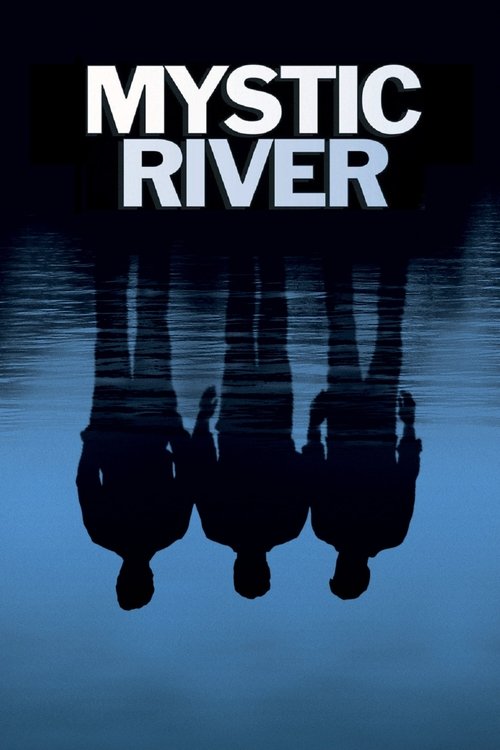
Mystic River
2003The lives of three men who were childhood friends are shattered when one of them suffers a family tragedy.
Executing a masterclass in atmospheric tension, Eastwood transforms a neighborhood tragedy into a Greek tragedy shaped by the cyclical nature of trauma. His direction is patient and unflinching, allowing the weight of history to suffocate the present in a chillingly methodical fashion.
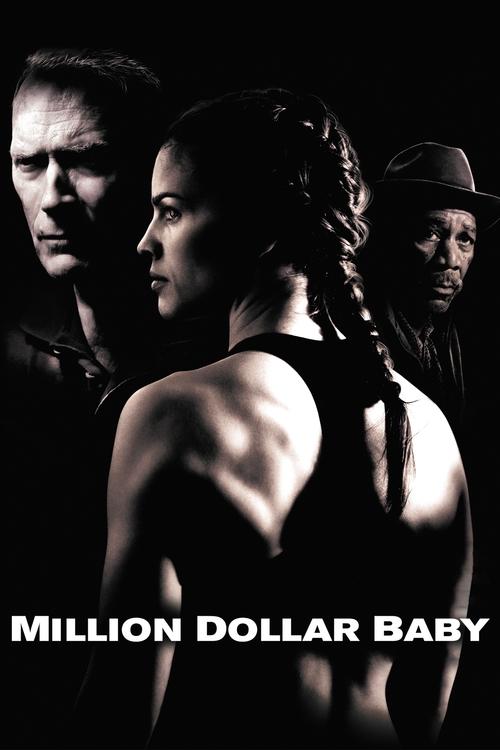
Despondent over a painful estrangement from his daughter, trainer Frankie Dunn isn't prepared for boxer Maggie Fitzgerald to enter his life. But Maggie's determined to go pro and to convince Dunn and his cohort to help her.
Eastwood achieves a devastating intimacy in this sparse drama, stripping away sports movie tropes to reveal a raw core of paternal longing and existential grief. The film stands as a testament to his ability to command silence and shadow as effectively as dialogue.
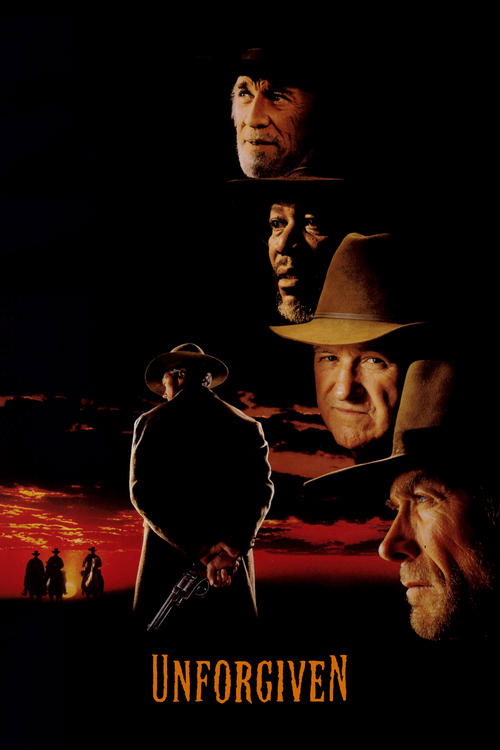
Unforgiven
1992William Munny is a retired, once-ruthless killer turned gentle widower and hog farmer. To help support his two motherless children, he accepts one last bounty-hunter mission to find the men who brutalized a prostitute. Joined by his former partner and a cocky greenhorn, he takes on a corrupt sheriff.
A profound deconstruction of the Western mythos, this masterpiece serves as a somber meditation on the moral weight of violence and the inescapable shadow of a bloody past. Eastwood strip-mines the very genre that built his career, replacing romanticism with a haunting, rain-soaked clarity.
Frequently Asked Questions
Everything you need to know about this list and SnakeDrafts
- Clint Eastwood's breakthrough as a director came with 'Play Misty for Me' (1971), a gripping thriller that showcased his talent behind the camera and set the stage for his versatile directing career.
- Eastwood's films often explore themes of redemption, justice, and moral complexity, especially evident in Westerns like 'Unforgiven' and dramas such as 'Million Dollar Baby.' His storytelling frequently delves into the human condition with a lean, no-nonsense style.
- Eastwood’s directing style is known for its efficiency and minimalism, avoiding excessive takes and eschewing the typical 'action' call, preferring a simple 'okay.' This approach results in authentic performances and a muscular narrative flow, contrasting with more elaborate modern filmmaking techniques.
- 'Letters from Iwo Jima' (2006) uniquely presents the Battle of Iwo Jima from the Japanese soldiers' perspective, offering a humanizing and poignant portrayal that complements Eastwood’s broader war film repertoire.
- 'Mystic River' (2003) brilliantly blends thriller, crime, and drama genres, exploring the aftermath of a traumatic event on three childhood friends with intense performances and a haunting narrative.
- 'Million Dollar Baby' (2004) is a powerful drama directed by Eastwood that tells the story of a determined female boxer and her complex relationship with her trainer, highlighting themes of perseverance and tragedy.
- Yes, Eastwood has directed several historical dramas like 'Sully' (2016), which recounts the true story of the Miracle on the Hudson, and 'Richard Jewell' (2019), which explores the life of the security guard wrongly accused of bombing.
- Absolutely, Westerns are a cornerstone of Eastwood's directorial work, with films like 'The Outlaw Josey Wales' and 'High Plains Drifter' showcasing his mastery of the genre through gritty storytelling and complex antiheroes.

