The Best Frances McDormand Movies
From Marge Gunderson to Fern: A Career of Grit and Grace
Discover the definitive ranking of Frances McDormand's greatest film performances, featuring Oscar winners and iconic collaborations.
About Frances McDormand

In an industry built on the currency of vanity, Frances McDormand is the ultimate outlier. She does not perform for the camera so much as she dares it to look away. With a career spanning four decades, she holds a position in the cultural firmament that few can touch: the actor as a pure, unfiltered truth-teller. Whether she is playing a pregnant police chief in the frozen tundra of Minnesota or a grieving mother on a warpath in the Ozarks, there is a distinct weight to her presence. She carries herself with the grounded authority of someone who has no interest in being liked, which, paradoxically, is exactly why audiences have fallen in love with her.
Her journey began with the grit of neo-noir in Blood Simple, marking the start of a legendary creative partnership with the Coen brothers. From there, she became a chameleon of the mundane and the eccentric. She could be the hyperactive Dot in Raising Arizona, the subdued wife in Mississippi Burning, or the hilariously misguided fitness fanatic in Burn After Reading. While other stars of her stature hunt for glamour, McDormand hunts for the seams in the human experience. She finds the dignity in the dirt.
The definitive turning point for her legacy arrived with Fargo. In Marge Gunderson, she created a heroine who was revolutionary simply by being decent. It was a performance that stripped away every Hollywood trope of the tough detective, replacing them with morning sickness and a polite midwestern accent. Decades later, she pivoted to a much sharper edge in Three Billboards Outside Ebbing, Missouri. As Mildred Hayes, she channeled a righteous, jagged fury that felt like a lightning strike for a frustrated era. These roles aren't just characters; they are blueprints for how to occupy space in the world without apology.
What makes her such a singular force is her refusal to participate in the artifice of stardom. She rarely wears makeup on screen or off, opting instead for the expressive power of a face that looks like it has actually lived. This authenticity reached a zenith in Nomadland, where she blurred the lines between fiction and documentary. Moving through the American West alongside real-life van-dwellers, she became a vessel for a specific kind of modern isolation and resilience. It was a performance of silence and observation, proving she could command a frame just as easily with a glance as she did with the manic energy of Almost Famous or the theatrical gravity of The Tragedy of Macbeth.
Even within the meticulous, dioramic worlds of Wes Anderson, she remains the sturdiest thing on screen. Whether she is the megaphone-wielding matriarch in Moonrise Kingdom or the disciplined journalist in The French Dispatch, she grounds the whimsy in something tangible. She is the rare performer who feels essential to every ensemble, from the sprawling human tapestry of Robert Altman’s Short Cuts to the chilling courtroom tension of Primal Fear.
To watch her work is to see a masterclass in economy. She never gives more than the moment requires, but she never gives a fraction less than the truth. She has become the patron saint of the uncompromising, a woman who has won every major award in her field while appearing to value none of the pomp that comes with them. We return to her films because we trust her. In a world of digital smoothing and polished personas, she remains beautifully, stubbornly unrefined.
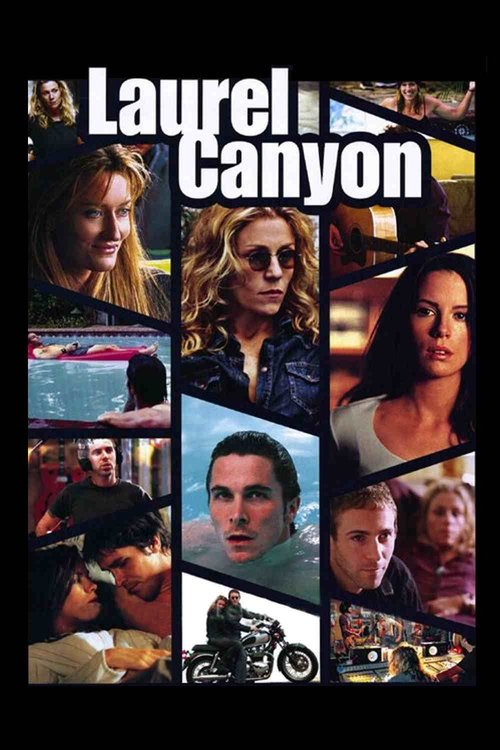
Laurel Canyon
2003When an uptight young man and his fiancée move into his libertine mother's house, the resulting clash of life attitudes shakes everyone up.
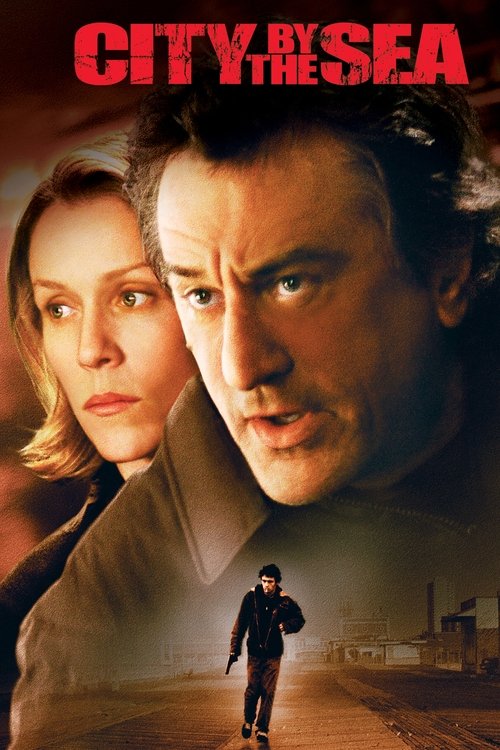
City by the Sea
2002Vincent LaMarca is a dedicated and well-respected New York City police detective who has gone to great lengths to distance himself from his past, but then makes the terrible discovery that his own son has fallen into a life of crime.
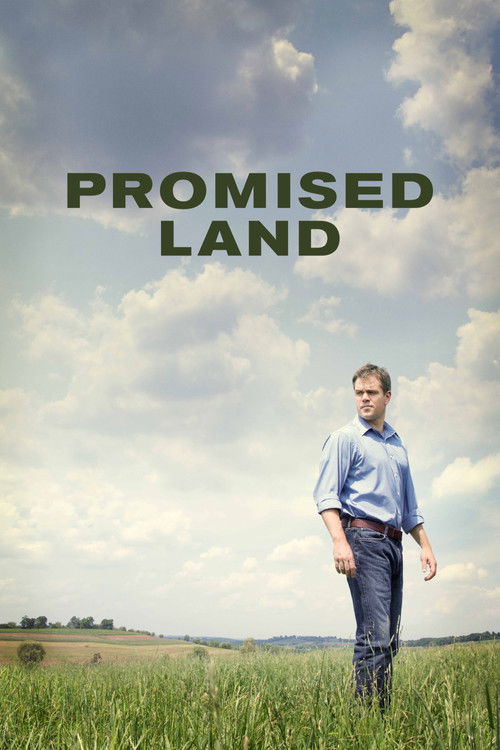
Promised Land
2012A salesman for a natural gas company experiences life-changing events after arriving in a small town, where his corporation wants to tap into the available resources.

Wonder Boys
2000Grady is a 50-ish English professor who hasn't had a thing published in years—not since he wrote his award winning 'Great American Novel' 7 years ago. This weekend proves even worse than he could imagine as he finds himself reeling from one misadventure to another in the company of a new wonder boy author.
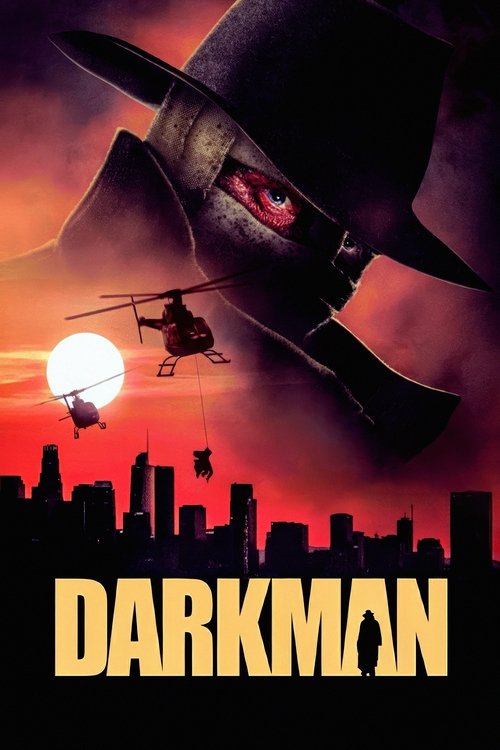
Darkman
1990Dr. Peyton Westlake is on the verge of realizing a major breakthrough in synthetic skin when his laboratory is destroyed by gangsters. Having been burned beyond recognition and forever altered by an experimental medical procedure, Westlake becomes known as Darkman, assuming alternate identities in his quest for revenge and a new life with a former love.
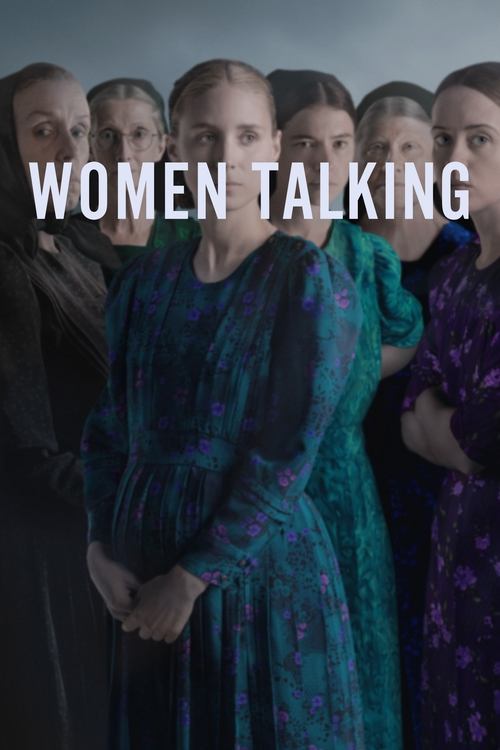
Women Talking
2022A group of women in an isolated religious colony struggle to reconcile their faith with a series of sexual assaults committed by the colony's men.
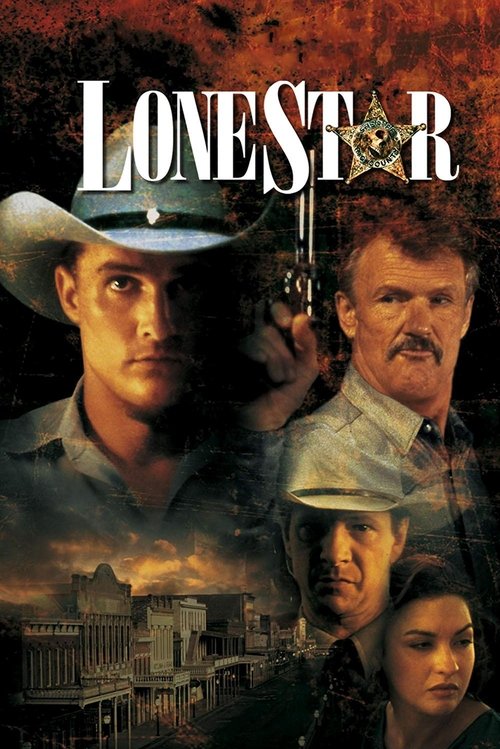
Lone Star
1996When the skeleton of his murdered predecessor is found, Sheriff Sam Deeds unearths many other long-buried secrets in his Texas border town.

Madagascar 3: Europe's Most Wanted
2012Animal pals Alex, Marty, Melman, and Gloria are still trying to make it back to New York's Central Park Zoo. They are forced to take a detour to Europe to find the penguins and chimps who broke the bank at a Monte Carlo casino. When French animal-control officer Capitaine Chantel DuBois picks up their scent, Alex and company are forced to hide out in a traveling circus.
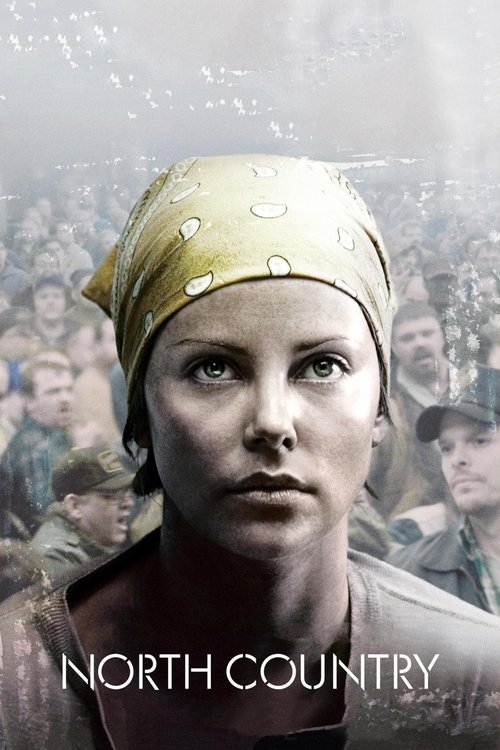
North Country
2005A fictionalized account of the first major successful sexual harassment case in the United States — Jenson vs. Eveleth Mines, where a woman who endured a range of abuse while working as a miner filed and won the landmark 1984 lawsuit.
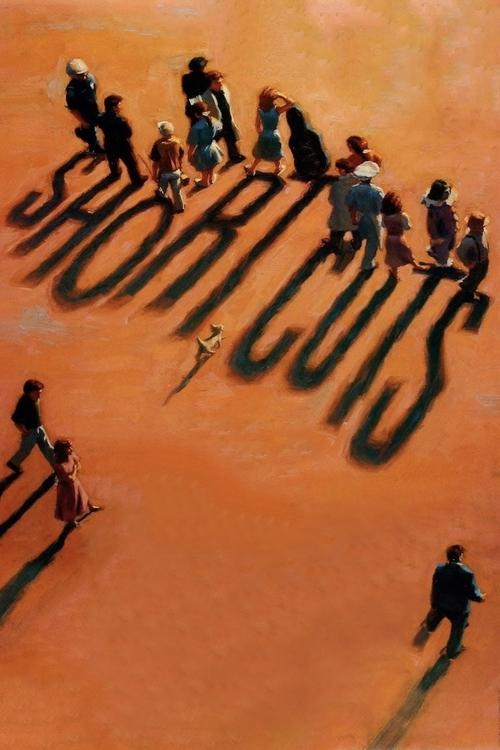
Short Cuts
1993Many loosely connected characters cross paths in this film, based on the stories of Raymond Carver. Waitress Doreen Piggot accidentally runs into a boy with her car. Soon after walking away, the child lapses into a coma. While at the hospital, the boy's grandfather tells his son, Howard, about his past affairs. Meanwhile, a baker starts harassing the family when they fail to pick up the boy's birthday cake.
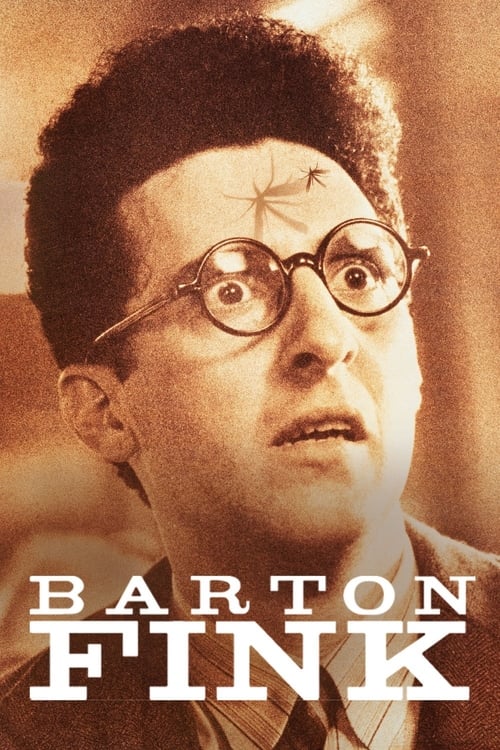
Barton Fink
1991A renowned New York playwright is enticed to California to write for the movies and discovers the hellish truth of Hollywood.
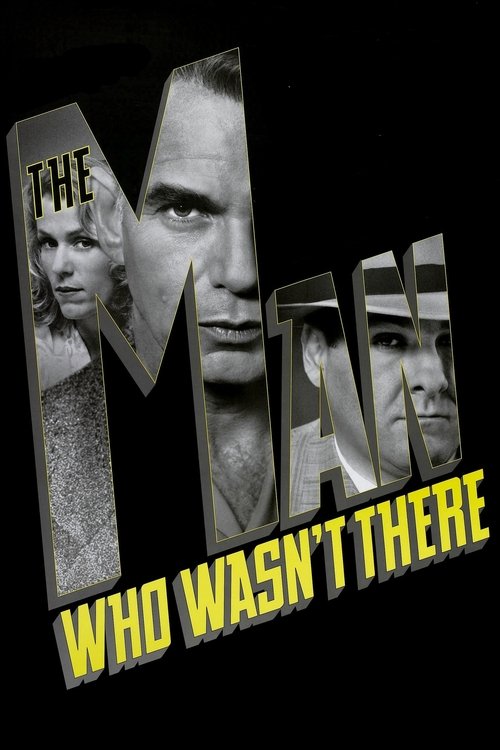
The Man Who Wasn't There
2001A tale of murder, crime and punishment set in the summer of 1949. Ed Crane, a barber in a small California town, is dissatisfied with his life, but his wife Doris' infidelity and a mysterious opportunity presents him with a chance to change it.

Beyond Rangoon
1995Dr. Laura Bowman is a young widow who's unwittingly drawn into political turmoil while vacationing in Burma in the late 1980s. Bowman initially left San Francisco with her sister in an attempt to escape painful memories of her husband and son's violent deaths. But her fight to escape to Thailand could prove just as harrowing.
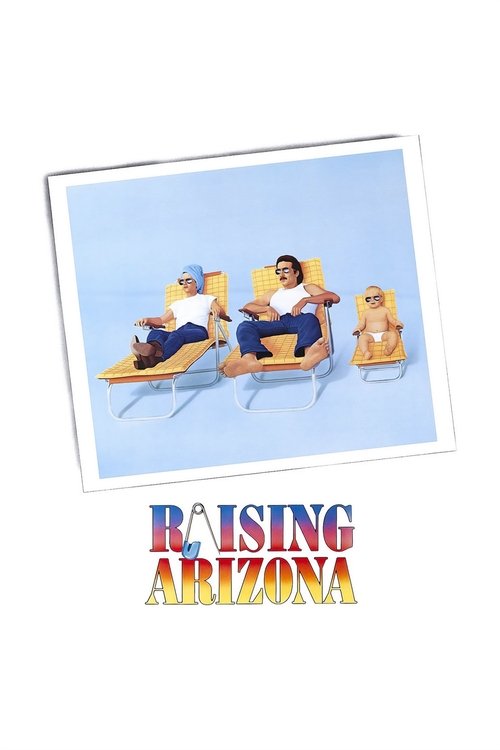
Raising Arizona
1987When a childless couple—an ex-con and an ex-cop—take one of a wealthy family’s quintuplets to raise as their own, their lives grow more complicated than anticipated.
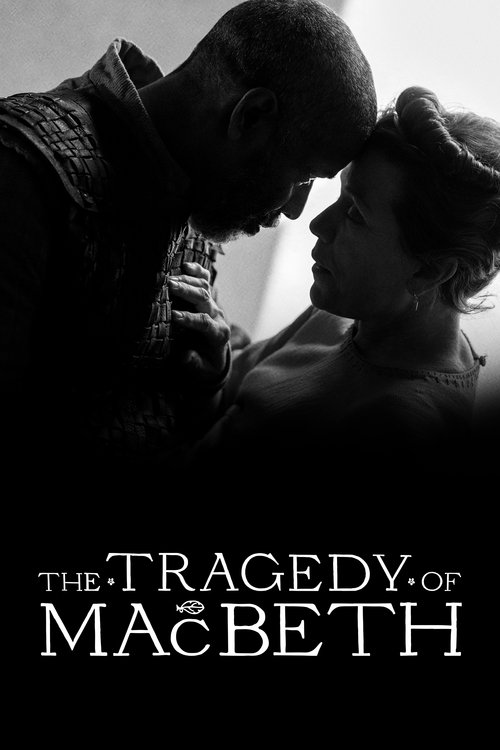
The Tragedy of Macbeth
2021Macbeth, the Thane of Glamis, receives a prophecy from a trio of witches that one day he will become King of Scotland. Consumed by ambition and spurred to action by his wife, Macbeth murders his king and takes the throne for himself.
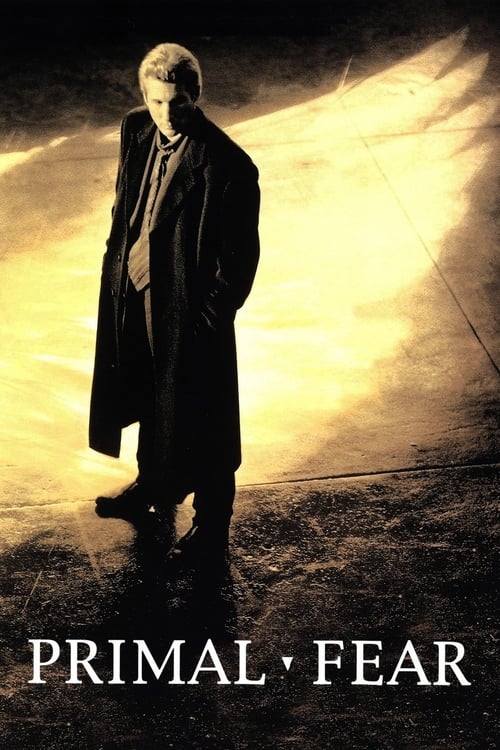
Primal Fear
1996Defense attorney Martin Vail takes on jobs for money and prestige rather than any sense of the greater good. His latest case involves an altar boy, accused of brutally murdering the archbishop of Chicago. Vail finds himself up against his ex-pupil and ex-lover, but as the case progresses and the Church's dark secrets are revealed, Vail finds that what appeared a simple case takes on a darker, more dangerous aspect.
As the pragmatic voice of clinical reason, McDormand provides a vital anchor to the film's melodramatic legal twists. Her presence elevates the procedural elements, demonstrating how she can inhabit institutional authority without ever losing her characteristic grit.
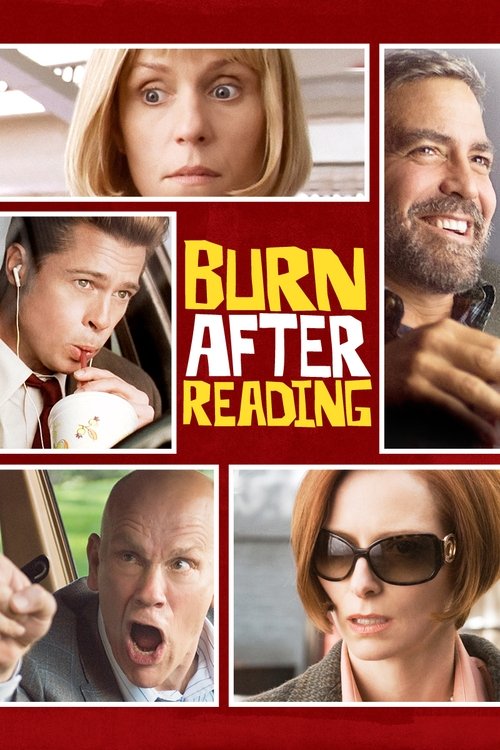
Burn After Reading
2008When a disc containing memoirs of a former CIA analyst falls into the hands of gym employees, Linda and Chad, they see a chance to make enough money for Linda to have life-changing cosmetic surgery. Predictably, events whirl out of control for the duo, and those in their orbit.
McDormand leans into the absurd with a glorious, singular focus on cosmetic perfection that reveals the darker desperation of the American middle class. It is a brave comedic turn that relies on her fearlessness in pursuing a character's most shallow impulses to their logical, chaotic ends.
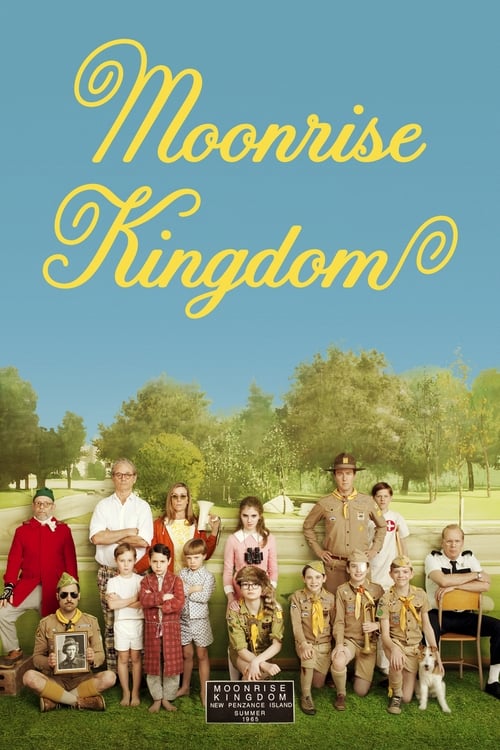
Moonrise Kingdom
2012Set on an island off the coast of New England in the summer of 1965, Moonrise Kingdom tells the story of two twelve-year-olds who fall in love, make a secret pact, and run away together into the wilderness. As various authorities try to hunt them down, a violent storm is brewing off-shore – and the peaceful island community is turned upside down in more ways than anyone can handle.
Even within a sprawling ensemble, McDormand captures the specific, weary texture of a failing marriage with localized precision. Her ability to project years of domestic history through a few sharp glances provides the film’s whimsical world with its emotional ballast.

The staff of an American magazine based in France puts out its last issue, with stories featuring an artist sentenced to life imprisonment, student riots, and a kidnapping resolved by a chef.
Navigating Wes Anderson's stylized geometry with a wry, journalistic detachment, she brings a surprising depth of loneliness to a character bound by professional ethics. It is a testament to her versatility that she can find such sharp, human edges within a highly aestheticized caricature.
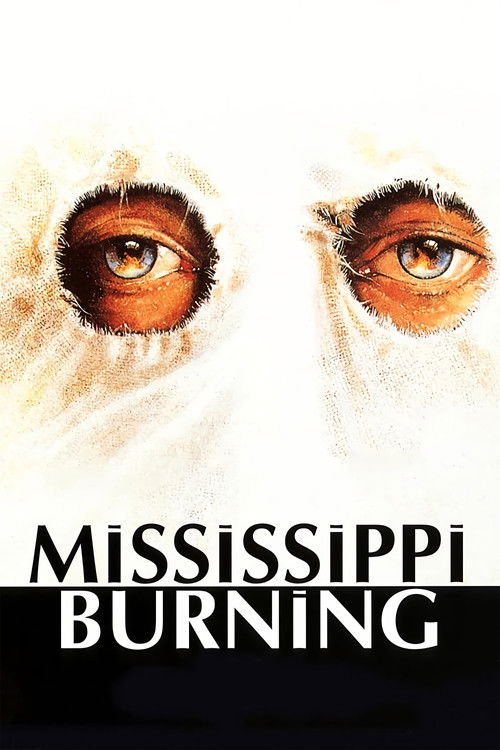
Two FBI agents investigating the murder of civil rights workers during the 60s seek to breach the conspiracy of silence in a small Southern town where segregation divides black and white. The younger agent trained in FBI school runs up against the small town ways of his partner, a former sheriff.
Providing the film's moral compass, McDormand’s quiet dignity amidst a suffocating culture of hate serves as a necessary, humanizing counterpoint to the surrounding procedural violence. This breakout role alerted the industry to her capacity for profound internal conflict.
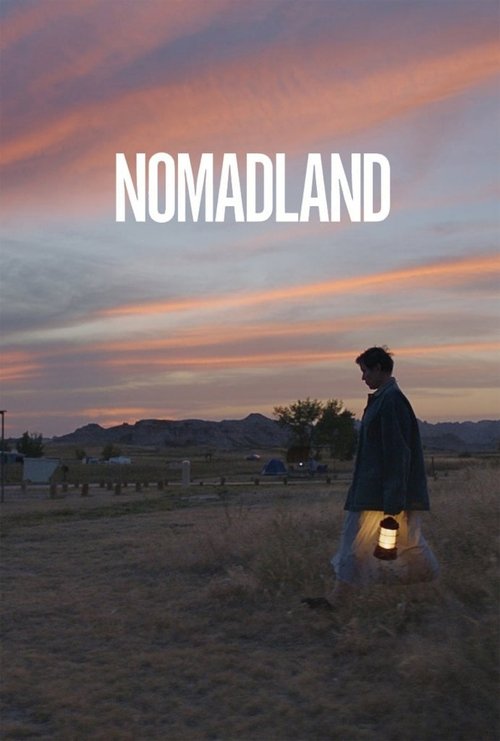
Nomadland
2021A woman in her sixties embarks on a journey through the western United States after losing everything in the Great Recession, living as a van-dwelling modern-day nomad.
In Fern, McDormand achieves a rare transparency, disappearing so completely into the American landscape that the line between documentary realism and scripted drama dissolves. This performance proved her ability to carry a film through silence and observation rather than dialogue.
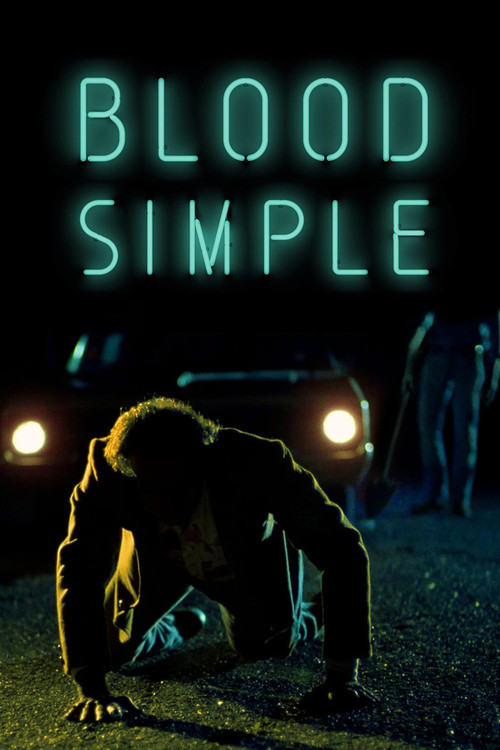
Blood Simple
1985The owner of a seedy small-town Texas bar discovers that one of his employees is having an affair with his wife. A chaotic chain of misunderstandings, lies and mischief ensues after he devises a plot to have them murdered.
Her screen debut showcases a raw, reactive vulnerability that grounded the Coen brothers' neo-noir stylings in genuine emotional terror. This early turn established the grounded authenticity that would become her career hallmark across four decades of collaboration.
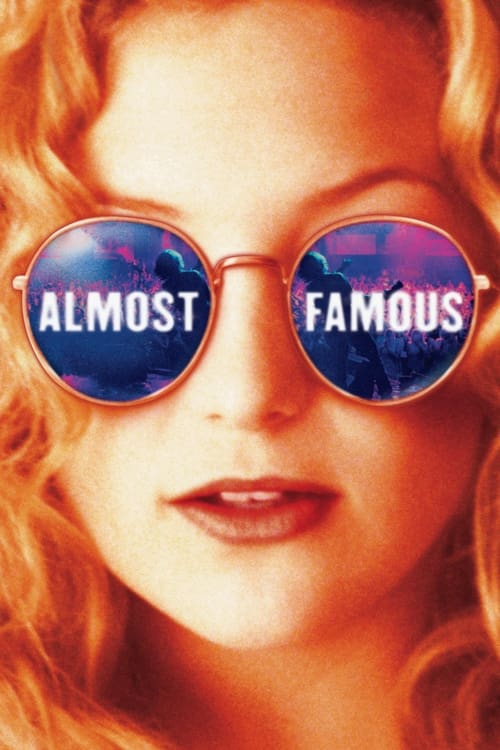
Almost Famous
2000In 1973, 15-year-old William Miller's unabashed love of music and aspiration to become a rock journalist lands him an assignment from Rolling Stone magazine to interview and tour with the up-and-coming band, Stillwater.
McDormand’s portrayal of maternal anxiety is both hilariously high-strung and deeply empathetic, stealing every scene through the sheer intensity of her neurotic convictions. It remains a joyous subversion of the 'overbearing mother' archetype, played with intellectual rigor.
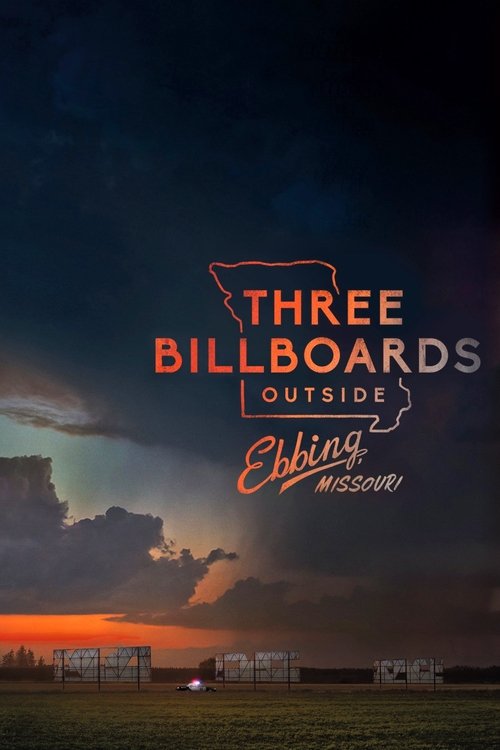
Three Billboards Outside Ebbing, Missouri
2017After seven months have passed without a culprit in her daughter's murder case, Mildred Hayes makes a bold move, painting three signs leading into her town with a controversial message directed at Bill Willoughby, the town's revered chief of police. When his second-in-command Officer Jason Dixon, an immature mother's boy with a penchant for violence, gets involved, the battle between Mildred and Ebbing's law enforcement is only exacerbated.
As Mildred Hayes, McDormand weaponizes grief into a jagged, uncompromising force of nature that avoids every trope of the redemptive mother figure. It is a masterclass in controlled ferocity, cementing her status as the premier interpreter of righteous, blue-collar fury.
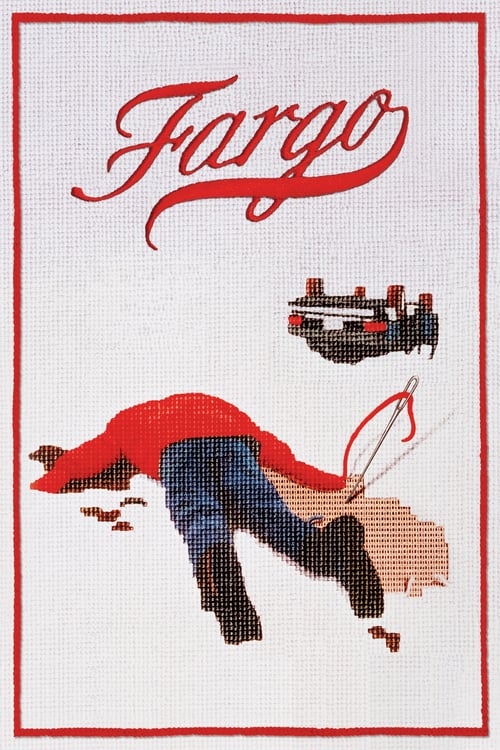
Fargo
1996Jerry, a small-town Minnesota car salesman is bursting at the seams with debt... but he's got a plan. He's going to hire two thugs to kidnap his wife in a scheme to collect a hefty ransom from his wealthy father-in-law. It's going to be a snap and nobody's going to get hurt... until people start dying. Enter Police Chief Marge, a coffee-drinking, parka-wearing - and extremely pregnant - investigator who'll stop at nothing to get her man. And if you think her small-time investigative skills will give the crooks a run for their ransom... you betcha!
McDormand crafts the definitive cinematic antithesis to the hard-boiled detective, imbuing Marge Gunderson with a polite, relentless morality that fundamentally reshaped the landscape of independent film. This role transformed her from a character actor into an icon of understated, Midwestern stoicism.
Frequently Asked Questions
Everything you need to know about this list and SnakeDrafts
- In 'Fargo' (1996), Frances McDormand delivers a career-defining performance as Marge Gunderson, a pregnant police chief investigating a grisly crime in snowy Minnesota. This role earned her widespread acclaim including an Academy Award for Best Actress.
- A recurring theme in these films is resilience amidst personal and societal struggles, where McDormand portrays strong, complex women navigating grief, justice, and survival. These narratives highlight her talent for embodying authentic, emotionally rich characters.
- Frances McDormand has a longstanding collaborative relationship with the Coen Brothers, starring in films like 'Fargo', 'Blood Simple', 'Raising Arizona', and 'The Man Who Wasn't There'. She has also worked with other acclaimed directors like Martin McDonagh and Chloé Zhao.
- In 'Almost Famous' (2000), McDormand plays a vibrant, free-spirited rock journalist, a departure from her often gritty, grounded roles. This film showcases her versatility, blending warmth and humor with her nuanced acting style.
- In 'Burn After Reading' (2008), McDormand embraces a dark comedic tone as a quirky gym employee, displaying her adeptness at comedy alongside drama. This role highlights her ability to navigate different genres effortlessly.
- 'Mississippi Burning' (1988) delves into racial tensions and civil rights struggles with McDormand playing a determined FBI agent. The film reflects her penchant for roles embedded with social significance and dramatic intensity.
- By appearing in Wes Anderson’s distinctive films like 'Moonrise Kingdom' and 'The French Dispatch', McDormand adds quirky, visually rich narratives to her repertoire. These collaborations underscore her adaptability and charm within stylized, ensemble casts.