Faye Dunaway Movie Ranking: The Greatest Films of a Cinema Icon
The Definitive Filmography of a Hollywood Legend
Explore the most iconic roles of Faye Dunaway, from New Hollywood classics like Chinatown and Bonnie and Clyde to her Academy Award-winning performance.
About Faye Dunaway

To understand the specific, electric voltage Faye Dunaway brought to American cinema, one only needs to look at her eyes in the final frames of Chinatown. They reflect a soul crushed by the machinery of power, yet underpinned by a brittle, aristocratic resilience that became her trademark. She did not just occupy the screen. She seized it with a high-cheekboned intensity that redefined the Hollywood leading lady, moving the needle away from soft-focus ingenues toward women who were dangerous, cerebral, and frequently smarter than the men trying to contain them.
Her arrival in Bonnie and Clyde functioned as a cultural tectonic shift. As Bonnie Parker, she embodied a new kind of nihilistic glamour, turning a Great Depression outlaw into a symbol of sixties rebellion. It was the birth of a legend built on sharp edges. That sense of sophisticated menace followed her into The Thomas Crown Affair, where she played a high-stakes investigator with a predatory grace that made a simple game of chess feel like a contact sport. She possessed a unique ability to weaponize her beauty, using it as a shield while her characters calculated their next three moves in silence.
The pinnacle of this cold-blooded brilliance arrived with Network. As Diane Christensen, a television executive with ice water in her veins, she personified a mid-seventies obsession with corporate soullessness. It remains one of the most prophetic performances in film history, capturing a woman who could only experience reality through a lens. This period saw her at a creative zenith, navigating the paranoid tension of Three Days of the Condor and the disaster-scale spectacle of The Towering Inferno with equal gravity. Even in a sprawling epic like Little Big Man or a swashbuckling romp like The Three Musketeers, she remained the magnetic north of every scene, drawing the gaze of the audience through sheer force of will.
Audiences connect with her because she never asks for permission or pity. Even when her career took a sharp, camp-inflected turn with Mommie Dearest, the commitment was absolute. While that film transformed her image into something operatic and misunderstood, it highlighted her refusal to do anything halfway. She leaned into the wreckage, eventually finding a bruised, poetic vulnerability in Barfly. She proved that her talent was not just a product of her youth, but a deep well of craft that could adapt to the surrealism of Arizona Dream or the gentle romance of Don Juan DeMarco.
In her later roles, from the satirical bite of The Rules of Attraction to the high-camp villainy of Supergirl, Dunaway maintained that same sense of formidable presence. She is an actress of the stratosphere, someone who understands that true stardom requires a certain distance from the ordinary. Whether she was crumbling in the tear-jerker The Champ or navigating the sleek conspiracies of the New Hollywood era, she remained an enigma. She is the definitive screen siren for an era that demanded complexity over comfort, a performer who taught us that the most captivating thing a woman can be on screen is uncompromising.
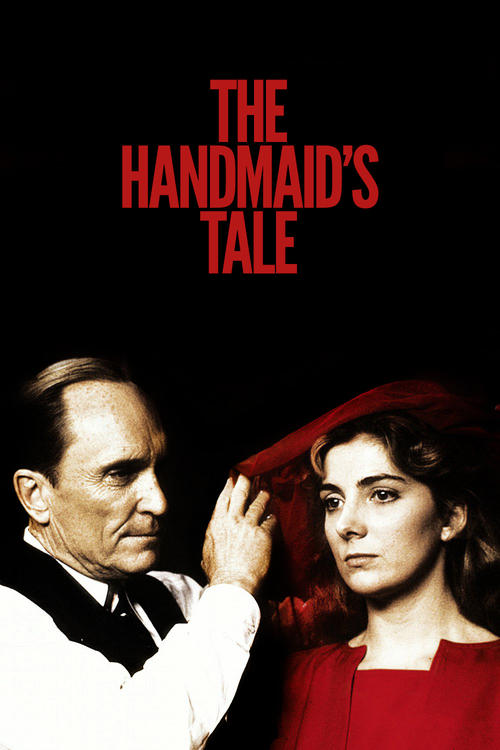
The Handmaid's Tale
1990In a dystopian, polluted right-wing religious tyranny, a young woman is put in sexual slavery on account of her now rare fertility.

Inconceivable
2017A mother looks to escape her abusive past by moving to a new town where she befriends another mother, who grows suspicious of her.
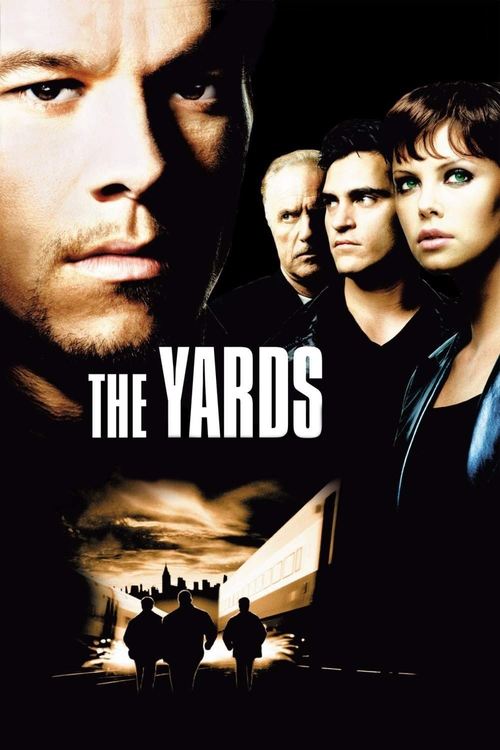
The Yards
2000In the rail yards of Queens, contractors repair and rebuild the city's subway cars. These contracts are lucrative, so graft and corruption are rife. When Leo Handler gets out of prison, he finds his aunt married to Frank Olchin, one of the big contractors; he's battling with a minority-owned firm for contracts.
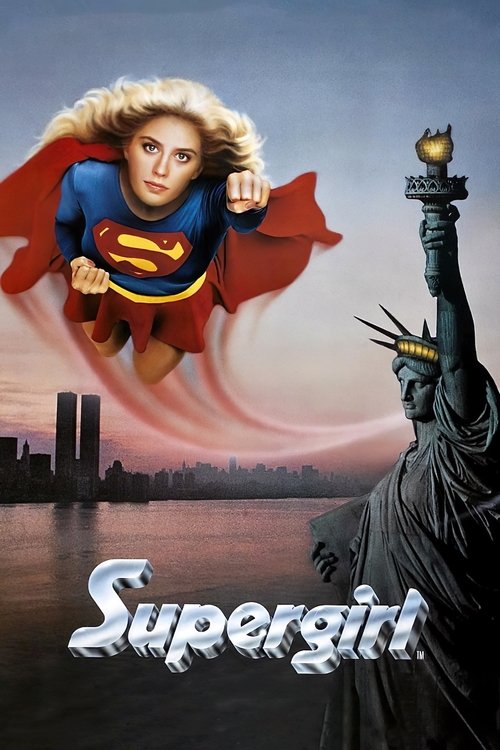
Supergirl
1984After losing a powerful orb, Kara, Superman's cousin, comes to Earth to retrieve it and instead finds herself up against a wicked witch.
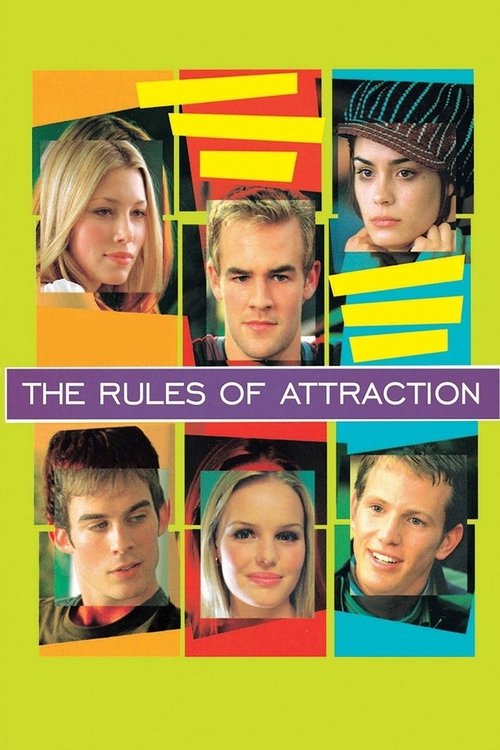
The Rules of Attraction
2002The incredibly spoiled and overprivileged students of Camden College are a backdrop for an unusual love triangle between a drug dealer, a virgin and a bisexual classmate.
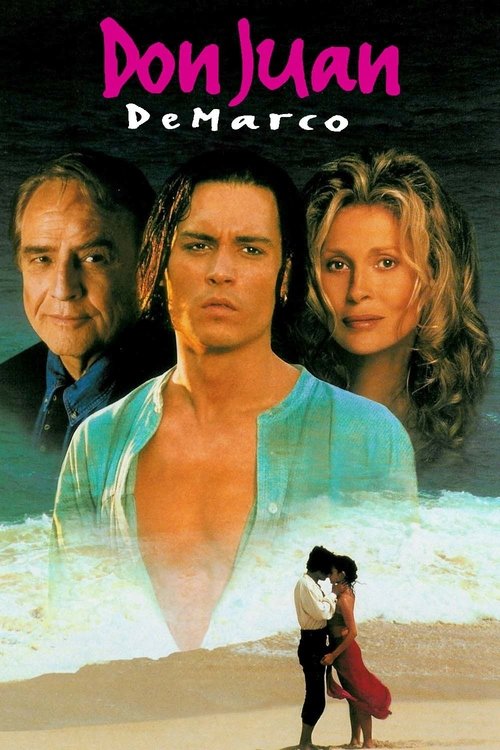
Don Juan DeMarco
1994John Arnold DeMarco is a man who believes he is Don Juan, the greatest lover in the world. Clad in a cape and mask, DeMarco undergoes psychiatric treatment with Dr. Jack Mickler to cure him of his apparent delusion. But the psychiatric sessions have an unexpected effect on the psychiatric staff and, most profoundly, Dr Mickler, who rekindles the romance in his complacent marriage.
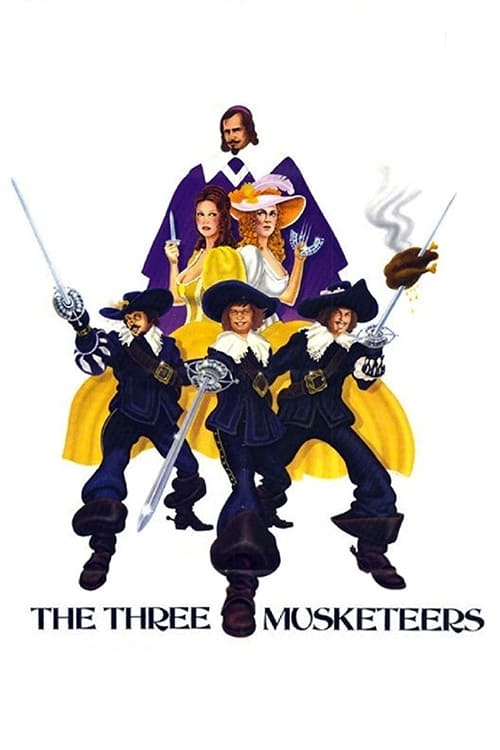
The Three Musketeers
1973In 17th century France, young D'Artagnan wants to join the King's Musketeers, but instead befriends three legendary musketeers—Athos, Porthos, and Aramis—and together, they become embroiled in the political intrigue surrounding King Louis XIII and his adversaries, particularly the powerful Cardinal Richelieu.
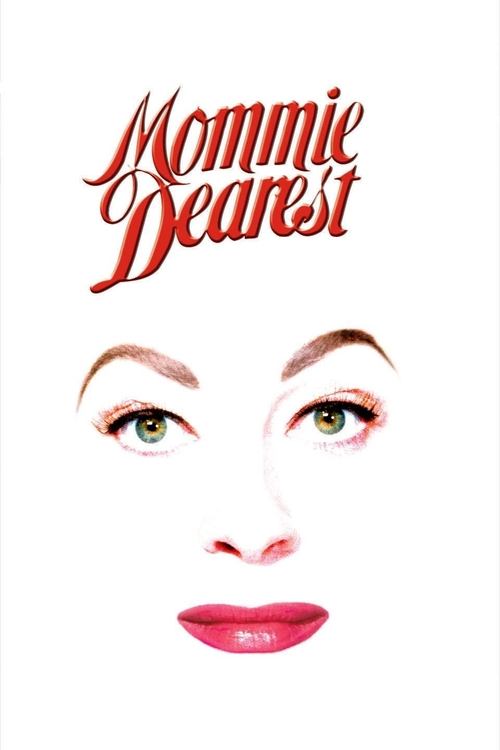
Mommie Dearest
1981Renowned film star Joan Crawford's abuse towards Christina, her adopted daughter, intensifies as her professional and romantic relationships turn sour.
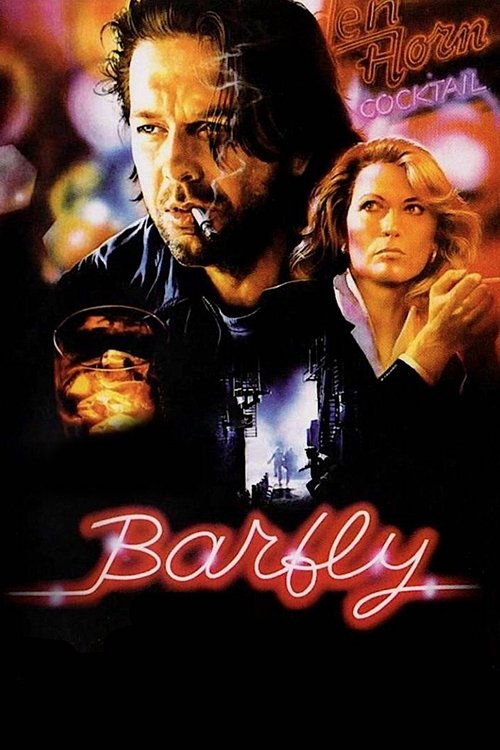
Barfly
1987Downtrodden writer Henry and distressed goddess Wanda aren't exactly husband and wife: they're wedded to their bar stools. But, they like each other's company—and Barfly captures their giddy, gin-soaked attempts to make a go of life on the skids.
Disappearing into the grit and grime of Charles Bukowski’s world, Dunaway sheds every ounce of her trademark poise to play a damaged, alcoholic soul. This unvarnished performance remains one of her most daring choices, stripping away the movie-star veneer to reveal a shattering vulnerability.
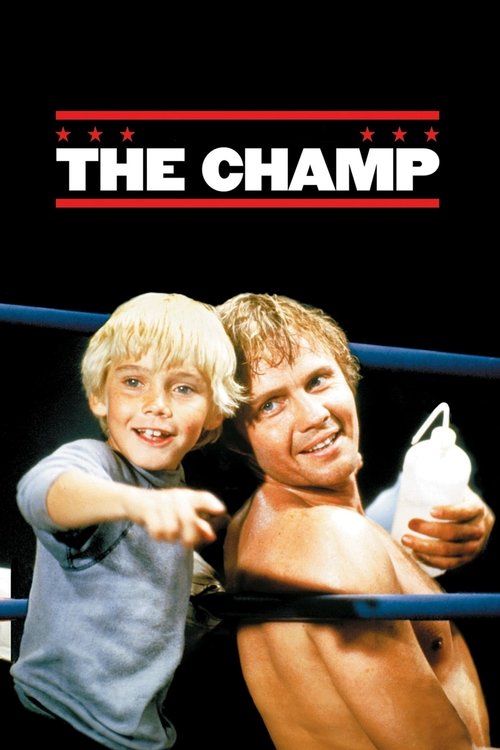
The Champ
1979Billy used to be a great boxer, but he's settled into a hardscrabble life that revolves around drinking, training horses, and the one bright spot in his existence — his young son, T.J. Although Billy has had custody of T.J. since his wife, Annie, left the family years ago, her return prompts a new struggle for the former fighter. Determined to hold on to his son, Billy gets back into the ring to try and recapture his past success.
In this classic tearjerker, Dunaway provides a sophisticated and poised contrast to the raw physicality of the boxing ring. She elevates a traditional maternal role by infusing it with a sense of regret and refined longing that anchors the film’s emotional core.
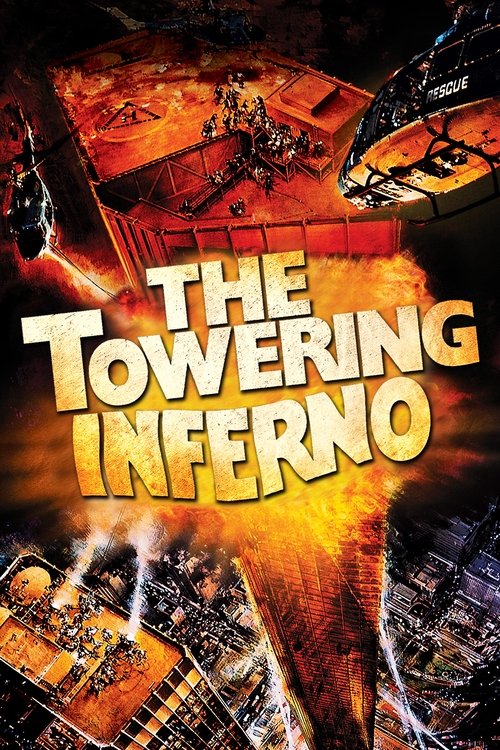
At the opening party of a colossal—but poorly constructed—skyscraper, a massive fire breaks out, threatening to destroy the tower and everyone in it.
Even within the constraints of a star-studded disaster epic, she finds the humanity in the spectacle through a grounded and emotionally resonant presence. Her ability to anchor such a massive production with genuine character work prevents the film from descending into mere pyrotechnics.
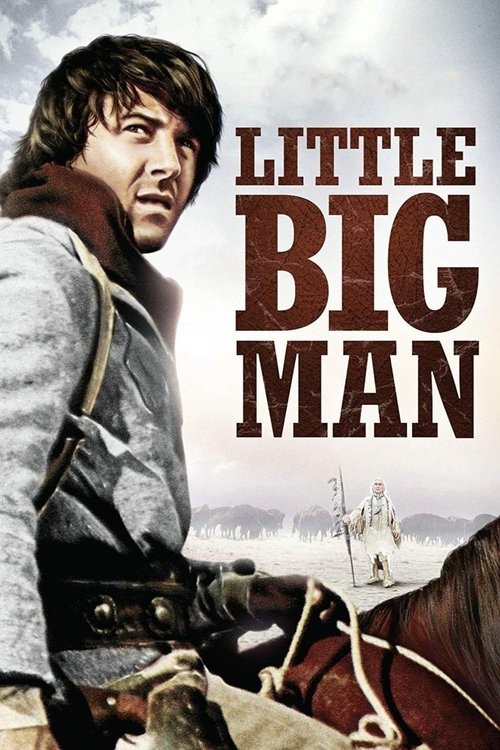
Little Big Man
1970Jack Crabb, looking back from extreme old age, tells of his life being raised by Indians and fighting with General Custer.
As a lustful preacher’s wife turned cynical prostitute, she subverts her own image by leaning into satirical comedy and moral complexity. This transformative role proved she was a character actress of the highest order, capable of navigating tonally difficult genre shifts.
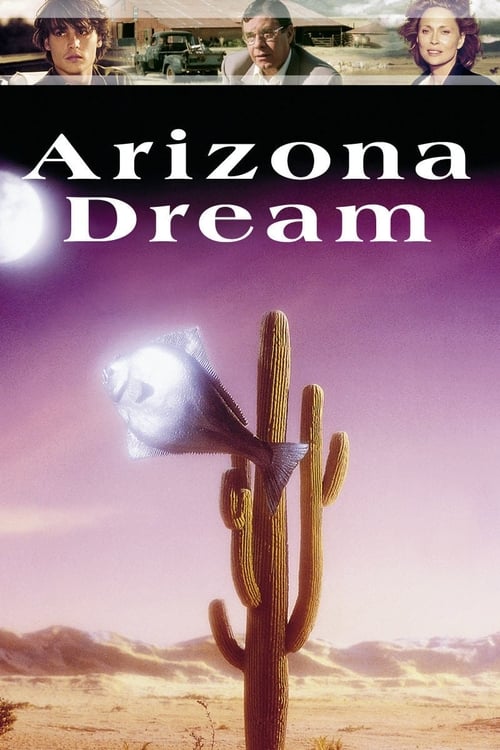
Arizona Dream
1993An Inuit hunter races his sled home with a fresh-caught halibut. This fish pervades the entire film, in real and imaginary form. Meanwhile, Axel tags fish in New York as a naturalist's gofer. He's happy there, but a messenger arrives to bring him to Arizona for his uncle's wedding. It's a ruse to get Axel into the family business. In Arizona, Axel meets two odd women: vivacious, needy, and plagued by neuroses and familial discord. He gets romantically involved with one, while the other, rich but depressed, plays accordion tunes to a gaggle of pet turtles.
Embracing the eccentricities of Emir Kusturica’s vision, Dunaway delivers a fearless and wildly unpredictable performance that late-career actors rarely dare to attempt. It is a fascinating pivot into the avant-garde that highlights her range far beyond the Hollywood establishment.
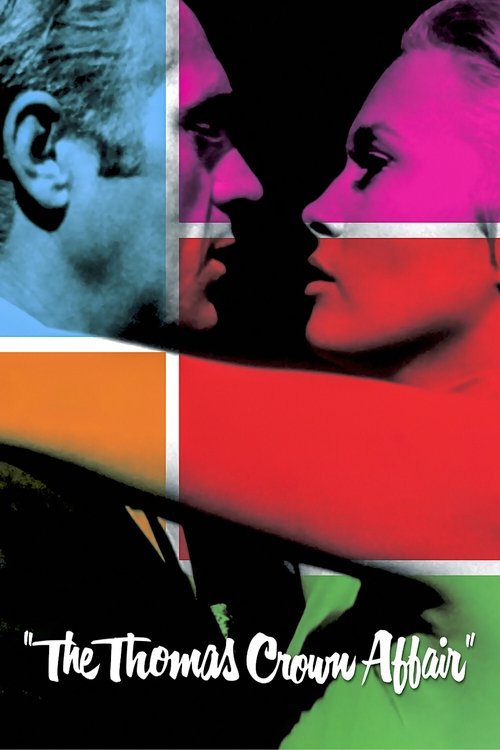
The Thomas Crown Affair
1968Young businessman Thomas Crown is bored and decides to plan a robbery and assigns a professional agent with the right information to the job. However, Crown is soon betrayed yet cannot blow his cover because he’s in love.
Dunaway exudes a predatory elegance in this high-fashion heist, proving she could match any leading man’s charisma with her own lethal intelligence. The film stands as a testament to her unique power to weaponize glamour into a form of psychological warfare.
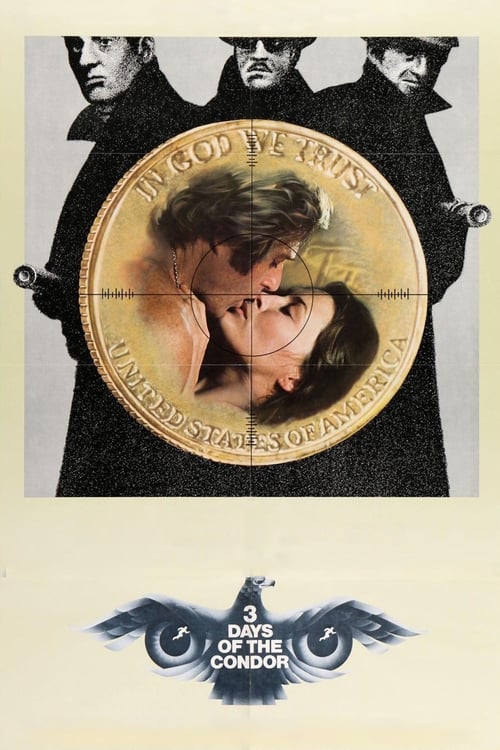
When bookish CIA researcher Joe Turner finds all his co-workers dead, he, together with a woman he has kidnapped, must work together to outwit those responsible until he determines who he can really trust.
Playing against the typical tropes of the political thriller, she provides a contemplative and moody counterpoint to the film’s high-stakes paranoia. Her work here demonstrates a remarkable ability to command attention through stillness and internal dialogue.
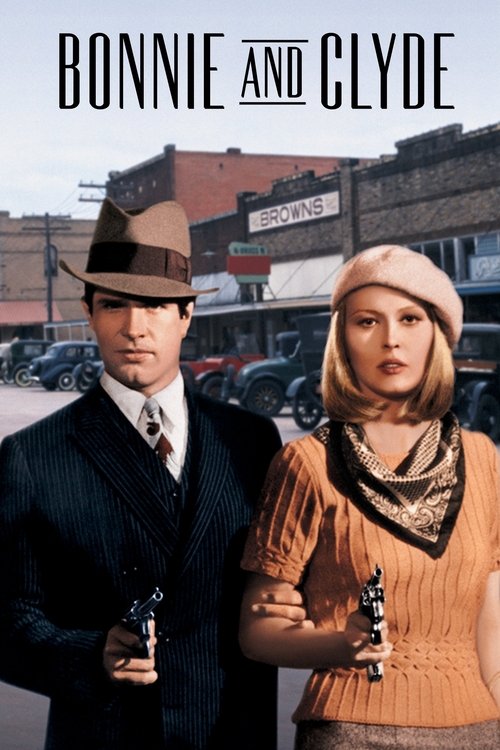
Bonnie and Clyde
1967In the 1930s, bored European-American waitress Bonnie Parker falls in love with a European-American ex-con named Clyde Barrow and together they start a violent crime spree through the country, stealing cars and robbing banks.
In a role that shattered the mold of the Hollywood starlet, Dunaway combined reckless rebellion with a chic, modern grit to define the counterculture aesthetic. This performance didn't just launch her stardom; it fundamentally altered the visual language of the screen rebel.
Network
1976When veteran anchorman Howard Beale is forced to retire his 25-year post because of his age, he announces to viewers that he will kill himself during his farewell broadcast. Network executives rethink their decision when his fanatical tirade results in a spike in ratings.
Commanding the screen with terrifying, corporate zeal, Dunaway’s portrayal of Diana Christensen serves as a prophetic indictment of media soullessness. This Oscar-winning turn remains the gold standard for depicting ambition stripped of human empathy.
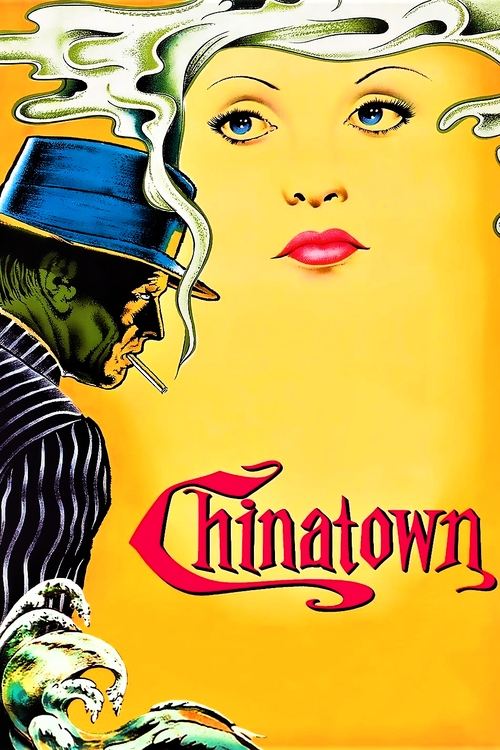
Chinatown
1974Private eye Jake Gittes lives off of the murky moral climate of sunbaked, pre-World War II Southern California. Hired by a beautiful socialite to investigate her husband's extra-marital affair, Gittes is swept into a maelstrom of double dealings and deadly deceits, uncovering a web of personal and political scandals that come crashing together.
Dunaway reaches the zenith of neo-noir sophistication as Evelyn Mulwray, projecting a glacial composure that slowly fractures into raw, haunting vulnerability. It is a masterpiece of restraint that solidified her status as the definitive tragic heroine of world cinema.
Frequently Asked Questions
Everything you need to know about this list and SnakeDrafts
- Faye Dunaway's trademark intense and aristocratic screen presence is vividly showcased in "Chinatown," where her nuanced performance captures a complex mix of vulnerability and resilience, redefining the Hollywood leading lady archetype.
- In 'Network,' Faye Dunaway delivered a compelling performance that cemented her reputation as a powerhouse in drama films. Her portrayal of a savvy and ambitious character highlighted her ability to embody complex, layered roles with emotional depth.
- 'Bonnie and Clyde' is a landmark film in Faye Dunaway's career, marking her as a defining figure in New Hollywood cinema. The film's blend of crime and drama genres featured her in a bold, rebellious role that broke conventional portrayals of women at the time.
- Faye Dunaway starred in notable thrillers like 'Three Days of the Condor' and 'Chinatown,' both of which enhanced her reputation for versatility and intensity. These films showcased her ability to carry suspenseful narratives with strong, enigmatic characters, solidifying her status as a dynamic actor.
- According to the listicle, Faye Dunaway explored a broad range of genres including crime, drama, thriller, romance, comedy, and fantasy. This diverse filmography demonstrates her adaptability and skill in portraying varied characters across different cinematic styles, from the action-packed 'The Towering Inferno' to the romantic comedy elements in 'Don Juan DeMarco.'
- Films like 'The Thomas Crown Affair' and 'Bonnie and Clyde' were pivotal in shifting the portrayal of women towards more complex, assertive roles. Faye Dunaway's performances helped redefine female leads as multifaceted characters who are both charismatic and empowered, influencing future cinematic narratives.
- Faye Dunaway's performance in 'Mommie Dearest' stands out for its intense and controversial depiction of Joan Crawford, showcasing her ability to undertake challenging biographical roles. This role is markedly different from her glamorous or action-oriented parts, revealing her range and commitment to portraying complex real-life figures.

