The Greatest Tony Scott Movies Ever Made
The Master of High Octane Style and Kinetic Action
Explore the definitive ranking of Tony Scott's greatest films, from high-flying blockbusters to grit-soaked crime thrillers and cult classics.
About Tony Scott
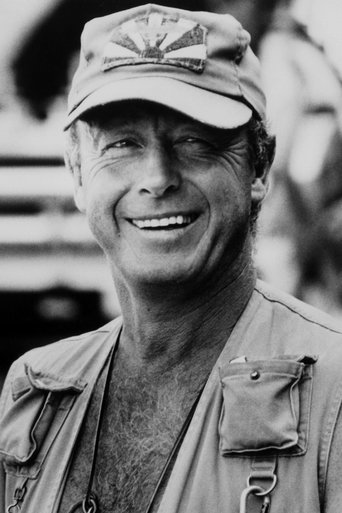
To watch a Tony Scott film is to step into a world of hyper-saturated high humidity. While his older brother Ridley often leaned into the cold, clinical architecture of space and history, Tony lived for the kinetic heat of the moment. He was a master of the commercial aesthetic who never apologized for making movies that felt like high-octane adrenaline shots. His frames were perpetually gilded in orange sunsets and hazy blues, vibrating with a relentless energy that made the screen feel almost liquid. If cinema is a dream, his work was a fever dream, characterized by a restless camera and an editing rhythm that pulsed like a racing heart.
The breakthrough of Top Gun in the mid eighties defined an entire era of blockbuster filmmaking, but it was merely the starting point for a visual language he would spend decades deconstructing. By the time he reached the nineties, he had moved beyond the polish of Beverly Hills Cop II and Days of Thunder into something much grittier and more experimental. You can see his fingerprints all over the sun-bleached, sweat-soaked frames of True Romance, where a Quentin Tarantino script met a director who understood that violence and romance should feel equally explosive. He transformed the traditional thriller into a sensory assault, using long lenses and erratic shutter speeds to bake the tension directly into the celluloid.
His collaboration with Denzel Washington became one of the most fruitful partnerships in modern Hollywood, spanning genres and decades. In Crimson Tide, he turned a submarine interior into a masterpiece of claustrophobic color, using neon reds and deep shadows to heighten a psychological standoff. By the time they reached Man on Fire, Scott had fully embraced a frantic, multi-exposure style that felt like a glimpse into a fractured psyche. It was bold, divisive, and utterly distinct. While other directors played it safe with clean compositions, he was busy layering subtitles into the frame and saturating the landscape until it bled.
Even his more traditional studio assignments, like the tech-paranoia of Enemy of the State or the intricate puzzles of Spy Game, possessed a slickness that managed to feel tactile rather than plastic. He had a gift for making professional competency look cool, whether it was the world weary intelligence of The Last Boy Scout or the industrial grit of Unstoppable. That final film, a runaway train thriller, serves as a perfect bookend to a career built on momentum. It is lean, muscular, and terrifyingly fast, stripped of any pretension but loaded with a mastery of craft that few could replicate.
His legacy isn't just found in the blue-tinted smoke and orange light, but in the way he taught audiences to see motion. He treated every frame like a canvas for chaos, yet he never lost sight of the human stakes at the center of the spectacle. Whether he was exploring the gothic vampire chic of The Hunger or the relentless pursuit in Deja Vu, he remained a poet of the fast lane. He was a filmmaker who didn't just want you to watch his movies, he wanted you to feel the wind burn.
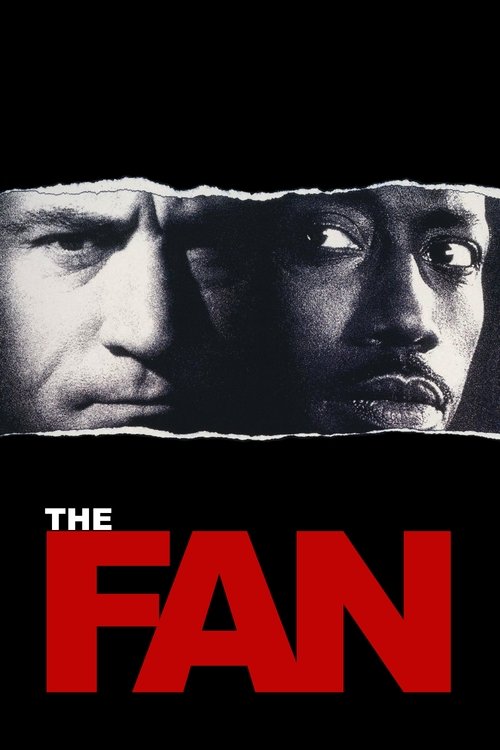
The Fan
1996When the San Francisco Giants pay center-fielder, Bobby Rayburn $40 million to lead their team to the World Series, no one is happier or more supportive than #1 fan, Gil Renard. When Rayburn becomes mired in the worst slump of his career, the obsessed Renard decides to stop at nothing to help his idol regain his former glory—not even murder.
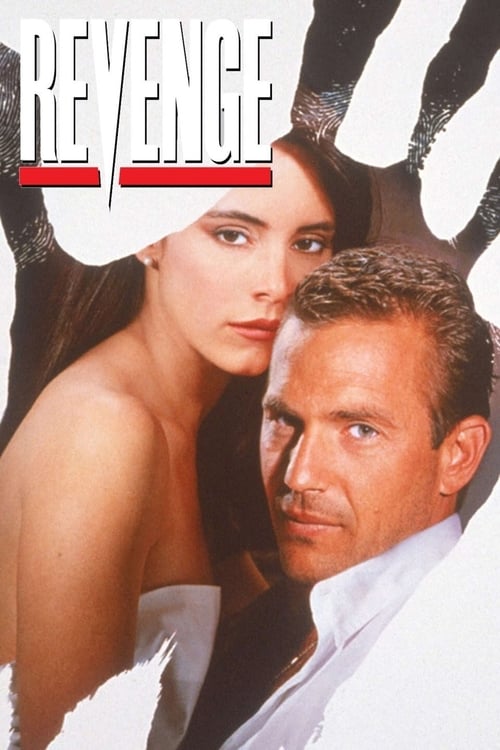
Revenge
1990Michael ‘Jay’ Cochran has just left the Navy after 12 years and he's not quite sure what he's going to do, except that he knows he wants a holiday. He decides to visit Tiburon Mendez, a powerful but shady Mexican businessman who he once flew to Alaska for a hunting trip. Arriving at the Mendez mansion in Mexico, he is immediately surprised by the beauty and youth of Mendez’s wife, Miryea.
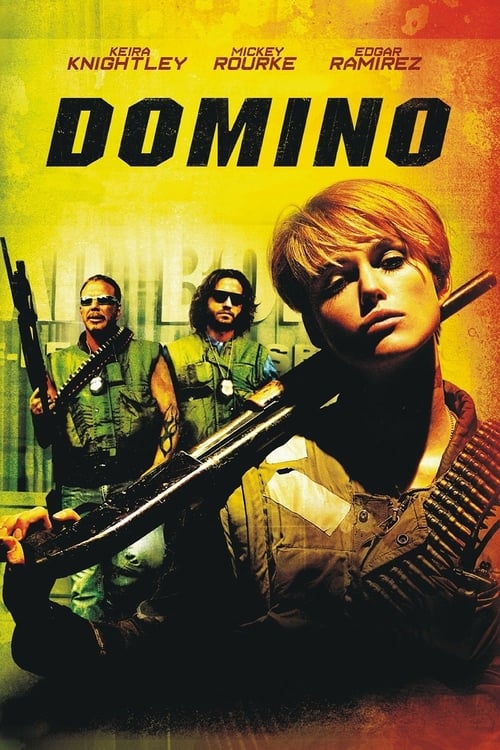
Domino
2005The story of the life of Domino Harvey, who abandoned her career as a Ford model to become a bounty hunter.
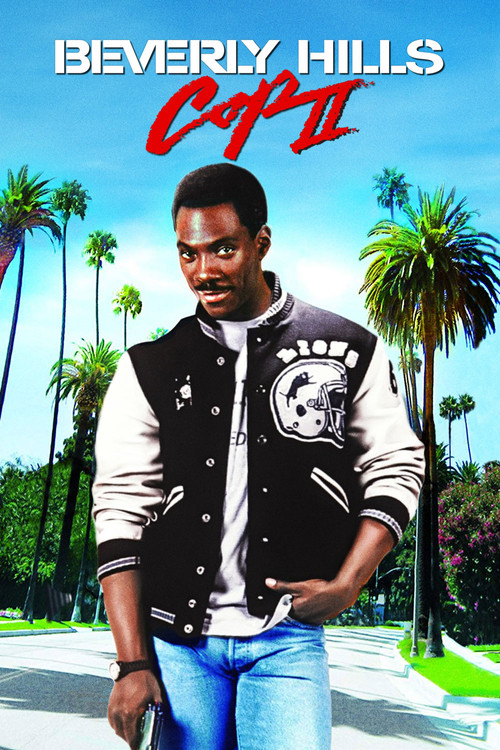
Axel Foley returns to the land of sunshine and palm trees to investigate the near-fatal shooting of police Captain Andrew Bogomil. With the help of Sgt. Taggart and Det. Rosewood, they soon uncover that the shooting is associated with a series of "alphabet" robberies masterminded by a heartless weapons kingpin—and the chase is on.
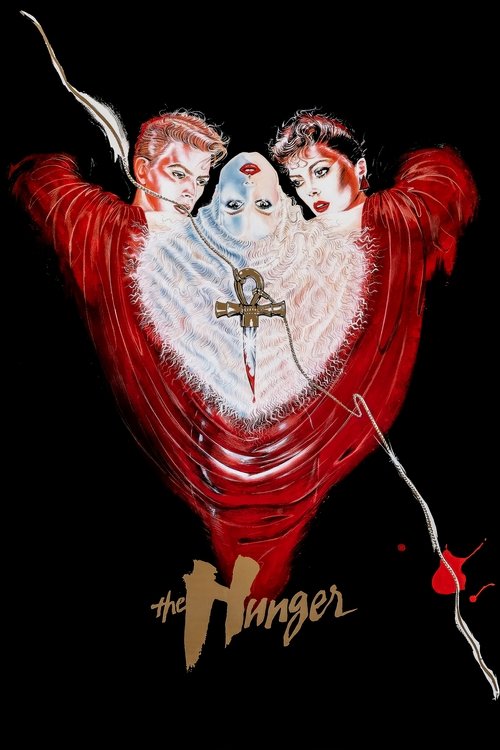
The Hunger
1983Five-thousand-year-old vampire Miriam promises her lovers the gift of eternal life. When John, her cellist companion for centuries, discovers that he has suddenly begun growing old, he attempts to seek out the help of Dr. Sarah Roberts, a researcher on the mechanisms of aging.
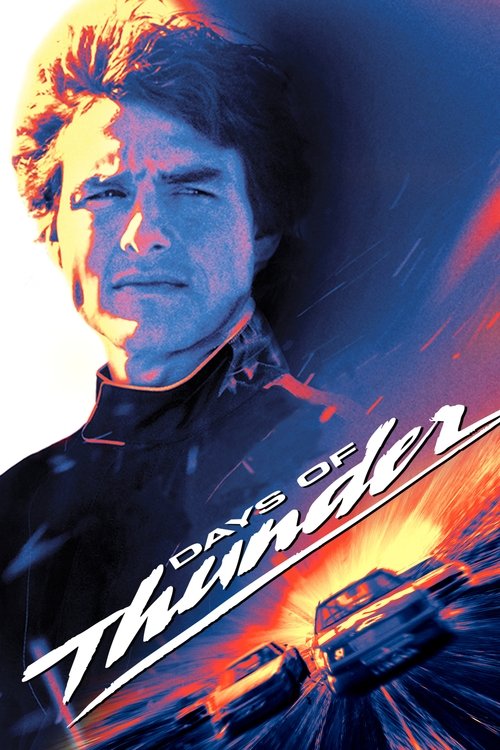
Days of Thunder
1990Talented but unproven stock car driver Cole Trickle gets a break and with the guidance of veteran Harry Hogge turns heads on the track. The young hotshot develops a rivalry with a fellow racer that threatens his career when the two smash their cars. But with the help of his doctor, Cole just might overcome his injuries-- and his fear.
Scott applies the shimmering textures of his aviation work to the asphalt, turning stock car racing into a kaleidoscopic display of speed and metal. While lean on narrative, the film is an essential study in his ability to capture the sensory experience of extreme velocity through aggressive sound design and tight framing.
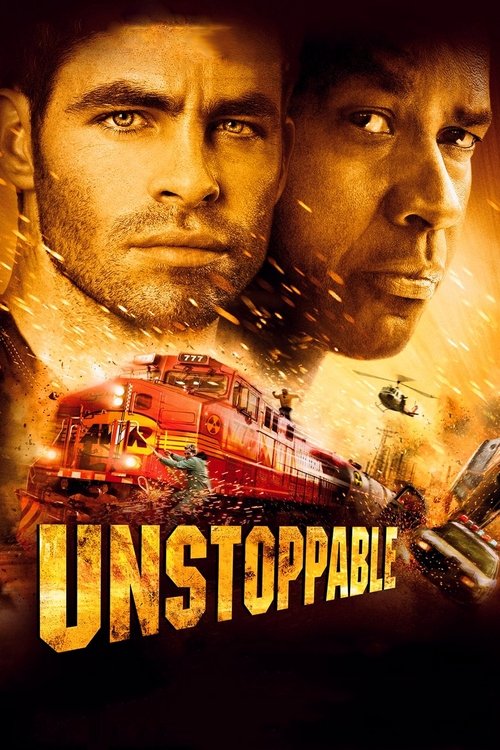
Unstoppable
2010When a massive, unmanned locomotive roars out of control, the threat is more ominous than just a derailment. The train is laden with toxic chemicals, and an accident would decimate human life and cause an environmental disaster. The only hope of bringing the train to a safe stop is in the hands of veteran engineer Frank Barnes, and young conductor Will Colson, who must risk their lives to save those in the runaway's path. Inspired by true events.
In his final work, Scott delivers a stripped-back triumph of pure momentum and practical filmmaking. It is a lean, blue-collar masterpiece that strips away artifice to focus on the visceral, thundering power of machinery in motion.
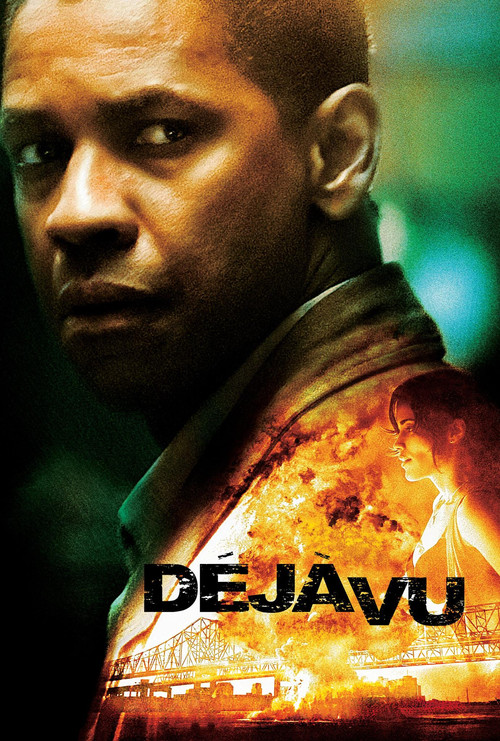
Déjà Vu
2006Called in to recover evidence in the aftermath of a horrific explosion on a New Orleans ferry, Federal agent Doug Carlin gets pulled away from the scene and taken to a top-secret government lab that uses a time-shifting surveillance device to help prevent crime.
Scott navigates the bridge between science fiction and the police procedural with a surprisingly grounded focus on temporal mechanics and regret. His kinetic style adds a necessary layer of propulsion to the high-concept premise, grounding the fantastical elements in a textured, lived-in reality.
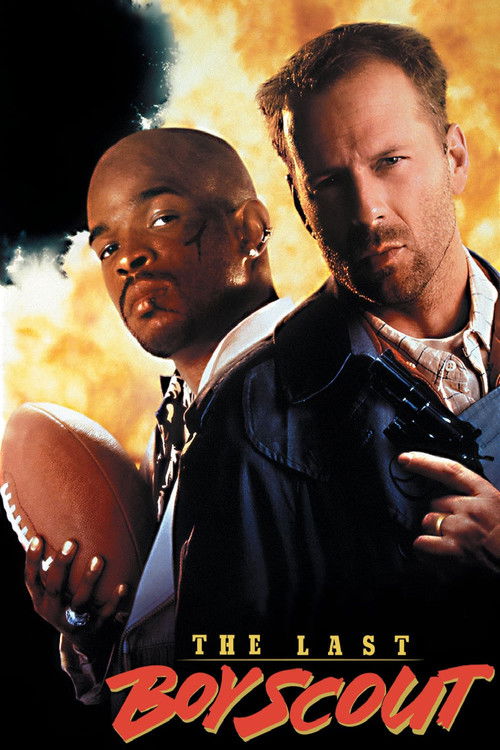
The Last Boy Scout
1991Somewhere in Los Angeles, the city of broken dreams, a stripper is murdered. Now, the private detective she had hired and her ex-footballer boyfriend are going to find her murderer... if they don't kill each other first. But the more they dig, the deeper they become enmeshed in a web of extortion, blackmail and corrupt politics hidden beneath the surface of professional football.
By infusing the buddy-cop formula with a cynical, noir-drenched atmosphere, Scott crafts a rugged subversion of the genre. The film stands out for its hard-boiled grit and a commitment to stylish nihilism that complicates the standard action hero archetype.
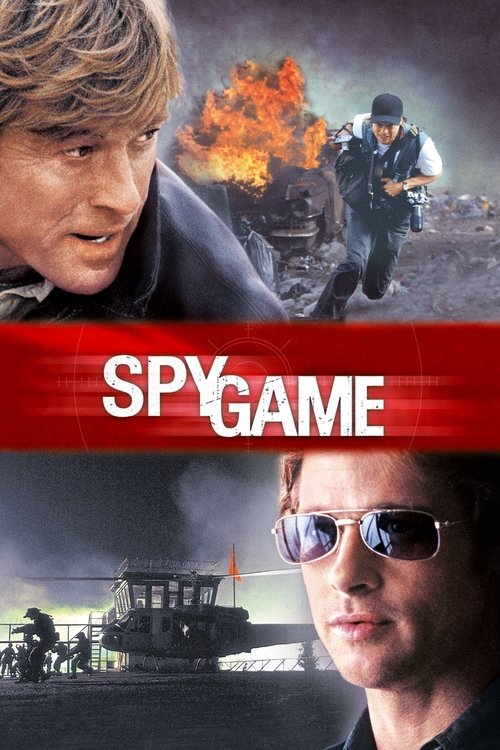
Spy Game
2001On the day of his retirement, a veteran CIA agent learns that his former protégé has been arrested in China, is sentenced to die the next morning in Beijing, and that the CIA is considering letting that happen to avoid an international scandal.
A sophisticated exercise in non-linear narrative and cross-continental aesthetics, this feature highlights Scott’s gift for complex procedural pacing. He turns the quiet office politics of espionage into a visual rush by employing a shimmering, globe-trotting lens that makes every flashback feel urgent.
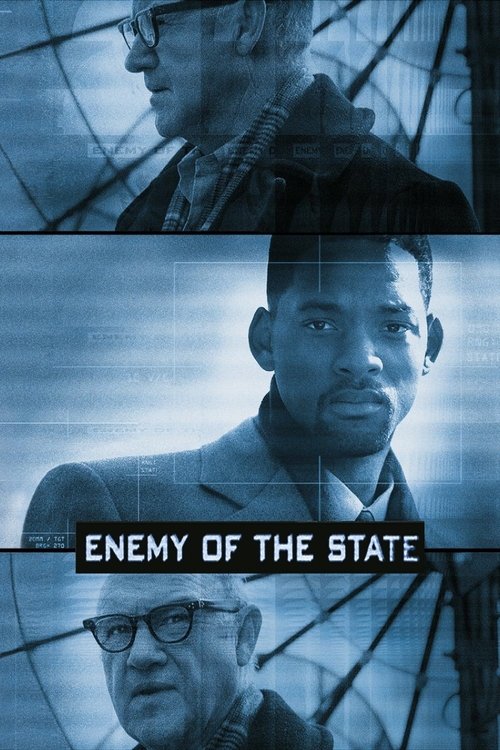
When the videotape of the murder of a congressman unknowingly ends up in the hands of labor lawyer and dedicated family man Robert Clayton Dean, he is framed for the murder. With the help of the mysterious Brill, Dean attempts to throw the NSA off his trail and prove his innocence.
Predicting the modern surveillance state with frantic energy, Scott utilizes overhead satellite perspectives and rapid-fire zooms to create a prophetic technothriller. The film showcases his unique talent for making bureaucratic paranoia feel like a high-stakes footrace through a digital maze.
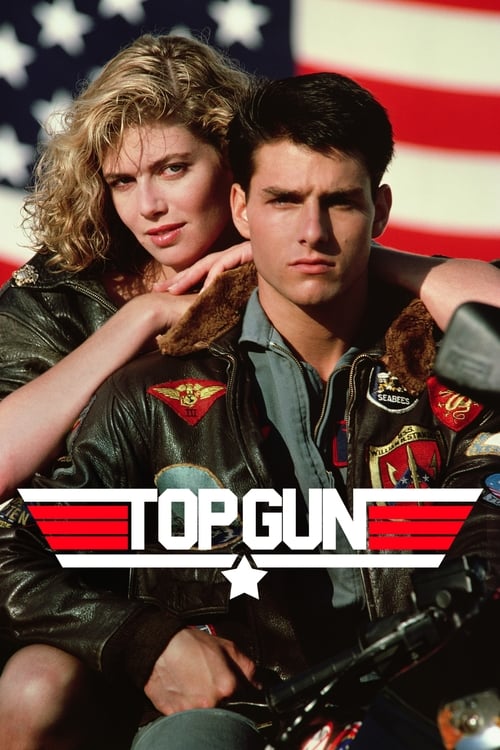
Top Gun
1986For Lieutenant Pete 'Maverick' Mitchell and his friend and co-pilot Nick 'Goose' Bradshaw, being accepted into an elite training school for fighter pilots is a dream come true. But a tragedy, as well as personal demons, will threaten Pete's dreams of becoming an ace pilot.
This film defined the blockbuster silhouette of the 1980s by treating military hardware with the glossy, eroticized precision of a high-fashion editorial. All of Scott's signatures are born here, from the rhythmic montage to the golden-hour glows that elevated commercial filmmaking into a distinct art form.
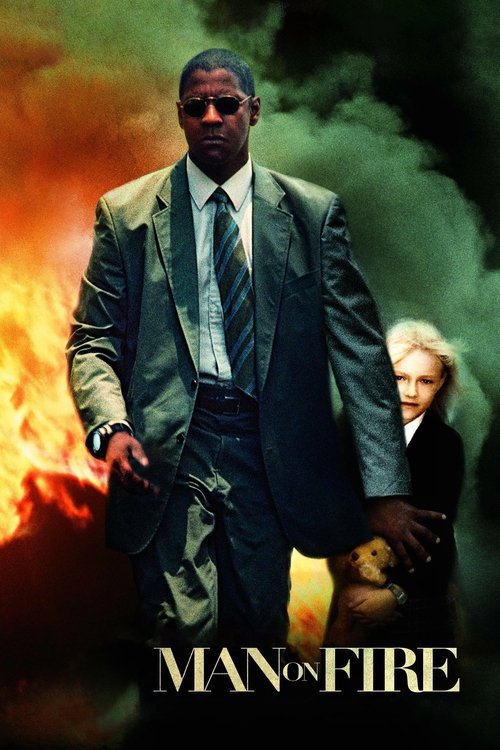
Man on Fire
2004Jaded ex-CIA operative John Creasy reluctantly accepts a job as the bodyguard for a 10-year-old girl in Mexico City. They clash at first, but eventually bond, and when she's kidnapped he's consumed by fury and will stop at nothing to save her life.
The director’s late-period impressionism reaches its fever pitch here through fragmented editing and a restless, experimental camera. It is a haunting exploration of vengeance that utilizes visual distortion to mirror a fractured psyche, marking a bold departure into gritty, sensory-overload storytelling.
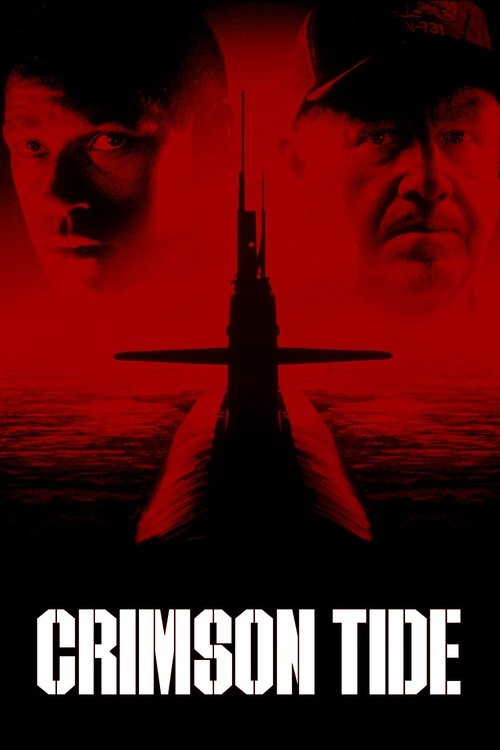
Crimson Tide
1995After the Cold War, a breakaway Russian republic with nuclear warheads becomes a possible worldwide threat. U.S. submarine Capt. Frank Ramsey signs on a relatively green but highly recommended Lt. Cmdr. Ron Hunter to the USS Alabama, which may be the only ship able to stop a possible Armageddon. When Ramsey insists that the Alabama must act aggressively, Hunter, fearing they will start rather than stop a disaster, leads a potential mutiny to stop him.
Scott transforms a claustrophobic submarine setting into a masterclass of psychological lighting and formal tension. By pivoting away from pure spectacle toward a sweat-soaked battle of philosophies, he proved his ability to weaponize intellectual conflict with the same intensity as a dogfight.
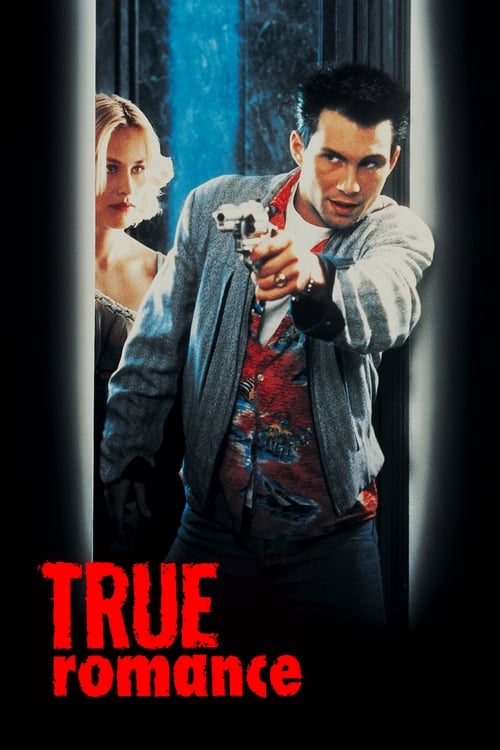
True Romance
1993Clarence marries hooker Alabama, steals cocaine from her pimp, and tries to sell it in Hollywood, while the owners of the coke try to reclaim it.
A supernova of pop-culture kineticism, this film represents the perfect marriage of stylized pulp dialogue and Scott’s saturated, high-contrast aesthetic. It stands as a vibrant manifesto for his career-long obsession with lovers on the run and beautiful, chaotic violence.
Frequently Asked Questions
Everything you need to know about this list and SnakeDrafts
- Tony Scott's directing style is characterized by kinetic energy, vibrant color palettes dominated by orange sunsets and hazy blues, and a relentless pace that keeps viewers on the edge. His films often blend action with emotional depth, as seen in classics like Top Gun and Man on Fire.
- Tony Scott skillfully combines genres such as action, thriller, drama, and romance to create dynamic stories. For instance, True Romance mixes action and crime with a central romantic narrative, while Crimson Tide expertly fuses war drama with intense thriller elements.
- Top Gun is renowned for its high-octane aerial sequences, showcasing stunning fighter jet dogfights and adrenaline-pumping flight scenes. This film epitomizes Scott's ability to capture kinetic energy and visual spectacle.
- Yes, Tony Scott's crime thrillers like Enemy of the State and Spy Game often explore themes of surveillance, espionage, and moral ambiguity, wrapped in intense, fast-paced narratives that keep audiences engaged with both action and plot twists.
- Beyond explosive action, Scott often infuses his films with emotional resonance, exploring themes of redemption, loyalty, and personal sacrifice. Man on Fire is a prime example, balancing high-stakes action with a deeply moving father-daughter relationship.
- Déjà Vu stands out by integrating science fiction elements into Scott's trademark thriller and action framework. It explores time manipulation within a fast-paced narrative, showcasing Scott's versatility in blending innovative concepts with his dynamic directing style.
- Music and sound design are pivotal in creating the intense atmosphere in Tony Scott's movies. His films like Days of Thunder and Beverly Hills Cop II utilize energetic soundtracks and immersive audio to complement the visual tempo, amplifying emotional and narrative impact.
- True Romance is widely celebrated as a cult classic due to its offbeat storytelling, sharp dialogue, and blending of romance with violent crime drama. Its distinct style and memorable characters have cemented its place in Tony Scott's film legacy.