The Best Warren Beatty Movies Ranked
The Definitive Guide to a Hollywood Legend
Explore the legendary career of Warren Beatty with our ranked list of his most iconic films, from New Hollywood classics to celebrated directorial feats.
About Warren Beatty
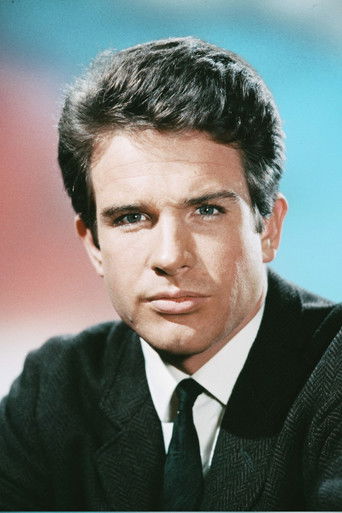
In the annals of Hollywood, there is a specific brand of alchemy reserved for Warren Beatty. He is the industry’s ultimate dual citizen, a man who occupied the center of the frame as a heartthrob while simultaneously pulling the levers of power behind the camera. To understand his gravity, you have to look past the tabloid headlines and focus on the restlessness of his creative instincts. He didn't just want to be a movie star; he wanted to be the architect of the entire dream.
The obsession began early, marked by a raw, stuttering sensitivity in Splendor in the Grass. As Bud Stamper, he captured a uniquely American brand of repressed longing, a performance that signaled the arrival of a leading man who was far more complicated than his jawline suggested. He quickly pivoted from the delicate psychodrama of Lilith and the melancholic elegance of The Roman Spring of Mrs. Stone to something entirely more radical. When he produced and starred in Bonnie and Clyde, he effectively detonated the Old Hollywood studio system. That film’s mixture of graphic violence and existential cool didn't just make him an icon; it gave him the political capital to spend the next four decades chasing his own idiosyncrasies.
What draws audiences to him is a sense of calculated hesitation. Whether he is playing the doomed, bumbling visionary in the snow-dusted western McCabe and Mrs. Miller or the panicked journalist trapped in the clockwork conspiracy of The Parallax View, there is always a flicker of uncertainty behind his eyes. He perfected the art of the charming bumbler, most notably in the ethereal comedy of Heaven Can Wait, where his sheer likability made the supernatural premise feel grounded. Even when he leaned into his reputation as a legendary lothario, as he did in the razor-sharp social satire of Shampoo, he did so with a wink, skewering the very vanity that defined his public persona.
His ambition peaked with Reds, a gargantuan gamble that remains one of the few instances where a sprawling political epic also feels like an intimate, breathing romance. That he could jump from a three-hour Bolshevik history to the primary-colored pop abstraction of Dick Tracy speaks to a man who refuses to be pinned down. He is a perfectionist prone to legendary bouts of procrastination, yet the results—like the stylized noir of Bugsy or the scorched-earth political cynicism of Bulworth—reveals a mind that is constantly interrogating the American myth.
Even his later work, like the obsessive, nostalgic Rules Don't Apply, feels like a conversation with his own past. Beatty has always been a figure of immense mystery, a man who knows exactly how to use silence and shadow to maintain his allure. He remains the definitive figure of a lost era, a bridge between the classic elegance of mid-century cinema and the rebellious grit of the New Hollywood wave, perpetually standing just out of reach, exactly where a legend should be.
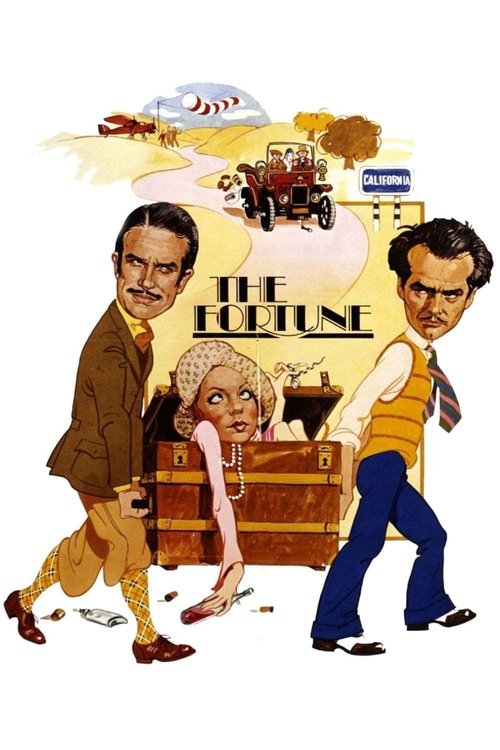
The Fortune
1975A couple of bumbling 1920s hustlers attempt to obtain the fortune of an heiress. Nothing will stop them, not even murder.
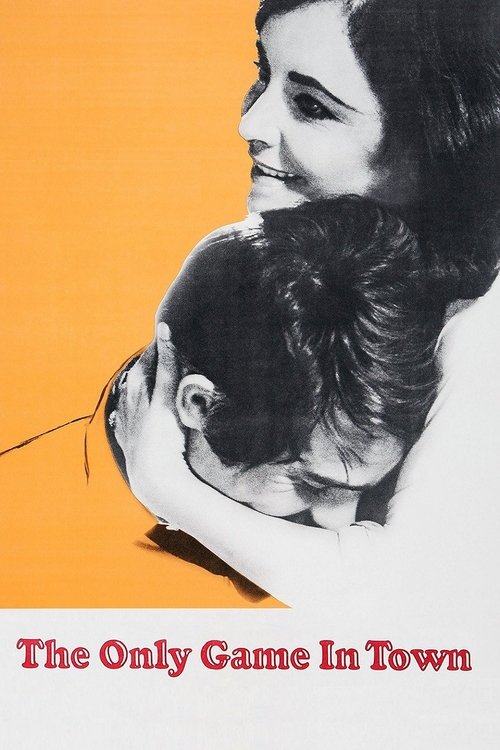
The Only Game in Town
1970Fran walks into a piano bar for pizza. She comes back home with Joe, the piano player. Joe plans on winning $5,000 and leave Las Vegas. Fran waits for something else. Meanwhile, he moves in with her.
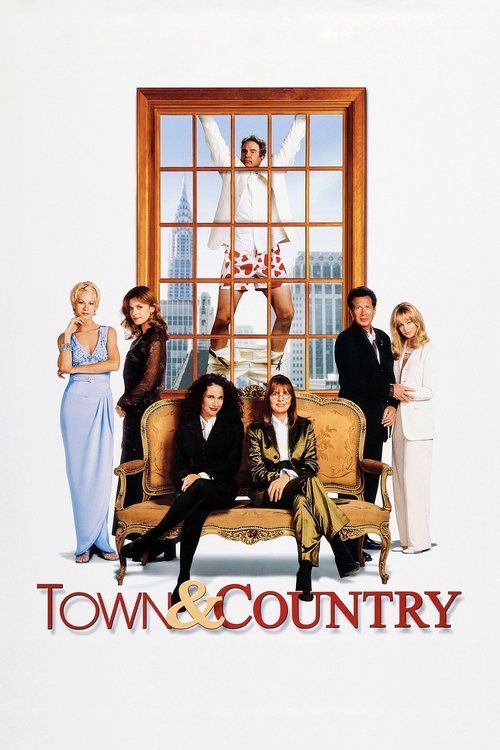
Town & Country
2001Porter Stoddard is a well-known New York architect who is at a crossroads... a nexus where twists and turns lead to myriad missteps, some with his wife Ellie, others with longtime friends Mona and her husband Griffin. Deciding which direction to take often leads to unexpected encounters with hilarious consequences.
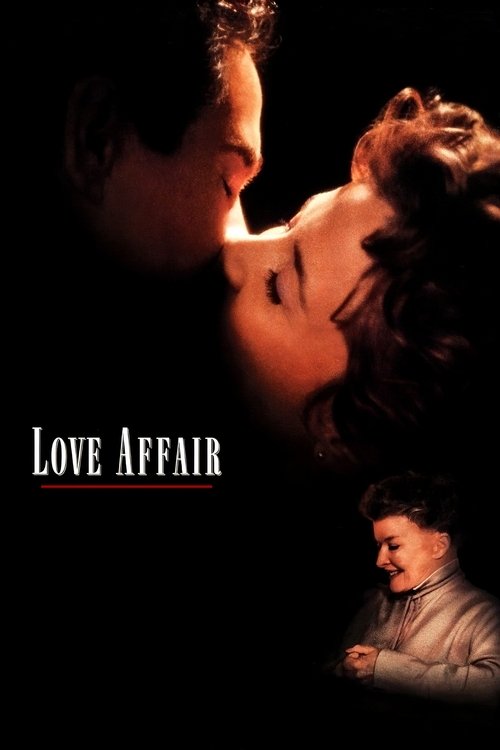
Love Affair
1994Ex-football star Mike Gambril meets Terry McKay on a flight to Sydney, which is forced to land on a small atoll. They become romantic on board a ship sent to take them to a larger island. They agree to meet in New York three months later to see if the attraction is real. One shows up but the other doesn't. However, a chance meeting brings them together again.
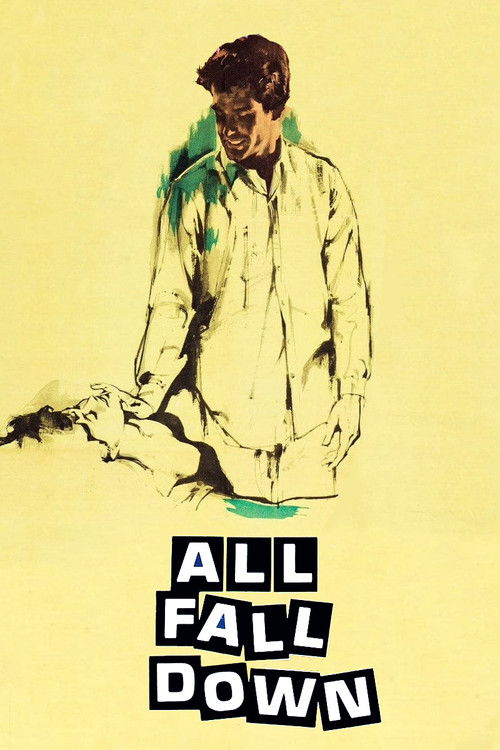
All Fall Down
1962Ralph and Annabell Willart are a feuding couple who are constantly bickering over their worthless, good-for-nothing son Berry-Berry. When Berry-Berry begins yet another meaningless love affair, this time with an older woman named Echo O’Brien, he really gets his parents at each others’ throats.
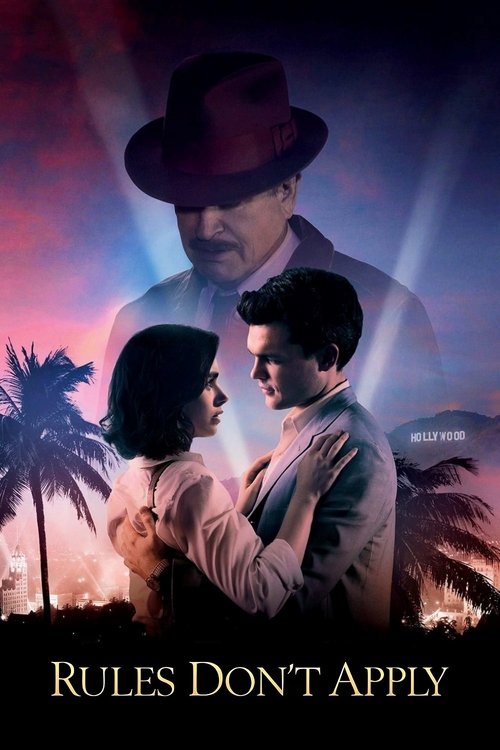
Rules Don't Apply
2016The unconventional love story of an aspiring actress, her ambitious driver, and their eccentric boss, the legendary billionaire Howard Hughes.
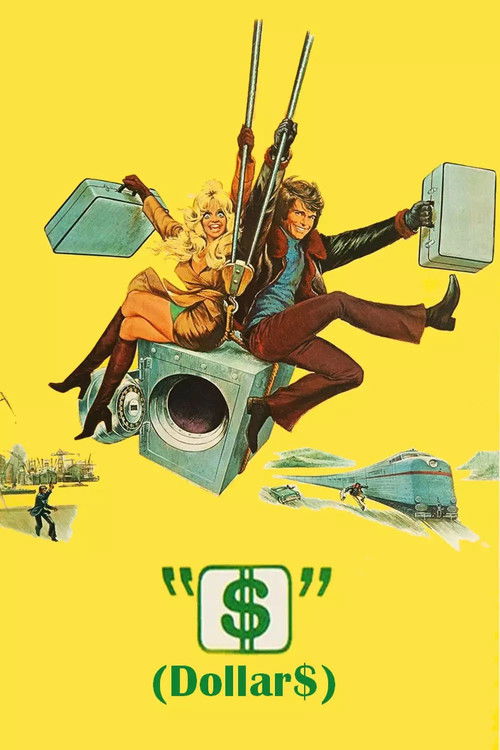
$
1971A bank security expert plots with a call girl to rob the safety deposit boxes of three very different criminals from a high-tech bank in Hamburg.
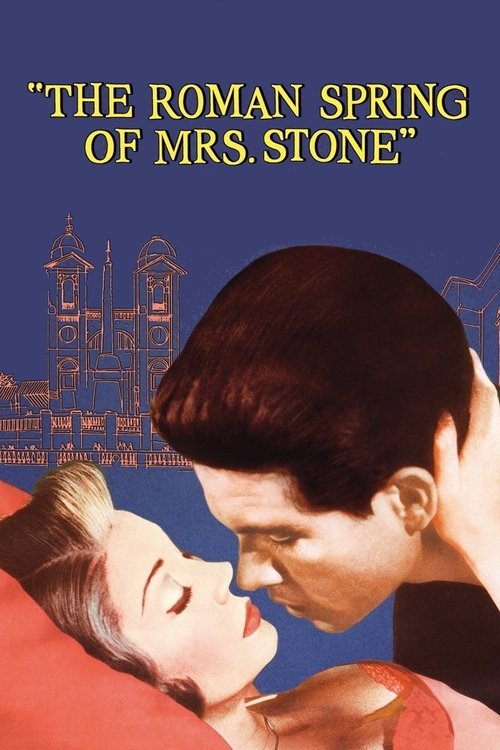
The Roman Spring of Mrs. Stone
1961Critics and the public say Karen Stone is too old -- as she approaches 50 -- for her role in a play she is about to take to Broadway. Her businessman husband, 20 years her senior, has been the angel for the play and gives her a way out: They are off to a holiday in Rome for his health. He suffers a fatal heart attack on the plane. Mrs. Stone stays in Rome. She leases a magnificent apartment with a view of the seven hills from the terrace. Then the contessa comes calling to introduce a young man named Paolo to her. The contessa knows many presentable young men and lonely American widows.
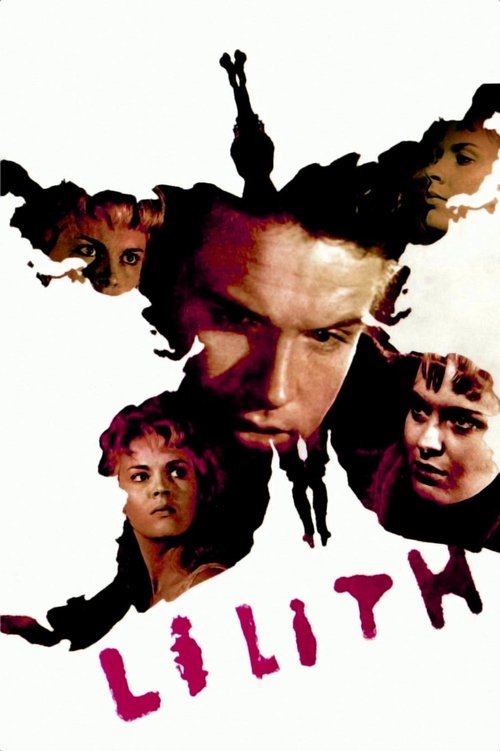
Lilith
1964Vincent Bruce, a war veteran, begins working as an occupational therapist at Poplar Lodge, a private psychiatric facility for wealthy people where he meets Lilith Arthur, a charming young woman suffering from schizophrenia, whose fragile beauty captivates all who meet her.
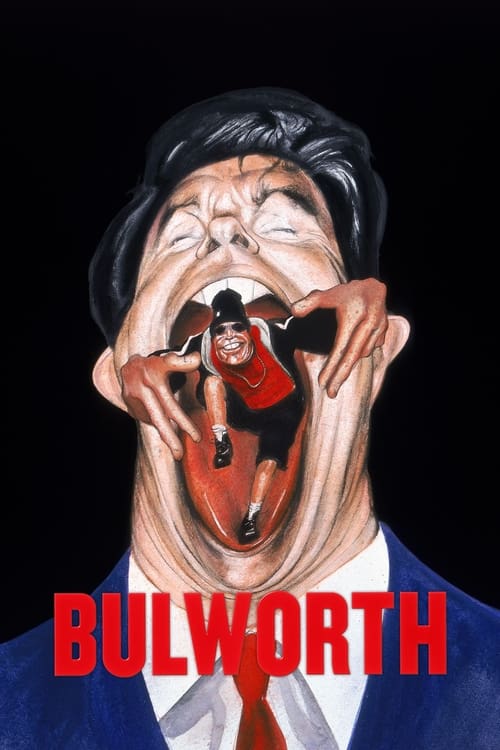
Bulworth
1998A suicidally disillusioned liberal politician puts a contract out on himself and takes the opportunity to be bluntly honest with his voters by affecting the rhythms and speech of hip-hop music and culture.
In this scorched-earth political satire, Beatty sheds all remnants of vanity to play a suicidal senator who finds liberation in rhyming truths. It is his most fearless and unhinged work, utilizing a jarring, rhythmic delivery to assault the very establishment that made him a star.
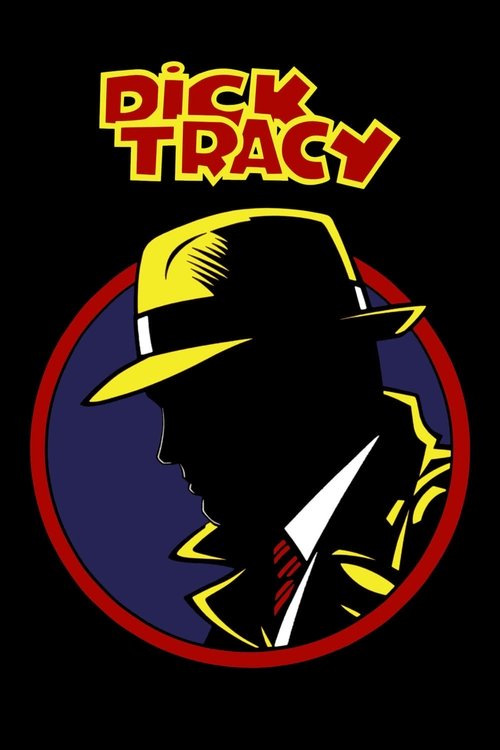
Dick Tracy
1990The comic strip detective finds his life vastly complicated when Breathless Mahoney makes advances towards him while he is trying to battle Big Boy Caprice's united mob.
Submerging himself in a hyper-stylized, primary-colored comic book reality, Beatty adopts a stoic stance that provides the essential grounding for the film’s visual excesses. It is a bold experiment in minimalist acting, where his chin and silhouette do as much work as his dialogue.
Bugsy
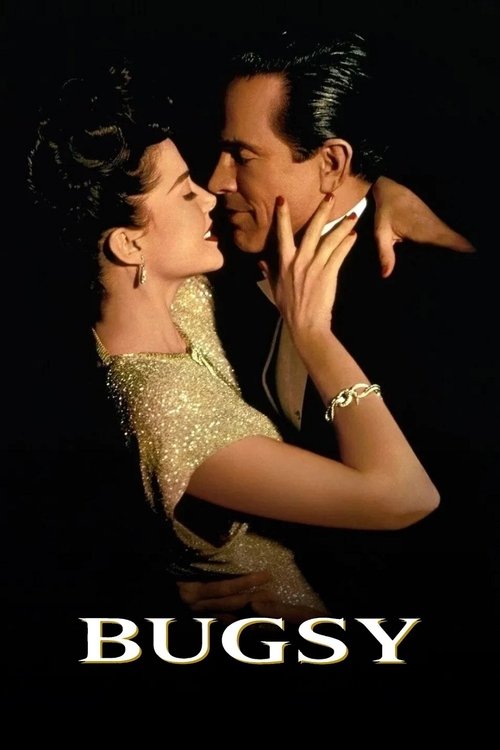
1991New York gangster Ben 'Bugsy' Siegel takes a brief business trip to Los Angeles. A sharp-dressing womanizer with a foul temper, Siegel doesn't hesitate to kill or maim anyone crossing him. In L.A. the life, the movies, and most of all strong-willed Virginia Hill detain him while his family wait back home. Then a trip to a run-down gambling joint at a spot in the desert known as Las Vegas gives him his big idea.
Beatty finds a perfect match for his own legendary perfectionism in the role of Ben Siegel, a mobster who views crime as a form of high-stakes show business. He plays the character with a volatile, manicured elegance that bridges the gap between old-school gangster grit and Hollywood artifice.
Shampoo
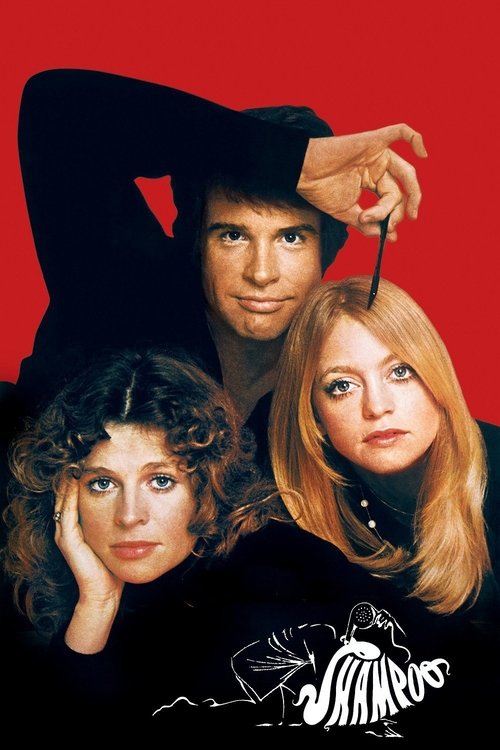
1975On Election Day, 1968, irresponsible hairdresser and ladies' man George Roundy is too busy cutting hair and dealing with his girlfriends and mistress Felicia Karpf, whose husband Lester is having an affair with his ex-girlfriend Jackie.
Working at the peak of his powers, Beatty satirizes his own public image as a Don Juan against the backdrop of the Nixon era's moral decay. He navigates the film's frenetic pace with a desperate, manic charm that elevated the sex comedy into a sharp piece of cultural sociopolitical commentary.
The Parallax View
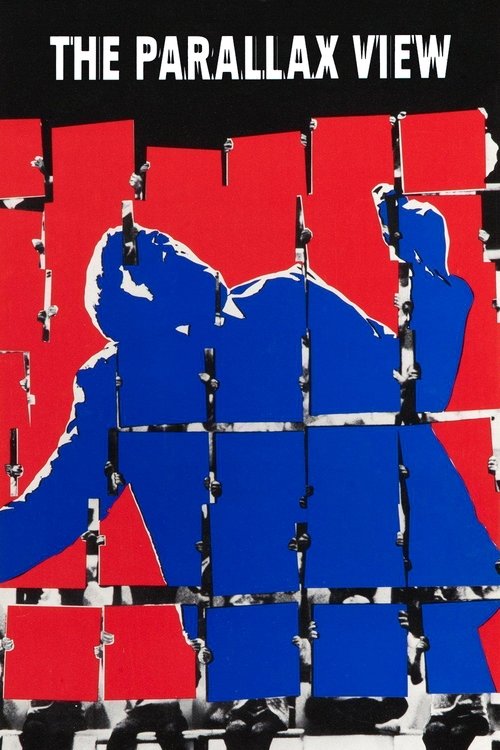
1974An ambitious reporter gets in trouble while investigating a senator's assassination which leads to a vast conspiracy involving a multinational corporation behind every event in the world's headlines.
Beatty leans into his natural charisma to portray a cynical journalist, using his persona as a mask that slowly slips as he uncovers a nihilistic conspiracy. His performance anchor’s the film’s mounting dread, serving as a chilling reflection of 1970s political paranoia.
Heaven Can Wait
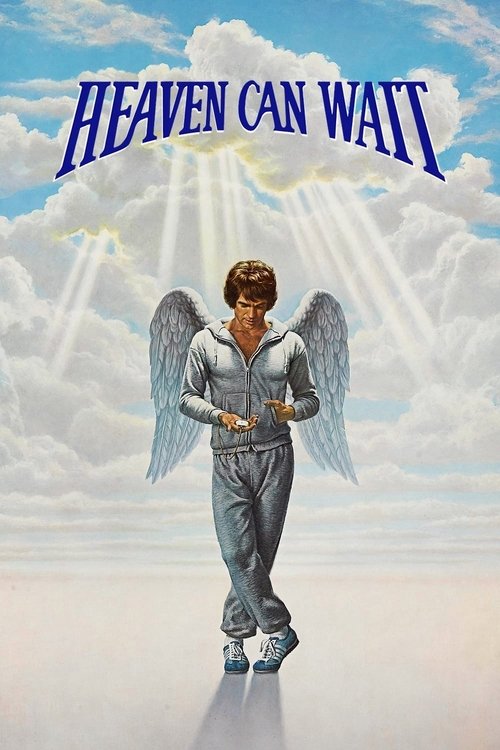
1978Joe Pendleton is a quarterback preparing to lead his team to the superbowl when he is almost killed in an accident. An overanxious angel plucks him to heaven only to discover that he wasn't ready to die, and that his body has been cremated. A new body must be found, and that of a recently-murdered millionaire is chosen. His wife and accountant—the murderers—are confused by this development, as he buys the L.A. Rams in order to once again quarterback them into the Superbowl.
As the quintessential athlete-turned-innocent, Beatty displays a surprising, feather-light touch for screwball comedy. This film humanized his screen presence, trading the brooding intensity of his earlier roles for a gentle, wide-eyed sincerity that resonated with a massive mainstream audience.
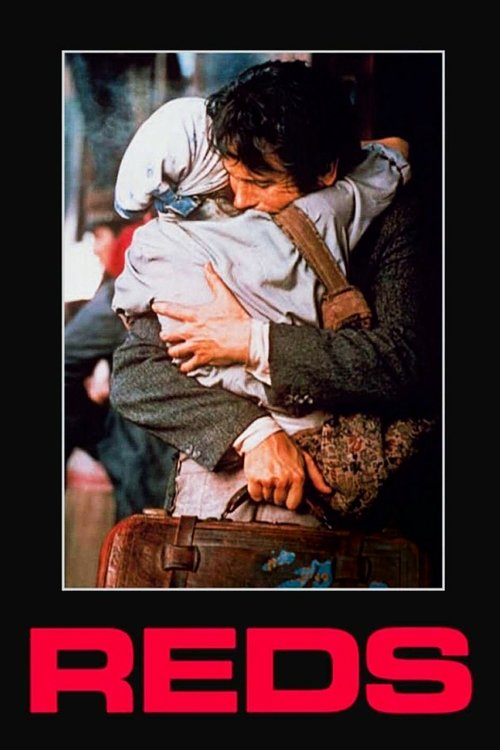
Reds
1981An account of the revolutionary years of the legendary American journalist John Reed, who shared his adventurous professional life with his radical commitment to the socialist revolution in Russia, his dream of spreading its principles among the members of the American working class, and his troubled romantic relationship with the writer Louise Bryant.
This career-defining epic showcases Beatty at his most intellectually rigorous, portraying the obsessive idealism of John Reed with a frantic, verbal dexterity. It stands as the ultimate testament to his transition from mere matinee idol to a powerhouse auteur capable of commanding massive historical canvases.
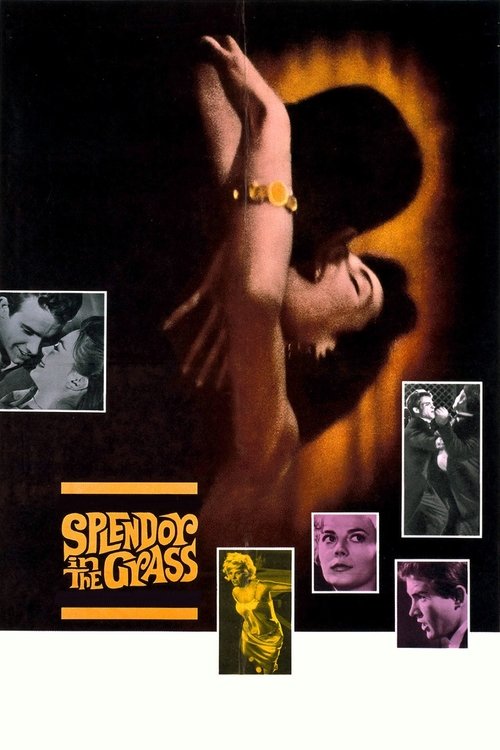
Splendor in the Grass
1961A fragile Kansas girl's unrequited and forbidden love for a handsome young man from the town's most powerful family drives her to heartbreak and madness.
In his electrifying debut, Beatty captures the agonizing tension of repressed athletic masculinity and suburban stifling. His raw, nervous energy opposite Natalie Wood established him instantly as the definitive cinematic vessel for the burgeoning frustrations of 1960s youth.
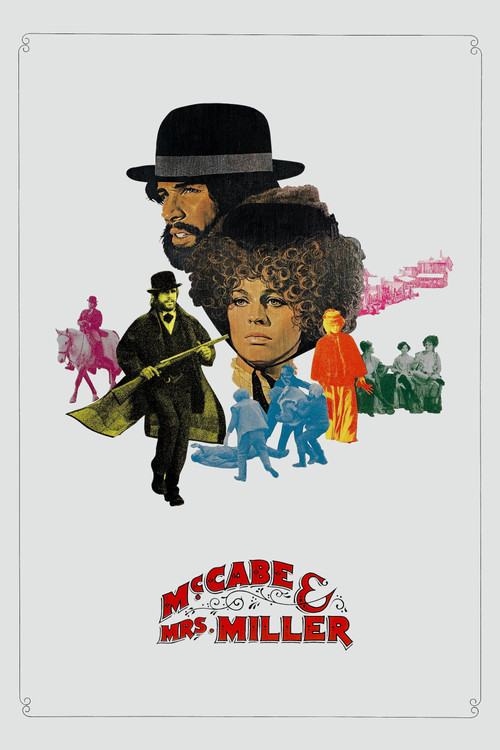
McCabe & Mrs. Miller
1971A gambler and a prostitute become thriving business partners in a remote Old West mining town until a large corporation arrives on the scene.
Playing against his own polished vanity, Beatty disappears into the bumbling, fur-clad John McCabe, a man whose ambition is tragically outmatched by his intellect. It remains his most soulful work, proving he could master the naturalistic, mumbled rhythms of Robert Altman’s revisionist West.
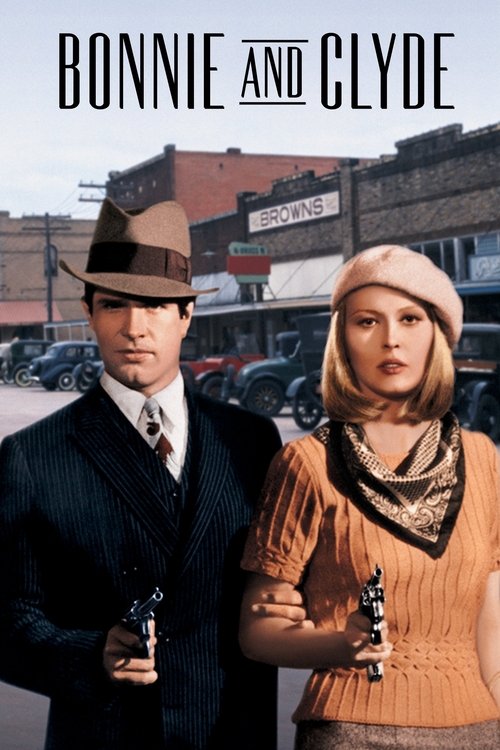
Bonnie and Clyde
1967In the 1930s, bored European-American waitress Bonnie Parker falls in love with a European-American ex-con named Clyde Barrow and together they start a violent crime spree through the country, stealing cars and robbing banks.
Beatty shattered the mold of the traditional Hollywood leading man by imbuing Clyde Barrow with a startling, impotent vulnerability that redefined cinematic cool. This performance didn't just launch his superstardom; it signaled a seismic shift toward the gritty, anti-heroic sensibilities of the New Hollywood era.
Frequently Asked Questions
Everything you need to know about this list and SnakeDrafts
- "Reds" is the film where Warren Beatty not only starred but also directed, presenting a sweeping historical drama interwoven with romance about American journalist John Reed and the Russian Revolution.
- In "Bonnie and Clyde," Warren Beatty embodied the anti-hero archetype during the revolutionary New Hollywood period, blending crime and drama with a nuanced performance that challenged traditional cinematic norms and censorship.
- Both "McCabe & Mrs. Miller" and "The Parallax View" integrate elements of drama and suspense, with underlying tones of conspiracy and societal critique, showcasing Warren Beatty's versatility in handling complex narratives across western and thriller genres.
- "Heaven Can Wait" features Warren Beatty in a unique mix of fantasy, comedy, and romance, demonstrating his prowess in balancing lighthearted humor with heartfelt storytelling.
- "Bugsy" stands out as a captivating biographical crime drama that underlines Warren Beatty's talent for portraying charismatic and complex characters, advancing his reputation in gangster film storytelling.
- Both "Dick Tracy" and "Bulworth" showcase Warren Beatty's multifaceted involvement as actor and director, with the former being a colorful, adventurous comic-inspired crime film, and the latter blending comedy, drama, and political satire for a provocative narrative.
- "Shampoo" and "Splendor in the Grass" delve into the complexities of romantic and social relationships, reflecting the emotional turbulence and societal expectations of their respective eras through Barry Beatty's compelling performances.