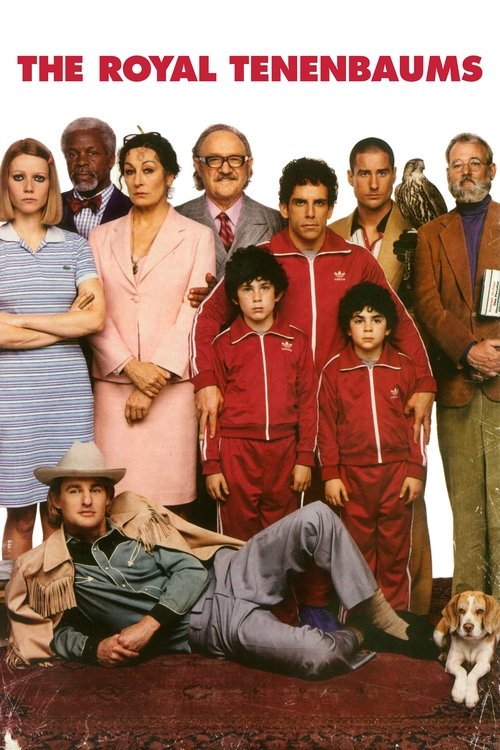
The Royal Tenenbaums
Step into the whimsical, melancholic world of Wes Anderson's "The Royal Tenenbaums," a darkly comedic and visually distinctive tale of a dysfunctional family's attempt at reconciliation. This iconic film explores themes of genius, failure, and the enduring bonds of family with unparalleled style and wit, making it a must-watch for cinephiles.
Director
Release Year
2001
Runtime
110 minutes
Main Cast
Gene Hackman, Anjelica Huston, Ben Stiller, Gwyneth Paltrow, Luke Wilson
About The Royal Tenenbaums
Wes Anderson's "The Royal Tenenbaums," released in 2001, stands as a pivotal work in the director's celebrated filmography, cementing his signature aesthetic and narrative voice. The film's distinct visual style, characterized by meticulously crafted set designs, symmetrical compositions, and a vibrant color palette, immediately draws the audience into its unique universe. Beyond its aesthetic brilliance, "The Royal Tenenbaums" delves deep into the complexities of family dynamics, exploring the lasting impact of childhood experiences and the challenging journey of reconciliation.
The premise revolves around the eccentric Tenenbaum family, once child prodigies who have since fallen into various states of professional and personal stagnation. When their estranged patriarch, Royal Tenenbaum, announces he is dying, the family reconvenes in their old, sprawling New York City home. This reunion forces them to confront years of unresolved issues, resentment, and a longing for connection. The film masterfully balances humor with profound melancholy, weaving a narrative that is both absurd and deeply moving.
Upon its release, "The Royal Tenenbaums" garnered critical acclaim for its original screenplay, exceptional ensemble cast, and Anderson's distinctive direction. It received an Academy Award nomination for Best Original Screenplay, further solidifying its place as a significant cinematic achievement. The film's quirky characters and memorable dialogue have resonated with audiences worldwide, contributing to its enduring cult status and influence on subsequent independent cinema.
"The Royal Tenenbaums" has left an indelible mark on popular culture, with its iconic costuming inspiring fashion trends and its symmetrical shots becoming a hallmark of cinematic artistry. Beyond the stylistic elements, the film's exploration of familial love, forgiveness, and the pursuit of individual identity continues to resonate, making it a timeless story about the enduring, albeit often complicated, ties that bind a family together. Its legacy lies in its ability to blend humor and heartbreak into a singular, unforgettable viewing experience.
Drafts Featuring The Royal Tenenbaums
Every SnakeDrafts listicle where this movie appears
The Best Bill Murray Movies Ranked
Ranked #7
The Best Danny Glover Movies Ranked
Ranked #4
The Best Luke Wilson Movies Ranked
Ranked #3
The Best Gene Hackman Movies Ranked
Ranked #4
The Best Owen Wilson Movies Ranked
Ranked #5
The Best Ben Stiller Movies Ranked
Ranked #4
The Best Gwyneth Paltrow Movies Ranked
Ranked #2
The Best Alec Baldwin Movies Ranked
Ranked #11
The Best Anjelica Huston Movies Ranked
Ranked #1
Best Movies Directed by Wes Anderson
Ranked #5
The Definitive Ranking of Comedy Movies
Ranked #50
Top 2000s Movies Ranked
Ranked #18
Best 2001 Movies of All Time
Ranked #4
The Greatest 2000s Comedy Movies Ranked
Ranked #24
Similar Movies
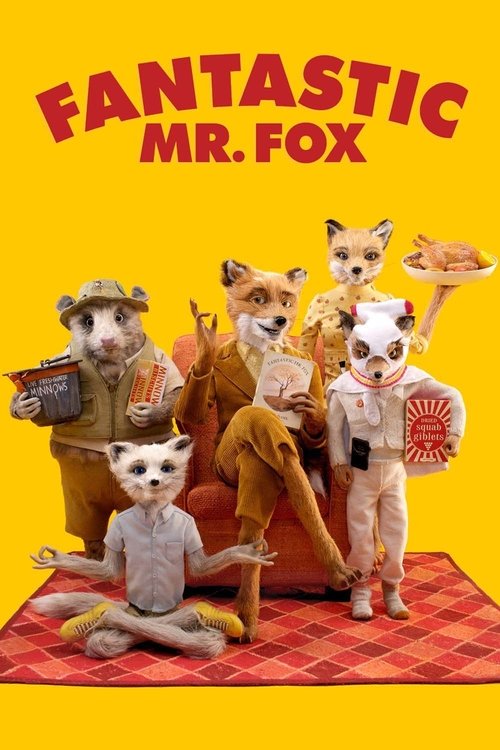
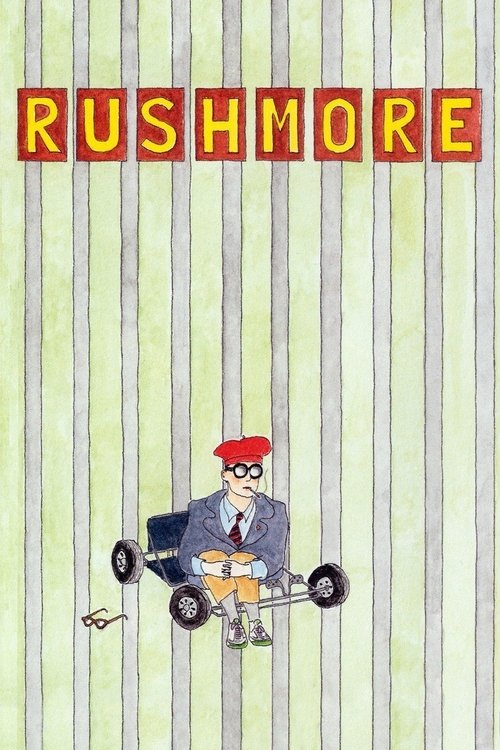
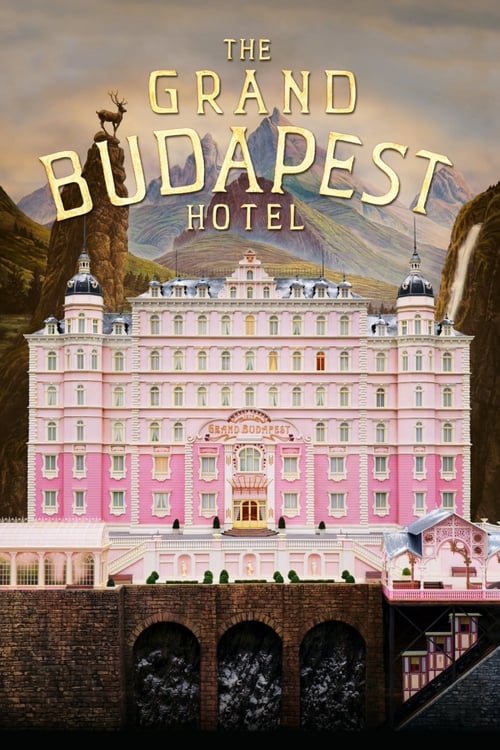
Movies related to The Royal Tenenbaums
Frequently Asked Questions
Everything you need to know about The Royal Tenenbaums
- Margot's secret life and intellectual pursuits, Richie's unrequited love and mental health struggles, and Chas's overprotective nature are all direct consequences of their upbringing and Royal's influence. These struggles highlight the lasting impact of childhood trauma and the different ways individuals cope with unfulfilled potential.
- Wes Anderson's meticulous production design, symmetrical framing, and carefully chosen color palette create a heightened reality that mirrors the eccentricities of the Tenenbaum family. This distinctive visual language helps to define the characters' internal worlds and the film's overall melancholic yet charming tone.
- The ending implies a cautious but hopeful reconciliation within the Tenenbaum family. While not all issues are neatly resolved, the family members have begun to acknowledge their past and move towards a more understanding and unified future, suggesting that forgiveness and acceptance are ongoing processes.
- Mordecai can be seen as a symbol of Richie's wild, untamed spirit and his connection to a bygone era of innocence and achievement. His eventual disappearance and replacement with another hawk reflect Richie's journey of self-discovery and his attempts to move on from past heartbreaks.
- The omniscient narrator, voiced by Alec Baldwin, acts as a storyteller, providing a literary framing device for the film. He introduces the characters and their histories with an almost fairy-tale quality, adding to the film's whimsical yet melancholic tone and emphasizing its narrative as a grand, unfolding saga.

