The Best Leonardo DiCaprio Movies
From Titanic Heartthrob to Scorcese Muse
Explore the definitive ranking of Leonardo DiCaprio's most iconic performances, from blockbuster epics to gritty award-winning dramas.
About Leonardo DiCaprio
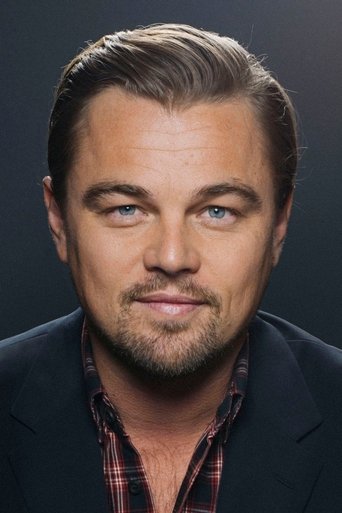
To look at Leonardo DiCaprio today is to see the definitive face of the modern American epic, yet his career began with a raw, jittery energy that suggested something far more volatile than a traditional leading man. Long before he became the world-weary centerpiece of a Martin Scorsese production, he was the shivering, heartbreaking revelation in What's Eating Gilbert Grape, a performance so unvarnished it remains a gold standard for transformative acting. That early vulnerability eventually collided with the tectonic force of Titanic, a movie that could have easily swallowed a lesser talent whole. Instead of letting the fervor of heartthrob status define him, he spent the next two decades methodically dismantling his own image, trading glossy romances for the gritty, psychological weight of projects that demanded total immersion.
What sets him apart from his contemporaries is a palpable, almost obsessive intensity. He doesn't just inhabit characters; he seems to be in a constant wrestle with them. Whether he is the panicked, duplicitous mole in The Departed or the slick, fraudulent wunderkind of Catch Me If You Can, there is always a sense of a man running out of time. This frantic intelligence found its perfect outlet in The Wolf of Wall Street, where he shed every ounce of vanity to play a charismatic monster of capital, proving his comedic timing was just as razor-sharp as his dramatic instincts. He is an actor who thrives on the edge of collapse, a quality that breathed life into the haunting, trapped investigator of Shutter Island and the grieving father navigating the dreamscapes of Inception.
Audiences gravitate toward him because he represents a bridge between the Golden Age of Hollywood and the uncompromising grit of the new century. There is an inherent trust that if his name is on the marquee, the film will be an event of scale and substance. He rarely settles for the easy path, often choosing roles that require physical or moral degradation. We saw this peak in The Revenant, where he endured the brutal elements of the wilderness to finally clinch an Oscar, and again in his more recent, vanity-free turns. In Once Upon a Time in Hollywood, he navigated the insecurity of a fading television star with a poignant mix of humor and pathos, while Killers of the Flower Moon saw him lean into a chilling, weak-willed complicity that few stars of his caliber would dare to touch.
Through collaborations with the industry’s most demanding directors—from the operatic violence of Gangs of New York to the gilded tragedy of The Great Gatsby—he has curated a filmography that functions as a history of high-stakes cinema. He has the rare ability to project an aura of classic mystery despite being one of the most famous men on the planet. Even when playing figures as diverse as a diamond smuggler in Blood Diamond, a plantation-owning villain in Django Unchained, or a manic Howard Hughes in The Aviator, he maintains a core dignity that makes the viewer unable to look away. He remains our most consistent conduit for the spectacular, a performer who understands that the best way to maintain a legacy is to never stop being restless.
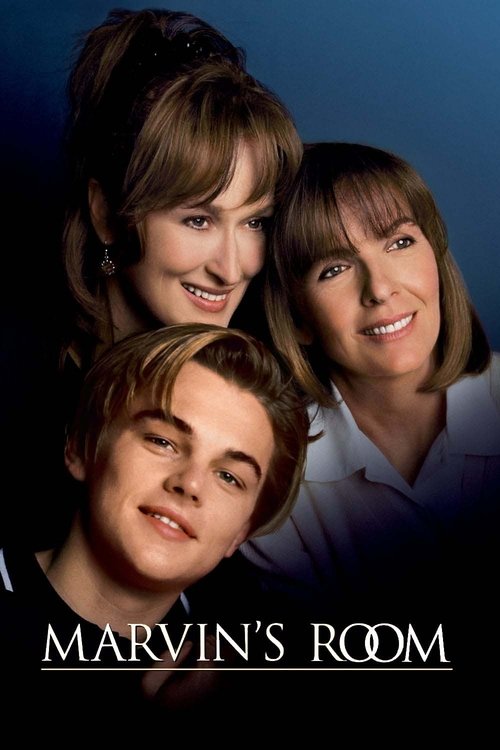
Marvin's Room
1996A leukemia patient attempts to end a 20-year feud with her sister to get her bone marrow.
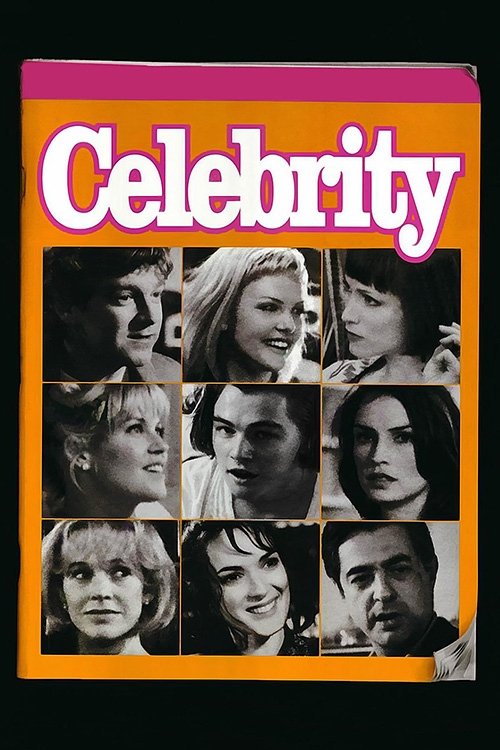
Celebrity
1998The career and personal life of writer Lee are at a standstill, so he divorces his bashful wife, Robin, and dives into a new job as an entertainment journalist. His assignments take him to the swankiest corners of Manhattan, but as he jumps from one lavish party to another and engages in numerous empty romances, he starts to doubt the worth of his work. Meanwhile, top TV producer Tony falls for Robin and introduces her to the world of celebrity.
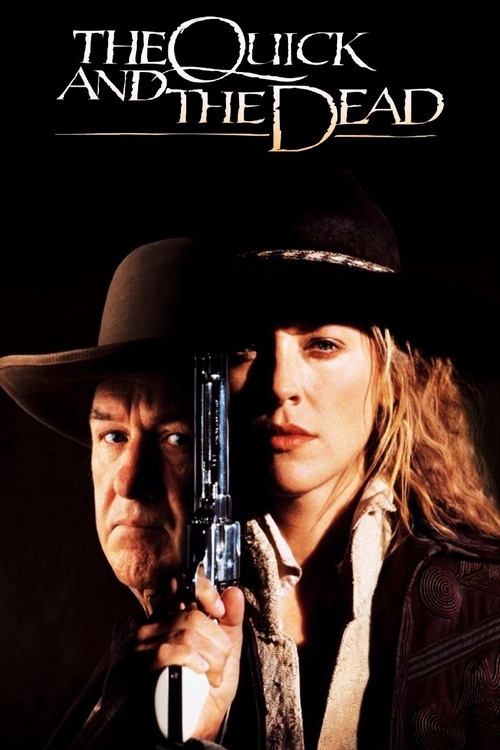
A mysterious woman comes to compete in a quick-draw elimination tournament, in a town taken over by a notorious gunman.
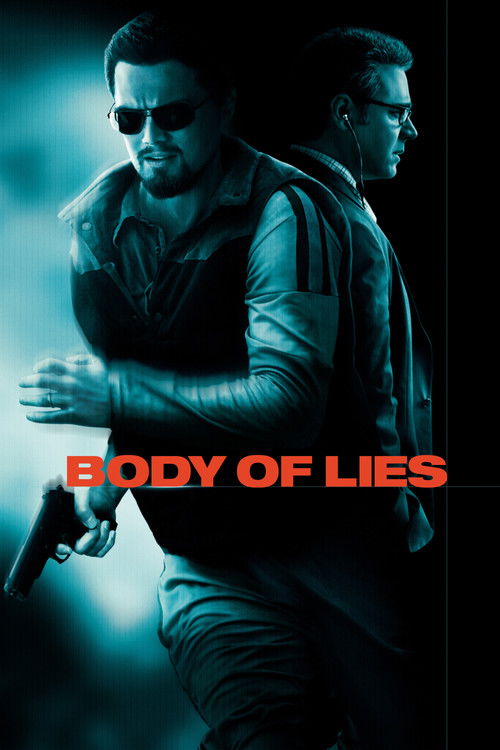
Body of Lies
2008The CIA’s hunt is on for the mastermind of a wave of terrorist attacks. Roger Ferris is the agency’s man on the ground, moving from place to place, scrambling to stay ahead of ever-shifting events. An eye in the sky – a satellite link – watches Ferris. At the other end of that real-time link is the CIA’s Ed Hoffman, strategizing events from thousands of miles away. And as Ferris nears the target, he discovers trust can be just as dangerous as it is necessary for survival.
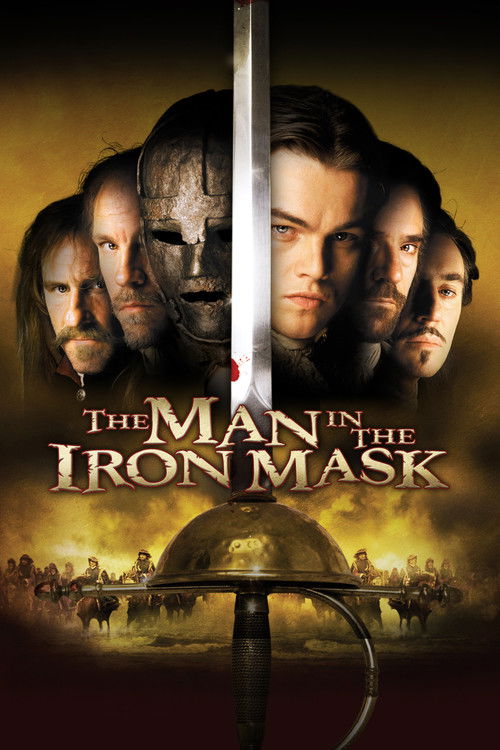
The Man in the Iron Mask
1998Years have passed since the Three Musketeers, Aramis, Athos and Porthos, have fought together with their friend, D'Artagnan. But with the tyrannical King Louis using his power to wreak havoc in the kingdom while his twin brother, Philippe, remains imprisoned, the Musketeers reunite to abduct Louis and replace him with Philippe.
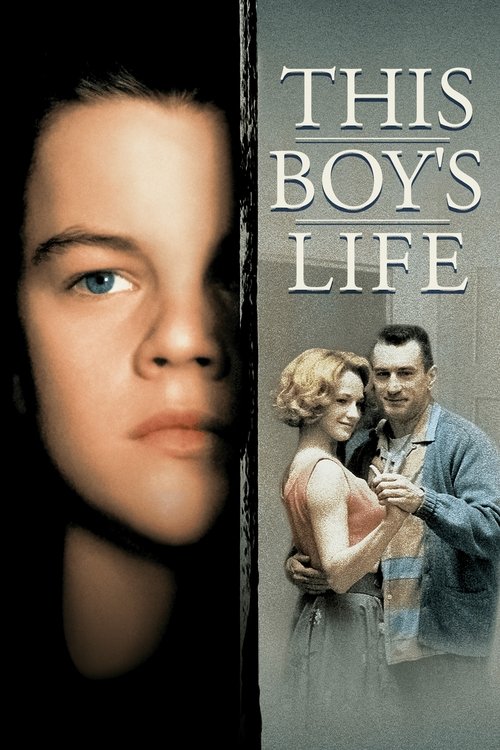
This Boy's Life
1993When a son and mother move to Seattle in hopes for a better life, the mother meets a seemingly polite man. Things go south when the man turns out to be abusive, endangering their lives. As the mother struggles to maintain hope in an impossible situation, the son has plans to escape.

Revolutionary Road
2008A young couple living in a Connecticut suburb during the mid-1950s struggle to come to terms with their personal problems while trying to raise their two children. Based on a novel by Richard Yates.
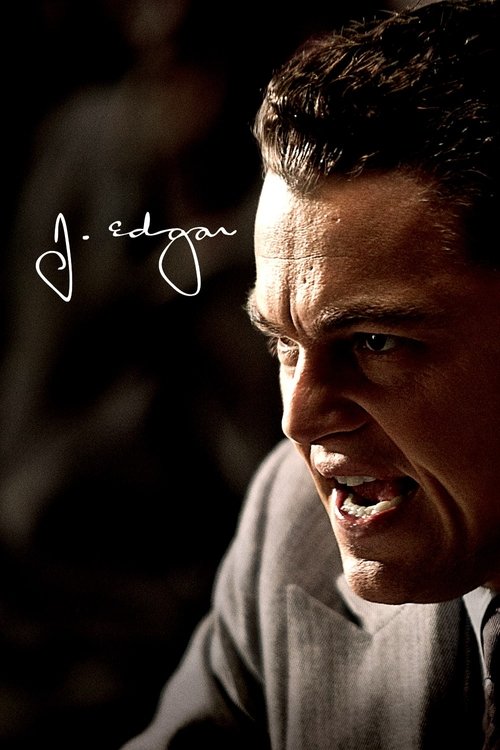
J. Edgar
2011As the face of law enforcement in the United States for almost 50 years, J. Edgar Hoover was feared and admired, reviled and revered. But behind closed doors, he held secrets that would have destroyed his image, his career, and his life.
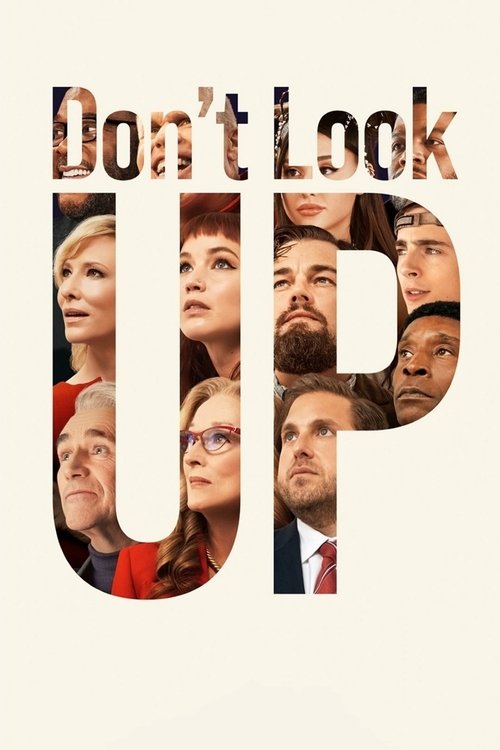
Don't Look Up
2021Two astronomers go on a media tour to warn humankind of a planet-killing comet hurtling toward Earth. The response from a distracted world: Meh.

The Beach
2000Twenty-something Richard travels to Thailand and finds himself in possession of a strange map. Rumours state that it leads to a solitary beach paradise, a tropical bliss - excited and intrigued, he sets out to find it.
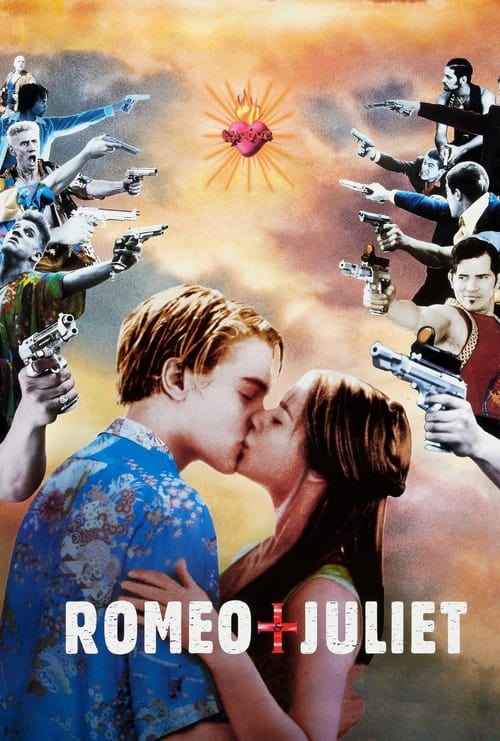
Romeo + Juliet
1996In director Baz Luhrmann's contemporary take on William Shakespeare's classic tragedy, the Montagues and Capulets have moved their ongoing feud to the sweltering suburb of Verona Beach, where Romeo and Juliet fall in love and secretly wed. Though the film is visually modern, the bard's dialogue remains.
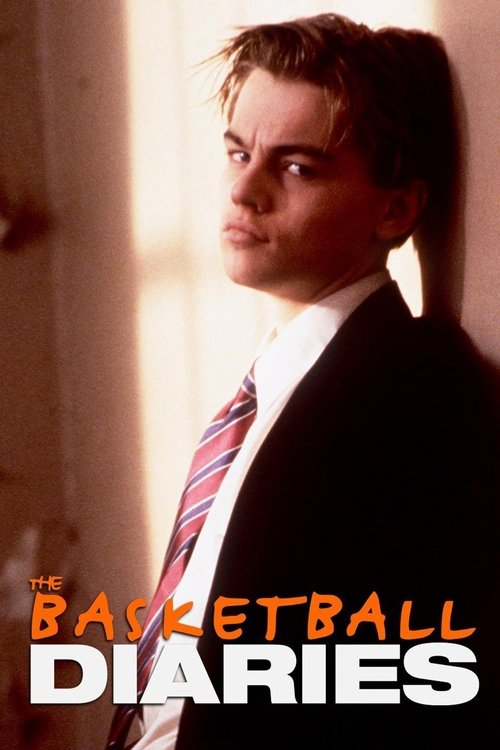
The Basketball Diaries
1995A high school basketball player’s life turns upside down after free-falling into the harrowing world of drug addiction.
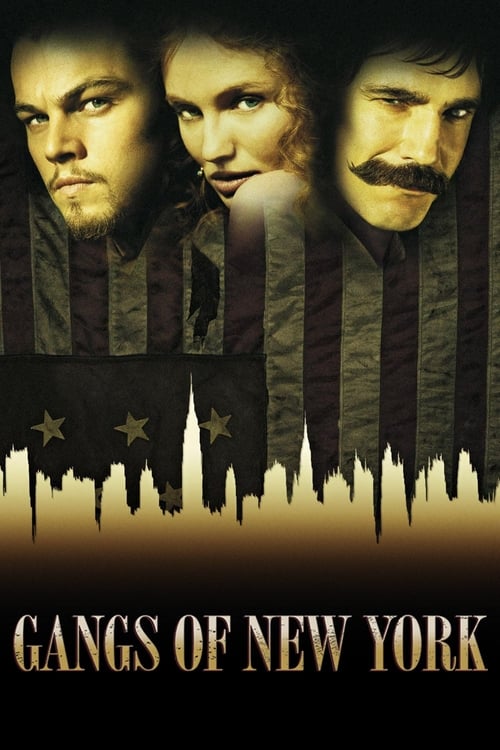
In early 1860s New York, Irish immigrant Amsterdam Vallon is released from prison and returns to the Five Points, seeking revenge against his father's killer, William Cutting, a powerful anti-immigrant gang leader. He knows that revenge can only be attained by infiltrating Cutting's inner circle. Vallon's journey becomes a fight for personal survival and to find a place for the Irish people.
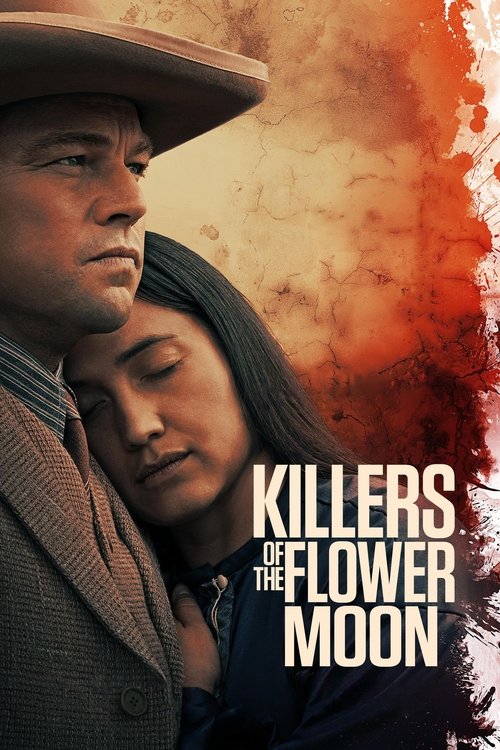
Killers of the Flower Moon
2023When oil is discovered in 1920s Oklahoma under Osage Nation land, the Osage people are murdered one by one—until the FBI steps in to unravel the mystery.
Playing against his usual heroic magnetism, DiCaprio inhabits the weak-willed Ernest Burkhart with a transformative, downturned grimace that captures the banality of evil. It is perhaps his most courageous work, opting for a pathetic, manipulated interiority rather than easy audience empathy.
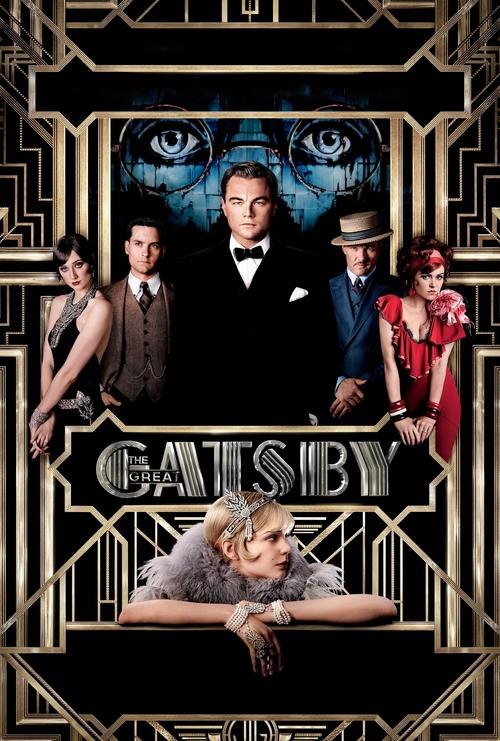
The Great Gatsby
2013An adaptation of F. Scott Fitzgerald's Long Island-set novel, where Midwesterner Nick Carraway is lured into the lavish world of his neighbor, Jay Gatsby. Soon enough, however, Carraway will see through the cracks of Gatsby's nouveau riche existence, where obsession, madness, and tragedy await.
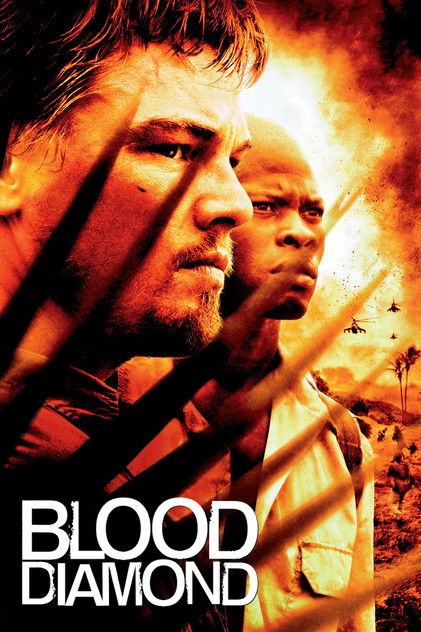
Blood Diamond
2006An ex-mercenary turned smuggler. A Mende fisherman. Amid the explosive civil war overtaking 1999 Sierra Leone, these men join for two desperate missions: recovering a rare pink diamond of immense value and rescuing the fisherman's son, conscripted as a child soldier into the brutal rebel forces ripping a swath of torture and bloodshed countrywide.
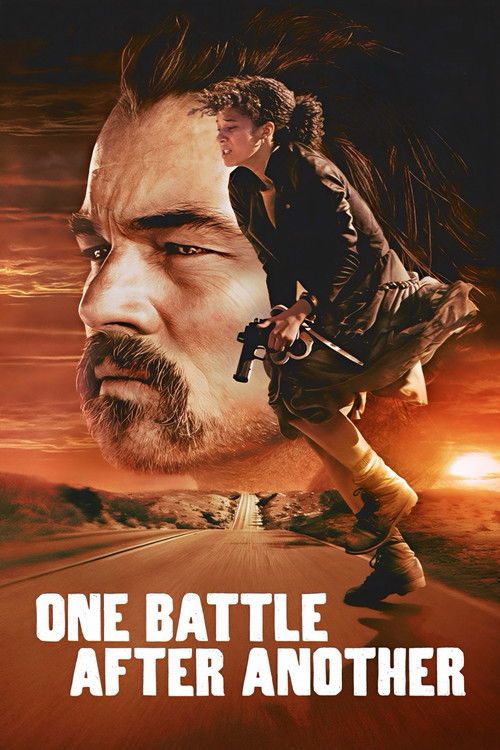
Washed-up revolutionary Bob exists in a state of stoned paranoia, surviving off-grid with his spirited, self-reliant daughter, Willa. When his evil nemesis resurfaces after 16 years and she goes missing, the former radical scrambles to find her, father and daughter both battling the consequences of his past.
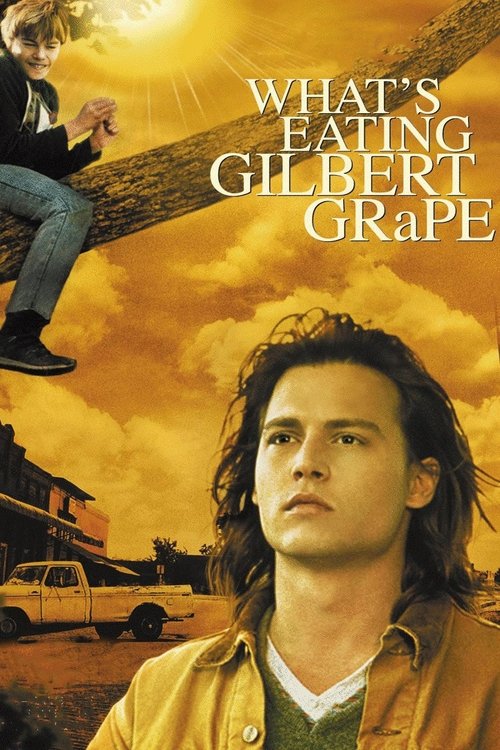
Gilbert Grape is a small-town young man with a lot of responsibility. Chief among his concerns are his mother, who is so overweight that she can't leave the house, and his mentally impaired younger brother, Arnie, who has a knack for finding trouble. Settled into a job at a grocery store and an ongoing affair with local woman Betty Carver, Gilbert finally has his life shaken up by the free-spirited Becky.
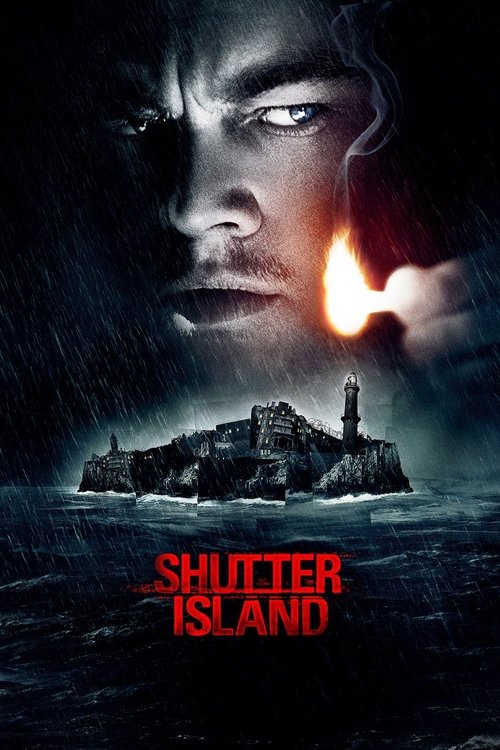
Shutter Island
2010World War II soldier-turned-U.S. Marshal Teddy Daniels investigates the disappearance of a patient from a hospital for the criminally insane, but his efforts are compromised by troubling visions and a mysterious doctor.
In this atmospheric potboiler, DiCaprio breathes life into a standard noir archetype, elevating the genre exercise through a hauntingly precise depiction of a mind unraveling. He navigates the film’s shifting realities with a palpable, crushing sense of paranoia that lingers long after the credits roll.
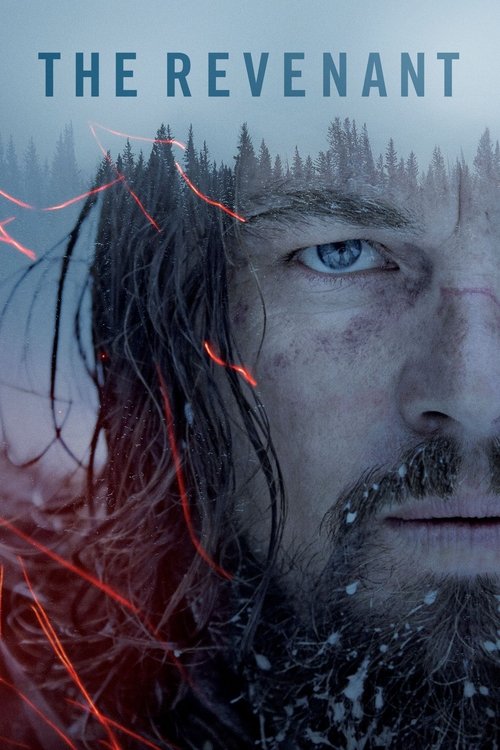
The Revenant
2015In the 1820s, a frontiersman, Hugh Glass, sets out on a path of vengeance against those who left him for dead after a bear mauling.
A grueling testament to endurance, this role saw DiCaprio strip away dialogue in favor of a visceral, animalistic physicality that finally secured his Academy recognition. He transforms the screen into a canvas of raw survival, articulating a spiritual odyssey through little more than breath and blood.
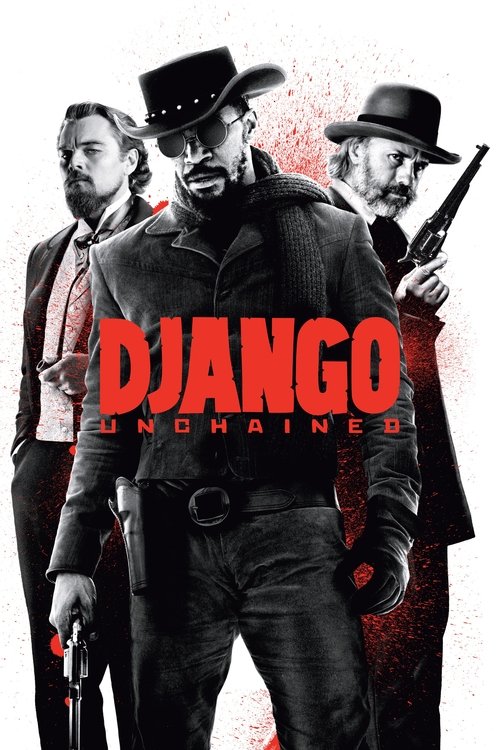
Django Unchained
2012With the help of a German bounty hunter, a freed slave sets out to rescue his wife from a brutal Mississippi plantation owner.
DiCaprio’s rare excursion into pure villainy results in the terrifyingly charismatic Calvin Candie, a monster hidden behind the veneer of Southern dandyism. By subverting his innate likability, he creates a repulsive yet hypnotic screen presence that dominates the film’s tense midpoint.
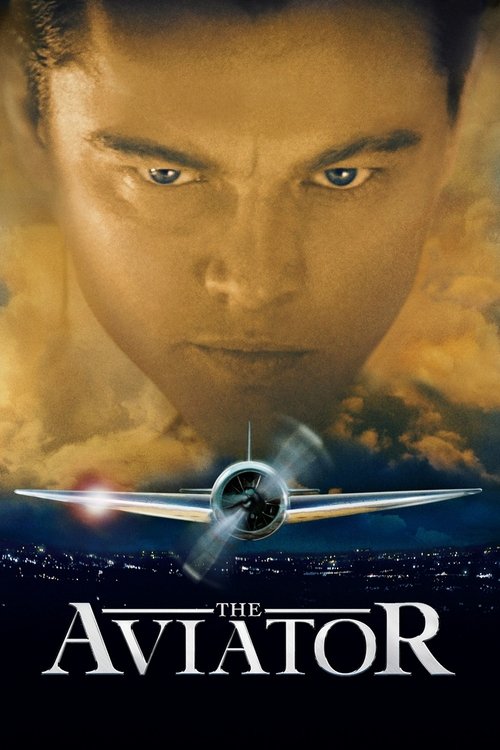
The Aviator
2004A biopic depicting the life of filmmaker and aviation pioneer Howard Hughes from 1927 to 1947, during which time he became a successful film producer and an aviation magnate, while simultaneously growing more unstable due to severe obsessive-compulsive disorder.
DiCaprio sheds every lingering trace of his teen-idol past here, descending into an agonizingly precise portrayal of Howard Hughes’s obsessive-compulsive decay. He masterfully balances a towering, sky-high ambition with the frantic, twitchy claustrophobia of a mind unraveling in private. This performance remains the definitive pivot point where he transformed from a blockbuster lead into a heavyweight dramatic technician.
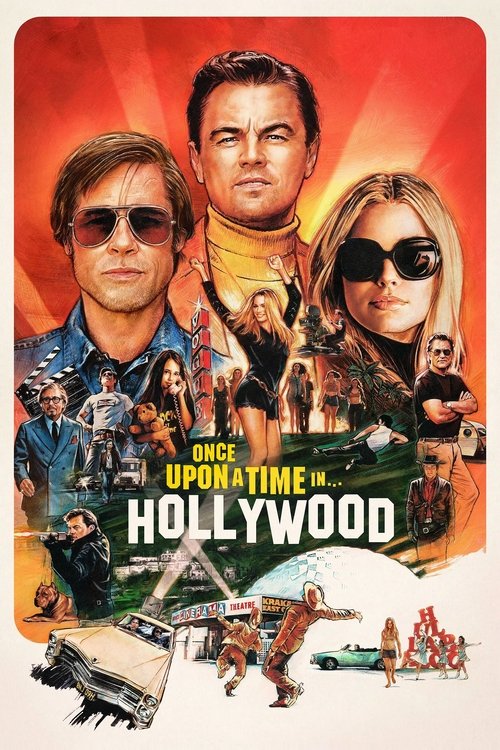
Los Angeles, 1969. TV star Rick Dalton, a struggling actor specializing in westerns, and stuntman Cliff Booth, his best friend, try to survive in a constantly changing movie industry. Dalton is the neighbor of the young and promising actress and model Sharon Tate, who has just married the prestigious Polish director Roman Polanski…
As the fading Rick Dalton, DiCaprio delivers a wonderfully neurotic meta-commentary on the anxieties of aging in the industry. His ability to oscillate between mid-tier cowboy bravado and private, tearful insecurity offers a nostalgic yet piercing look at the fragility of the Hollywood ego.
A true story about Frank Abagnale Jr. who, before his 19th birthday, successfully conned millions of dollars worth of checks as a Pan Am pilot, doctor, and legal prosecutor. An FBI agent makes it his mission to put him behind bars. But Frank not only eludes capture, he revels in the pursuit.
DiCaprio utilizes his boyish aesthetic to perfection as Frank Abagnale Jr., blending effortless Spielbergian whimsy with a soft undercurrent of father-seeking melancholy. It is his most nimble role, showcasing a light-touch sophistication that proved he could carry a film on charm alone.
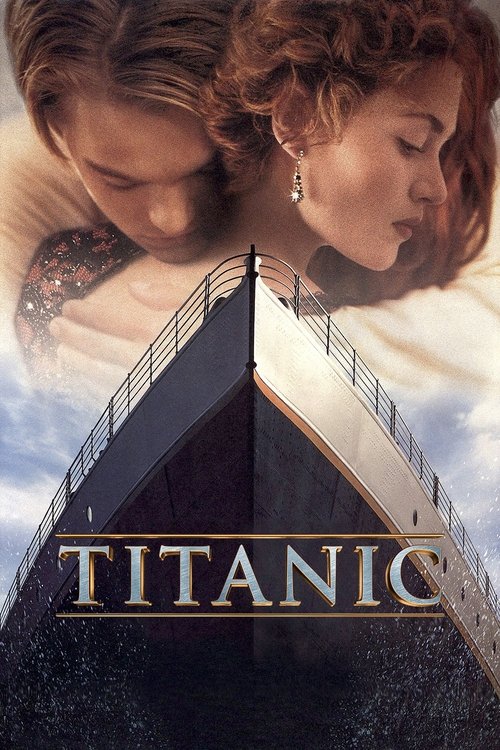
Titanic
1997101-year-old Rose DeWitt Bukater tells the story of her life aboard the Titanic, 84 years later. A young Rose boards the ship with her mother and fiancé. Meanwhile, Jack Dawson and Fabrizio De Rossi win third-class tickets aboard the ship. Rose tells the whole story from Titanic's departure through to its death—on its first and last voyage—on April 15, 1912.
The sheer seismic force of DiCaprio’s youthful charisma here transformed him from a respected indie talent into a global icon of romantic cinema. Beyond the cultural hysteria, his performance possesses a vibrant, open-hearted sincerity that provides the essential emotional heartbeat for Cameron’s technical marvel.
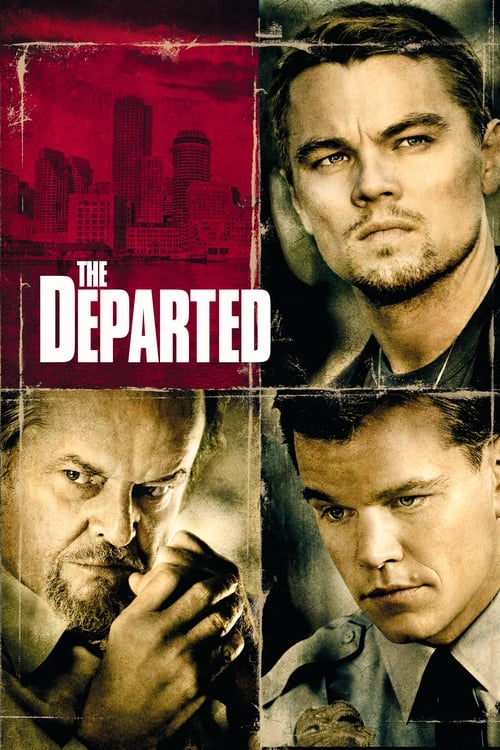
The Departed
2006To take down South Boston's Irish Mafia, the police send in one of their own to infiltrate the underworld, not realizing the syndicate has done likewise. While an undercover cop curries favor with the mob kingpin, a career criminal rises through the police ranks. But both sides soon discover there's a mole among them.
As the fraying Billy Costigan, DiCaprio weaponizes a volatile, high-wire anxiety that stands toe-to-toe with Nicholson’s operatic villainy. It is a masterclass in internal collapse, marking the definitive maturation of his partnership with Scorsese through a performance of pure, sweat-soaked desperation.
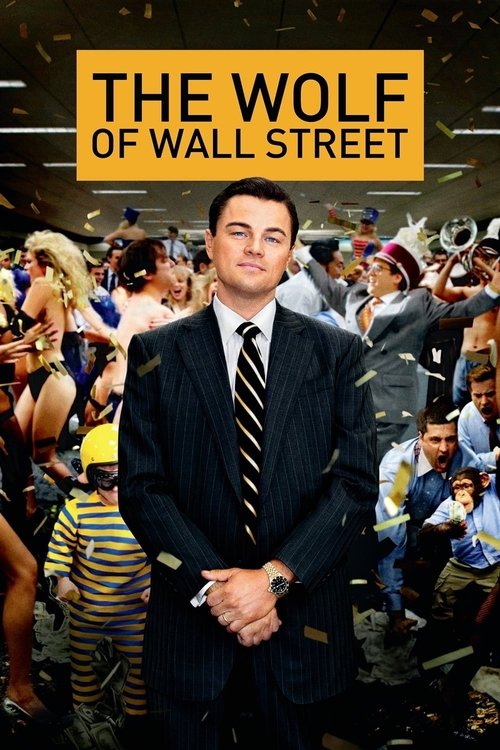
A New York stockbroker refuses to cooperate in a large securities fraud case involving corruption on Wall Street, corporate banking world and mob infiltration. Based on Jordan Belfort's autobiography.
Shedding every ounce of prestige-drama restraint, DiCaprio embraces a feral, slapstick hedonism that reveals a surprisingly elastic comedic range. His portrayal of Jordan Belfort functions as a blistering critique of American excess, fueled by an untouchable, manic physicality.
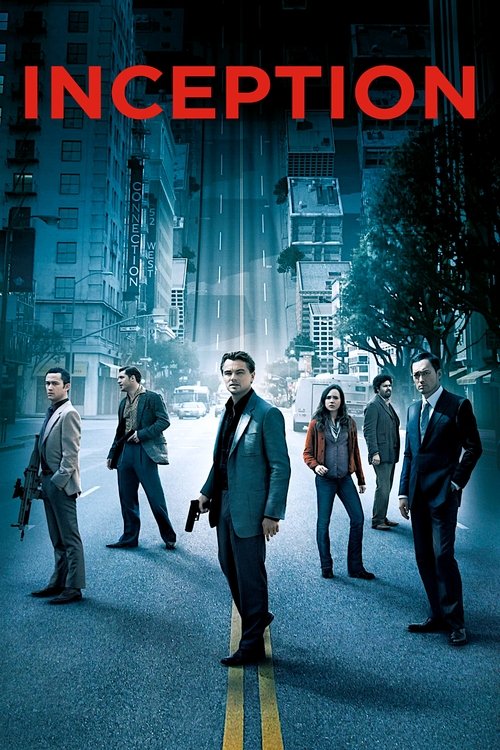
Inception
2010Cobb, a skilled thief who commits corporate espionage by infiltrating the subconscious of his targets is offered a chance to regain his old life as payment for a task considered to be impossible: "inception", the implantation of another person's idea into a target's subconscious.
DiCaprio anchors Nolan’s metaphysical labyrinth with a grounded, grief-stricken gravity that prevents the high-concept spectacle from collapsing into cold abstraction. This role redefined him as the definitive leading man for the cerebral blockbuster era, proving he could command a narrative defined by architecture and subconscious trauma.
Frequently Asked Questions
Everything you need to know about this list and SnakeDrafts
- Shutter Island is a prime example of Leonardo DiCaprio's skill in portraying complex psychological states. Directed by Martin Scorsese, DiCaprio plays a U.S. Marshal investigating a psychiatric facility, delivering a performance filled with suspense and emotional depth.
- Leonardo DiCaprio has collaborated multiple times with Martin Scorsese, including The Wolf of Wall Street, The Departed, Shutter Island, The Aviator, and Killers of the Flower Moon. These films showcase their dynamic partnership across crime dramas, thrillers, and biographical works.
- Leonardo DiCaprio's roles have evolved from vulnerable, transformative performances like in What's Eating Gilbert Grape to leading large-scale epics such as Inception and Titanic, demonstrating his range from intimate dramas to blockbuster action and science fiction films.
- The Aviator highlights DiCaprio's ability to embody historical figures, as he plays aviation pioneer Howard Hughes. The film explores Hughes' complex personality and contributions to aviation, showcasing DiCaprio's dedication to biographical accuracy and character depth.
- Themes of ambition, identity, and moral ambiguity frequently appear in DiCaprio's films such as The Wolf of Wall Street and Blood Diamond. His characters often navigate high-stakes environments filled with ethical dilemmas and personal transformation.
- Django Unchained is a notable film where DiCaprio steps into the western genre blended with drama. Directed by Quentin Tarantino, the movie features intense storytelling and DiCaprio plays a powerful antagonist in the antebellum South.
- Leonardo DiCaprio has delivered compelling performances in Quentin Tarantino's films Once Upon a Time... in Hollywood and Django Unchained. These roles highlight his versatility and ability to handle Tarantino's unique blend of humor, drama, and tension.
- Inception stands out as Leonardo DiCaprio's key role in a high-concept science fiction story. Directed by Christopher Nolan, this action-packed film explores dream manipulation and features DiCaprio as a skilled thief dealing with complex psychological and emotional layers.