The Best Dustin Hoffman Movies
From Method Master to Hollywood Legend
Explore the definitive ranking of Dustin Hoffman's greatest film performances, featuring classics like Rain Man and The Graduate.
About Dustin Hoffman
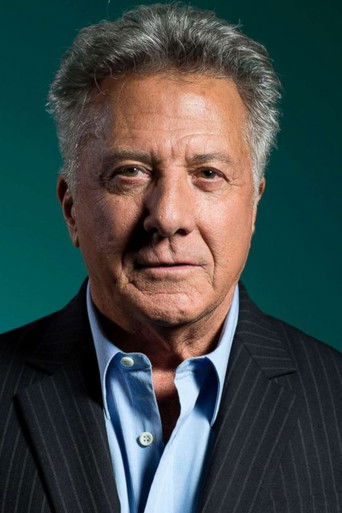
In an era of cinema defined by the towering, impenetrable masonry of leading men like John Wayne or Charlton Heston, Dustin Hoffman arrived as a jarring, necessary glitch in the system. He didn't possess the traditional toolkit of a matinee idol. Instead, he carried a nervous energy and a face that looked like it belonged to a neighbor rather than a god. When he appeared as Benjamin Braddock in The Graduate, he didn't just play a role; he became the avatar for a generation of young people paralyzed by the suffocating expectations of the suburban dream. His performance felt less like acting and more like a collective exhale of anxiety, setting the stage for a career built on the meticulous deconstruction of the American male.
What separates him from his contemporaries is an almost pathological commitment to metamorphosis. He is the ultimate technician, a man who disappears so deeply into a character's physical tics that the actor behind the mask becomes invisible. We saw this early on when he pivoted from the awkward youth of Pasadena to the wheezing, tragic desperation of Ratso Rizzo in Midnight Cowboy. To watch him limp through the grime of 1960s New York was to witness the death of the Hollywood star system and the birth of a gritty, uncompromising realism. By the time he was playing a hundred-year-old survivor in Little Big Man or a wrongfully imprisoned intellectual in Papillon, he had established himself as a performer who thrived on hardship and historical weight.
The 1970s and 80s cemented his reputation as the definitive chameleon of the box office. Whether he was chasing the truth through the shadows of Watergate in All the President's Men or enduring the grueling dental torture of Marathon Man, he brought a frantic, intellectual intensity to every frame. He redefined the domestic drama in Kramer vs. Kramer, offering a vulnerable, often unflattering look at fatherhood that earned him his first Oscar. Yet, he was never too precious to lean into the absurd. In Tootsie, he managed the impossible task of playing a man playing a woman without ever letting the performance descend into a cheap gag, finding the genuine humanity and comedy within the artifice.
Even as he entered the elder statesman phase of his career, the spark of unpredictability remained. He could shift from the flamboyant, pantomime villainy of Hook to the heartbreakingly precise portrayal of Raymond Babbitt in Rain Man, a role that changed the cultural conversation around neurodiversity. He showed a cynical, razor-sharp wit as a Hollywood producer in Wag the Dog and brought a grounded, veteran presence to smaller, soulful projects like Chef. Whether he is playing a high-stakes lawyer in Sleepers or a master perfumer in Perfume: The Story of a Murderer, he carries a gravity that commands the room.
Audiences connect with him because he never asks for their permission to be flawed. He is willing to be small, frantic, irritating, or stubborn if that is what the truth of the character requires. He rejected the idea that a protagonist had to be heroic in the classical sense, proving instead that there is a profound, cinematic beauty in the struggle of the ordinary man. He remains a master of the small moment, a reminder that the most compelling stories aren't found in grand gestures, but in the flicker of a nervous eye or the weary slump of a shoulder. He didn't just change the way we look at actors; he changed what we expect from our icons.
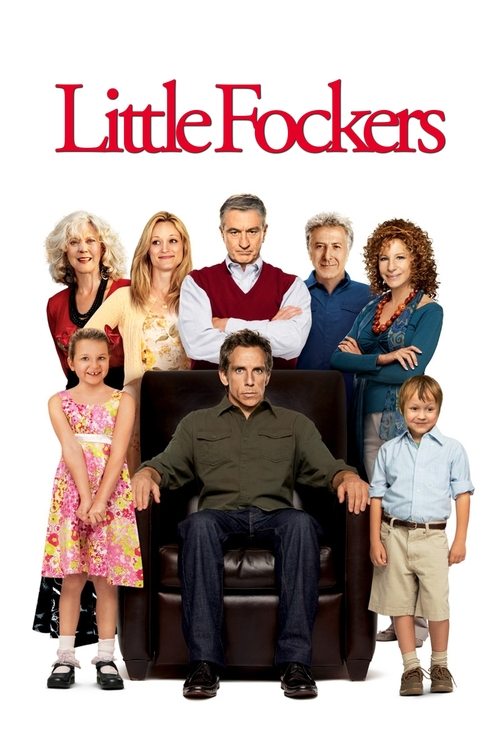
Little Fockers
2010It has taken 10 years, two little Fockers with wife Pam and countless hurdles for Greg to finally get in with his tightly wound father-in-law, Jack. After the cash-strapped dad takes a job moonlighting for a drug company, Jack's suspicions about his favorite male nurse come roaring back. When Greg and Pam's entire clan descends for the twins' birthday party, Greg must prove to the skeptical Jack that he's fully capable as the man of the house.
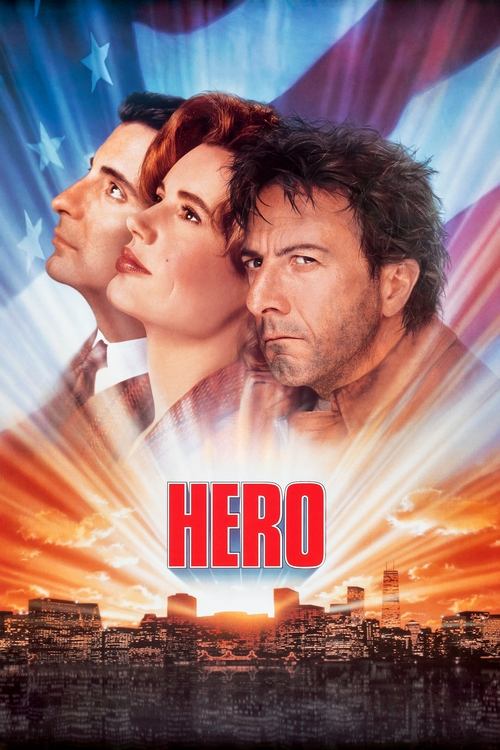
Hero
1992Bernie Laplante is having a rough time. He's divorced, his ex-wife hates him and has custody of their son, the cops are setting a trap for him, then to top it all, he loses a shoe whilst rescuing passengers of a crashed jet. Being a thief who is down on his luck, Bernie takes advantage of the crash, but then someone else claims credit for the rescue.
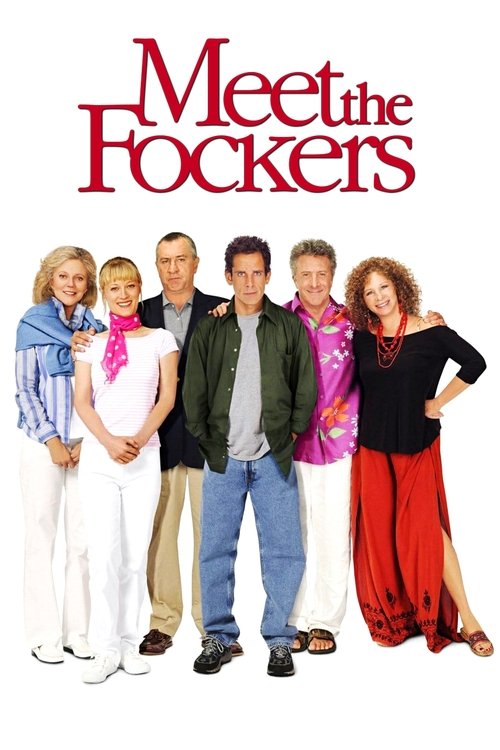
Meet the Fockers
2004Hard-to-crack ex-CIA man Jack Byrnes and his wife Dina head for the warmer climes of Florida to meet the parents of their son-in-law-to-be, Greg Focker. Unlike their happily matched offspring, the future in-laws find themselves in a situation of opposites that definitely do not attract.
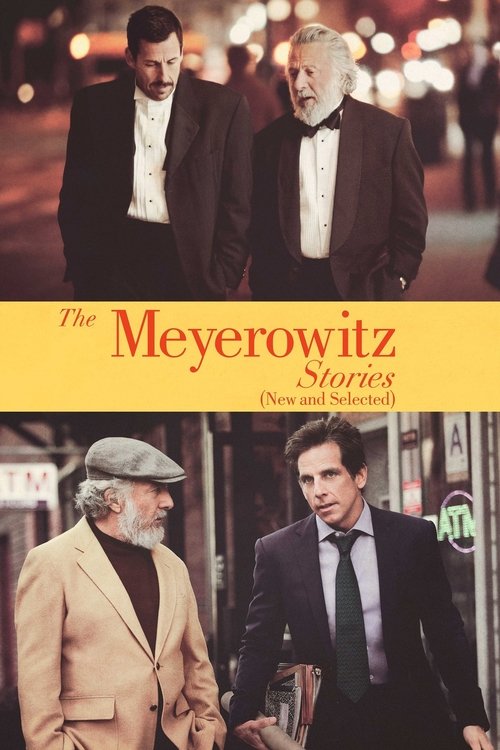
The Meyerowitz Stories (New and Selected)
2017An estranged family gathers together in New York for an event celebrating the artistic work of their father.
Dick Tracy
1990The comic strip detective finds his life vastly complicated when Breathless Mahoney makes advances towards him while he is trying to battle Big Boy Caprice's united mob.
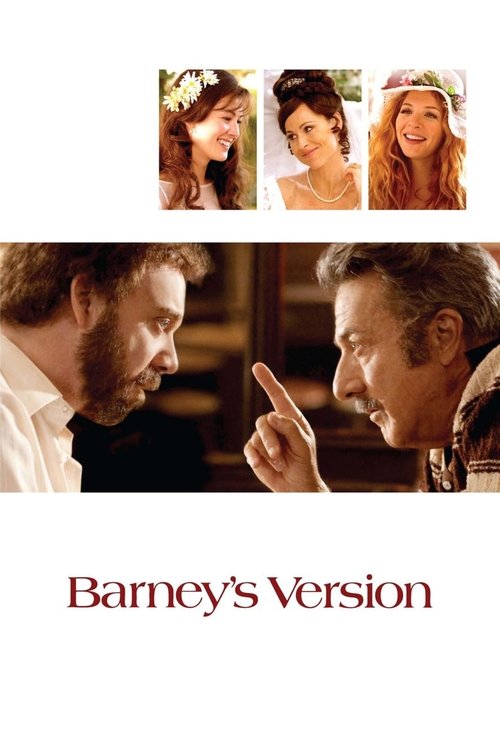
Barney's Version
2010The picaresque and touching story of the politically incorrect, fully lived life of the impulsive, irascible and fearlessly blunt Barney Panofsky.
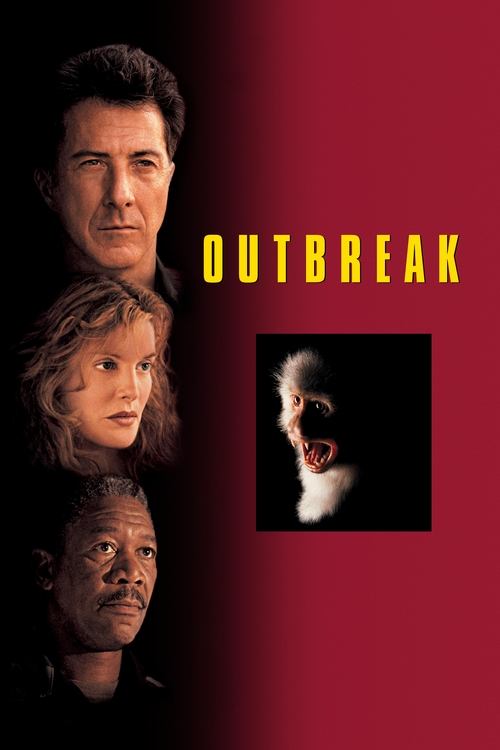
Outbreak
1995A deadly airborne virus finds its way into the USA and starts killing off people at an epidemic rate. Col. Sam Daniels' job is to stop the virus spreading from a small town, which must be quarantined, and to prevent an over reaction by the White House.
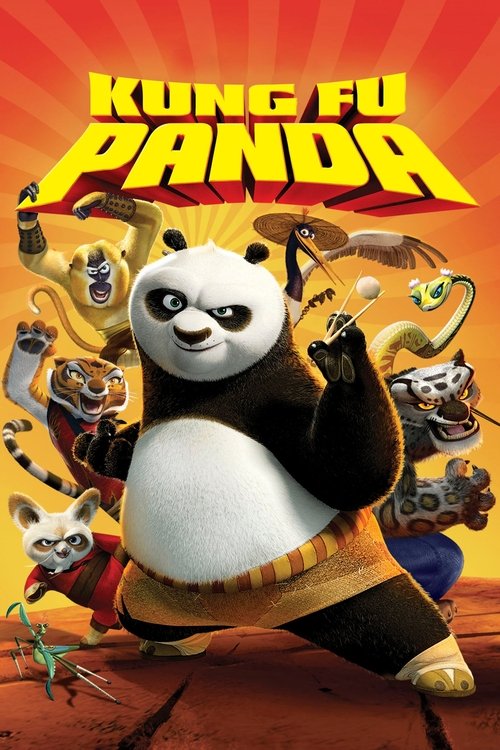
Kung Fu Panda
2008Chosen by prophecy but doubted by all, Po is an unlikely Dragon Warrior—a clumsy panda thrust into the world of kung fu as a deadly enemy threatens the Valley of Peace. Guided by Master Shifu and the Furious Five, Po must embrace who he is to unlock the power that no scroll can teach.
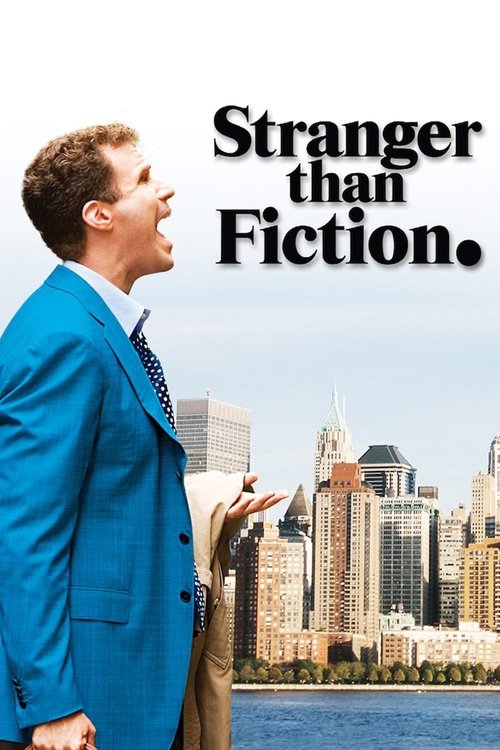
Stranger Than Fiction
2006Harold Crick is a lonely IRS agent whose mundane existence is transformed when he hears a mysterious voice narrating his life.
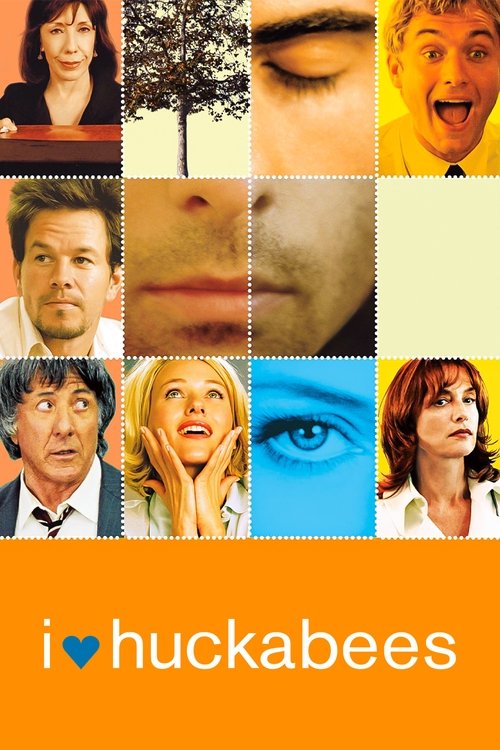
I ♥ Huckabees
2004A husband-and-wife team play detective, but not in the traditional sense. Instead, the happy duo helps others solve their existential issues, the kind that keep you up at night, wondering what it all means.
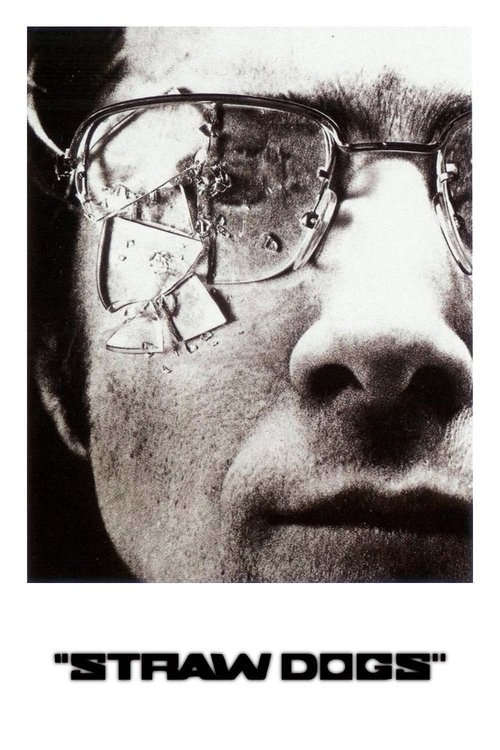
Straw Dogs
1971David Sumner, a mild-mannered academic from the United States, marries Amy, an Englishwoman. In order to escape a hectic stateside lifestyle, David and his wife relocate to the small town in rural Cornwall where Amy was raised. There, David is ostracized by the brutish men of the village, including Amy's old flame, Charlie. Eventually the taunts escalate.
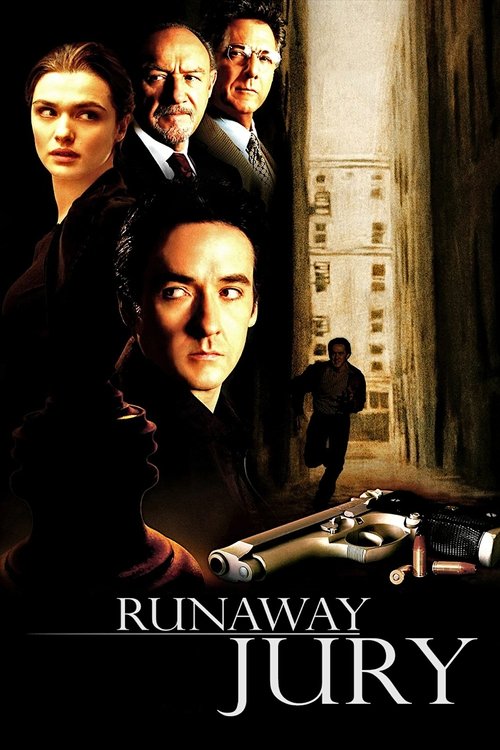
Runaway Jury
2003After a workplace shooting in New Orleans, a trial against the gun manufacturer pits lawyer Wendell Rohr against shady jury consultant Rankin Fitch, who uses illegal means to stack the jury with people sympathetic to the defense. But when juror Nicholas Easter and his girlfriend Marlee reveal their ability to sway the jury into delivering any verdict they want, a high-stakes cat-and-mouse game begins.
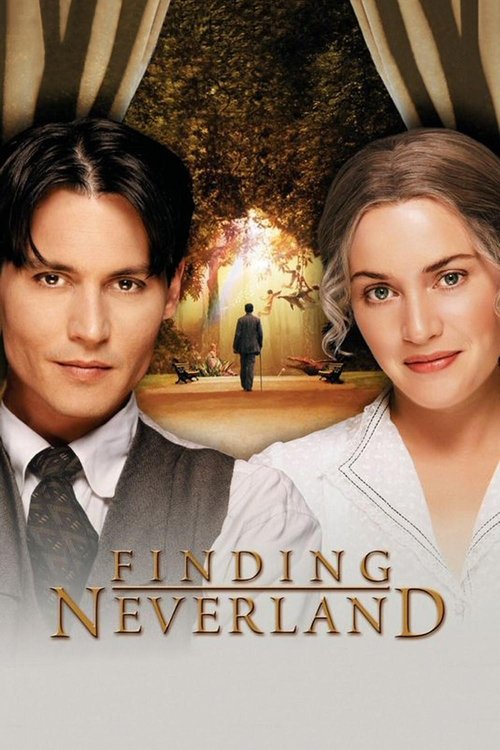
During a writing slump, playwright J.M. Barrie meets a widow and her four children, all young boys—who soon become an important part of Barrie’s life and the inspiration that lead him to create his masterpiece. Peter Pan.
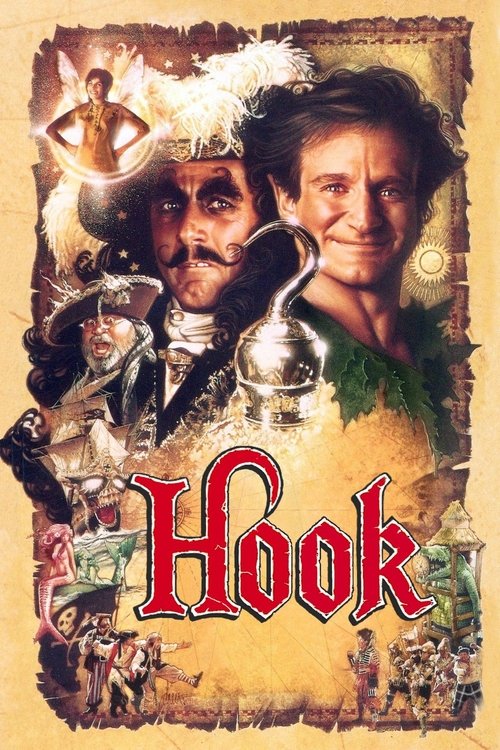
Hook
1991The boy who wasn't supposed to grow up—Peter Pan—does just that, becoming a soulless corporate lawyer whose workaholism could cost him his wife and kids. During his trip to see Granny Wendy in London, the vengeful Capt. Hook kidnaps Peter's kids and forces Peter to return to Neverland.
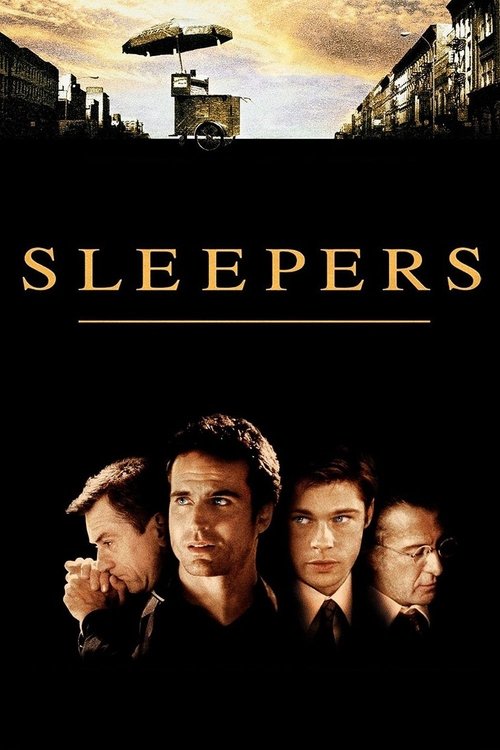
Sleepers
1996Two gangsters seek revenge on the state jail worker who during their stay at a youth prison sexually abused them. A sensational court hearing takes place to charge him for the crimes.
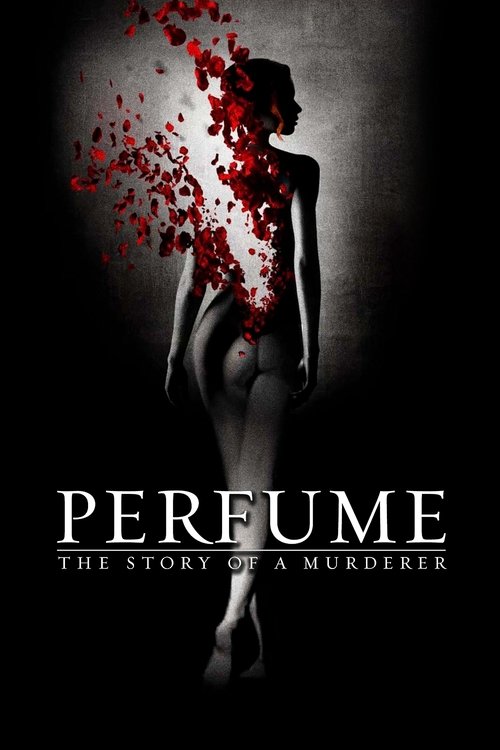
Perfume: The Story of a Murderer
2006Jean-Baptiste Grenouille, born in the stench of 18th century Paris, develops a superior olfactory sense, which he uses to create the world's finest perfumes. However, his work takes a dark turn as he tries to preserve scents in the search for the ultimate perfume.
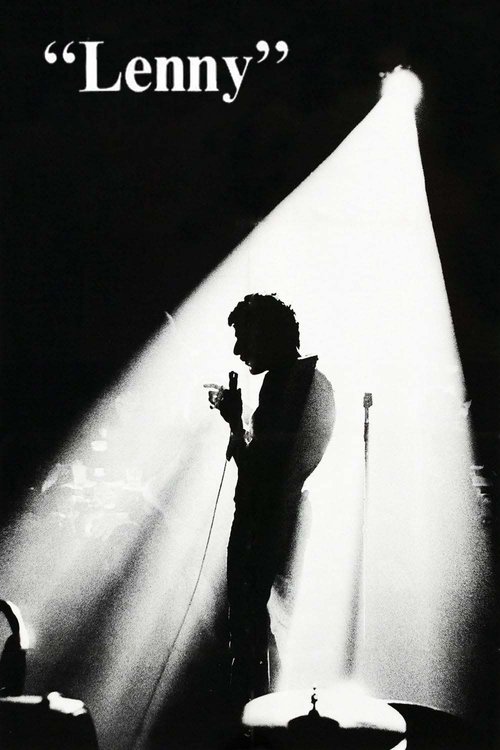
Lenny
1974The story of acerbic 1960s comic Lenny Bruce, whose groundbreaking, no-holds-barred style and social commentary was often deemed by the establishment as too obscene for the public.
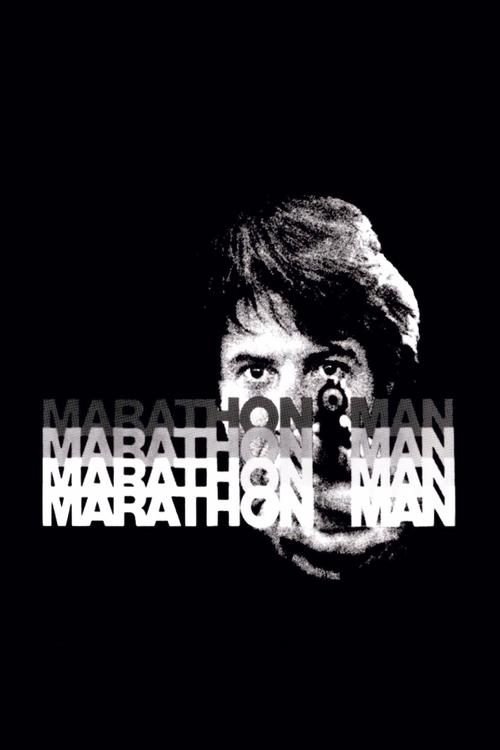
Marathon Man
1976A graduate student and obsessive runner in New York is drawn into a mysterious plot involving his brother, a member of the secretive Division.
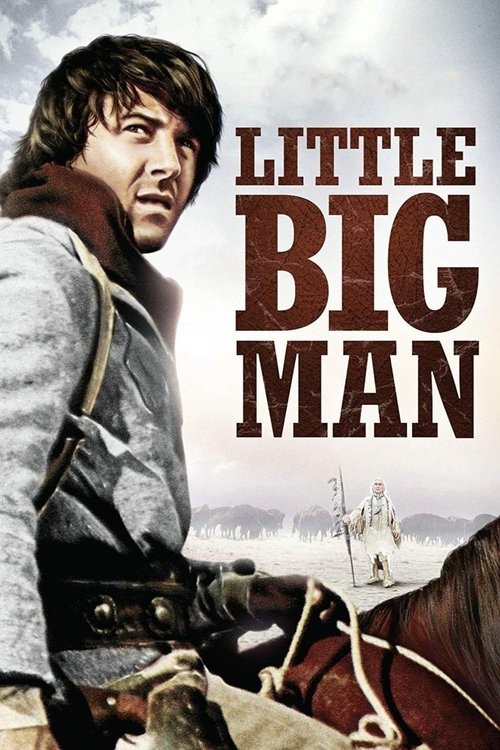
Little Big Man
1970Jack Crabb, looking back from extreme old age, tells of his life being raised by Indians and fighting with General Custer.
Hoffman executes a breathtaking physical metamorphosis, aging through a century of American history with a raspy, wizened conviction that anchors the film’s satirical bite. It is the definitive showcase of his chameleonic range, proving he could disappear into a character’s skin far beyond the neurotic archetypes of his early career. He balances picaresque comedy with a soul-weary exhaustion, haunting every frame as a man who has seen too much of his country’s blood-soaked evolution.
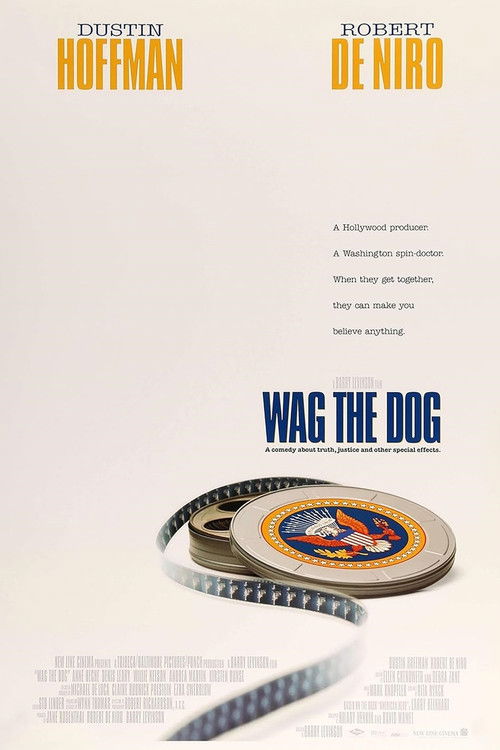
Wag the Dog
1997During the final weeks of a presidential race, the President is accused of sexual misconduct. To distract the public until the election, the President's adviser hires a Hollywood producer to help him stage a fake war.
Hoffman delivers a deliciously vain masterclass in Hollywood ego, channeling legendary producer Robert Evans with a blend of relentless optimism and manic confidence. It is a rare, comedic high-wire act that proved he could dominate a screen through eccentric wit rather than heavy-handed pathos. His Stanley Motss turns the art of the spin into a tragicomic specialty, reminding us that Hoffman is at his most magnetic when he’s playing a man who refuses to see his own punchline.
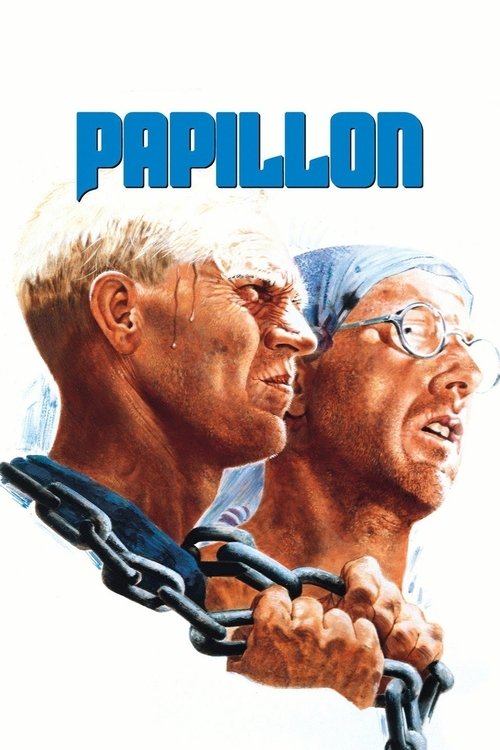
Papillon
1973A man befriends a fellow criminal as the two of them begin serving their sentence on a dreadful prison island, which inspires the man to plot his escape.
Hoffman disappears behind a pair of thick-lensed spectacles, trading his leading-man neuroticism for the frail, desperate dignity of Louis Dega. It is a pivotal masterclass in physical transformation that proved he could command the screen as a character actor while playing second fiddle to a powerhouse like McQueen. He anchors the film’s brutality with a quiet, twitchy vulnerability that remains one of the most undersung feats of his chameleonic career.

Chef
2014When Chef Carl Casper suddenly quits his job at a prominent Los Angeles restaurant after refusing to compromise his creative integrity for its controlling owner, he is left to figure out what's next. Finding himself in Miami, he teams up with his ex-wife, his friend and his son to launch a food truck. Taking to the road, Chef Carl goes back to his roots to reignite his passion for the kitchen -- and zest for life and love.
Hoffman wields a prickly, corporate chill as the risk-averse restaurateur, serving as a pitch-perfect foil to the film’s creative anarchy. By weaponizing his legendary intensity for a brief but potent supporting turn, he offers a sharp reminder that he can dominate a room through quiet, bureaucratic stubbornness rather than theatricality. It is a masterclass in the "unmovable object" role, proving the veteran star’s enduring ability to anchor a conflict with nothing but a cold stare.
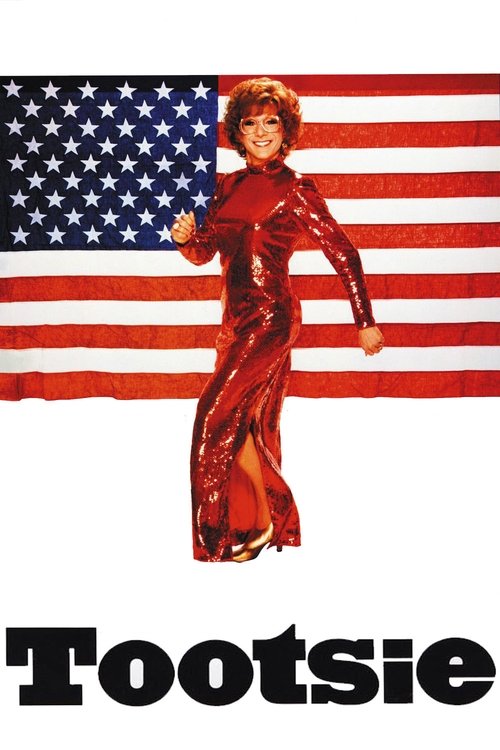
Tootsie
1982When struggling, out of work actor Michael Dorsey secretly adopts a female alter ego – Dorothy Michaels – in order to land a part in a daytime drama, he unwittingly becomes a feminist icon and ends up in a romantic pickle.
Hoffman transcends the typical drag act by grounding Dorothy Michaels in a prickly, lived-in integrity that makes her more formidable than his actual self. This role redefined his reputation for obsessive perfectionism, allowing him to weaponize his notorious intensity into a brilliant high-wire act of physical comedy and genuine pathos. It remains the definitive proof that his greatest strength is an uncompromising commitment to the inner life of any character, regardless of the wardrobe.
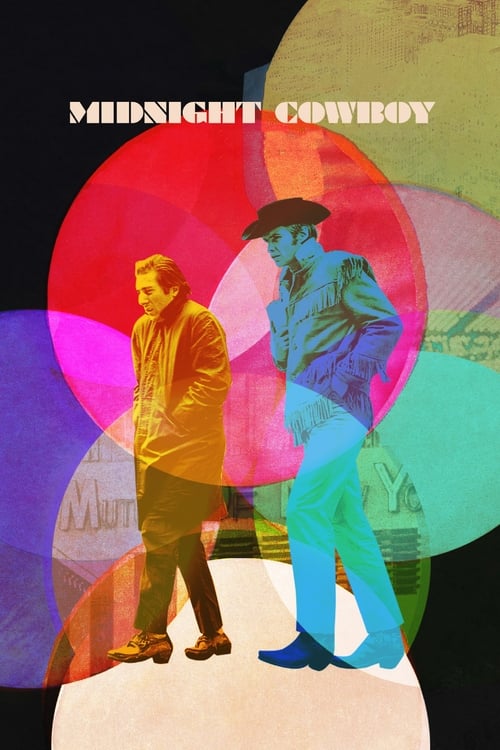
Midnight Cowboy
1969Joe Buck is a wide-eyed hustler from Texas hoping to score big with wealthy New York City women; he finds a companion in Enrico "Ratso" Rizzo, an ailing swindler with a bum leg and a quixotic fantasy of escaping to Florida.
Hoffman executes a complete physical metamorphosis as the limping, desperate street hustler Ratso Rizzo, shedding every ounce of his Graduate-era polish to reveal a soul of raw, frantic grit. It remains the definitive proof of his range, demonstrating a fearless commitment to character acting that redefined what a leading man could look like in New Hollywood. He manages to turn a grimy, cynical scavenger into the beating heart of the film through sheer, twitchy intensity.
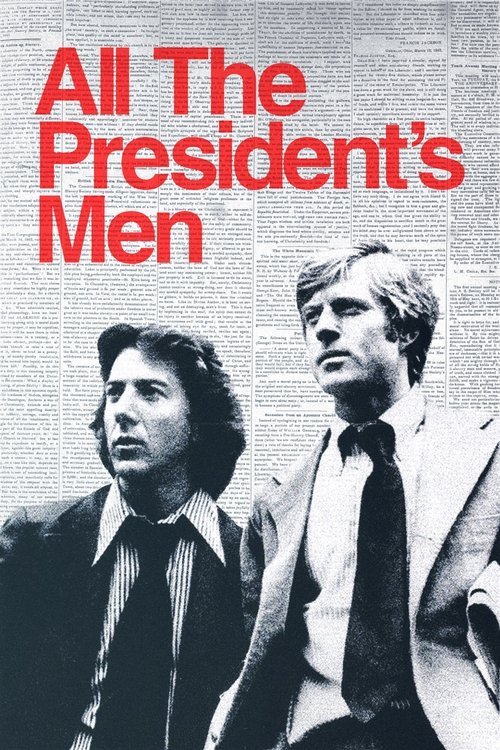
All the President's Men
1976During the 1972 elections, two reporters' investigation sheds light on the controversial Watergate scandal that compels President Nixon to resign from his post.
Hoffman trades his usual neuroses for a jittery, caffeinated tenacity, capturing Carl Bernstein as a man who weaponizes a notepad and a telephone with surgical precision. He anchors the film’s meticulous realism by portraying investigative journalism as a grueling game of inches, marking a pivotal shift in his career from the misunderstood outsider to the intellectual heavyweight. It is a masterful study in focused energy, where every frantic scribble and persistent follow-up feels like a high-stakes duel.
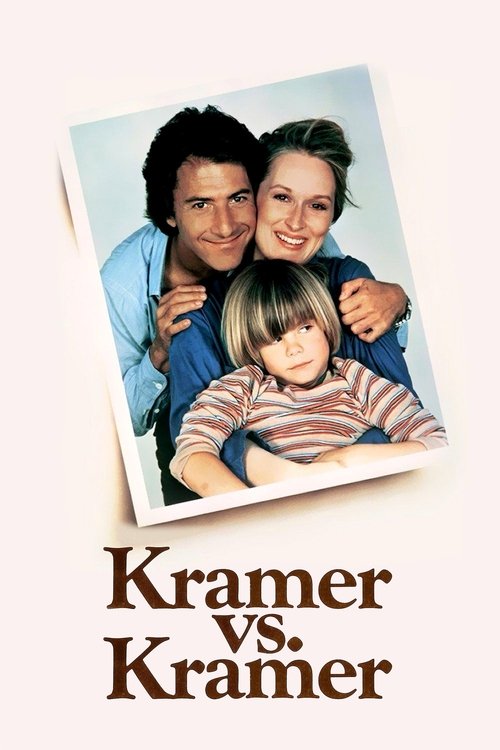
Kramer vs. Kramer
1979Ted Kramer is a career man for whom his work comes before his family. His wife Joanna cannot take this anymore, so she decides to leave him. Ted is now faced with the tasks of housekeeping and taking care of himself and their young son Billy.
Hoffman trades his usual kinetic neurosis for a raw, domestic stillness, charting a father’s frantic evolution from corporate climber to tender caregiver. It is the definitive turning point in his career where he mastered the art of the understatement, proving he could command a room through quiet devastation rather than manic energy. By grounding the character in messy, unvarnished vulnerability, he earned his first Oscar and redefined the cinematic prototype of modern fatherhood.
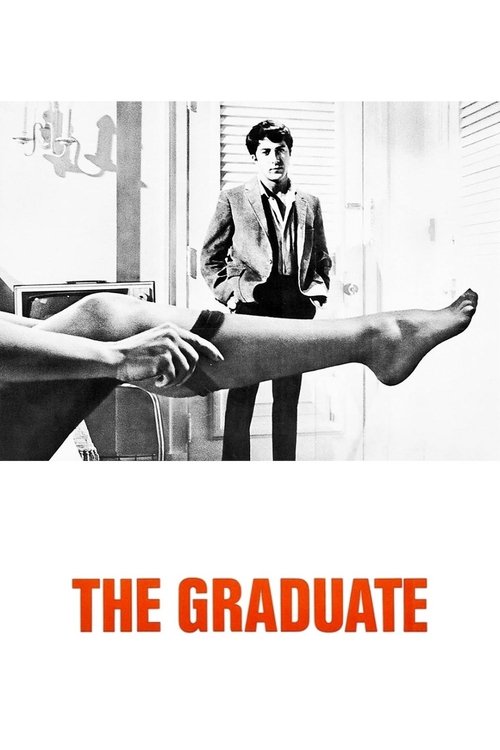
The Graduate
1967A disillusioned college graduate finds himself torn between his older lover and her daughter.
Hoffman redefined the cinematic leading man by weaponizing a jittery, deadpan awkwardness that made Ben Braddock’s alienation feel startlingly visceral. This Star-making turn eschewed traditional Hollywood bravado for a twitchy, idiosyncratic vulnerability, effectively launching the era of the modern anti-hero. He proves that a silent, panicked stare can be more evocative than any monologue.
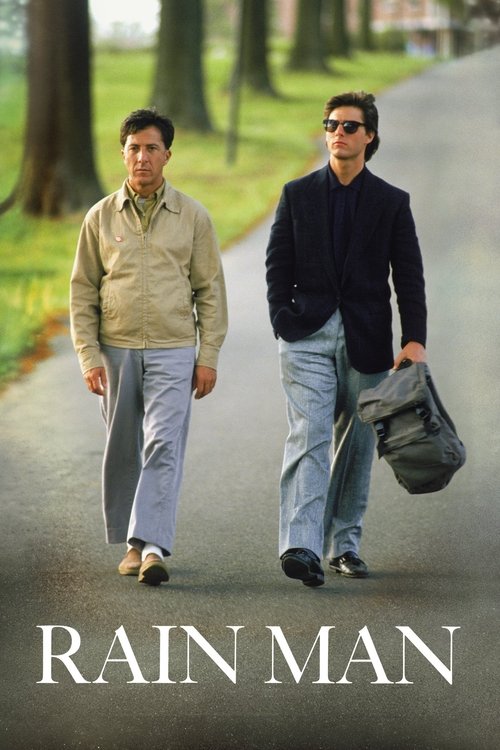
Rain Man
1988When car dealer Charlie Babbitt learns that his estranged father has died, he returns home to Cincinnati, where he discovers that he has a savant older brother named Raymond and that his father's $3 million fortune is being left to the mental institution in which Raymond lives. Motivated by his father's money, Charlie checks Raymond out of the facility in order to return with him to Los Angeles. The brothers' cross-country trip ends up changing both their lives.
Hoffman executes a masterclass in calculated precision, grounding Raymond’s repetitive tics and internal logic with a discipline that avoids easy sentimentality. This role defined the pinnacle of his transformative period, proving he could disappear entirely into a rigid, non-verbal interiority while still commanding the screen. It remains the definitive example of his genius for technical immersion and character architecture.
Frequently Asked Questions
Everything you need to know about this list and SnakeDrafts
- Dustin Hoffman's range is brilliantly displayed in films like 'Tootsie,' where his comedic timing shines, and 'Kramer vs. Kramer,' which highlights his profound dramatic skills. These movies underscore his ability to seamlessly navigate different genres.
- 'The Graduate' was a breakout role for Hoffman, establishing him as a relatable and influential figure for a younger generation. His portrayal of Benjamin Braddock redefined leading men in Hollywood, marking the start of his iconic career.
- Many of Hoffman's acclaimed films, such as 'Rain Man' and 'All the President's Men,' explore complex human relationships, morality, and societal challenges. These themes allow Hoffman to delve deeply into nuanced characters facing real-world dilemmas.
- In 'Rain Man,' Hoffman delivers a highly praised performance as an autistic savant, a role that earned him an Academy Award. His sensitive and authentic portrayal brought widespread awareness and empathy to the condition.
- 'All the President's Men' features Hoffman in a gripping drama about the Watergate scandal and investigative reporting. This film showcases his ability to engage audiences in suspenseful, historically significant narratives.
- Yes, Hoffman has worked multiple times with director Barry Levinson, including in 'Rain Man' and 'Wag the Dog.' These collaborations have resulted in critically acclaimed films that emphasize Hoffman's acting depth.
- In 'Midnight Cowboy,' Hoffman portrays a vulnerable yet determined character on the fringes of society, differing from his more polished roles. This film highlights his capability to embody gritty, emotionally complex characters.
- 'Hook' is notable for displaying Hoffman's versatility as he takes on a fantasy adventure role, diverging from his typical dramatic parts. This movie allowed him to engage with a family-friendly narrative, broadening his appeal.