The Best Willem Dafoe Movies Ranked
From Green Goblin to Van Gogh
Explore the legendary career of Willem Dafoe with our ranked list of his most iconic performances and critically acclaimed cinematic masterpieces.
About Willem Dafoe
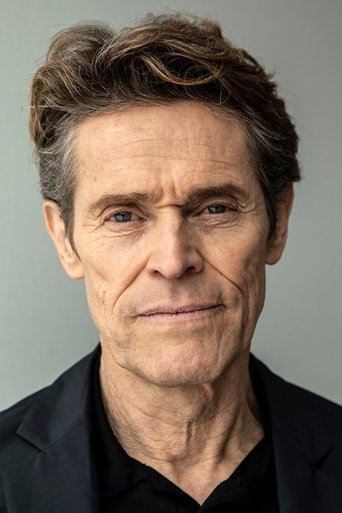
There is something primal about the way Willem Dafoe occupies a frame. With a face that seems carved from granite and weathered by Atlantic storms, he possesses a physiognomy built for the silent film era but a presence perfectly tuned for the modern avant-garde. To watch him work is to witness a disappearing act where the man remains visible but the soul is entirely replaced. He does not merely perform; he haunts the screen, moving between the grotesque and the grace-filled with a fluidity that few actors in history have ever dared to attempt.
His legacy is built on a refusal to be pinned down by conventional leading-man logic. While he can effortlessly ground a blockbuster, as seen in the Shakespearean mania he brought back to life in Spider-Man: No Way Home and its predecessors, his heartbeat sits firmly in the soil of independent cinema. He found a spiritual home in the hyper-specific worlds of directors like Wes Anderson, lending a sharp, comedic edge to the stylized violence of The Grand Budapest Hotel and the stop-motion whimsy of Fantastic Mr. Fox. Yet, for all his eccentricity, his greatest strength might be his empathy. In The Florida Project, he serves as the weary, compassionate anchor of a budget motel, proving he can be just as impactful through a quiet sigh as he can through a manic monologue.
That versatility stretches back decades, rooted in an era where he could pivot from the harrowing moral weight of Mississippi Burning to the iconic, Christ-like martyrdom of his turn in Platoon. He captures the desperate flickering of the human spirit better than almost anyone. This was perhaps most evident in At Eternity's Gate, where he didn't just play Vincent van Gogh; he seemed to vibrate with the artist’s specific brand of creative agony. Even when tucked behind layers of heavy prosthetics in the surrealist playground of Poor Things, he manages to project a profound, paternal warmth through the scars, turning a monstrous figure into something deeply, achingly human.
Audiences connect with him because there is zero ego in his eccentricity. Whether he is descending into isolationist madness in The Lighthouse or navigating the slick, high-stakes underworlds of John Wick and Inside Man, he treats every frame with a religious intensity. He can play the chilling detective in American Psycho or the cynical alcoholic author in The Fault in Our Stars without ever losing that signature spark of unpredictability. Even his more traditional roles, like the steadfast musher in Togo, are elevated by a sincerity that feels ancient and earned.
The cultural impact of such a career is hard to quantify because he has become a foundational element of the cinematic landscape. He is the bridge between the grit of New York’s experimental theater scene and the polished glitz of Hollywood. At an age when many of his contemporaries are settling into comfortable typecasting, he remains an explorer, seeking out the fringes of the human experience. He is our most reliable shapeshifter, a man who reminds us that cinema is at its best when it is willing to get a little bit weird, a little bit scary, and entirely honest.
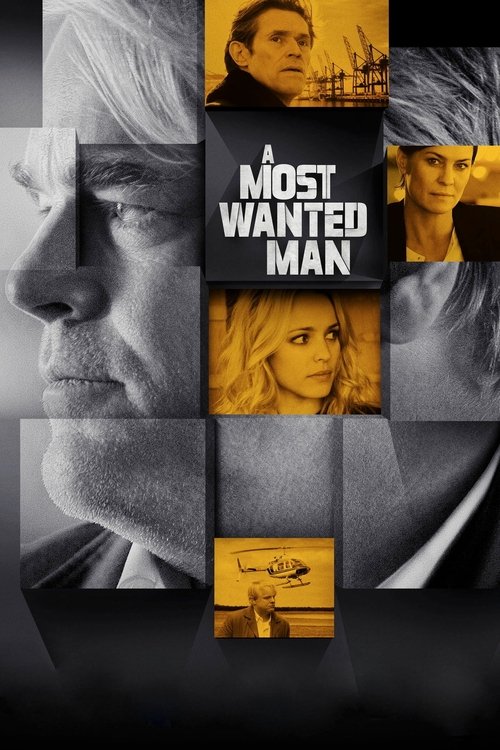
A Most Wanted Man
2014A Chechen Muslim illegally immigrates to Hamburg and becomes a person of interest for a covert government team tracking the movements of potential terrorists.
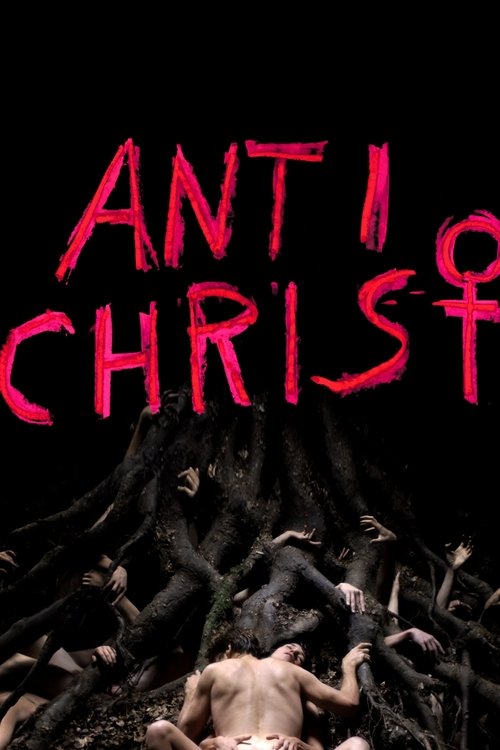
Antichrist
2009A grieving couple retreats to their cabin 'Eden' in the woods, hoping to repair their broken hearts and troubled marriage. But nature takes its course and things go from bad to worse.
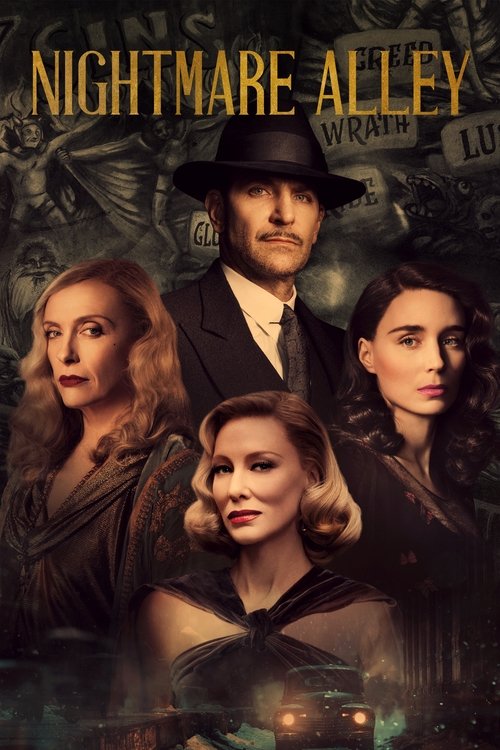
Nightmare Alley
2021An ambitious carnival man with a talent for manipulating people with a few well-chosen words hooks up with a female psychologist who is even more dangerous than he is.
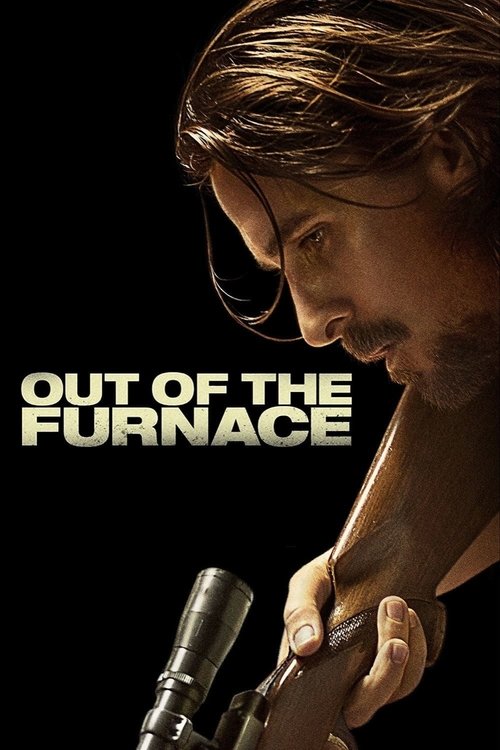
Out of the Furnace
2013Two brothers live in the economically-depressed Rust Belt, when a cruel twist of fate lands one in prison. His brother is then lured into one of the most violent crime rings in the Northeast.
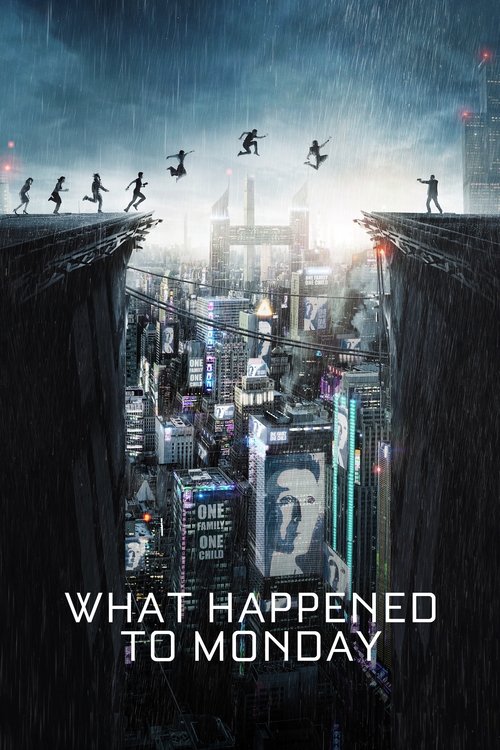
What Happened to Monday
2017In a world where families are limited to one child due to overpopulation, a set of identical septuplets must avoid being put to a long sleep by the government and dangerous infighting while investigating the disappearance of one of their own.
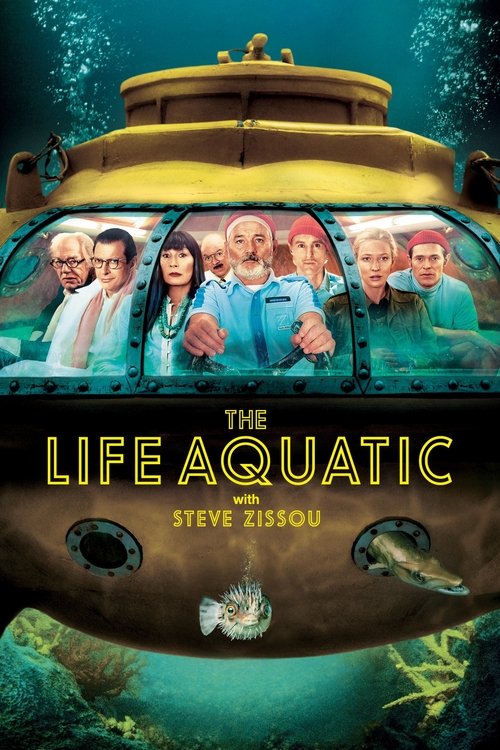
The Life Aquatic with Steve Zissou
2004Renowned oceanographer Steve Zissou has sworn vengeance upon the rare shark that devoured a member of his crew. In addition to his regular team, he is joined on his boat by Ned, a man who believes Zissou to be his father, and Jane, a journalist pregnant by a married man. They travel the sea, all too often running into pirates and, perhaps more traumatically, various figures from Zissou's past, including his estranged wife, Eleanor.
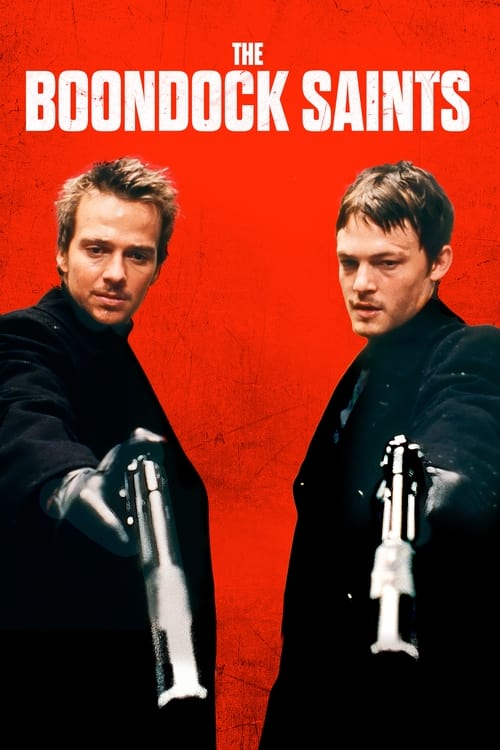
The Boondock Saints
1999Tired of the crime overrunning the streets of Boston, Irish Catholic twin brothers Conner and Murphy are inspired by their faith to cleanse their hometown of evil with their own brand of zealous vigilante justice. As they hunt down and kill one notorious gangster after another, they become controversial folk heroes in the community. But Paul Smecker, an eccentric FBI agent, is fast closing in on their blood-soaked trail.
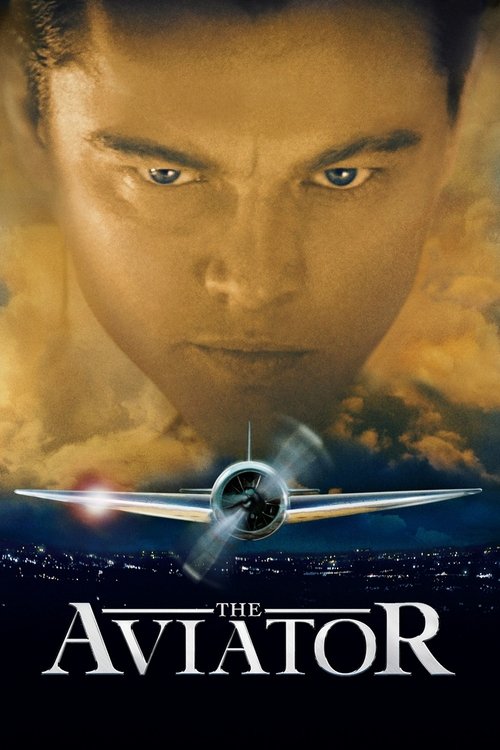
The Aviator
2004A biopic depicting the life of filmmaker and aviation pioneer Howard Hughes from 1927 to 1947, during which time he became a successful film producer and an aviation magnate, while simultaneously growing more unstable due to severe obsessive-compulsive disorder.
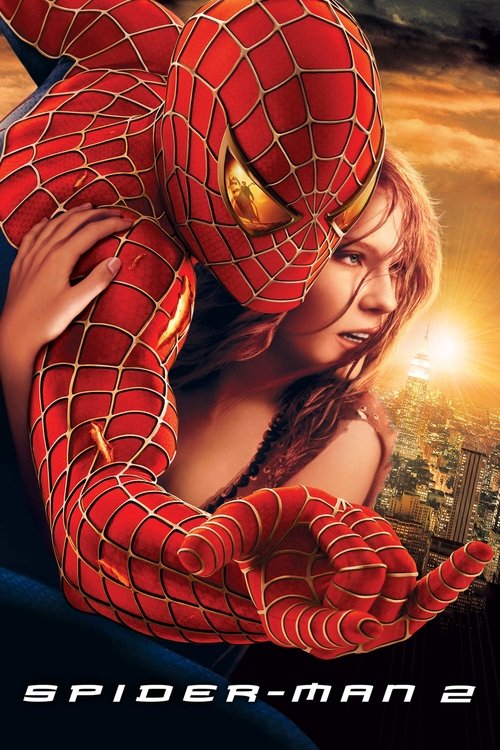
Spider-Man 2
2004Peter Parker is going through a major identity crisis. Burned out from being Spider-Man, he decides to shelve his superhero alter ego, which leaves the city suffering in the wake of carnage left by the evil Doc Ock. In the meantime, Parker still can't act on his feelings for Mary Jane Watson, a girl he's loved since childhood. A certain anger begins to brew in his best friend Harry Osborn as well...
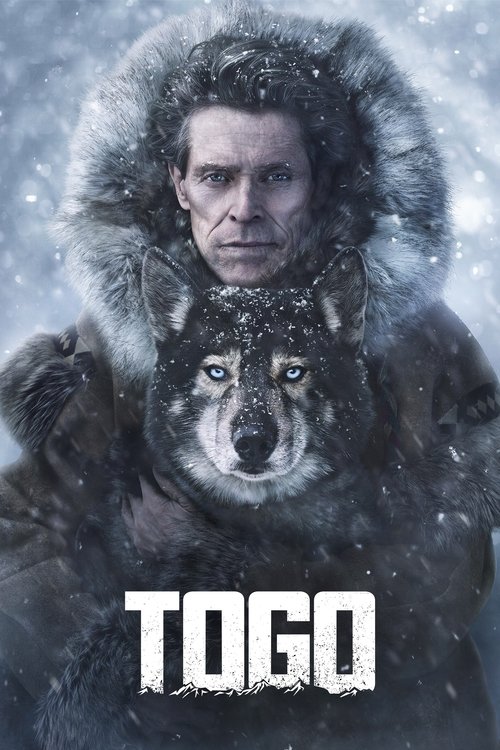
Togo
2019The untold true story set in the winter of 1925 that takes you across the treacherous terrain of the Alaskan tundra for an exhilarating and uplifting adventure that will test the strength, courage and determination of one man, Leonhard Seppala, and his lead sled dog, Togo.

The Fault in Our Stars
2014Despite the tumor-shrinking medical miracle that has bought her a few years, Hazel has never been anything but terminal, her final chapter inscribed upon diagnosis. But when a patient named Augustus Waters suddenly appears at Cancer Kid Support Group, Hazel's story is about to be completely rewritten.
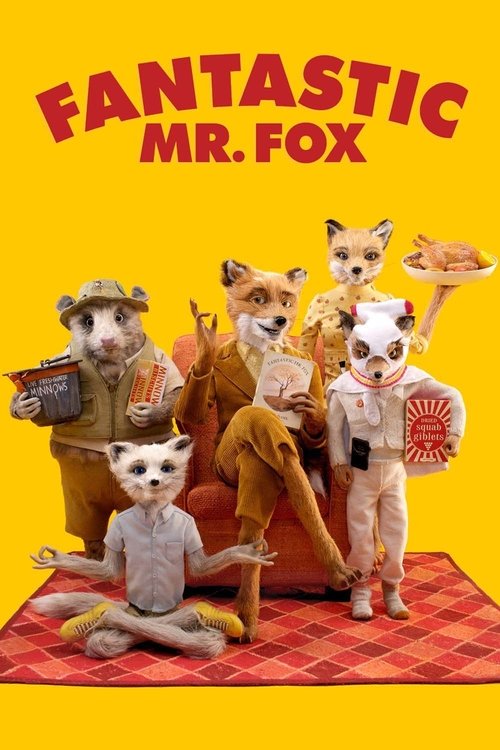
The Fantastic Mr. Fox, bored with his current life, plans a heist against the three local farmers. The farmers, tired of sharing their chickens with the sly fox, seek revenge against him and his family.
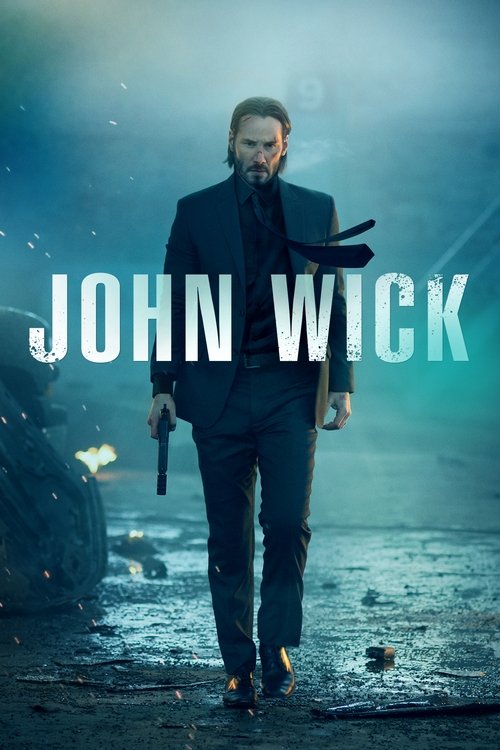
John Wick
2014Ex-hitman John Wick comes out of retirement to track down the gangsters that took everything from him.
In the role of an elite sniper with a complicated moral code, Dafoe brings an essential sense of history and gravitas to this neon-noir underworld. His understated chemistry with Keanu Reeves provides the film with its rare moment of soulful reflection, elevating a genre exercise into something with genuine emotional stakes.

The Florida Project
2017The story of a precocious six year-old and her ragtag group of friends whose summer break is filled with childhood wonder, possibility and a sense of adventure while the adults around them struggle with hard times.
Dafoe radiates a weary, paternal warmth as Bobby, the motel manager tasked with policing the fringes of the American Dream. It is a performance of profound empathy and soulfulness, stripping away his usual stylization to reveal a grounded, protective humanity that anchors the film’s neon-soaked realism.
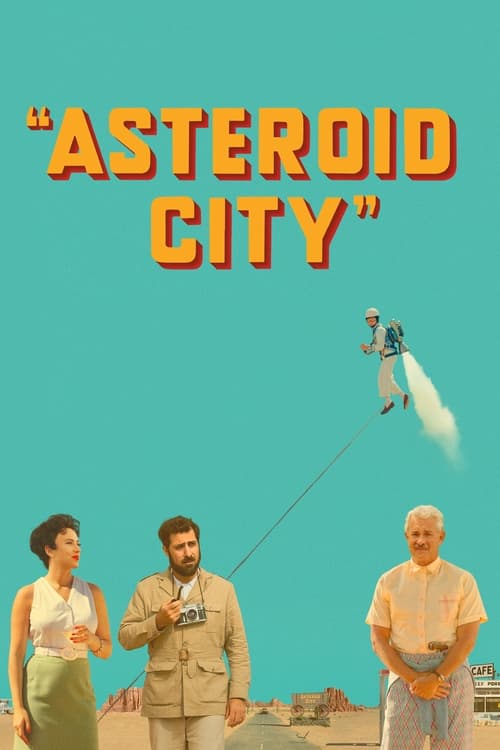
Asteroid City
2023In an American desert town circa 1955, the itinerary of a Junior Stargazer/Space Cadet convention is spectacularly disrupted by world-changing events.
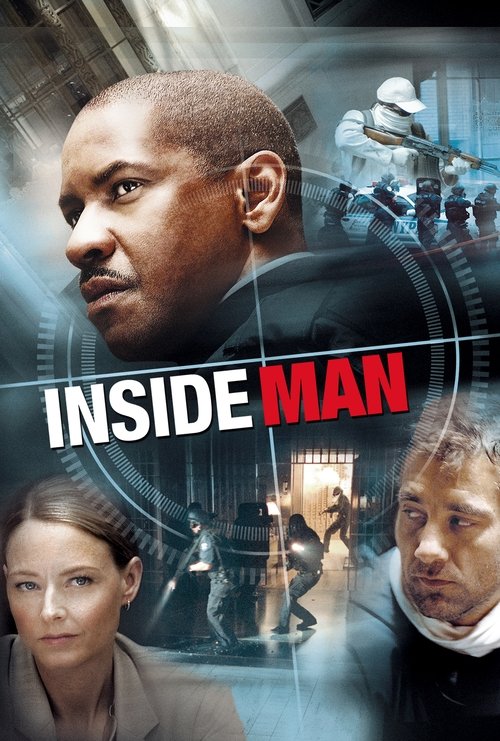
Inside Man
2006When an armed, masked gang enter a Manhattan bank, lock the doors and take hostages, the detective assigned to effect their release enters negotiations preoccupied with corruption charges he is facing.
Within Spike Lee’s calculated heist machinery, Dafoe provides a steely, professional weight as a veteran captain of the Emergency Service Unit. It is a quintessential 'pro’s pro' performance, where his sharp presence adds immediate tactical credibility to the film’s high-stakes negotiation.

Peter Parker is unmasked and no longer able to separate his normal life from the high-stakes of being a super-hero. When he asks for help from Doctor Strange the stakes become even more dangerous, forcing him to discover what it truly means to be Spider-Man.
Returning to his most famous blockbuster role, Dafoe reminds modern audiences that he remains the gold standard for comic book villainy. He shifts between fractured fragility and cackling malice with a terrifying fluidity that outshines the heavy spectacle of the multiverse, reclaiming his throne as a master of the double-sided persona.
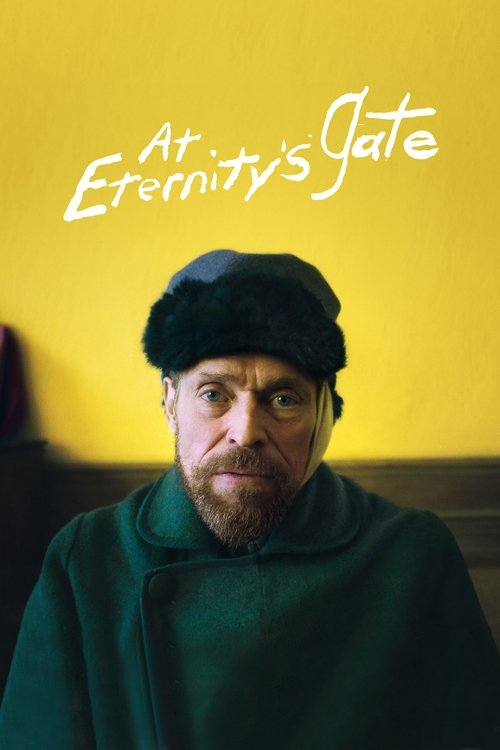
At Eternity's Gate
2018Famed but tormented artist Vincent van Gogh spends his final years in Arles, France, painting masterworks of the natural world that surrounds him.
Dafoe fully inhabits the frantic, sensory world of Vincent van Gogh, eschewing standard biopic tropes for a visceral exploration of the artistic process. By capturing the urgent, agonizing connection between the painter’s eye and the canvas, he delivers a late-career triumph of pure, unadulterated vulnerability.
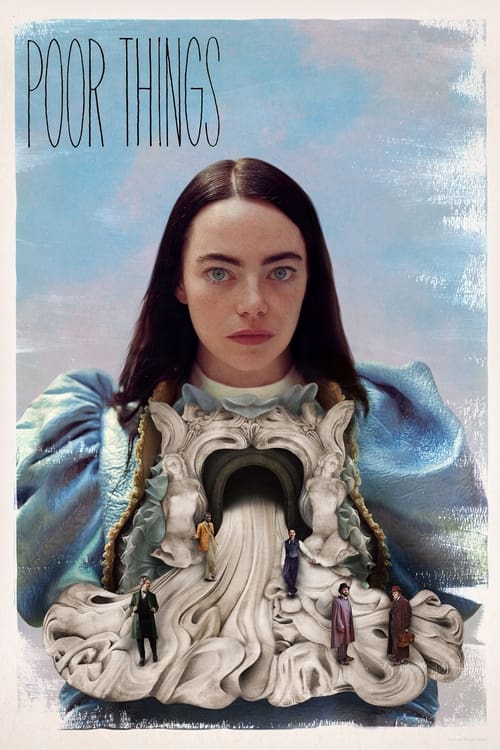
Poor Things
2023Brought back to life by an unorthodox scientist, a young woman runs off with a lawyer on a whirlwind adventure across the continents. Free from the prejudices of her times, she grows steadfast in her purpose to stand for equality and liberation.
Portraying a disfigured man of science, Dafoe navigates the delicate line between God-complex arrogance and genuine fatherly affection. He brings a bizarrely touching dignity to a character literally stitched together by trauma, grounding the film's surrealist aesthetic in deep-seated emotional logic.
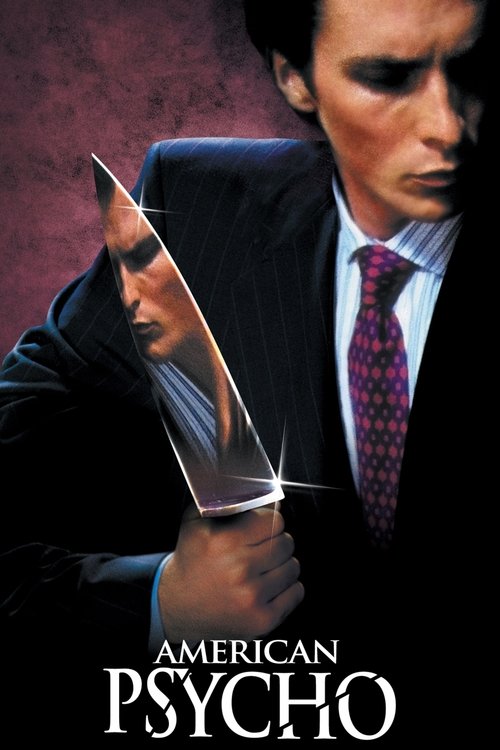
American Psycho
2000A wealthy New York investment banking executive hides his alternate psychopathic ego from his co-workers and friends as he escalates deeper into his illogical, gratuitous fantasies.
Dafoe anchors the film’s surreal paranoia with an unnerving, shape-shifting ambiguity, playing Detective Donald Kimball as if he is simultaneously three steps ahead and completely clueless. By filming his scenes with three different tonal deliveries and editing them into a single, disjointed performance, he masterfully weaponizes his idiosyncratic intensity to unmask Patrick Bateman’s fragility. It remains a masterclass in his career-long ability to dominate a frame through subtle, skin-crawling eccentricity rather than overt theatrics.
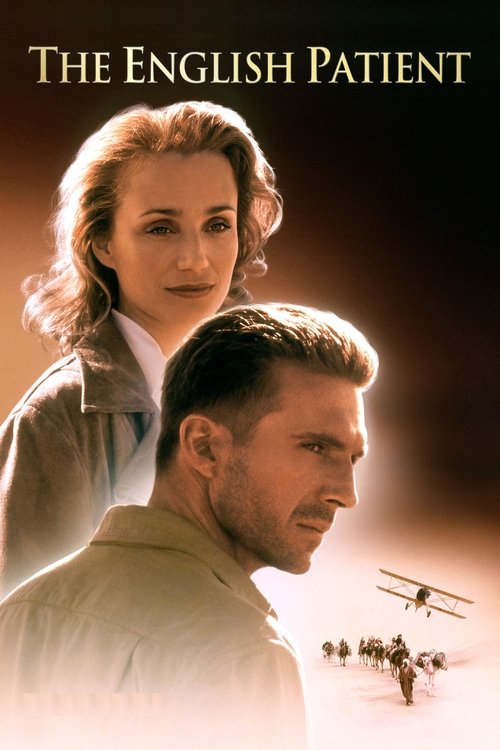
In the 1930s, Count Almásy is a Hungarian map maker employed by the Royal Geographical Society to chart the vast expanses of the Sahara Desert along with several other prominent explorers. As World War II unfolds, Almásy enters into a world of love, betrayal, and politics.
Dafoe delivers a masterclass in controlled, simmering vengeance, using his predatory stillness to ground the film’s sweeping romanticism in gritty noir reality. He transforms the thumb-less Caravaggio into a haunting specter of moral reckoning, proving he could command a prestige epic with the same twitchy, haunted intensity found in his cult classic roles. It is a cynical, sharp-edged performance that provides the movie's essential, jagged heartbeat.
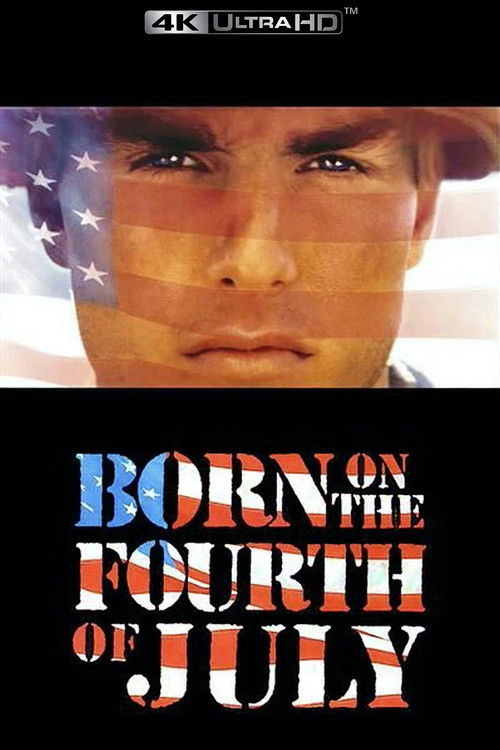
Paralyzed in the Vietnam war, Ron Kovic becomes an anti-war and pro-human rights political activist after feeling betrayed by the country he fought for.
Dafoe is a jagged bolt of lightning in the Mexican desert, playing a paraplegic veteran who has traded patriotism for a nihilistic, tequila-soaked rage. He maneuvers his wheelchair like a weapon, matching Tom Cruise’s intensity with a feral, unhinged cynicism that solidified his reputation as Hollywood’s premier agent of chaos. It is a brief but searing masterclass in physical transformation that proved Dafoe could hijack an entire movie with nothing but a sneer and a thousand-yard stare.
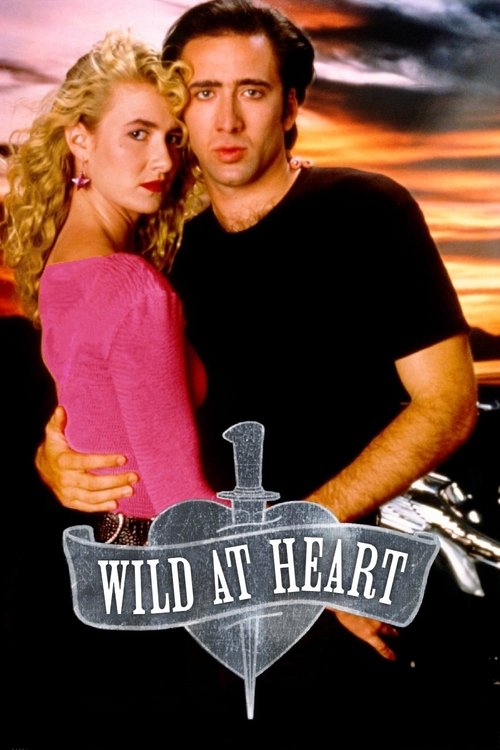
Wild at Heart
1990Young lovers Sailor and Lula hit the road to start a new life together away from the wrath of Lula’s deranged, disapproving mother, who has hired a team of hitmen to cut the lovers’ surreal honeymoon short.
Willem Dafoe’s turn as the snaggle-toothed Bobby Peru is a masterstroke of high-octane sleaze, radiating a physical repulsiveness that borders on the supernatural. By transforming into a sweating, predatory nightmare, Dafoe solidified his reputation as cinema's premier chaotic character actor, proving he could hijack an entire film with nothing but a pencil mustache and a sinister, over-the-top grin.

The Grand Budapest Hotel tells of a legendary concierge at a famous European hotel between the wars and his friendship with a young employee who becomes his trusted protégé. The story involves the theft and recovery of a priceless Renaissance painting, the battle for an enormous family fortune and the slow and then sudden upheavals that transformed Europe during the first half of the 20th century.
Playing a silent, knuckle-dusted enforcer, Dafoe serves as the sharp, menacing edge of Wes Anderson’s whimsical pastry box. He weaponizes his striking facial architecture to convey sheer intimidation without needing a word of dialogue, showcasing his efficiency as a high-concept physical villain.
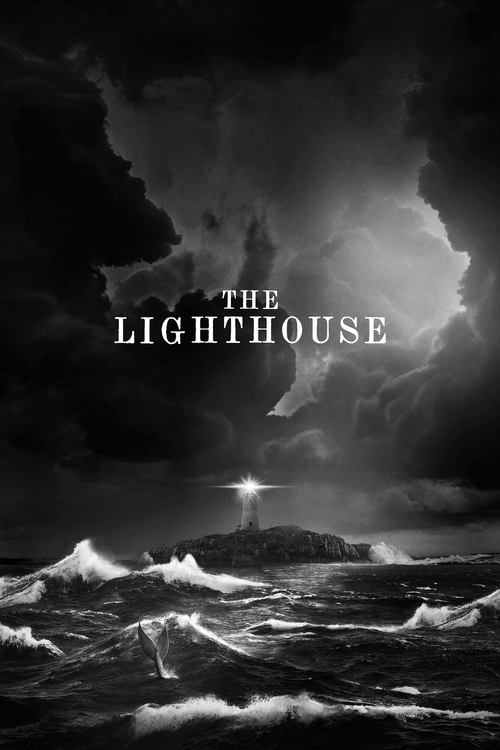
The Lighthouse
2019Two lighthouse keepers try to maintain their sanity while living on a remote and mysterious New England island in the 1890s.
As a flatulent, sea-shanty-spewing lighthouse keeper, Dafoe unleashes a torrential masterclass in maritime mania and linguistic gymnastics. He dominates the frame with a weathered, gargoyle-like physicality that proves no one else can teeter on the edge of cosmic insanity with such terrifying conviction.
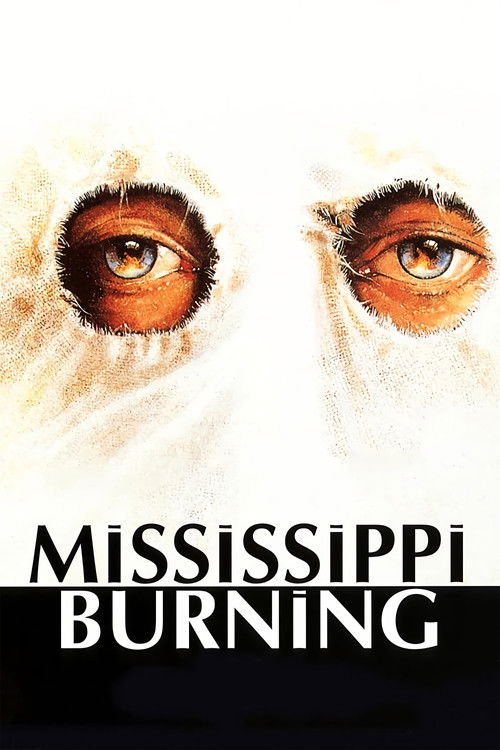
Two FBI agents investigating the murder of civil rights workers during the 60s seek to breach the conspiracy of silence in a small Southern town where segregation divides black and white. The younger agent trained in FBI school runs up against the small town ways of his partner, a former sheriff.
In a rare departure from his more eccentric roles, Dafoe anchors this civil rights thriller with a buttoned-down, bureaucratic intensity that simmers just beneath the surface. His portrayal of a rigid FBI agent provides the necessary ideological friction against Gene Hackman’s loose-cannon tactics, proving he can command a room through restraint alone.
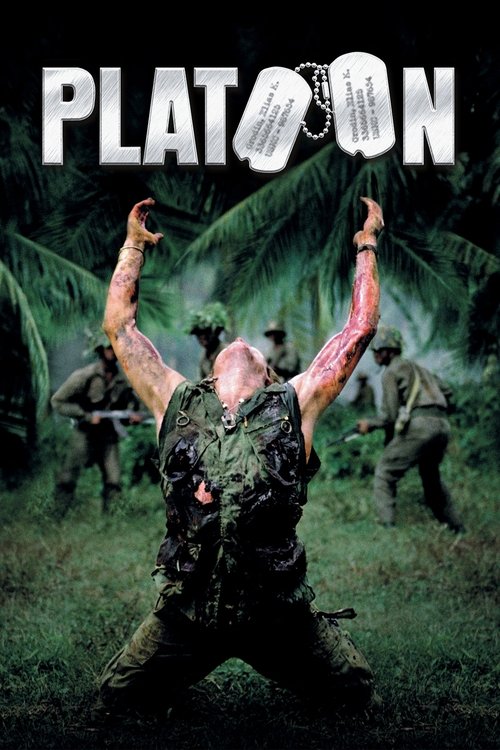
Platoon
1986As a young and naive recruit in Vietnam, Chris Taylor faces a moral crisis when confronted with the horrors of war and the duality of man.
Dafoe transcends the visceral grime of Oliver Stone’s jungle to become the film’s moral heartbeat, embodying a Christ-like grace that redefined the cinematic soldier. This transformative turn solidified his ability to occupy a saintly headspace amid senseless carnage, earning him his first Oscar nod and establishing his iconographic status.
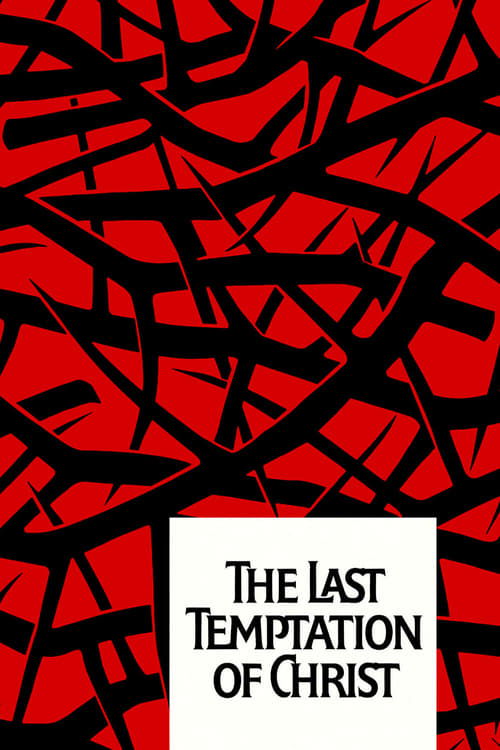
Jesus, a humble Judean carpenter beginning to see that he is the son of God, is drawn into revolutionary action against the Roman occupiers by Judas -- despite his protestations that love, not violence, is the path to salvation. The burden of being the savior of mankind torments Jesus throughout his life, leading him to doubt.
Dafoe grounds the ethereal in a startlingly human vulnerability, replacing stiff iconography with a raw, sweat-soaked portrait of spiritual agony. It remains his most daring transformation, proving he could anchor a massive epic by blending bone-deep exhaustion with a quiet, terrifying conviction. This is the moment the perennial character actor revealed the soul of a definitive leading man.
Frequently Asked Questions
Everything you need to know about this list and SnakeDrafts
- Willem Dafoe shines in dramatic roles like 'The Last Temptation of Christ,' where his intense portrayal captivates audiences, and 'Platoon,' which showcases his raw depiction of the Vietnam War's psychological toll. These films highlight his capability to deliver deeply nuanced and powerful performances.
- Dafoe's versatility is evident in films such as 'Mississippi Burning,' where he navigates the tense atmosphere of a civil rights investigation, and 'American Psycho,' which delves into dark psychological territory. His work in 'Inside Man' also showcases his skill in crime drama thrillers.
- Dafoe seamlessly adapts to a wide range of directorial visions, from Martin Scorsese's intense storytelling in 'The Last Temptation of Christ' to Wes Anderson’s whimsical tone in 'The Grand Budapest Hotel.' His adaptability makes him one of the most dynamic actors capable of fitting into diverse cinematic aesthetics.
- Yes, Dafoe appears in science fiction and fantasy movies like 'Poor Things,' a blend of sci-fi and romance, and the dark fantasy thriller 'The Lighthouse.' These roles demonstrate his ability to inhabit surreal and imaginative narratives convincingly.
- Common themes across Dafoe’s films include existential struggle, moral complexity, and identity crises. Movies like 'Platoon,' 'The Last Temptation of Christ,' and 'The Lighthouse' explore these intense human experiences through his compelling character portrayals.
- Dafoe's distinct, expressive face and commanding presence bring an almost primal energy to the screen, perfectly complementing his diverse roles. This unique physiognomy enhances his ability to portray characters oscillating between vulnerability and menace, as seen in films like 'Wild at Heart' and 'The Florida Project.'
- Dafoe delivers memorable performances in ensemble casts such as 'The Grand Budapest Hotel,' 'Mississippi Burning,' and 'Platoon.' His ability to stand out even among strong ensembles highlights his magnetic screen presence and acting prowess.
- Definitely. His recent work in films like 'Poor Things' and 'The Lighthouse' has garnered critical praise, demonstrating his continued relevance and excellence in the film industry. These roles affirm his status as a versatile and enduring actor.

