The Ultimate Mike Nichols Movie Rankings
Master of Satire and Human Drama
Explore the legendary filmography of Mike Nichols, from groundbreaking New Hollywood classics to sharp social satires and award-winning dramas.
About Mike Nichols

To watch a film by Mike Nichols is to be invited into a room where the air is thick with things left unsaid. He was the cinema’s ultimate observer of the human comedy, a man who understood that life is often a series of sophisticated negotiations conducted in high-end living rooms or dimly lit bedrooms. His lens never felt like a detached observer. Instead, it operated with the surgical precision of an ethnographer who happened to have a wicked sense of humor and a deep well of empathy for the flawed and the ambitious.
The brilliance of his transition from high-stakes sketch comedy to the director’s chair lay in his rhythmic control over dialogue. In Who's Afraid of Virginia Woolf, he took the claustrophobia of a crumbling marriage and turned it into an operatic battlefield, proving that he could make a domestic interior feel as vast and dangerous as any western. He repeated this magic trick with The Graduate, capturing a specific brand of suburban malaise that defined a generation. That film remains a masterclass in visual storytelling, where every frame of Benjamin Braddock staring through a fish tank or floating aimlessly in a pool articulated a profound sense of isolation that words could not touch.
What separated him from his contemporaries was his refusal to be pinned down by a single genre. He could pivot from the biting social critique of Carnal Knowledge to the high-stakes corporate hustle of Working Girl without losing his signature wit. He possessed an uncanny ability to navigate the intersection of the personal and the political, whether he was exploring the whistleblowing tension of Silkwood or the satirical absurdity of a presidential campaign in Primary Colors. He treated every script with a jeweler’s eye, finding the glint of truth in the messy, often contradictory ways people attempt to connect with one another.
In his later work, he sharpened these instincts further. Closer is perhaps the rawest distillation of his fascination with the cruelty and intimacy of modern romance, stripped of artifice and delivered with a bruising honesty. Yet, he could just as easily lean into the vibrant, joyous chaos of The Birdcage, a film that showcases his impeccable sense of comedic timing and his underlying belief in the necessity of family, however unconventional. Even when delving into historical drama with Charlie Wilson's War or the surrealism of Catch-22, his focus remained squarely on the performers. He was an actor’s director in the truest sense, coaxing out career-best turns from legends and newcomers alike because he understood that the most compelling special effect in cinema is a face reacting to a secret.
His legacy is built on these moments of collision. Whether it is the drug-fueled volatility of Postcards from the Edge or the domestic friction of Heartburn, his films vibrate with the energy of real people trying, and often failing, to be their best selves. He took the art of the conversation and elevated it to a high-wire act, reminding us that while life is frequently a tragedy in the moment, it is almost always a comedy in the long run. By the time he reached his final projects, he had perfected a style that was invisible yet unmistakable, a blend of urbanity and soul that remains the gold standard for grown-up filmmaking.

Wolf
1994An aging publisher becomes a demon wolf and, with this newfound youthful vigor, fights to keep his job.
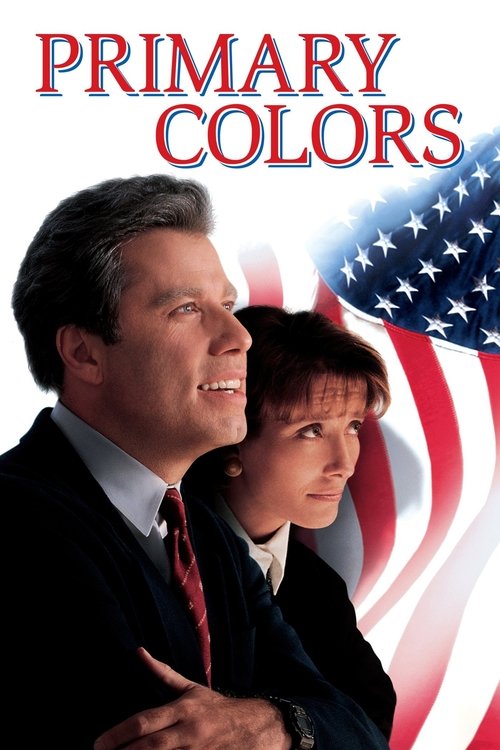
Primary Colors
1998In this adaptation of the best-selling roman à clef about Bill Clinton's 1992 run for the White House, the young and gifted Henry Burton is tapped to oversee the presidential campaign of Governor Jack Stanton. Burton is pulled into the politician's colorful world and looks on as Stanton -- who has a wandering eye that could be his downfall -- contends with his ambitious wife, Susan, and an outspoken adviser, Richard Jemmons.
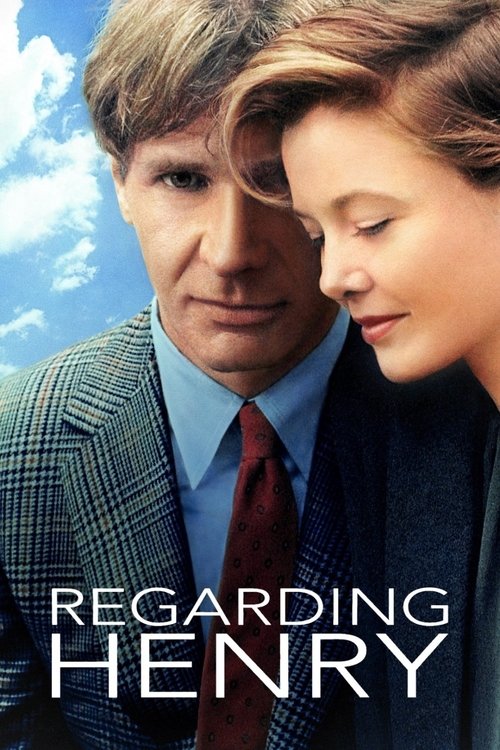
Regarding Henry
1991After being shot, a lawyer loses his memory and must relearn speech and mobility, but he has a loving family to support him.
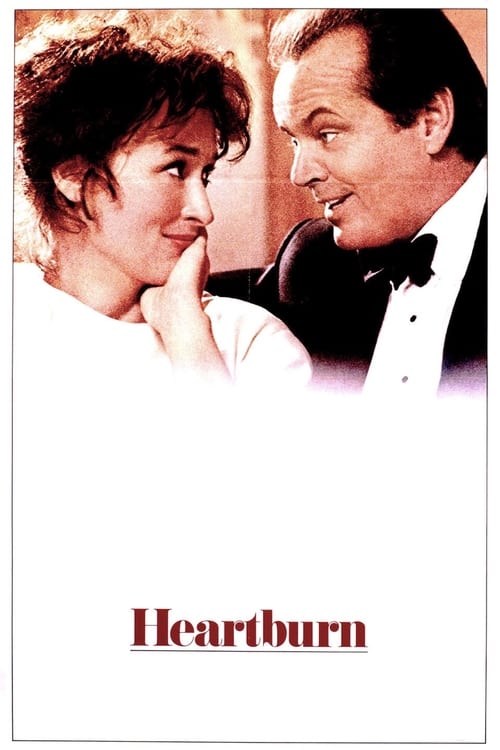
Heartburn
1986She's a magazine writer who gives up her career for love and family. He's a playboy newspaper columnist who can't quite give up his old tricks. And if that combination doesn't give a relationship heartburn, nothing will.
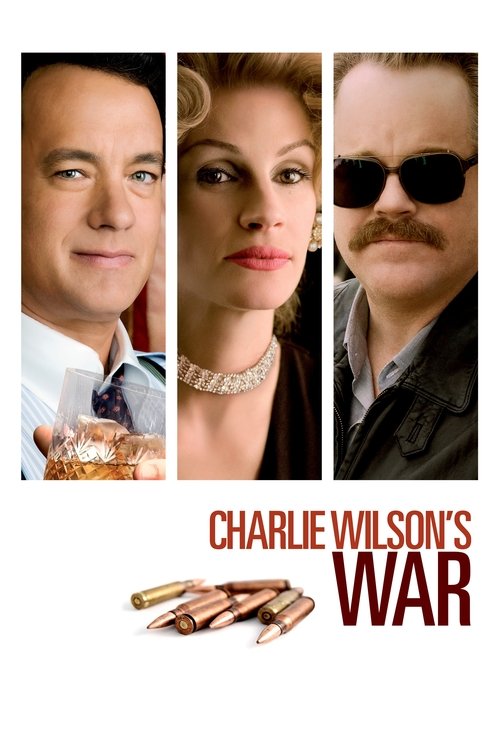
Charlie Wilson's War
2007A Texas congressman sets a series of events in motion when he conspires with a CIA operative to aid Afghan mujahideen rebels fighting the Soviets.
In his final feature, Nichols showcases a lean, conversational agility that turns geopolitical maneuvering into a high-speed verbal ballet. It reflects a lifelong fascination with the intersection of private eccentricity and public power, delivered with the polish of a veteran craftsman.
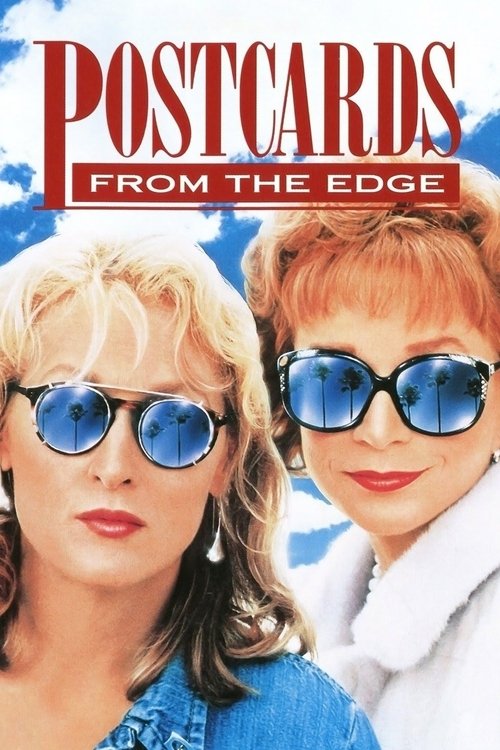
Postcards from the Edge
1990A substance-addicted actress tries to look on the bright side even as she's forced to move back in with her mother to avoid unemployment.
By blending acerbic wit with a deeply personal sense of melancholy, Nichols crafts a definitive portrait of the codependent relationship between Hollywood ego and substance abuse. His direction finds the perfect equilibrium between the theatricality of show business and the quiet desperation behind the curtain.
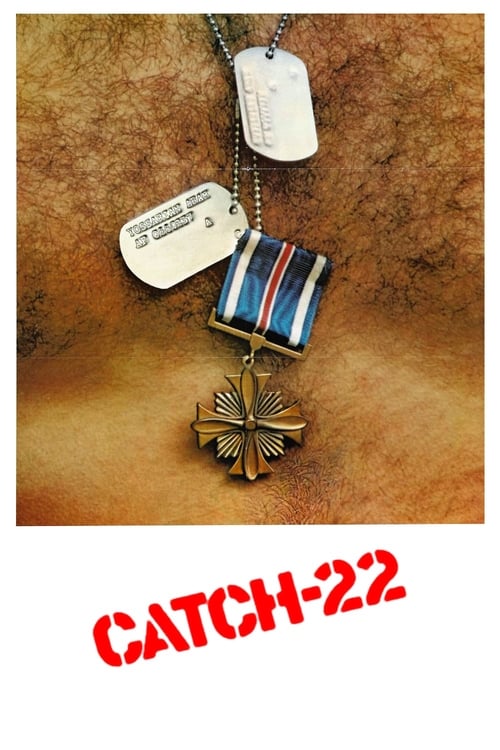
Catch-22
1970A WWII military pilot makes a valiant effort to be certified insane in order to be excused from flying missions. But there's a catch.
The director embraces a fragmented, kaleidoscopic structure to mirror the inherent insanity of bureaucratic warfare. Despite its difficult production, the film captures a surrealist grandeur that perfectly translates Heller’s circular logic into a visual fever dream.
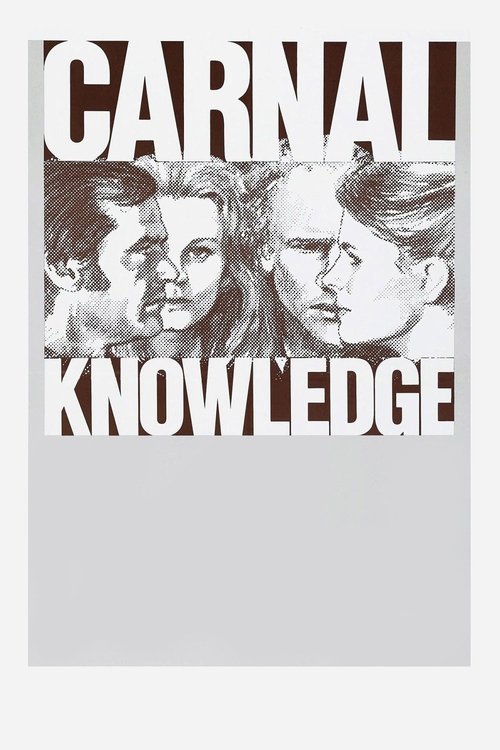
Carnal Knowledge
1971Two lifelong friends navigate complex sexual encounters and emotional entanglements, wrestling with societal norms and personal desires.
Nichols employs an unflinching, almost voyeuristic lens to deconstruct the myths of male virility over several decades. Its stark compositions and unsettling dialogue serve as a brutal interrogation of sexual politics that remains among the director's most provocative works.
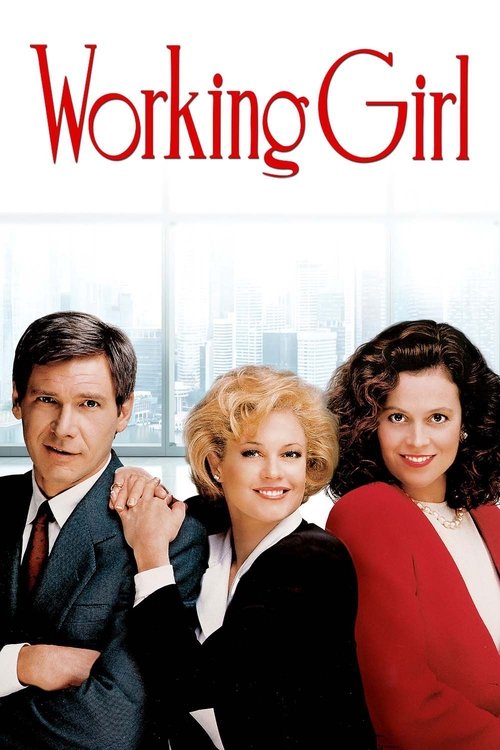
Working Girl
1988When a secretary's idea is stolen by her boss, she seizes an opportunity to steal it back by pretending she has her boss' job.
Framing the corporate ladder as a modern battlefield, Nichols captures the kinetic energy of Manhattan with a sophisticated, champagne-pop vitality. It is a rare example of a commercial romantic comedy directed with the precision and structural integrity of a prestige drama.
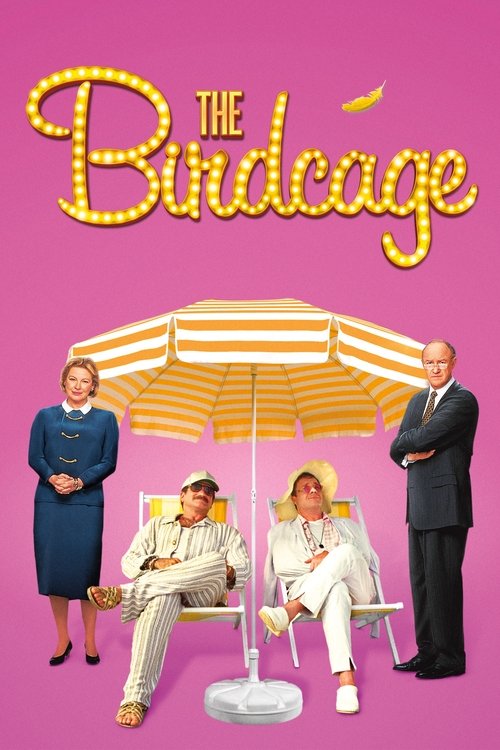
The Birdcage
1996A gay cabaret owner and his drag queen partner agree to put up a false heterosexual front so that their son can introduce them to his fiancée's conservative parents.
This vibrant exercise in high-farce demonstrates a flawless command of ensemble timing and spatial comedy. Nichols elevates the remake format by infusing a riotous comedy of manners with a sophisticated, empathetic heart that never sacrifices its sharp satirical edge.
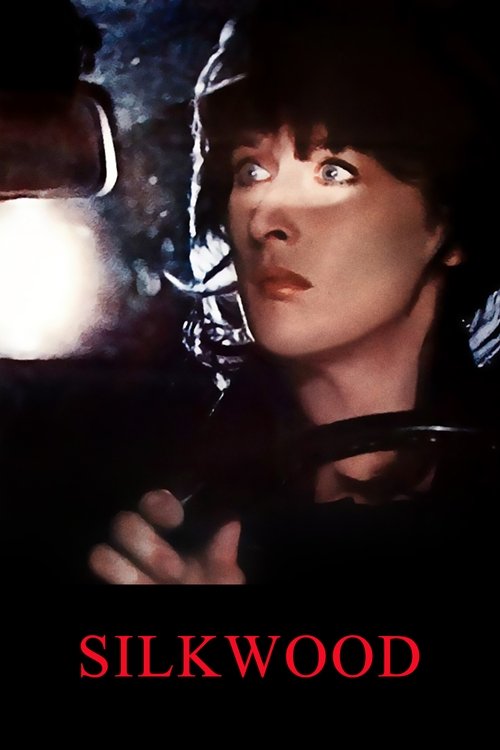
Silkwood
1983Like most of the people in her town, Karen Silkwood works at the local nuclear plant producing highly radioactive plutonium. Exposed one day to a lethal dose of radiation, Karen faces the blank walls of corporate indifference and denial. As her illness increases, her protest grows louder and she becomes an obvious danger to the powers that be.
Nichols pivots toward a gritty, naturalist realism that avoids the melodramatic traps of the whistle-blower subgenre. By grounding the narrative in the mundane textures of blue-collar life, he creates a haunting atmospheric tension that feels eerily prophetic.

Closer
2004The relationships of two couples become complicated and deceitful when the man from one couple meets the woman of the other.
Returning to his roots in caustic, stage-informed drama, Nichols utilizes a cold and clinical aesthetic to dissect the modern anatomy of betrayal. The film stands as his most cynical exploration of the distance between physical intimacy and emotional truth.
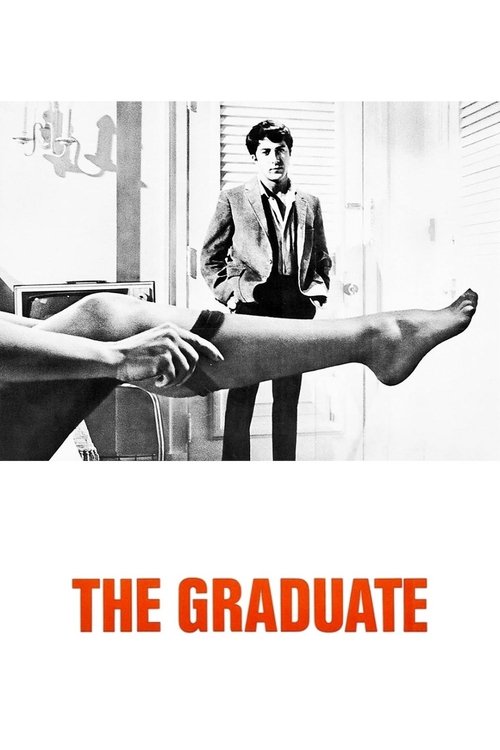
The Graduate
1967A disillusioned college graduate finds himself torn between his older lover and her daughter.
A landmark of the New Hollywood era, this film redefined the visual grammar of alienation through its innovative use of telephoto lenses and subversive editing. It established Nichols as the premier chronicler of the generational divide and the hollow promise of the American middle class.
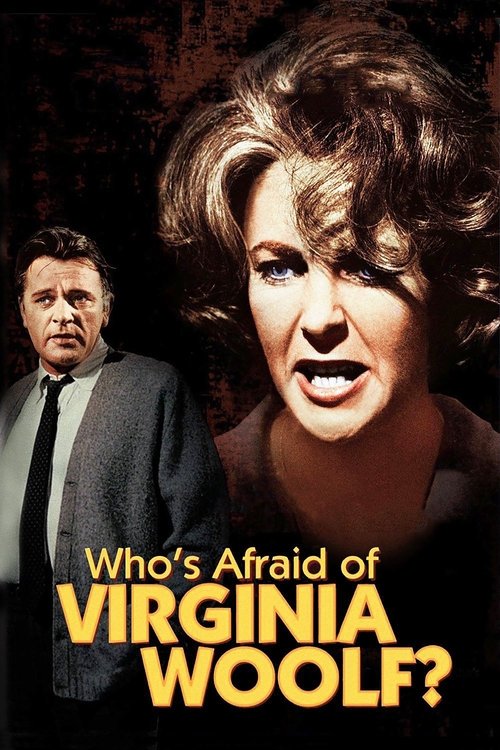
Who's Afraid of Virginia Woolf?
1966A history professor and his wife entertain a young couple who are new to the university's faculty. As the drinks flow, secrets come to light, and the middle-aged couple unload onto their guests the full force of the bitterness, dysfunction, and animosity that defines their marriage.
Nichols shattered the remnants of the Production Code by weaponizing theatrical artifice into a claustrophobic, cinematic bloodsport. This debut remains a masterclass in how to trap an audience within the psychological architecture of a failing marriage.
Frequently Asked Questions
Everything you need to know about this list and SnakeDrafts
- "Who's Afraid of Virginia Woolf?" tops the rankings for its intense exploration of complex marital dynamics and stellar performances that showcase Nichols' skill at directing emotionally charged drama. The film remains a landmark in New Hollywood cinema for its raw depiction of human relationships.
- Ranked second, "The Graduate" captures Nichols' keen eye for social satire and youthful alienation, blending comedy and drama seamlessly. It epitomizes his ability to navigate nuanced character studies within a sharply observed cultural critique.
- Nichols frequently explores themes of human connection, social satire, and the complexities of romantic and familial relationships. Films like "Closer," "Working Girl," and "Carnal Knowledge" highlight his interest in emotionally sophisticated negotiations and personal conflicts.
- "The Birdcage" stands out for its comedic brilliance and its progressive portrayal of LGBTQ+ themes with warmth and humor. Its presence in the ranking underscores Nichols' versatility and his ability to handle comedy that also carries social commentary.
- While classics like "The Graduate" and "Who's Afraid of Virginia Woolf?" are expected, entries such as "Wolf" and "Charlie Wilson's War" may surprise viewers due to their genre diversity, revealing Nichols' wide-ranging directorial talents beyond typical drama and comedy.
- "Silkwood" is a compelling example of Nichols' affinity for socially conscious storytelling, blending intense drama with real-world issues. The film's meticulous character focus and moral complexity reflect his ethnographic lens on human conflict.
- As a later work, "Closer" is noted for its sharp dialogue and intimate character dissection, hallmarks of Nichols' mature style. It showcases his enduring interest in the intricacies of adult relationships and emotional honesty.
- This inclusion highlights Nichols' directorial range, excelling in both comedy and drama to dissect human behavior from multiple angles. Films like "Working Girl" and "Primary Colors" balance humor with critical social insights, exemplifying his adaptability.