The Best Ben Stiller Movies Ranked
From Masterful Satire to Heartfelt Dramedy
Explore the definitive ranking of Ben Stiller's greatest films, featuring his most iconic comedic performances and directorial triumphs.
About Ben Stiller
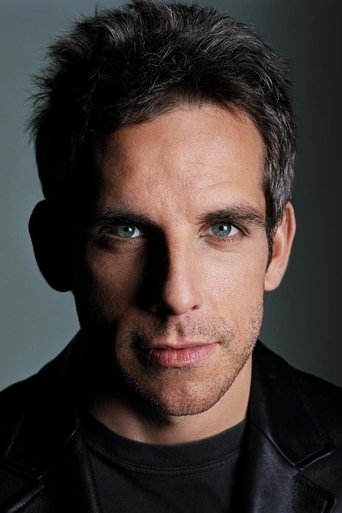
In the landscape of American comedy, few figures have mastered the art of the slow-burn cringe with as much precision as Ben Stiller. To watch him on screen is to witness a perpetual collision between an earnest man and a world designed to humiliate him. For decades, he has functioned as our primary vessel for the anxieties of the modern male, channeling every awkward silence and social catastrophe into a brand of comedy that is as punishing as it is hilarious. Whether he is being tortured by a hair-gel mishap in There’s Something About Mary or navigating the high-stakes terror of meeting a girlfriend’s father in Meet the Parents, he possesses a rare ability to ground absurdity in a deeply relatable, vein-popping frustration.
His trajectory suggests a restless creative spirit that refused to be boxed into the frat-pack mold. Early on, he captured the cynical, smoke-filled essence of the nineties with Reality Bites, a directorial debut that proved he understood the heartbeat of his generation just as much as he understood the mechanics of a joke. This duality defines his filmography. He can pivot from the high-concept, prosthetic-laden lunacy of Tropic Thunder—a biting satire of Hollywood ego—to the fragile, suburban melancholy of The Meyerowitz Stories (New and Selected). In the latter, he shed the manic energy of his blockbuster years to reveal a seasoned actor capable of profound stillness and resentment, proving that his comedic timing was always underpinned by a genuine dramatic weight.
There is a specific kind of vanity that he skewers better than anyone else. In Zoolander, he transformed the vacuity of the fashion industry into a surreal masterpiece of idiocy, creating a character so iconic that his facial expressions became a permanent fixture of the cultural lexicon. Yet, even when playing an egomaniacal dodgeball captain in DodgeBall: A True Underdog Story or a villainous nursing home orderly in Happy Gilmore, there is a technical rigor to his performance. He treats the ridiculous with total solemnity. This commitment is perhaps why audiences stayed with him as he transitioned into more whimsical, family-oriented fare like Night at the Museum and Madagascar. He brings a frantic, neurotic energy to these roles that prevents them from ever feeling saccharine.
As a filmmaker, his ambition often leans toward the visual and the existential. The Secret Life of Walter Mitty marked a significant shift, trading the slapstick for sweeping landscapes and a sincere exploration of human potential. Behind the camera, he has increasingly favored darkness and complexity, a trend that began as far back as his polarizing work on the subversive cult classic The Cable Guy. Today, he carries the reputation of a polymath—a veteran who survived the gross-out comedy boom of the late nineties by evolving into a sophisticated storyteller. We connect with him because he mirrors our own insecurities, showing us that even if the world is a relentless series of obstacles, there is something deeply noble, and incredibly funny, about refusing to stop trying.
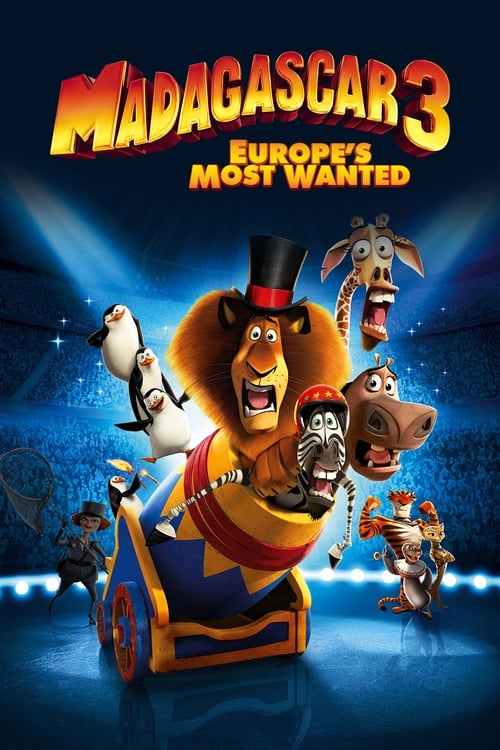
Madagascar 3: Europe's Most Wanted
2012Animal pals Alex, Marty, Melman, and Gloria are still trying to make it back to New York's Central Park Zoo. They are forced to take a detour to Europe to find the penguins and chimps who broke the bank at a Monte Carlo casino. When French animal-control officer Capitaine Chantel DuBois picks up their scent, Alex and company are forced to hide out in a traveling circus.
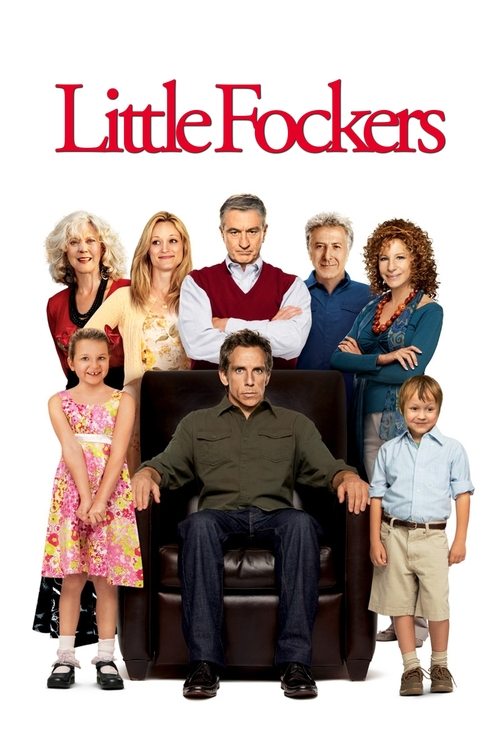
Little Fockers
2010It has taken 10 years, two little Fockers with wife Pam and countless hurdles for Greg to finally get in with his tightly wound father-in-law, Jack. After the cash-strapped dad takes a job moonlighting for a drug company, Jack's suspicions about his favorite male nurse come roaring back. When Greg and Pam's entire clan descends for the twins' birthday party, Greg must prove to the skeptical Jack that he's fully capable as the man of the house.
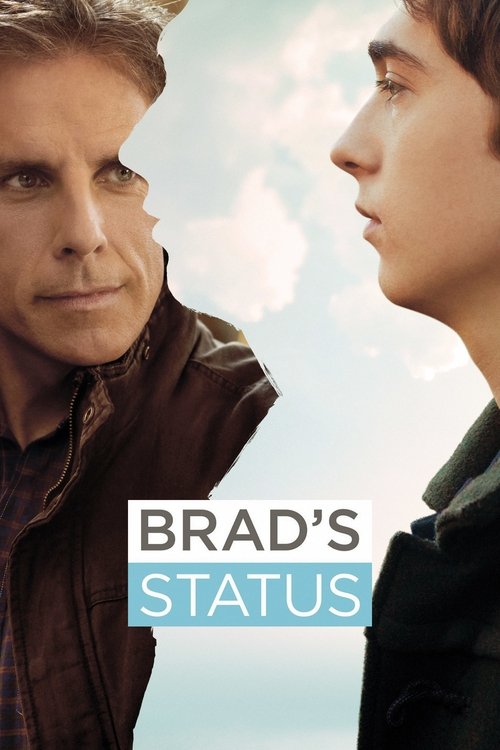
Brad's Status
2017Although Brad has a satisfying career, a sweet wife and a comfortable life in suburban Sacramento, things aren't quite what he imagined during his college glory days. When he accompanies his musical prodigy son on a university tour, he can't help comparing his life with those of his four best college friends who seemingly have more wealthy and glamorous lives. But when circumstances force him to reconnect with his former friends, Brad begins to question whether he has really failed or if their lives are actually more flawed than they appear.
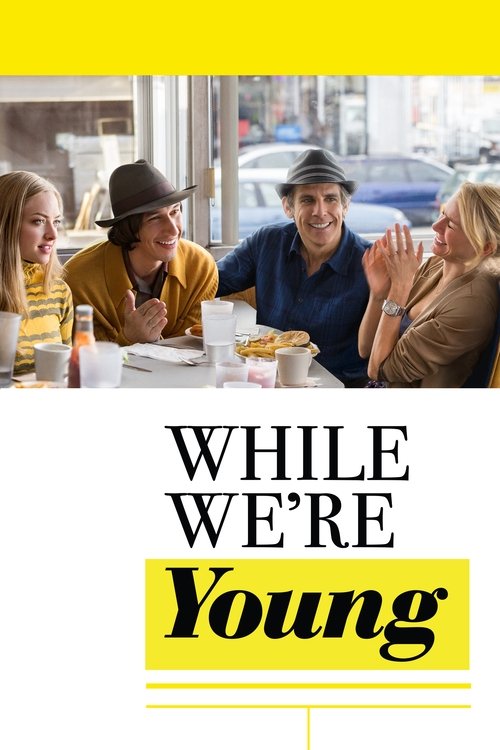
While We're Young
2015An uptight documentary filmmaker and his wife find their lives loosened up a bit after befriending a free-spirited younger couple.

Jamie Graham, a privileged English boy, is living in Shanghai when the Japanese invade and force all foreigners into prison camps. Jamie is captured with an American sailor, who looks out for him while they are in the camp together. Even though he is separated from his parents and in a hostile environment, Jamie maintains his dignity and youthful spirit, providing a beacon of hope for the others held captive with him.

Happy Gilmore 2
2025Happy Gilmore isn't done with golf — not by a long shot. Since his retirement after his first Tour Championship win, Gilmore returns to finance his daughter's ballet classes.
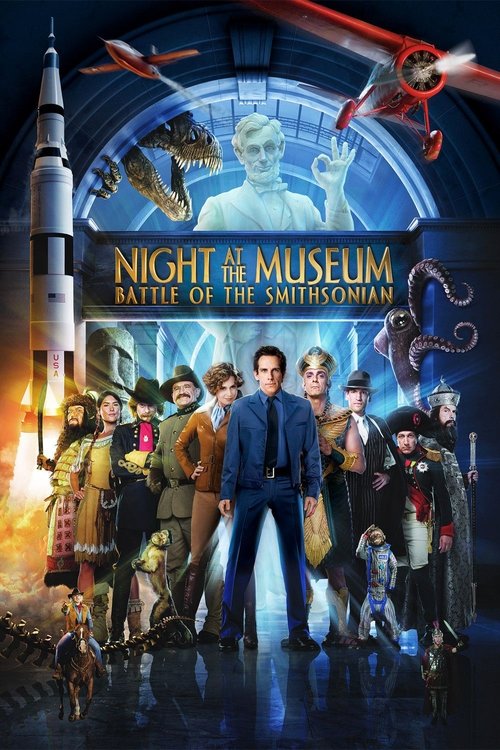
Hapless museum night watchman Larry Daley must help his living, breathing exhibit friends out of a pickle now that they've been transferred to the archives at the Smithsonian Institution. Larry's (mis)adventures this time include close encounters with Amelia Earhart, Abe Lincoln and Ivan the Terrible.
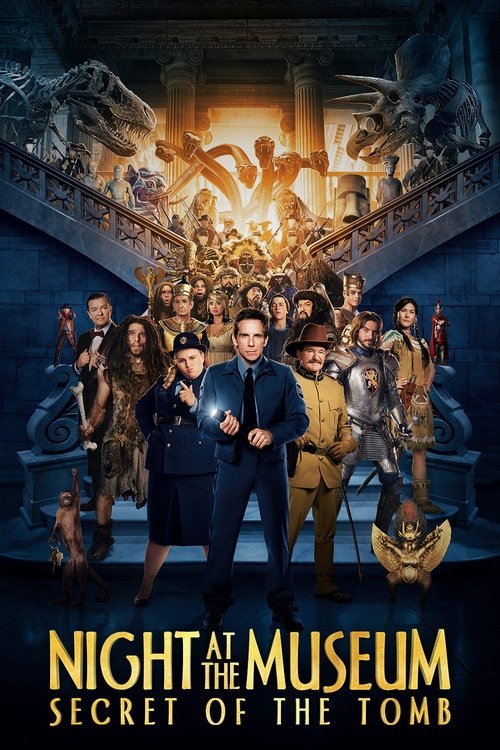
Night at the Museum: Secret of the Tomb
2014When the magic powers of The Tablet of Ahkmenrah begin to die out, Larry Daley spans the globe, uniting favorite and new characters while embarking on an epic quest to save the magic before it is gone forever.
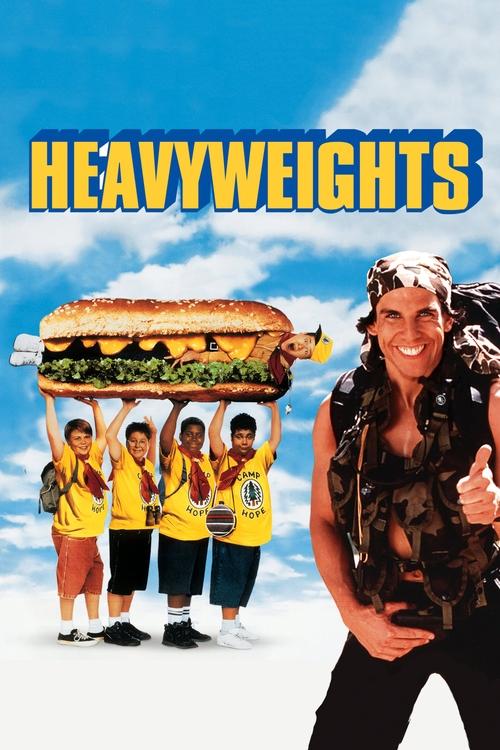
Heavyweights
1995Camp Hope is a summer retreat for overweight boys run by a kindly couple who make the campers feel comfortable with their extra pounds. But when tyrannical fitness guru Tony buys the camp, he puts the kids on a cruel regimen that goes too far. Sick of the endless weeks of "all work and no play," the kids stage a coup and reclaim their summer of fun.

Along Came Polly
2004Reuben Feffer is a guy who's spent his entire life playing it safe. Polly Prince is irresistible as a free-spirit who lives for the thrill of the moment. When these two comically mismatched souls collide, Reuben's world is turned upside down, as he makes an uproarious attempt to change his life from middle-of-the-road to totally-out-there.
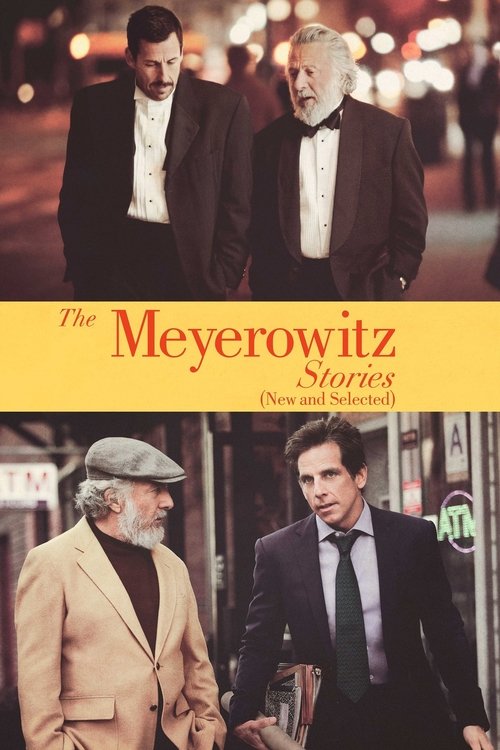
The Meyerowitz Stories (New and Selected)
2017An estranged family gathers together in New York for an event celebrating the artistic work of their father.
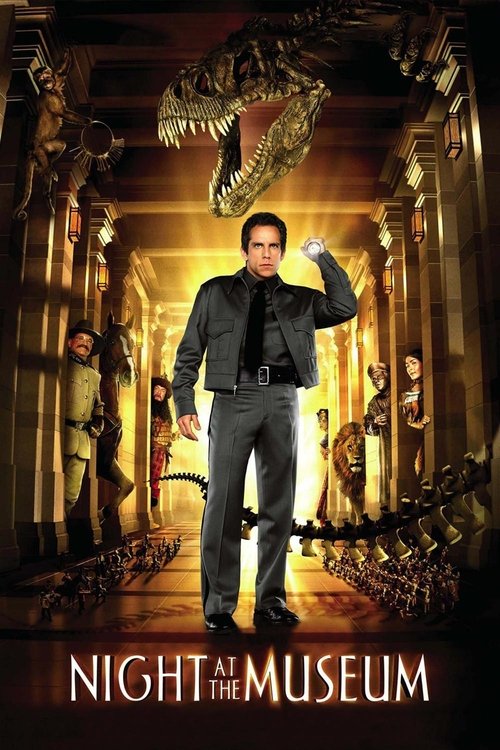
Night at the Museum
2006Chaos reigns at the natural history museum when night watchman Larry Daley accidentally stirs up an ancient curse, awakening Attila the Hun, an army of gladiators, a Tyrannosaurus rex and other exhibits.
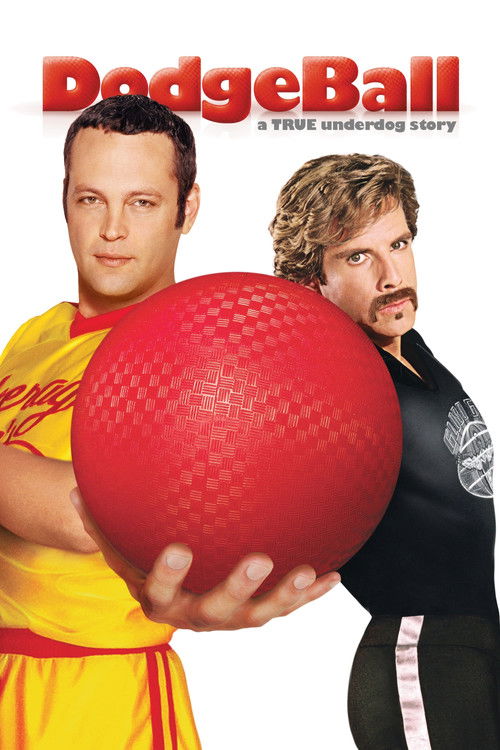
When megalomaniacal White Goodman, the owner of a trendy, high-end fitness center, makes a move to take over the struggling local gym run by happy-go-lucky Pete La Fleur, there's only one way for La Fleur to fight back: dodgeball. Aided by a dodgeball guru and Goodman's attorney, La Fleur and his rag-tag team of underdogs launch a knock-down, drag-out battle in which the winner takes all.
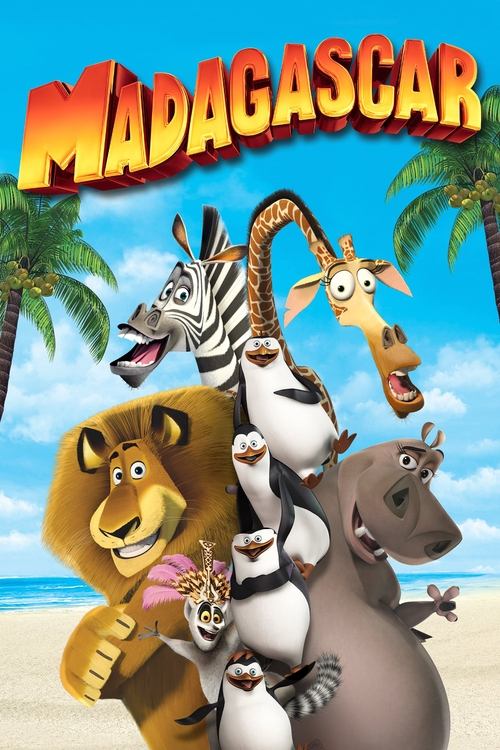
Madagascar
2005Four animal friends get a taste of the wild life when they break out of captivity at the Central Park Zoo and wash ashore on the island of Madagascar.
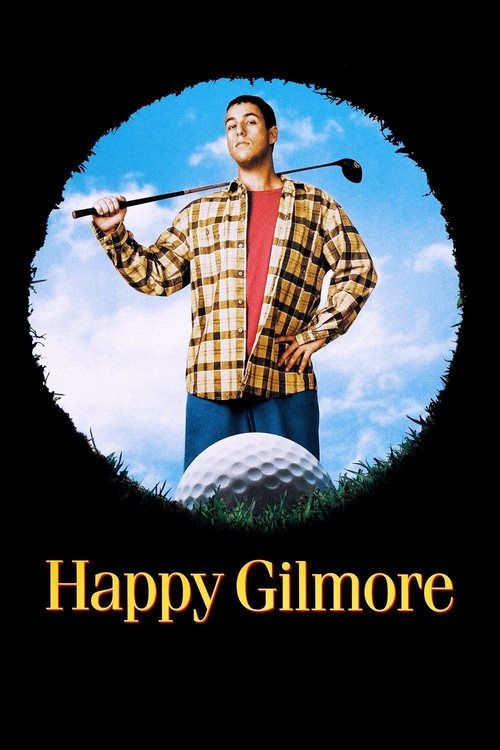
Happy Gilmore
1996Failed hockey player-turned-golf whiz Happy Gilmore — whose unconventional approach and antics on the green courts the ire of rival Shooter McGavin — is determined to win a PGA tournament so he can save his granny's house with the prize money. Meanwhile, an attractive tour publicist tries to soften Happy's image.
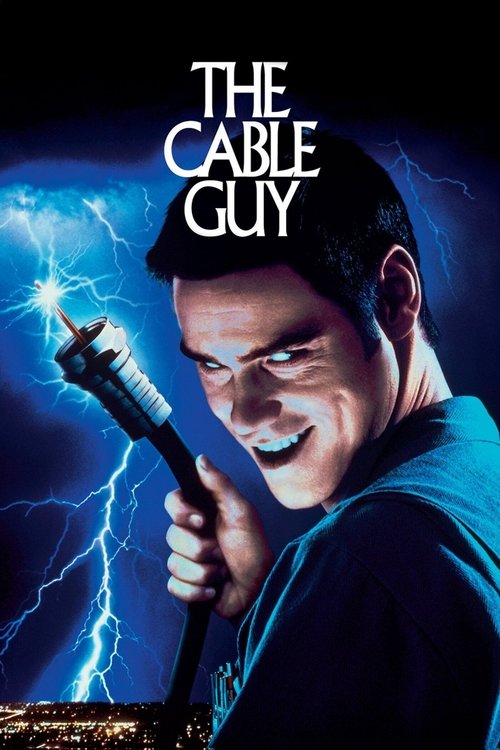
The Cable Guy
1996When recently single Steven moves into his new apartment, cable guy Chip comes to hook him up—and doesn't let go. Initially, Chip is just overzealous in his desire to be Steven's pal, but when Steven tries to end the 'friendship', Chip shows his dark side. He begins stalking Steven, who's left to fend for himself because no one else can believe Chip's capable of such behaviour.
Directing from behind the camera while pulling double duty as the twin Sweeten brothers, Stiller weaponizes his trademark neurotic intensity to create a hilarious, tabloid-ready caricature of Hollywood narcissism. This performance serves as a crucial blueprint for his career, bridging the gap between his sketch comedy roots and the curated ego-maniacs he would later perfect in Zoolander and Dodgeball. He steals his own movie by leaning into a frantic, media-saturated absurdity that grounds the film's dark satire.
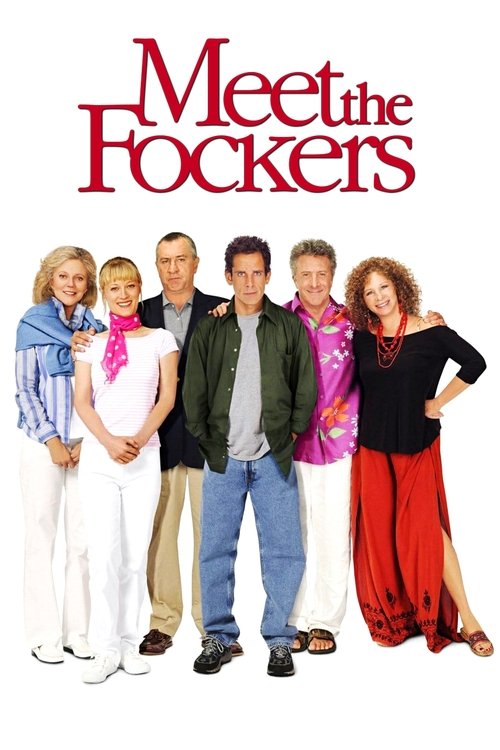
Meet the Fockers
2004Hard-to-crack ex-CIA man Jack Byrnes and his wife Dina head for the warmer climes of Florida to meet the parents of their son-in-law-to-be, Greg Focker. Unlike their happily matched offspring, the future in-laws find themselves in a situation of opposites that definitely do not attract.
Stiller masterfully weaponizes his signature brand of high-anxiety physical comedy, transforming Everyman Greg Focker into a relatable vessel for secondhand embarrassment. This performance solidified his status as the premier architect of the mid-2000s cringe-comedy era, proving he could hold his own as a grounded foil to heavyweight scene-stealers. He navigates the absurdity with a frantic, reactive energy that turned his neurotic persona into a defining cinematic archetype.
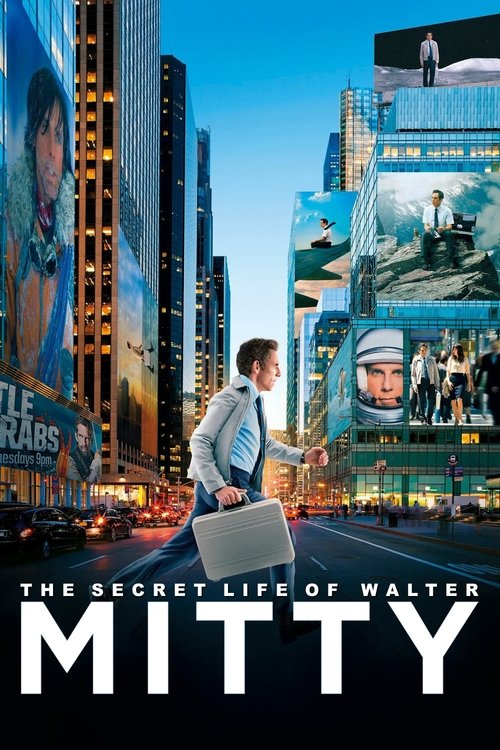
The Secret Life of Walter Mitty
2013A timid magazine photo manager who lives life vicariously through daydreams embarks on a true-life adventure when a negative goes missing.
Stiller sheds his signature neurotic hyperactivity for a soulful, understated interiority that bridges the gap between his comedic roots and newfound dramatic maturity. It is a defining pivot in his career, trading manic outbursts for a quiet, earnest vulnerability that grounds the film’s whimsical scale in genuine human longing.
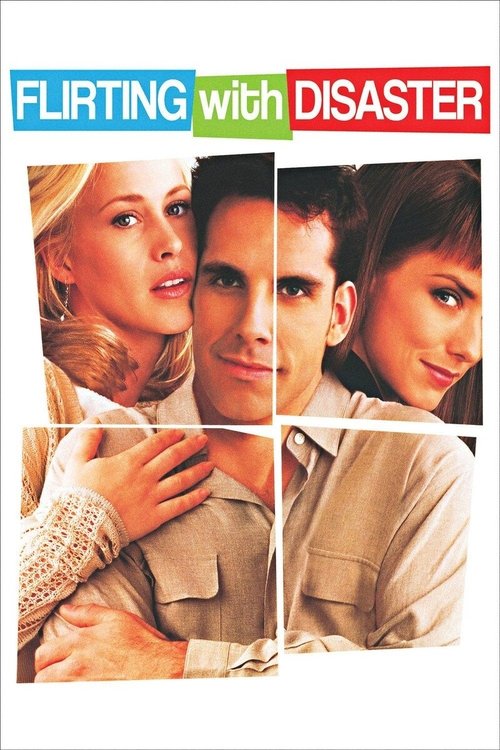
Adopted as a child, new father Mel Colpin decides he cannot name his son until he knows his birth parents, and determines to make a cross-country quest to find them. Accompanied by his wife, Nancy, and an inept yet gorgeous adoption agent, Tina, he departs on an epic road trip that quickly devolves into a farce of mistaken identities, wrong turns, and overzealous and love-struck ATF agents.
Stiller masterfully weaponizes his signature neurosis, trading broad slapstick for a grounded, high-tension discomfort that anchors the film’s chaotic energy. This role served as the definitive blueprint for his "anxious everyman" persona, proving he could navigate sophisticated indie satire just as effectively as sketch comedy. He transforms a man’s identity crisis into a masterclass in reactive timing and slow-burn irritability.
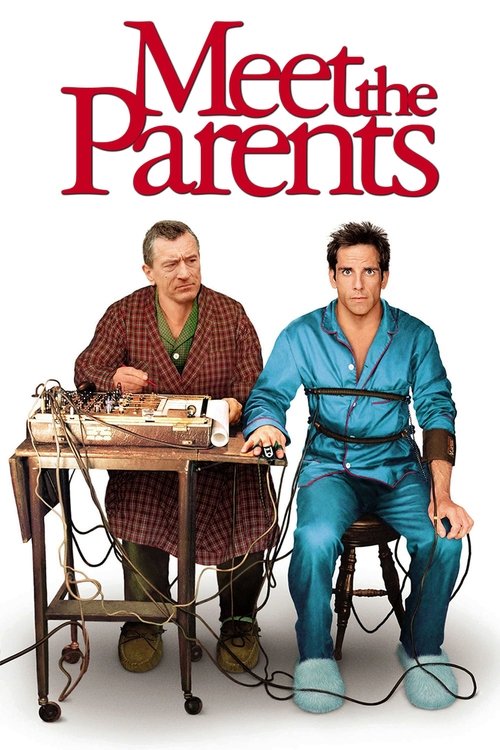
Meet the Parents
2000Greg Focker is ready to marry his girlfriend, Pam, but before he pops the question, he must win over her formidable father, humorless former CIA agent Jack Byrnes, at the wedding of Pam's sister. As Greg bends over backward to make a good impression, his visit to the Byrnes home turns into a hilarious series of disasters, and everything that can go wrong does, all under Jack's critical, hawklike gaze.
Stiller masochistically perfects the role of the suburban punching bag, weaponizing an anxious, slow-burn irritability that would become his career-defining trademark. He navigates a minefield of escalating humiliations with a brittle desperation that transformed him from a sketch comedian into Hollywood’s premier avatar for relatable male inadequacy. It is a masterful exercise in cringe-comedy endurance.
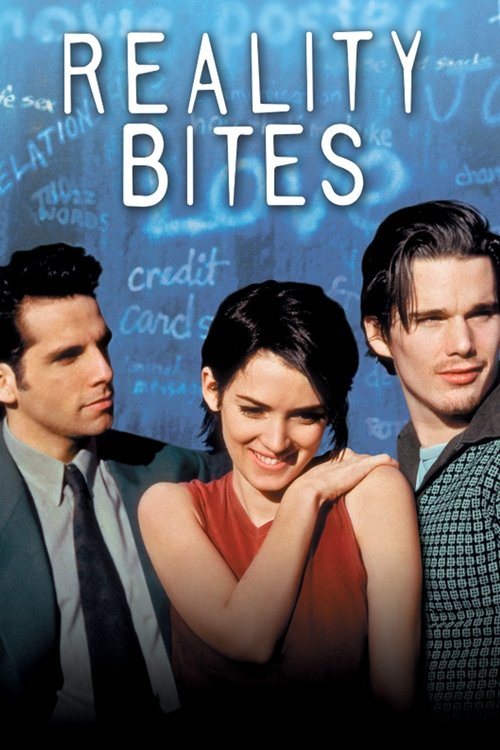
Reality Bites
1994A small circle of friends suffering from post-collegiate blues must confront the hard truth about life, love and the pursuit of gainful employment. As they struggle to map out survival guides for the future, the Gen-X quartet soon begins to realize that reality isn't all it's cracked up to be.
Stiller masterfully weaponizes his own comic rigidity to play the quintessential corporate foil, turning Michael Grates into a cringe-inducing yet strangely empathetic suit. This role proved he could direct himself with ego-free precision, pivoting away from sketch comedy to establish the high-strung, deadpan persona that would define his leading-man career for the next decade. He serves as the film’s essential tonal anchor, expertly balancing yuppie earnestness against the irony-drenched armor of his Gen X costars.
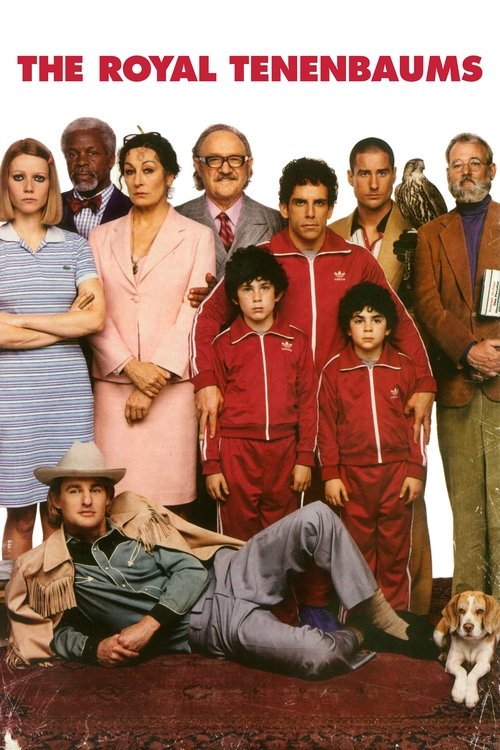
Royal Tenenbaum and his wife Etheline had three children and then they separated. All three children are extraordinary --- all geniuses. Virtually all memory of the brilliance of the young Tenenbaums was subsequently erased by two decades of betrayal, failure, and disaster. Most of this was generally considered to be their father's fault. "The Royal Tenenbaums" is the story of the family's sudden, unexpected reunion one recent winter.
Stiller masterfully peels back his usual frantic persona to reveal a brittle, soul-crushing anxiety, playing Chas as a man physically incapable of processing grief. It remains a pivotal turn that proved he could weaponize his high-strung intensity for genuine pathos rather than just broad gags. He transforms a uniform of red tracksuits into a heartbreaking suit of armor, anchoring Wes Anderson’s whimsy with a jagged, deeply felt paternal resentment.
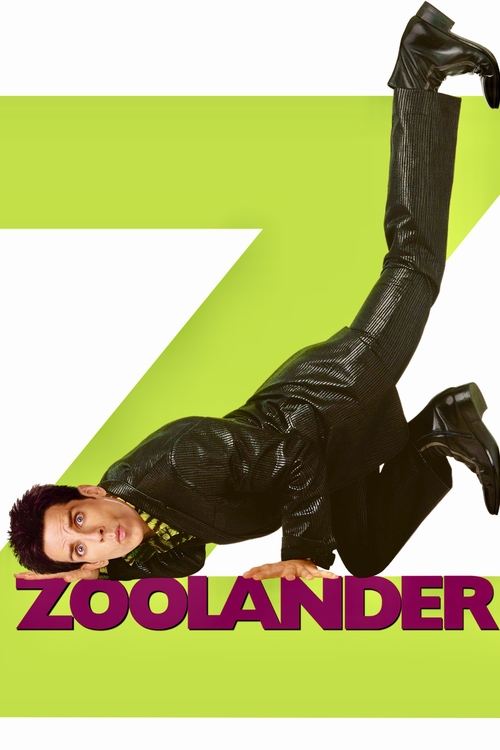
Zoolander
2001Clear the runway for Derek Zoolander, VH1's three-time male model of the year. His face falls when hippie-chic Hansel scooters in to steal this year's award. The evil fashion guru Mugatu seizes the opportunity to turn Derek into a killing machine. It's a well-designed conspiracy and only with the help of Hansel and a few well-chosen accessories like Matilda can Derek make the world safe for male models everywhere.
Stiller crafts a masterpiece of high-stakes idiocy, anchoring the film’s surrealist satire with a vacant, Blue Steel intensity that remains the definitive blueprint for his "confident moron" archetype. By fully committing to Derek’s fashion-obsessed vapidity without ever winking at the camera, he transformed a sketch-comedy premise into a monumental comedic legacy. It is the role that cemented his status as a titan of early-2000s studio comedy, proving he could balance broad physicality with pitch-perfect deadpan timing.
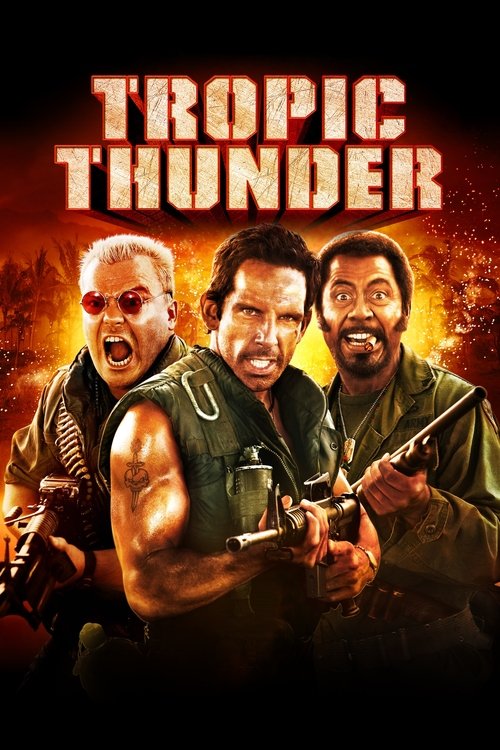
Tropic Thunder
2008A group of self-absorbed actors set out to make the most expensive war film ever. After ballooning costs force the studio to cancel the movie, the frustrated director refuses to stop shooting, leading his cast into the jungles of Southeast Asia, where they encounter real bad guys.
Stiller masterfully skewers the vanity of the fading action hero through Tugg Speedman, delivering a performance defined by vacant stares and desperate, misplaced intensity. By balancing bone-headed slapstick with a biting satire of Method acting, he proved he could dismantle his own superstar persona while anchoring one of the era’s most daring ensemble comedies. He doesn't just play the fool; he deconstructs the narcissism of the entire Hollywood machine.
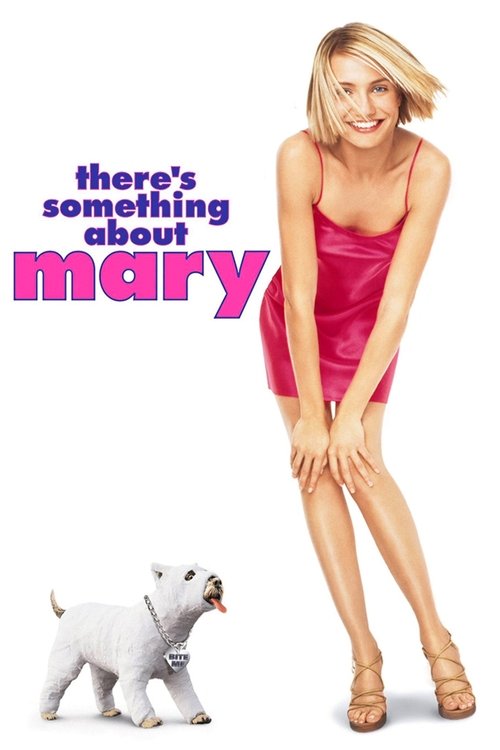
For Ted, prom night went about as bad as it’s possible for any night to go. Thirteen years later, he finally gets another chance with his old prom date, only to run up against other suitors including the sleazy detective he hired to find her.
Stiller masterfully weaponizes his signature brand of high-anxiety vulnerability, turning a role defined by physical humiliation and neurotic yearning into an underdog we can’t help but root for. His performance didn't just cement his status as a comedy A-lister; it perfected the "cringe-hero" archetype that would define the next decade of his career. He anchors the film’s most outrageous sight gags with a grounded, painful sincerity that makes the absurdity land twice as hard.
Frequently Asked Questions
Everything you need to know about this list and SnakeDrafts
- Tropic Thunder exemplifies Ben Stiller's dual talents as both director and lead actor, combining action, comedy, and war themes in a satirical look at Hollywood's blockbuster productions.
- 'Zoolander' is a quintessential Ben Stiller film that highlights his knack for absurd, character-driven comedy, portraying a dim-witted male model in a satire that balances slapstick with sharp social commentary.
- 'The Royal Tenenbaums,' directed by Wes Anderson, features Ben Stiller in a comedy-drama that explores dysfunctional family dynamics and eccentric personalities, showcasing Stiller's versatility beyond straightforward comedy.
- 'The Secret Life of Walter Mitty' blends adventure, comedy, drama, and fantasy, with Ben Stiller both directing and starring, reflecting on themes of escapism and personal growth through a visually imaginative narrative.
- 'There’s Something About Mary' is a standout romantic comedy known for its blend of outrageous humor and heartfelt moments, where Ben Stiller plays an awkward yet endearing protagonist navigating love and embarrassing situations.
- Ben Stiller brings comedic energy and heart to family animation, most notably in 'Madagascar,' where he voices a neurotic but lovable lion, contributing to the film's wide appeal to both children and adults.
- Ben Stiller teams up with director Jay Roach in the popular comedies 'Meet the Parents' and its sequel 'Meet the Fockers,' both of which showcase his skill in playing relatable, anxiety-prone characters in family-centered humor.
- 'Reality Bites' features Ben Stiller in a blend of comedy, romance, and drama that captures the Gen X zeitgeist, mixing earnestness with humor, and differentiating it with a slightly more grounded and introspective tone compared to his broader comedies.