Top Mel Brooks Directed Movies Ranked
The Definitive King of Cinematic Satire
Explore the essential filmography of Mel Brooks, featuring his most iconic parodies and masterpieces that redefined the comedy genre.
About Mel Brooks

In the landscape of American comedy, Mel Brooks functions less like a filmmaker and more like a high-altitude bomber, dropping punchlines with a frequency that defies the laws of cinematic pacing. His directorial vision is a beautiful, calculated messiness, a relentless pursuit of the gag that prioritizes a belly laugh over the sanctity of the fourth wall. To step into one of his worlds is to accept that reality is flimsy and the scenery is likely to be chewed, if not swallowed whole. He pioneered a specific brand of fearless irreverence that dismantled the prestige of old Hollywood from the inside out, turning every sacred cow into a burger.
His true genius lies in the art of the genre send-up. He doesn't just mock a style; he inhabits it with the obsessive detail of a scholar before setting it on fire. In the legendary double punch of 1974, he delivered two masterpieces that couldn't be further apart yet feel unmistakably his. Young Frankenstein remains a masterclass in atmosphere, utilizing the original laboratory equipment from the thirties to recreate the gothic fog of Universal horror, all while Gene Wilder spirals into manic brilliance. Meanwhile, Blazing Saddles took the hallowed American Western and dragged it through the mud, using sharp satire to expose the genre's inherent absurdities and prejudices. It was crude, brave, and intellectually sharp, proving that a fart joke and a piercing social commentary could occupy the exact same frame.
The Brooks aesthetic is defined by a joyous, vaudevillian chaos. Whether he is skewering the silent era in Silent Movie or sending up the chilling precision of Alfred Hitchcock in High Anxiety, there is an infectious energy that suggests the inmates have officially taken over the asylum. He invites the audience into the prank, often breaking the cinematic illusion to remind us that we are watching a movie. This meta-textual playfulness reached its peak in Spaceballs, where characters literally watch the VHS tape of the movie they are currently in to figure out their next move. It is a brand of comedy that refuses to take itself seriously, yet demands incredible technical precision to execute.
Even when delving into the grand sweep of time with History of the World: Part I, he maintains a certain borscht belt charm that keeps the massive scales personal and hilarious. He redefined the musical comedy with The Producers, showing a cynical, hilarious knack for finding humor in the most offensive corners of history. By the time he reached the forest of Robin Hood: Men in Tights, his legacy as the king of the spoof was solidified. He created a sandbox where high-brow wit met low-brow slapstick, leaving behind a blueprint for every parody filmmaker who followed. His films are monuments to the idea that nothing is too precious to be laughed at, and that the loudest laugh is often the most honest thing in the room.
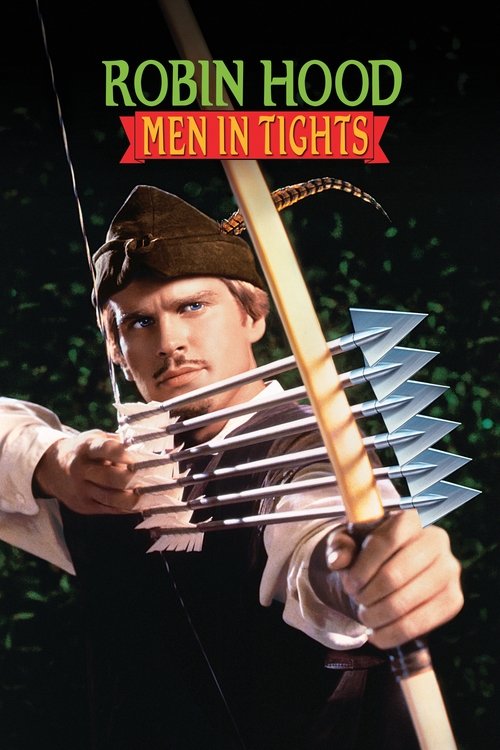
Robin Hood: Men in Tights
1993Robin Hood comes home after fighting in the Crusades to learn that the noble King Richard is in exile and that the despotic King John now rules England, with the help of the Sheriff of Rottingham. Robin Hood assembles a band of fellow patriots to do battle with King John and the Sheriff.
Returning to the medieval well with a sharper self-awareness, this later-career entry skewers the sincerity of the big-budget action epic. It reflects a director comfortable within his own established tropes, using musical theater sensibilities to puncture the self-seriousness of 1990s Hollywood myth-making.
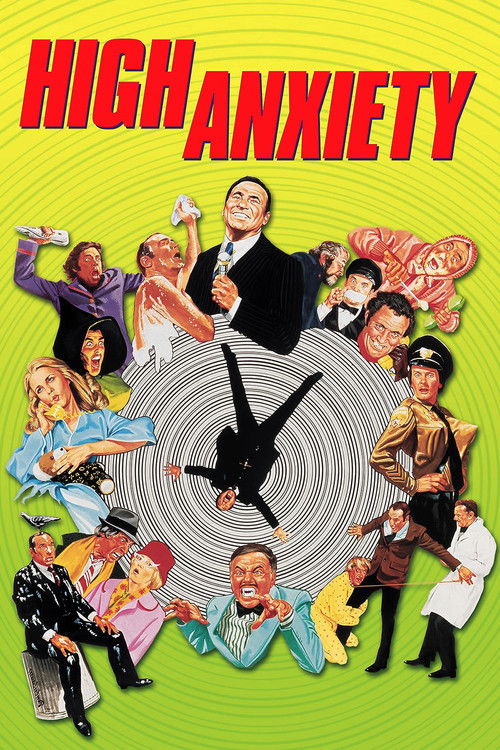
High Anxiety
1977A psychiatrist with intense acrophobia (fear of heights) goes to work for a mental institution run by doctors who appear to be crazier than their patients, and have secrets that they are willing to commit murder to keep.
A calculated love letter to Alfred Hitchcock, this film demonstrates a granular level of cinephilic detail that only a true devotee could execute. It remains a fascinating character study of psychological vertigo that translates the master of suspense's visual language into a lexicon of pure comic neurosis.
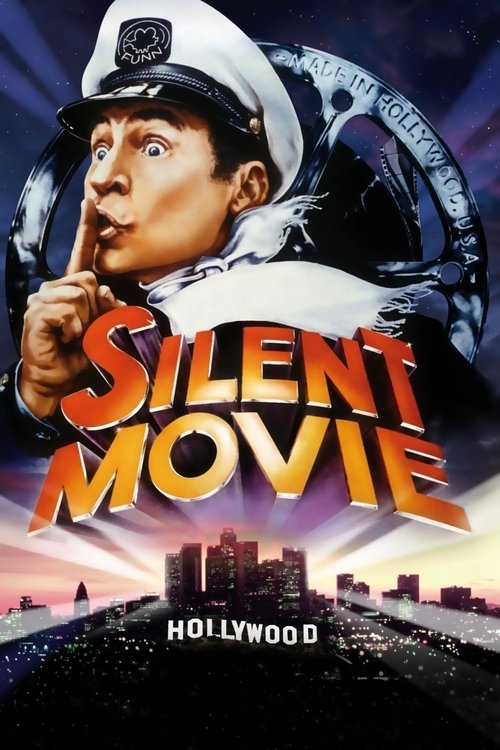
Silent Movie
1976Aspiring filmmakers Mel Funn, Marty Eggs and Dom Bell go to a financially troubled studio with an idea for a silent movie. In an effort to make the movie more marketable, they attempt to recruit a number of big name stars to appear, while the studio's creditors attempt to thwart them.
In an audacious rejection of the sound era, this project highlights a director obsessed with the fundamental mechanics of visual storytelling and physical slapstick. It is a high-concept gamble that succeeds because of its deep understanding of pantomime and the linguistic power of the silent image.
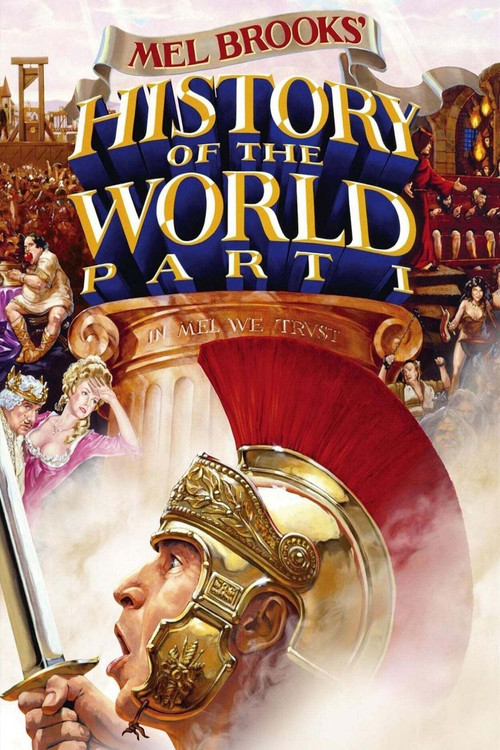
History of the World: Part I
1981An uproarious version of history that proves nothing is sacred – not even the Roman Empire, the French Revolution and the Spanish Inquisition.
This episodic extravaganza functions as a lavish sandbox for the director's most sprawling impulses, tackling the absurdity of the human condition through a chronological lens. It stands as a vibrant testament to his sketch-comedy roots, proving his capacity to find rhythmic comedy in the most solemn corners of the historical canon.
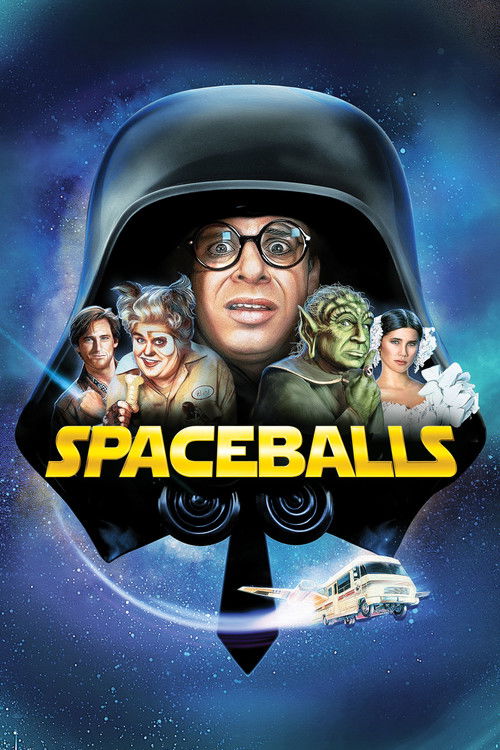
Spaceballs
1987When the nefarious Dark Helmet hatches a plan to snatch Princess Vespa and steal her planet's air, space-bum-for-hire Lone Starr and his clueless sidekick fly to the rescue. Along the way, they meet Yogurt, who puts Lone Starr wise to the power of "The Schwartz." Can he master it in time to save the day?
As the blockbuster era dawned, Brooks turned his lens toward the industrialization of the sci-fi spectacle with this biting critique of commercialized fandom. The film serves as a vital pivot point in his filmography where the target shifted from classic cinema history to the burgeoning culture of corporate merchandising.
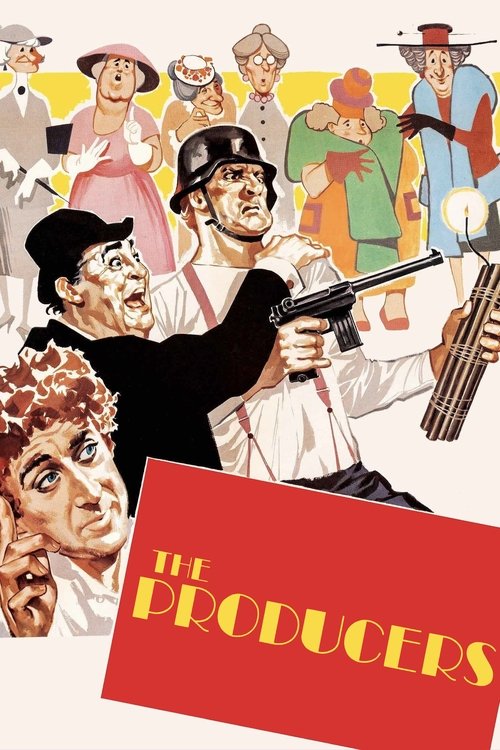
The Producers
1968A conniving Broadway producer and his meek accountant plan to profit from charming wealthy old biddies to invest in an overbudget production, and then put on a sure-fire disaster, so nobody will ask for their money back — and what's more disastrous than a tasteless musical celebrating Adolf Hitler.
Marking a fearless debut, this satirical hand grenade introduced the world to the director's signature brand of sophisticated absurdity and taboo-shattering bravery. It established the template for his career-long obsession with the mechanics of show business and the transformative power of the sublime ridiculous.
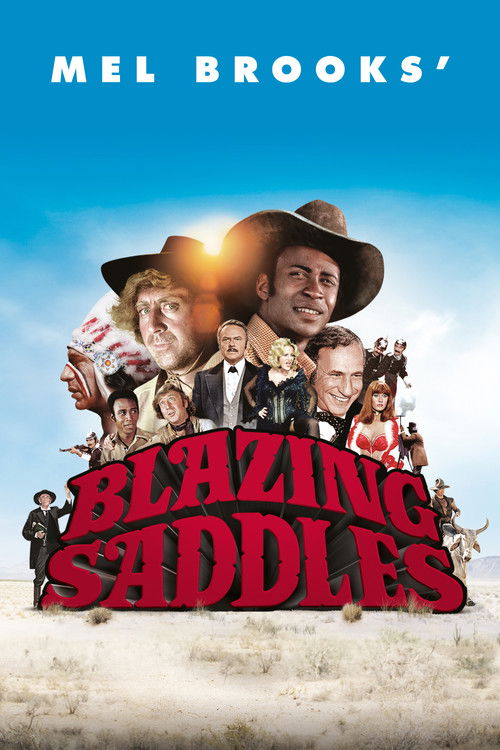
Blazing Saddles
1974A town—where everyone seems to be named Johnson—stands in the way of the railroad. In order to grab their land, robber baron Hedley Lamarr sends his henchmen to make life in the town unbearable. After the sheriff is killed, the town demands a new sheriff from the Governor, so Hedley convinces him to send the town the first black sheriff in the west.
This incendiary deconstruction of the Western genre serves as a volatile confrontation with American racial mythology and cinematic tropes. By shattering the fourth wall and embracing an anarchic structure, it remains the ultimate testament to the director's ability to weaponize vulgarity against prejudice.
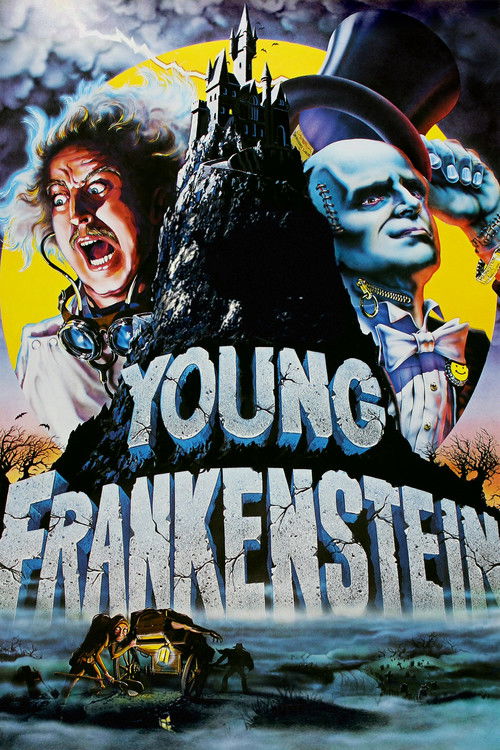
A young neurosurgeon inherits the castle of his grandfather, the famous Dr. Victor von Frankenstein. In the castle he finds a funny hunchback, a pretty lab assistant and the elderly housekeeper. Young Frankenstein believes that the work of his grandfather was delusional, but when he discovers the book where the mad doctor described his reanimation experiment, he suddenly changes his mind.
A masterstroke of stylistic mimicry, Brooks transcends mere parody by utilizing original Universal sets and lush chiascuro cinematography to honor the aesthetics of the 1930s. This film represents the director's most disciplined technical achievement, balancing a profound affection for gothic horror with an airtight comedic rhythm.
Frequently Asked Questions
Everything you need to know about this list and SnakeDrafts
- Mel Brooks' films often feature parody and satire, breaking the fourth wall and cheeky humor. His movies like 'Blazing Saddles' and 'Spaceballs' cleverly spoof Westerns and sci-fi genres, blending slapstick with witty dialogue.
- Brooks revolutionized comedy by blending traditional slapstick with smart cultural references and genre parodies. In 'The Producers' and 'Young Frankenstein,' he uses exaggerated characters and absurd situations to deliver sharp satire that still appeals to a broad audience.
- Yes, 'Spaceballs' exemplifies Mel Brooks' take on science fiction parody by spoofing franchises like Star Wars. It combines sci-fi tropes with Brooks' characteristic slapstick and satirical humor, making it a standout in his catalog.
- 'Silent Movie' and 'High Anxiety' are notable for their meta-humor, where Brooks plays with film conventions and audience expectations. These films often break the fourth wall, inviting viewers into the joke and showcasing Brooks' love of cinematic parody.
- In films like 'History of the World: Part I' and 'Robin Hood: Men in Tights,' Brooks places comedic narratives in historical contexts, lampooning well-known stories and eras with anachronistic jokes and farcical characters. This approach allows him to parody historical epics while delivering timeless humor.
- Genre spoofing is central to Brooks' work, with each film targeting a distinct genre; for instance, 'Blazing Saddles' mocks Westerns while 'High Anxiety' satirizes psychological thrillers. This method not only pays homage but also humorously critiques the genre's clichés.
- 'Silent Movie' uniquely showcases Brooks' talent for visual comedy, relying almost entirely on mime and physical humor. This silent film is a clever homage to early cinema and underscores Brooks' versatility as a director.