Delroy Lindo Movies Ranked From Worst to Best
The Commanding Presence of a Screen Powerhouse
Explore the best films of Delroy Lindo, from Spike Lee collaborations to gripping dramas and high-octane action classics.
About Delroy Lindo
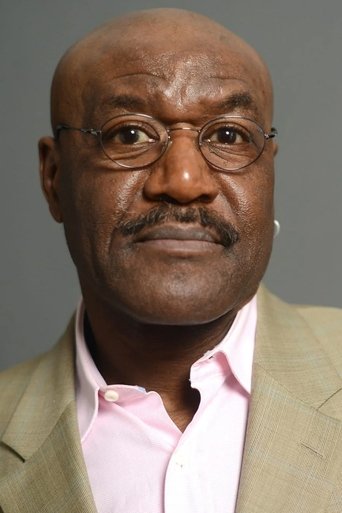
To watch Delroy Lindo on screen is to witness a masterclass in controlled combustion. He possesses a physical gravity that anchors every frame he enters, a quality that makes him feel less like a performer and more like a force of nature. For decades, he has occupied a unique space in the cinematic landscape, serving as the soulful, often volcanic conscience of American drama. He does not just play characters; he inhabits their histories, layering them with a rugged dignity that demands your undivided attention.
His long-standing collaboration with Spike Lee remains one of the most fruitful partnerships in modern film, providing a canvas for his immense range. In Malcolm X, he brought a dangerous, flickering energy to West Indian Archie, while Crooklyn allowed him to pivot toward a tender, jazz-inflected patriarchality. By the time he led the ensemble of Clockers, he had established himself as a performer capable of articulating the profound moral complexities of the streets with a single weary glance. It is this ability to balance menace with vulnerability that keeps audiences hooked. Whether he is playing a high-stakes antagonist in Ransom or a weary authority figure in The Last Castle, Lindo finds the human pulse beneath the archetype.
While he spent the nineties and early aughts as a reliable scene-stealer in blockbusters like Get Shorty and Gone in Sixty Seconds, there is a distinct cerebral edge to his work that elevates even the most kinetic action roles. He turned the villainous turn in Romeo Must Die into something operatic and gave a gritty, grounded realism to the noir world of Heist. Even when stripped of his physical presence, his voice alone conveys a world of experience, as he proved by voicing the formidable Beta in the animated classic Up. He has a way of making every line feel earned, a trait that served him well in the legal maneuvering of The Devil's Advocate and the ethical quandaries of The Cider House Rules.
The true pinnacle of his career arrived with the 2020 release of Da 5 Bloods. His performance as Paul, a veteran spiraling into PTSD and political fervor, was a visceral, career-defining achievement. As he broke the fourth wall to deliver blistering monologues, he forced the viewer to confront the raw, jagged edges of the American dream. It was a reminder that while many actors age into a comfortable softness, he has only grown sharper and more daring.
Lindo continues to bridge the gap between historical weight and contemporary cool, recently appearing as the legendary Bass Reeves in the stylish western The Harder They Fall. From the sprawling epic of Bound by Honor to his recent prestige television work, his trajectory is defined by a refusal to be pigeonholed. He remains an essential fixture of the industry because he treats every role as an interrogation of the human condition. He is a rare talent who can convey both the weight of the world and the spark of hope without ever raising his voice, though when he does, you can be sure the earth moves.
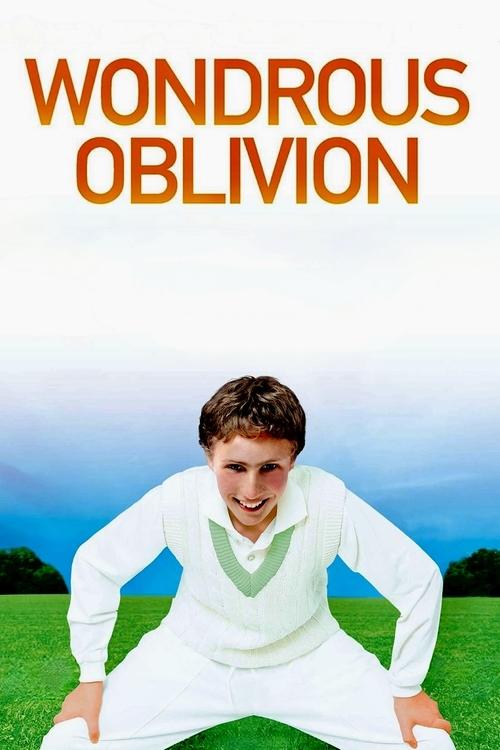
Wondrous Oblivion
2004David Wiseman is eleven years old and mad about cricket. He has all the kit but none of the skill. When a Jamaican family moves in next door the father starts giving cricket lessons to David, and becomes close to David's mother. But this is 1960's London, and when the locals start making life difficult for the new arrivals, David has to choose between fitting and and standing up for his new friends
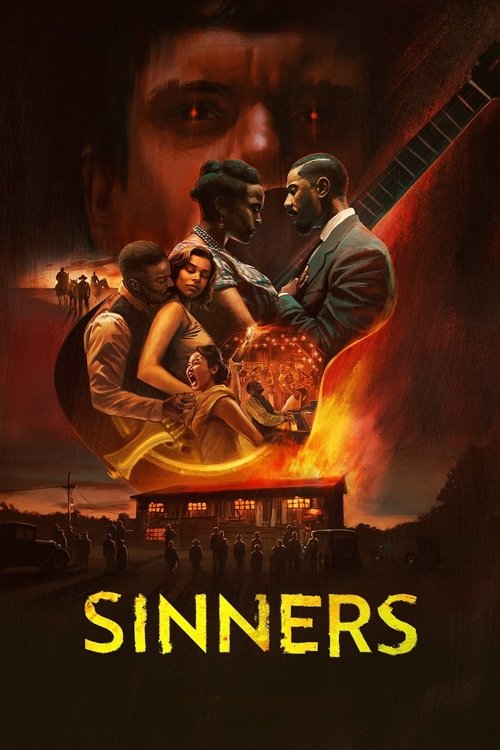
Sinners
2025Trying to leave their troubled lives behind, twin brothers return to their hometown to start again, only to discover that an even greater evil is waiting to welcome them back.
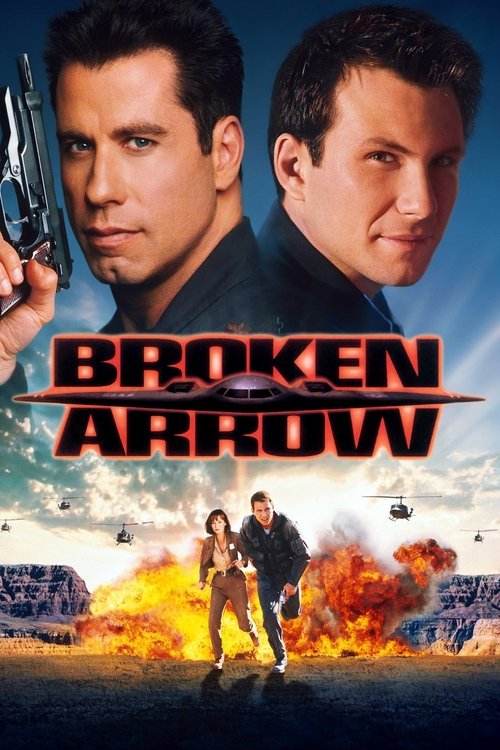
Broken Arrow
1996When rogue stealth-fighter pilot Vic Deakins deliberately drops off the radar while on maneuvers, the Air Force ends up with two stolen nuclear warheads -- and Deakins's co-pilot, Riley Hale, is the military's only hope for getting them back. Traversing the deserted canyons of Utah, Hale teams with park ranger Terry Carmichael to put Deakins back in his box.

Up
2009Carl Fredricksen spent his entire life dreaming of exploring the globe and experiencing life to its fullest. But at age 78, life seems to have passed him by, until a twist of fate (and a persistent 8-year old Wilderness Explorer named Russell) gives him a new lease on life.
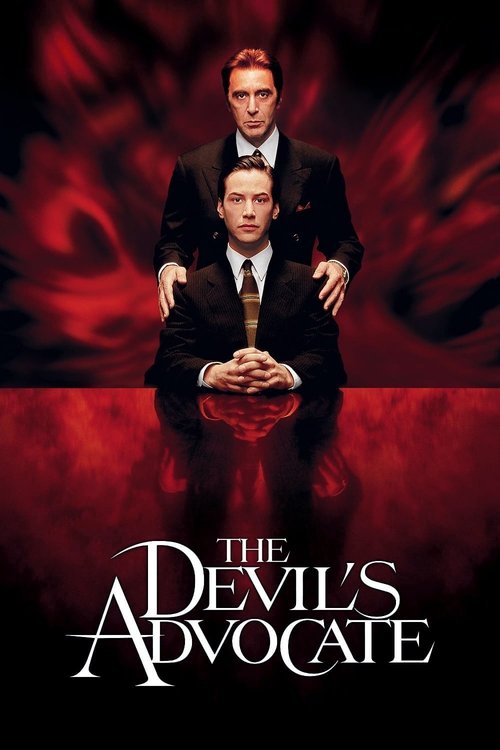
The Devil's Advocate
1997Aspiring Florida defense lawyer Kevin Lomax accepts a job at a New York law firm. With the stakes getting higher every case, Kevin quickly learns that his boss has something far more evil planned.
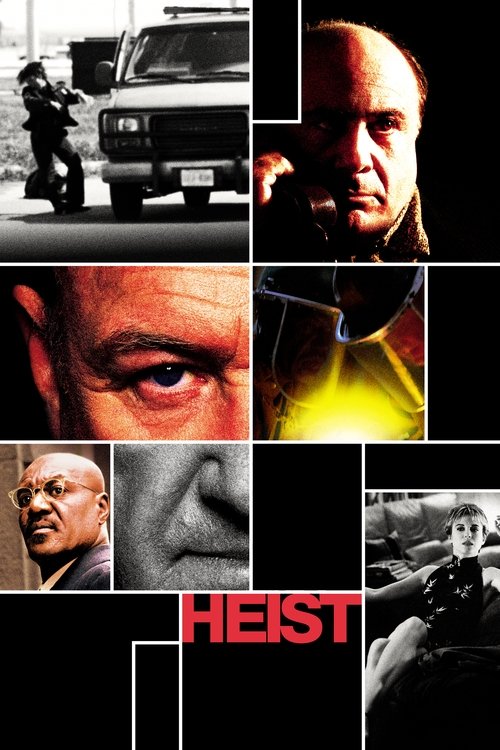
Heist
2001Joe Moore has a job he loves. He's a thief. His job goes sour when he gets caught on security camera tape. His fence, Bergman, reneges on the money he's owed, and his wife may be betraying him with the fence's young lieutenant. Moore and his partner, Bobby Blane, and their utility man, Pinky Pincus, find themselves broke, betrayed, and blackmailed. Moore is forced to commit his crew to do one last big job.
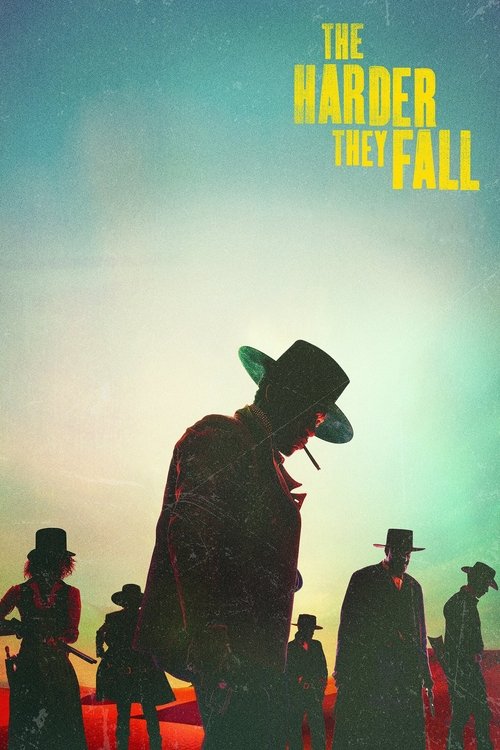
The Harder They Fall
2021Gunning for revenge, outlaw Nat Love saddles up with his gang to take down enemy Rufus Buck, a ruthless crime boss who just got sprung from prison.
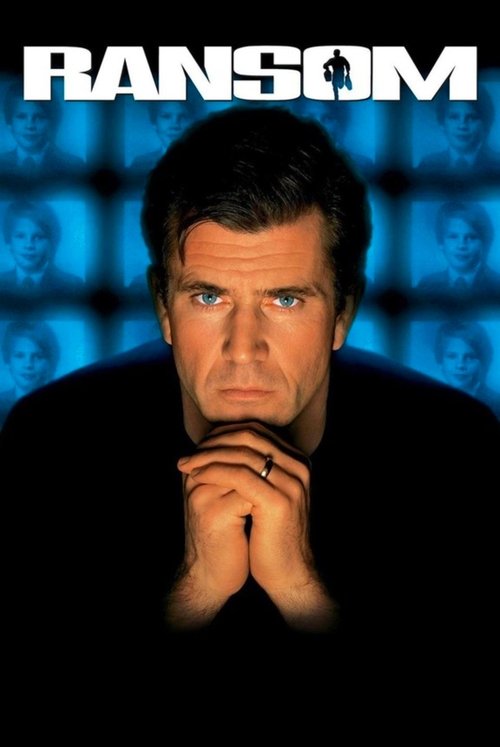
Ransom
1996When a rich man's son is kidnapped, he cooperates with the police at first but then tries a unique tactic against the criminals.
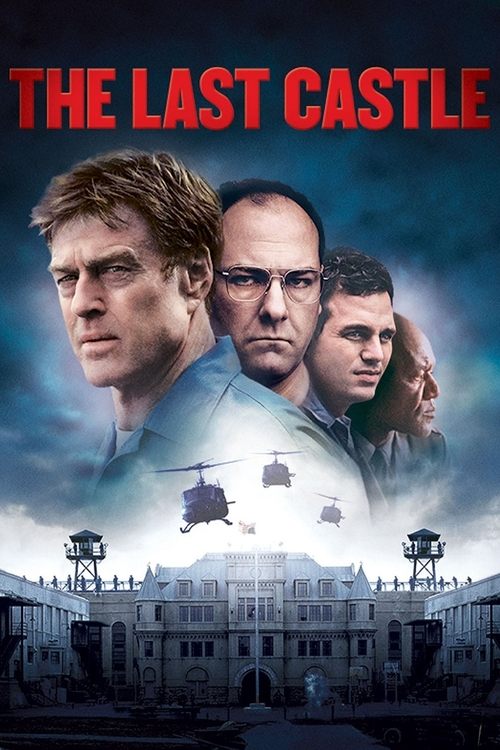
The Last Castle
2001A court-martialed general rallies together 1200 inmates to rise against the system that put him away.
As Brigadier General Wheeler, Lindo serves as the film’s conflicted conscience, trapped between a rigid military hierarchy and his personal respect for a rebellious peer. It is a tactical performance that relies on what is left unsaid, filling the spaces between dialogue with a palpable sense of internal struggle.
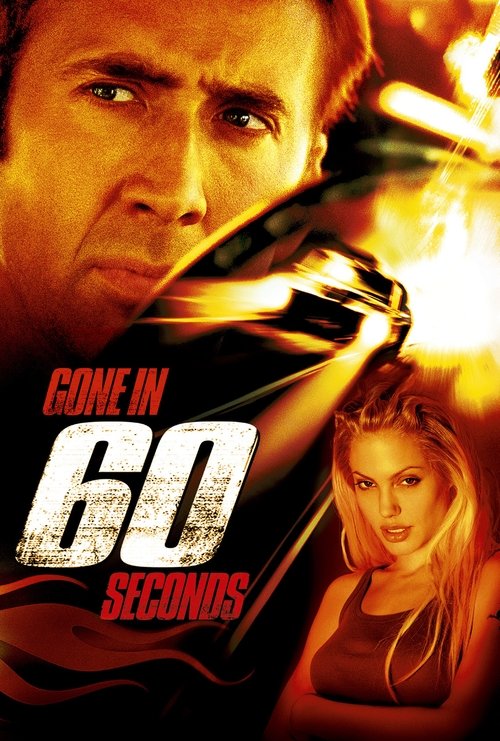
Ex-car thief Randall Raines is forced out of retirement to save his brother Kip after a boost gone wrong. With the help of allies old and new, they race to meet the demands of notorious crime boss Raymond Calitri as the police are in hot pursuit.
Playing the persistent detective on the tail of car thieves, Lindo provides this popcorn flick with an essential sense of professional weary-eyed gravitas. He manages to turn a standard lawman archetype into a credible, lived-in obstacle through his distinctive vocal cadence and authoritative stride.
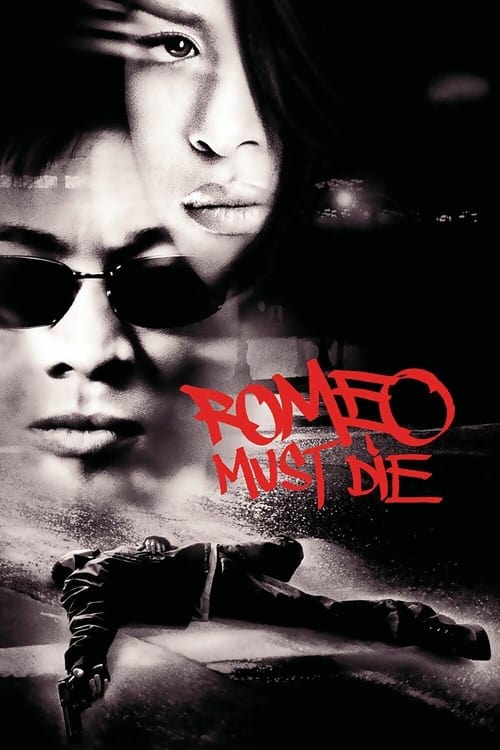
Romeo Must Die
2000Two warring gang families (one African-American, the other Chinese) maneuver for bragging rights to the Oakland, California, docks. Hang Sing and Trish O'Day uncover a trail of deceit that leaves most of the warring factions dead … or worse!
Even in a high-octane martial arts vehicle, Lindo brings a Shakespearean weight to the role of an ambitious crime lord. He elevates the genre material by treating the power dynamics with deadly seriousness, making him the definitive screen foil for Jet Li.
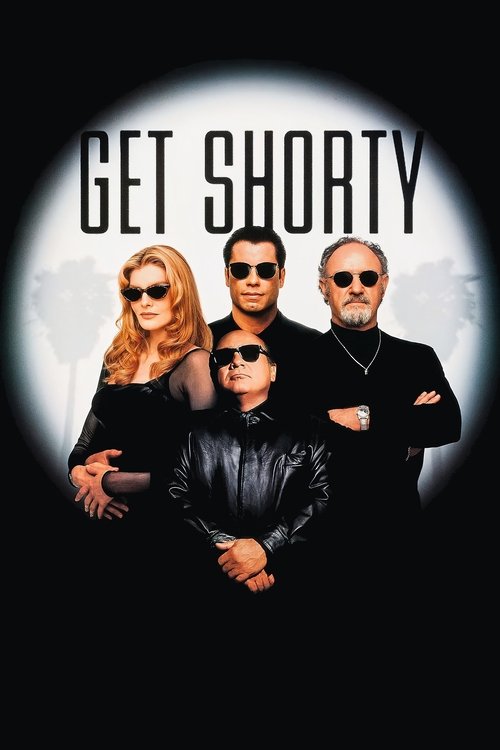
Get Shorty
1995Chili Palmer is a Miami mobster who gets sent to L.A. to collect a bad debt from Harry Zimm, a Hollywood producer who specializes in cheesy horror films. When Chili meets Harry's leading lady, the romantic sparks fly. After pitching his own life story as a movie idea, Chili learns that being a mobster and being a Hollywood producer really aren't all that different.
Lindo leans into the stylized rhythm of Elmore Leonard’s world with surprising comedic bite as the slick, frustrated Bo Catlett. This turn highlighted his versatility, showing he could navigate the demands of a high-gloss Hollywood satire with the same precision he brings to gritty social realism.
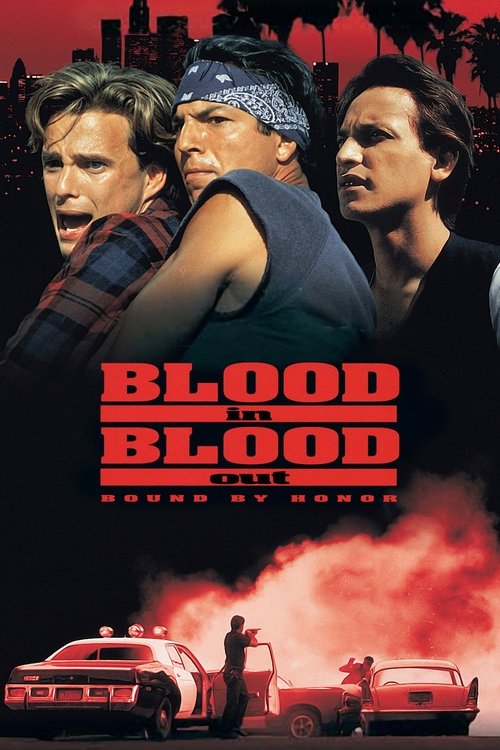
Bound by Honor
1993Based on the true life experiences of poet Jimmy Santiago Baca, the film focuses on half-brothers Paco and Cruz, and their bi-racial cousin Miklo. It opens in 1972, as the three are members of an East L.A. gang known as the "Vatos Locos", and the story focuses on how a violent crime and the influence of narcotics alter their lives. Miklo is incarcerated and sent to San Quentin, where he makes a "home" for himself. Cruz becomes an exceptional artist, but a heroin addiction overcomes him with tragic results. Paco becomes a cop and an enemy to his "carnal", Miklo.
Operating as the cool-headed counterpoint to the film’s explosive prison violence, Lindo’s turn as Bonafide demonstrates his ability to exude authority without raising his voice. He functions as the moral compass of the yard, proving he can dominate an ensemble through sheer charismatic stillness.
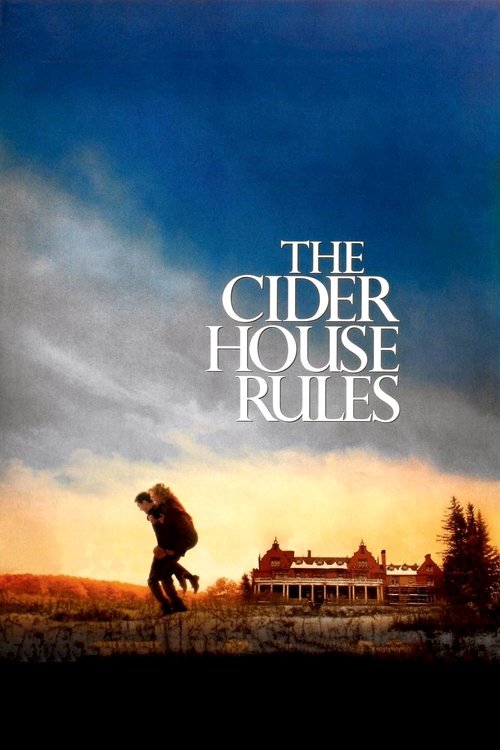
The Cider House Rules
1999Homer is an orphan who was never adopted, becoming the favorite of orphanage director Dr. Larch. Dr. Larch imparts his full medical knowledge on Homer, who becomes a skilled, albeit unlicensed, physician. But Homer yearns for a self-chosen life outside the orphanage. What will Homer learn about life and love in the cider house? What of the destiny that Dr. Larch has planned for him?
In an ensemble piece geared toward sentimentalism, Lindo provides the necessary, grounding friction as the foreman of the cider house crew. His performance is a vital exercise in restraint, conveying decades of unwritten history through subtle shifts in posture and a heavy, watchful gaze.
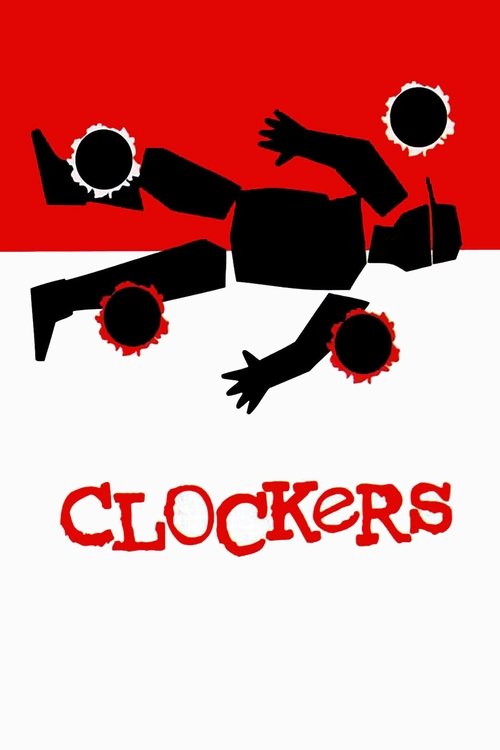
Clockers
1995Strike is a young city drug pusher under the tutelage of drug lord Rodney Little. When a night manager at a fast-food restaurant is found with four bullets in his body, Strike’s older brother turns himself in as the killer. Detective Rocco Klein doesn’t buy the story, however, setting out to find the truth, and it seems that all the fingers point toward Strike & Rodney.
Lindo’s portrayal of Rodney Little is a terrifying study of the neighborhood patriarch as a venomous serpent. He eschews typical drug-kingpin tropes in favor of a paternalistic malice that makes every quiet conversation feel like a high-stakes interrogation.
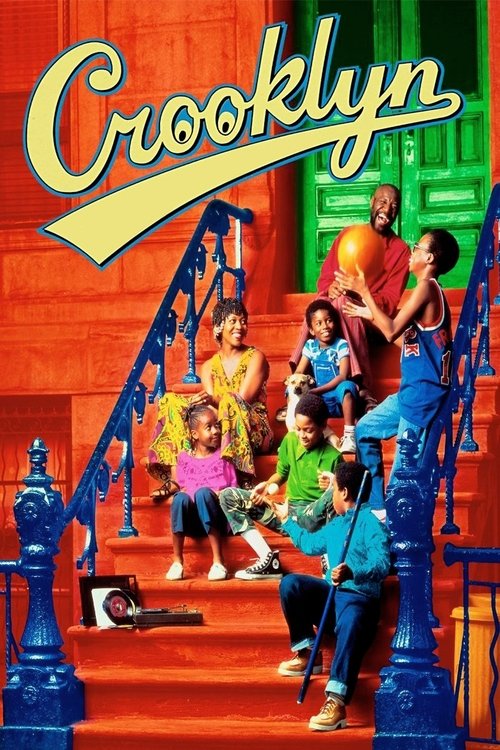
Crooklyn
1994From Spike Lee comes this vibrant semi-autobiographical portrait of a school-teacher, her stubborn jazz-musician husband and their five kids living in '70s Brooklyn.
Trading his usual gravitas for a nuanced warmth, Lindo anchors this Brooklyn period piece as Woody Carmichael, a jazz musician struggling to balance creative integrity with the mundane demands of fatherhood. It remains his most soulful work, displaying a tender, domestic range that critics rarely saw in his earlier, more aggressive roles.
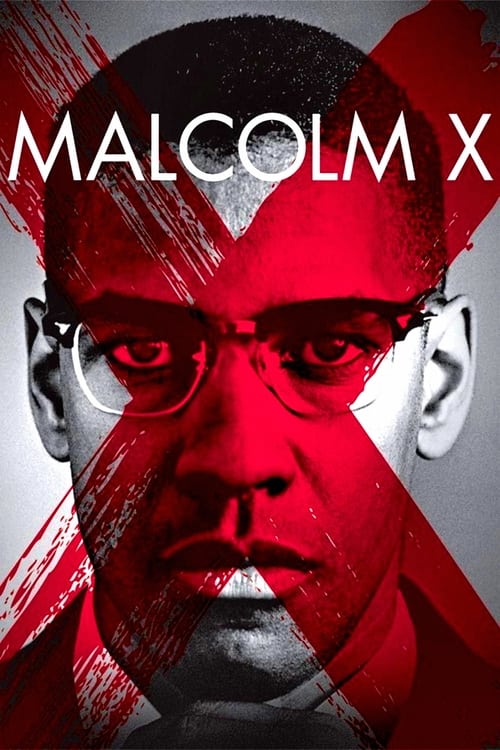
Malcolm X
1992A tribute to the controversial black activist and leader of the struggle for black liberation. He hit bottom during his imprisonment in the '50s, he became a Black Muslim and then a leader in the Nation of Islam. His assassination in 1965 left a legacy of self-determination and racial pride.
As West Indian Archie, Lindo radiates a dangerous, kinetic elegance that nearly steals the spotlight from Denzel Washington’s titular lead. This role proved he could command the screen with a mixture of predatory menace and heartbreaking vulnerability, setting the stage for his long-standing collaboration with Spike Lee.
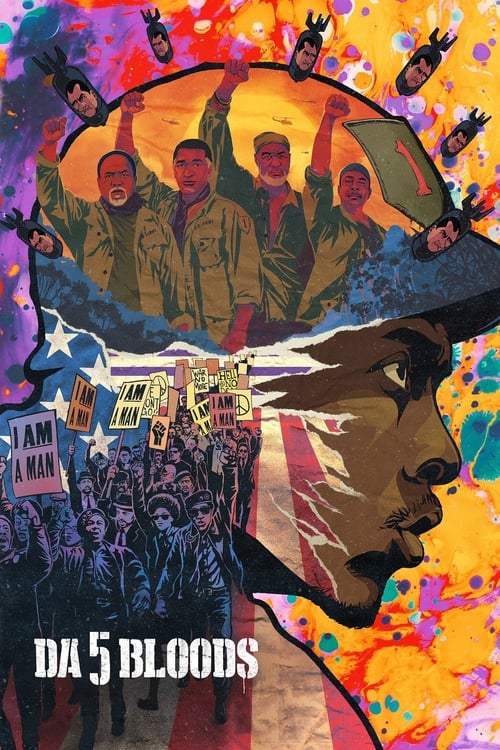
Da 5 Bloods
2020Four African-American Vietnam veterans return to Vietnam. They are in search of the remains of their fallen squad leader and the promise of buried treasure. These heroes battle forces of humanity and nature while confronted by the lasting ravages of the immorality of the Vietnam War.
Lindo reaches a career zenith here, channeling a King Lear-level of tragic intensity into the skin of a MAGA-hat-wearing Vietnam veteran. His direct-to-camera monologues are masterclasses in psychological disintegration, cementing his status as one of the most formidable screen presences of the 21st century.
Frequently Asked Questions
Everything you need to know about this list and SnakeDrafts
- Delroy Lindo has notably collaborated multiple times with director Spike Lee, starring in acclaimed films like "Malcolm X," "Crooklyn," and "Clockers." These collaborations have been pivotal in showcasing his dramatic range and intensity.
- Delroy Lindo's filmography in this list spans a variety of genres, with a strong presence in drama, crime, and action films. Noteworthy examples include gripping dramas like "The Cider House Rules" and high-octane action thrillers such as "Gone in Sixty Seconds."
- In "Da 5 Bloods," Delroy Lindo delivers a powerful performance that embodies the emotional and historical weight of the Vietnam War and its aftermath. His role emphasizes his ability to anchor complex narratives with a profound sense of authenticity and gravitas.
- Delroy Lindo adds nuanced intensity and soulful complexity to Spike Lee’s films, often portraying characters that grapple with social and historical tensions. His performances in films like "Malcolm X" and "Clockers" deepen the exploration of identity and justice.
- Yes, Delroy Lindo stars in several notable action films including "Romeo Must Die," "Gone in Sixty Seconds," and "The Last Castle." His commanding presence enhances the tension and energy crucial to the action genre.
- Delroy Lindo lent his voice to the beloved animated film "Up," which showcases his versatility as an actor beyond live-action roles, contributing to a critically acclaimed family adventure.
- Definitely, Delroy Lindo has featured prominently in crime thrillers such as "Bound by Honor," "Heist," and "Get Shorty." These roles highlight his ability to portray complex, morally ambiguous characters.
- In dramatic roles like those in "The Cider House Rules" and "Malcolm X," Delroy Lindo displays emotional nuance and depth, often embodying characters with intricate personal histories. In contrast, his action roles prioritize physicality and intensity while still retaining his signature gravitas.