The Essential John Frankenheimer Films Ranked
Master of Intense Thrillers and Political Suspense
Explore the best films by John Frankenheimer, featuring legendary thrillers, cold war classics, and high-octane action masterpieces.
About John Frankenheimer
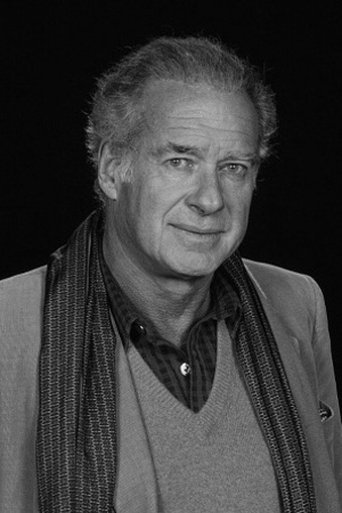
In the pantheon of mid-century masters, John Frankenheimer stands as the architect of the high-stakes moral panic. He was a filmmaker who obsessed over the physics of the frame, often cramming the foreground with distorted faces while the background remained pin-sharp, a technique that forced the audience into a state of perpetual hyper-vigilance. While his peers were busy deconstructing the romanticism of old Hollywood, he was busy reinventing the kinetic language of the paranoid thriller. He moved with a restless, muscular energy that felt less like traditional directing and more like a tactical operation.
His golden run in the 1960s remains one of the most intellectually aggressive streaks in cinema history. In The Manchurian Candidate, he didn't just capture a cold war nightmare; he gave it a surrealist, brain-scrambling visual texture that remains chilling sixty years later. He followed this by exploring the fragility of institutional power in Seven Days in May and the crushing reality of carceral isolation in Birdman of Alcatraz. Even when he turned to the existential horror of Seconds, he pushed the medium toward a feverish, avant-garde edge that few major studio directors dared to touch. He had a unique gift for making the internal anxieties of his characters feel like heavy, physical objects in the room.
The man was a master of the machine, as well. His fascination with movement and heavy industrialism turned The Train into a masterclass in practical engineering and rhythmic editing. He didn't use miniatures or cheats; he crashed real locomotives because he understood that the weight of the metal mattered to the soul of the story. This tactile obsession reached its zenith in Grand Prix, where he strapped cameras to the side of Formula One cars to invent a visceral, immersive perspective that redefined sports cinema. He saw the world through wide-angle lenses and high-speed pursuits, treating the camera like a weapon of discovery.
Even after the landscape of Hollywood shifted, his eye for grit never wavered. French Connection II and Black Sunday proved he could navigate the gritty, cynical waters of the 1970s with more precision than the younger brats and rebels. By the time he reached the twilight of his career with Ronin, he reminded everyone that he was still the king of the practical car chase, utilizing his signature long takes and real-world choreography to make modern digital effects look like child's play. He understood that tension is built in the spaces between the action.
Beyond the thrills, there was a deeply empathetic humanist buried under the technical bravado. His adaptation of The Iceman Cometh showed a director capable of slowing down to capture the grueling weight of the human spirit in decay. Whether he was exploring urban violence in The Young Savages or the brutal honor codes of The Challenge, his work consistently returned to the same question: how does a person retain their identity when the world is actively trying to crush it? He didn't just make movies; he engineered vast, complex clockwork visions of a world on the brink of collapse. He remains the definitive poet of the high-tension wire.
Days of Wine and Roses
1958An alcoholic falls in love with and gets married to a young woman whom he systematically addicts to booze so they can share his "passion" together.
Ambush
2001While escorting an elderly man to an undisclosed location, The Driver is confronted by a van full of armed men and is warned that the old man has stolen a large amount of diamonds. The old man claims to have swallowed the diamonds and that the men will likely cut him open to retrieve them. The Driver decides at the last minute to help him, participating in a car chase and shootout with the van. The Driver eventually evades his pursuers and watches their destruction. He then delivers the old man to a town nearby and asks the merchant if he did indeed swallowed the diamonds. The client merely chuckles and walks away. The Driver then leaves.
Reindeer Games
2000After assuming his dead cellmate's identity to get with his girlfriend, an ex-con finds himself the reluctant participant in a casino heist.
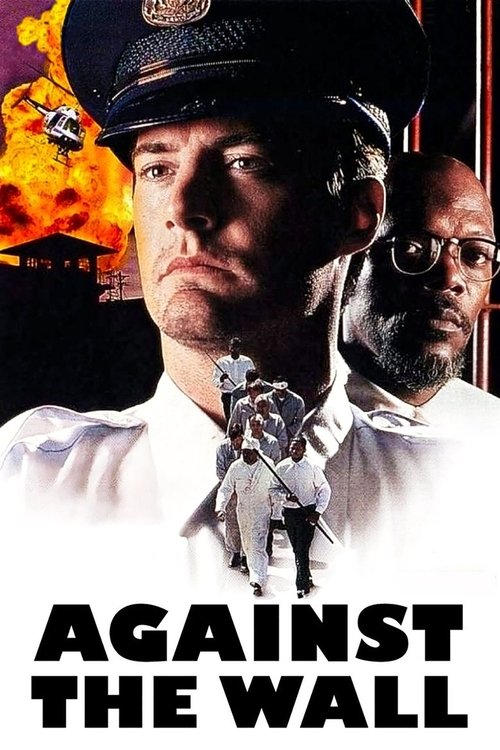
Against the Wall
1994In 1971, a warden at Attica Penitentiary is caught up in a hostage crisis when inmates take over the prison to demand better living conditions.
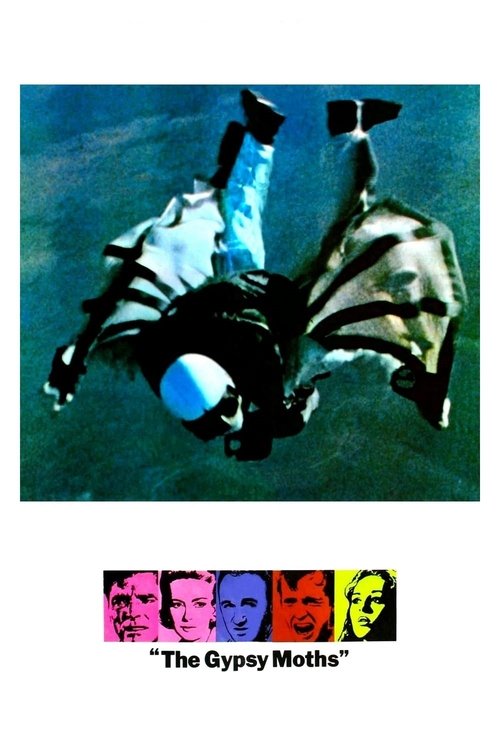
The Gypsy Moths
1969Three skydivers and their travelling thrill show barnstorm through a small midwestern town one Fourth of July weekend.

Prophecy
1979When a dispute occurs between a logging operation and a nearby Native American tribe, Dr. Robert Verne and his wife, Maggie, are sent in to mediate. Chief John Hawks insists the loggers are poisoning the water supply, and, though company man Isley denies it, the Vernes can't ignore the strangely mutated wildlife roaming the woods. Robert captures a bear cub for testing and soon finds himself the target of an angry mutant grizzly.
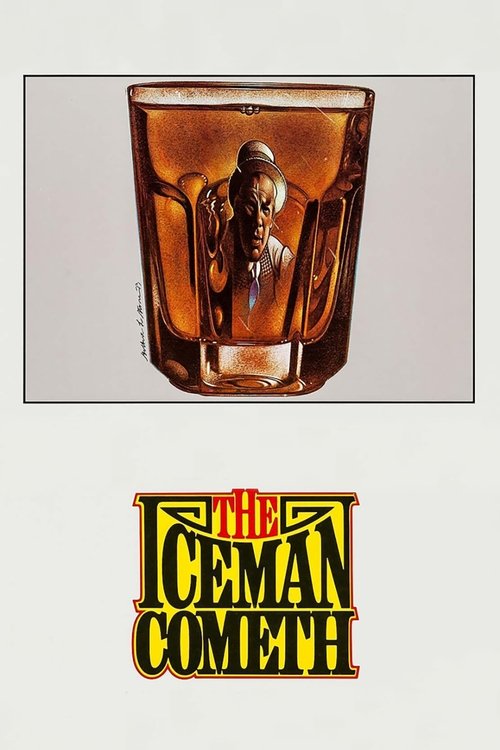
The Iceman Cometh
1973Set in 1912, inside a dive bar named The Last Chance Saloon, its destitute patrons eagerly await the arrival of Hickey, who arrives annually and props everyone up with free drinks and spirited stories of his travels. However, when Hickey does show up this year, it is with a message of temperance and an exhortation to give up hopeless dreams and face reality.
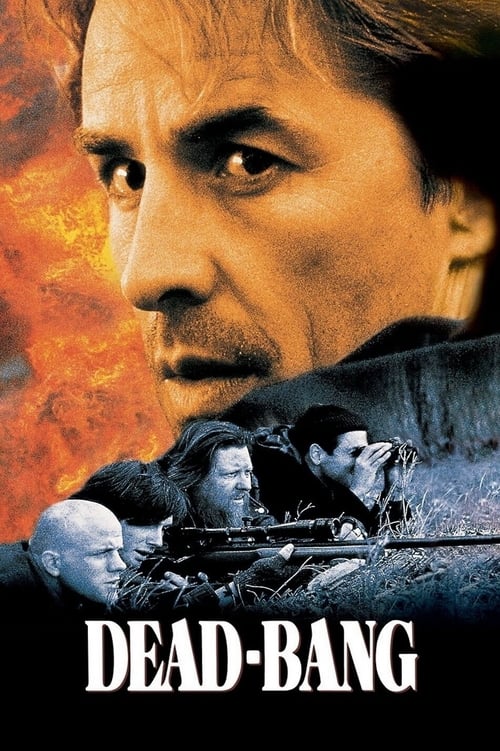
Dead Bang
1989Los Angeles homicide detective Jerry Beck searches for the murderer who killed a police officer on Christmas Eve. The investigation takes Beck inside the violent world of hate groups and white supremacists, who are hatching a deadly plot to attack even more innocent people. Beck must also confront his own personal demons, including his growing problem with alcohol, if he wants to track down and stop the violent neo-Nazis before it is too late.
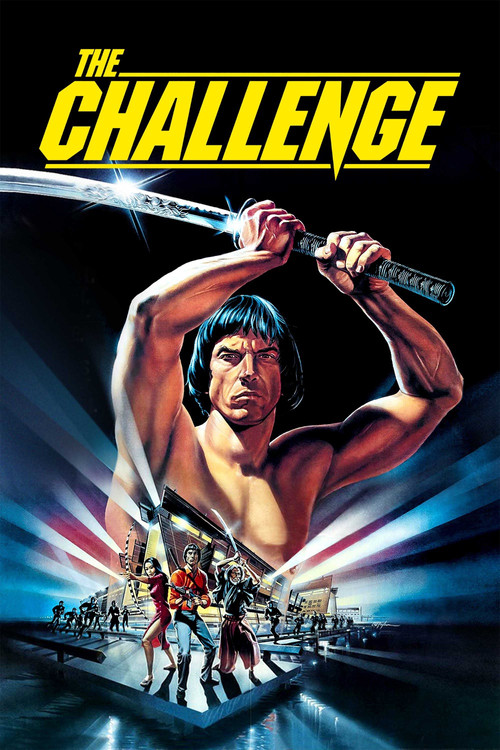
The Challenge
1982Rick, a down-and-out American boxer, is hired to transport a sword to Japan, unaware that the whole thing is a set up in a bitter blood-feud between two brothers, one who follows the traditional path of the samurai and the other a businessman. At the behest of the businessman, Rick undertakes samurai training from the other brother, but joins his cause. He also becomes romantically involved with the samurai's daughter.
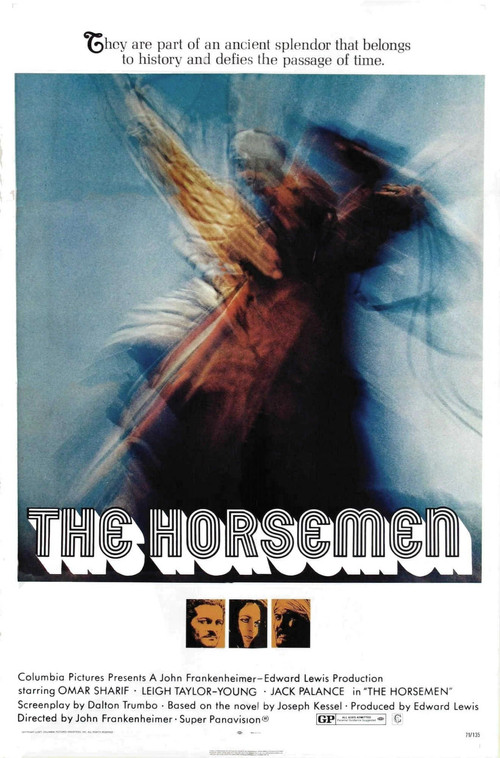
The Horsemen
1971In Afghanistan, the ruthless sport of buzkashi is a game of great pride. When Uraz breaks his leg and loses a spirited match, he brings shame to his village, especially his father. After losing his leg below the knee, Uraz, to regain his honor, must learn to ride again and win with a special, one-of-a-kind horse.
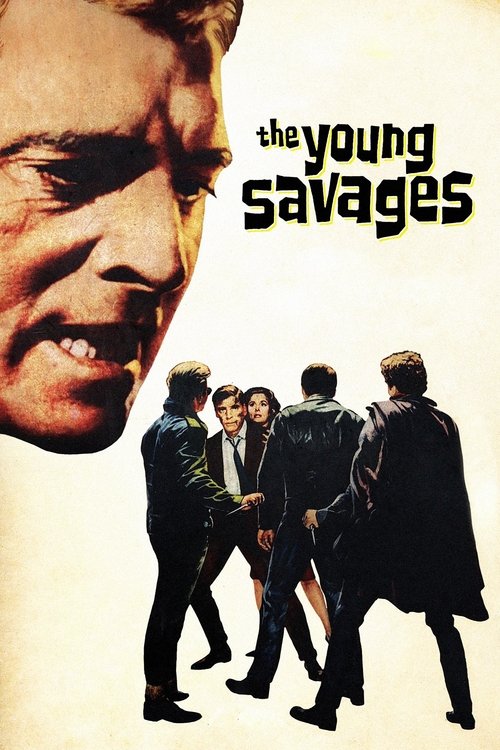
The Young Savages
1961A district attorney investigates the racially charged case of three teenagers accused of the murder of a blind Puerto Rican boy.
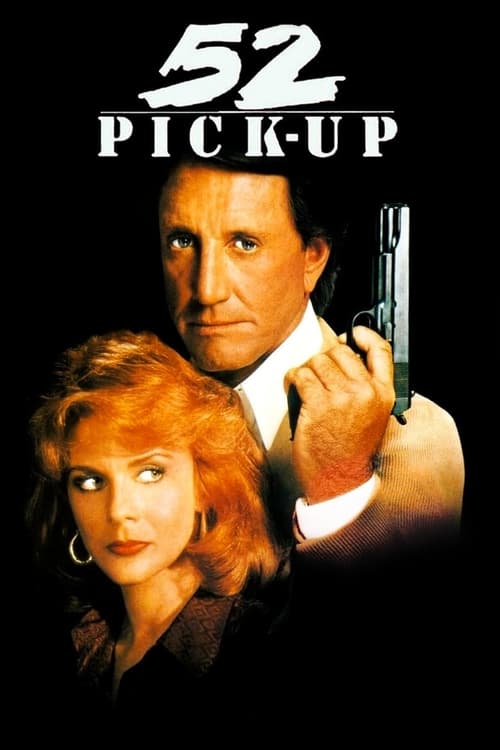
52 Pick-Up
1986Harry Mitchell is a successful Los Angeles manufacturer whose wife is running for city council. His life is turned upside down when three blackmailers confront him with a videotape of him with his young mistress and demand $100,000. Fearing that the story will hurt his wife's political campaign if he goes to the police, Harry pretends that he will pay the men, but does not follow through.
Frankenheimer leans into the sleazy underbelly of the eighties with a cynical, hard-boiled aesthetic that feels refreshingly mean-spirited. This claustrophobic noir demonstrates his capacity for navigating the moral rot of the urban landscape with unflinching clarity and a sharp, jagged edge.
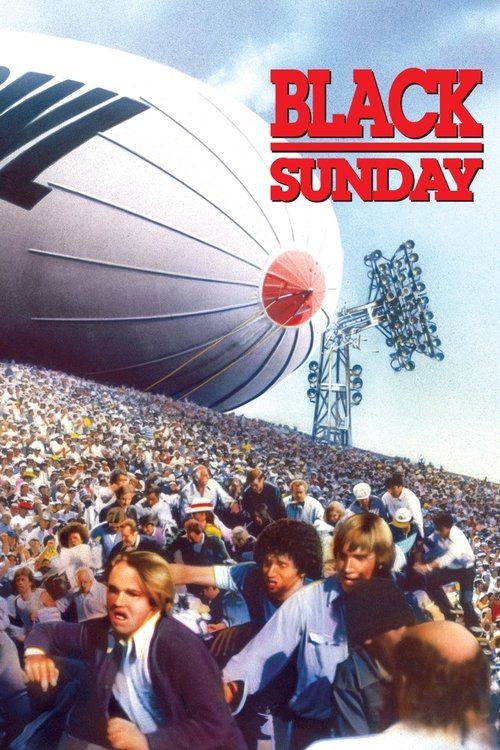
Black Sunday
1977An Israeli anti-terrorist agent must stop a disgruntled Vietnam vet cooperating in a Black September PLO plot to commit a terrorist attack at the Super Bowl.
A rigorous exercise in mounting dread, this film showcases an uncanny ability to manage massive scale without losing the sharp edge of a procedural thriller. It is a terrifyingly lucid vision of modern vulnerability that predated a new era of global anxiety.
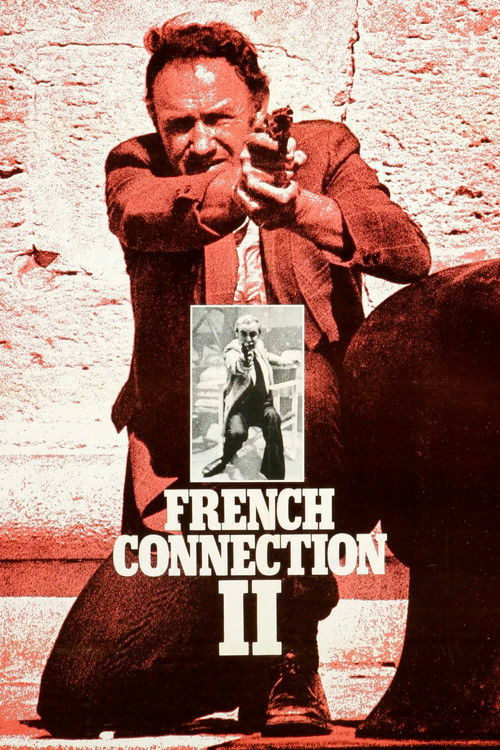
"Popeye" Doyle travels to Marseilles to find Alain Charnier, the drug smuggler that eluded him in New York.
By shifting the franchise’s DNA from street-level grit to a grueling psychological ordeal, Frankenheimer creates a sequel that functions more as a harrowing character deconstruction. His uncompromising focus on the physical and mental toll of addiction provides a dark, fascinating counterpoint to the original film.
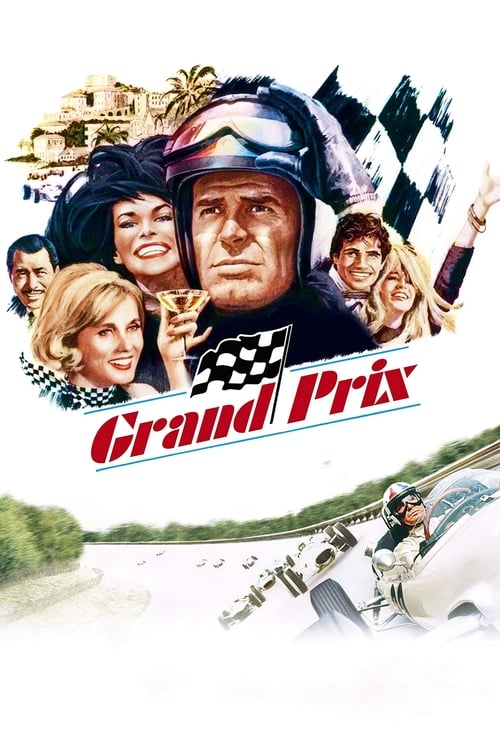
Grand Prix
1966The most daring drivers in the world have gathered to compete for the 1966 Formula One championship. After a spectacular wreck in the first of a series of races, American wheelman Pete Aron is dropped by his sponsor. Refusing to quit, he joins a Japanese racing team. While juggling his career with a torrid love affair involving an ex-teammate's wife, Pete must also contend with Jean-Pierre Sarti, a French contestant who has previously won two world titles.
This is a technical landmark that reinvented the visual language of speed through innovative split-screens and pioneering mounting techniques. Frankenheimer captures the sheer sensory overload of the cockpit, effectively placing the viewer within the dangerous, vibrating heart of the machine.
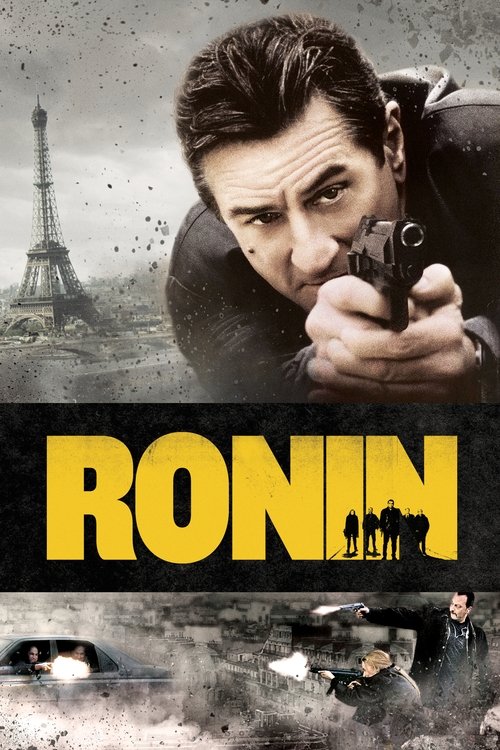
Ronin
1998A briefcase with undisclosed contents – sought by Irish terrorists and the Russian mob – makes its way into criminals' hands. An Irish liaison assembles a squad of mercenaries, or 'ronin', and gives them the thorny task of recovering the case.
Returning to his roots in high-octane realism, the director crafts a masterclass in spatial awareness and practical stunt coordination. It stands as a firm rebuttal to the dawn of digital effects, proving that Frankenheimer’s eye for authentic, gritty craft remained unsurpassed even in the late stages of his career.
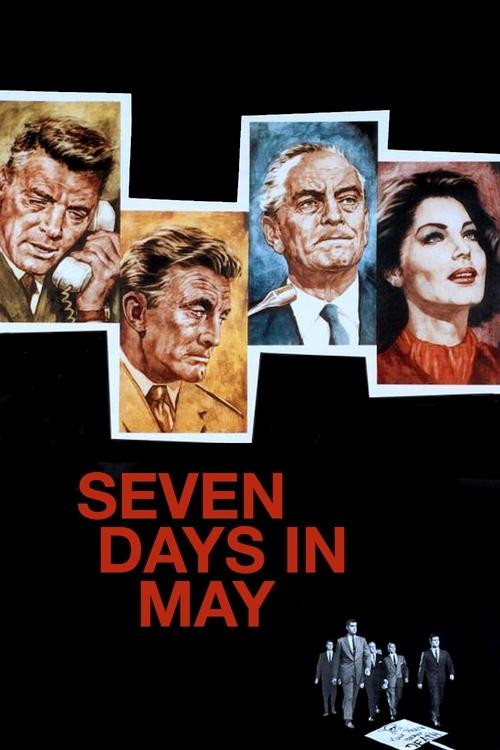
Seven Days in May
1964A U.S. Marine Corps colonel alerts the president of a planned military coup against him.
Frankenheimer strips away the typical bombast of political dramas to deliver a lean, surgical interrogation of democratic fragility. His camera moves through the halls of power with predatory precision, turning bureaucratic tension into a breathless race against institutional decay.
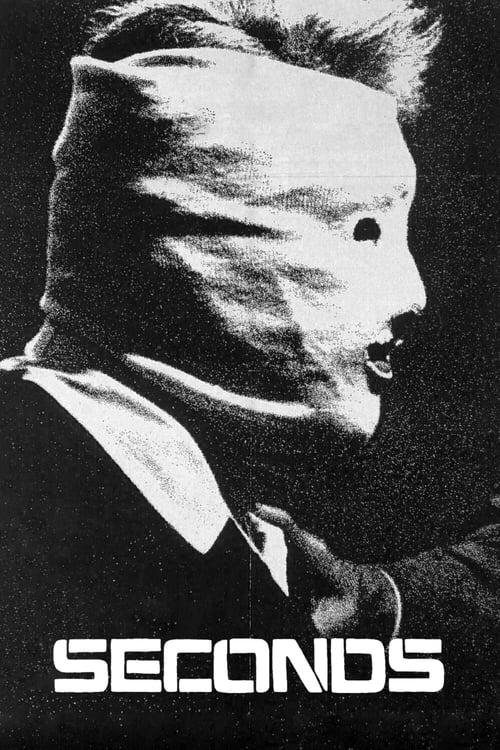
Seconds
1966An unhappy middle-aged banker agrees to a procedure that will fake his death and give him a completely new look and identity; one that comes with its own price.
A chilling plunge into monochrome surrealism, this film remains one of the most terrifying explorations of identity ever committed to celluloid. Frankenheimer employs distorted lenses and hall-of-mirrors framing to expose the hollow horror beneath the mid-century American dream.
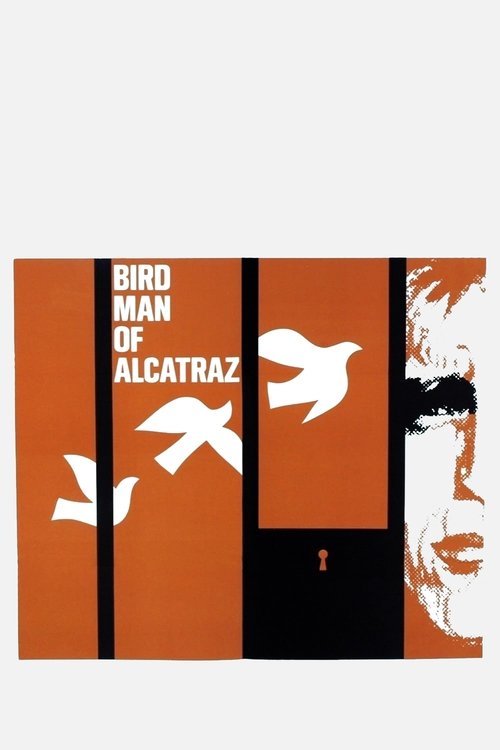
Birdman of Alcatraz
1962After killing a prison guard, convict Robert Stroud faces life imprisonment in solitary confinement. Driven nearly mad by loneliness and despair, Stroud's life gains new meaning when he happens upon a helpless baby sparrow in the exercise yard and nurses it back to health. Despite having only a third grade education, Stroud goes on to become a renowned ornithologist and achieves a greater sense of freedom and purpose behind bars than most people find in the outside world.
Despite the inherent spatial limitations of the prison genre, Frankenheimer finds profound cinematic liberation through intimate, tactile detail. This sensitive character study proves his versatility, trading his usual kinetic energy for a disciplined, poetic observation of human resilience.
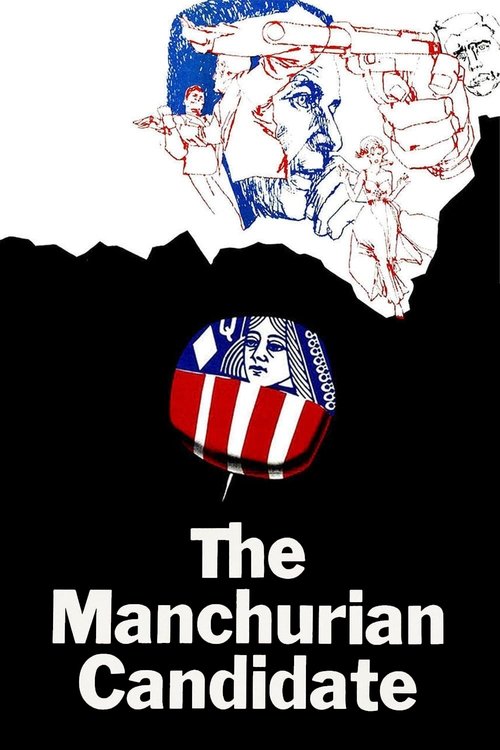
The Manchurian Candidate
1962Near the end of the Korean War, a platoon of U.S. soldiers is captured by communists and brainwashed. Following the war, the platoon is returned home, and Sergeant Raymond Shaw is lauded as a hero by the rest of his platoon. However, the platoon commander, Captain Bennett Marco, finds himself plagued by strange nightmares and soon races to uncover a terrible plot.
This is the definitive Cold War fever dream, executed with a paranoid visual grammar that still feels dangerously ahead of its time. Frankenheimer utilizes deep-focus photography and disorienting compositions to dismantle the American psyche, creating a prophetic masterpiece of psychological manipulation.
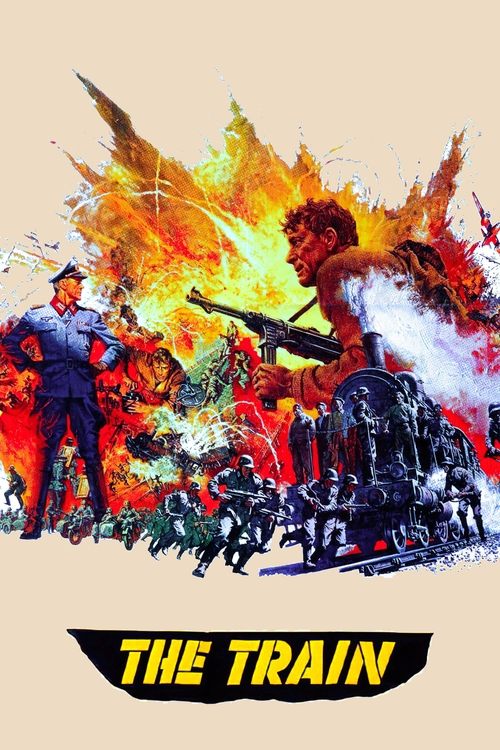
The Train
1964As the Allied forces approach Paris in August 1944, German Colonel Von Waldheim is desperate to take all of France's greatest paintings to Germany. He manages to secure a train to transport the valuable art works even as the chaos of retreat descends upon them. The French resistance however wants to stop them from stealing their national treasures but have received orders from London that they are not to be destroyed. The station master, Labiche, is tasked with scheduling the train and making it all happen smoothly but he is also part of a dwindling group of resistance fighters tasked with preventing the theft. He and others stage an elaborate ruse to keep the train from ever leaving French territory.
A muscular triumph of practical filmmaking, this industrial-strength thriller finds Frankenheimer at the peak of his logistical mastery. By eschewing artifice for the sheer weight of moving iron, he transforms a wartime heist into a visceral meditation on the heavy cost of preserving culture.
Frequently Asked Questions
Everything you need to know about this list and SnakeDrafts
- John Frankenheimer's films often explore themes of paranoia, moral conflict, and high-stakes political intrigue, especially evident in thrillers like "The Manchurian Candidate" and "Seven Days in May." His works frequently delve into the psychological tension surrounding Cold War anxieties and identity crises.
- "Grand Prix" stands out for its groundbreaking kinetic camera techniques, capturing high-speed Formula One racing with unprecedented realism. This film showcases Frankenheimer's obsession with frame physics and dynamic storytelling.
- "The Train" masterfully combines intense war action with thriller elements, emphasizing tension and moral dilemmas in a World War II setting. Frankenheimer's precise direction enhances the suspense, making it a classic in both genres.
- "Seconds" is a distinctive blend of science fiction, thriller, and horror that explores identity and existential dread. Its eerie atmosphere and unconventional narrative reflect Frankenheimer's versatility beyond traditional thrillers.
- Yes, action films like "Ronin," "Black Sunday," and "Dead Bang" highlight Frankenheimer's skill in crafting thrilling, high-octane cinema with complex plots and memorable sequences. These works complement his reputation in the thriller and political drama arenas.
- Political intrigue is a central element in films such as "Seven Days in May" and "The Manchurian Candidate," where Frankenheimer dissects Cold War paranoia and conspiratorial narratives. These films exemplify his contribution to politically charged thriller cinema.
- "Birdman of Alcatraz" and "The Young Savages" illustrate Frankenheimer's exploration of crime and justice, blending intense character studies with societal critique. These films deepen his portfolio beyond action and political thrillers.
- The listicle highlights Frankenheimer's mastery in creating suspenseful, paranoid thrillers that often blend action with psychological depth. Films like "The Manchurian Candidate" and "Seconds" showcase his innovative storytelling and visual style that have influenced the genre.