The Best Sydney Pollack Movies Ranked
Defining the Screen Legacy of a Master Director and Actor
Explore the finest performances and cinematic contributions of Sydney Pollack, from iconic comedies to intense legal dramas and psychological thrillers.
About Sydney Pollack
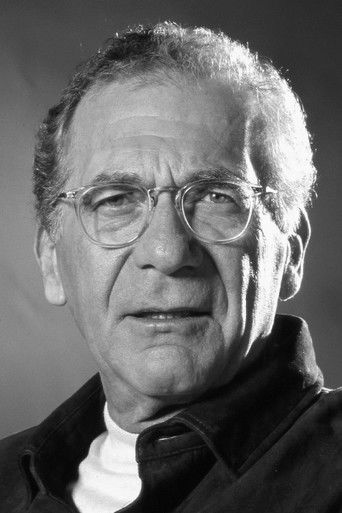
Sydney Pollack occupied a singular space in the Hollywood ecosystem, moving between the captain's chair and the spotlight with a grace that few others have ever replicated. While history often prioritizes his stature as an Oscar winning director, his work as an actor revealed the soul of a man who understood the mechanics of human ego and the fragility of power. He didn't just play characters. He inhabited the very idea of a sophisticated, weary professional, usually one who had seen enough of the world to be cynical but remained just curious enough to keep engaging with it.
His screen presence felt like a masterclass in lived-in authority. He possessed a rumbling, melodic voice and a gaze that could shift from grandfatherly warmth to cold calculation in a heartbeat. Audiences connected with him because he felt like the smartest person in the room who nonetheless refused to talk down to his peers. He grounded every frame he entered, providing a moral or intellectual anchor that modern cinema often lacks. Whether he was playing a high powered lawyer or a frustrated talent agent, there was a palpable sense of history behind his eyes.
One cannot discuss his acting legacy without looking at his role as George Fields in Tootsie. Facing off against a manic Dustin Hoffman, he delivered a performance of comedic exasperation that felt entirely authentic. He served as the audience surrogate, the voice of reason trying to navigate the absurdity of show business. This same gravitas took a darker, more enigmatic turn in Eyes Wide Shut, where his wealthy Victor Ziegler pulled back the curtain on a world of terrifying privilege. In that film, he became the ultimate gatekeeper, radiating a quiet menace that felt more dangerous than any physical threat.
His later career solidified this reputation for playing men of immense influence. In Michael Clayton, he played the patriarch of a crumbling legal empire with such weary brilliance that it felt less like a performance and more like a documentary of a man losing his grip on his life's work. He could navigate the satirical waters of The Player or the domestic friction of Husbands and Wives with equal dexterity, always bringing a certain New York intellectualism to the screen. Even in mainstream romantic outings like Made of Honor or the somber drama of Random Hearts, he provided a weight that elevated the material.
His journey began decades earlier with the gritty reality of War Hunt, but his evolution into the industry's most reliable character actor was a slow burn that mirrored his growth as a filmmaker. He understood the architecture of a scene from both sides of the lens, and that knowledge allowed him to be generous to his scene partners. He never crowded the screen. Instead, he occupied it with a quiet confidence that suggested he knew exactly how the story would end.
The cultural impact of his acting lies in that specific brand of articulate, weathered masculinity. He represented an era of cinema where dialogue was king and competence was the ultimate virtue. When he appeared in a film like A Civil Action, the stakes felt higher simply because he was the one articulating them. He was more than a multi hyphenate talent. He was the industry's conscience, a man who could explain the world to us while making us feel like we were part of the conversation. Cinema feels a little less intelligent without his steady hand and that knowing, wry smile.
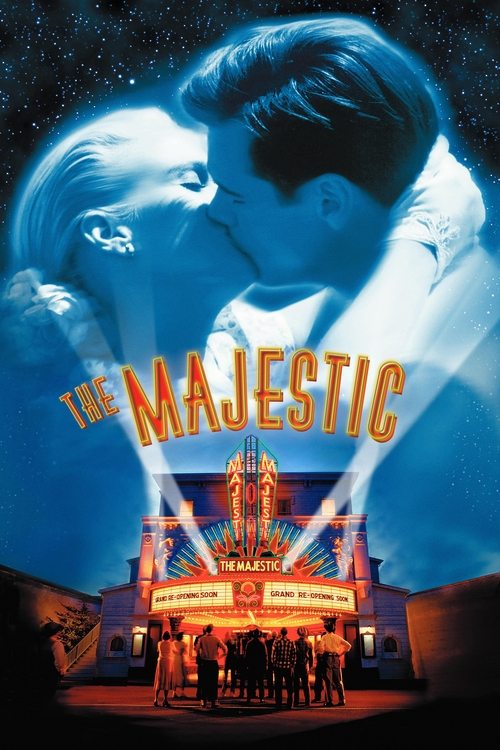
The Majestic
2001Set in 1951, a blacklisted Hollywood writer gets into a car accident, loses his memory and settles down in a small town where he is mistaken for a long-lost son.
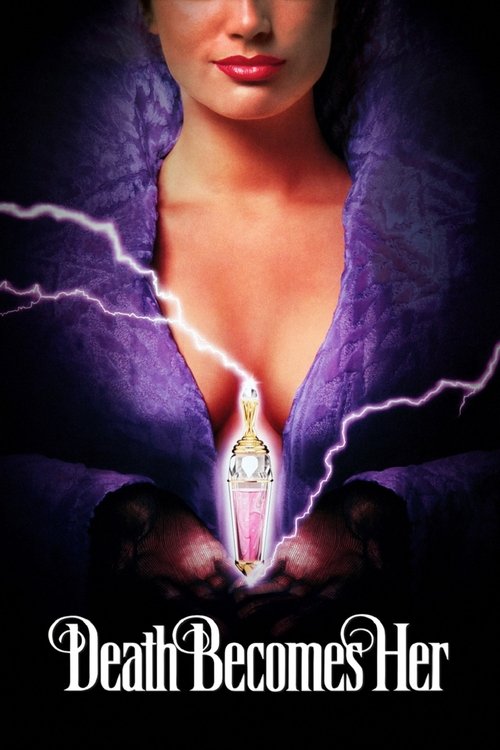
Death Becomes Her
1992Madeline is married to Ernest, who was once her arch-rival Helen's fiancé. After recovering from a mental breakdown, Helen vows to kill Madeline and steal back Ernest. Unfortunately for everyone, the introduction of a magic potion causes things to be a great deal more complicated than a mere murder plot.
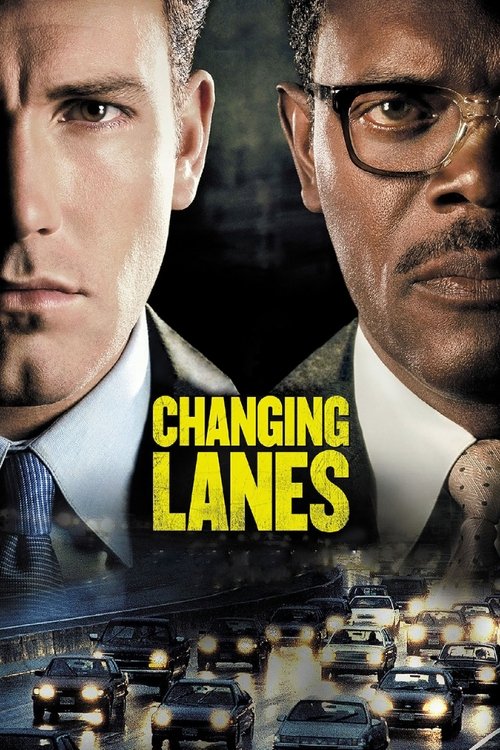
Changing Lanes
2002A rush-hour fender-bender on New York City's crowded FDR Drive, under most circumstances, wouldn't set off a chain reaction that could decimate two people's lives. But on this day, at this time, a minor collision will turn two complete strangers into vicious adversaries. Their means of destroying each other might be different, but their goals, ultimately, will be the same: Each will systematically try to dismantle the other's life in a reckless effort to reclaim something he has lost.
Pollack commands the screen with a serpent's grace, delivering his dialogue with the weary, cynical precision of a man who has long since bartered his soul for a corner office. He weaponizes his real world authority as a filmmaker to portray the ultimate fixer, reminding audiences that his sharpest tool was always his ability to inhabit the very establishment he often critiqued from the director's chair. It is a masterclass in calculated menace that stands as the definitive example of his late career transition into Hollywood’s premier high stakes heavy.
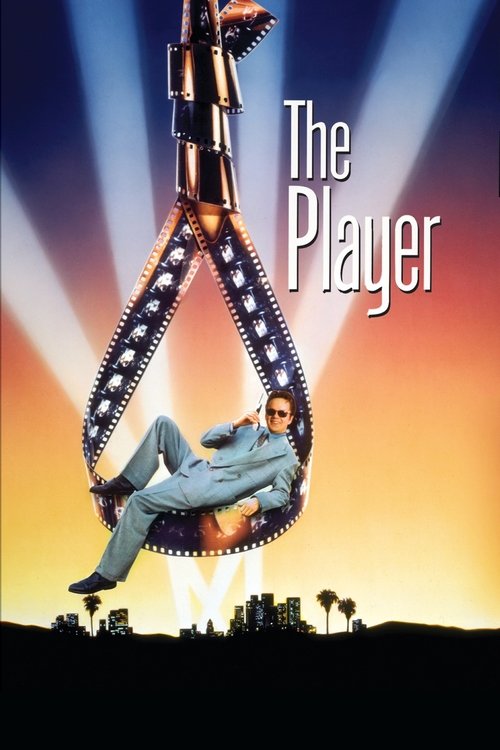
The Player
1992A Hollywood studio executive is being sent death threats by a writer whose script he rejected - but which one?
Making a sly cameo as himself, Pollack reinforces his status as the definitive elder statesman of Hollywood’s creative machinery. This brief appearance serves as an essential meta-commentary on his dual legacy as both a populist hitmaker and a sophisticated industry power player.
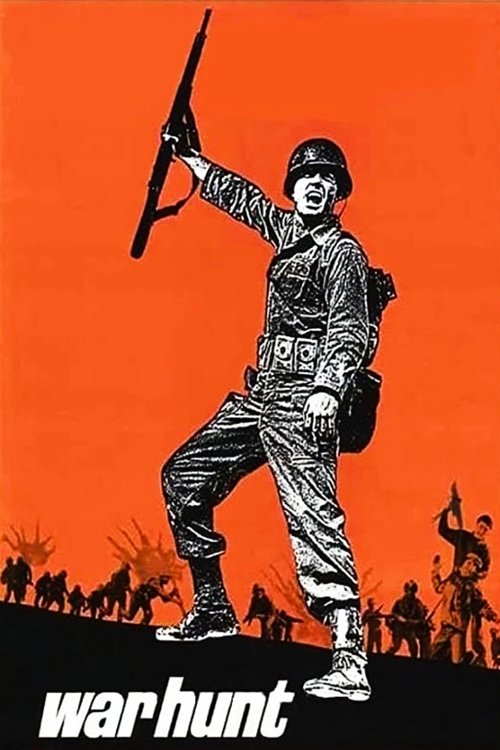
War Hunt
1962Dispatched to the front lines during the Korean War, an idealistic American soldier discovers the horrors of combat and comes at odds with a psychopathic member of his platoon.
In his feature film debut, the young Pollack displays a nascent intensity that foreshadows his future as a storyteller of psychological depth. His budding screen presence provides a fascinatng look at a burgeoning talent before he shifted his primary focus to the director’s chair.
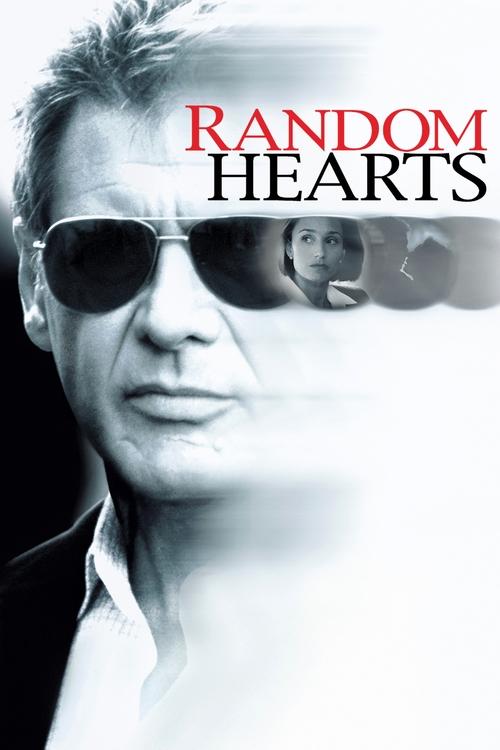
Random Hearts
1999After losing their spouses in a plane crash, an internal affairs cop and a congresswoman find each other's keys in each other's loved ones' possessions and discover that the two were having an affair.
Directing himself as Dutch Van Den Broeck’s superior, Pollack offers a brief but starchy reminder of his ability to project professional integrity. It is a quintessential supporting turn where his authoritative voice provides the necessary friction for Harrison Ford’s emotional spiral.
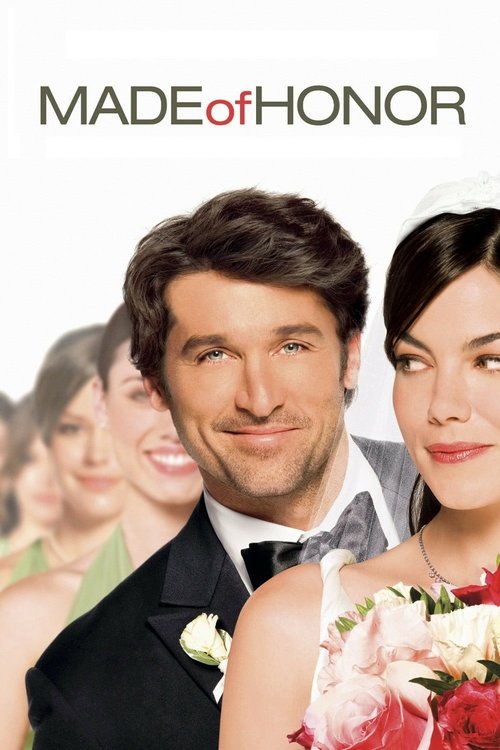
Made of Honor
2008Tom and Hannah have been platonic friends for 10 years. He's a serial dater, while she wants marriage but hasn't found Mr. Right. Just as Tom is starting to think that he is relationship material after all, Hannah gets engaged. When she asks Tom to be her 'maid' of honor, he reluctantly agrees just so he can attempt to stop the wedding and woo her.
In his final on-screen credit, Pollack brings an unexpected weight to the role of Thomas Bailey, injecting a puff-piece comedy with a flicker of genuine pathos. Even in a lighthearted commercial vehicle, his presence provides a dignified bridge between old-school craft and modern studio fare.
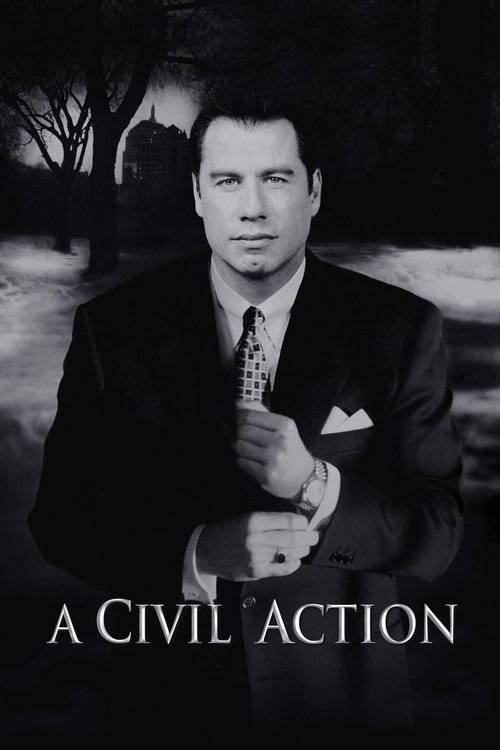
A Civil Action
1998Jan Schlickmann is a cynical lawyer who goes out to 'get rid of' a case, only to find out it is potentially worth millions. The case becomes his obsession, to the extent that he is willing to give up everything—including his career and his clients' goals—in order to continue the case against all odds.
Playing Al Eustis, Pollack utilizes his natural gravitas to depict the effortless charm of corporate deception. He commands the screen by doing very little, showcasing a seasoned mastery of the subtle power dynamics that define high-stakes litigation.
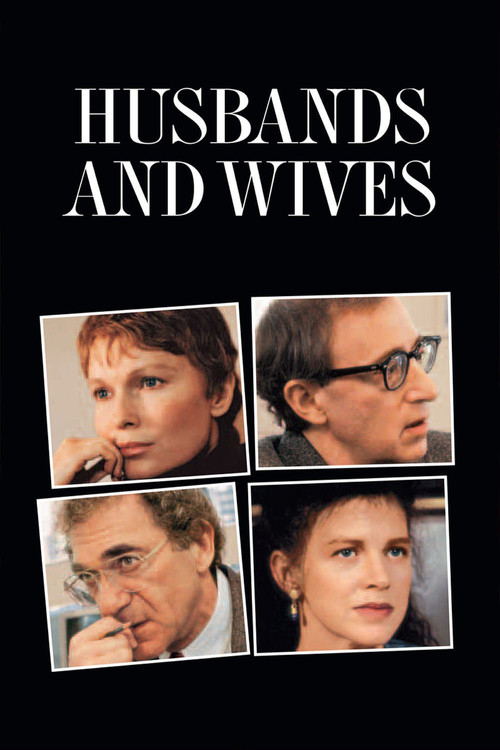
Husbands and Wives
1992When their best friends announce that they're separating, a professor and his wife discover the faults in their own marriage.
Pollack’s portrayal of Jack captures a messy, mid-life volatility that grounds Woody Allen’s intellectual franticness in something painfully human. He trades his typical poise for a desperate, raw vulnerability that remains one of the most naturalistic turns in his filmography.
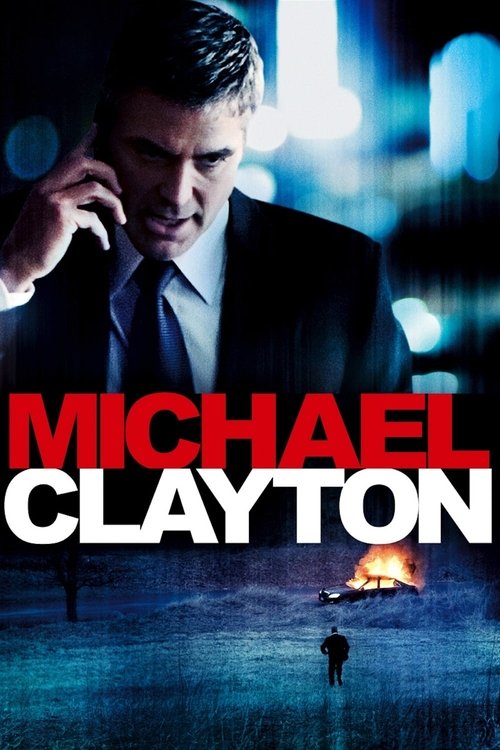
Michael Clayton
2007A law firm brings in its "fixer" to remedy the situation after a lawyer has a breakdown while representing a chemical company that he knows is guilty in a multi-billion dollar class action suit.
As the formidable Marty Bach, Pollack embodies the weary pragmatism of a legal titan staring down moral bankruptcy. It is a swan song performance that distills decades of industry authority into a portrait of a man who has traded his soul for a seat at the table.
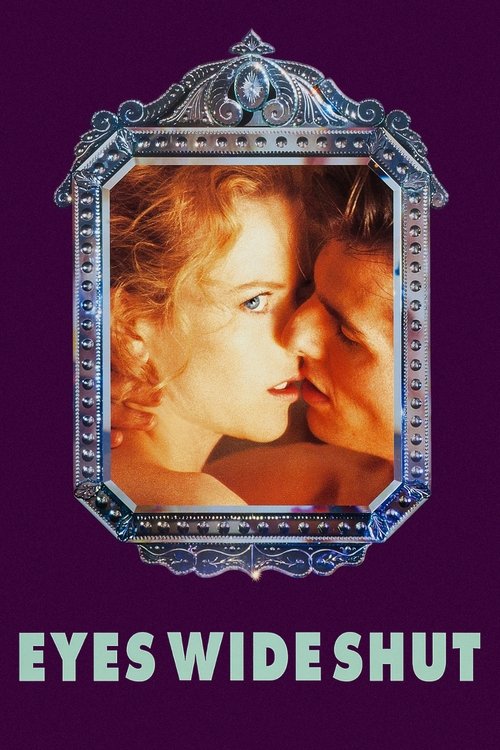
Eyes Wide Shut
1999After Dr. Bill Harford's wife, Alice, admits to having sexual fantasies about a man she met, Bill becomes obsessed with having a sexual encounter. He discovers an underground sexual group and attends one of their meetings -- and quickly discovers that he is in over his head.
Stepping into a role originally intended for Harvey Keitel, Pollack exudes a chilling, high-society menace as Victor Ziegler. He masterfully navigates Kubrick’s dreamscape with a performance that balances grandfatherly warmth against a terrifyingly cold defense of the elite status quo.
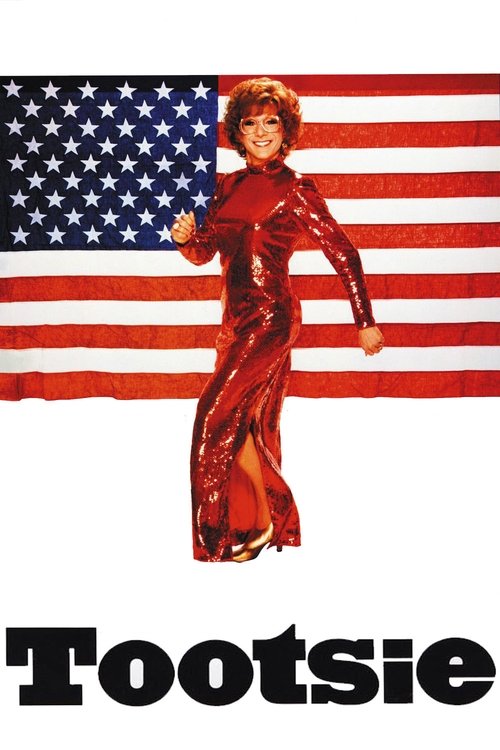
Tootsie
1982When struggling, out of work actor Michael Dorsey secretly adopts a female alter ego – Dorothy Michaels – in order to land a part in a daytime drama, he unwittingly becomes a feminist icon and ends up in a romantic pickle.
Pollack is a comedic revelation here, playing the exasperated voice of reason against Dustin Hoffman’s neurotic intensity. His performance as the cynical agent George Fields serves as the film’s tonal anchor, proving his innate ability to critique the absurdity of show business from the inside out.
Frequently Asked Questions
Everything you need to know about this list and SnakeDrafts
- Sydney Pollack's dual expertise as a director and actor allowed him to bring a nuanced understanding to his roles in "Tootsie" and "Random Hearts." His directorial insight helped him deliver performances that balanced emotional depth with a subtle comedic or dramatic touch, enhancing the storytelling on screen.
- Sydney Pollack frequently portrayed sophisticated, complex characters grappling with personal and professional challenges. Themes of power, ego, and vulnerability run through his work, as seen in movies like "Michael Clayton" and "Eyes Wide Shut," where his characters navigate morally ambiguous situations and psychological tension.
- In legal thrillers such as "Michael Clayton" and "A Civil Action," Pollack's portrayals added authenticity and gravitas to the narrative. His ability to embody the weariness and resilience of characters entrenched in high-stakes legal battles enhanced the films' dramatic impact and audience engagement.
- Sydney Pollack's acting career encompassed a wide range of genres including comedy, drama, romance, thriller, and mystery. From the comedic charm of "Tootsie" to the psychological intrigue of "Eyes Wide Shut" and the dramatic tension of "Changing Lanes," his versatility is a hallmark of his filmography.
- Pollack's subtle yet compelling acting style meshed well with directors like Stanley Kubrick and Woody Allen, who are known for their precise storytelling and character-driven narratives. His work in "Eyes Wide Shut" and "Husbands and Wives" showcases his ability to enhance complex character dynamics and thematic depth under distinguished directors.
- In "Tootsie," Sydney Pollack not only directed but also delivered a memorable acting performance that blended comedy with thoughtful social commentary. His role stands out for its charismatic balance and for helping to elevate the film's exploration of identity and gender roles.
- Sydney Pollack's roles in ensemble films like "The Player" and "Death Becomes Her" highlight his ability to shine alongside diverse casts. His nuanced performances add depth whether in satirical tones or dark comedy, demonstrating his adaptability to different storytelling styles and character types.