Richard Donner's Top Films Ranked
The Definitive Filmography of a Blockbuster Visionary
Explore the legendary career of Richard Donner, the director behind iconic cinematic masterpieces like Superman, The Goonies, and the Lethal Weapon series.
About Richard Donner
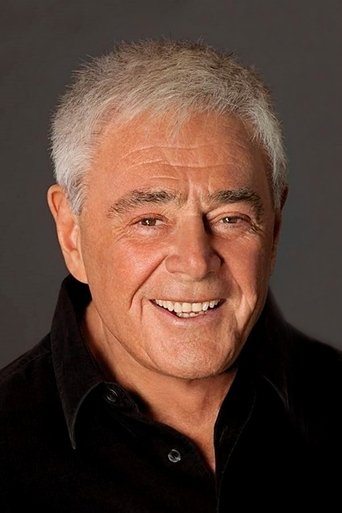
Richard Donner was the ultimate architect of the modern popcorn classic, an artist who understood that even the most outlandish premises required a heartbeat of sincerity to survive. Long before cinematic universes became the industry standard, he was the man who taught audiences how to believe in the impossible. His philosophy was rooted in a single word he kept on a sign in his office: Verisimilitude. Whether he was guiding a man in blue tights through the clouds or sending a band of foul-mouthed kids into a pirate cave, he treated the material with a grounded respect that elevated genre fare into cultural touchstones.
The sheer elasticity of his filmography is staggering. He could pivot from the bone-chilling, cold-blooded suspense of The Omen to the whimsical, mud-slicked escapism of The Goonies without missing a single beat. He possessed a rare ability to capture lightning in a bottle, particularly when it came to on-screen chemistry. Nowhere is this more evident than in Lethal Weapon, a film that redefined the buddy-cop dynamic by prioritizing the fractured, soulful relationship between its leads over the explosions. He understood that we cared about the car chases only because we cared about the men inside the cars. This humanistic touch turned a standard action flick into a decade-defining franchise, a feat he sustained through three sequels that never lost sight of the central family unit.
His legacy is perhaps most deeply felt in the sky above Metropolis. With the 1978 Superman, he essentially wrote the blueprint for the contemporary superhero epic. He rejected the campy tropes of the era, opting instead for a sweeping, romantic grandeur that felt mythological. By treating a comic book character with the weight of a prestige drama, he forced the world to take the genre seriously. The later release of the Richard Donner Cut of Superman II served as a long-awaited vindication, revealing a vision that was leaner and more emotionally resonant than the theatrical version audiences had lived with for years.
Even in his mid-tier projects and cult favorites, a distinctive warmth shines through. He found a strange, gothic beauty in the high-fantasy romance of Ladyhawke and tapped into a cynical, frenetic energy for the holiday satire Scrooged. He was a filmmaker who thrived on the set, a boisterous presence who fostered an environment where actors felt safe to take risks. He wasnt interested in cold experimentation or intellectual distance; he wanted to make movies that made you cheer, cry, or jump in your seat. From the gritty, claustrophobic tension of 16 Blocks to the conspiracy-laden paranoia of his late-nineties thrillers, his work remained stubbornly accessible and unapologetically big-hearted. He was the grandfather of the blockbuster, a storyteller who never forgot that at the core of every great film is an audience waiting to be transported.
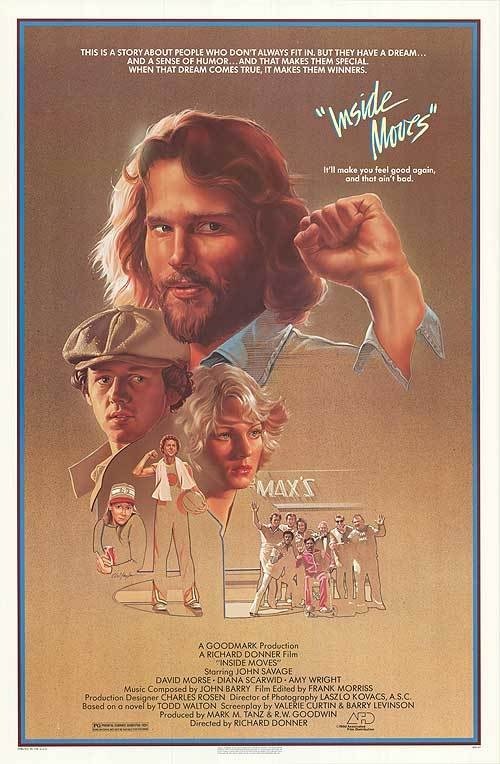
Inside Moves
1980After a failed suicide attempt leaves him partially crippled, Rory begins spending a lot of time at a neighborhood bar full of interesting misfits. When Jerry the bartender suddenly finds himself playing basketball for the Golden State Warriors, Rory and the rest of the bar regulars hope his success will provide a lift to their sagging spirits. Will Jerry forget his friends? What about his junkie hooker girlfriend and her pimp?
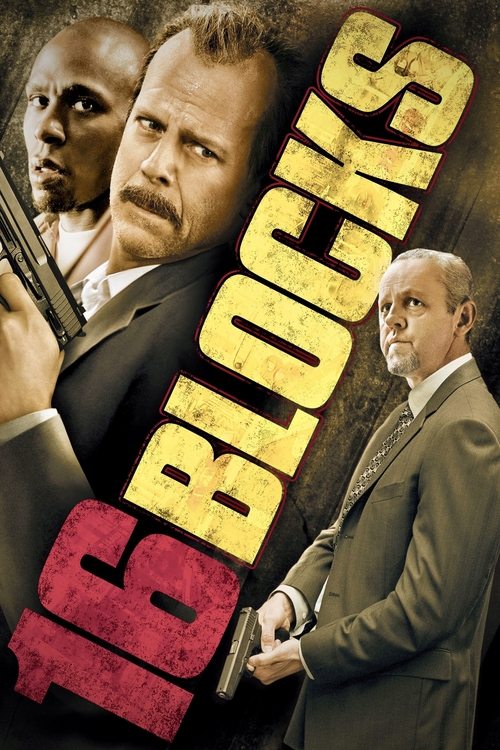
16 Blocks
2006An aging cop is assigned the ordinary task of escorting a fast-talking witness from police custody to a courthouse, but they find themselves running the gauntlet as other forces try to prevent them from getting there.
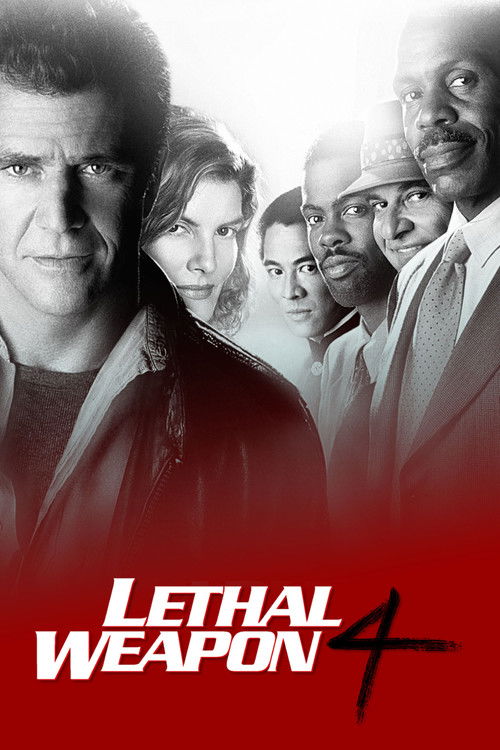
Lethal Weapon 4
1998With personal crises and age weighing in on them, Riggs and Murtaugh must contend with deadly Chinese triads trying to free their former leaders from prison and onto American soil.
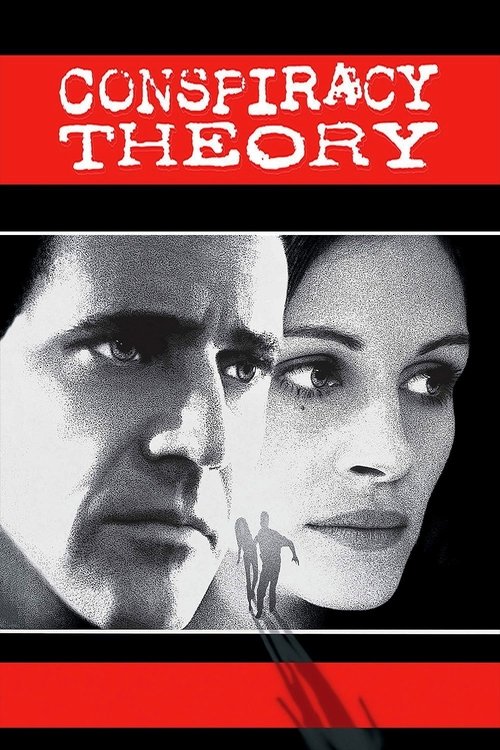
Conspiracy Theory
1997A man obsessed with conspiracy theories becomes a target after one of his theories turns out to be true. Unfortunately, in order to save himself, he has to figure out which theory it is.
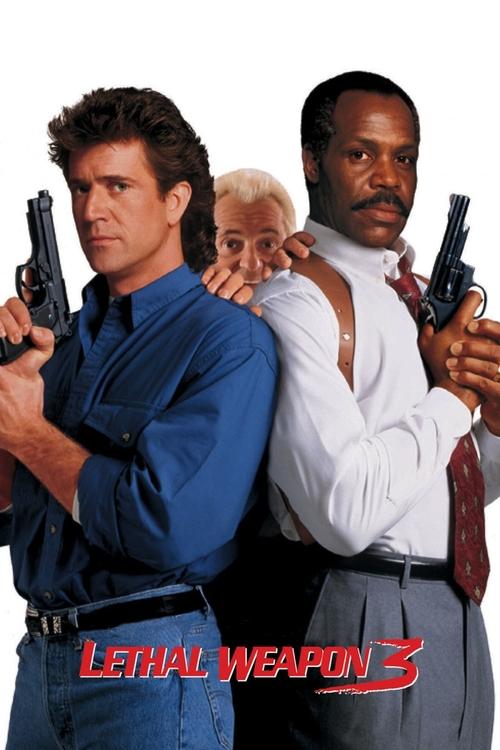
Lethal Weapon 3
1992Riggs and Murtaugh pursue a former officer who uses his knowledge of police procedure and policies to steal and sell confiscated guns and ammunition to local street gangs.
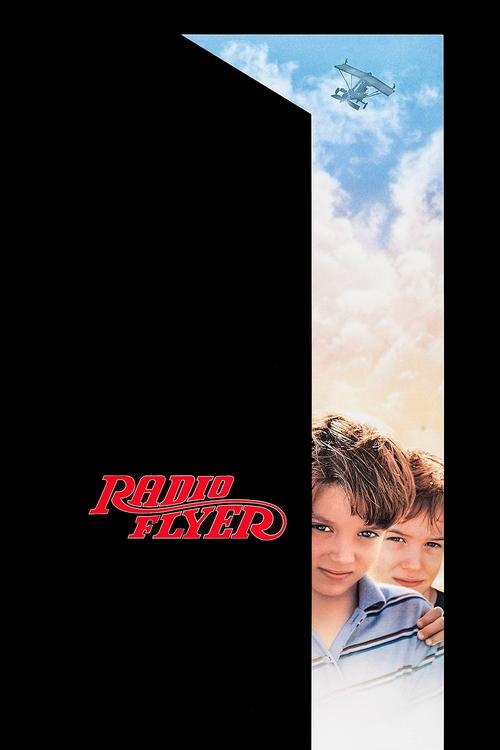
Radio Flyer
1992A father reminisces about his childhood when he and his younger brother moved to a new town with their mother, her new husband and their dog, Shane. When the younger brother is subjected to physical abuse at the hands of their brutal stepfather, Mike decides to convert their toy trolley, the "Radio Flyer", into a plane to fly him to safety.
Donner navigates the difficult terrain of childhood trauma with a lyrical, often surreal touch that defies the expectations of his action-heavy resume. It serves as a polarizing but essential chapter in his filmography, demonstrating a career-long fascination with the resilience of the youth spirit.
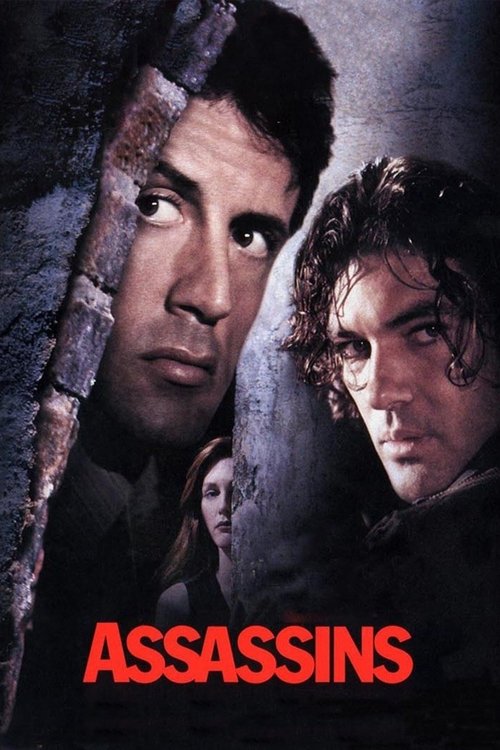
Assassins
1995Assassin Robert Rath arrives at a funeral to kill a prominent mobster, only to witness a rival hired gun complete the job for him -- with grisly results. Horrified by the murder of innocent bystanders, Rath decides to take one last job and then return to civilian life. But finding his way out of the world of contract killing grows ever more dangerous as Rath falls for his female target and becomes a marked man himself.
This late-career thriller highlights a more deliberate, patient approach to the action genre, favoring a slow-burn tension over constant pyrotechnics. It is a sleek exercise in professional distance, reflecting a director who understood how to frame a cat-and-mouse game through pure visual geography.
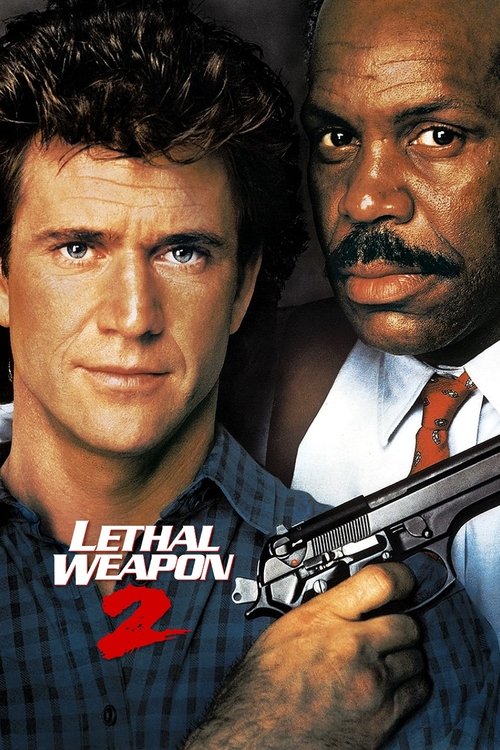
Lethal Weapon 2
1989Riggs and Murtaugh are on the trail of South African diplomats using their immunity to engage in criminal activities.
Refining the formula of its predecessor, this sequel finds Donner leaning into a more muscular style of direction that prioritizes spectacular stunt choreography and political undertones. It represents the peak of his commercial craftsmanship, where every comedic beat and ballistic exchange is executed with surgical precision.
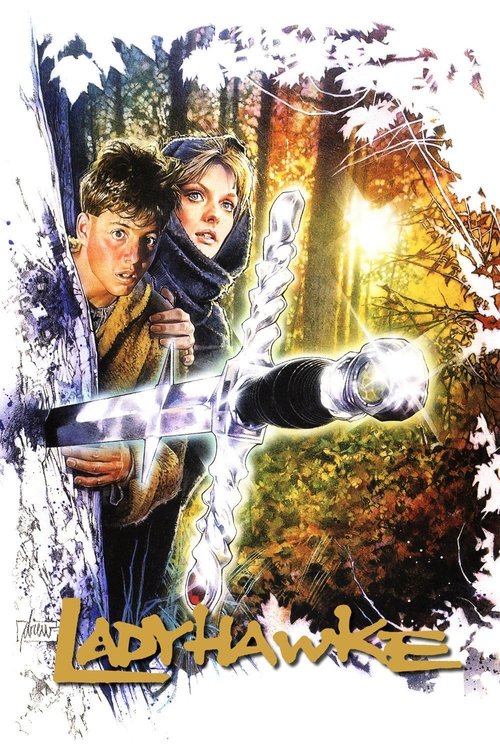
Ladyhawke
1985Captain Etienne Navarre is a man on whose shoulders lies a cruel curse. Punished for loving each other, Navarre must become a wolf by night whilst his lover, Lady Isabeau, takes the form of a hawk by day. Together, with the thief Philippe Gaston, they must try to overthrow the corrupt Bishop and in doing so break the spell.
A rare foray into ethereal fantasy, this film showcases the director’s eye for sweeping landscapes and his ability to ground a magical curse in palpable romantic longing. The juxtaposition of medieval aesthetics with a contemporary pulse reveals a filmmaker willing to experiment with tonal dissonance.
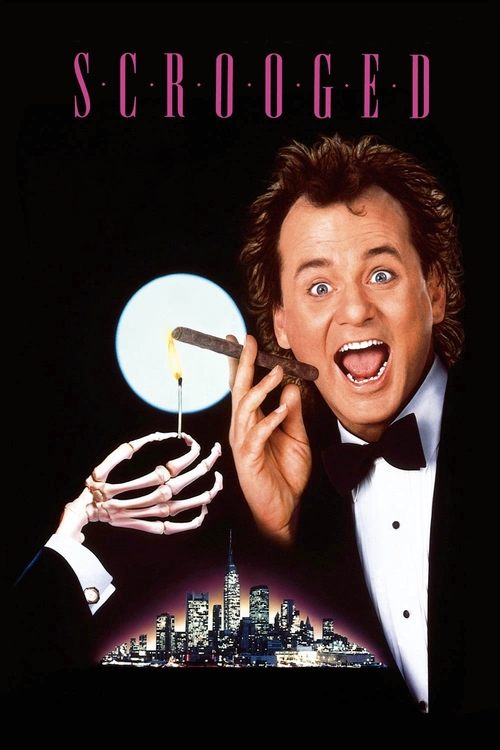
Scrooged
1988Frank Cross is a wildly successful television executive whose cold ambition and curmudgeonly nature has driven away the love of his life. But after firing a staff member on Christmas Eve, Frank is visited by a series of ghosts who give him a chance to re-evaluate his actions and right the wrongs of his past.
Donner injects a cynical, high-octane energy into the Dickensian formula, creating a satire that is as visually inventive as it is mean-spirited. This work highlights his versatility in handling darkly comedic tones while maintaining a rigorous, fast-paced editorial rhythm.
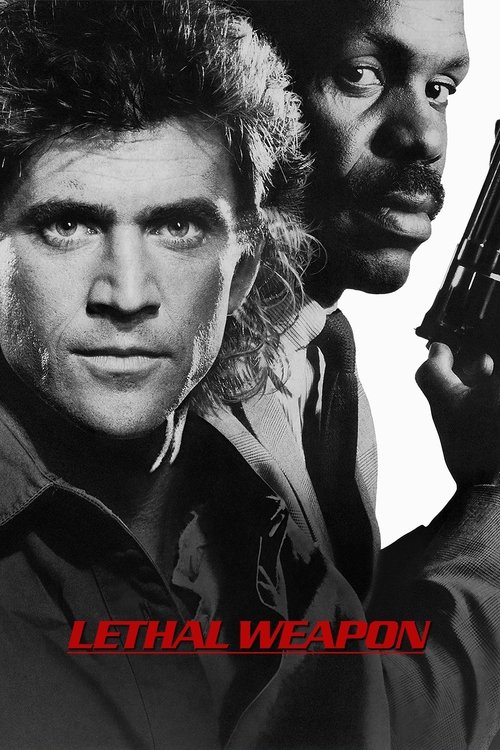
Lethal Weapon
1987A veteran cop and an unstable detective become partners who must put their differences aside in order to bring down a heroin-smuggling ring run by ex-Special Forces.
By wedding the visceral grit of a 1970s character study with the explosive momentum of 1980s action, Donner essentially invented the modern buddy-cop dynamic. His focus on the psychological fragility of his protagonists ensures that the gunpowder never overshadows the humanity at the core of the film.
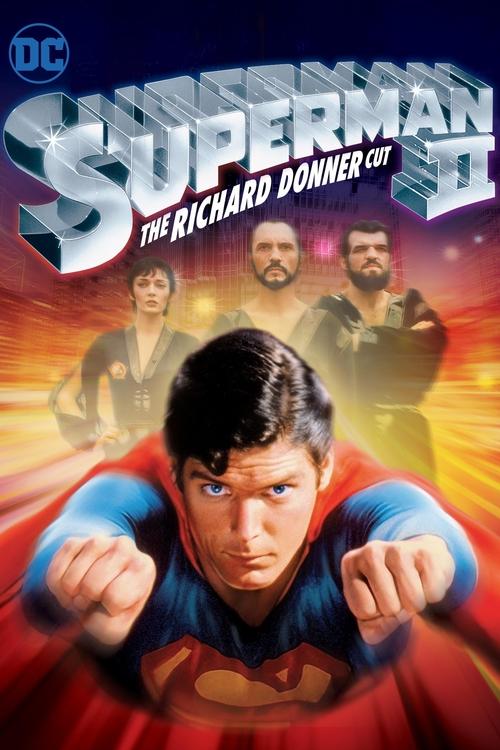
Superman II: The Richard Donner Cut
2006Superman agrees to sacrifice his powers to start a relationship with Lois Lane, unaware that three Kryptonian criminals he inadvertently released are conquering Earth.
This restoration serves as a fascinating piece of forensic filmmaking, reclaiming a vision defined by emotional stakes and narrative continuity over campy diversions. It crystallizes the director’s intended arc for the Man of Steel, proving that his structural instincts were superior to the theatrical release's slapstick tone.
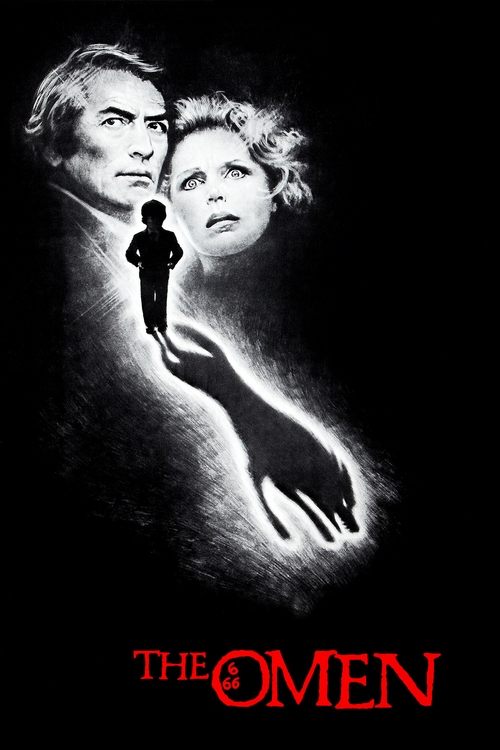
The Omen
1976Immediately after their miscarriage, the US diplomat Robert Thorn adopts the newborn Damien without the knowledge of his wife. Yet what he doesn’t know is that their new son is the son of the devil.
Trading in cheap jump scares for a mounting sense of ecclesiastical dread, Donner brings a sophisticated, big-budget gloss to the horror landscape. His meticulous pacing and use of wide-angle framing transform suburban tranquility into a chilling canvas of predestined doom.
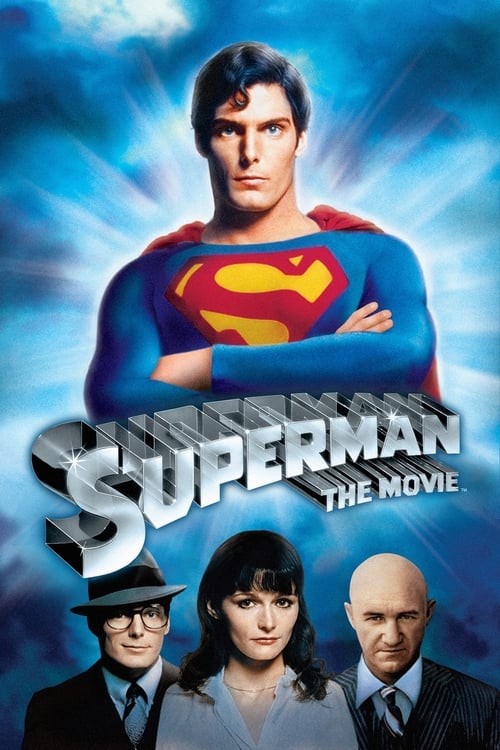
Superman
1978Mild-mannered Clark Kent works as a reporter at the Daily Planet alongside his crush, Lois Lane. Clark must summon his superhero alter-ego when the nefarious Lex Luthor launches a plan to take over the world.
The definitive blueprint for the modern superhero epic, this production succeeds by treating its mythological source material with a profound sense of verisimilitude. Donner’s insistence on gravity and prestige elevated a pulp concept into a soaring cinematic achievement that remains the benchmark for the entire genre.
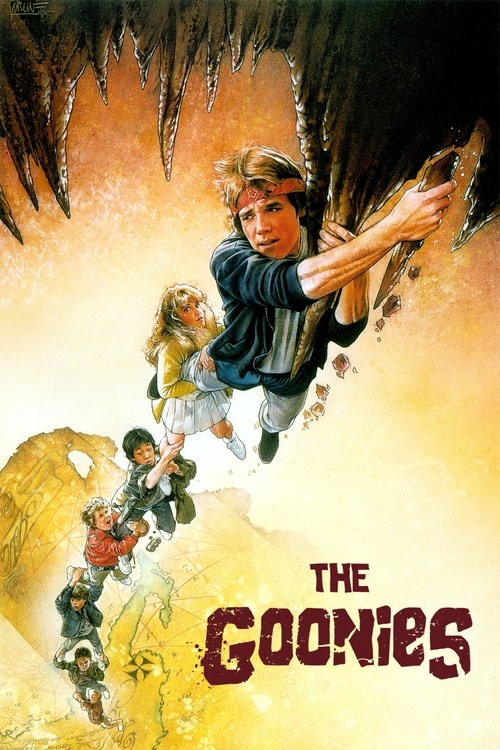
The Goonies
1985Young teen Mikey Walsh and his friends set off on a quest to find Pirate One-Eyed Willie's treasure in hopes of saving their homes from demolition. However, on their quest to find the treasure, they run into a family of recently escaped criminals, determined to capture the kids and reach the treasure first.
Donner captures the lightning of childhood imagination with a frantic, overlapping dialogue style that feels authentically chaotic rather than scripted. This masterpiece stands as the ultimate testament to his ability to balance high-stakes adventure with the genuine emotional bonds of an ensemble cast.
Frequently Asked Questions
Everything you need to know about this list and SnakeDrafts
- Richard Donner's films often blend adventure, action, and fantasy with a touch of sincerity that grounds even his most outlandish stories. Movies like The Goonies and Ladyhawke showcase his knack for combining heartfelt narratives with thrilling escapades.
- Richard Donner revolutionized the superhero genre with his direction of Superman, delivering a blend of heroic action and authentic emotional depth. His approach set the standard for future superhero films by emphasizing verisimilitude, making audiences believe in the impossible.
- The Omen stands out as Donner's most iconic venture into horror, where he masterfully crafts suspense and atmospheric tension. This film remains a benchmark for supernatural thrillers due to its chilling narrative and direction.
- The Richard Donner Cut of Superman II restores Donner's original vision, featuring alternate scenes, deeper character development, and a more cohesive story. It is highly praised for its improved narrative flow and is considered superior by many fans and critics.
- Donner's action films, particularly the Lethal Weapon series, blend high-octane thrills with strong character dynamics and humor. This combination elevates the genre by balancing intense sequences with relatable, human moments.
- Yes, Donner demonstrated versatility by directing films across multiple genres, including horror with The Omen, fantasy with Scrooged, and drama with Radio Flyer. This diversity showcases his ability to craft compelling stories regardless of genre.
- Sincerity is central to Donner's work, as he believed every extraordinary story needed an emotional core to connect with audiences. This principle is evident across his films, making characters and situations feel authentic and engaging.