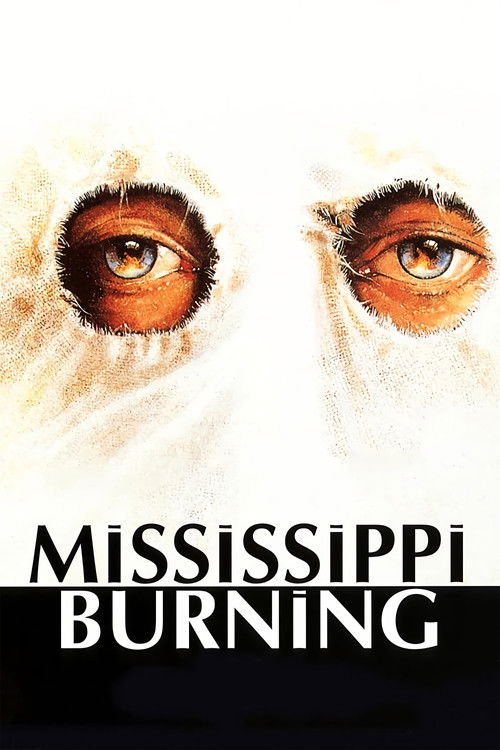
Mississippi Burning
Mississippi Burning is a gripping drama-thriller set against the turbulent backdrop of the 1960s civil rights movement. The film follows two FBI agents, played by Gene Hackman and Willem Dafoe, as they investigate the brutal murders of civil rights workers in a small Southern town. This intense story delves into the harsh realities of racial segregation and the relentless pursuit of justice amidst a conspiracy of silence.
Director
Release Year
1988
Runtime
128 minutes
Main Cast
Gene Hackman, Willem Dafoe, Frances McDormand, Brad Dourif, R. Lee Ermey
About Mississippi Burning
Set in the racially charged Mississippi of 1964, "Mississippi Burning" unfurls a gripping narrative around the disappearance of three civil rights workers. This fictionalized account, inspired by true events, delves into the pervasive fear and systemic oppression faced by African Americans, while simultaneously exposing the brutal resistance to the burgeoning Civil Rights Movement.
The film masterfully portrays the clash between federal authority and entrenched local corruption. Agent Alan Ward, a by-the-book idealist, and Agent Rupert Anderson, a jaded former small-town sheriff, navigate a hostile environment where silence and intimidation reign. Their investigation unearths not just clues to the missing workers, but the deeply ingrained racism that permeates every facet of the community, from law enforcement to everyday citizens.
Critically acclaimed upon its release, "Mississippi Burning" garnered significant attention for its powerful performances and unflinching depiction of a dark chapter in American history. While some controversies arose regarding historical accuracy and the portrayal of FBI involvement, the film's raw intensity and a stellar cast, including an Oscar-winning performance by Gene Hackman, cemented its place as a pivotal social drama. Its impact resonates in its continued ability to provoke discussion about civil rights, justice, and the enduring struggle against hate.
The legacy of "Mississippi Burning" lies in its forceful contribution to cinematic explorations of civil rights. It serves as a stark reminder of the sacrifices made and the battles fought for equality, prompting viewers to reflect on progress made and challenges that still persist in the pursuit of a truly just society. The film remains a potent commentary on the dangers of racial intolerance and the courage required to confront it.
Drafts Featuring Mississippi Burning
Every SnakeDrafts listicle where this movie appears
The Best Gene Hackman Movies Ranked
Ranked #9
The Best Willem Dafoe Movies Ranked
Ranked #3
The Best Frances McDormand Movies
Ranked #6
Top Alan Parker Directed Movies Ranked
Ranked #2
1988's Best Movies Ranked
Ranked #21
The Best Crime Movies of 1988, Ranked
Ranked #16
The Greatest Thriller Movies of 1988
Ranked #10
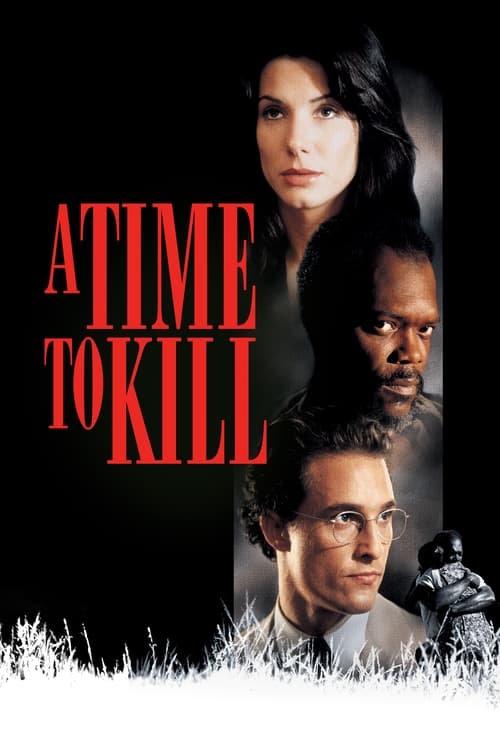
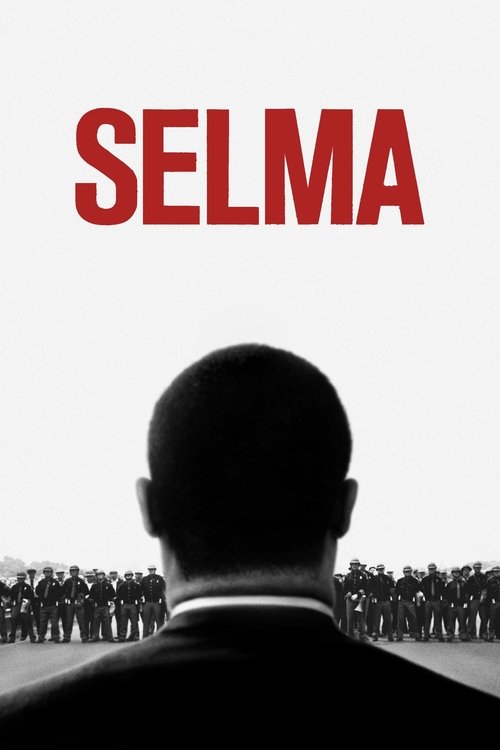
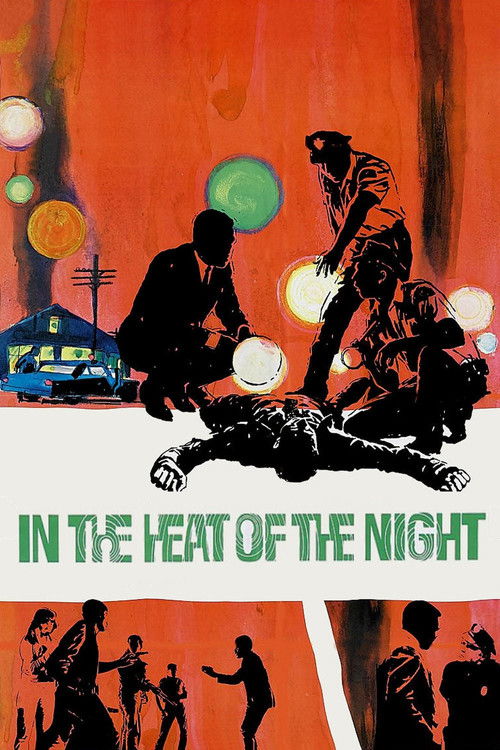
Similar Movies
Movies related to Mississippi Burning
Frequently Asked Questions
Everything you need to know about Mississippi Burning
- The burning house scene is a pivotal moment, symbolizing the escalating racial violence and intimidation tactics used by the Ku Klux Klan. It represents the destruction of innocence and the terror inflicted upon the Black community, demonstrating the extreme measures taken to suppress civil rights. This act of arson underscores the profound fear and chaos gripping the town.
- Agent Ward's adherence to FBI protocol and legal procedures starkly contrasts with Agent Anderson's more unconventional, often aggressive tactics rooted in his Southern upbringing. This dynamic creates tension but ultimately allows them to penetrate the town's conspiracy of silence from different angles. Their differing approaches highlight the challenges of fighting deeply entrenched systemic racism.
- Mrs. Pell embodies the moral conflict and buried conscience within the community. Her initial fear and complicity give way to a courageous act of providing crucial information, highlighting themes of guilt, complicity, and the potential for individual redemption. Her journey underscores the immense pressure faced by those who dared to speak out against injustice.
- The film powerfully illustrates how ordinary citizens, through their silence, complicity, and active participation in discriminatory practices, contribute to the perpetuation of racial injustice. It shows how fear, ingrained prejudice, and social pressure can create an environment where horrific acts are allowed to occur, emphasizing collective responsibility.
- The film's ending, while offering a semblance of justice, leaves viewers with a lingering sense of the profound scars left by racial hatred and violence. It suggests that true healing and reconciliation are complex and ongoing processes, prompting reflection on the long-term consequences of historical injustices and the continuous fight for equality.

