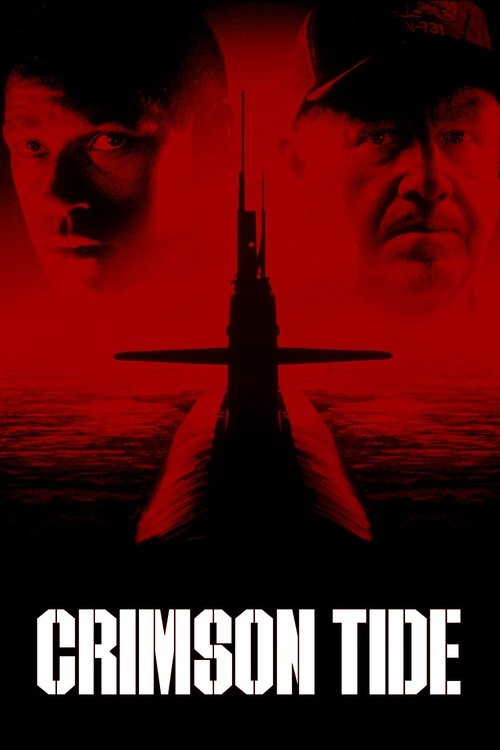
Crimson Tide
In the claustrophobic confines of a nuclear submarine, two strong-willed officers clash over the interpretation of a critical order, pushing the U.S.S. Alabama to the brink of mutiny and global catastrophe. This high-stakes thriller masterfully blends intense action with gripping ethical dilemmas, keeping viewers on the edge of their seats.
Director
Release Year
1995
Runtime
116 minutes
Main Cast
Denzel Washington, Gene Hackman, Matt Craven, George Dzundza, Viggo Mortensen
About Crimson Tide
Tony Scott's 1995 action-thriller _Crimson Tide_ plunges audiences into the moral and strategic complexities of nuclear warfare, exploring the terrifying 'what if' scenarios that lie beneath the surface of international relations. The film's taut script, developed from a story by Richard P. Henkel and Michael Schiffer, along with uncredited rewrites by Quentin Tarantino, delivers a powder keg of tension.
At its core, _Crimson Tide_ is a compelling character study wrapped in a thrilling narrative. It introduces Captain Frank Ramsey (Gene Hackman), a seasoned and traditional naval officer, and Lieutenant Commander Ron Hunter (Denzel Washington), a Harvard-educated executive officer with a more intellectual approach to command. Their ideological conflict, set against the backdrop of a potential nuclear strike, serves as the engine of the film's drama. The premise—a breakaway Russian republic threatening nuclear war—provides a believable and urgent context for the escalating internal conflict aboard the submarine.
Upon its release, _Crimson Tide_ was a critical and commercial success, lauded for its intense performances, particularly from its lead actors, and Tony Scott's signature dynamic direction. The film's exploration of military protocol, personal conviction, and the weight of responsibility resonated deeply with audiences and critics alike. It garnered multiple Academy Award nominations, including Best Film Editing, Best Sound, and Best Sound Effects Editing, affirming its technical prowess and narrative impact.
Beyond its immediate success, _Crimson Tide_ has solidified its place as a classic submarine thriller. Its themes of insubordination, the ethics of command, and the fine line between order and chaos continue to be debated and appreciated. The film's enduring legacy lies in its ability to transcend typical action fare, offering a thought-provoking examination of leadership and the human element in the face of unimaginable power.
Drafts Featuring Crimson Tide
Every SnakeDrafts listicle where this movie appears
The Best Gene Hackman Movies Ranked
Ranked #6
The Best Denzel Washington Movies Ranked
Ranked #2
The Definitive Viggo Mortensen Movie Ranking
Ranked #12
The Best James Gandolfini Movies Ranked: A Tribute to a Legend
Ranked #20
The Definitive Steve Zahn Movie Ranking: Every Must-Watch Performance
Ranked #18
The Greatest Tony Scott Movies Ever Made
Ranked #2
The Best 1995 Action Movies Ranked
Ranked #6
The Best Movies of the 1990s Ranked
Ranked #71
Top 1990s Thriller Movies Ranked
Ranked #40
The Best Thriller Movies of 1995, Ranked
Ranked #9
Similar Movies
Movies related to Crimson Tide
Frequently Asked Questions
Everything you need to know about Crimson Tide
- Captain Ramsey's 'Alabama speech' is a powerful monologue where he articulates his philosophy on war and the responsibilities of command, drawing parallels to past conflicts. It serves to establish his character as a pragmatic and experienced leader, albeit one with a rigid interpretation of orders.
- The film grapples with the morality and necessity of a pre-emptive strike through the differing viewpoints of Ramsey and Hunter regarding the incomplete nuclear launch order. It forces the audience to consider the devastating consequences of such a decision and the ethical tightrope walked by those in command.
- The 'Broken Arrow' signal, indicating the potential loss or theft of a nuclear weapon, adds another layer of urgency and peril to the unfolding events. It raises the stakes significantly, emphasizing the catastrophic potential should the U.S.S. Alabama fail in its mission or make the wrong decision.
- Hunter's Harvard education and theoretical approach to command clash sharply with Ramsey's battle-hardened experience and reliance on instinct and tradition. This fundamental difference in perspective is the primary driver of their conflict, highlighting the tension between adherence to protocol and independent judgment.
- The flooding of the missile tube is a pivotal moment that symbolizes the crew's struggle for control and the near-catastrophic consequences of the internal conflict. It represents the vessel's, and by extension, humanity's, precarious balance on the brink of self-destruction and the desperate attempts to regain order.

