Best Shirley MacLaine Movies Ranked
Essential Films of a Hollywood Legend
Discover the most iconic performances by Shirley MacLaine, from Academy Award winners to timeless comedy classics in this definitive movie guide.
About Shirley MacLaine
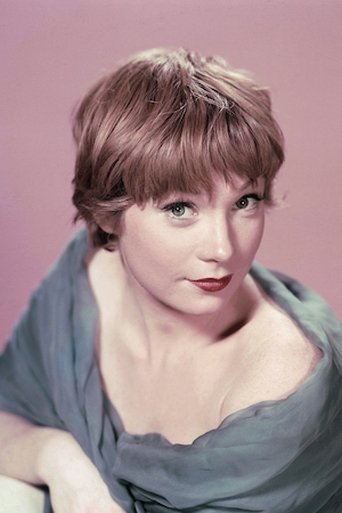
In the pantheon of Hollywood legends, few figures command the room with as much spiritual curiosity and flinty pragmatism as Shirley MacLaine. She arrived on the scene not as a polished starlet, but as a whirlwind of gamine energy, famously discovered in a Broadway wings-to-stage miracle that felt like a movie script itself. From her cinematic debut in Alfred Hitchcock's The Trouble with Harry, it was clear that she possessed a specific, vibrating intelligence. She was never just a pretty face in a frame; she was a woman with an interior world so loud it practically hummed through the screen.
Her early brilliance rested in her ability to play the vulnerable optimist without ever veering into the pathetic. In The Apartment, she gives us Fran Kubelik, a character trapped in a cycle of corporate heartbreak who manages to remain the most soulful person in the room. It remains one of the most empathetic performances in film history, followed closely by her devastating turn in The Children's Hour, where she navigated social taboos with a raw, heartbreaking honesty that was years ahead of its time. Whether she was trading quips with Clint Eastwood in the rugged Two Mules for Sister Sara or finding the bruised humanity in a small town drifter in Some Came Running, she proved that she could pivot from slapstick to high tragedy in a single breath.
As the years progressed, she evolved into the industry's premier arbiter of maternal complexity. She didn't just play mothers; she played women who happened to have children, refusing to sand down their sharp edges for the sake of likability. This reached its zenith in Terms of Endearment, where her portrayal of Aurora Greenway earned her a long-overdue Oscar. It is a performance of terrifying precision, capturing the frantic, overbearing love that defines a strained mother daughter bond. She carried this archetype into Postcards from the Edge, sparring brilliantly with Meryl Streep as a fading starlet who refuses to relinquish the spotlight.
Audiences connect with her because she feels fundamentally uncurated. While her contemporaries were busy maintaining a pristine image, she was writing bestsellers about reincarnation and her belief in the metaphysical, leaning into her eccentricities with a shrug of her shoulders. That fearless authenticity translates to her later roles as the grand dame of the ensemble. In Steel Magnolias, her Ouiser Boudreaux is the ultimate curmudgeon with a heart of gold, a role that cemented her as a beloved cultural firecracker. She brought that same grounded wisdom to Being There and later to In Her Shoes, proving that even as a supporting player, she can anchor an entire narrative with a single expressive glance.
From the technicolor whimsy of Sweet Charity to the cozy romanticism of Valentine's Day, her filmography is a roadmap of American cinema's shifting sensibilities. She has endured because she is an original, a woman who never waited for permission to be herself. Her legacy isn't just a collection of trophies or a list of hit movies; it is the feeling of watching a woman who understands that life is both a divine comedy and a grueling drama, and that the only way to survive either is to keep your wit sharp and your heart open.

Valentine's Day
2010Intertwining couples and singles in Los Angeles break-up and make-up based on the pressures and expectations of Valentine's Day.
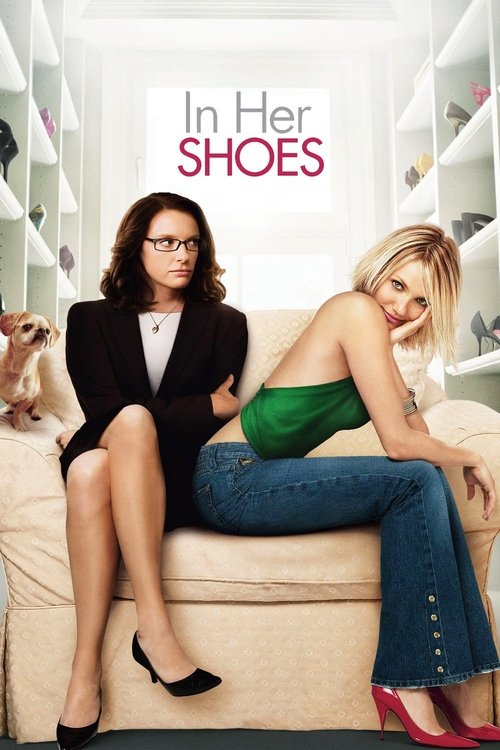
In Her Shoes
2005Irresponsible party girl Maggie is kicked out of her father's and stepmother's home—where she lives for free—and is taken in by her hard-working sister, Philadelphia lawyer Rose. After Maggie's disruptive ways ruin her sister's love life, Rose turns her out as well. But when their grandmother, who they never knew existed, comes into their lives, the sisters face some complicated truths about themselves and their family.
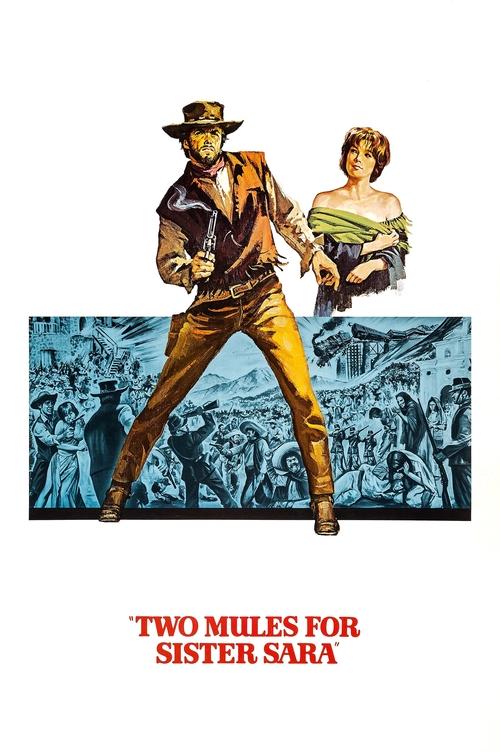
Two Mules for Sister Sara
1970When a wandering mercenary named Hogan rescues a nun called Sister Sara from the unwanted attentions of a band of rogues on the Mexican plains, he has no idea what he has let himself in for. Their chance encounter results in the blowing up of a train and a French garrison, as well as igniting a spark between them that survives a shocking discovery.
Subverting the tropes of the Spaghetti Western, MacLaine wields a sly humor and gritty toughness that holds its own against Clint Eastwood’s stoicism. Her performance is a playful, transformative turn that showcases her range beyond traditional dramatic or comedic roles.
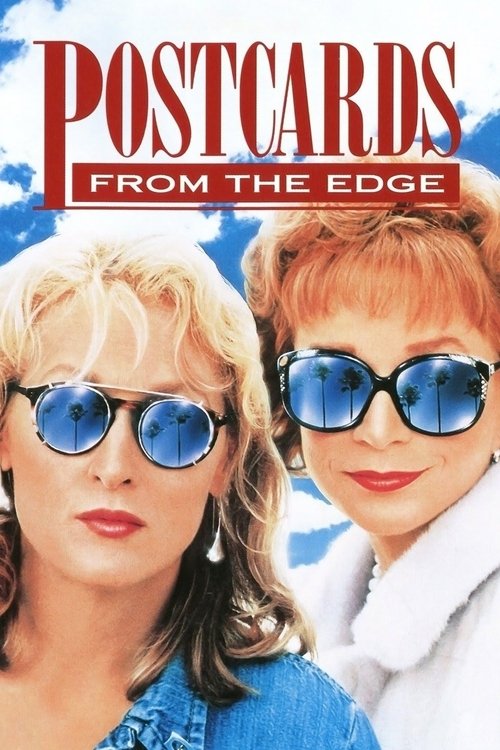
Postcards from the Edge
1990A substance-addicted actress tries to look on the bright side even as she's forced to move back in with her mother to avoid unemployment.
MacLaine commands the screen with a self-aware, grand-dame theatricality that perfectly parodies and pays tribute to her own Hollywood legacy. The chemistry she shares with Meryl Streep creates a fascinating, high-octane dialogue on the burdens of inherited fame.
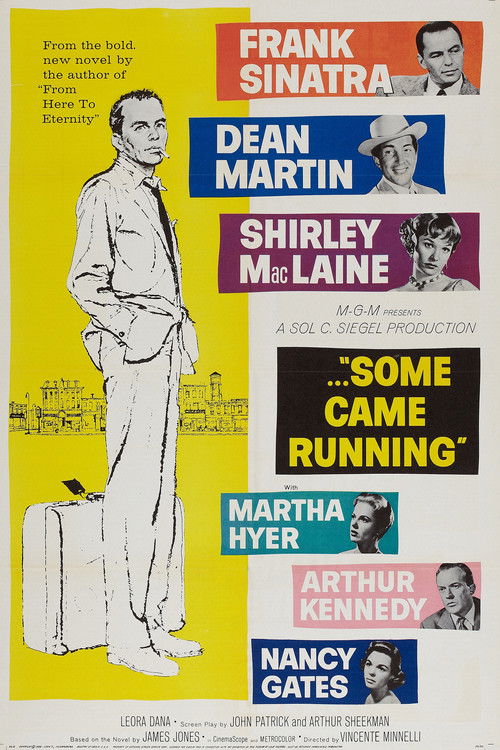
Some Came Running
1958A former novelist returns to his small Midwest town after serving in the Army during WWII, to the chagrin of his social-climbing brother, and becomes close with an easy-going professional gambler and torn between two very different women.
Playing a tragic figure on the fringes of society, MacLaine earned her first Academy Award nomination by finding dignity in a character often dismissed by others. Her work here demonstrates an early mastery of the tragicomedy that would define her career.
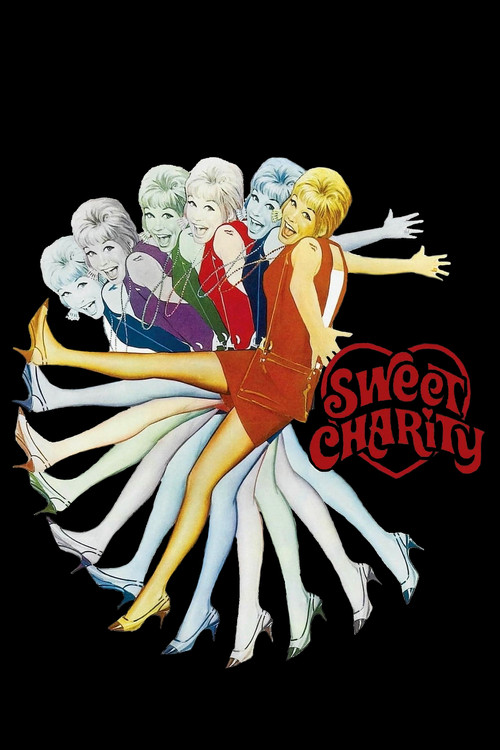
Sweet Charity
1969Taxi dancer Charity continues to have faith in the human race despite apparently endless disappointments at its hands, and hope that she will finally meet the nice young man to romance her away from her sleazy life. Maybe, just maybe, handsome Oscar will be the one to do it.
MacLaine pours an astonishing kinetic energy into this Bob Fosse spectacular, proving her prowess as a triple-threat performer who can carry a massive musical on her back. She manages to maintain a bruised optimism that prevents the stylized artifice from ever losing its heartbeat.
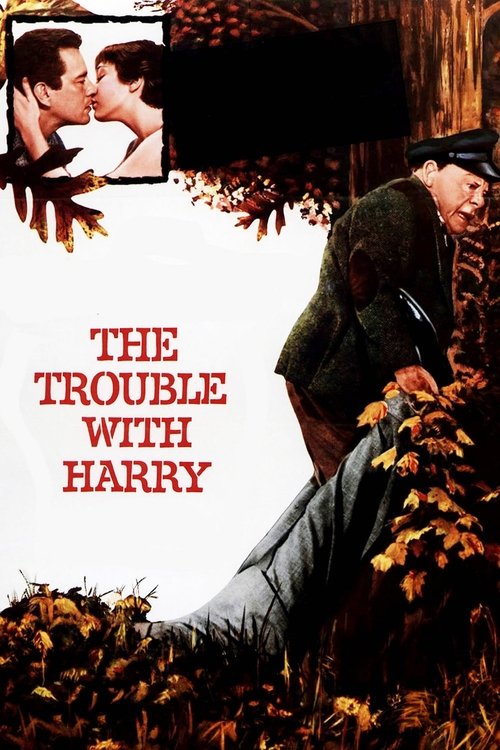
The Trouble with Harry
1955The trouble with Harry is that he’s dead. In a quiet Vermont village, a corpse creates unexpected chaos as several townspeople each believe they may be to blame.
In her cinematic debut, MacLaine radiates a quirky, nonchalant charm that immediately signaled the arrival of a totally unique screen presence. Her effortless screen presence amidst Hitchcock’s macabre whimsy proved she was never going to be a conventional starlet.
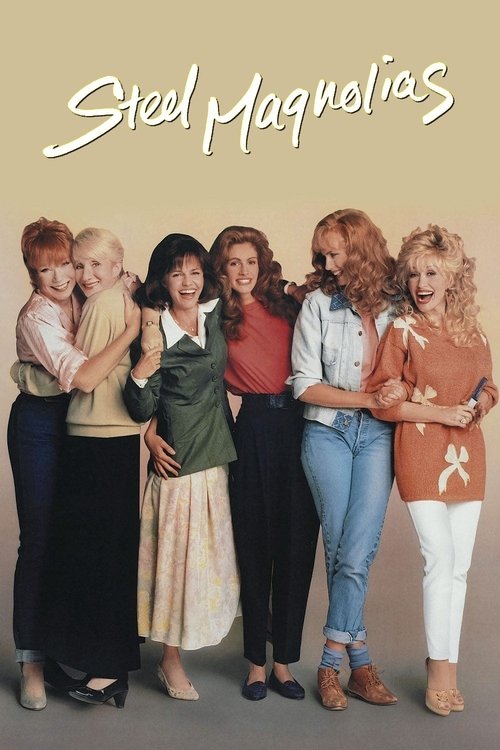
Steel Magnolias
1989A young beautician, newly arrived in a small Louisiana town, finds work at the local salon, where a small group of women share a close bond of friendship and welcome her into the fold.
Stealing every scene with acerbic precision, MacLaine transforms the town curmudgeon into a masterclass of comedic timing and hidden depth. Her performance serves as the perfect abrasive lubricant to the film's sentimental gears.
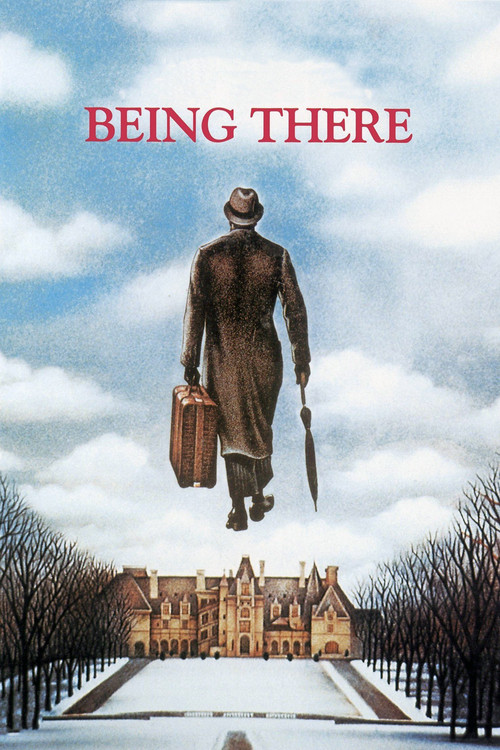
Being There
1979A simple-minded gardener named Chance has spent all his life in the Washington D.C. house of an old man. When the man dies, Chance is put out on the street with no knowledge of the world except what he has learned from television.
MacLaine provides a vital, earthy contrast to Peter Sellers’ ethereal stillness, grounded in a performance of desperate, comedic longing. She elevates the role of the lonely socialite into a poignant exploration of how people project their own desires onto a blank canvas.
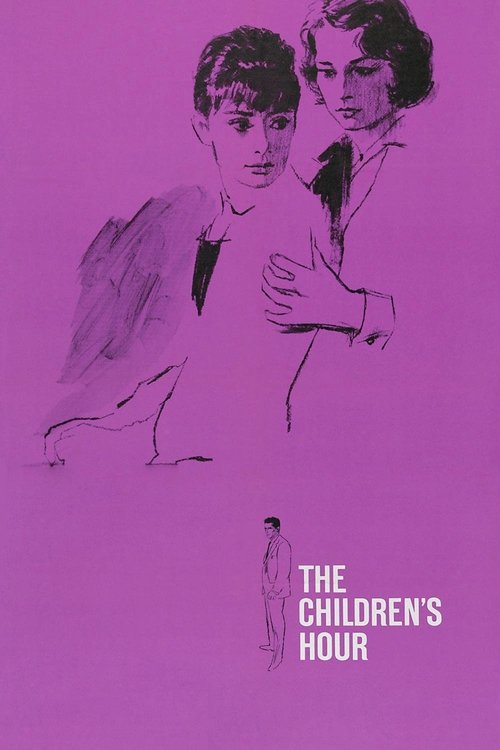
The Children's Hour
1961An unruly student at a private all-girls boarding school scandalously accuses the two women who run it of having a romantic relationship.
Displaying a raw and repressed intensity, MacLaine ventures into daring psychological territory that challenged the stifling social codes of the era. Her portrayal of internal torment provides the film with its most devastating and enduring emotional stakes.
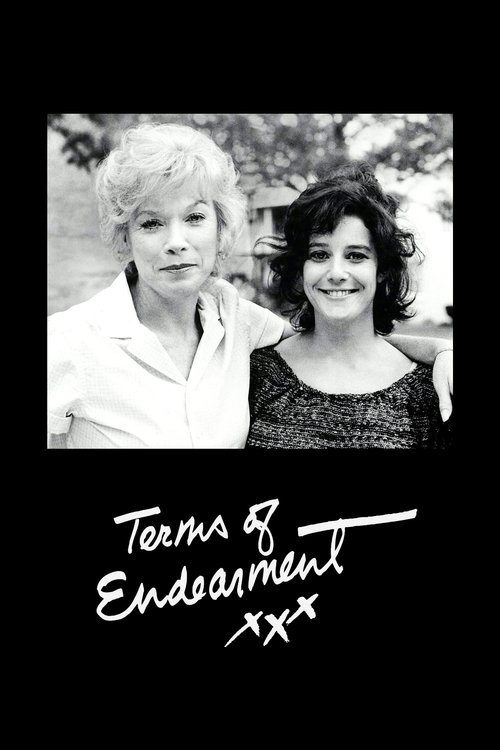
Aurora, a finicky woman, is in search of true love while her daughter faces marital issues. Together, they help each other deal with problems and find reasons to live a joyful life.
As the formidable Aurora Greenway, MacLaine masterfully navigates a decades-spanning emotional gauntlet through a blend of high-strung vanity and profound maternal ferocity. This Oscar-winning turn solidified her transition from the gamine of the sixties to a towering force of character acting.
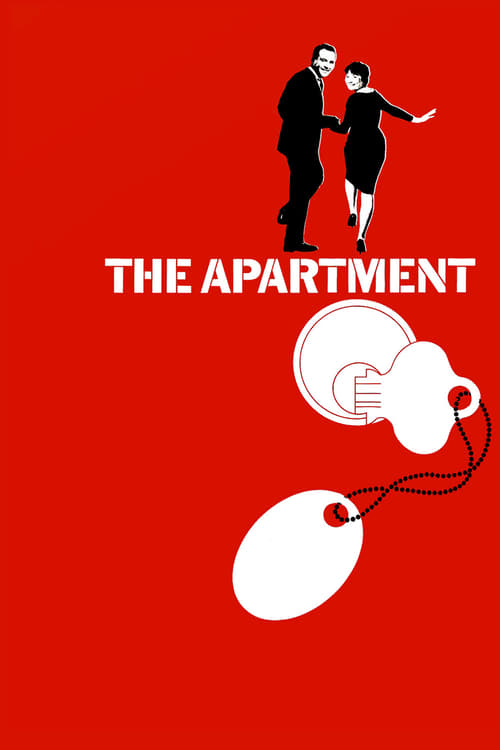
The Apartment
1960Bud Baxter is a minor clerk in a huge New York insurance company, until he discovers a quick way to climb the corporate ladder. He lends out his apartment to the executives as a place to take their mistresses. Although he often has to deal with the aftermath of their visits, one night he's left with a major problem to solve.
MacLaine finds the soul of the urban waif in Fran Kubelik, balancing heartbreaking vulnerability with a sharp, melancholic wit that anchors Billy Wilder’s cynical masterpiece. This performance remains the definitive example of her ability to elevate a romantic lead into a complex study of human resilience.
Frequently Asked Questions
Everything you need to know about this list and SnakeDrafts
- Shirley MacLaine stars in 'The Apartment,' directed by Billy Wilder, which masterfully blends comedy, drama, and romance. This film showcases her dynamic performance and remains one of her most iconic roles.
- Shirley MacLaine's acclaimed role in 'Terms of Endearment' highlights her profound ability to navigate complex family dynamics and emotional depth, earning critical praise and cementing it as a defining moment in her career.
- In Alfred Hitchcock's 'The Trouble with Harry,' Shirley MacLaine appears in her cinematic debut, playing a role within a dark comedy mystery that helped establish her as a versatile actress early in her career.
- 'Being There,' starring Shirley MacLaine, is a brilliant comedy-drama that explores the relationship between her character and a politically naïve man, showcasing her subtle and nuanced acting style.
- 'Steel Magnolias' features Shirley MacLaine in a heartfelt story about friendship and resilience among women in the South. This film is celebrated for its compelling performances and emotional richness.
- 'In Her Shoes' sees Shirley MacLaine portray a character dealing with family complexities and personal growth, contributing to a multi-generational story that blends comedy and drama effectively.
- 'The Children's Hour' features Shirley MacLaine in a compelling dramatic role tackling heavy social themes, showcasing her ability to handle intense and challenging subject matter with depth.