The Best Denzel Washington Movies Ranked
Definitive Rankings of a Hollywood Icon
Discover the most powerful performances from Denzel Washington, from intense crime dramas to award-winning historical epics ranked by quality.
About Denzel Washington
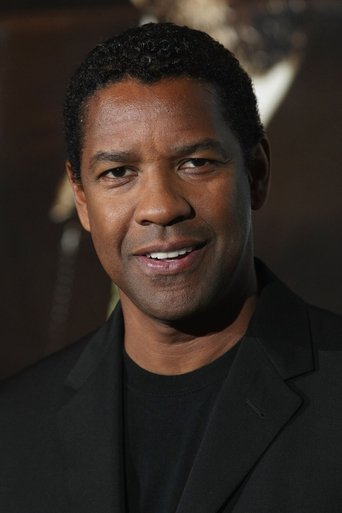
In the landscape of modern cinema, few actors possess the gravitational pull of Denzel Washington. He operates with a singular, high-frequency energy that can make a simple conversation feel like a Shakespearean soliloquy and a shootout feel like a moral reckoning. For over four decades, he has served as the gold standard of American acting, bridging the gap between the classic leading man and the gritty transformation artist. To watch him on screen is to witness a masterclass in stillness; he understands that a flick of the eyes or a deliberate silence often carries more weight than any shouted monologue.
His career arc represents a constant pursuit of characters who grapple with the complexities of power and integrity. In Glory, he embodied the defiant soul of the Civil War, earning an Oscar that signaled the arrival of a titan. He later carried the weight of history in Malcolm X, delivering a performance so definitive that it felt less like an imitation and more like a spiritual channeling. Whether he is portraying the bruised dignity of an unjustly imprisoned boxer in The Hurricane or the calculated brilliance of a drug kingpin in American Gangster, he infuses every role with an intellectual rigor that demands the audience's full attention.
Audiences gravitate toward him because he projects an unshakable sense of authority, even when his characters are spiraling. There is a specific thrill in watching him play the anti-hero, most notably in Training Day, where he flipped his noble persona on its head to play a predatory detective. It was a role that proved his charisma could be just as terrifying as it was inspiring. He has a unique talent for elevating genre material into something profound. In Crimson Tide and The Manchurian Candidate, he turned high-stakes political tension into intimate human drama. Even in the kinetic, stylized violence of Man on Fire or the clockwork precision of Inside Man, he remains the emotional anchor, grounding the spectacle in genuine stakes.
His later work reveals an artist revisiting his roots and refining his craft. His transition into directing and starring in the adaptation of Fences showcased his ability to navigate the rhythmic, dense language of August Wilson with ease, capturing the claustrophobia of a life lived in a small backyard. He isn't afraid to lean into the wreckage of humanity, either; his turn as a pilot battling addiction in Flight remains one of the most harrowing portrayals of a man in freefall. Even in populist hits like Remember the Titans or legal thrillers like The Pelican Brief and Philadelphia, he finds the nuanced heartbeat of the Everyman.
Ultimately, the cultural impact of his work lies in his refusal to be categorized. He is the rare performer who commands the respect of the prestige circuit while remaining a bankable force at the box office. He doesn't just inhabit a role; he claims it. From the basketball courts of He Got Game to the prestigious heights of the Oscar stage, he has maintained a level of excellence that feels both effortless and inevitable. He remains the definitive archetype of the movie star—a man whose presence alone creates an event, and whose talent ensures that the event matters.
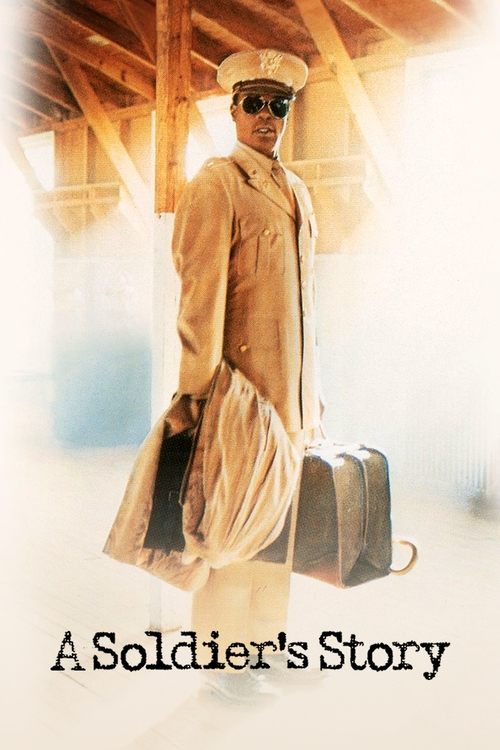
A Soldier's Story
1984In a rural town in Louisiana, a black Master Sergeant is found shot to death just outside the local Army Base. Military lawyer, Captain Davenport—also a black man—is sent from Washington to conduct an investigation. Facing an uncooperative chain of command and fearful black troops, Davenport must battle with deceit and prejudice in order to find out exactly who really did kill the Master Sergeant.
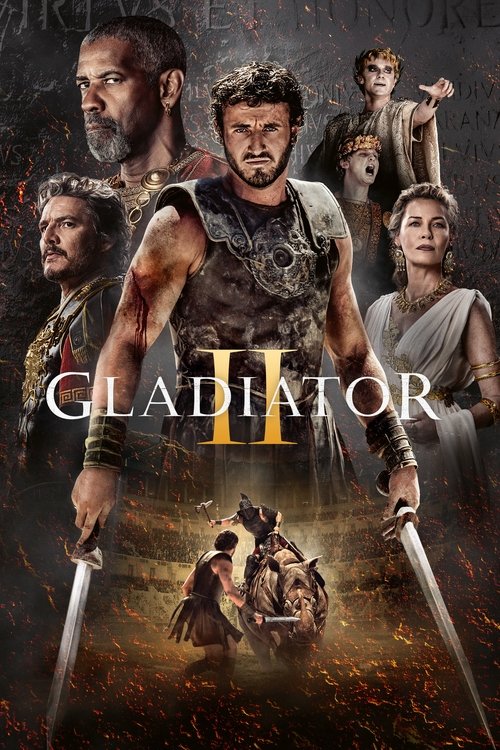
Gladiator II
2024Years after witnessing the death of the revered hero Maximus at the hands of his uncle, Lucius is forced to enter the Colosseum after his home is conquered by the tyrannical Emperors who now lead Rome with an iron fist. With rage in his heart and the future of the Empire at stake, Lucius must look to his past to find strength and honor to return the glory of Rome to its people.
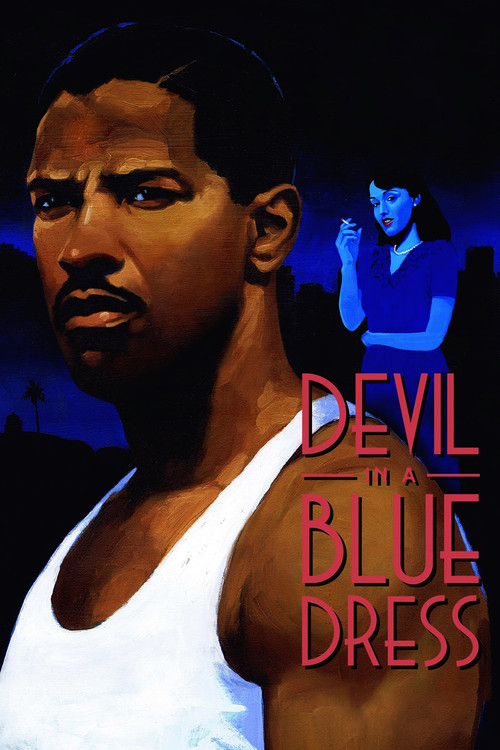
Devil in a Blue Dress
1995In late 1940s Los Angeles, Easy Rawlins is an unemployed black World War II veteran with few job prospects. At a bar, Easy meets DeWitt Albright, a mysterious white man looking for someone to investigate the disappearance of a missing white woman named Daphne Monet, who he suspects is hiding out in one of the city's black jazz clubs. Strapped for money and facing house payments, Easy takes the job, but soon finds himself in over his head.
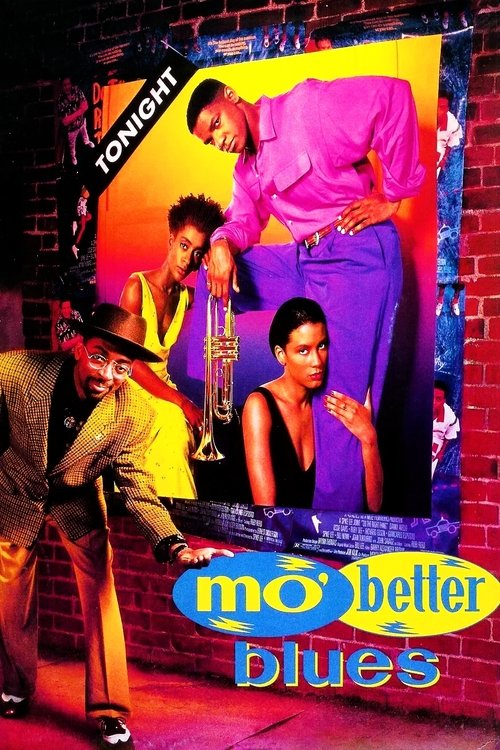
Mo' Better Blues
1990Talented but self-centered trumpeter Bleek Gilliam is obsessed with his music and indecisiveness about his girlfriends Indigo and Clarke. But when he is forced to come to the aid of his manager and childhood friend, Bleek finds his world more fragile than he ever imagined.
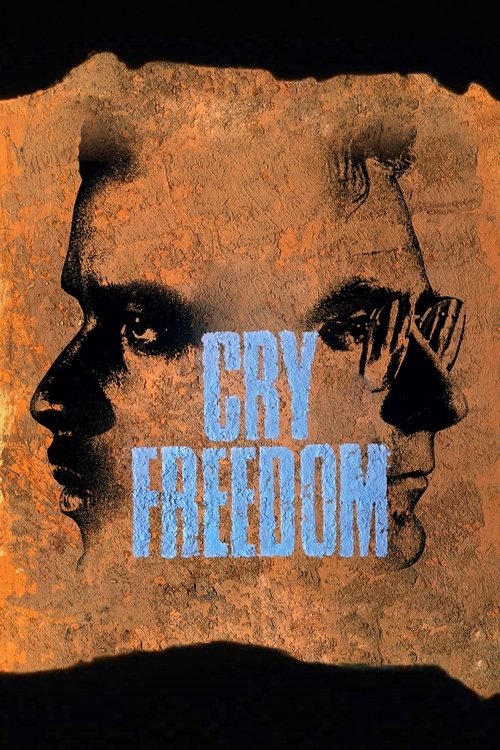
Cry Freedom
1987A dramatic story, based on actual events, about the friendship between two men struggling against apartheid in South Africa in the 1970s. Donald Woods is a white liberal journalist in South Africa who begins to follow the activities of Stephen Biko, a courageous and outspoken black anti-apartheid activist.
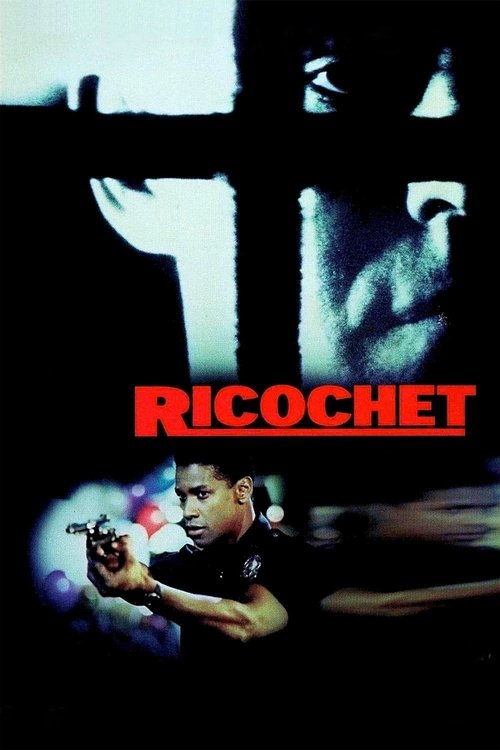
Ricochet
1991An attorney is terrorized by the criminal he put away years ago when he was a cop.
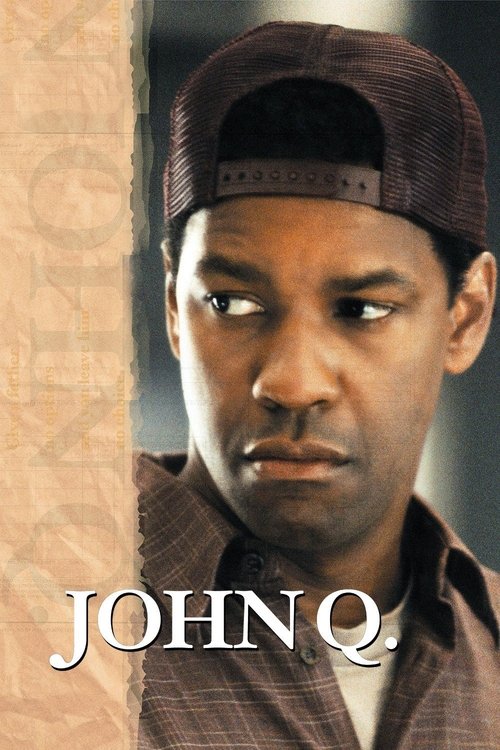
John Q
2002John Quincy Archibald is a father and husband whose son is diagnosed with an enlarged heart and then finds out he cannot receive a transplant because HMO insurance will not cover it. Therefore, he decides to take a hospital full of patients hostage until the hospital puts his son's name on the donor's list.
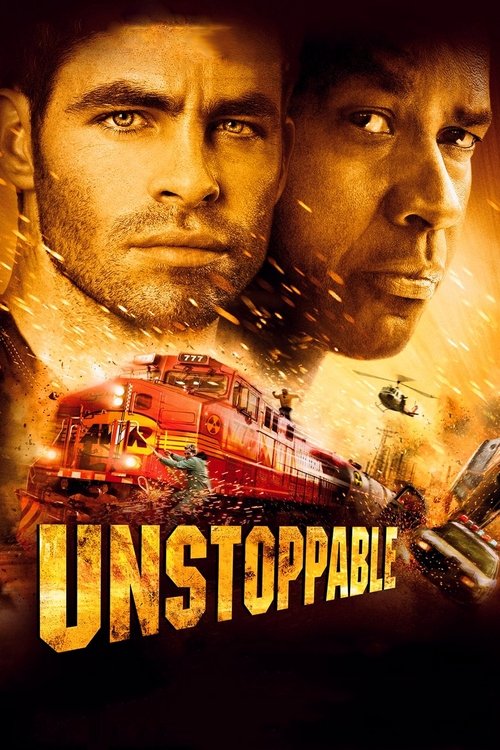
Unstoppable
2010When a massive, unmanned locomotive roars out of control, the threat is more ominous than just a derailment. The train is laden with toxic chemicals, and an accident would decimate human life and cause an environmental disaster. The only hope of bringing the train to a safe stop is in the hands of veteran engineer Frank Barnes, and young conductor Will Colson, who must risk their lives to save those in the runaway's path. Inspired by true events.
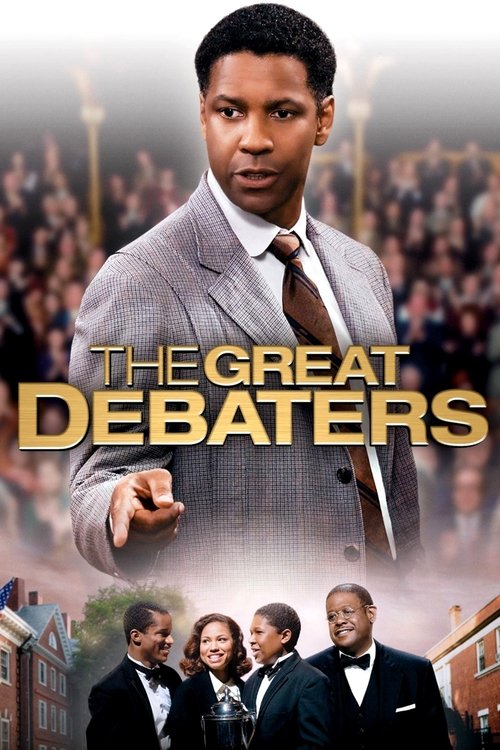
The Great Debaters
2007The true story of a brilliant but politically radical debate team coach who uses the power of words to transform a group of underdog African-American college students into a historical powerhouse that took on the Harvard elite.
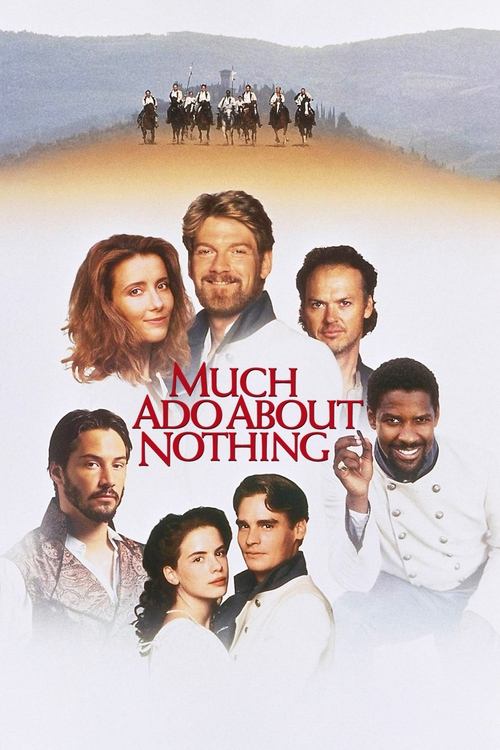
Much Ado About Nothing
1993In this Shakespearean farce, Hero and her groom-to-be, Claudio, team up with Claudio's commanding officer, Don Pedro, the week before their wedding to hatch a matchmaking scheme. Their targets are sharp-witted duo Benedick and Beatrice -- a tough task indeed, considering their corresponding distaste for love and each other. Meanwhile, meddling Don John plots to ruin the wedding.
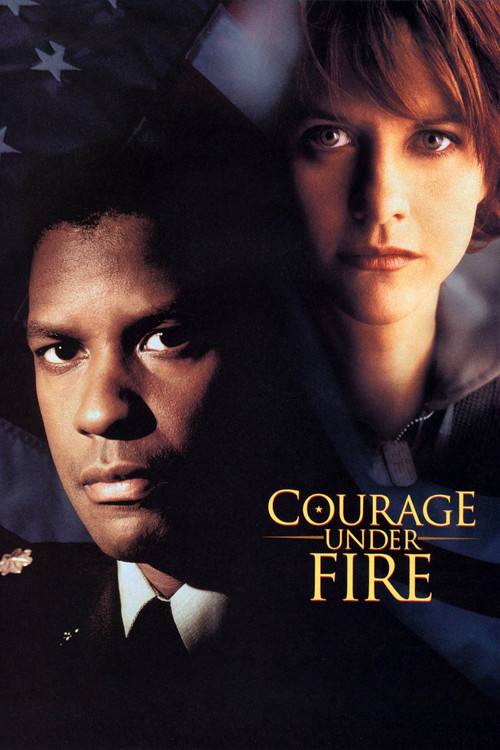
Courage Under Fire
1996A US Army officer, who made a "friendly fire" mistake that was covered up, has been reassigned to a desk job. He is tasked to investigate a female chopper commander's worthiness to be awarded the Medal of Honor. At first all seems in order. But then he begins to notice inconsistencies between the testimonies of the witnesses...

The Bone Collector
1999Lincoln Rhyme was the department's top homicide detective and leading expert in criminal forensics until an injury left him paralyzed, depressed, and incapable of working. But when a gruesome murder in Manhattan leaves detectives baffled, they call on Rhyme to help solve the mystery. Amelia Donaghy, a rookie cop whose quick thinking preserved a gruesome murder scene, is enlisted by Rhyme to be his on-the-scene forensics expert. With Amelia reluctantly acting as Rhyme's able-bodied go-between, the pair piece together cryptic clues the killer leaves behind at the scene of the crime, hoping to catch the grisly serial killer.
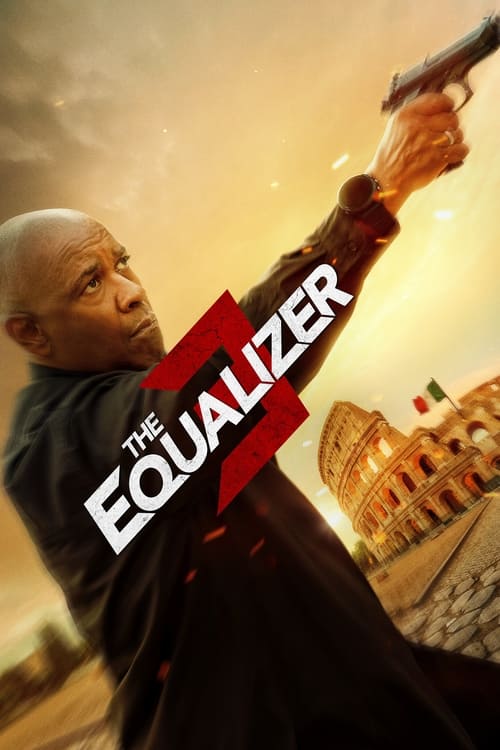
The Equalizer 3
2023Robert McCall finds himself at home in Southern Italy but he discovers his friends are under the control of local crime bosses. As events turn deadly, McCall knows what he has to do: become his friends' protector by taking on the mafia.
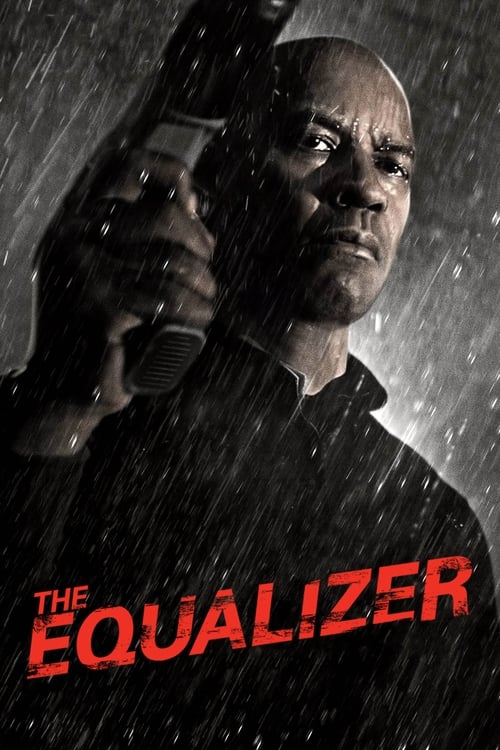
The Equalizer
2014McCall believes he has put his mysterious past behind him and dedicated himself to beginning a new, quiet life. But when he meets Teri, a young girl under the control of ultra-violent Russian gangsters, he can’t stand idly by – he has to help her. Armed with hidden skills that allow him to serve vengeance against anyone who would brutalize the helpless, McCall comes out of his self-imposed retirement and finds his desire for justice reawakened. If someone has a problem, if the odds are stacked against them, if they have nowhere else to turn, McCall will help. He is The Equalizer.
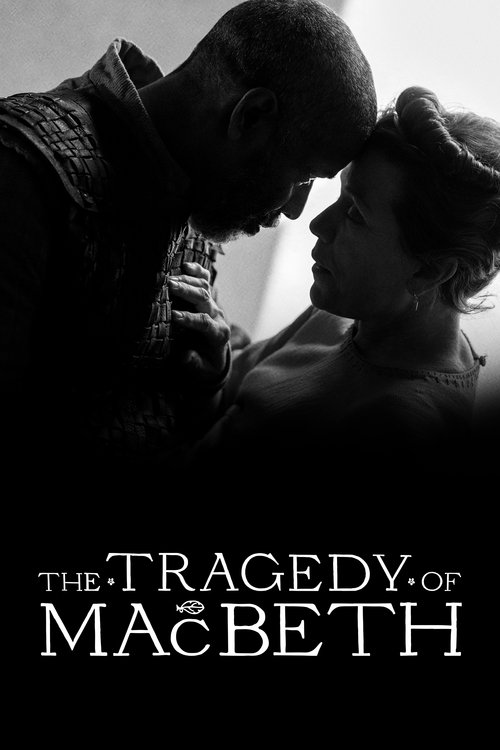
The Tragedy of Macbeth
2021Macbeth, the Thane of Glamis, receives a prophecy from a trio of witches that one day he will become King of Scotland. Consumed by ambition and spurred to action by his wife, Macbeth murders his king and takes the throne for himself.

The Pelican Brief
1993A law student's theory about the recent deaths of two Supreme Court justices embroils her in a far-reaching web of murder, corruption, and greed.
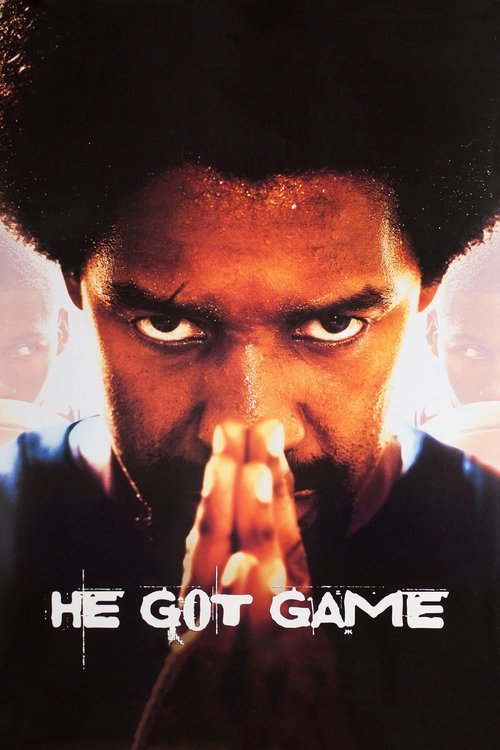
He Got Game
1998A basketball player's father must try to convince him to go to a college so he can get a shorter prison sentence.
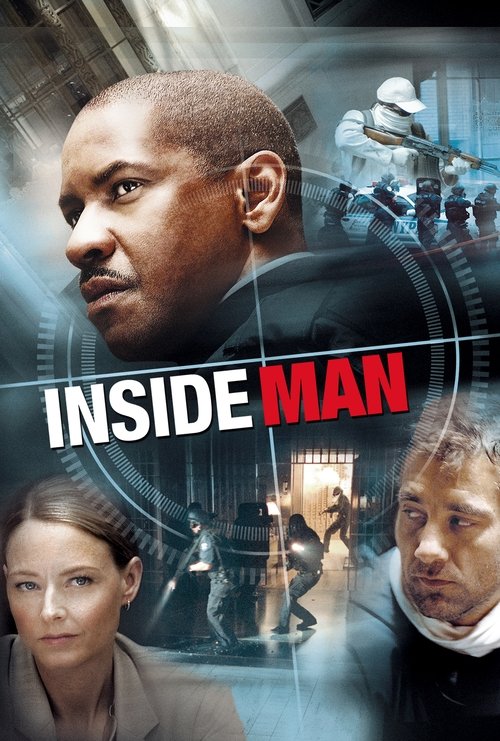
Inside Man
2006When an armed, masked gang enter a Manhattan bank, lock the doors and take hostages, the detective assigned to effect their release enters negotiations preoccupied with corruption charges he is facing.
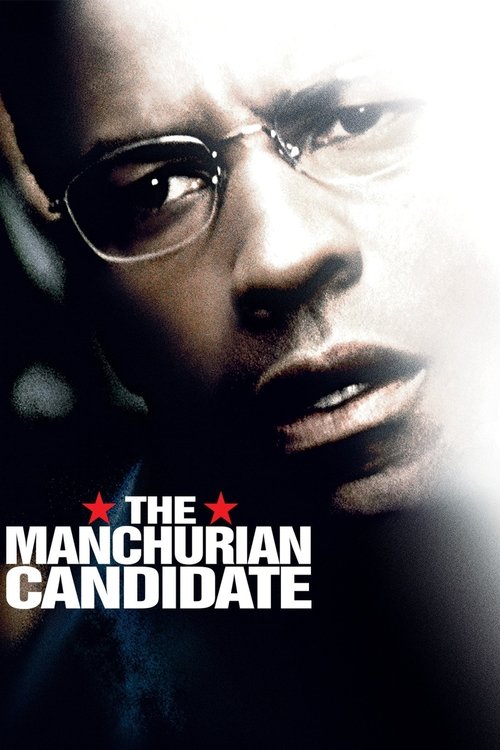
The Manchurian Candidate
2004Years after his squad was ambushed during the Gulf War, Major Ben Marco finds himself having terrible nightmares. He begins to doubt that his fellow squad-mate Sergeant Raymond Shaw, now a vice-presidential candidate, is the hero he remembers him being. As Marco's doubts deepen, Shaw's political power grows, and, when Marco finds a mysterious implant embedded in his back, the memory of what really happened begins to return.
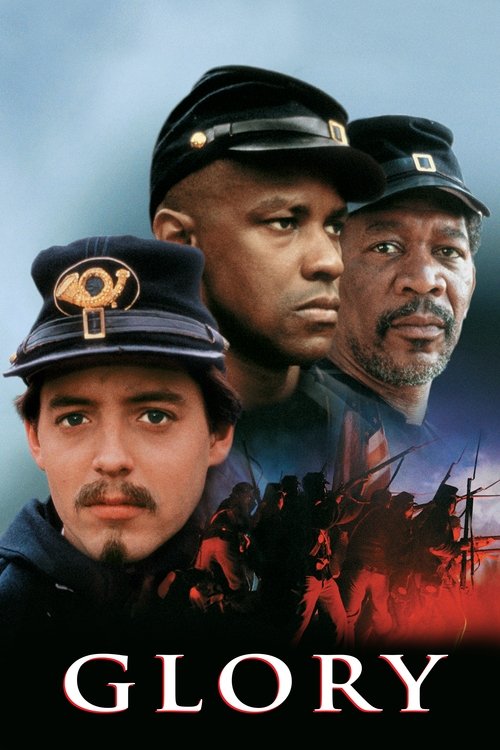
Glory
1989Robert Gould Shaw leads the US Civil War's first all-black volunteer company, fighting prejudices of both his own Union army and the Confederates.
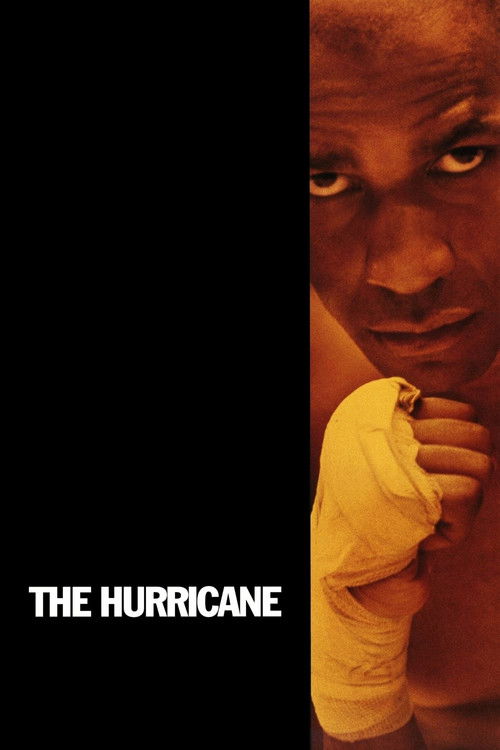
The Hurricane
1999The story of Rubin "Hurricane" Carter, a boxer wrongly imprisoned for murder, and the people who aided in his fight to prove his innocence.
Washington captures Rubin Carter’s agonizing evolution from a volatile warrior to a zen-like ascetic, anchoring the film with a stillness that vibrates with suppressed fury. It is the definitive bridge in his career, marking the moment he moved beyond leading-man charisma into the realm of transformative, spiritual gravitas. He doesn’t just portray a prisoner; he maps the internal architecture of a man reclaiming his soul through sheer psychological defiance.
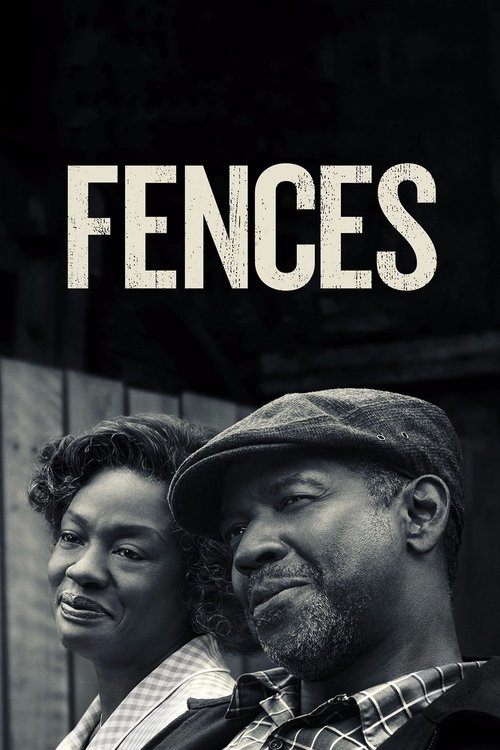
Fences
2016In 1950s Pittsburgh, a frustrated African-American father struggles with the constraints of poverty, racism, and his own inner demons as he tries to raise a family.
Washington weaponizes August Wilson’s rhythmic prose, delivering a masterclass in domestic tyranny that captures the precise moment a man’s pride curdles into its own prison. It is the definitive translation of his most celebrated stage work, proving he can dominate a frame with nothing but the gravel in his voice and the weight of a lifetime’s worth of grievances. This isn't just acting; it's an exorcism of a monumental literary figure.
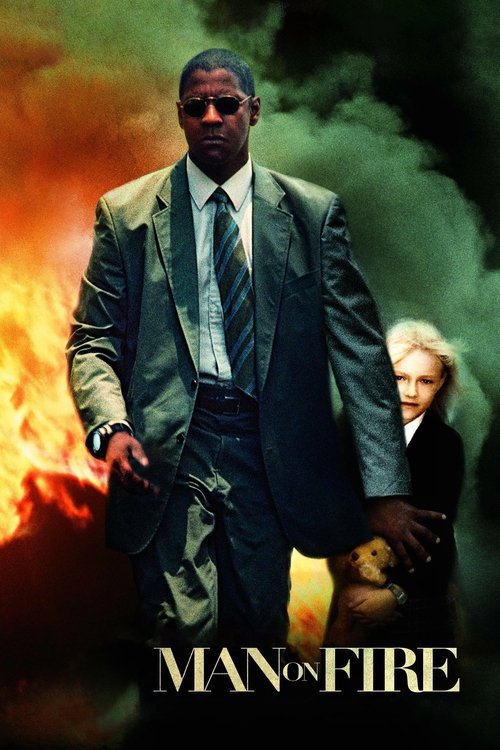
Man on Fire
2004Jaded ex-CIA operative John Creasy reluctantly accepts a job as the bodyguard for a 10-year-old girl in Mexico City. They clash at first, but eventually bond, and when she's kidnapped he's consumed by fury and will stop at nothing to save her life.
Washington weaponizes a cold, decelerated stillness as John Creasy, proving he could command an action spectacle through soulful exhaustion rather than just kinetic energy. This performance solidified his mid-career evolution into the thinking man’s vigilante, blending a terrifying, surgical intensity with a rare, redemptive tenderness. He doesn't just play a bodyguard; he portrays a man being profoundly reorganized by a sense of purpose.
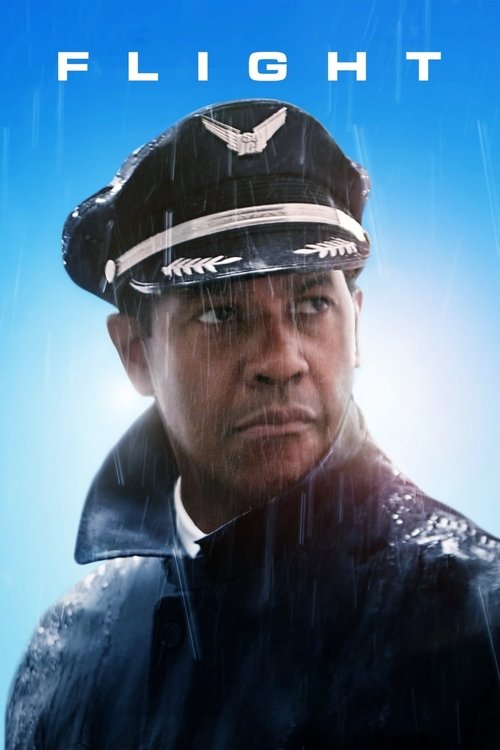
Flight
2012Commercial airline pilot Whip Whitaker has a problem with drugs and alcohol, though so far he's managed to complete his flights safely. His luck runs out when a disastrous mechanical malfunction sends his plane hurtling toward the ground. Whip pulls off a miraculous crash-landing that results in only six lives lost. Shaken to the core, Whip vows to get sober -- but when the crash investigation exposes his addiction, he finds himself in an even worse situation.
Washington strips away his usual unshakable charisma to expose the jagged, ugly edges of an addict drowning in self-denial. It is a career-defining pivot from moral authority to moral decay, anchored by a physical restlessness that makes his character’s desperate internal nosedive more harrowing than the crash itself. This is Denzel at his most unvarnished, proving he is even more magnetic when he allows himself to be completely unlikable.
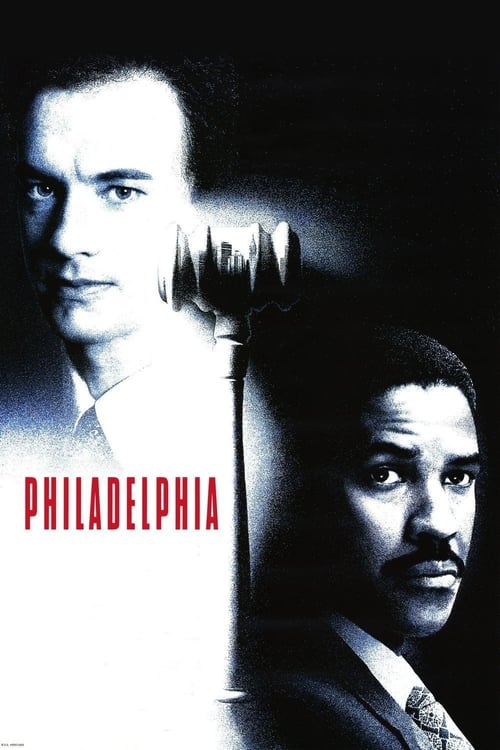
Philadelphia
1993Two competing lawyers join forces to sue a prestigious law firm for AIDS discrimination. As their unlikely friendship develops, their courage overcomes the prejudice and corruption of their powerful adversaries.
Washington serves as the audience’s uncomfortable moral compass, anchoring the film’s high-stakes tragedy with a gritty, reactive pragmatism that evolves from blatant prejudice to weary empathy. It is the role that solidified his status as cinema’s premier heavyweight of the "everyman," proving he could command a screen just as effectively through quiet observation and internalized conflict as he could with a grand speech. His Joe Miller is a masterclass in controlled transformation, providing the necessary friction to turn a courtroom drama into a profound social awakening.
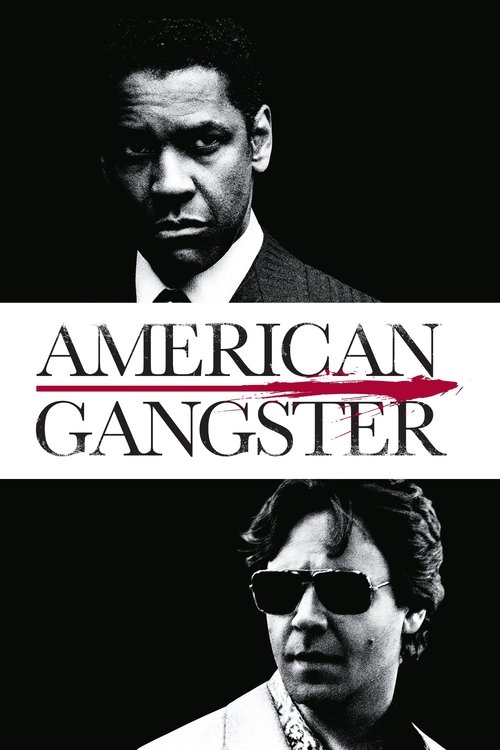
Loosely based on the criminal career of Frank Lucas, a gangster from La Grange, North Carolina, who smuggled heroin into the United States on American service planes returning from the Vietnam War, before being detained by a task force led by Newark Detective Richie Roberts.
Washington delivers a masterclass in lethal stillness, radiating a cold, calculated efficiency that contrasts sharply with the frantic energy of his earlier work. He transforms Frank Lucas into a corporate shark in a pimp’s world, marking a career-high point in his ability to command a room through sheer, terrifying composure. It remains the definitive example of his talent for making absolute authority look both effortless and terrifying.
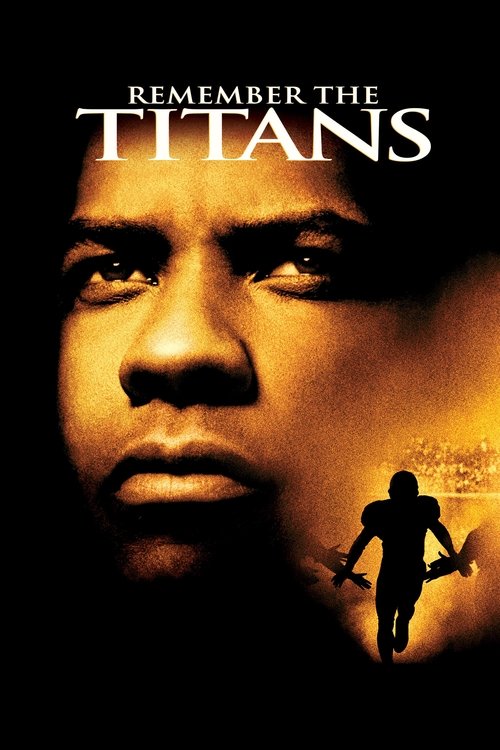
After leading his football team to 15 winning seasons, coach Bill Yoast is demoted and replaced by Herman Boone – tough, opinionated and as different from the beloved Yoast as he could be. The two men learn to overcome their differences and turn a group of hostile young men into champions.
Washington commands every frame with a staccato, drill-sergeant precision that avoids sentimentality in favor of a hard-earned, unyielding dignity. It is the definitive blueprint for his "noble leader" archetype, proving he could anchor a massive populist blockbuster through sheer gravitational force and a gaze that demands absolute discipline. He transforms what could have been a standard coach role into a masterclass in controlled, charismatic intimidation.
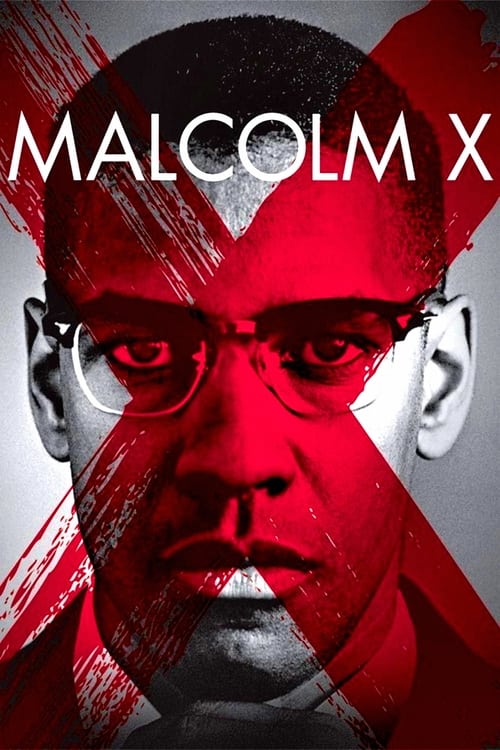
Malcolm X
1992A tribute to the controversial black activist and leader of the struggle for black liberation. He hit bottom during his imprisonment in the '50s, he became a Black Muslim and then a leader in the Nation of Islam. His assassination in 1965 left a legacy of self-determination and racial pride.
Washington delivers a masterclass in physical and moral evolution, pinpointing the precise moment the street hustler dissolves into the piercingly articulate revolutionary. It remains the definitive milestone of his career, showcasing an uncanny ability to channel the minister’s staccato rhythm and intellectual fire without ever slipping into mere impersonation. He doesn't just play the icon; he captures the terrifying, beautiful process of a man reinventing his own soul.
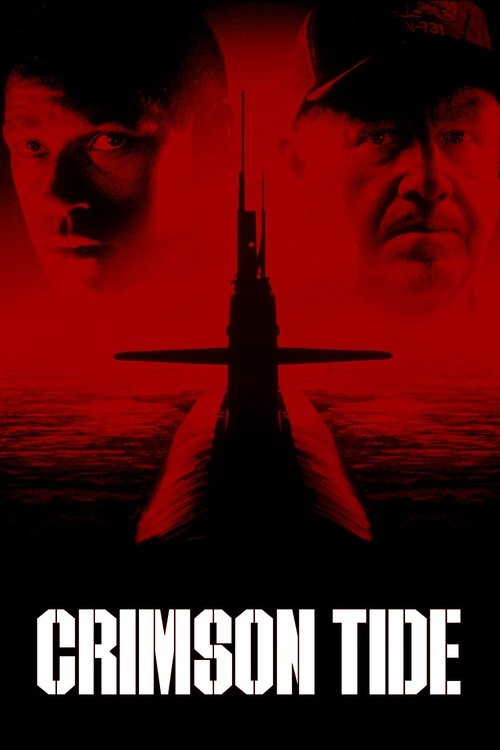
Crimson Tide
1995After the Cold War, a breakaway Russian republic with nuclear warheads becomes a possible worldwide threat. U.S. submarine Capt. Frank Ramsey signs on a relatively green but highly recommended Lt. Cmdr. Ron Hunter to the USS Alabama, which may be the only ship able to stop a possible Armageddon. When Ramsey insists that the Alabama must act aggressively, Hunter, fearing they will start rather than stop a disaster, leads a potential mutiny to stop him.
Washington crafts a masterclass in intellectual friction, countering Gene Hackman’s bluster with a cool, cerebral resolve that redefined the modern screen hero. It is the definitive role that solidified his transition from a rising dramatic talent to a heavyweight leading man capable of commanding a frame through sheer tactical stillness. He doesn't just challenge authority; he outthinks it, proving that his most lethal weapon is a sharpened sense of moral clarity.
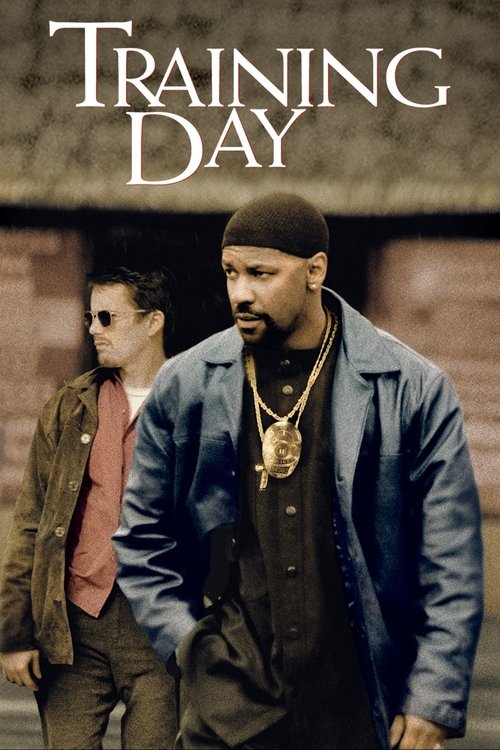
Training Day
2001On his first day on the job as a narcotics officer, a rookie cop works with a rogue detective who isn't what he appears.
Washington weaponizes his natural charisma to create a terrifying, predatory monster in Detective Alonzo Harris, trading his usual noble screen presence for a jagged, ego-driven magnetism. It is the definitive subversion of his heroic archetype, a role that finally allowed him to chew through the scenery with a menacing, Oscar-winning grin. He doesn't just play a corrupt cop; he commands the screen with a volatile electricity that makes his eventual unraveling feel like a tectonic shift in cinema.
Frequently Asked Questions
Everything you need to know about this list and SnakeDrafts
- Denzel Washington delivers a gripping performance as a morally ambiguous cop in 'Training Day,' where his intense portrayal captivates audiences and explores the thin line between right and wrong in law enforcement.
- Denzel Washington embodies the influential civil rights leader Malcolm X in the film 'Malcolm X,' directed by Spike Lee, showcasing his talent for capturing complex historical characters.
- 'Remember the Titans' focuses on themes of racial integration and teamwork as Denzel Washington portrays a high school football coach uniting a divided team during desegregation in the 1970s.
- In 'Flight,' Washington plays a troubled pilot struggling with addiction, highlighting his ability to portray deeply flawed and vulnerable characters with emotional depth.
- 'Inside Man,' directed by Spike Lee, stars Denzel Washington in a smart crime thriller revolving around a meticulously planned bank heist and hostage crisis.
- In 'Fences,' Denzel Washington not only stars but also directs, presenting a powerful and intimate character study of a former athlete confronting family and personal struggles in a richly dramatic setting.
- Denzel Washington has appeared in impactful war dramas like 'Glory,' where he portrays an African American soldier in the Civil War, bringing depth and authenticity to historical narratives.
- Denzel Washington has collaborated with acclaimed directors Tony Scott in action-packed dramas such as 'Crimson Tide' and 'Man on Fire,' as well as with Ridley Scott in the crime epic 'American Gangster,' showcasing his versatility across genres.