Best Barry Sonnenfeld Films of All Time
Master of Macabre Comedy and Sci-Fi Spectacle
Explore the best films directed by Barry Sonnenfeld, from the quirky Addams Family to the iconic Men in Black franchise and sharp Hollywood satires.
About Barry Sonnenfeld

To look at a Barry Sonnenfeld frame is to understand the physics of a cartoon brought to life. He treats the camera not as a passive observer, but as a restless, caffeinated participant in the scene. Before he ever sat in the director's chair, he was the cinematographer who helped define the Coen Brothers early aesthetic, and that kinetic energy became the bedrock of his own directorial voice. His work is defined by the wide angle lens, a tool he uses to distort space just enough to make the world feel slightly off kilter, emphasizing the absurdity of the human face and the sprawling clutter of his meticulously designed sets.
The Addams Family and its equally sharp sequel, Addams Family Values, serve as the perfect introduction to his gothic whimsicality. He treated the macabre clan not as monsters, but as the only sane people in a world of bland, sun-drenched phonies. His visual language in these films relies on whip-fast pans and eccentric framing that mimics the comic strip energy of Charles Addams' original drawings. There is a certain crispness to his shadows and a relentless pace to his blocking that prevents the morbid humor from ever feeling sluggish. He finds the elegance in the eerie, turning a suburban nightmare into a masterclass in production design.
When he moved into the realm of sci-fi with Men in Black, he managed to ground the impossible in the mundane. The film works because he treats high-concept alien technology with the same deadpan practicality that a New York City cab driver treats a traffic jam. By balancing Will Smith's expressive charisma against Tommy Lee Jones' stone-faced stoicism, he created a comedic friction that benefited from his love of the extreme close-up. He understands that the funniest thing in a movie about intergalactic war is often a tight shot of a man's exasperated reaction. This sensibility carried through the entire trilogy, particularly in Men in Black 3, where he played with period-accurate aesthetics to refresh the franchise's visual palette.
His versatility often goes understated, yet Get Shorty remains one of the most sophisticated entries in his filmography. Here, his stylized approach matured into a slick, neon-soaked satire of Hollywood. He captured the rhythm of Elmore Leonard's dialogue by letting the camera dance through the palm trees and mahogany offices of Los Angeles. Even in cult favorites like Big Trouble or the breezy For Love or Money, he maintains a commitment to a hyper-real version of reality. His legacy is one of delightful artifice. He remains a filmmaker who rejects the boring safety of a standard shot, preferring instead to push the lens right into the heart of the chaos, ensuring the audience never forgets they are watching a meticulously crafted piece of cinema.
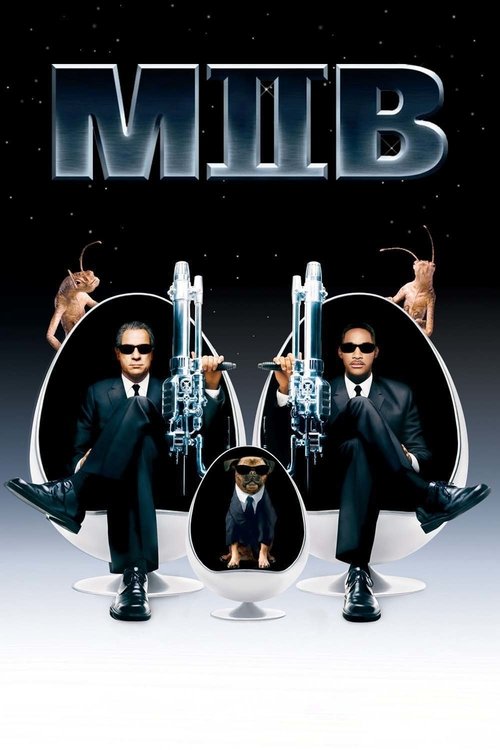
Men in Black II
2002Kay and Jay reunite to provide our best, last and only line of defense against a sinister seductress who levels the toughest challenge yet to the MIB's untarnished mission statement – protecting Earth from the scum of the universe. It's been four years since the alien-seeking agents averted an intergalactic disaster of epic proportions. Now it's a race against the clock as Jay must convince Kay – who not only has absolutely no memory of his time spent with the MIB, but is also the only living person left with the expertise to save the galaxy – to reunite with the MIB before the earth submits to ultimate destruction.
Even when the narrative feels thin, the director's commitment to sight gags and imaginative production design provides a masterclass in technical craftsmanship. It stands as an artifact of its era, highlighting his ability to maintain a distinctive tonal identity even within the constraints of a diminishing return.
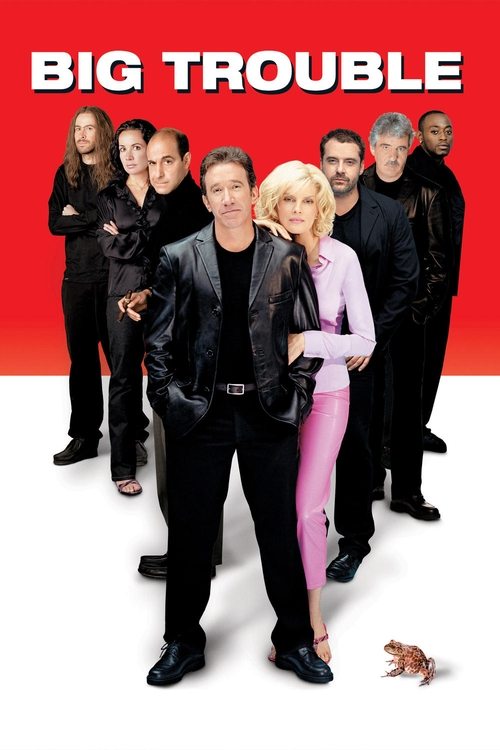
Big Trouble
2002The story of how a mysterious suitcase brings together, and changes, the lives of a divorced dad, an unhappy housewife, two hitmen, a pair of street thugs, two love struck teens, two FBI men and a psychedelic toad. Based on Pulitzer Prize-winning humorist Dave Barry's best-selling first novel, "Big Trouble."
This chaotic ensemble piece pushes the director’s love for zaniness to its absolute limit, resulting in a fractured but stylistically consistent experiment in escalating absurdity. Though it lacks the focus of his masterpieces, it remains a pure distillation of his fascination with the intersection of coincidence and calamity.
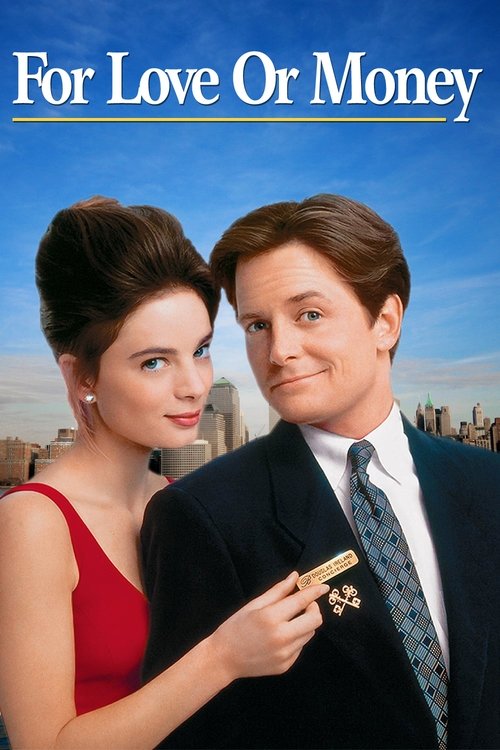
For Love or Money
1993New York concierge Doug Ireland wants to go into business for himself and refurbish a hotel on Roosevelt Island, N.Y., but he needs an investor. With a few weeks left before his option on the site runs out, Doug agrees to help wealthy Christian Hanover conceal his affair with salesgirl Andy Hart from his wife. Despite his own attraction to Andy, Doug tries to stay focused on getting Christian to invest $3 million in his project.
While adhering to the structural demands of the romantic comedy, the film still bears the unmistakable fingerprints of its creator through its frantic pacing and precise blocking. It serves as a fascinating example of a stylist trying to breathe visual energy into a conventional studio assignment.
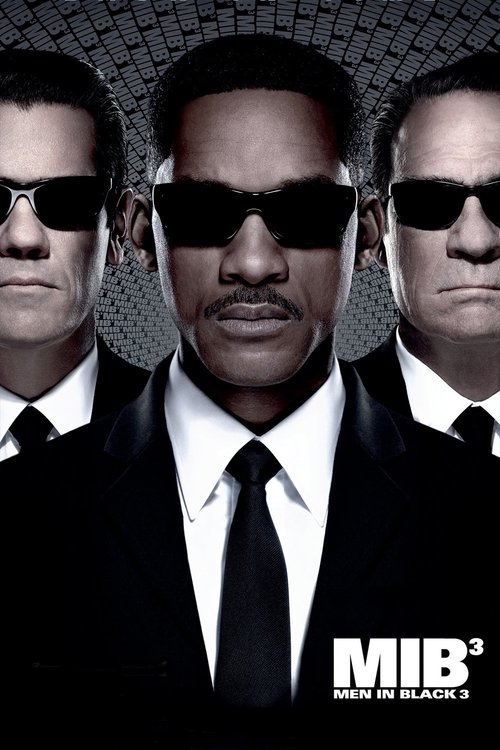
Men in Black 3
2012Agents J and K are back...in time. J has seen some inexplicable things in his 15 years with the Men in Black, but nothing, not even aliens, perplexes him as much as his wry, reticent partner. But when K's life and the fate of the planet are put at stake, Agent J will have to travel back in time to put things right. J discovers that there are secrets to the universe that K never told him - secrets that will reveal themselves as he teams up with the young Agent K to save his partner, the agency, and the future of humankind.
After a decade away from the franchise, the director rediscovered his creative spark by leaning into a nostalgic, sixties-inspired palette that revitalized the series' signature visual language. This late-career entry succeeds by prioritizing heart and texture over the hollow spectacle of the previous installment.
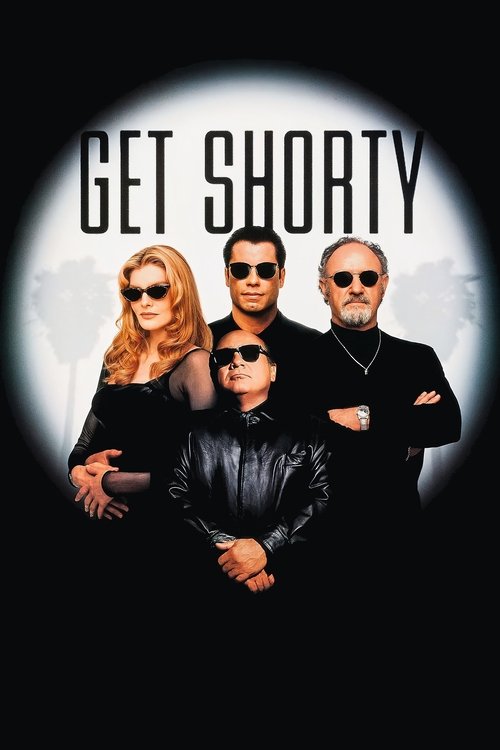
Get Shorty
1995Chili Palmer is a Miami mobster who gets sent to L.A. to collect a bad debt from Harry Zimm, a Hollywood producer who specializes in cheesy horror films. When Chili meets Harry's leading lady, the romantic sparks fly. After pitching his own life story as a movie idea, Chili learns that being a mobster and being a Hollywood producer really aren't all that different.
This slick adaptation showcases a leaner side of the director, trading supernatural effects for a rhythmic, neon-soaked coolness that captures the transactional heart of Hollywood. It is his most grounded work, proving his visual flair can elevate a character-driven crime caper into high art.
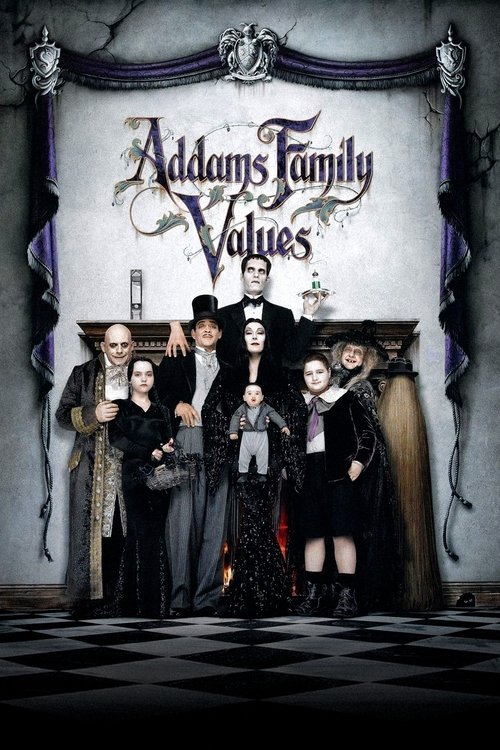
Siblings Wednesday and Pugsley Addams will stop at nothing to get rid of Pubert, the new baby boy adored by parents Gomez and Morticia. Things go from bad to worse when the new "black widow" nanny, Debbie Jellinsky, launches her plan to add Fester to her collection of dead husbands.
Rarely does a sequel sharpen its predecessor’s satirical edge so effectively, pushing the director's penchant for subversive Americana into more daring and visually inventive territory. The film stands as a testament to his ability to find sophisticated humor in the grotesque details of domestic life.
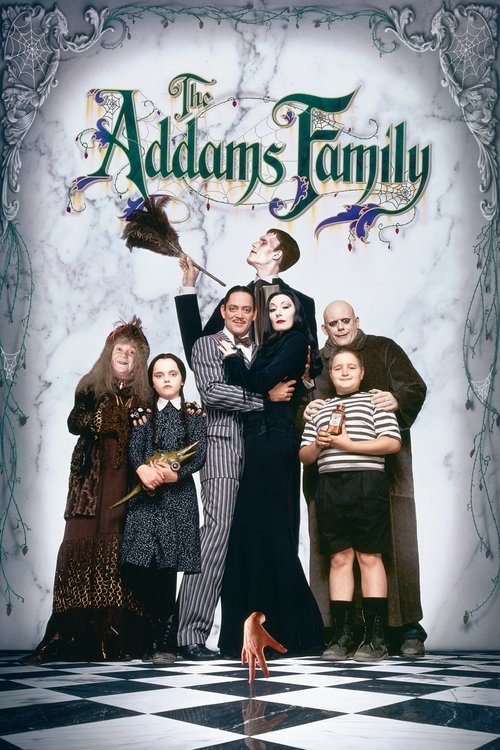
The Addams Family
1991When a man claiming to be long-lost Uncle Fester reappears after 25 years lost, the family plans a celebration to wake the dead. But the kids barely have time to warm up the electric chair before Morticia begins to suspect Fester is fraud when he can't recall any of the details of Fester's life.
Translating Charles Addams' macabre line work into a luscious, high-contrast live-action reality, this debut announces a filmmaker obsessed with the architecture of the frame. It remains a masterclass in how to sustain a specific, gothic whimsicality without ever succumbing to saccharine sentiment.
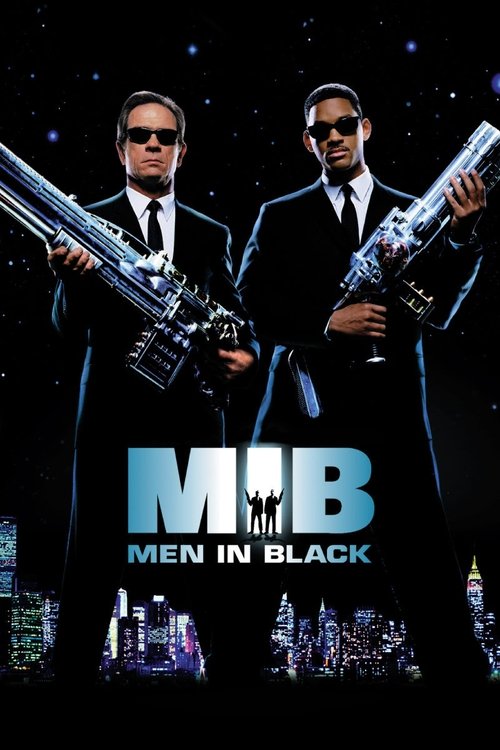
Men in Black
1997After a police chase with an otherworldly being, a New York City cop is recruited as an agent in a top-secret organization established to monitor and police alien activity on Earth: the Men in Black. Agent K and new recruit Agent J find themselves in the middle of a deadly plot by an intergalactic terrorist who has arrived on Earth to assassinate two ambassadors from opposing galaxies.
Sonnenfeld reaches the zenith of his kinetic, wide-angle aesthetic here, weaponizing deadpan comic timing against a backdrop of maximalist creature design. It is the definitive proof that his background as a cinematographer could translate into a perfectly calibrated blockbuster grammar.
Frequently Asked Questions
Everything you need to know about this list and SnakeDrafts
- Barry Sonnenfeld uses wide angle lenses to slightly distort space, creating a kinetic energy that makes his films visually dynamic. This cartoony, restless camera work defines the unique aesthetic seen in movies like The Addams Family and Men in Black.
- Men in Black stands out as Barry Sonnenfeld's hallmark film blending science fiction with sharp comedy, masterfully combining alien lore with witty character interactions and dynamic action sequences.
- Having been the cinematographer for the Coen Brothers, Sonnenfeld carries a strong visual storytelling sense into his direction, evident in his carefully crafted shots and the energetic framing that drives the narrative momentum in films like Get Shorty.
- Yes, Sonnenfeld frequently explores quirky characters and dark humor within fantastical or crime-related settings, as seen in The Addams Family series and Get Shorty, blending genres to create fresh and entertaining cinematic experiences.
- Get Shorty uniquely combines comedy, thriller, and crime, showcasing Sonnenfeld's skill in balancing suspense with humor and sharp dialogue, making it one of his most acclaimed genre-crossing efforts.
- Barry Sonnenfeld directed three entries in the Men in Black series, shaping its visual style and tone from its witty, action-packed beginnings to its later sequels, helping define its appeal as a genre-blending blockbuster.
- Sonnenfeld’s The Addams Family captured the darkly comic and macabre spirit of the original cartoons while infusing a lively, almost surreal aesthetic that brought the eccentric characters vividly to life on screen.