The Best Robin Williams Movies Ranked
Celebrating the Master of Comedy and Heartfelt Drama
Discover the essential filmography of Robin Williams, featuring his most iconic performances from Oscar-winning dramas to beloved family comedies.
About Robin Williams
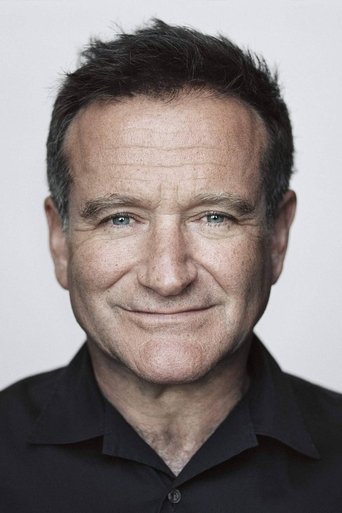
To watch Robin Williams perform was to witness a mind operating at a frequency most humans simply cannot tune into. He was a supernova of kinetic energy, a man who could pivot from a manic improvisation to a moment of profound, bone-deep stillness without ever losing his grip on the audience. He didn’t just play characters; he inhabited them with a chaotic brilliance that felt like lightning trapped in a bottle. This duality defined his legacy, allowing him to oscillate between the riotous slapstick of a cross-dressing nanny in Mrs. Doubtfire and the quiet, paternal wisdom of a therapist in Good Will Hunting, a performance that earned him an Oscar and grounded his reputation as a formidable dramatic heavyweight.
The world first fell for the lightning. In Good Morning, Vietnam, he transformed the radio booth into a playground, proving that his stream-of-consciousness wit was a creative force of nature. This frantic genius found its perfect outlet in Aladdin, where his vocal gymnastics as the Genie essentially rewrote the rules for modern animation, making the voice-over role as prestigious as any live-action lead. Yet, beneath the punchlines and the dizzying array of impressions, there was always a visible current of empathy. You could see it in the wide-eyed wonder of Peter Pan finding his joy again in Hook, or the whimsical desperation of an board-game adventurer in Jumanji. He possessed a rare, bruised humanity that made audiences feel safe even when things got weird.
By the turn of the millennium, he began to peel back the layers of his persona to reveal something much colder and more calculating. In films like One Hour Photo and Insomnia, he shed his warmth to play men who were unsettlingly ordinary, proving he could command a screen just as effectively with a hushed whisper as he could with a shout. He thrived in the shadows of the human psyche just as easily as he did in the Technicolor afterlife of What Dreams May Come. Even in sentimental favorites like Patch Adams or Bicentennial Man, he navigated the space between cloying sweetness and genuine heartbreak, always searching for the soul inside the machine or the medicine.
Perhaps his most enduring cultural imprint lies in his role as the ultimate mentor. In Dead Poets Society, he became the professor everyone wished they had, urging a generation to seize the day with a conviction that felt entirely personal. He brought that same ethereal, guardian-angel quality to projects like August Rush and The Fisher King, playing characters who lived on the fringes but saw the world with a clarity others missed. He understood that comedy and tragedy were two sides of the same coin. Whether he was navigating the vibrant farce of The Birdcage or the quiet grief of a lonely photo technician, he remained a singular presence in cinema. He didn't just entertain us; he invited us to look at the world through a lens of radical kindness and relentless imagination. We didn't just watch him; we loved him because he felt like the best, most vulnerable parts of ourselves amplified to a cosmic scale.
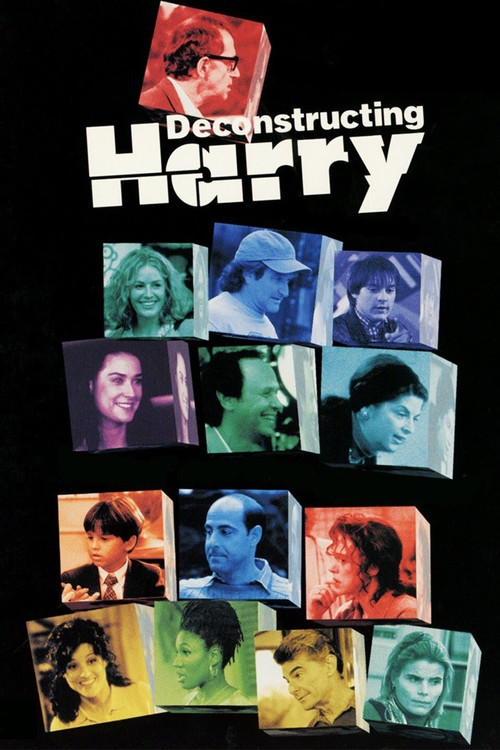
Deconstructing Harry
1997Writer Harry Block draws inspiration from people he knows, and from events that happened to him, sometimes causing these people to become alienated from him as a result.
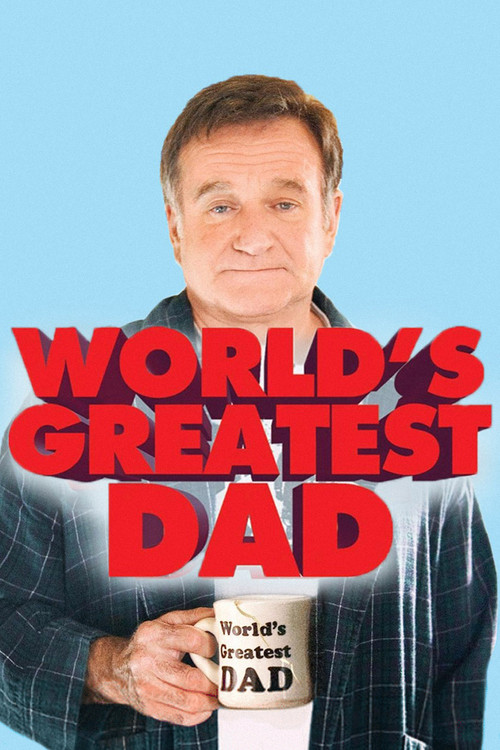
World's Greatest Dad
2009In the wake of a freak accident, Lance suffers the worst tragedy and the greatest opportunity of his life. He is suddenly faced with the possibility of fame, fortune and popularity, if he can only live with the knowledge of how he got there.
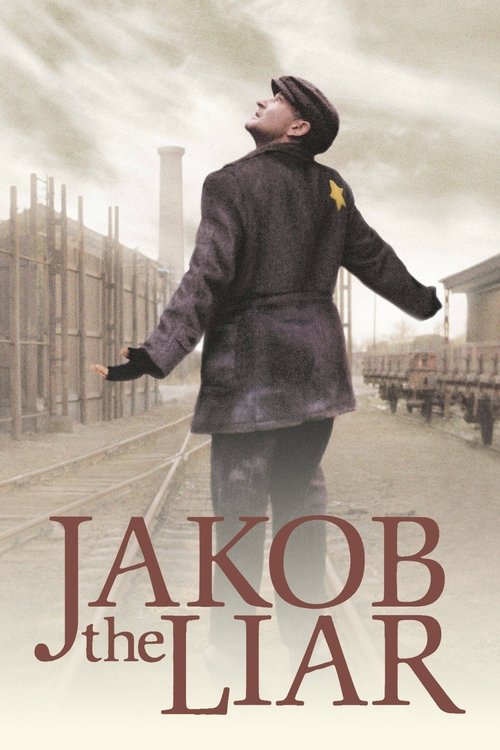
Jakob the Liar
1999In 1944 Poland, a Jewish shop keeper named Jakob is summoned to ghetto headquarters after being caught out after curfew. While waiting for the German Kommondant, Jakob overhears a German radio broadcast about Russian troop movements. Returned to the ghetto, the shopkeeper shares his information with a friend and then rumors fly that there is a secret radio within the ghetto.
David, a robotic boy—the first of his kind programmed to love—is adopted as a test case by a Cybertronics employee and his wife. Though he gradually becomes their child, a series of unexpected circumstances make this life impossible for David.

The World According to Garp
1982A struggling young writer finds his life and work dominated by his unfaithful wife and his radical feminist mother, whose best-selling manifesto turns her into a cultural icon.
The Butler
2013Cecil Gaines was a sharecropper's son who grew up in the 1920s as a domestic servant for the white family who casually destroyed his. Eventually striking out on his own, Cecil becomes a hotel valet of such efficiency and discreteness in the 1950s that he becomes a butler in the White House itself. There, Cecil would serve numerous US Presidents over the decades as a passive witness of history with the American Civil Rights Movement gaining momentum even as his family has troubles of its own. As his wife, Gloria, struggles with alcoholism and his defiant eldest son, Louis, strives for a just world, Cecil must decide whether he should take action in his own way.
Bicentennial Man
1999Richard Martin buys a gift, a new NDR-114 robot. The product is named Andrew by the youngest of the family's children. "Bicentennial Man" follows the life and times of Andrew, a robot purchased as a household appliance programmed to perform menial tasks. As Andrew begins to experience emotions and creative thought, the Martin family soon discovers they don't have an ordinary robot.
Patch Adams
1998The true story of Dr. Hunter "Patch" Adams, who in the 1970s found that humor is the best medicine, and was willing to do just anything to make his patients laugh—even if it meant risking his own career.
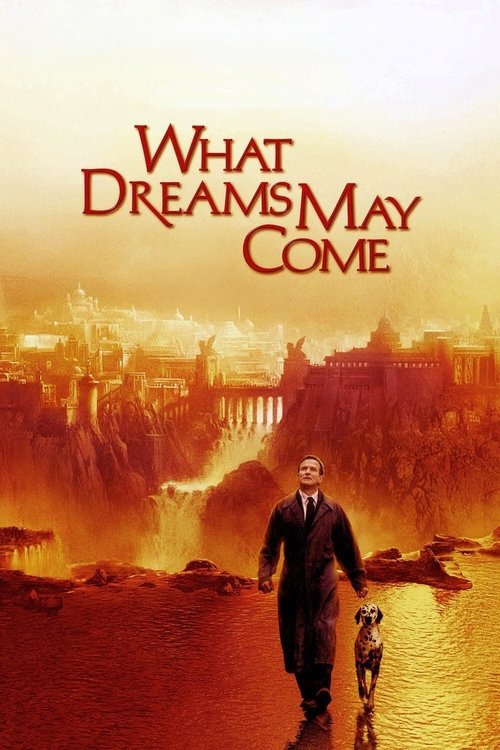
Chris Nielsen dies to find himself in a heaven more amazing than he could have ever dreamed of. There is one thing missing: his wife. After he dies, his wife Annie killed herself and went to hell. Chris decides to risk eternity in Hades for the small chance that he will be able to bring her back to heaven.
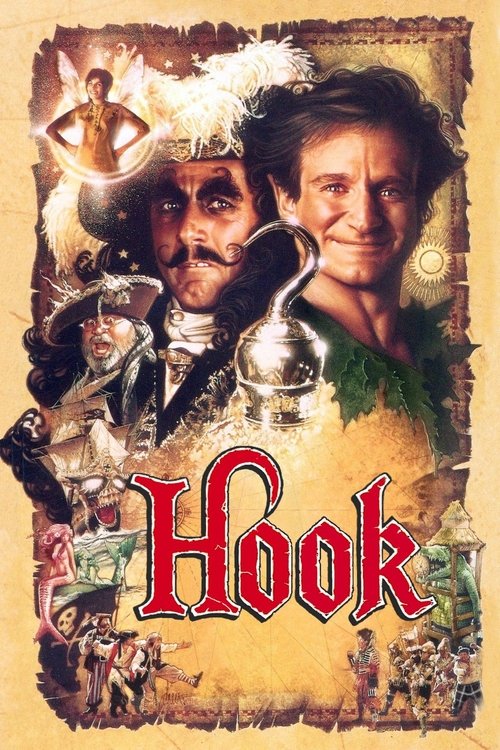
Hook
1991The boy who wasn't supposed to grow up—Peter Pan—does just that, becoming a soulless corporate lawyer whose workaholism could cost him his wife and kids. During his trip to see Granny Wendy in London, the vengeful Capt. Hook kidnaps Peter's kids and forces Peter to return to Neverland.
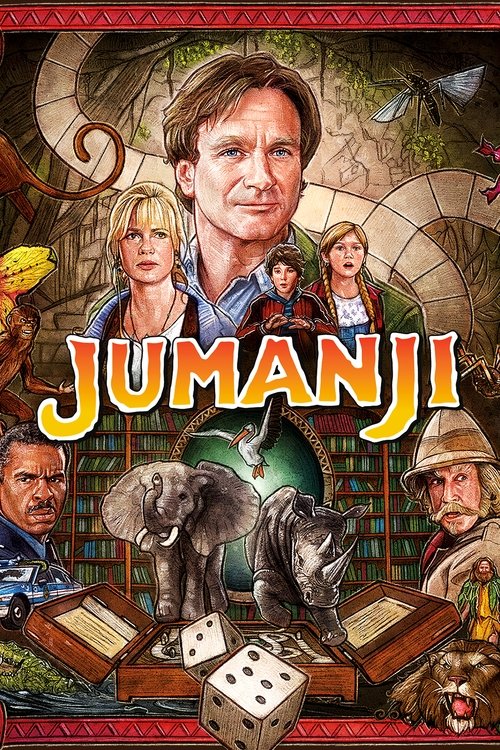
Jumanji
1995When siblings Judy and Peter discover an enchanted board game that opens the door to a magical world, they unwittingly invite Alan -- an adult who's been trapped inside the game for 26 years -- into their living room. Alan's only hope for freedom is to finish the game, which proves risky as all three find themselves running from giant rhinoceroses, evil monkeys and other terrifying creatures.
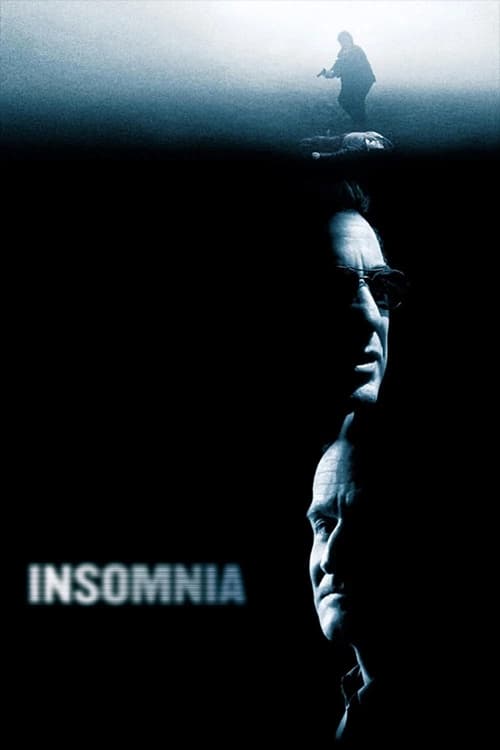
Insomnia
2002Two Los Angeles homicide detectives are dispatched to a northern town where the sun doesn't set to investigate the methodical murder of a local teen.
Robin Williams sheds every ounce of his manic warmth to inhabit the chilling stillness of Walter Finch, a man who weaponizes his blandness to outmaneuver a legend. By trading his kinetic comedy for a flat, predatory calm, Williams proved he could weaponize silence more effectively than any punchline. This calculated pivot into the shadows remains the definitive proof that his greatest gift wasn't his energy, but his unnerving capacity for restraint.
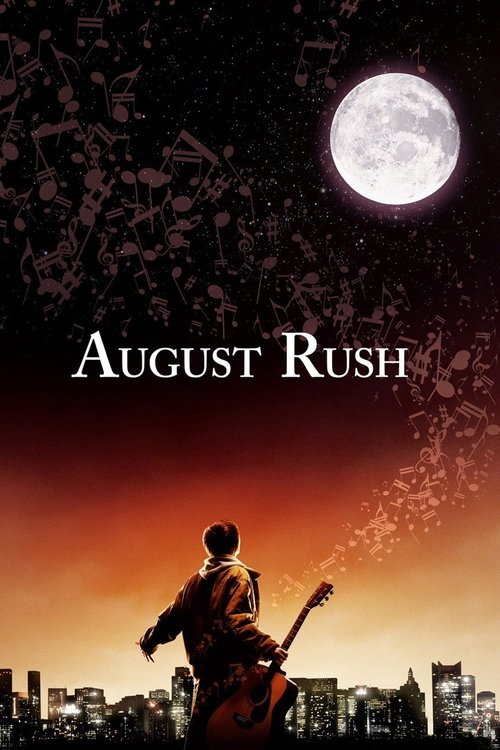
August Rush
2007Lyla and Louis, a singer and a musician, fall in love, but are soon compelled to separate. Lyla is forced to give up her newborn but unknown to her, he grows up to become a musical genius.
Williams pivots from his usual warmth to inhabit Maxwell Wizard with a jagged, Dickensian edge, layering his trademark manic energy with a mercenary bite. It remains a striking late-career departure that weaponizes his charisma into something predatory and manipulative. He avoids the easy beats of a mentor archetype to instead offer a gritty, unsettling portrait of a man who views talent as a commodity.
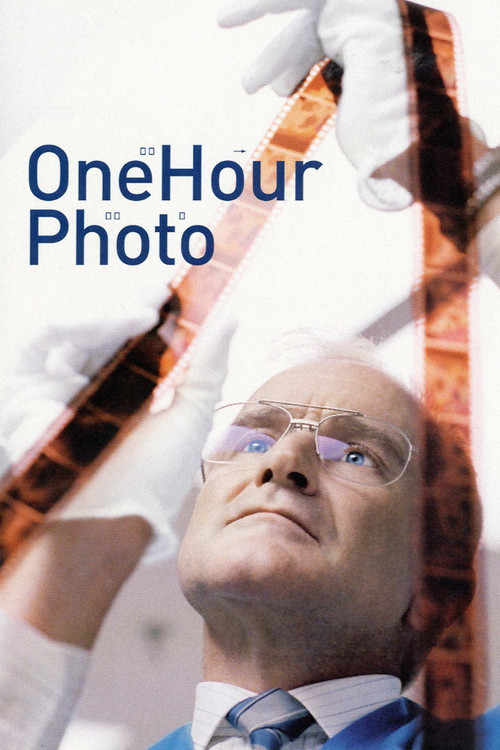
One Hour Photo
2002Sy Parrish has lovingly developed photographs for the Yorkin family since their son was a baby. But as the Yorkins' lives become fuller, Sy's only seems lonelier, until he eventually convinces himself he's part of their family. When Sy's picture-perfect fantasy collides with an ugly dose of reality, a bizarre and thrilling confrontation ensues.
Williams sheds every ounce of his manic kineticism to inhabit Sy Parrish with a terrifying, stillness-driven precision. It remains his most chilling subversion of the "lovable funnyman" archetype, swapping warmth for a translucent, clinical loneliness that makes even his smallest gestures feel like a threat. This is a masterclass in quiet desperation, proving Williams could command the screen by doing absolutely nothing at all.
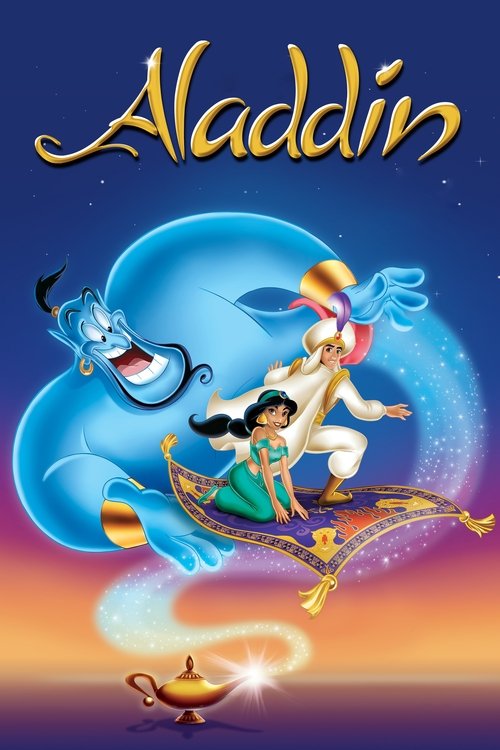
Aladdin
1992In the boorish city of Agrabah, kind-hearted street urchin Aladdin and Princess Jasmine fall in love, although she can only marry a prince. He and power-hungry Grand Vizier Jafar vie for a magic lamp that can fulfill their wishes.
Williams unleashed a caffeinated, improvisational gale-force that fundamentally rewrote the rules for celebrity voice acting. His shapeshifting mimicry transformed the Genie into a hyperactive meta-commentary on entertainment itself, proving that a vocal performance could be every bit as visceral as a physical one. It remains the definitive moment where his manic comedic persona crystallized into a timeless cinematic blueprint.
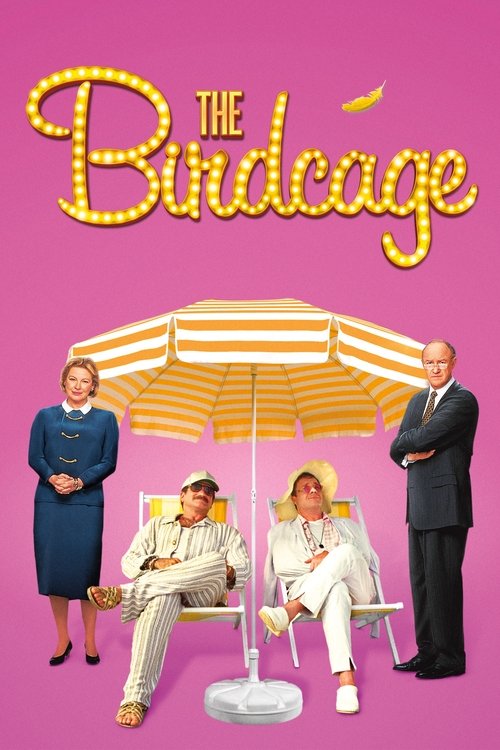
The Birdcage
1996A gay cabaret owner and his drag queen partner agree to put up a false heterosexual front so that their son can introduce them to his fiancée's conservative parents.
Williams delivers a masterclass in comedic restraint, playing the grounded straight man to Nathan Lane’s theatrical chaos while retaining his signature high-velocity wit. It is a pivotal moment in his career where he proved he could anchor a film through soulful nuance rather than just manic energy. By channelling his flamboyant instincts into a weary, protective fatherhood, he provides the film’s essential, beating heart.
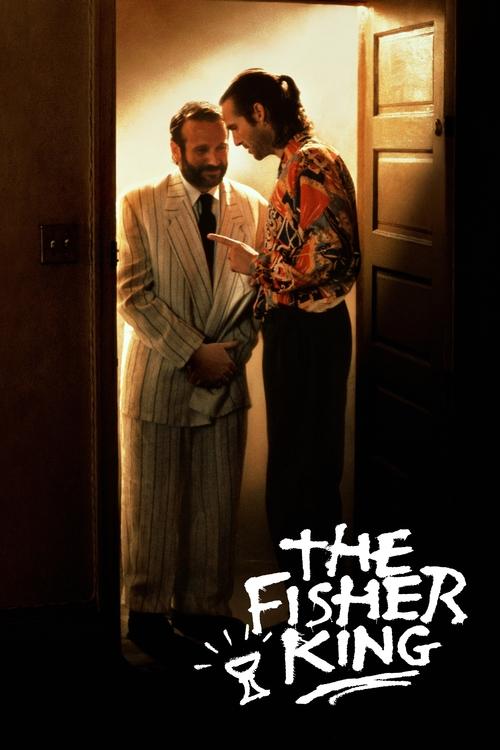
The Fisher King
1991Two troubled men face their terrible destinies and events of their past as they join together on a mission to find the Holy Grail and thus to save themselves.
Williams balances manic eccentricity with a raw, hollowed-out vulnerability, proving he could anchor Terry Gilliam’s surrealism in profound human grief. It is the definitive bridge in his career, merging his volcanic improvisational energy with the soulful dramatic depth that would later define his most revered work. He navigates Parry’s delusions not as a caricature, but as a heartbreaking portrait of a man fractured by trauma.
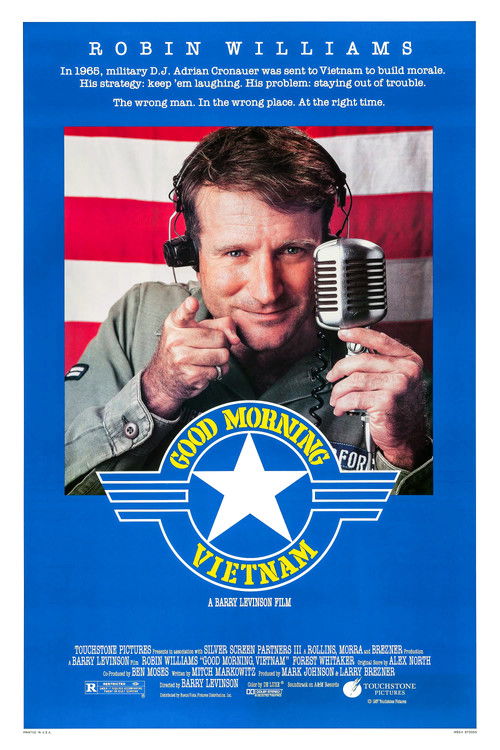
Good Morning, Vietnam
1987A disk jockey goes to Vietnam to work for the Armed Forces Radio Service. While he becomes popular among the troops, his superiors disapprove of his humor.
Williams unleashed his singular, rapid-fire improvisational psyche onto the screen, finally finding a role expansive enough to contain his manic comic energy without losing its human core. By blurring the line between his stand-up persona and a scripted character, he transformed a standard military drama into a landmark masterclass in verbal dexterity. It remains the definitive pivot point where his kinetic brilliance transitioned from television novelty to undisputed cinematic superstardom.
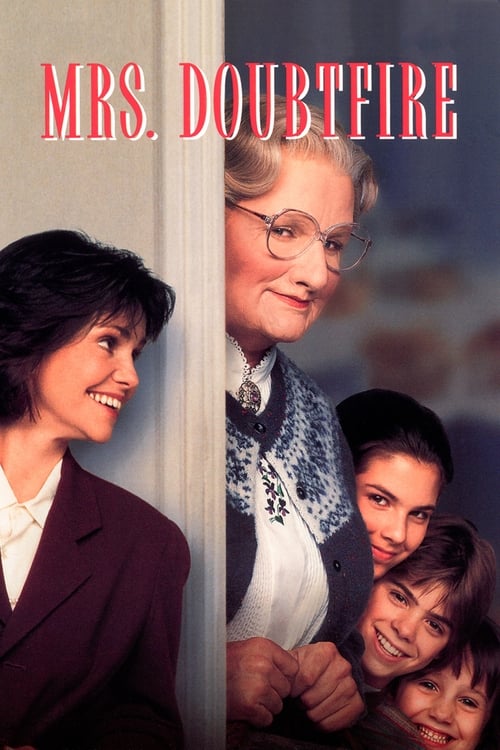
Mrs. Doubtfire
1993Loving but irresponsible dad Daniel Hillard, estranged from his exasperated spouse, is crushed by a court order allowing only weekly visits with his kids. When Daniel learns his ex needs a housekeeper, he gets the job -- disguised as a British nanny. Soon he becomes not only his children's best pal but the kind of parent he should have been from the start.
Williams weaponizes his manic improvisational energy to bridge the gap between Broad comic caricature and genuine paternal ache. It stands as the definitive showcase of his chameleonic brilliance, proving he could disappear under layers of latex without losing the frantic, soulful warmth that anchored his superstardom. His ability to flip from a high-velocity vocal gymanst to a vulnerable father remains the gold standard for high-concept character acting.
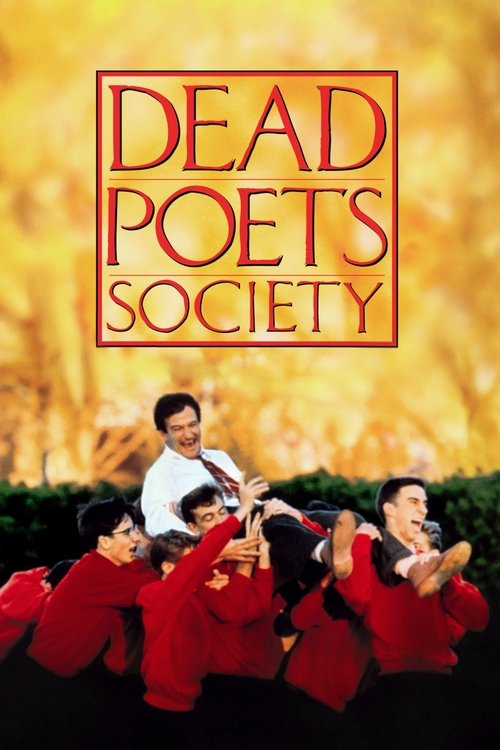
At an elite, old-fashioned boarding school in New England, a passionate English teacher inspires his students to rebel against convention and seize the potential of every day, courting the disdain of the stern headmaster.
Williams balances his trademark kinetic energy with a soulful, disciplined restraint that proved he was far more than just a manic comic. By grounding John Keating in a weary yet defiant idealism, he transformed the mentor archetype into something profoundly human and secured his status as a premiere dramatic heavyweight. It is the definitive bridge between his stand-up roots and his legacy as cinema’s most empathetic intellectual.
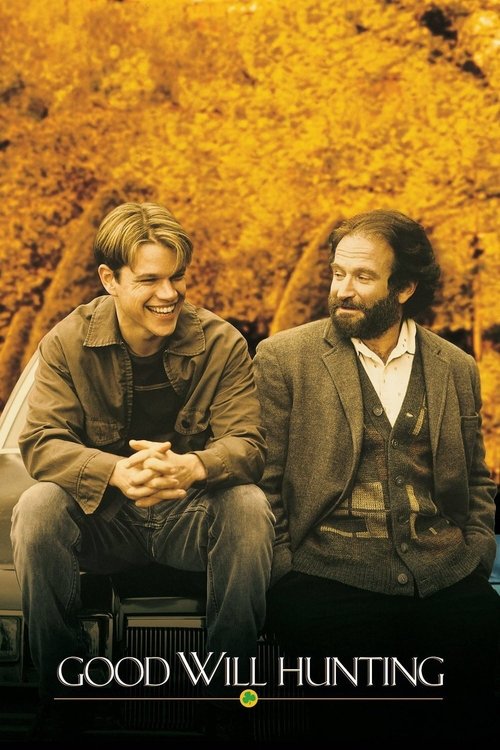
Will Hunting is a headstrong, working-class genius who is failing the lessons of life. After one too many run-ins with the law, Will's last chance is a psychology professor, who might be the only man who can reach him.
Williams strips away his manic persona to lead with a bruised, quiet dignity, grounding the film through weary silences and a fatherly warmth that feels lived-in rather than scripted. His portrayal of Sean Maguire stands as the definitive bridge between his comedic roots and his dramatic mastery, trading improvisational fire for a soulful, restrained vulnerability. It is the role that finally allowed his stillness to speak louder than his kinetic energy, earning him the Oscar that solidified his legacy as a premier dramatic heavyweight.
Frequently Asked Questions
Everything you need to know about this list and SnakeDrafts
- Robin Williams won an Oscar for his powerful dramatic performance in "Good Will Hunting" (1997), where he portrayed a compassionate therapist helping a troubled genius. This role highlights his ability to balance emotional depth with warmth.
- In "Mrs. Doubtfire" (1993), Robin Williams masterfully oscillates between slapstick comedy and heartfelt drama, embodying a character who uses humor to reconnect with his family. This film exemplifies his unique talent for balancing laughter with poignant emotional moments.
- In "Good Morning, Vietnam" (1987), Williams delivers an iconic performance as a radio DJ bringing humor and humanity to soldiers during the Vietnam War. His energetic improvisation and comedic timing brought levity to a serious wartime setting, showcasing his dynamic range.
- Films like "Aladdin" (1992), where Williams voices the Genie, and "Jumanji" (1995) demonstrate his vibrant presence in family and fantasy genres. These roles exhibit his ability to captivate audiences across age groups with charm and imaginative energy.
- In "One Hour Photo" (2002) and "Insomnia" (2002), Williams delves into darker, psychologically complex characters, highlighting his dramatic versatility beyond comedic roles. His performances bring intensity and nuance to these thriller narratives.
- Movies like "Patch Adams" (1998) and "What Dreams May Come" (1998) explore themes of hope, healing, and human connection. Williams' compassionate performances in these films emphasize his talent for portraying characters who inspire and uplift.
- Williams' portrayal of the Genie in Disney's "Aladdin" (1992) is a standout contribution to animation, where his improvised comedic style and voice work brought a beloved character to life. This performance remains one of the most celebrated roles in animated film history.