Best Movies Directed by Wes Anderson
Symmetry and Whimsy from the Master of Aesthetic Cinema
Explore Wes Anderson's iconic filmography featuring his unique visual style, quirky stories, and acclaimed cinematic masterpieces.
About Wes Anderson
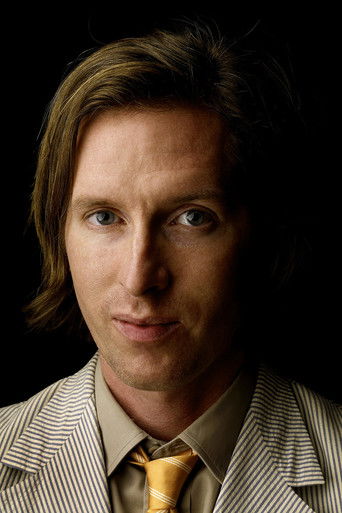
In the meticulous clockwork of modern cinema, a Wes Anderson frame is perhaps the only property that functions as a physical thumbprint. To step into his world is to surrender to a rigorous, candy colored geometry where every book on a shelf or pastry in a box has been curated with the intensity of a forensic investigator. He does not merely film stories; he constructs elaborate dioramas that breathe, populating them with melancholy geniuses and elegantly dressed failures. While critics occasionally mistake his penchant for symmetry and pastel palettes as mere ornament, this high art artifice serves a deeper purpose. It acts as a protective shell for characters who are almost always vibrating with quiet, unresolved grief.
His evolution from the scrappy, indie charm of Bottle Rocket to the sprawling, architectural complexity of The Grand Budapest Hotel reveals a creator chasing a very specific kind of perfection. In The Royal Tenenbaums, he mastered the art of the dysfunctional dynasty, using a thrift store chic aesthetic to cushion the blow of fatherly betrayal and wasted potential. By the time he reached the rugged shores of Moonrise Kingdom, his style had become an entire language, one where tracking shots move with the precision of a metronome and deadpan dialogue carries the weight of a Shakespearean tragedy. He treats the screen like a canvas, often ignoring the depth of field favored by his peers in favor of a flat, theatrical presentation that feels like a vintage postcard brought to life.
Animation provided a natural outlet for this level of control. With Fantastic Mr. Fox and Isle of Dogs, he proved that his visual instincts were not limited by the physical world. These stop motion ventures allowed him to micromanage every blade of grass and twitch of a puppet snout, resulting in films that feel tactile and lived in. This obsession with texture carried over into his live action work as well. The French Dispatch of the Liberty, Kansas Evening Sun plays like a love letter to the printed word, a dizzying anthology where the set design is as much a protagonist as the eccentric journalists inhabiting it.
Even when he heads into the desert for the retro futuristic malaise of Asteroid City, the signature markers remain. There are the trademark fonts, the primary colors, and the ensemble casts that read like a roll call of Hollywood royalty. Yet, beneath the whimsical surface of The Life Aquatic with Steve Zissou or the spiritual restlessness of The Darjeeling Limited, there is a recurring preoccupation with a world that is disappearing. His films are often about people trying to maintain their dignity or their rituals in the face of time. He creates sanctuaries of order in a chaotic universe. This is why his legacy feels so sturdy. He did not just invent a style; he built a sovereign territory in the cultural landscape where sincerity and artifice live in a perfect, centered balance. Any filmmaker can tilt a camera, but few can make the center of a frame feel like the most meaningful place on earth.
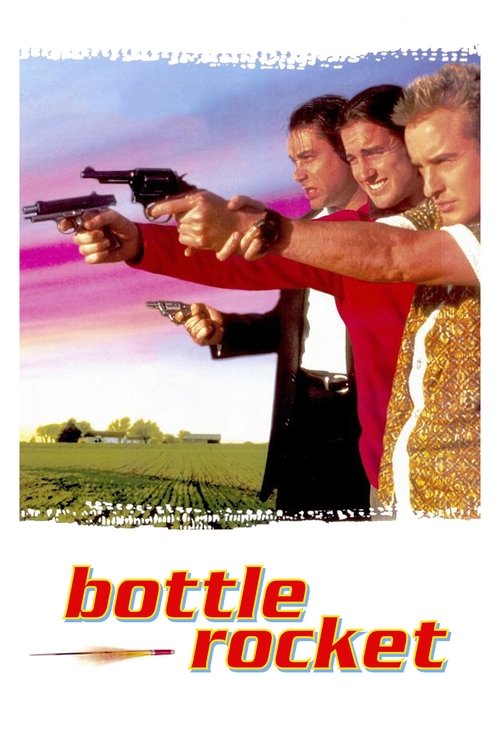
Bottle Rocket
1996Upon his release from a mental hospital following a nervous breakdown, the directionless Anthony joins his friend Dignan, who seems far less sane than the former. Dignan has hatched a harebrained scheme for an as-yet-unspecified crime spree that somehow involves his former boss, the (supposedly) legendary Mr. Henry.
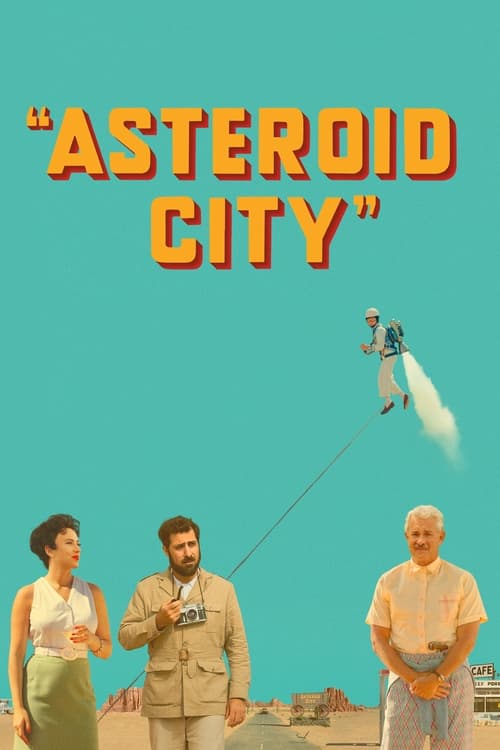
Asteroid City
2023In an American desert town circa 1955, the itinerary of a Junior Stargazer/Space Cadet convention is spectacularly disrupted by world-changing events.
This metaphysical desert dream layers artifice upon artifice to contemplate the very nature of storytelling and performance. It is perhaps his most cerebral work, challenging the audience to find meaning amidst a meticulously staged void of mid-century Americana and cosmic uncertainty.
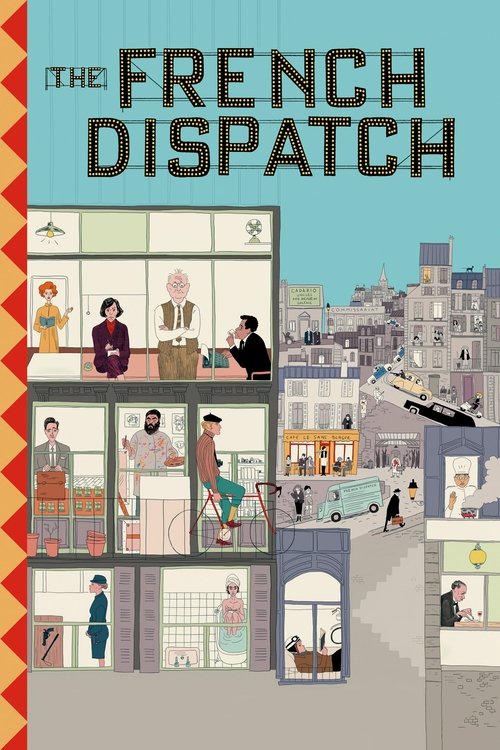
The staff of an American magazine based in France puts out its last issue, with stories featuring an artist sentenced to life imprisonment, student riots, and a kidnapping resolved by a chef.
An intricate love letter to mid-century journalism, this anthology pushes the boundaries of narrative density and formalist complexity. Every frame is a hyper-saturated document of visual information, proving that Anderson is increasingly interested in the film frame as a literal printed page.
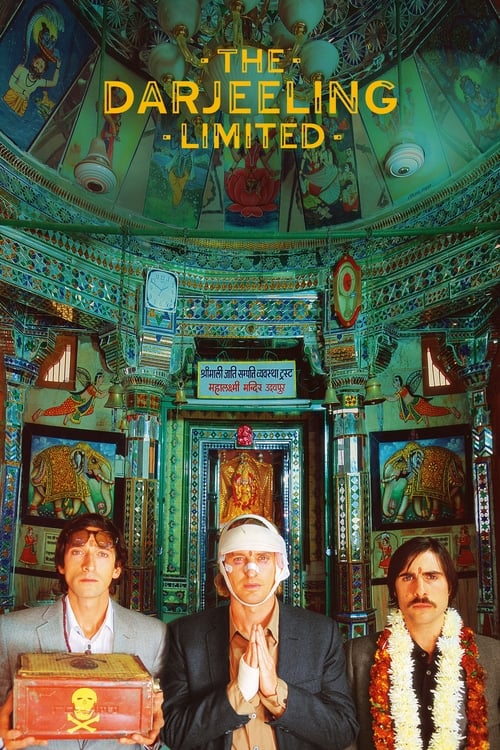
The Darjeeling Limited
2007Three American brothers who have not spoken to each other in a year set off on a train voyage across India with a plan to find themselves and bond with each other -- to become brothers again like they used to be. Their "spiritual quest", however, veers rapidly off-course (due to events involving over-the-counter pain killers, Indian cough syrup, and pepper spray).
Set against the vibrant backdrop of the Indian railway, this film uses a restricted physical space to force an intimate reckoning between three estranged brothers. It is a transitionary work that trades some of his usual whimsy for a more spiritual, albeit still highly stylized, search for enlightenment.
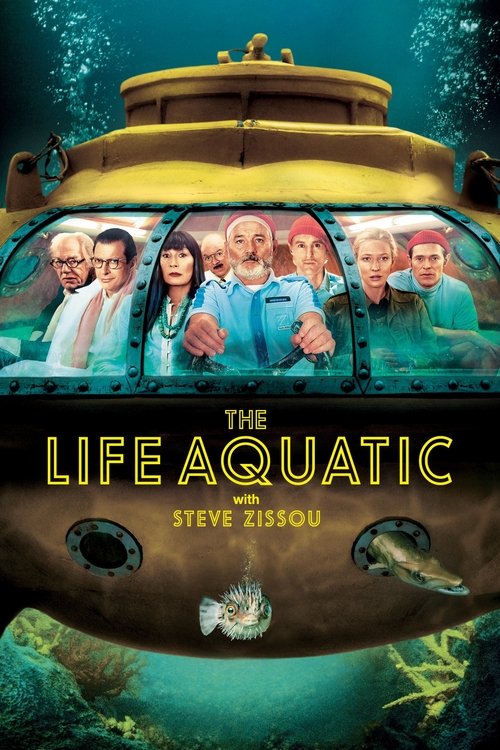
The Life Aquatic with Steve Zissou
2004Renowned oceanographer Steve Zissou has sworn vengeance upon the rare shark that devoured a member of his crew. In addition to his regular team, he is joined on his boat by Ned, a man who believes Zissou to be his father, and Jane, a journalist pregnant by a married man. They travel the sea, all too often running into pirates and, perhaps more traumatically, various figures from Zissou's past, including his estranged wife, Eleanor.
This ambitious maritime adventure dives into the depths of grief and creative stagnation using a whimsical, cross-sectioned submarine as its primary stage. While polarizing, it represents his most daring experiment in scale and tone, blending high-seas action with a uniquely Jacques Cousteau inspired brand of existentialism.
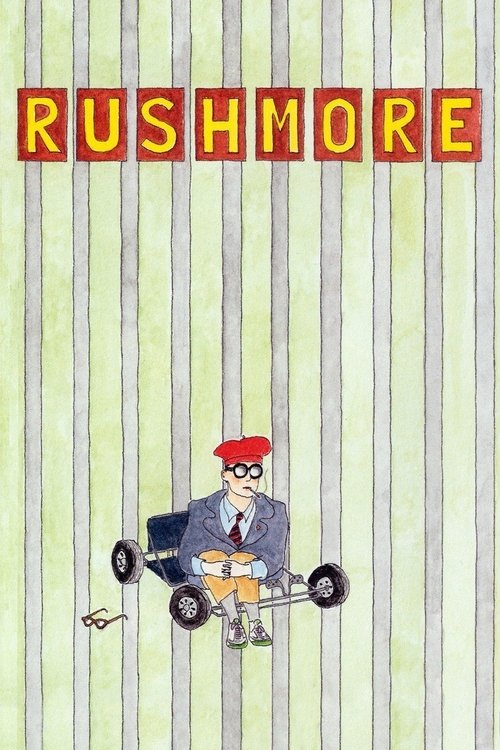
Rushmore
1998When a beautiful first-grade teacher arrives at a prep school, she soon attracts the attention of an ambitious teenager named Max, who quickly falls in love with her. Max turns to the father of two of his schoolmates for advice on how to woo the teacher. However, the situation soon gets complicated when Max's new friend becomes involved with her, setting the two pals against one another in a war for her attention.
With its sharp script and idiosyncratic rhythm, this sophomore effort announced a major new voice in American cinema capable of reinventing the coming-of-age genre. It serves as the bridge between his early indie sensibilities and the hyper-stylized dioramas that would soon become his directorial signature.
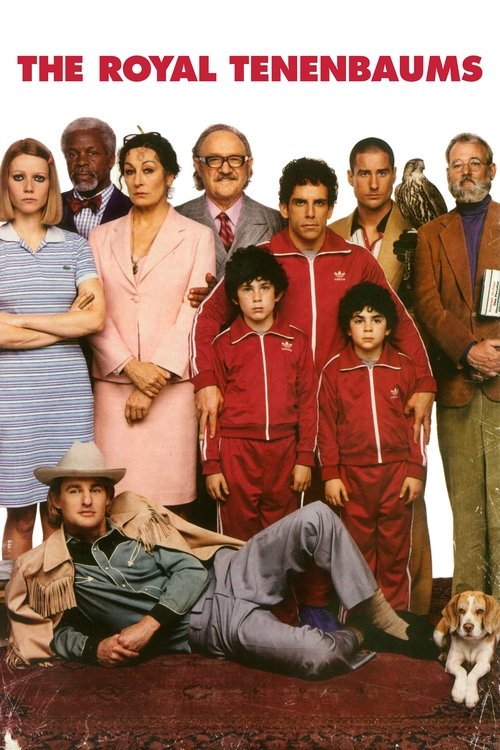
Royal Tenenbaum and his wife Etheline had three children and then they separated. All three children are extraordinary --- all geniuses. Virtually all memory of the brilliance of the young Tenenbaums was subsequently erased by two decades of betrayal, failure, and disaster. Most of this was generally considered to be their father's fault. "The Royal Tenenbaums" is the story of the family's sudden, unexpected reunion one recent winter.
This definitive portrait of intellectual decline and family dysfunction established the quintessential Andersonian visual language of flat space and overhead shots. It remains the foundational text of his filmography, balancing deadpan irony against a devastatingly sincere exploration of inherited trauma.
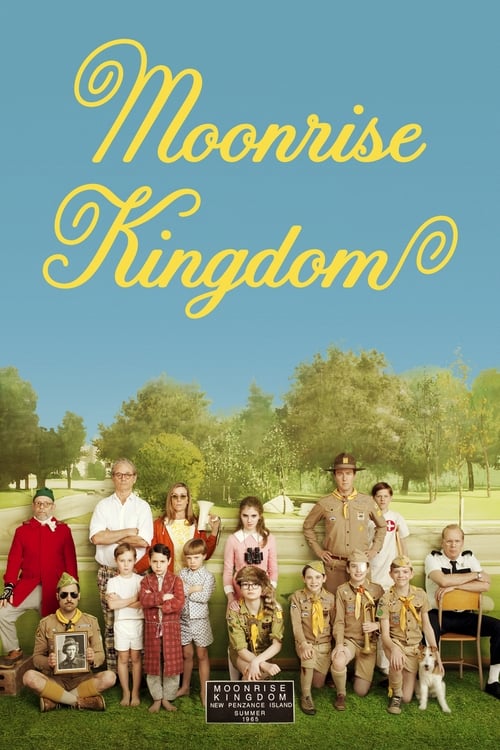
Moonrise Kingdom
2012Set on an island off the coast of New England in the summer of 1965, Moonrise Kingdom tells the story of two twelve-year-olds who fall in love, make a secret pact, and run away together into the wilderness. As various authorities try to hunt them down, a violent storm is brewing off-shore – and the peaceful island community is turned upside down in more ways than anyone can handle.
A sublime distillation of adolescent rebellion and nostalgic longing, this film captures the precise geometry of young love with unparalleled decorative precision. It marks a pivotal moment where Anderson’s storybook artifice became the perfect vessel for genuine, heart-on-sleeve emotional resonance.
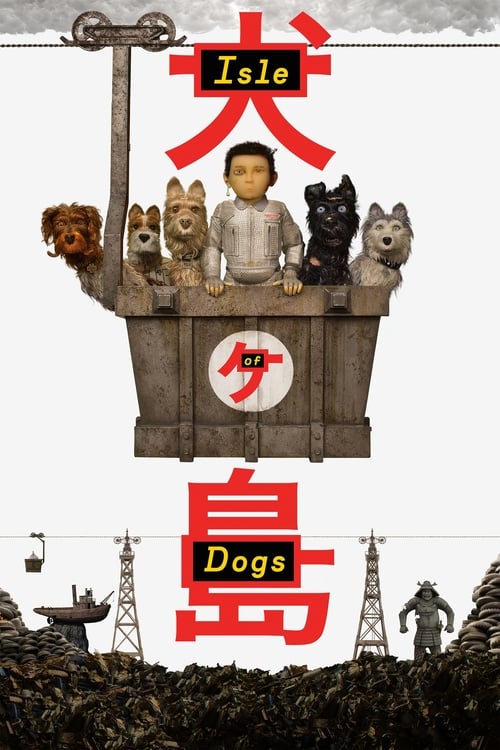
Isle of Dogs
2018In the future, an outbreak of canine flu leads the mayor of a Japanese city to banish all dogs to an island used as a garbage dump. The outcasts must soon embark on an epic journey when a 12-year-old boy arrives on the island to find his beloved pet.
This dystopian fable showcases a remarkable evolution in scale, utilizing a ruggedized aesthetic to explore political allegory through the lens of unwavering loyalty. The meticulous layering of Japanese cultural influence against a gritty, percussive score proves the director can find profound soul within the most rigid of frameworks.
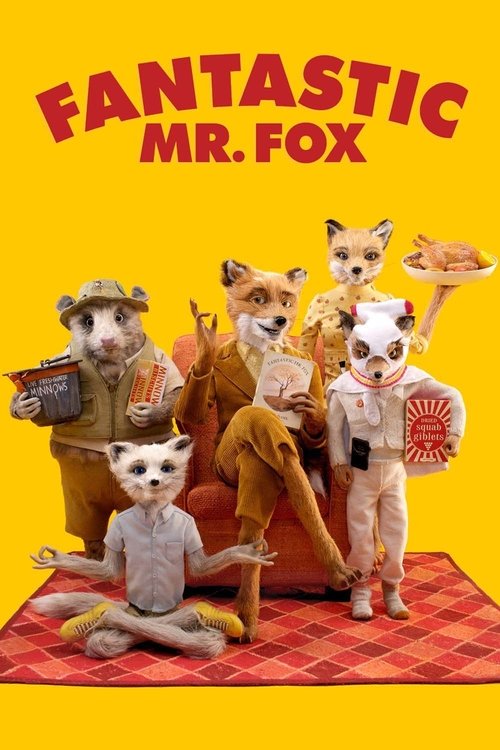
The Fantastic Mr. Fox, bored with his current life, plans a heist against the three local farmers. The farmers, tired of sharing their chickens with the sly fox, seek revenge against him and his family.
By translating his fastidious live-action sensibilities into the tactile realm of stop-motion, Anderson unlocked a kinetic wit that redefined the possibilities of the medium. This adaptation stands as his most infectious work, blending meticulous hand-crafted textures with a sophisticated, feral energy.
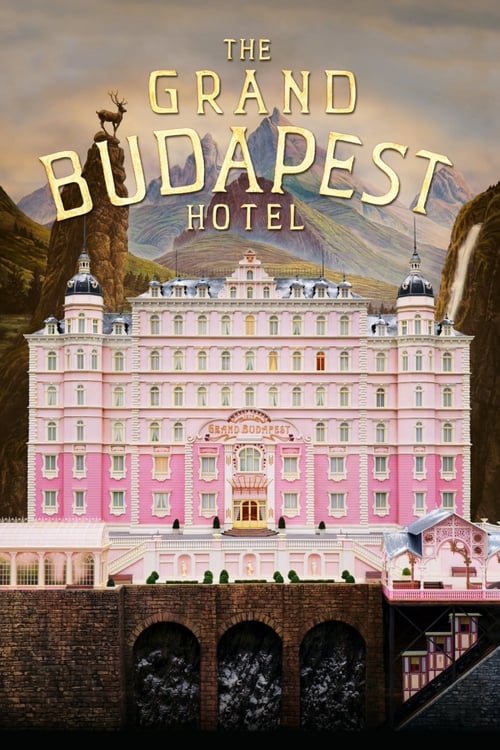
The Grand Budapest Hotel tells of a legendary concierge at a famous European hotel between the wars and his friendship with a young employee who becomes his trusted protégé. The story involves the theft and recovery of a priceless Renaissance painting, the battle for an enormous family fortune and the slow and then sudden upheavals that transformed Europe during the first half of the 20th century.
A panoramic masterpiece of symmetrical grandeur and historical melancholy, this film represents the absolute zenith of Anderson's world-building capabilities. It functions as a definitive thesis on his career-long obsession with the preservation of grace within a crumbling civilization.
Frequently Asked Questions
Everything you need to know about this list and SnakeDrafts
- Wes Anderson's films often explore themes of family dynamics, quirky characters, and melancholy wrapped in a visually distinctive style. Movies like 'The Royal Tenenbaums' and 'The Darjeeling Limited' exemplify his focus on dysfunctional families and personal quests.
- Wes Anderson is known for his meticulous composition, symmetrical framing, and vibrant color palettes, which create a unique, storybook-like atmosphere. This signature visual style enhances the whimsical and nostalgic tone of films such as 'The Grand Budapest Hotel' and 'Moonrise Kingdom.'
- Both 'Fantastic Mr. Fox' and 'Isle of Dogs' employ stop-motion animation, allowing Anderson to create imaginative worlds with anthropomorphic characters. The animation adds a playful yet textured depth to these adventurous tales, differentiating them from his live-action works.
- Wes Anderson expertly blends comedy, drama, and adventure, often including elements of romance or family dynamics. For example, 'Moonrise Kingdom' mixes comedy and romance, while 'The Life Aquatic with Steve Zissou' combines adventure with comedic drama, showcasing his ability to balance diverse tones.
- Wes Anderson's early films such as 'Bottle Rocket' had a rawer indie feel, focusing more on character-driven narratives, while his recent films like 'Asteroid City' exhibit more elaborate production designs and intricate storytelling. Over time, his aesthetic has grown increasingly stylized and polished, solidifying his reputation for meticulous craftsmanship.
- 'The French Dispatch' is distinctive for its anthology format, weaving multiple stories inspired by journalism within a fictional French city. This film highlights Anderson's love for nostalgia and literary storytelling while showcasing his signature visual and narrative complexity.
- Yes, actors like Bill Murray, Jason Schwartzman, and Owen Wilson frequently appear in Wes Anderson’s films, including 'Rushmore,' 'The Royal Tenenbaums,' and 'The Life Aquatic with Steve Zissou.' These collaborations help maintain a consistent tone and style across his work.