The Best John Travolta Movies Ranked
From Disco Kings to Pulp Fiction Icons
Explore the definitive ranking of John Travolta's most legendary film roles, from high-octane thrillers to cult classic musicals.
About John Travolta
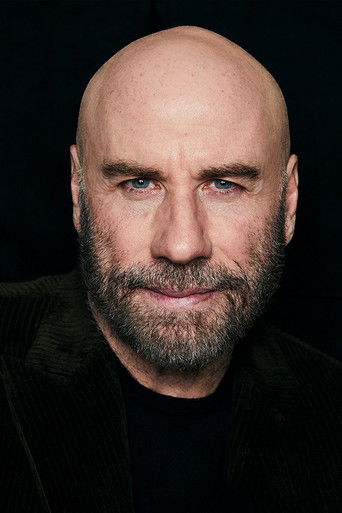
To watch John Travolta move on screen is to witness the sheer physical geometry of movie stardom. Since the mid-seventies, he has operated as a kind of human tuning fork for the American zeitgeist, vibrating with a high-voltage charisma that makes even his most questionable career detours feel like essential viewing. He possesses an uncanny ability to reinvent his silhouette, shifting seamlessly from the lean, hip-swiveling peacock of the disco era to the heavy-lidded, cynical philosopher of the nineties indie boom.
His initial ascent was less a debut and more a cultural seizure. In Saturday Night Fever, he didn't just play Tony Manero; he crystallized the existential desperation of a generation through the lens of a dance floor. That role, followed immediately by the candy-colored nostalgia of Grease, cemented him as the industry's premier leading man, a performer who could weaponize a grin and a high-waisted pant to devastating effect. Even when he took a darker turn in Brian De Palma’s Blow Out or leaned into the rugged, blue-collar romanticism of Urban Cowboy, that innate sweetness remained. Audiences connect with him because there is no emotional distance; he allows himself to be vulnerable, whether he is falling for a co-star or dancing through a mid-life crisis.
The middle chapter of his career remains the greatest second act in Hollywood history. After a period of soft comedies like Look Who’s Talking, he stepped into the role of Vincent Vega in Pulp Fiction and redefined cool for a new decade. It was a performance built on stillness and unexpected timing, trading the frantic energy of his youth for a weary, pony-tailed swagger. This revival unlocked a formidable range, paving the way for the slick, comedic precision of Get Shorty and the high-octane camp of Face/Off and Broken Arrow. He proved he could play the heavy with as much relish as he played the hero, leaning into his massive screen presence to command the room.
What makes him an enduring icon is his refusal to stay in one lane. He can inhabit a satirical version of a president in Primary Colors, disappear into a silk dress and a beehive wig for Hairspray, or provide the soulful voice of a dog in Bolt. Even in the haunting, stoic atmosphere of The Thin Red Line, his brief appearance carries the weight of a veteran who has survived every fluctuation of the Hollywood machine. He remains a singular figure—part song-and-dance man, part gritty character actor, and entirely a star. Through every peak and valley, he has maintained a rare, tactile connection to the public, grounded in the sense that no matter how much the industry changes, Travolta will always find the rhythm.
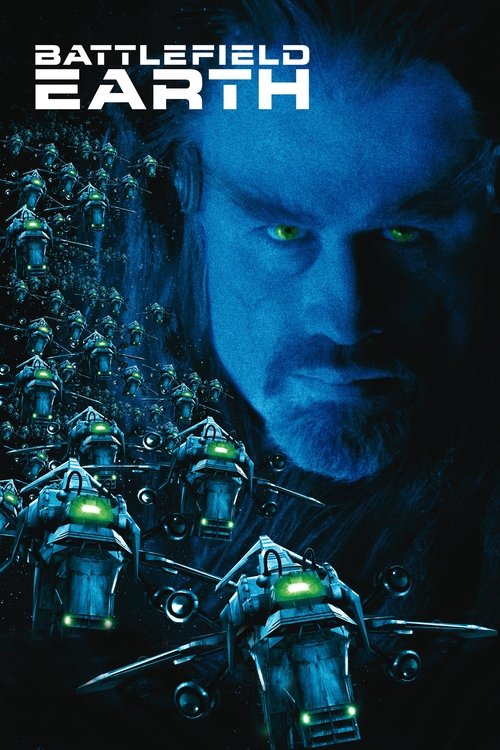
Battlefield Earth
2000In the year 3000, man is no match for the Psychlos, a greedy, manipulative race of aliens on a quest for ultimate profit. Led by the powerful Terl, the Psychlos are stripping Earth clean of its natural resources, using the broken remnants of humanity as slaves. What is left of the human race has descended into a near primitive state. After being captured, it is up to Tyler to save mankind.
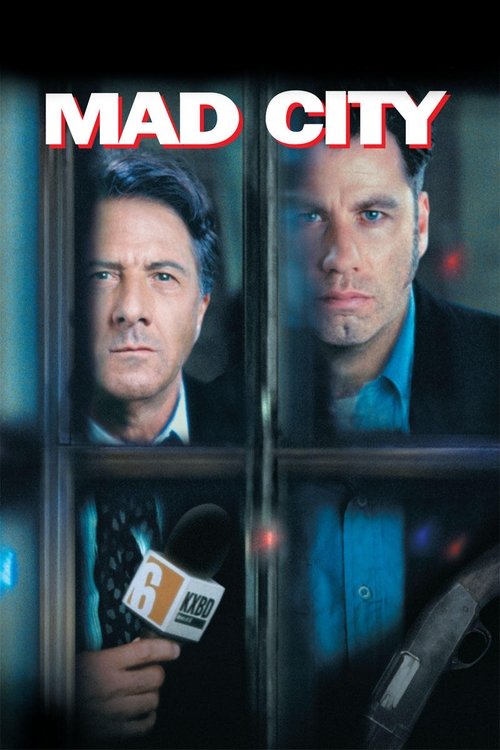
Mad City
1997A misguided museum guard who loses his job and then tries to get it back at gunpoint is thrown into the fierce world of ratings-driven TV gone mad.
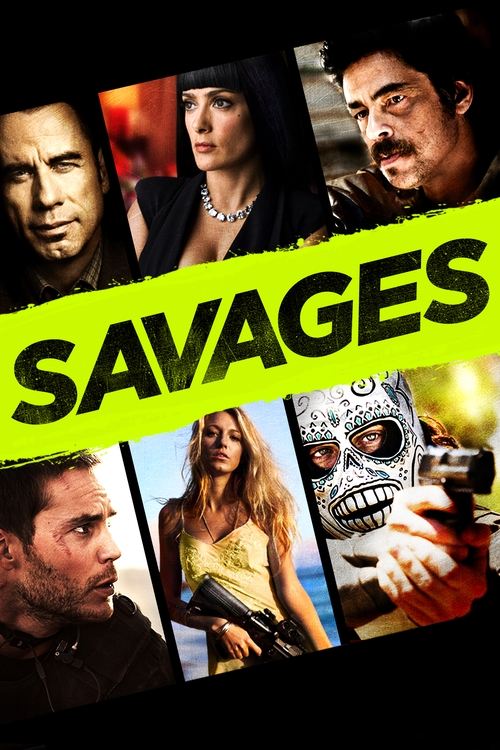
Savages
2012Pot growers Ben and Chon face off against the Mexican drug cartel who kidnapped their shared girlfriend.
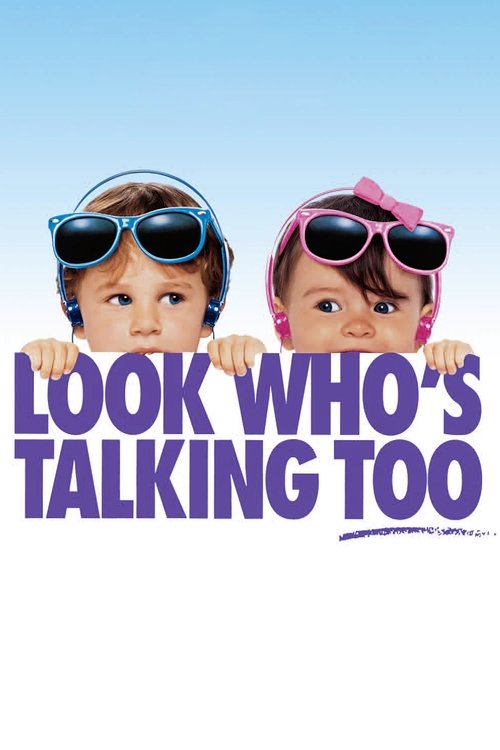
Look Who's Talking Too
1990Mollie and James are together and raising a family, which now consists of an older Mikey and his baby sister, Julie. Tension between the siblings arises, and as well with Mollie and James when Mollie's brother Stuart moves in. Mikey is also learning how to use the toilet for the first time.
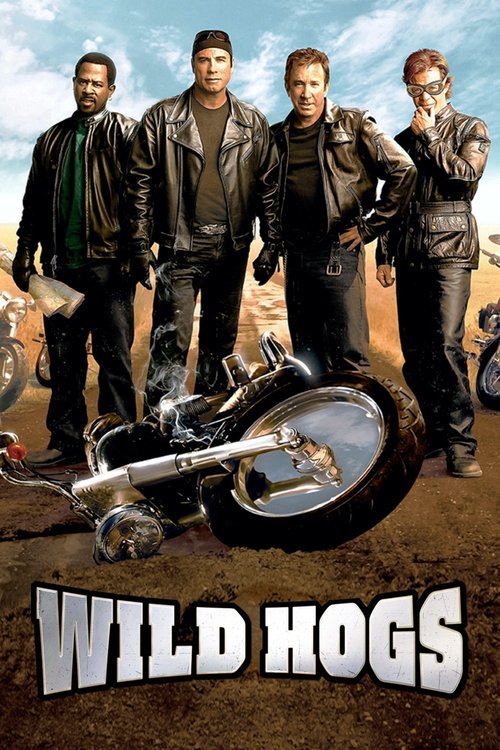
Wild Hogs
2007Restless and ready for an adventure, four suburban bikers leave the safety of their subdivision and head out on the open road. But complications ensue when they cross paths with an intimidating band of New Mexico bikers known as the Del Fuegos.
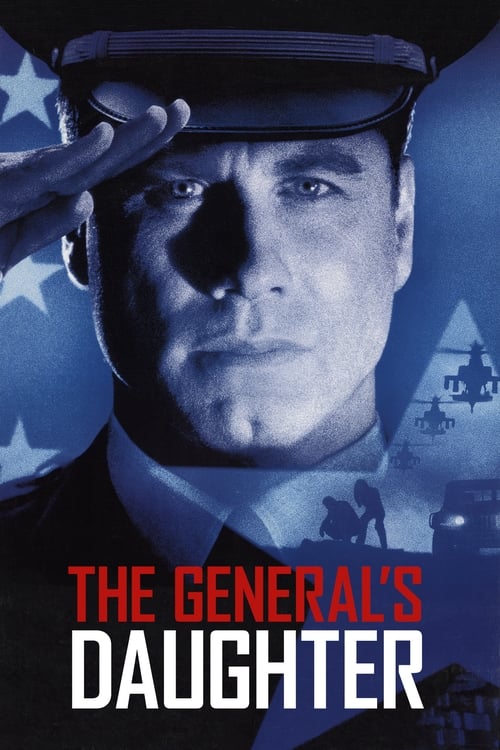
When the body of Army Capt. Elisabeth Campbell is found on a Georgia military base, two investigators, Warrant Officers Paul Brenner and Sara Sunhill, are ordered to solve her murder. What they uncover is anything but clear-cut. Unseemly details emerge about Campbell's life, leading to allegations of a possible military coverup of her death and the involvement of her father, Lt. Gen. Joseph Campbell.
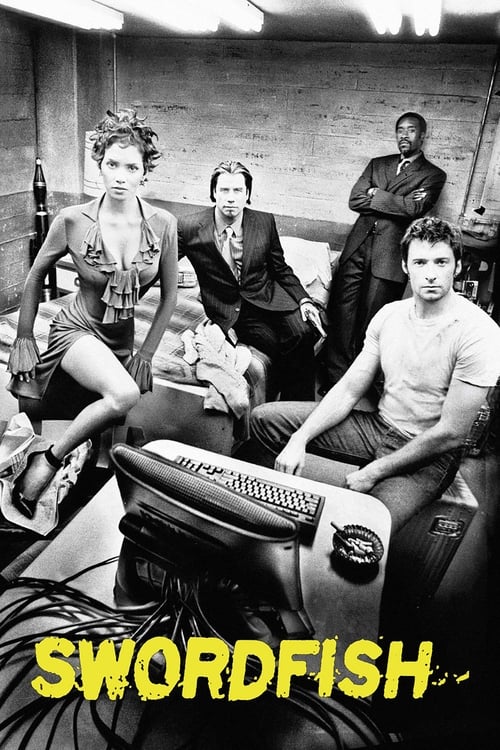
Swordfish
2001Rogue agent Gabriel Shear is determined to get his mitts on $9 billion stashed in a secret Drug Enforcement Administration account. He wants the cash to fight terrorism, but lacks the computer skills necessary to hack into the government mainframe. Enter Stanley Jobson, a n'er-do-well encryption expert who can log into anything.
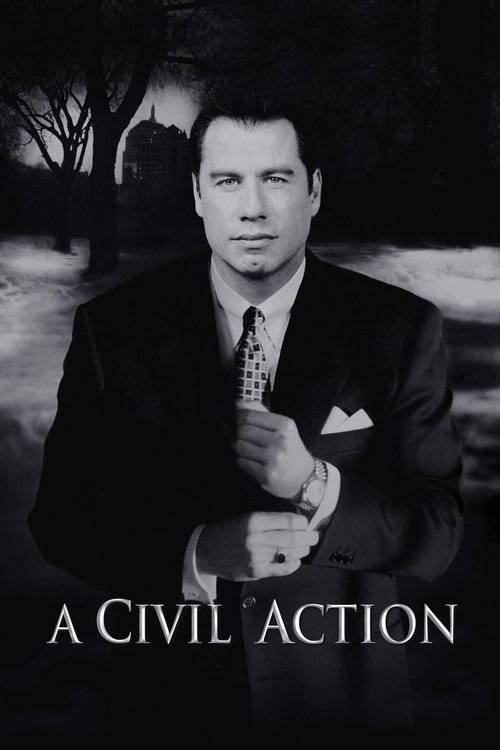
A Civil Action
1998Jan Schlickmann is a cynical lawyer who goes out to 'get rid of' a case, only to find out it is potentially worth millions. The case becomes his obsession, to the extent that he is willing to give up everything—including his career and his clients' goals—in order to continue the case against all odds.
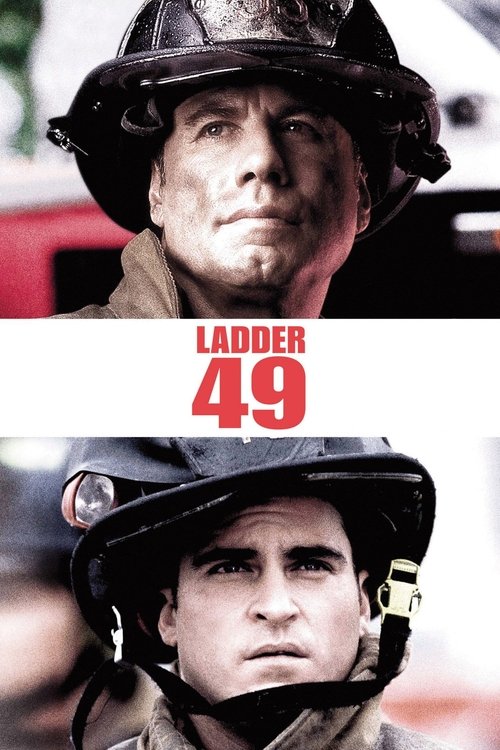
Ladder 49
2004Under the watchful eye of his mentor, Captain Mike Kennedy, probationary firefighter Jack Morrison matures into a seasoned veteran at a Baltimore fire station. However, Jack has reached a crossroads as the sacrifices he's made have put him in harm's way innumerable times and significantly impacted his relationship with his wife and kids.
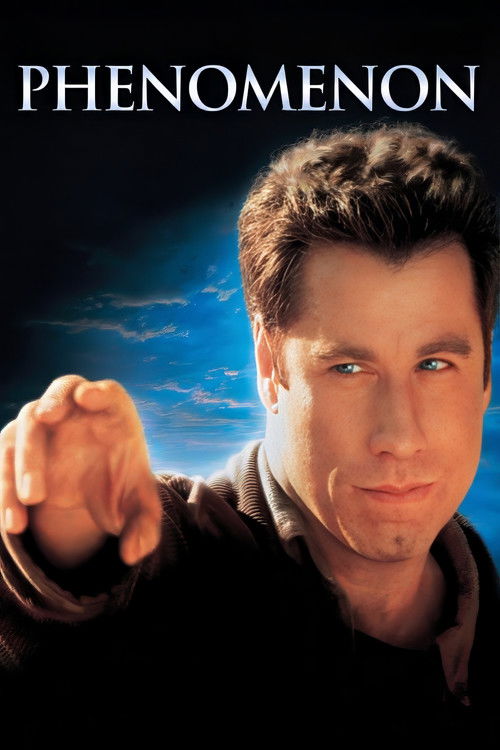
Phenomenon
1996An ordinary man sees a bright light descend from the sky, and discovers he now has super-intelligence and telekinesis.
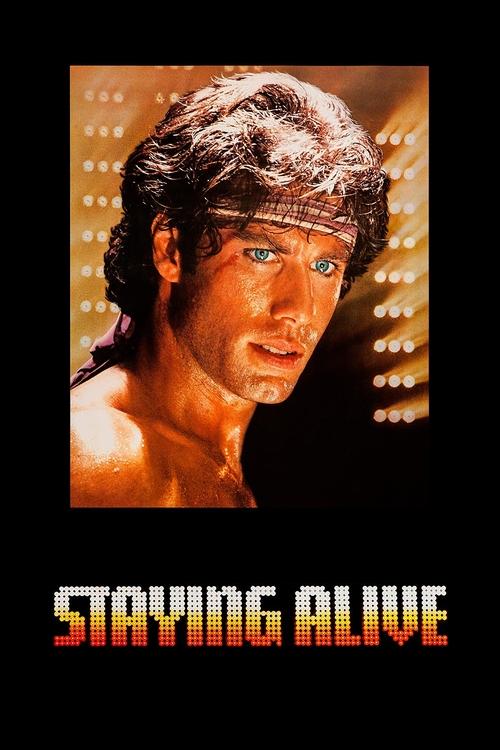
Staying Alive
1983It's five years later and Tony Manero's Saturday Night Fever is still burning. Now he's strutting toward his biggest challenger yet - making it as a dancer on the Broadway stage.
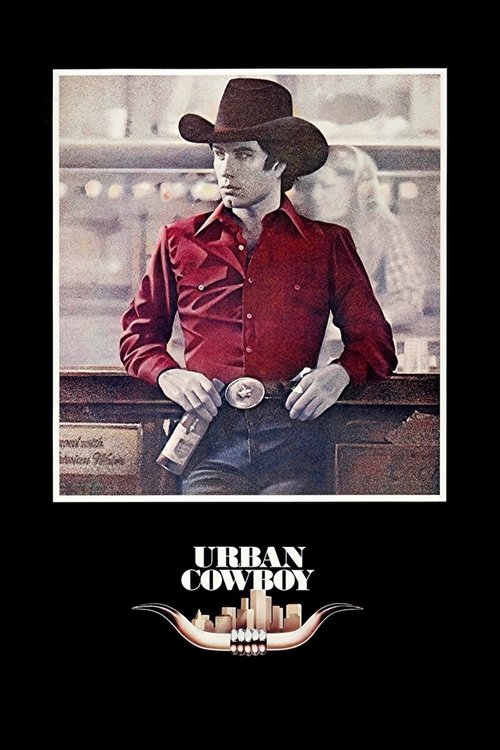
Urban Cowboy
1980After moving to Pasadena, Texas, country boy Bud Davis starts hanging around a bar called Gilley's, where he falls in love with Sissy, a cowgirl who believes the sexes are equal. They eventually marry, but their relationship is turbulent due to Bud's traditional view of gender roles. Jealousy over his rival leads to their separation, but Bud attempts to win Sissy back by triumphing at Gilley's mechanical bull-riding competition.
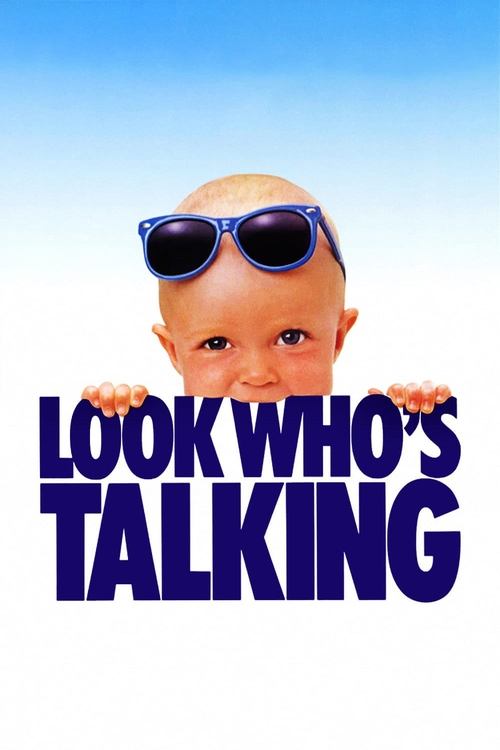
Look Who's Talking
1989After a single, career-minded woman is left on her own to give birth to the child of a married man, she finds a new romantic chance in a cab driver. Meanwhile, the point-of-view of the newborn baby is narrated through voice-over.
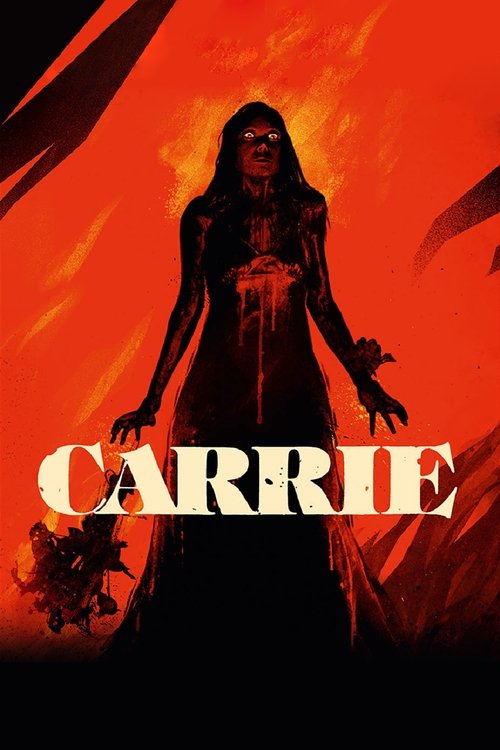
Carrie
1976Withdrawn and sensitive teenager Carrie White faces bullying from classmates and abuse from her fanatically pious mother. When she begins to suspect that she has supernatural powers, things take a dark and violent turn.
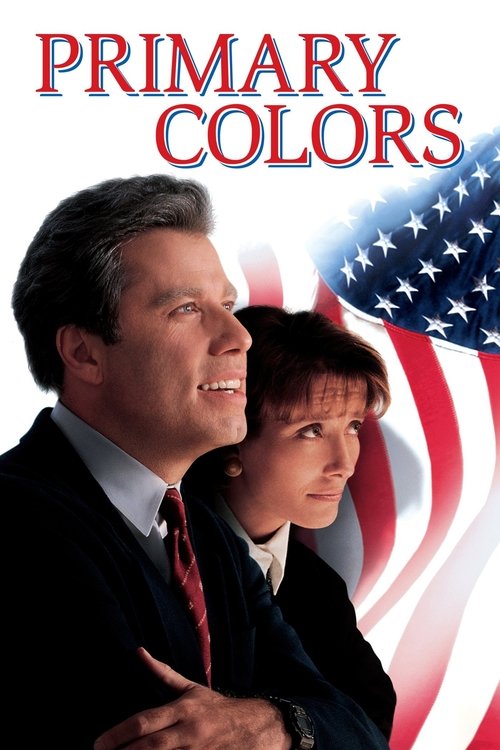
Primary Colors
1998In this adaptation of the best-selling roman à clef about Bill Clinton's 1992 run for the White House, the young and gifted Henry Burton is tapped to oversee the presidential campaign of Governor Jack Stanton. Burton is pulled into the politician's colorful world and looks on as Stanton -- who has a wandering eye that could be his downfall -- contends with his ambitious wife, Susan, and an outspoken adviser, Richard Jemmons.
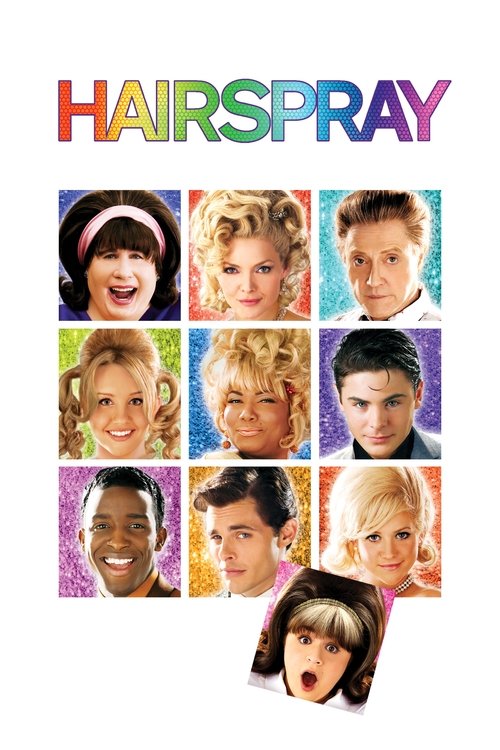
Hairspray
2007Pleasantly plump teenager Tracy Turnblad auditions to be on Baltimore's most popular dance show - The Corny Collins Show - and lands a prime spot. Through her newfound fame, she becomes determined to help her friends and end the racial segregation that has been a staple of the show.
Travolta sheds every ounce of his cool-guy persona to deliver a surprisingly tender, nimble performance as Edna Turnblad, finding the genuine heart beneath the layers of latex. By leaning into soft-spoken sweetness rather than broad drag caricature, he successfully revitalized his career through a high-wire act of musical comedy that remains his most unexpected transformation. His effortless grace on the dance floor proves that even under a mountain of prosthetics, the actor’s innate rhythm is irrepressible.
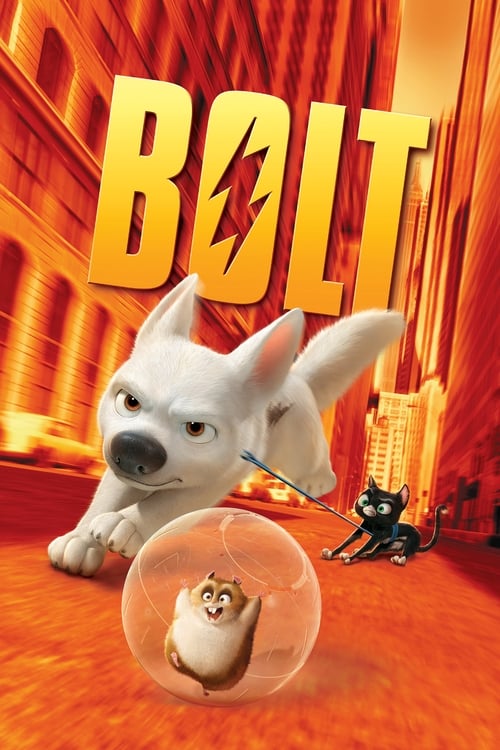
Bolt
2008Bolt is the star of the biggest show in Hollywood. The only problem is, he thinks it's real. After he's accidentally shipped to New York City and separated from Penny, his beloved co-star and owner, Bolt must harness all his "super powers" to find a way home.
Travolta replaces his signature swagger with a grounded, heartfelt earnestness, perfectly capturing the delusions of grandeur and the crushing vulnerability of a dog who believes he’s a superhero. It marks a rare moment of restraint in his career, using his textured rasp to ground the film’s high-concept premise in genuine emotional stakes. He eschews his typical movie-star persona to find the soulful center of a character defined by misplaced loyalty.
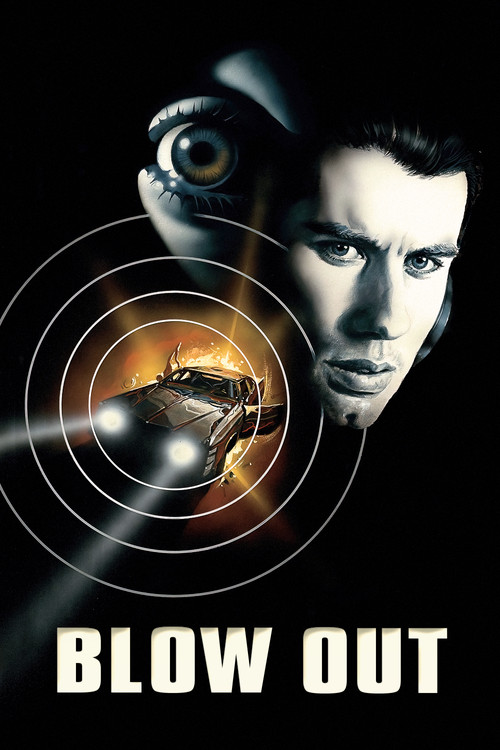
Blow Out
1981While recording sound effects for a slasher flick, Jack Terry stumbles upon a real-life horror: a car careening off a bridge and into a river. Jack jumps into the water and fishes out Sally from the car, but the other passenger is already dead — a governor intending to run for president. As Jack does some investigating of his tapes, and starts a perilous romance with Sally, he enters a tangled web of conspiracy that might leave him dead.
Travolta strips away his disco-era peacocking to reveal a raw, paranoid vulnerability, proving he could anchor a gritty thriller with more than just charisma. His Jack Terry is a masterclass in frantic obsession, capturing the haunted exhaustion of a man who realizes his technical precision is no match for a corrupt world. It remains the definitive evidence of his dramatic depth, trading the dance floor for a headset to deliver a career-best turn in soulful cynicism.
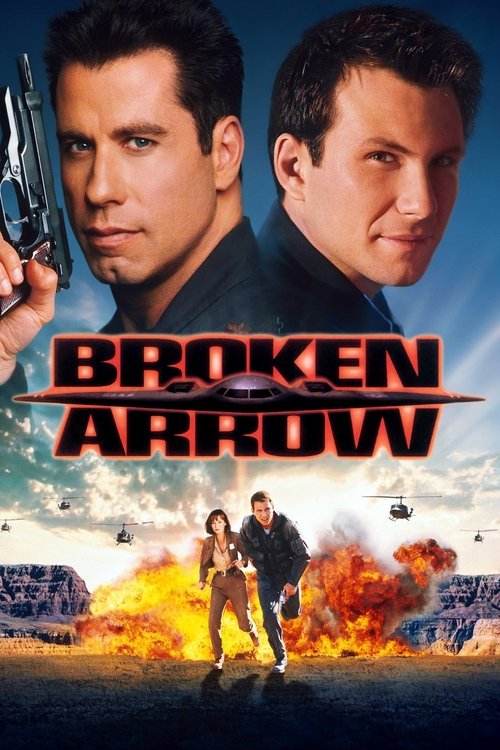
Broken Arrow
1996When rogue stealth-fighter pilot Vic Deakins deliberately drops off the radar while on maneuvers, the Air Force ends up with two stolen nuclear warheads -- and Deakins's co-pilot, Riley Hale, is the military's only hope for getting them back. Traversing the deserted canyons of Utah, Hale teams with park ranger Terry Carmichael to put Deakins back in his box.
Travolta leans into a delicious, chain-smoking arrogance, chewing through scenery with a rhythmic, stylized villainy that redefined his post-Pulp Fiction persona. He transforms a standard military rogue into a masterclass of smug charisma, proving he could anchor a massive 90s blockbuster by being more magnetic than the explosions. It is the definitive blueprint for his era of high-octane camp.
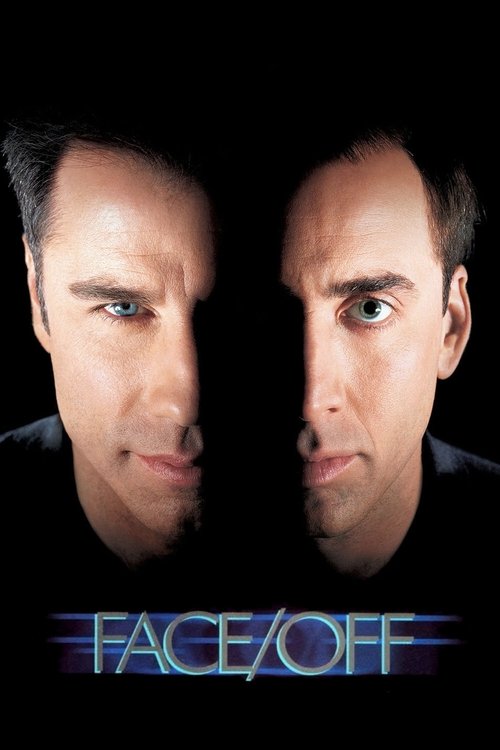
Face/Off
1997In order to foil a terrorist plot, an FBI agent undergoes facial transplant surgery and assumes the identity of a criminal mastermind. The plan turns sour when the criminal wakes up prematurely and seeks revenge.
Travolta delivers a masterclass in controlled chaos, perfectly mimicking Nicolas Cage’s manic ticks and bug-eyed intensity while grounding the absurdity in genuine emotional stakes. It is the definitive high-wire act of his 90s resurgence, showcasing a self-aware versatility that lets him play both the soulful hero and the flamboyant sociopath with infectious relish. He doesn't just swap faces; he hijack’s another actor's persona to create a dual performance that remains his most exhilarating screen work.
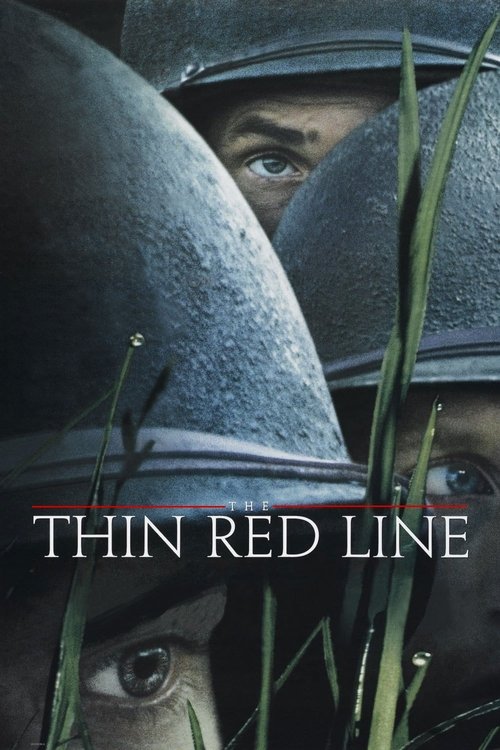
The story of a group of men, an Army Rifle company called C-for-Charlie, who change, suffer, and ultimately make essential discoveries about themselves during the fierce World War II battle of Guadalcanal. It follows their journey, from the surprise of an unopposed landing, through the bloody and exhausting battles that follow, to the ultimate departure of those who survived.
Travolta strips away his usual marquee swagger to play Brigadier General Quintard with a chilling, bureaucratic detachment. It is a rare moment of restraint in his post-Pulp Fiction peak, proving he could command a screen through quiet, rank-pulling authority rather than rhythmic charm. He anchors the film’s opening as a polished vessel for the cold logic of war.
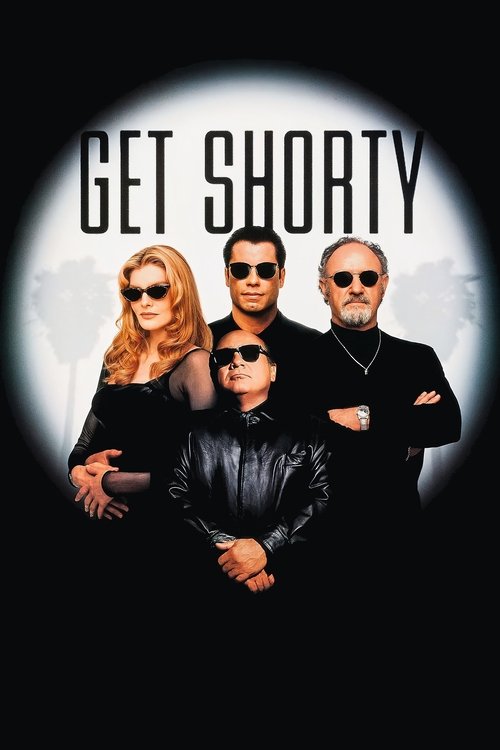
Get Shorty
1995Chili Palmer is a Miami mobster who gets sent to L.A. to collect a bad debt from Harry Zimm, a Hollywood producer who specializes in cheesy horror films. When Chili meets Harry's leading lady, the romantic sparks fly. After pitching his own life story as a movie idea, Chili learns that being a mobster and being a Hollywood producer really aren't all that different.
Travolta delivers a masterclass in low-heat charisma, replacing his usual frantic energy with a cool, predatory stillness that makes Chili Palmer the ultimate cinematic shark. It is the definitive proof that his Pulp Fiction comeback wasn't a fluke, cementing his status as the silver screen's premier elder statesman of effortless swagger. He navigates the absurdity of Hollywood with a rhythmic, jazz-like precision, proving he could command a room without breaking a sweat or even raising his voice.
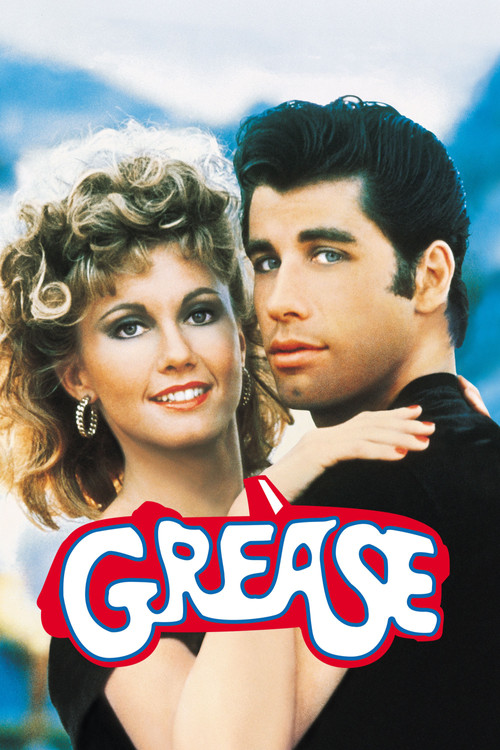
Grease
1978Australian good girl Sandy and greaser Danny fell in love over the summer. But when they unexpectedly discover they're now in the same high school, will they be able to rekindle their romance despite their eccentric friends?
Travolta anchors the film with a kinetic blend of rubber-limbed choreography and a vulnerable, self-aware swagger that humanized the fifties greaser archetype. It was the role that weaponized his movie-star magnetism, proving his disco-era charm could translate into a timeless, multi-generational appeal. He navigates Danny Zuko’s internal tug-of-war between alpha-male posturing and soft-hearted sincerity with a charisma so electric it fundamentally redefined the Hollywood leading man.
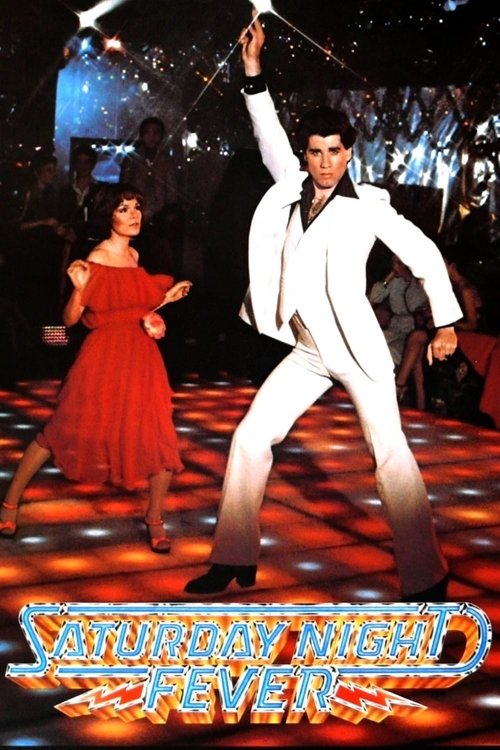
Saturday Night Fever
1977Tony spends his Saturdays at a disco where his stylish moves raise his popularity among the patrons. But his life outside the disco is not easy and things change when he gets attracted to Stephanie.
Travolta captures a volatile mix of neighborhood arrogance and private insecurity, elevating a simple disco drama into a visceral character study through his sharp, rhythmic physicality. It is the defining breakout that transformed him from a sitcom heartthrob into a cinematic icon, proving he could anchor a film with sheer, kinetic charisma. He maneuvers through the neon-lit bravado with a raw, swaggering vulnerability that remains the high-water mark of his career.
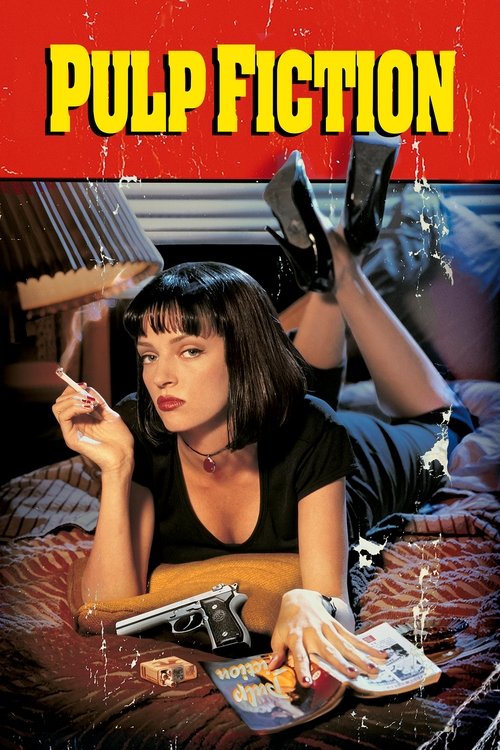
Pulp Fiction
1994A burger-loving hit man, his philosophical partner, a drug-addled gangster's moll and a washed-up boxer converge in this sprawling, comedic crime caper. Their adventures unfurl in three stories that ingeniously trip back and forth in time.
Travolta reinvented himself through Vincent Vega, replacing his disco-era charm with a heavy-lidded, heroin-chic cool that remains his career's defining pivot. He masterfully navigates the character’s contradictions, oscillating between a bumbling, accidental hitman and a rhythmic dancer with a nonchalance that salvaged his status as a cinematic icon. It is a performance defined by its effortless gait and eccentric line readings, proving him the ultimate vessel for Quentin Tarantino’s rhythmic dialogue.
Frequently Asked Questions
Everything you need to know about this list and SnakeDrafts
- ‘Pulp Fiction’ (1994) stands out as John Travolta’s highest-ranked film due to his iconic portrayal of Vincent Vega, which revitalized his career and showcased his versatility in a Quentin Tarantino thriller blending crime and dark comedy. His performance is widely celebrated for its cultural impact and enduring popularity among fans and critics alike.
- 'Saturday Night Fever' (1977) is a pivotal film in Travolta's career, highlighting his role as Tony Manero, a Brooklyn disco dancer. This movie cements him as a symbol of 70s pop culture, combining drama and music to showcase his charismatic screen presence.
- 'Grease' (1978) and 'Hairspray' (2007) both celebrate musical and dance culture, illustrating Travolta’s affinity for energetic, family-friendly roles that highlight his talent as a performer. These films emphasize nostalgic romance and lively choreography, making them fan favorites.
- 'Face/Off' (1997) and 'Broken Arrow' (1996) are crucial for fans of Travolta’s career in action cinema, highlighting his ability to portray intense characters in suspenseful, high-energy settings. Directed by John Woo, both films showcase Travolta’s skill in blending charisma with physicality in the thriller and action genres.
- 'Blow Out' (1981) features Travolta in a tense, atmospheric thriller by Brian De Palma, where he plays a sound technician uncovering a political conspiracy. This film highlights his adeptness at embodying complex characters within the mystery and crime genres.
- While the list is comprehensive, some fans might note the absence of 'Phenomenon' (1996), which showcased Travolta's dramatic depth, or 'Michael' (1996), revealing his comedic charm. These omissions highlight differing critical and popular opinions on his best work.
- 'Carrie' (1976) is one of Travolta’s early mainstream films, showcasing his capacity for dramatic roles within horror and thriller contexts. This experience helped establish his range, which he later expanded across multiple genres.