The Definitive James Caan Career Ranking: His Must-Watch Performances
From Sonny Corleone to the King of Neo-Noir
Explore the legendary career of James Caan through his most iconic roles in masterpieces like The Godfather, Thief, and Misery.
About James Caan
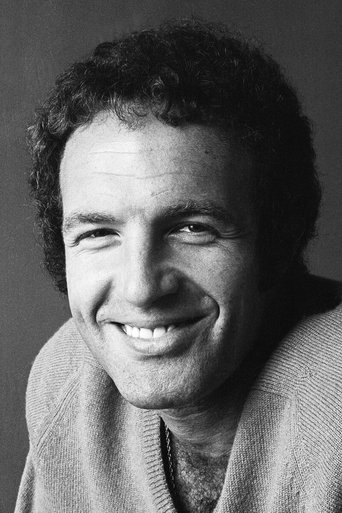
James Caan was the kind of actor who made volatility look like a virtue. He carried a certain Bronx-bred swagger that felt entirely unmanufactured, a blend of athletic grace and blue collar grit that served as his cinematic signature for over half a century. Whether he was playing a doomed halfback or a hotheaded mobster, he possessed a rare, vibrating energy that suggested he might either embrace you or swing at you, and the thrill for the audience was never quite knowing which way the coin would land.
He arguably defined the archetype of the tragic tough guy in The Godfather. As Sonny Corleone, he provided the gasoline that fueled the film's operatic fire, turning a supporting role into a cultural landmark through sheer, explosive charisma. It was a performance so indelible that it cast a long shadow over the rest of his career, yet he never let it box him in. Instead, he spent the following decades subverting that machismo. In The Gambler, he charted a harrowing descent into self-destruction, while his turn in Brian's Song remains one of the most genuine depictions of male vulnerability ever put to film. He had this unique ability to make stoicism feel loud and emotion feel dangerous.
The 1980s and 90s saw him pivot into roles that required a different kind of endurance. In Michael Mann's Thief, he delivered a masterclass in professional coolness, portraying a high stakes criminal with a meticulous, icy precision. That hardened exterior was later stripped away in Misery, where he played a captive author forced into a physically claustrophobic, psychologically grueling battle of wits. It took a performer of his stature to make a man trapped in a bed feel like the center of an action movie. He understood that power didn't always come from movement; sometimes it came from the tension in a single look.
What made him an enduring favorite across generations was his refusal to take his own legend too seriously. He found a second wind by leaning into his reputation as a formidable elder statesman, appearing as a ruthless patriarch in The Yards and an uncompromising crime boss in Dogville. Yet, he could just as easily pivot to comedy, providing the essential straight man friction in the cult classic Bottle Rocket or playing the ultimate cynical father in Elf. In the latter, he used his natural gravitas to ground a fantastical premise, proving that his gruff exterior was the perfect foil for whimsy.
He occupied a space in Hollywood that few others could fill. He was a guy's guy who wasn't afraid to bleed on screen, an athlete who understood the poetry of a losing battle. From the dusty saddles of El Dorado to the dystopian brutality of Rollerball, he remained a quintessential American masculine icon. He didn't just play characters; he inhabited them with a restless, muscular honesty that made every punch thrown and every tear shed feel earned. His legacy isn't just a list of credits, but a blueprint for how to age with grit and grace in a town that thrives on the superficial.
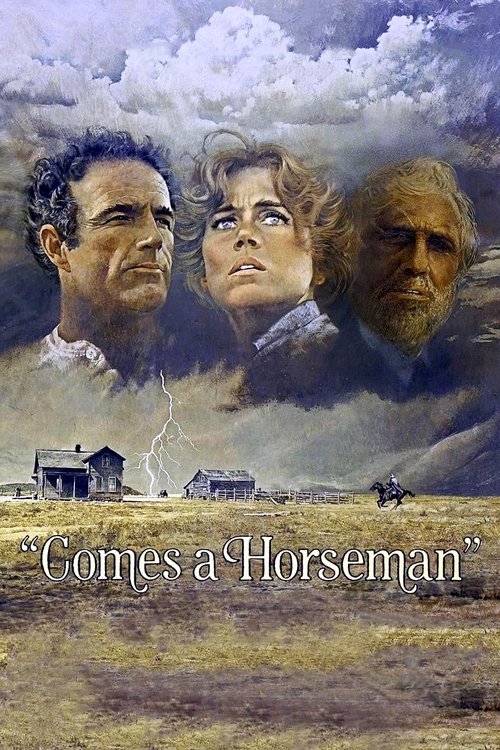
Comes a Horseman
1978Ella Connors is a single woman who gets pressured to sell her failing cattle farm to her corrupt ex-suitor, Jacob Ewing. She asks for help from her neighbor, Frank Athearn. As Ella and Frank fight back through stampedes, jealousy, betrayal, and sabotage... they eventually find love.
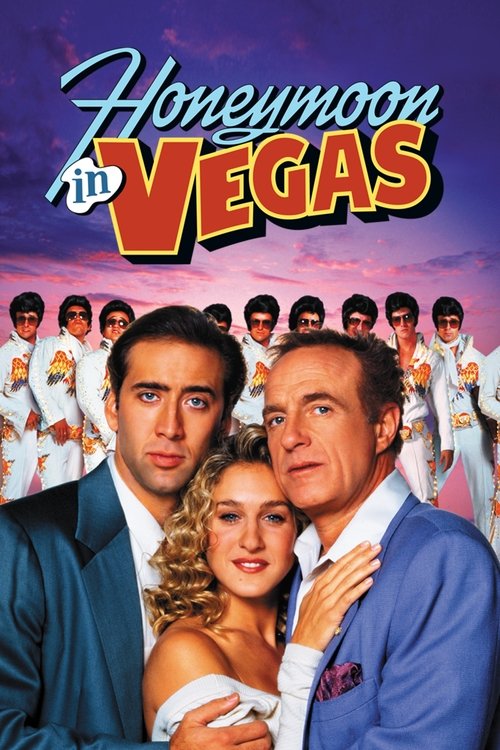
Honeymoon in Vegas
1992On her deathbed, a mother makes her son promise never to get married, which scars him with psychological blocks to a commitment with his girlfriend. They finally decide to tie the knot in Vegas, but a wealthy gambler arranges for the man to lose $65K in a poker game and offers to clear the debt for a weekend with his fiancée.
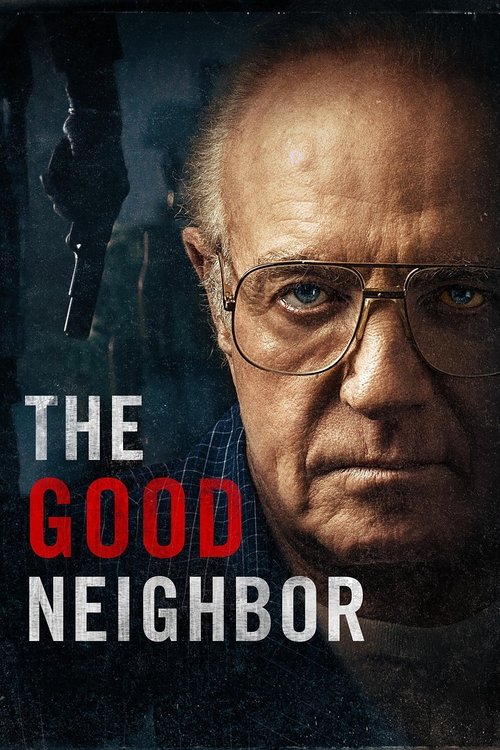
The Good Neighbor
2016Two high school filmmakers decide to create the illusion of a haunting on an unsuspecting neighbor.
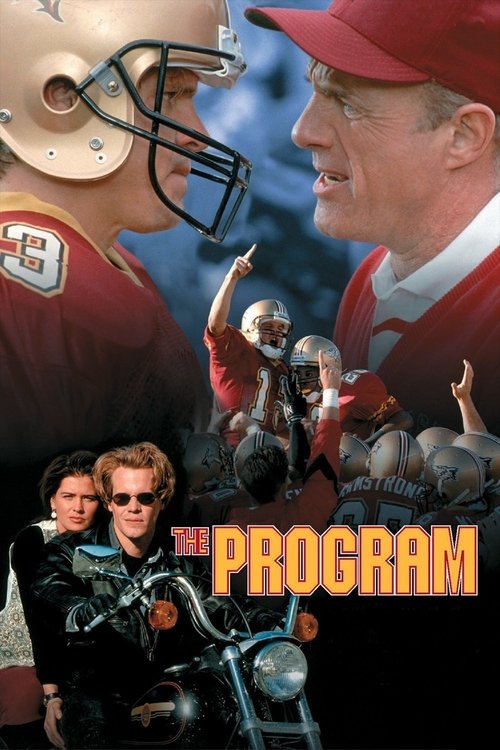
The Program
1993Several players from different backgrounds try to cope with the pressures of playing football at a major university. Each deals with the pressure differently, some turn to drinking, others to drugs, and some to studying.
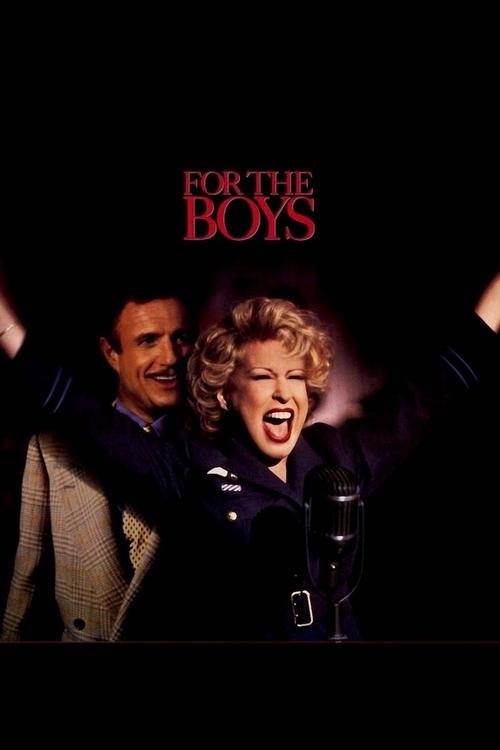
For the Boys
1991Talented USO entertainer Dixie Leonard and comedian Eddie Sparks deal with their relationship over the course of 5 decades from World War II to the Vietnam War era to their twilight era in the 90's.
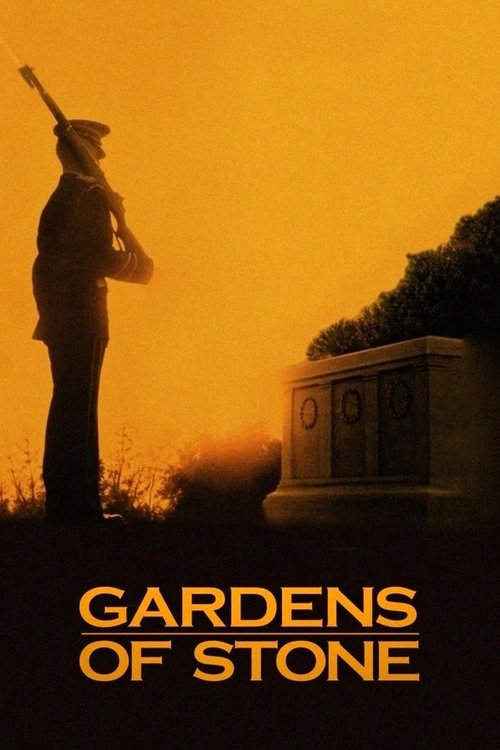
Gardens of Stone
1987At Arlington National Cemetery during the Vietnam era, veteran sergeant Clell Hazard trains young soldiers while mourning those lost in combat. Unable to return to war himself, he mentors Jackie Willow—the idealistic son of a fallen comrade—hoping to prepare him for the realities of Vietnam and the cost of duty.
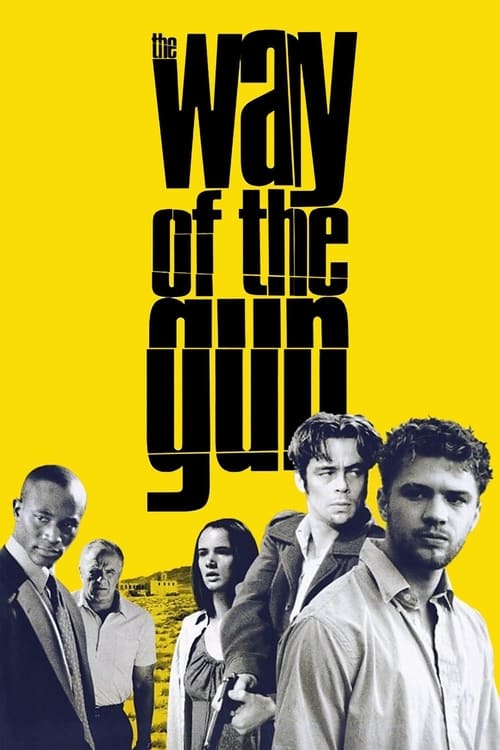
The Way of the Gun
2000Two criminal drifters without sympathy get more than they bargained for after kidnapping and holding for ransom the surrogate mother of a powerful and shady man.
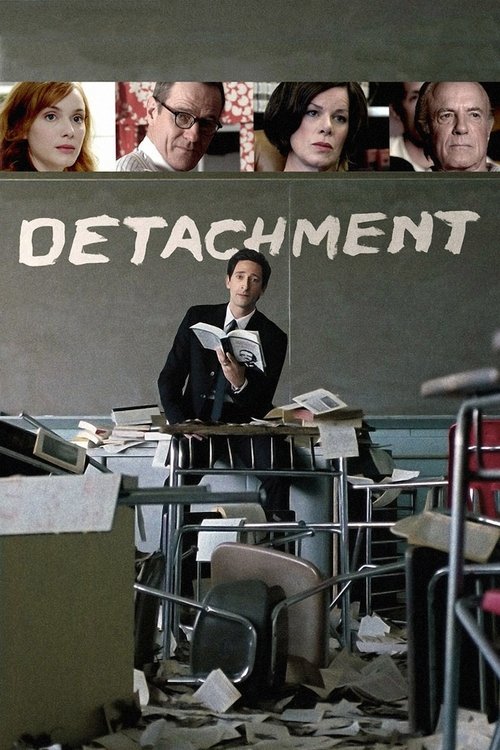
Detachment
2011A chronicle of three weeks in the lives of several high school teachers, administrators and students through the eyes of substitute teacher, Henry Barthes. Henry roams from school to school, imparting modes of knowledge, but never staying long enough to form any semblance of sentient attachment.
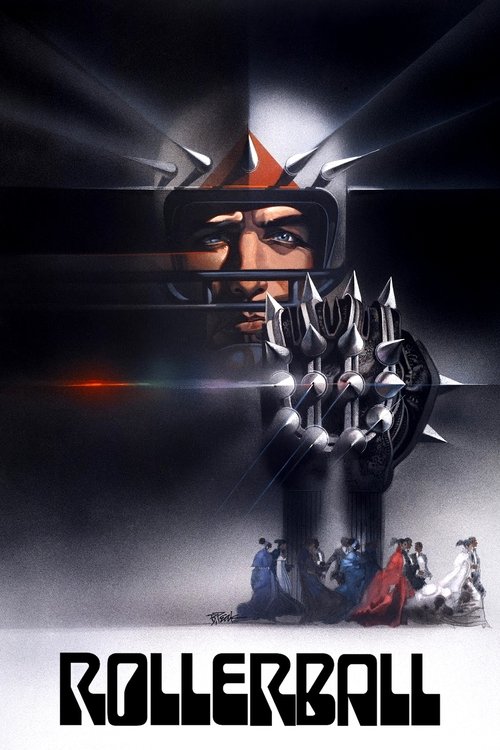
Rollerball
1975In a corporate-controlled future, an ultra-violent sport known as Rollerball represents the world, and one of its powerful athletes is out to defy those who want him out of the game.
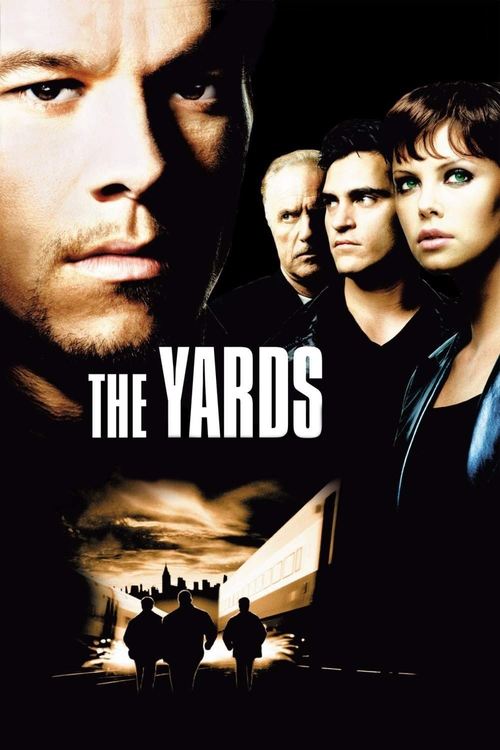
The Yards
2000In the rail yards of Queens, contractors repair and rebuild the city's subway cars. These contracts are lucrative, so graft and corruption are rife. When Leo Handler gets out of prison, he finds his aunt married to Frank Olchin, one of the big contractors; he's battling with a minority-owned firm for contracts.
The Rain People
1969When a housewife finds out she is pregnant, she runs out of town looking for freedom to reevaluate her life decisions.
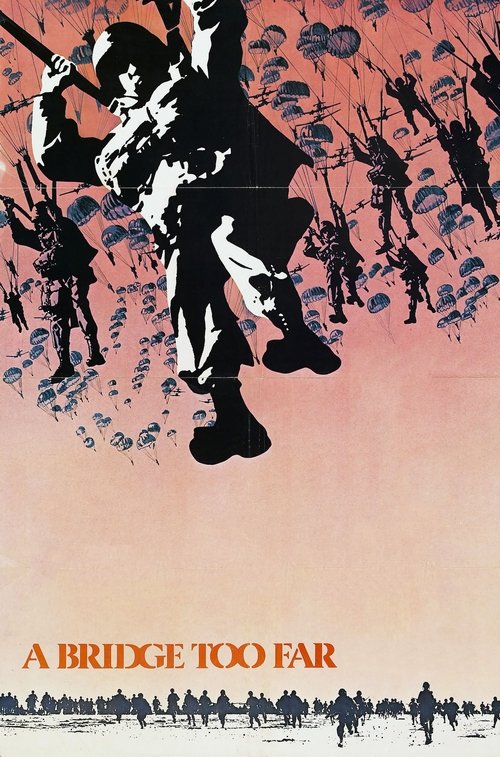
A Bridge Too Far
1977The story of Operation Market Garden—a failed attempt by the allies in the latter stages of WWII to end the war quickly by securing three bridges in Holland allowing access over the Rhine into Germany. A combination of poor allied intelligence and the presence of two crack German panzer divisions meant that the final part of this operation (the bridge in Arnhem over the Rhine) was doomed to failure.
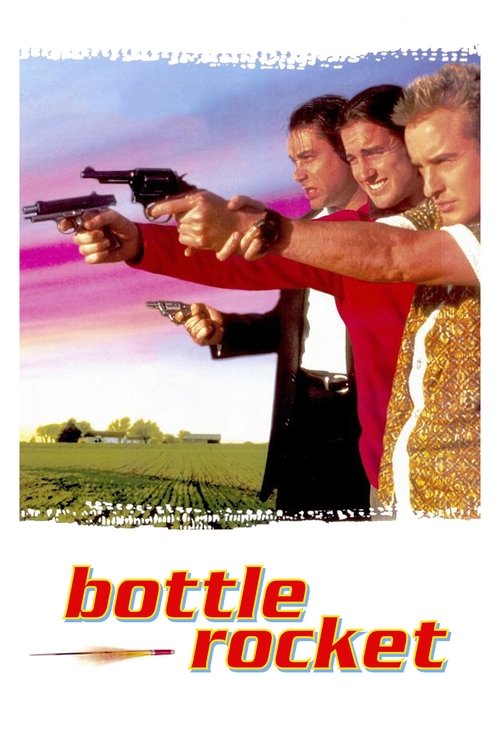
Bottle Rocket
1996Upon his release from a mental hospital following a nervous breakdown, the directionless Anthony joins his friend Dignan, who seems far less sane than the former. Dignan has hatched a harebrained scheme for an as-yet-unspecified crime spree that somehow involves his former boss, the (supposedly) legendary Mr. Henry.
As the enigmatic Mr. Henry, Caan brought a seasoned, slightly eccentric legitimacy to Wes Anderson’s debut world. He occupies the fringe of the narrative with a charismatic magnetism that subtly hints at a long, checkered past just outside the frame.
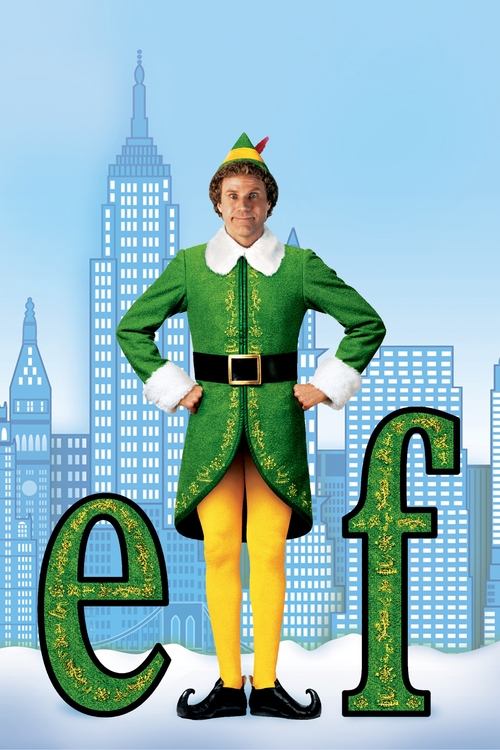
Elf
2003When young Buddy falls into Santa's gift sack on Christmas Eve, he's transported back to the North Pole and raised as a toy-making elf by Santa's helpers. But as he grows into adulthood, he can't shake the nagging feeling that he doesn't belong. Buddy vows to visit Manhattan and find his real dad, a workaholic.
By playing the archetype of the disillusioned modern father with a perfectly calibrated grumpiness, Caan provides the necessary friction that allows the comedy to soar. His commitment to the role’s escalating exasperation turns a potentially one-dimensional character into a vital comedic foil.
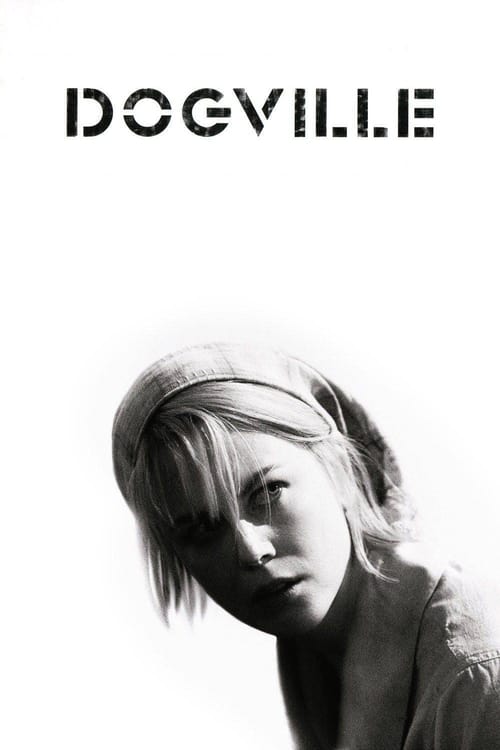
Dogville
2003A woman on the run from the mob is reluctantly accepted in a small Colorado community in exchange for labor, but when a search visits the town, she learns that their support has a price.
Late in his career, Caan utilized his formidable screen authority to play a figure of terrifying, quiet influence within Lars von Trier’s experimental stage. He functions as the ultimate arbiter of power, using his weathered gravitas to underscore the film’s brutal nihilism.
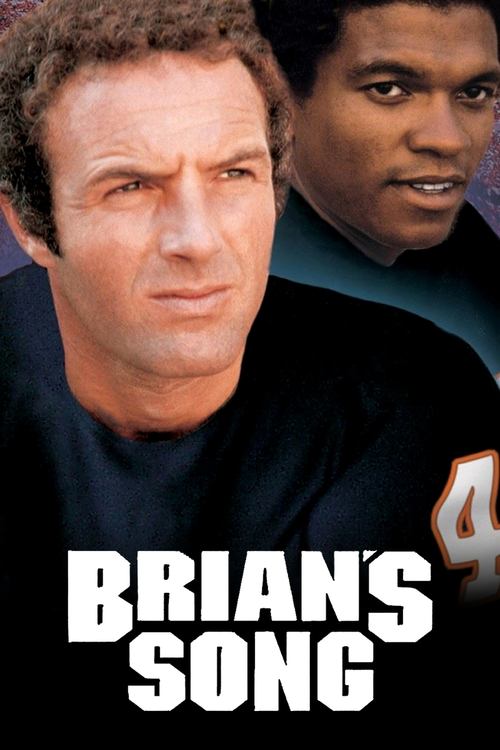
Brian's Song
1971Based on the real-life relationship between teammates Brian Piccolo and Gale Sayers and the bond established when Piccolo discovers that he is dying.
Navigating the delicate balance between locker-room camaraderie and tragic illness, Caan found the profound humanity in Brian Piccolo without ever lapsing into sentimentality. His chemistry with Billy Dee Williams remains a benchmark for onscreen male friendship in American television history.
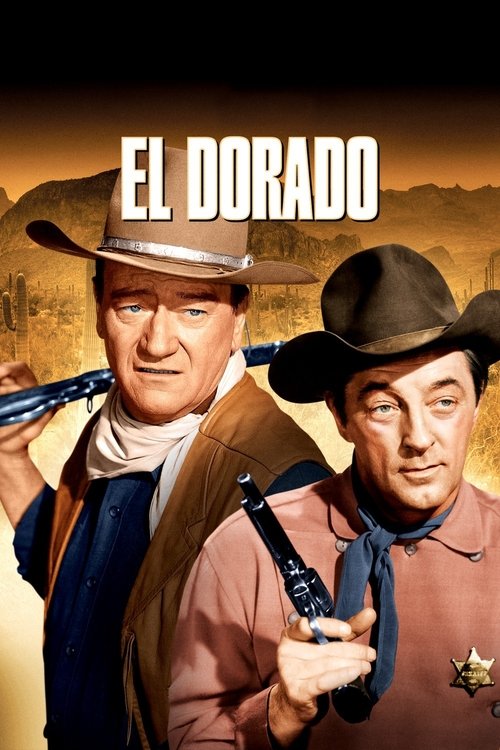
El Dorado
1966Cole Thornton, a gunfighter for hire, joins forces with an old friend, Sheriff J.P. Harrah. Together with a fighter and a gambler, they help a rancher and his family fight a rival rancher that is trying to steal their water.
Holding his own against genre titans like Wayne and Mitchum, Caan injected a youthful, quirky energy into the classic Western formula. His turn as Mississippi proved he possessed the rare ability to blend comedic timing with the rugged physicality required for the era’s big-budget frontier epics.
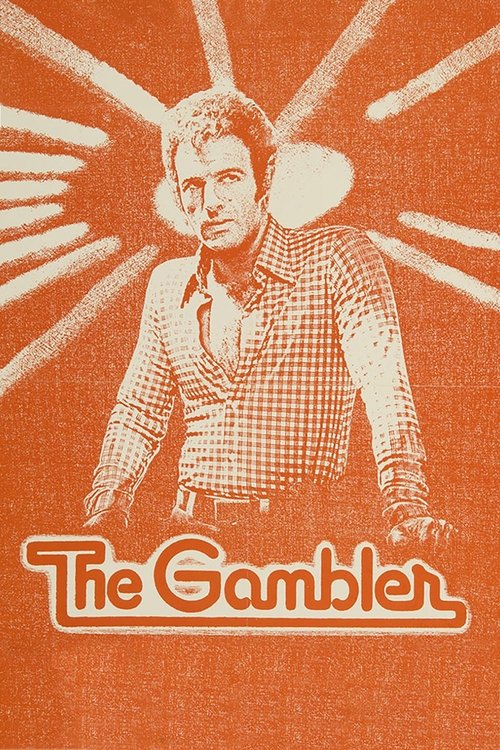
The Gambler
1974New York City English professor Axel Freed outwardly seems like an upstanding citizen. But privately Freed is in the clutches of a severe gambling addiction that threatens to destroy him.
Caan captures the frantic, self-destructive spiral of an intellectual addict with a frantic energy that feels uncomfortably authentic. It is a grueling character study where his rhythmic, nervous dialogue creates a portrait of a man addicted as much to the risk as the result.
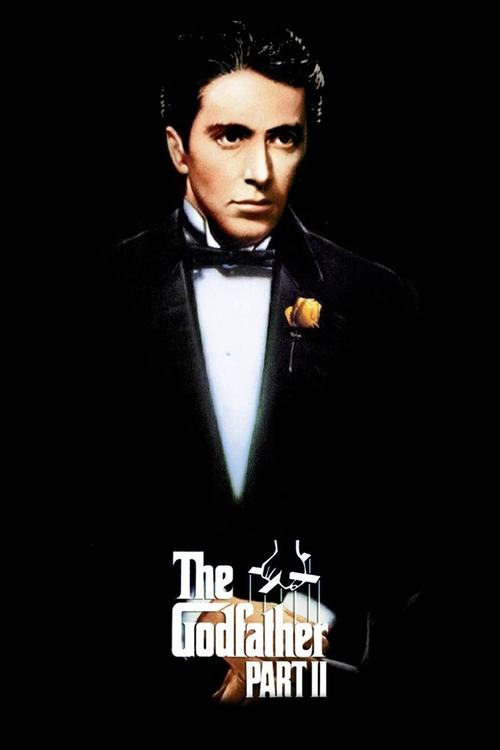
In the continuing saga of the Corleone crime family, a young Vito Corleone grows up in Sicily and in 1910s New York. In the 1950s, Michael Corleone attempts to expand the family business into Las Vegas, Hollywood and Cuba.
Even in a brief, poignant flashback, Caan reclaims the screen with an explosive vitality that serves as a haunting reminder of the fire the Corleone family lost. His presence here provides the essential connective tissue between the sequel’s cold pragmatism and the first film’s hot-blooded origins.
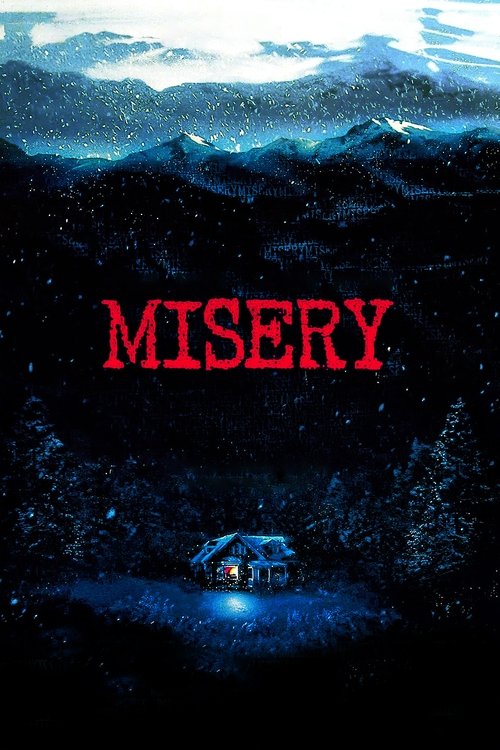
Misery
1990After an accident, acclaimed novelist Paul Sheldon is rescued by a nurse who claims to be his biggest fan. Her obsession takes a dark turn when she holds him captive in her remote Colorado home and forces him to write back to life the popular literary character he killed off.
Discarding his usual bravado for a role defined by physical helplessness, Caan conveys a profound sense of claustrophobia through little more than his expressive eyes and labored breath. This shift into vulnerable, reactive acting demonstrated a range far beyond his established tough-guy persona.
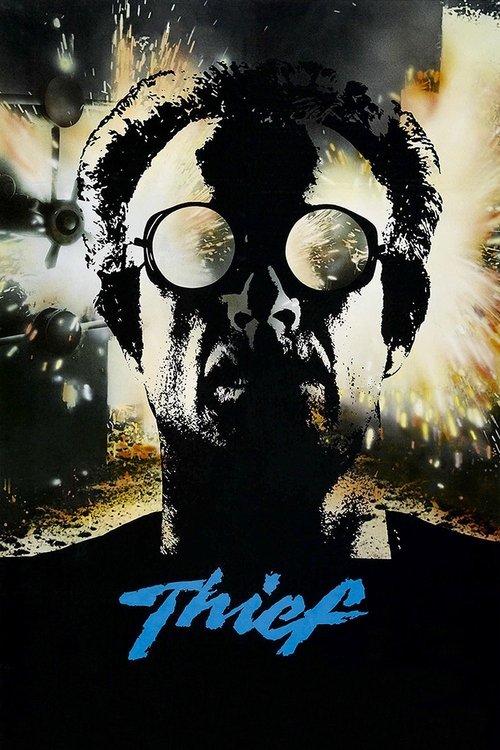
Thief
1981Frank is an expert professional safecracker, specialized in high-profile diamond heists. He plans to use his ill-gotten income to retire from crime and build a nice life for himself complete with a home, wife and kids. To accelerate the process, he signs on with a top gangster for a big score.
In Michael Mann’s clinical underworld, Caan strips away all artifice to play a high-stakes professional defined by a rigid personal code and weary competence. It remains his most understated yet technically precise work, showcasing a simmering interiority that balances the film’s neon-soaked aesthetic.
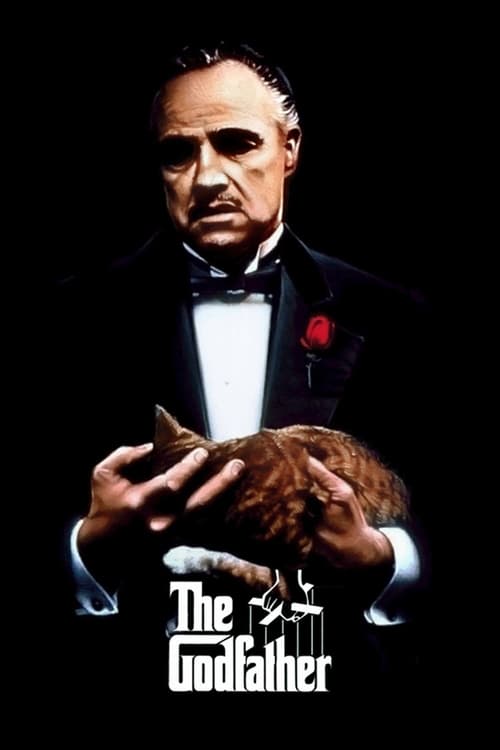
The Godfather
1972Spanning the years 1945 to 1955, a chronicle of the fictional Italian-American Corleone crime family. When organized crime family patriarch, Vito Corleone barely survives an attempt on his life, his youngest son, Michael steps in to take care of the would-be killers, launching a campaign of bloody revenge.
Caan’s Sonny Corleone is a masterclass in kinetic volatility, serving as the raw, impulsive nerve center of an otherwise calculated criminal dynasty. This role defined his career by proving he could command the screen with a terrifying, short-fused charisma that made his eventual exit the film’s emotional pivot.
Frequently Asked Questions
Everything you need to know about this list and SnakeDrafts
- James Caan's role as Sonny Corleone in The Godfather is widely regarded as his most iconic performance. His portrayal of the hotheaded mobster showcased his Bronx-bred swagger and raw intensity, leaving a lasting impact on audiences and solidifying his status in cinematic history.
- In crime dramas like The Godfather and Thief, James Caan brought a mix of volatility and authenticity, embodying complex characters with a rugged edge. In contrast, his work in films like Elf demonstrated his versatility, blending his natural charisma with comedic timing and family-friendly charm.
- In Misery, James Caan delivered a gripping portrayal of a writer held captive, balancing vulnerability and determination. This role highlighted his ability to convey intense psychological drama, adding depth to his filmography beyond his typically tough-guy image.
- James Caan frequently collaborated with directors like Francis Ford Coppola and Michael Mann, who directed him in The Godfather series and Thief respectively. These partnerships helped shape some of his most memorable and critically acclaimed performances.
- Yes, James Caan starred in the acclaimed TV movie Brian's Song, which showcases his ability to bring emotional depth to smaller-scale projects. This performance remains a significant part of his diverse career.
- James Caan's athleticism contributed to his physicality and presence on screen, allowing him to portray characters with an authentic, dynamic energy. This was especially evident in roles like the halfback in Brian's Song and action-driven parts in films like Rollerball.
- James Caan's filmography spans a wide range of genres including crime, drama, thriller, comedy, western, and even science fiction. This diversity underscores his adaptability and talent in delivering compelling performances across different cinematic styles.