Francis Ford Coppola's Greatest Films Ranked
The Definitive Filmography of a Cinematic Titan
Explore the essential theatrical films of Francis Ford Coppola, from Mafia masterpieces to visionary war epics and experimental dramas.
About Francis Ford Coppola

In the pantheon of American cinema, few figures loom as large or as dangerously as the man who essentially willed the modern blockbuster into existence while simultaneously trying to dismantle the studio system from within. To watch a film under his signature is to witness an operatic struggle between intimate human neurosis and staggering, earth-shaking scale. He does not merely shoot scenes; he composes visual symphonies where the shadows are as heavy as the dialogue. Throughout the 1970s, he orchestrated a run of creative dominance that remains unparalleled, shifting seamlessly from the insular, paranoid sonic landscape of The Conversation to the sprawling, charcoal-etched immigrant tragedy of The Godfather Part II.
His directorial DNA is defined by a refusal to play it safe, often leveraging his own personal fortune to chase a specific, shimmering vision. This gambler’s spirit is most evident in the chaotic brilliance of Apocalypse Now, a film that feels less like a war movie and more like a fever dream committed to celluloid. He treats the camera as an instrument of psychological immersion, whether he is capturing the claustrophobic tension of a mob meeting or the neon-soaked, theatrical artifice of One from the Heart. There is a tactile, almost operatic richness to his work that makes even his smaller projects, like the moody, monochrome rebellion of Rumble Fish or the lush, practical-effects wizardry of Bram Stoker's Dracula, feel like essential cultural artifacts.
While he is often celebrated for his masculine epics, his filmography reveals a restless curiosity about the American dream and its inevitable cost. In Tucker: The Man and His Dream, he mirrors his own visionary frustrations through the lens of a doomed automotive pioneer, while The Outsiders remains the definitive visual text for adolescent yearning. He possesses a rare ability to pivot from the legal precision of The Rainmaker to the whimsical, time-bending nostalgia of Peggy Sue Got Married without losing his distinctive, painterly touch. Every frame is saturated with a sense of history and family, themes that act as the connective tissue between the jazz-age energy of The Cotton Club and the deeply personal, experimental wanderings of Tetro.
Even into his eighties, he refuses to settle into the quiet role of a legacy act. With the arrival of Megalopolis, he proves that his appetite for risk has not blunted with age. He remains fascinated by the intersection of ancient philosophy and futuristic ambition, always pushing the medium toward something more tactile and ambitious than the digital assembly lines of modern Hollywood. From the quiet, rain-slicked roads of The Rain People to the staggering heights of his most celebrated masterpieces, his career serves as a testament to the idea that cinema should be an act of grand, unapologetic soul-baring. He is a director who treats every project as a rebirth, demanding that the audience look closer at the beauty, the violence, and the complicated heart of the human experience.
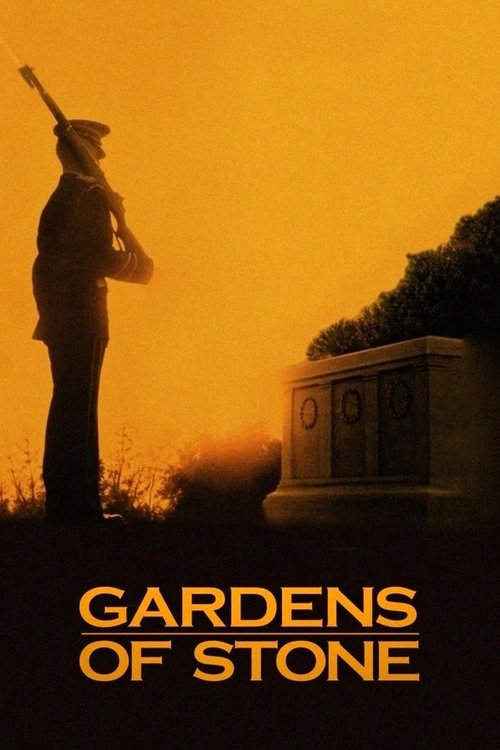
Gardens of Stone
1987At Arlington National Cemetery during the Vietnam era, veteran sergeant Clell Hazard trains young soldiers while mourning those lost in combat. Unable to return to war himself, he mentors Jackie Willow—the idealistic son of a fallen comrade—hoping to prepare him for the realities of Vietnam and the cost of duty.
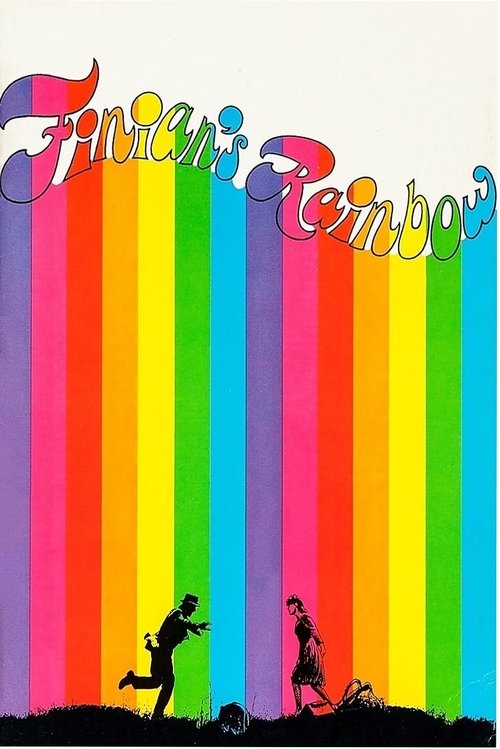
Finian's Rainbow
1968An Irishman and his daughter arrive in the American South with a stolen pot of gold, hoping to make their fortune. Pursued by a leprechaun desperate to recover his treasure, they become entangled in a battle over land, love, and prejudice in Rainbow Valley—where the gold’s magic turns wishes, and lives, upside down.
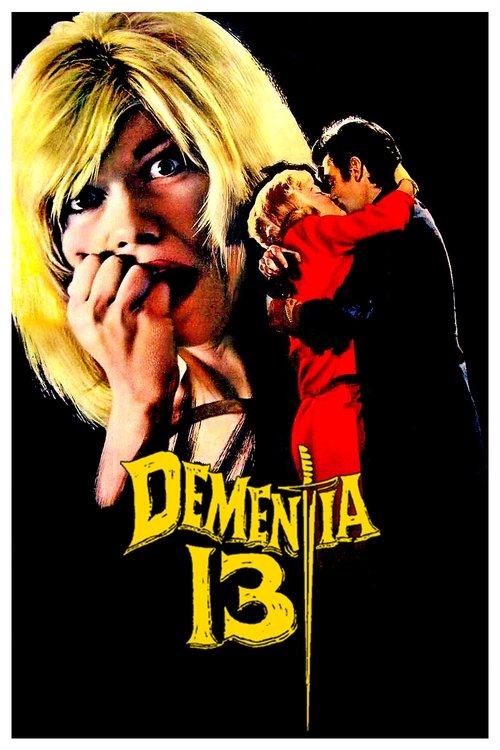
Dementia 13
1963A scheming widow hatches a bold plan to acquire her late husband's inheritance, unaware that she is being targeted by an ax murderer who lurks in the family's estate.
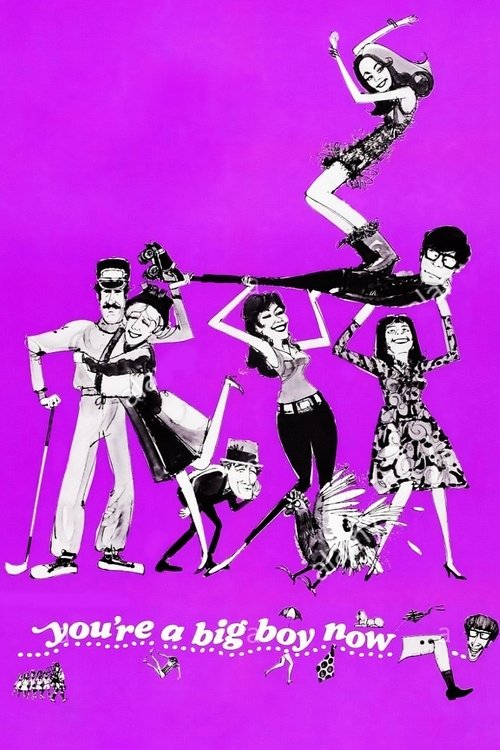
You're a Big Boy Now
1966Naive library clerk Bernard Chanticleer moves out of his parents’ home and into a chaotic city full of eccentric landlords, meddling parents, and romantic missteps. Infatuated with a glamorous but manipulative go-go dancer, he learns through heartbreak—and the kindness of a steadfast admirer—what growing up really means.
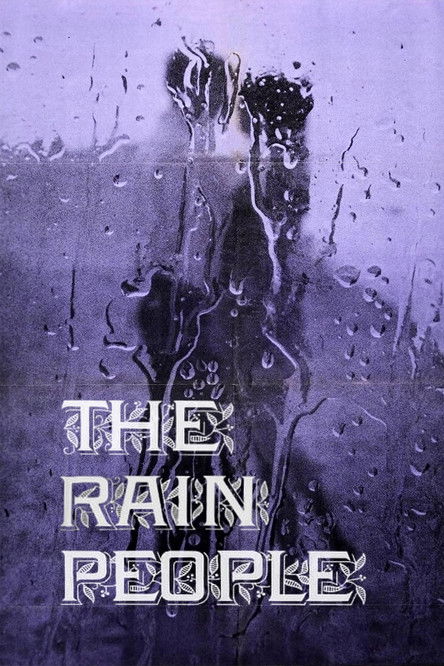
The Rain People
1969When a housewife finds out she is pregnant, she runs out of town looking for freedom to reevaluate her life decisions.
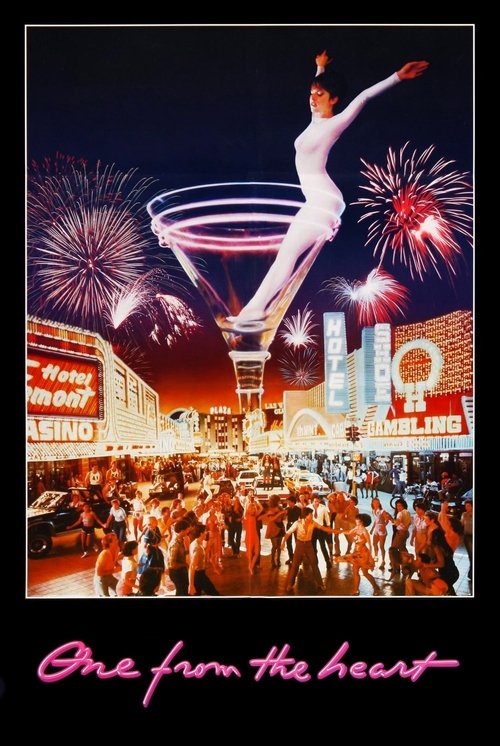
One from the Heart
1982In a dazzling, dreamlike Las Vegas, longtime couple Hank and Frannie break up on their fifth anniversary and each pursue the fantasy of new love over one neon-soaked night—he with a free-spirited acrobat, she with a seductive musician. But as illusion and reality blur, both must decide whether passion or devotion truly defines the heart.
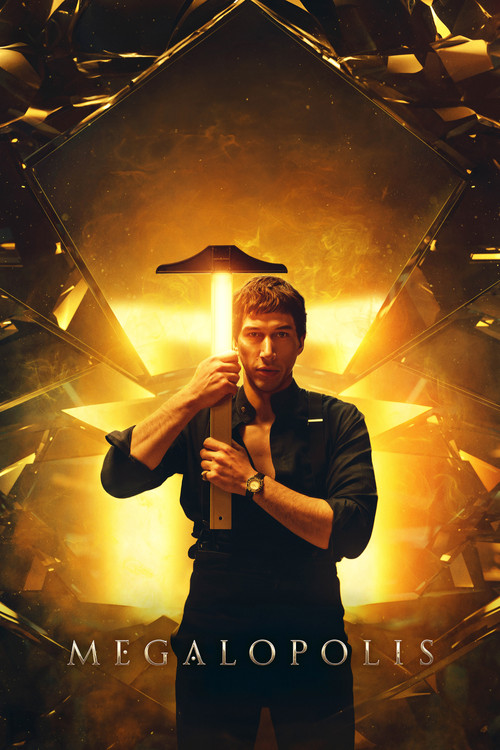
Megalopolis
2024In a futuristic New York known as New Rome, visionary architect Cesar Catilina dreams of building "Megalopolis," a utopian city that redefines society’s limits. Opposing him is the corrupt Mayor Franklyn Cicero, who clings to power and profit. Between them stands Julia, the mayor’s daughter, whose love for Cesar forces her to choose between loyalty, ambition, and the fate of humanity.
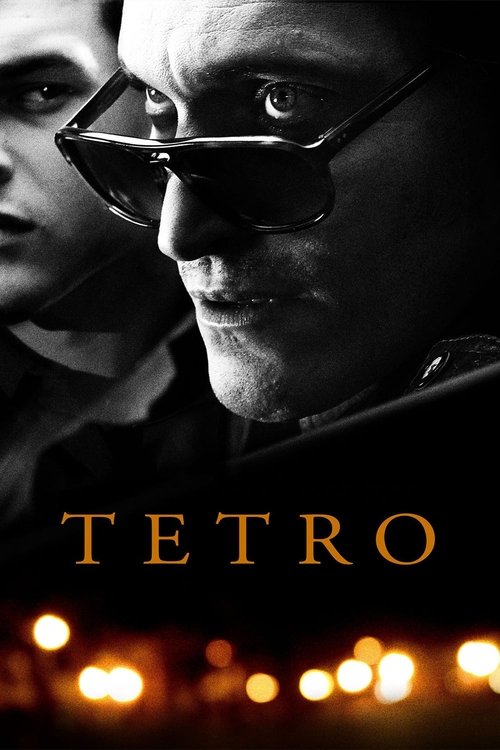
Tetro
2009In Buenos Aires, 17-year-old Bennie seeks out his estranged brother Tetro, a once-promising writer haunted by their family’s past. As Bennie uncovers Tetro’s hidden manuscript, old secrets and rivalries resurface, forcing both men to confront the truth about their father and the tangled legacy that tore their family apart.
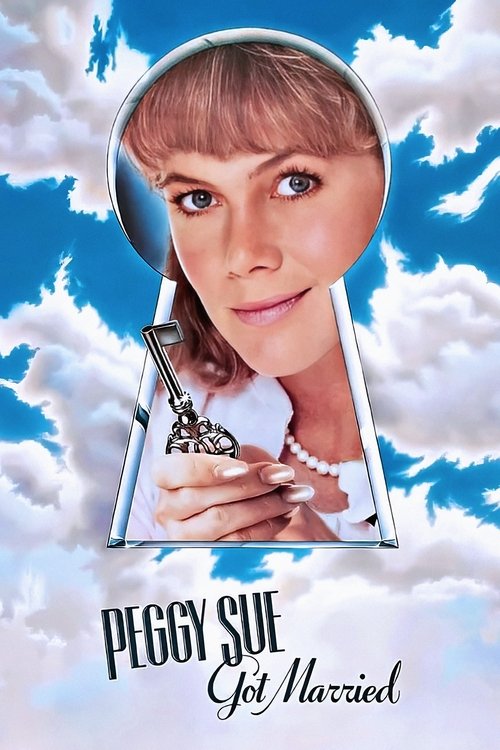
At her 25th high school reunion, Peggy Sue faints and awakens in 1960—back in her senior year, before her marriage and all her regrets. Given a second chance to relive her youth, she must decide whether to change the choices that shaped her life or embrace the past that made her who she is.
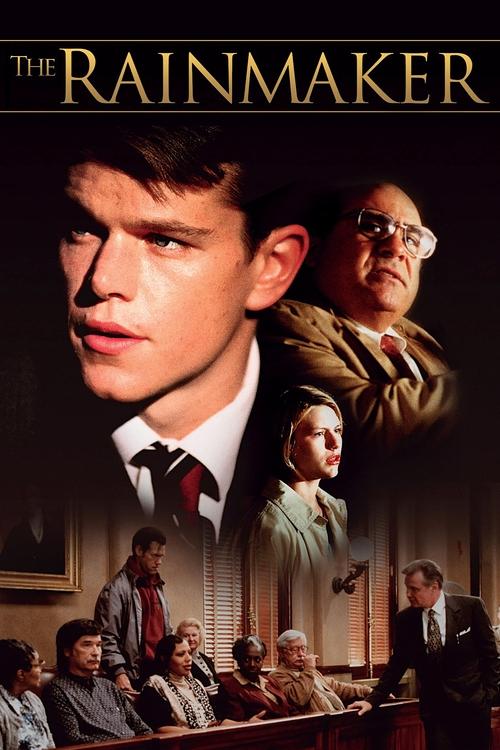
The Rainmaker
1997Fresh out of law school and desperate for work, idealistic rookie Rudy Baylor takes on a powerful insurance company accused of denying a dying boy’s claim. Teaming up with a scrappy, unlicensed paralegal, he finds himself in a David-versus-Goliath courtroom battle that tests his ethics, courage, and belief in justice.
Coppola brought a polished, understated professionalism to this legal drama, proving his capacity for narrative efficiency within the constraints of a popular genre. The film highlights his ability to humanize institutional critique through careful ensemble management and a grounded, empathetic visual style.
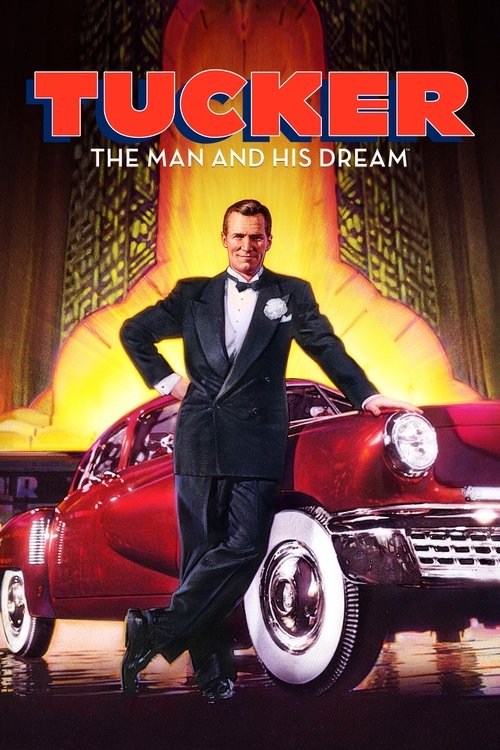
Tucker: The Man and His Dream
1988Ypsilanti, Michigan, 1945. Engineer Preston Tucker dreams of designing the car of future, but his innovative envision will be repeatedly sabotaged by his own unrealistic expectations and the Detroit automobile industry tycoons.
This brightly lit tribute to industrial innovation functions as a poignant allegory for Coppola's own struggles against the rigid systems of the Hollywood studio machine. Its breezy, optimistic pacing belies a sharp critique of how corporate conformity stifles the individual spirit of the visionary creator.
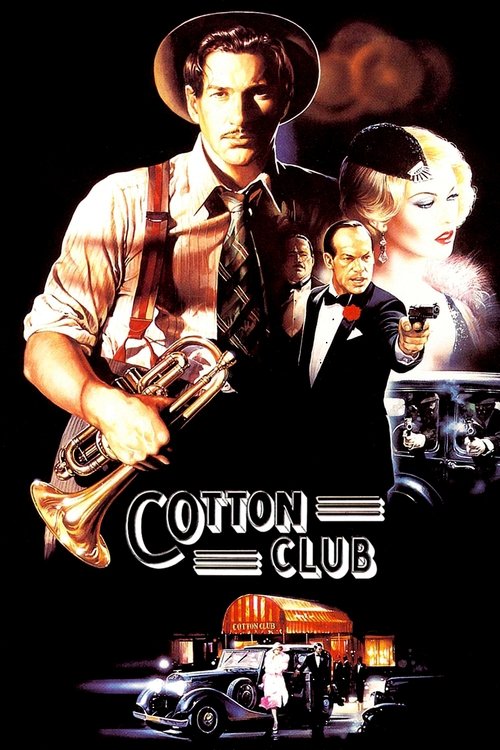
The Cotton Club
1984Harlem's legendary Cotton Club becomes a hotbed of passion and violence as the lives and loves of entertainers and gangsters collide.
Attempting to synthesize the gangster epic with the stage musical, Coppola orchestrated a lavish collision of jazz-age energy and racial politics. The film reflects his career-long fascination with the intersection of entertainment and underworld violence, rendered here with rhythmic, high-gloss sophistication.

Count Dracula, a 15th-century prince, is condemned to live off the blood of the living for eternity. Young lawyer Jonathan Harker is sent to Dracula's castle to finalise a land deal, but when the Count sees a photo of Harker's fiancée, Mina, the spitting image of his dead wife, he imprisons him and sets off for London to track her down.
Rejecting digital shortcuts for in-camera illusions and practical effects, Coppola revived Gothic horror with a maximalist aesthetic that prioritizes texture and historical artifice. This production serves as a vibrant celebration of early cinema techniques, infused with a decadent, operatic sensuality.
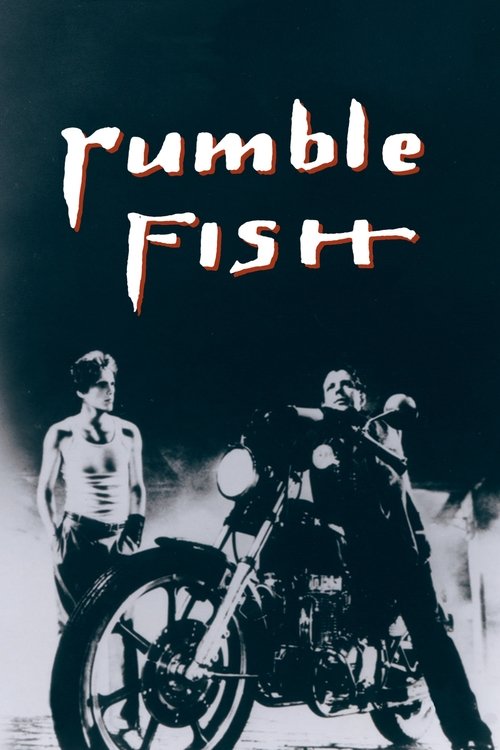
Rumble Fish
1983Absent-minded street thug Rusty James struggles to live up to his legendary older brother's reputation, and longs for the days of gang warfare.
This avant-garde experiment in monochrome utilizes expressionistic shadows and a percussive score to create a dreamlike state of urban alienation. It remains Coppola's most visually daring work, stripping away commercial conventions to explore a poetic, fragmented style of storytelling.
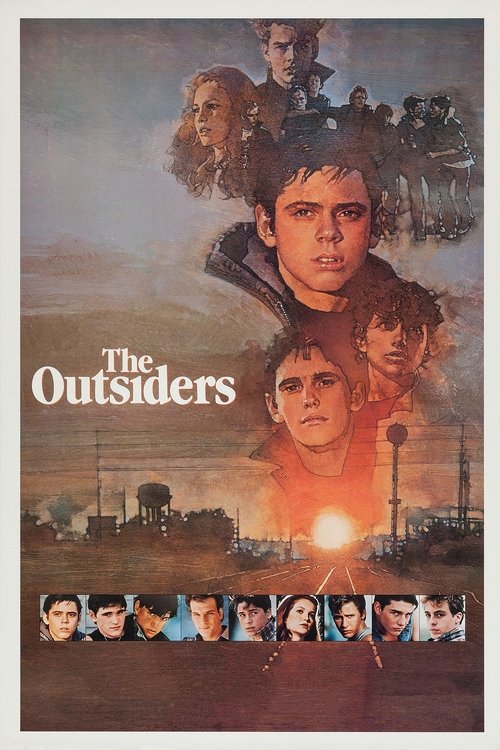
The Outsiders
1983In 1960s Tulsa, class divisions ignite a violent rivalry between the working-class Greasers and the privileged Socs. When a deadly encounter forces two Greasers, Ponyboy and Johnny, to flee, their struggle for survival and redemption exposes the fragile innocence and enduring bonds of youth on the wrong side of town.
Coppola applied a lush, romantic pictorialism to the teenage experience, elevating youthful melodrama to the level of classical tragedy. By casting the rising stars of a generation against golden-hued backdrops, he immortalized the fleeting intensity of adolescence through a high-contrast, sentimental lens.
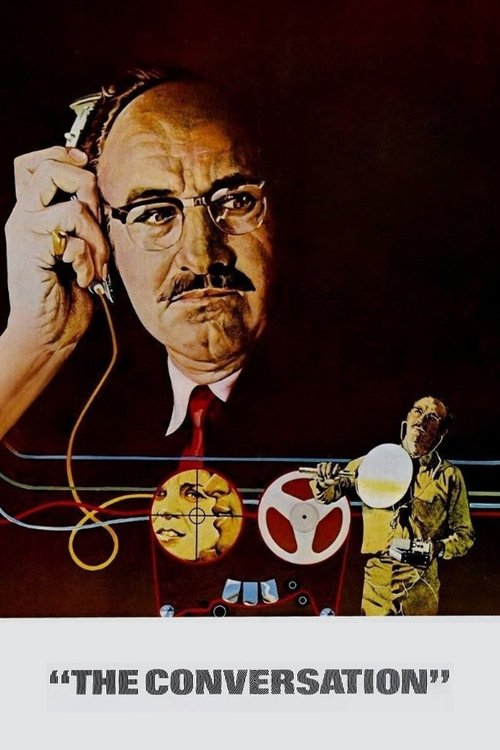
The Conversation
1974A paranoid, secretive surveillance expert has a crisis of conscience when he suspects that the couple he is spying on will be murdered.
Trading grand spectacle for sonic intimacy, Coppola crafted a claustrophobic masterwork that remains the definitive cinematic statement on surveillance and moral complicity. This film showcases his ability to build unbearable tension through sound design and internal character erosion rather than overt action.
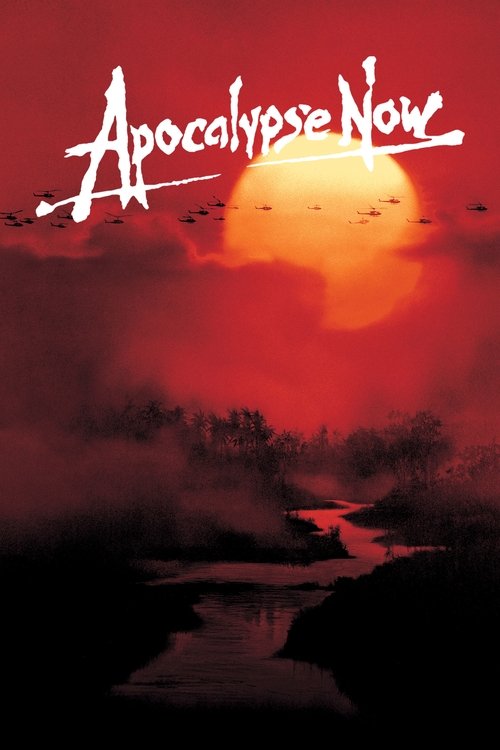
Apocalypse Now
1979At the height of the Vietnam war, Captain Benjamin Willard is sent on a dangerous mission that, officially, "does not exist, nor will it ever exist." His goal is to locate - and eliminate - a mysterious Green Beret Colonel named Walter Kurtz, who has been leading his personal army on illegal guerrilla missions into enemy territory.
A hallucinatory descent into the limits of cinematic production, this war epic captures the madness of creation as much as the chaos of combat. Its sensory overload and operatic staging represent the peak of Coppola's career-long obsession with the psychological toll of unchecked ambition.
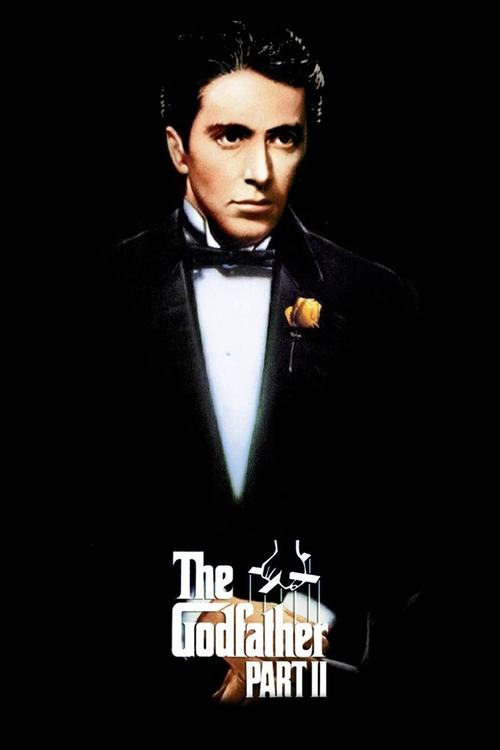
In the continuing saga of the Corleone crime family, a young Vito Corleone grows up in Sicily and in 1910s New York. In the 1950s, Michael Corleone attempts to expand the family business into Las Vegas, Hollywood and Cuba.
This expansive sequel serves as the ultimate proof of Coppola's architectural brilliance, masterfully balancing parallel timelines to examine the cyclical rot of institutional corruption. It stands as a rare instance where a director successfully deepened his own masterpiece by interrogating the very soul of the American Dream.
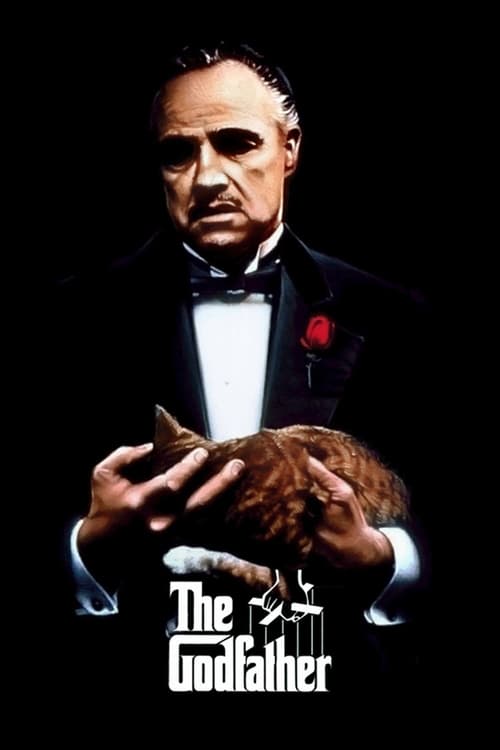
The Godfather
1972Spanning the years 1945 to 1955, a chronicle of the fictional Italian-American Corleone crime family. When organized crime family patriarch, Vito Corleone barely survives an attempt on his life, his youngest son, Michael steps in to take care of the would-be killers, launching a campaign of bloody revenge.
Coppola transformed a pulp novel into a Shakespearean chronicle of American power, establishing a precise visual grammar that defined the New Hollywood era. His meticulous control over shadow and pace turned a mob procedural into a foundational myth of the immigrant experience.
Frequently Asked Questions
Everything you need to know about this list and SnakeDrafts
- Francis Ford Coppola's films frequently explore themes of crime, family dynamics, and personal versus societal conflict. This is apparent in his crime dramas like 'The Godfather' series and 'The Conversation,' as well as his war epic 'Apocalypse Now' which examines psychological struggle and chaos.
- 'Apocalypse Now' is notable for its visionary approach to war and psychological horror, distinguishing itself with a hallucinatory style and epic scale. Unlike his crime dramas, it blends intense imagery with a critique of the Vietnam War, making it a landmark in both war films and Coppola's career.
- 'Rumble Fish' and 'One from the Heart' highlight Coppola's experimental side with their unique visual styles and narrative techniques. These films move beyond traditional storytelling to incorporate dreamlike sequences and striking cinematography, demonstrating his versatility beyond mainstream dramas.
- 'The Conversation' is a critical exploration of surveillance and paranoia, showcasing Coppola's skill in crafting suspenseful and enigmatic narratives. It offers a more intimate, psychological drama compared to his large-scale projects, underscoring his range as a filmmaker.
- Family relationships are central to many of Coppola's films, most prominently in 'The Godfather' series where loyalty, legacy, and power dynamics within a crime family are deeply examined. Other films, like 'Peggy Sue Got Married,' also explore family and personal history through different genres and emotional tones.
- 'Bram Stoker's Dracula' stands out as Coppola's foray into romantic horror, blending gothic aesthetics with intense emotional storytelling. It differs from his largely crime and drama-focused oeuvre by embracing fantasy and horror elements while still highlighting his signature lush visual style.
- 'The Cotton Club' uses music and atmosphere to immerse viewers in the jazz-era's vibrant yet turbulent world. Coppola employs elaborate set designs and period music to create an authentic and atmospheric experience, emphasizing mood as a storytelling tool.
- Yes, 'Megalopolis' and 'Peggy Sue Got Married' reflect Coppola's exploration of science fiction and fantasy. 'Megalopolis' delves into speculative fiction themes, while 'Peggy Sue Got Married' uses fantasy to examine time and choice, showcasing Coppola’s willingness to cross genre boundaries.