The Best Dennis Hopper Movies Ranked
The Intense Career of Hollywood's Wild Man
Explore the most iconic roles of Dennis Hopper, from his villainous turn in Blue Velvet to his counterculture masterpiece Easy Rider.
About Dennis Hopper
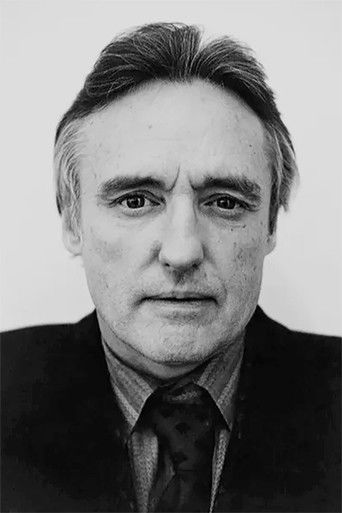
Dennis Hopper was the permanent insurgent of American cinema, a man who didn't just inhabit the Hollywood system but frequently set fire to it from the inside. To watch him on screen was to witness a high-wire act where the safety net had been intentionally slashed. He carried a kinetic, often terrifying unpredictability that made him the patron saint of the cinematic fringe, a reputation forged in the desert sun of the sixties and tempered by decades of self-inflicted chaos and hard-won redemption.
He emerged during the dying gasps of the Golden Age, cutting his teeth alongside James Dean in Giant and trading shots in Gunfight at the O.K. Corral. Even in those early traditional roles, like his turn in the original True Grit or the sweaty tension of Cool Hand Luke, there was a twitchiness that suggested he was already outgrowing the rigid studio structures. He finally shattered those walls with Easy Rider, a film that served as a cultural earthquake. By directing and starring in that counterculture odyssey, he didn't just change the industry; he gave a voice to a disillusioned generation, capturing a specific brand of American restlessness that would define his entire body of work.
The middle of his career was a hallucinatory blur of brilliance and excess. His portrayal of a photojournalist losing his mind in the jungles of Apocalypse Now felt less like a performance and more like a transmission from the edge of sanity. He possessed a rare ability to weaponize his own vulnerabilities, turning a frantic energy into something poetic. This reached its zenith in 1986, perhaps his most miraculous year. He reinvented the concept of the screen villain with Frank Booth in Blue Velvet, a role so visceral and depraved it still feels dangerous to watch. Yet, in that same breath, he pivoted to the gentle, heartbreaking sobriety of a basketball-loving alcoholic in Hoosiers, proving that beneath the jagged exterior lay a profound capacity for tenderness.
Audience connection to him stemmed from his total lack of a filter. Whether he was playing the world-weary father figure in Rumble Fish or the eccentric lead in The American Friend, he inhabited his characters with a raw, ego-free honesty. Even as he transitioned into the elder statesman of high-octane thrillers, he brought an unmatched gravitas to his villainy. In Speed, he made a disgruntled bomber feel like a Shakespearean casualty, and in True Romance, he delivered a monologue of such grit and smoky defiance that it remains one of the most celebrated moments in modern noir. Even when he leaned into the camp of The Texas Chainsaw Massacre 2, he did so with an intensity that suggested everything was at stake.
He survived his own legend, outlasting the wreckage of his early years to become a sophisticated elder of the arts. He wasn't just an actor; he was a photographer, a painter, and a provocateur who reminded us that cinema is at its best when it refuses to play it safe. By the time he left us, he had transformed from a Hollywood pariah into a cornerstone of the medium. We didn't just watch his movies to see him act; we watched them to see a man who had lived through the fire and came back with stories worth telling.
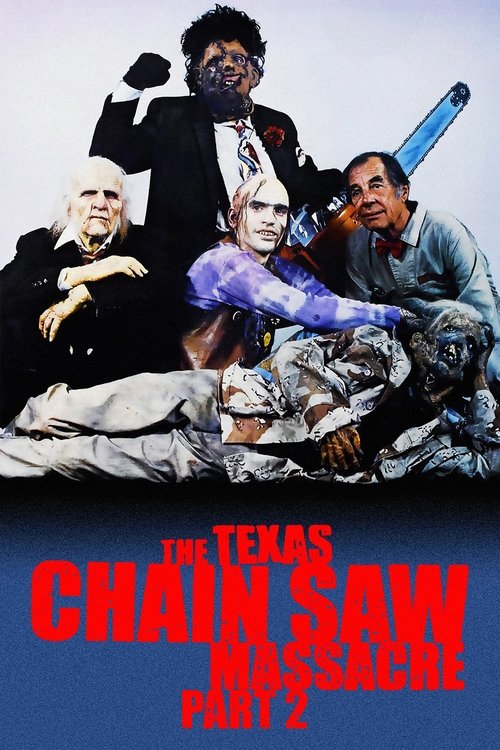
The Texas Chainsaw Massacre 2
1986A radio host is victimised by the notorious cannibal family while a former Texas Marshal hunts them.
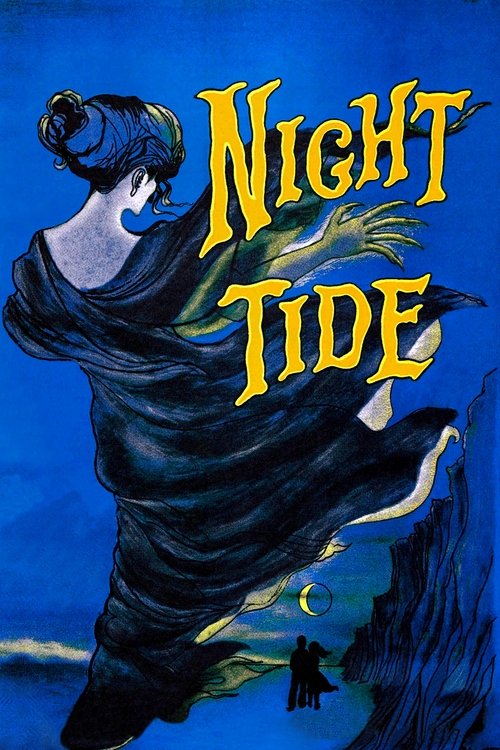
Night Tide
1961A young sailor falls in love with a mysterious woman performing as a mermaid on the local pier. As they become entwined, he comes to suspect the woman might be a real mermaid who lures men to a watery death during the full moon. Preserved by the Academy Film Archive in partnership with The Film Foundation in 2007.
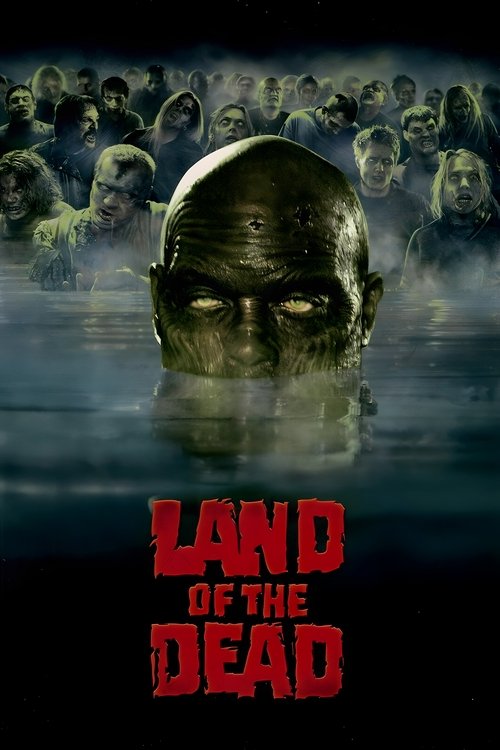
Land of the Dead
2005The living dead have taken over the world, and the remaining humans live in a walled city to protect themselves as they cope with the situation.
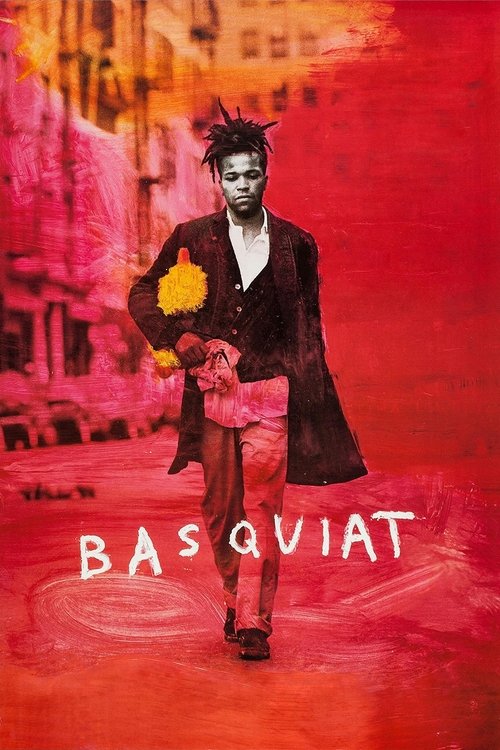
Basquiat
1996The brief life of Jean Michel Basquiat, a world renowned New York street artist struggling with fame, drugs and his identity.
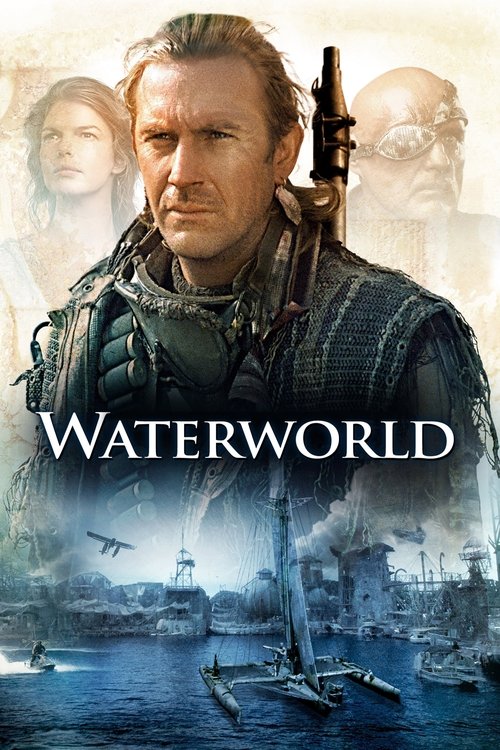
Waterworld
1995In a futuristic world where the polar ice caps have melted and made Earth a liquid planet, a beautiful barmaid rescues a mutant seafarer from a floating island prison. They escape, along with her young charge, Enola, and sail off aboard his ship. But the trio soon becomes the target of a menacing pirate who covets the map to 'Dryland'—which is tattooed on Enola's back.
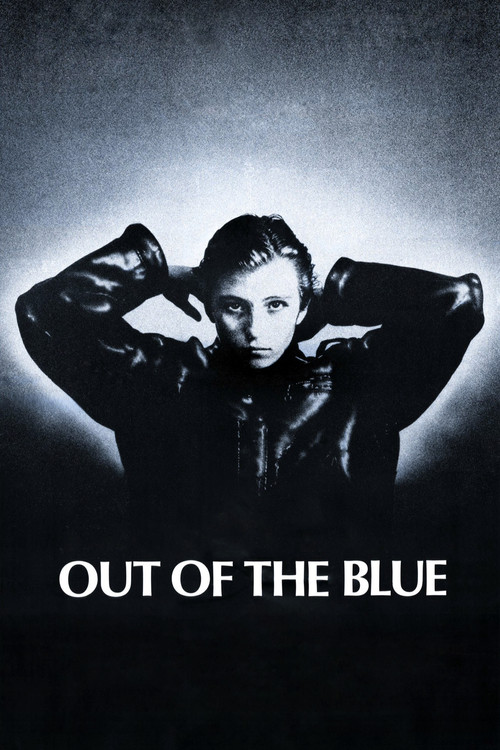
Out of the Blue
1981A young girl whose father is an ex-convict and whose mother is a junkie finds it difficult to conform and tries to find comfort in a quirky combination of Elvis and the punk scene.
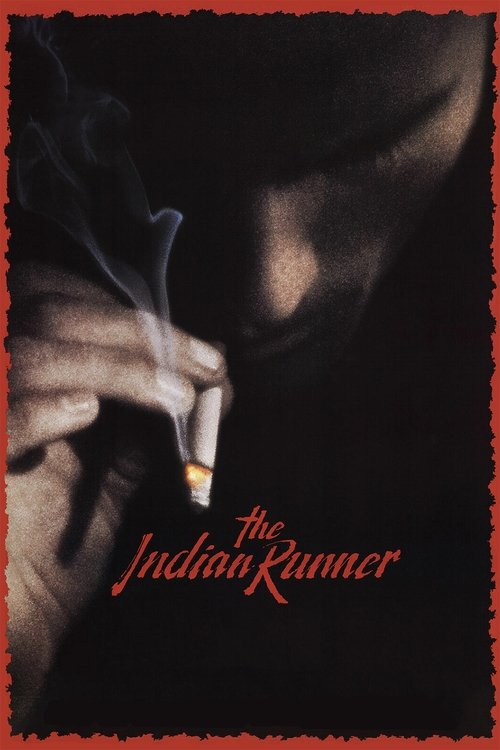
The Indian Runner
1991Two brothers cannot overcome their opposite perceptions of life. One brother sees and feels bad in everyone and everything, subsequently he is violent, antisocial and unable to appreciate or enjoy the good things which his brother desperately tries to point out to him.
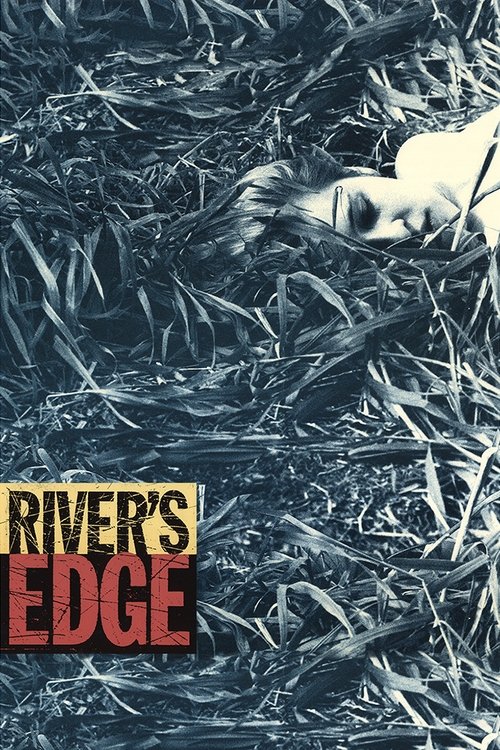
River's Edge
1986A group of high-school friends must come to terms with the fact that one of them, Samson, killed another, Jamie. Faced with the brutality of death, each must decide whether to turn their friend in to the police, or to help him escape the consequences of his dreadful deed.
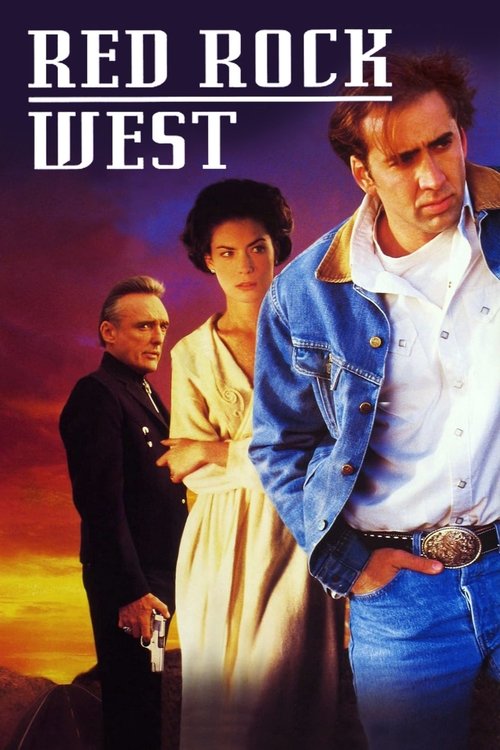
Red Rock West
1993When a promised job for Texan Michael fails to materialize in Wyoming, Mike is mistaken by Wayne to be the hitman he hired to kill his unfaithful wife, Suzanne. Mike takes full advantage of the situation, collects the money, and runs. During his getaway, things go wrong, and soon get worse when he runs into the real hitman, Lyle.
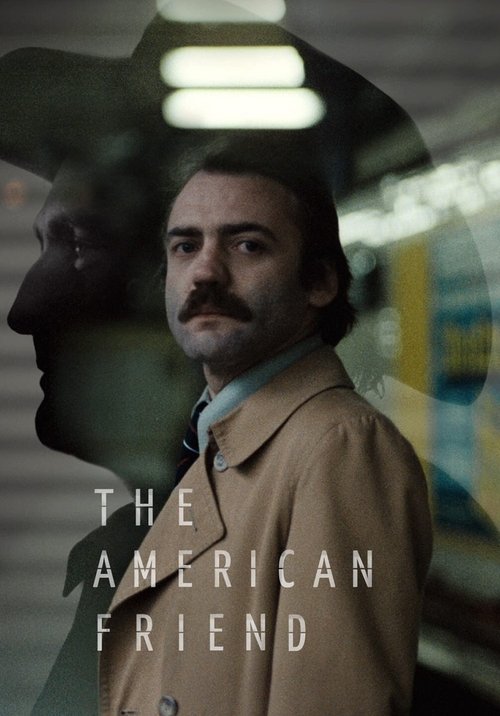
The American Friend
1977Tom Ripley, an American who deals in forged art, is slighted at an auction in Hamburg by picture framer Jonathan Zimmerman. When Ripley is asked by gangster Raoul Minot to kill a rival, he suggests Zimmerman, and the two, exploiting Zimmerman's terminal illness, coerce him into being a hitman.
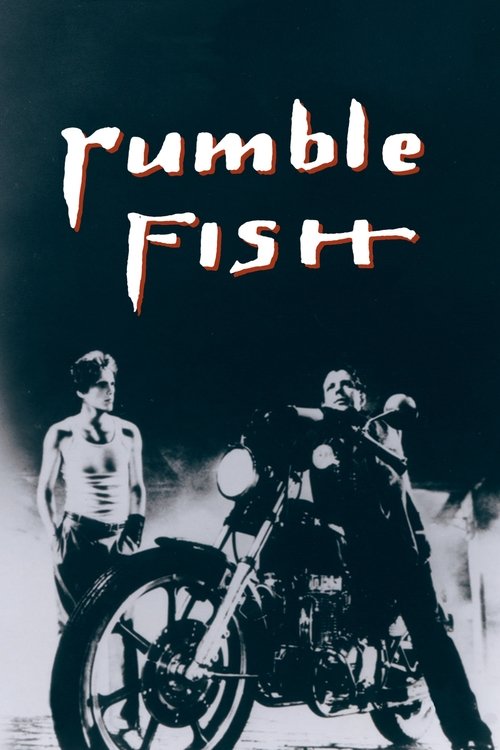
Rumble Fish
1983Absent-minded street thug Rusty James struggles to live up to his legendary older brother's reputation, and longs for the days of gang warfare.
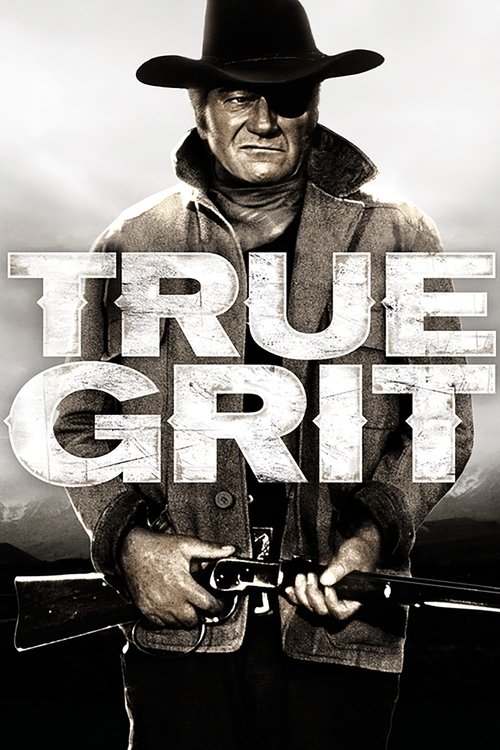
True Grit
1969The murder of her father sends a teenage tomboy on a mission of 'justice', which involves avenging her father's death. She recruits a tough old marshal, 'Rooster' Cogburn because he has 'true grit', and a reputation of getting the job done.
Hopper delivers a jittery, high-strung turn as the doomed Moon, trading his usual counterculture swagger for a raw, pleading vulnerability. It is a vital bridge in his career, capturing the volatile nervous energy that would soon define his directorial breakthrough in Easy Rider later that same year. He manages to steal his brief screen time by injecting a desperate, grounding realism into the film’s traditional Western artifice.
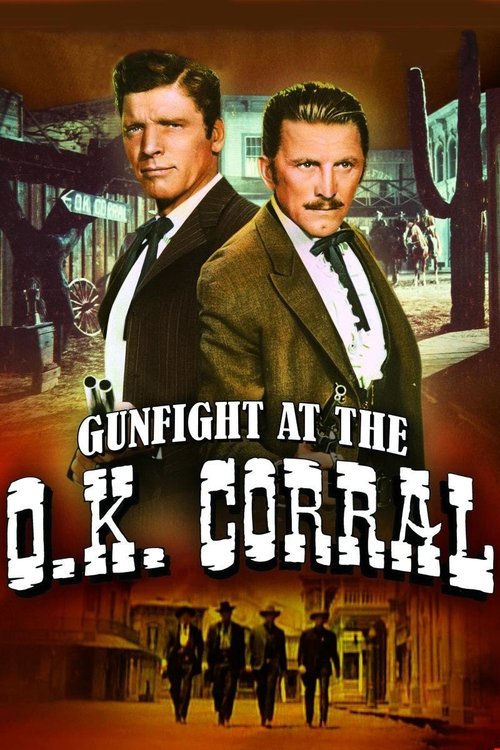
Gunfight at the O.K. Corral
1957Lawman Wyatt Earp and outlaw Doc Holliday form an unlikely alliance which culminates in their participation in the legendary Gunfight at the O.K. Corral.
In this classic Western, Hopper’s turn as the hot-headed Billy Clanton showcases his innate ability to portray volatile youth within the rigid structures of the studio system. It remains a fascinating artifact of his formative years, displaying the electric, unpredictable spark that would eventually ignite the New Hollywood firestorm.
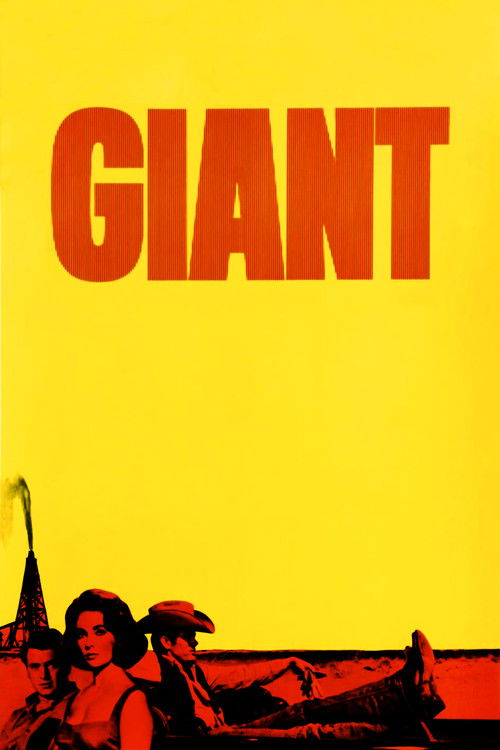
Giant
1956Wealthy rancher Bick Benedict and dirt-poor cowboy Jett Rink both woo Leslie Lynnton, a beautiful young woman from Maryland who is new to Texas. She marries Benedict, but she is shocked by the racial bigotry of the White Texans against the local people of Mexican descent. Rink discovers oil on a small plot of land, and while he uses his vast, new wealth to buy all the land surrounding the Benedict ranch, the Benedict's disagreement over prejudice fuels conflict that runs across generations.
Acting opposite his mentor James Dean, a young Hopper provides a sensitive, restrained performance that hints at the seismic shifts coming to American acting. It is a rare glimpse of his understated dramatic range before it was hardened by years of industry rebellion and personal upheaval.
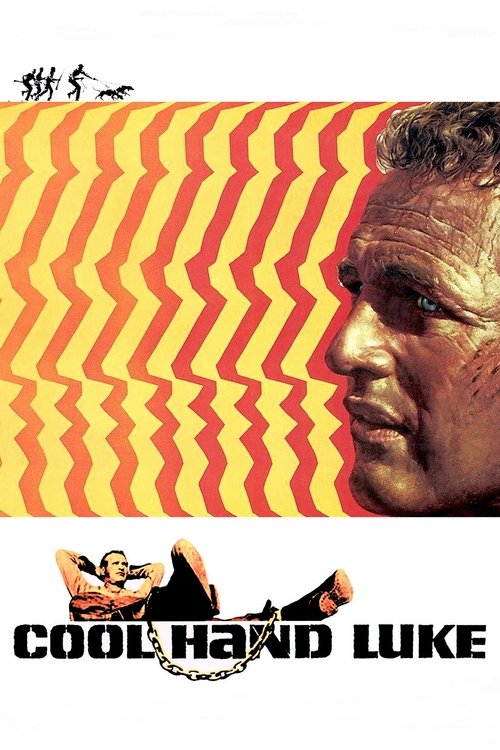
Cool Hand Luke
1967When petty criminal Luke Jackson is sentenced to two years in a Florida prison farm, he doesn't play by the rules of either the sadistic warden or the yard's resident heavy, Dragline, who ends up admiring the new guy's unbreakable will. Luke's bravado, even in the face of repeated stints in the prison's dreaded solitary confinement cell, "the box," make him a rebel hero to his fellow convicts and a thorn in the side of the prison officers.
Even in an understated ensemble role, Hopper’s presence among the chain gang signifies his early mastery of the 'outsider' energy that would define his later work. He functions as a vital part of the film’s rebellious texture, showcasing the simmering, youthful intensity that preceded his rise as a cultural iconoclast.
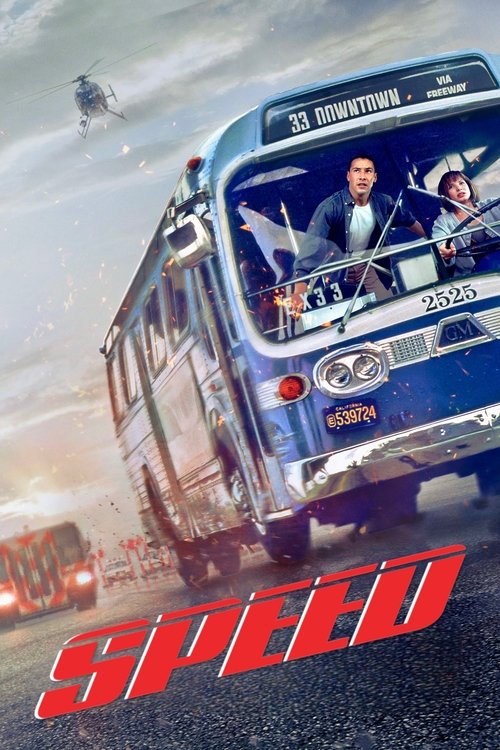
Speed
1994Tensions run high when a crazed bomber rigs a Los Angeles bus with a device that will kill everyone on board if the vehicle's speed dips below fifty miles per hour.
As the disgruntled Howard Payne, Hopper leans into a polished, architectural brand of megalomania that serves as the perfect foil to the film’s high-octane kinetics. He treats the blockbuster villain archetype with a playful, intellectual malice, demonstrating his ability to elevate commercial genre fare through sheer charismatic intensity.
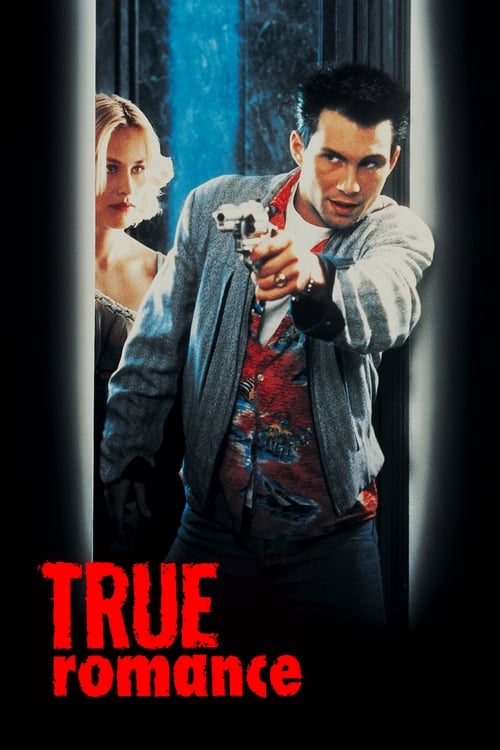
True Romance
1993Clarence marries hooker Alabama, steals cocaine from her pimp, and tries to sell it in Hollywood, while the owners of the coke try to reclaim it.
In a singular, high-stakes interrogation scene, Hopper delivers a masterclass in stillness and timing that stands as a career high-water mark for dialogue delivery. He manages to outshine the film's frantic pacing by grounding his character in a tragic, weary nobility that lingers long after his screen time ends.
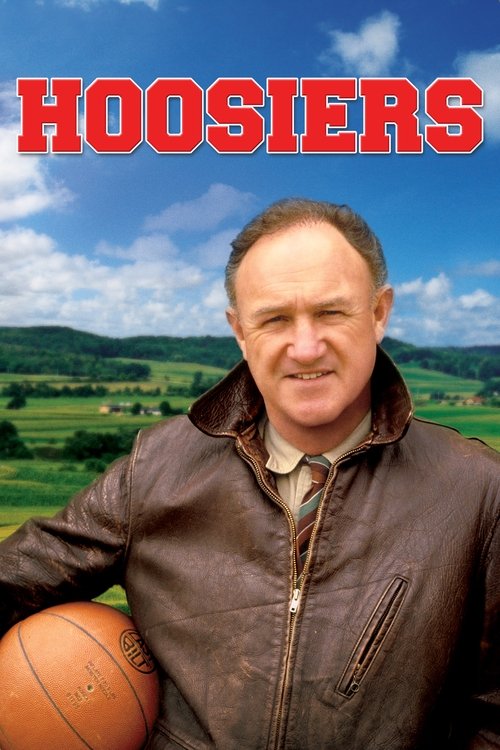
Hoosiers
1986Failed college coach Norman Dale gets a chance at redemption when he is hired to coach a high school basketball team in a tiny Indiana town. After a teacher persuades star player Jimmy Chitwood to quit and focus on his long-neglected studies, Dale struggles to develop a winning team in the face of community criticism for his temper and his unconventional choice of assistant coach: Shooter, a notorious alcoholic.
Hopper’s turn as the alcoholic Shooter is a poignant subversion of his wild-man persona, offering a bruised, deeply humanistic performance that earned him an overdue Oscar nomination. He brings a profound, shaky dignity to the screen, proving his capacity for quiet, redemptive pathos amidst the traditional sports-drama tropes.
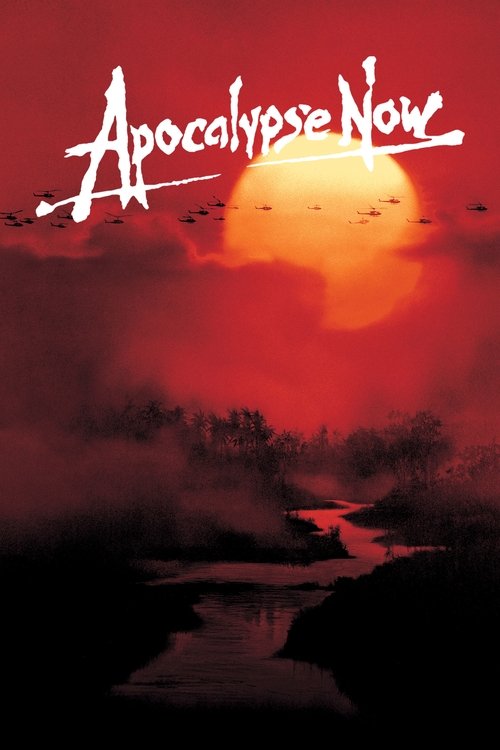
Apocalypse Now
1979At the height of the Vietnam war, Captain Benjamin Willard is sent on a dangerous mission that, officially, "does not exist, nor will it ever exist." His goal is to locate - and eliminate - a mysterious Green Beret Colonel named Walter Kurtz, who has been leading his personal army on illegal guerrilla missions into enemy territory.
As the manic photojournalist lost in Kurtz’s compound, Hopper serves as the film’s jittery moral compass, jittering with a high-wire energy that mirrors the production’s own descent into madness. He perfectly captures the frazzled psyche of a man who has looked too long into the sun, turning a supporting role into an essential archetype of the Vietnam era’s fractured consciousness.
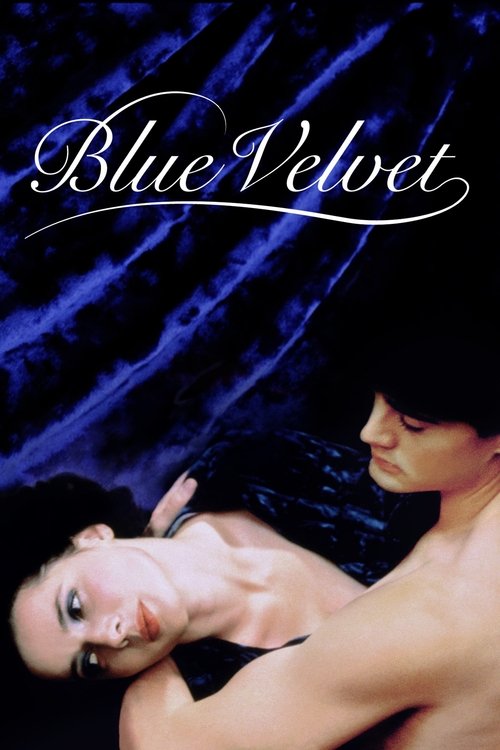
Blue Velvet
1986The discovery of a severed human ear found in a field leads a young man on an investigation related to a beautiful, mysterious nightclub singer and a group of psychopathic criminals who have kidnapped her child.
This second inclusion highlights the sheer gravity of his Frank Booth, a role that demanded a terrifying vulnerability beneath a veneer of sociopathic aggression. It remains a masterclass in how an actor can command the entire tonal temperature of a film through sheer, terrifying presence.
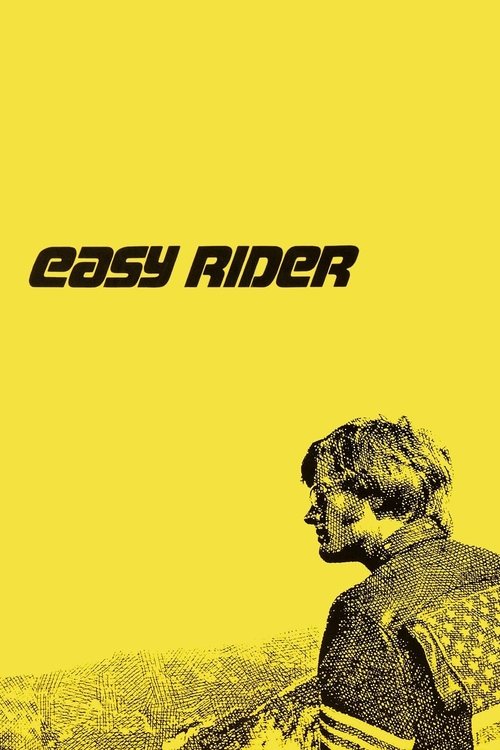
Easy Rider
1969Wyatt and Billy, two Harley-riding hippies, complete a drug deal in Southern California and decide to travel cross-country in search of spiritual truth.
Hopper captures the twitchy, paranoid soul of the counterculture, discarding traditional artifice for a raw and jagged spontaneity. This role shattered his status as a studio outcast, reinventing him as the unpredictable provocateur of the New Hollywood era. His Billy is a masterclass in nervous energy, translating the era’s restless disillusionment into a performance that feels less like acting and more like a live wire sparking.
Frequently Asked Questions
Everything you need to know about this list and SnakeDrafts
- Dennis Hopper's film 'Easy Rider' is often seen as the quintessential representation of his counterculture icon status. Directed by Hopper himself, the movie captures the spirit of the 1960s countercultural movement and features his dynamic performance as a rebellious biker embarking on a journey across America.
- In 'Blue Velvet,' Dennis Hopper delivers a chilling performance as the menacing Frank Booth, one of his most villainous roles. This role highlights Hopper's intense unpredictability and capacity to immerse himself in complex, dark characters, which has become a hallmark of his career.
- Recurring themes in Hopper's acclaimed films include rebellion, chaos, and the exploration of America's underbelly and counterculture. Movies like 'Easy Rider,' 'Apocalypse Now,' and 'Blue Velvet' all touch on deeply unsettling or transformative experiences that mirror Hopper's personal and artistic life.
- Dennis Hopper demonstrated remarkable versatility by acting in various genres such as Westerns ('True Grit,' 'Gunfight at the O.K. Corral'), war dramas ('Apocalypse Now'), and thrillers ('Blue Velvet,' 'Speed'). This range underscores his ability to deliver compelling performances across diverse cinematic styles.
- Collaborations with directors like David Lynch ('Blue Velvet'), Francis Ford Coppola ('Apocalypse Now'), and Tony Scott ('True Romance') were pivotal in cementing Hopper's legacy. These partnerships allowed Hopper to explore complex characters and nuanced storytelling, elevating his status as a major figure in American cinema.
- Dennis Hopper earned the title 'patron saint of the cinematic fringe' due to his bold, often unconventional roles and his tendency to disrupt traditional Hollywood narratives. Films like 'Easy Rider' and 'The American Friend' exemplify his commitment to edgy, provocative cinema that challenged the status quo.
- In 'Hoosiers,' Hopper played a more grounded and emotionally nuanced role as a basketball coach, contrasting with his more intense, volatile characters in films like 'Blue Velvet' and 'Apocalypse Now.' This part highlights his ability to portray resilience and leadership with subtlety and depth.
- Dennis Hopper's role in 'True Romance' adds a gritty, unpredictable energy to the film, balancing its romance and crime elements. His portrayal enriches the movie's dynamic, helping to create a cult classic renowned for its sharp dialogue and memorable characters.