The Best Tom Sizemore Movies Ranked
Gritty Grit and Tactical Intensity on Screen
Explore the most iconic roles of Tom Sizemore, from gritty war dramas like Saving Private Ryan to intense crime thrillers like Heat.
About Tom Sizemore

In the high-stakes cinema of the 1990s, few actors occupied the screen with the jagged, bruising kineticism of Tom Sizemore. He was a performer built for the golden hour of the gritty crime epic and the visceral war film, possessing a gravel-voiced intensity that felt less like acting and more like a live-wire act of endurance. While his peers often chased traditional leading-man vanity, Sizemore carved out a legacy as the ultimate specialist in tactical masculinity. He didn't just walk into a scene; he occupied it with a heavy, restless energy that suggested his characters had lived through a dozen lifetimes of bad decisions and narrow escapes before the camera even started rolling.
The era’s greatest directors viewed him as the essential ingredient for authenticity. In Michael Mann’s Heat, he was the professional soul of Robert De Niro’s crew, projecting a quiet, lethal competence that anchored the film's most iconic sequences. He understood that a truly dangerous man doesn't need to shout to be heard. This grounded gravity made him the perfect lieutenant for Steven Spielberg in Saving Private Ryan, where his portrayal of Sergeant Horvath provided the film's moral and tactical spine. Whether he was dragging a canister of dirt from every battlefield or barking orders under fire, he radiated a weathered dependability that made modern audiences believe in the ghosts of the Greatest Generation.
Beyond the battlefield, his versatility was defined by a specific kind of volatile charm. He could play the sleek, fast-talking Hollywood detective in True Romance or the unhinged, predatory Detective Scagnetti in Natural Born Killers with equal commitment. There was a dangerous unpredictability to his best work; you never quite knew if he was going to offer a crooked grin or a sudden outburst. This tension fueled his performance in Strange Days, where he moved through a neon-soaked dystopia like a shark in shallow water, and in Devil in a Blue Dress, where he brought an menacing edge to the mid-century noir landscape. He was the actor you called when a script needed a dose of reality that felt earned, sweat-stained, and slightly dangerous.
Even in more atmospheric fare like Martin Scorsese’s Bringing Out the Dead or the manic energy of Play It to the Bone, Sizemore maintained a magnetic physical presence. He excelled at playing men who were falling apart or holding it together by a single thread, a quality that resonated with audiences because it felt genuinely human. His career reflected a rare ability to disappear into a brotherhood of soldiers or a pack of thieves without ever losing his distinct, blue-collar charisma. He wasn't just a supporting player; he was the texture of the film itself. From the surf-noir grit of Point Break to the harrowing urban combat of Black Hawk Down, he remained a quintessential figure of American cinema—a man who understood that true strength is usually found in the wreckage of a hard-fought life. In the pantheon of Hollywood tough guys, he was the real thing, leaving behind a body of work that feels as visceral and essential today as it did decades ago.
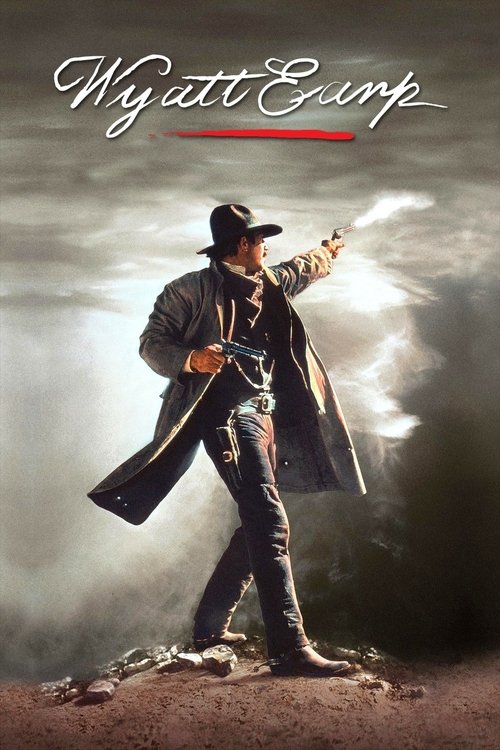
Wyatt Earp
1994From Wichita to Dodge City, to the O.K. Corral in Tombstone, Wyatt Earp is taught that nothing matters more than family and the law. Joined by his brothers and Doc Holliday, Earp wages war on the dreaded Clanton and McLaury gangs.
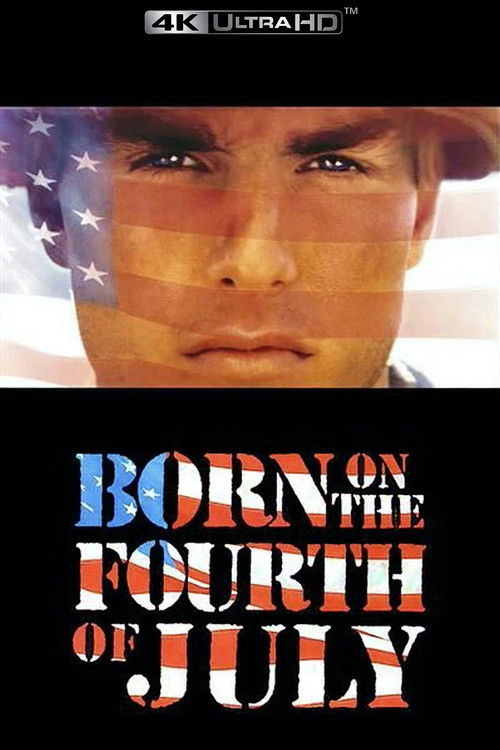
Paralyzed in the Vietnam war, Ron Kovic becomes an anti-war and pro-human rights political activist after feeling betrayed by the country he fought for.
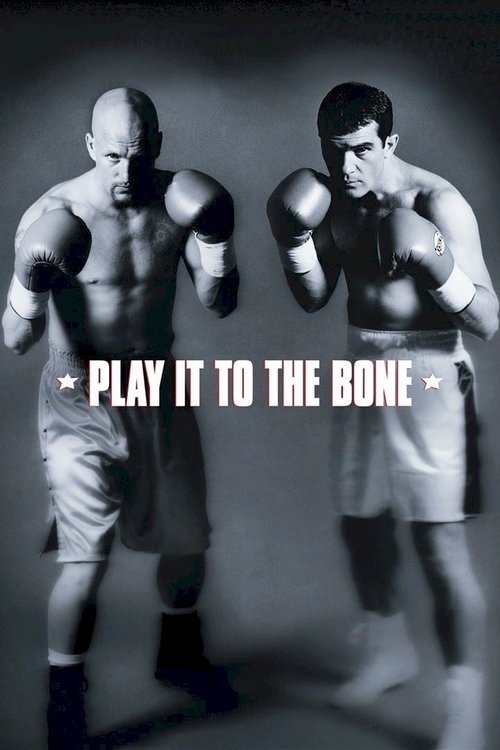
Play It to the Bone
1999Two aging fighters in LA, friends, get a call from a Vegas promoter because his undercard fighters for a Mike Tyson bout that night are suddenly unavailable. He wants them to box each other. They agree as long as the winner gets a shot at the middleweight title. They enlist Grace, Cesar's current and Vinnie's ex girlfriend, to drive them to Vegas.
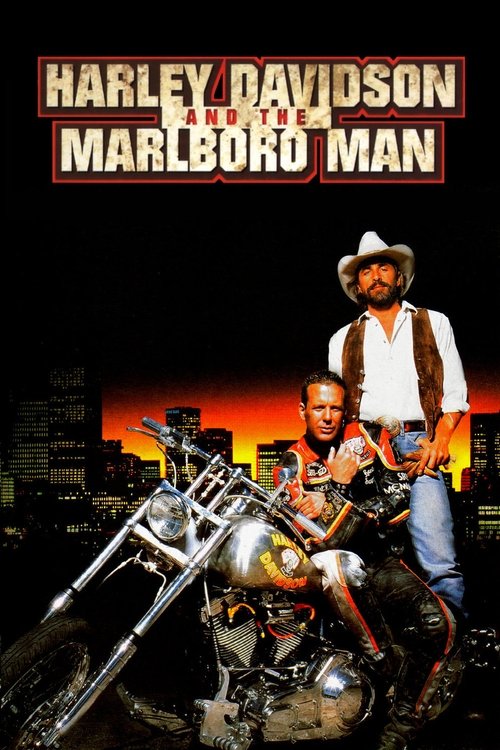
Harley Davidson and the Marlboro Man
1991It's the lawless future, and renegade biker Harley Davidson and his surly cowboy buddy, Marlboro, learn that a corrupt bank is about to foreclose on their friend's bar to further an expanding empire. Harley and Marlboro decide to help by robbing the crooked bank. But when they accidentally filch a drug shipment, they find themselves on the run from criminal financiers and the mob in this rugged action adventure.
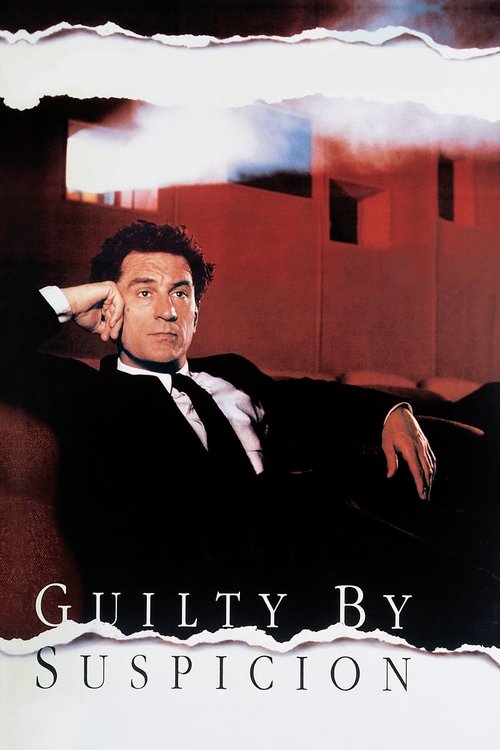
Guilty by Suspicion
1991Owing to his alleged involvement with communist parties, film director David Merrill is forbidden from working in Hollywood. He decides to fight for his rights and faces numerous challenges.
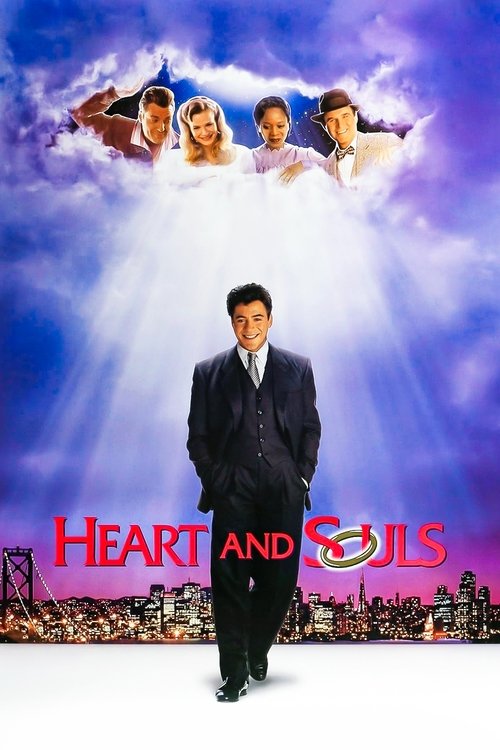
Heart and Souls
1993A fateful night in 1959, four people die when the bus they are riding crashes. They continue as ghosts; their souls become eternally entwined to the life of a child born at the moment of their deaths as his guardians. Baby Thomas grows up to be a businessman who has memories of his playmates, but assumes they are products of his youthful imagination. When the ghosts realize they need Thomas' help to move on to the afterlife, they decide to make an appearance once more.
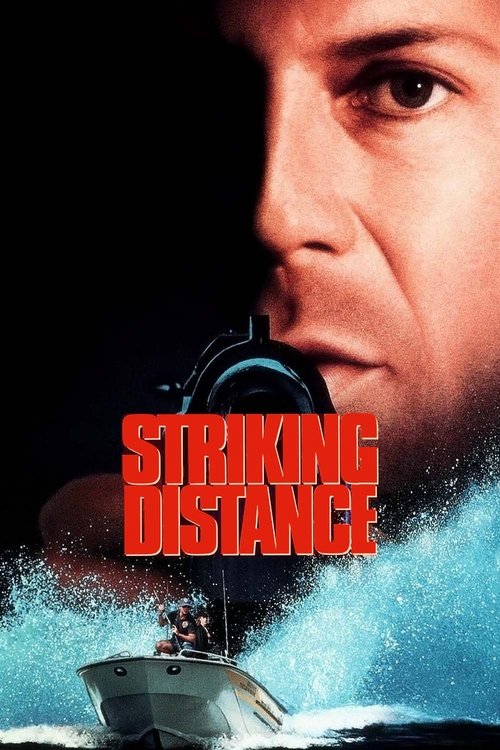
Striking Distance
1993Coming from a police family, Tom Hardy ends up fighting his uncle after the murder of his father. Tom believes the killer is another cop, and goes on the record with his allegations. Demoted to water-way duty Tom, along with new partner Jo Christman, navigate the three rivers looking for clues and discovering bodies. This time the victims are women Tom knows, he must find the killer to prove his innocence.
Sizemore injects a volatile, live-wire energy into Danny Detillo, outshining the top-billed stars with a twitchy intensity that feels genuinely dangerous. It is the definitive blueprint for the grit-and-grime character work that would soon make him Hollywood’s most reliable heavy throughout the nineties. He transforms a standard police procedural role into a masterclass of simmering resentment and blue-collar authenticity.
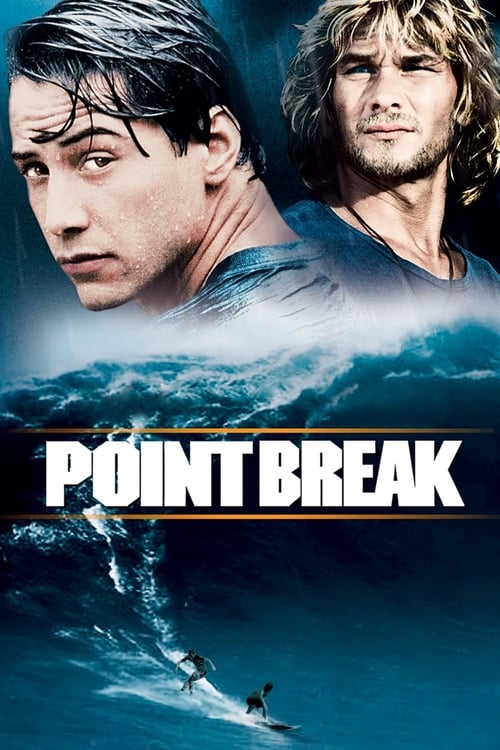
Point Break
1991In Los Angeles, a gang of bank robbers who call themselves The Ex-Presidents commit their crimes while wearing masks of Reagan, Carter, Nixon and Johnson. Believing that the members of the gang could be surfers, the F.B.I. sends young agent Johnny Utah to the beach undercover to mix with the surfers and gather information.
Sizemore projects a volatile, blue-collar menace as DEA agent Dietz, proving he could command the screen even in a brief, high-octane supporting turn. His snarling chemistry with Keanu Reeves established his career-long niche as the quintessential cinematic hard-ass who radiates genuine danger. He transforms what could have been a generic foil into a sweating, vibrating portrait of bureaucratic fury.
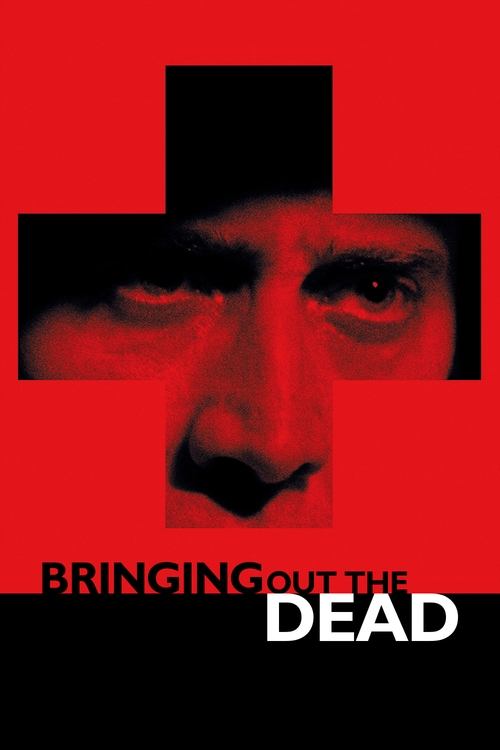
Once called "Father Frank" for his efforts to rescue lives, Frank Pierce sees the ghosts of those he failed to save around every turn. He has tried everything he can to get fired, calling in sick, delaying taking calls where he might have to face one more victim he couldn't help, yet cannot quit the job on his own.
Sizemore is a jittery, dangerous live wire as Tom Wolls, channeling a manic brutality that anchors the film’s descent into nocturnal madness. It is the definitive showcase of his ability to play unhinged authority, vibrating with a chaotic intensity that remains unmatched in his career. He doesn't just steal scenes; he hijacks them with a terrifying, wild-eyed charisma.
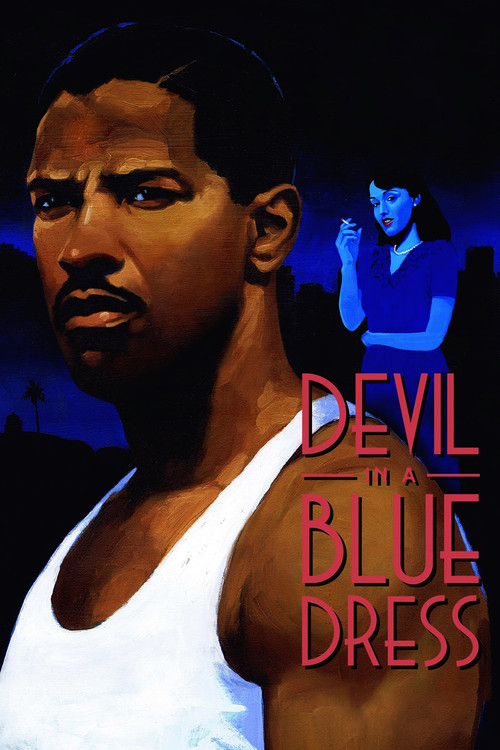
Devil in a Blue Dress
1995In late 1940s Los Angeles, Easy Rawlins is an unemployed black World War II veteran with few job prospects. At a bar, Easy meets DeWitt Albright, a mysterious white man looking for someone to investigate the disappearance of a missing white woman named Daphne Monet, who he suspects is hiding out in one of the city's black jazz clubs. Strapped for money and facing house payments, Easy takes the job, but soon finds himself in over his head.
Sizemore weaponizes a jittery, hair-trigger menace to play DeWitt Albright, transforming the classic noir fixer into a sweating pipe bomb of racial resentment and predatory charm. It is a pivotal showcase of his ability to dominate a scene through pure intimidation, marking the exact moment he became Hollywood’s premier architect of the high-functioning sociopath.
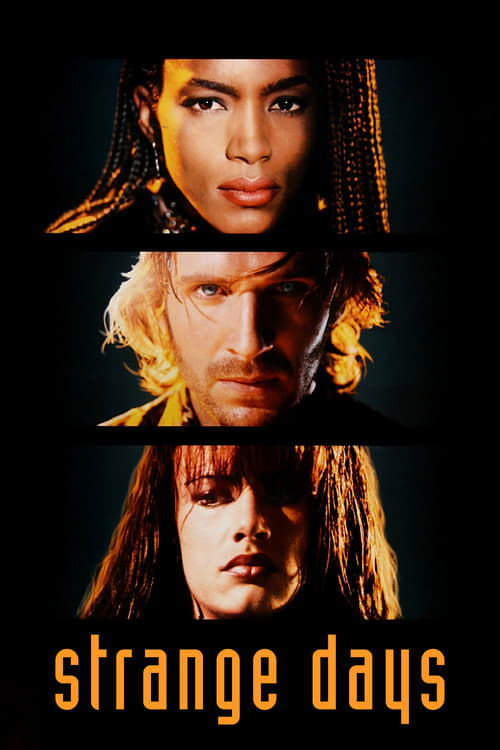
Strange Days
1995In the last days of 1999, ex-cop turned street hustler Lenny Nero receives a disc which contains the memories of the murder of a prostitute. With the help of bodyguard Mace, he starts to investigate and is pulled deeper and deeper in a whirl of murder, blackmail and intrigue.
Sizemore weaponizes a sleazy, high-voltage charisma as Max Peltier, vibrating with the kind of volatile unpredictable energy that became his cinematic signature. He navigates the character’s descent from wisecracking sidekick to something far more sinister with cold-blooded precision, marking the definitive moment he transitioned from a reliable character actor into a premier big-screen heavy. It is a masterclass in calculated instability that remains the most haunting work of his career.
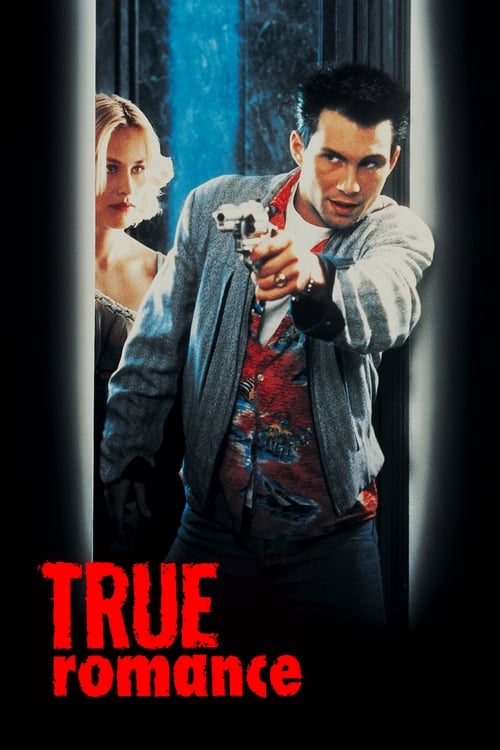
True Romance
1993Clarence marries hooker Alabama, steals cocaine from her pimp, and tries to sell it in Hollywood, while the owners of the coke try to reclaim it.
Sizemore projects a volatile, blue-collar intensity as Detective Cody Nicholson, weaponizing a short fuse and a frantic, lived-in cynicism. It is the definitive blueprint for the high-stakes lawman archetype he would perfect throughout the nineties, proving he could steal scenes from heavyweights by sheer force of his jittery, bulldog energy.
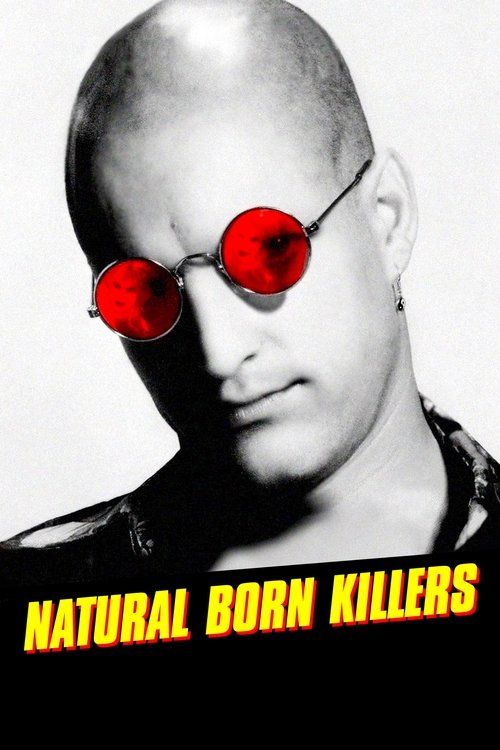
Two victims of traumatized childhoods become lovers and serial murderers irresponsibly glorified by the mass media.
As the depraved Detective Jack Scagnetti, Sizemore channels a terrifyingly oily volatility that rivaled the film’s titular killers for sheer psychic damage. It remains his most chillingly unhinged work, proving he could pivot from gritty authority figures to a man whose inner rot made him the movie’s true apex predator. He doesn’t just play the villain; he inhabits a sweating, leather-clad nightmare that exposes the thinnest possible line between the law and the lust for blood.
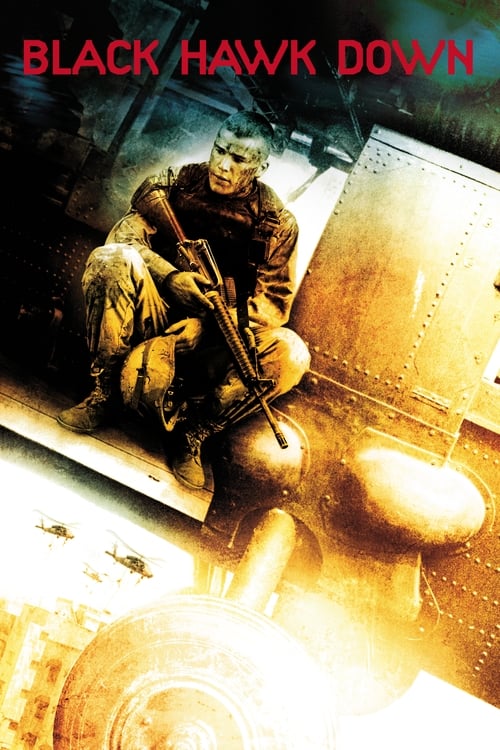
Black Hawk Down
2001When U.S. Rangers and an elite Delta Force team attempt to kidnap two underlings of a Somali warlord, their Black Hawk helicopters are shot down, and the Americans suffer heavy casualties, facing intense fighting from the militia on the ground.
Sizemore anchors the film’s chaotic second act with a weary, flint-hard stoicism that perfectly captures the professional indifference of a career soldier. He trades his usual volatility for a grounded, rhythmic authority, solidifying his legacy as the ultimate cinematic archetype for the grit and exhaustion of modern warfare. His McKnight is the movie’s steady pulse amidst the sensory overload.
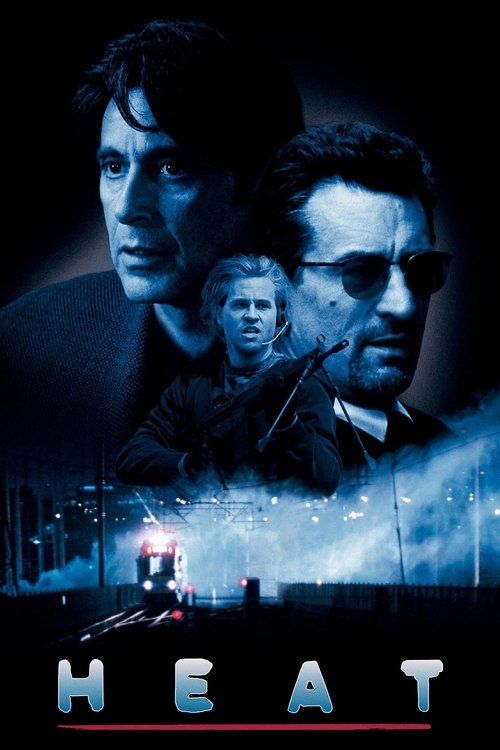
Heat
1995Obsessive master thief Neil McCauley leads a top-notch crew on various daring heists throughout Los Angeles while determined detective Vincent Hanna pursues him without rest. Each man recognizes and respects the ability and the dedication of the other even though they are aware their cat-and-mouse game may end in violence.
Sizemore projects a volatile, low-frequency hum of menace as Michael Cheritto, providing the grounded blue-collar muscle that balances the high-altitude egos of De Niro and Pacino. It is the definitive portrait of his storied career, capturing a raw, lived-in professionalism that makes his character’s loyalty feel both earned and inevitable. He anchors the film’s heist sequences with a cold-blooded precision that solidified his status as Hollywood’s premier heavy.
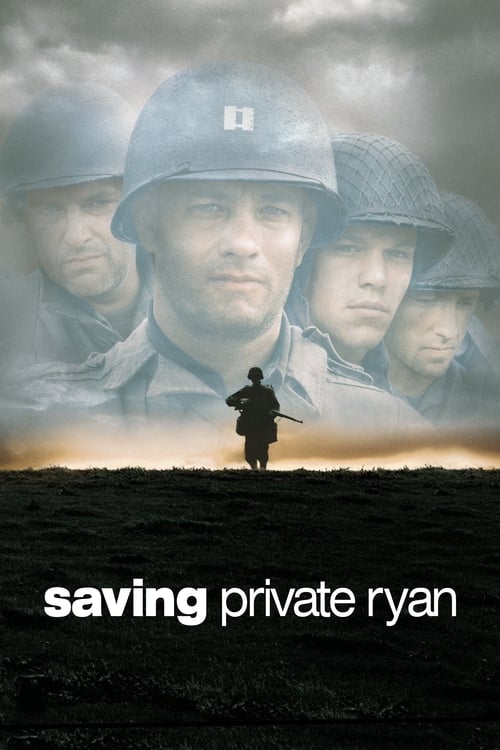
As U.S. troops storm the beaches of Normandy, three brothers lie dead on the battlefield, with a fourth trapped behind enemy lines. Ranger captain John Miller and seven men are tasked with penetrating German-held territory and bringing the boy home.
Sizemore serves as the film’s grounded, gravel-voiced conscience, trading his usual onscreen volatility for a weary, rock-solid stoicism as Sergeant Horvath. It is the definitive role of his career, capturing the quiet dignity of a career soldier who anchors the chaos with little more than a steady gaze and a handful of dirt.
Frequently Asked Questions
Everything you need to know about this list and SnakeDrafts
- "Saving Private Ryan" tops the list due to Tom Sizemore's powerful portrayal of Technical Sergeant Mike Horvath in this critically acclaimed Steven Spielberg war drama. His intense performance contributed significantly to the film's visceral impact and enduring legacy in war cinema.
- In Michael Mann's "Heat," Sizemore plays Michael Cheritto, a seasoned criminal exhibiting both tactical expertise and loyalty. This role highlights his ability to portray complex characters in high-stakes crime thrillers, complementing the film’s gritty and realistic tone.
- Sizemore embodies tactical masculinity and raw emotional depth in both "Saving Private Ryan" and "Black Hawk Down," directed by Steven Spielberg and Ridley Scott respectively. His performances add authenticity and intensity, enhancing the films' immersive war narratives.
- Crime thrillers like "Heat" and Oliver Stone's "Natural Born Killers" allow Sizemore to explore morally complex and gritty characters. These films cemented his reputation as a go-to actor for intense roles within the crime genre during the 1990s.
- Yes, films like the fantasy-infused "Heart and Souls" and the science fiction thriller "Strange Days" stand out as unique entries. These choices demonstrate Sizemore's versatility beyond his more typical war and crime dramas.
- In Martin Scorsese's "Bringing Out the Dead," Sizemore plays a more nuanced, dramatic role compared to his often tough, action-oriented characters. This film showcases his ability to adapt to emotionally complex narratives within a dramatic framework.
- Tom Sizemore predominantly appears in strong supporting roles across these movies, such as in "Saving Private Ryan" and "Heat," where his characters provide critical depth and tension. His commanding presence enhances ensemble casts without overshadowing leads.
- Sizemore has collaborated multiple times with notable directors like Oliver Stone and Kathryn Bigelow, as seen in "Natural Born Killers," "Born on the Fourth of July," and "Point Break." These partnerships highlight his alignment with directors known for intense, character-driven storytelling.