Top Alan Parker Directed Movies Ranked
The Definitive Filmography of a Cinematic Visionary
Explore the essential cinematic works of Alan Parker, from gritty social dramas to groundbreaking musical masterpieces and psychological thrillers.
About Alan Parker
To look at the filmography of Alan Parker is to examine a restless, muscular kind of versatility that rarely exists in modern cinema. He was a filmmaker who refused to be pinned down by genre, moving from the bubblegum gangsterism of Bugsy Malone to the harrowing, sweat-soaked claustrophobia of Midnight Express without breaking his stride. If there was a unifying thread across his work, it was a profound interest in outsiders and a visual style that felt tactile, often gritty, and always deeply cinematic. He operated with the precision of the advertising veteran he was, possessing an uncanny knack for imagery that burned itself into the collective consciousness, whether it was the marching hammers of Pink Floyd: The Wall or the neon-lit desperation of the New York City streets in Fame.
Parker excelled at capturing the intersection of music and the human spirit. He understood that song and dance were not just ornaments but visceral expressions of identity. In The Commitments, he found the soul of working-class Dublin through a ragtag band, filming with a raw energy that made the music feel like a heartbeat. Yet he could pivot instantly to the dark, supernatural noir of Angel Heart, where he used a decaying New Orleans backdrop to craft a sense of impending doom that few directors could replicate. He wasn't afraid of the ugly or the uncomfortable. This was most evident in Mississippi Burning, where his confrontational lens forced audiences to stare directly into the face of American racial violence, or in Birdy, a hauntingly lyrical exploration of post-war trauma and friendship.
His aesthetic was often defined by a certain British pragmatism mixed with a grand, operatic ambition. He had a gift for coaxing career-defining performances out of his actors, pushing them into high-stakes emotional territory. We see this in the agonizing domestic collapse of Shoot the Moon and the grim endurance of the titular family in Angela's Ashes. Even when he veered into the eccentricities of The Road to Wellville or the complex morality play of The Life of David Gale, his work maintained a signature visual richness. He treated every frame like a canvas, utilizing light and shadow to heighten the drama.
What remains most impressive about his legacy is the sheer unpredictability of his choices. He could handle the historical sweep of Come See the Paradise with as much grace as the surrealist nightmares of his musical experiments. He never developed a repetitive tic or a predictable formula. Instead, he remained a poet of the screen who prioritized the emotional truth of a story over the safety of a brand. He left behind a body of work that feels alive, demanding, and fiercely independent, proving that a director could be a chameleon while still maintaining a singular, commanding voice. His films do not just tell stories; they vibrate with a restless energy that continues to resonate long after the credits roll.
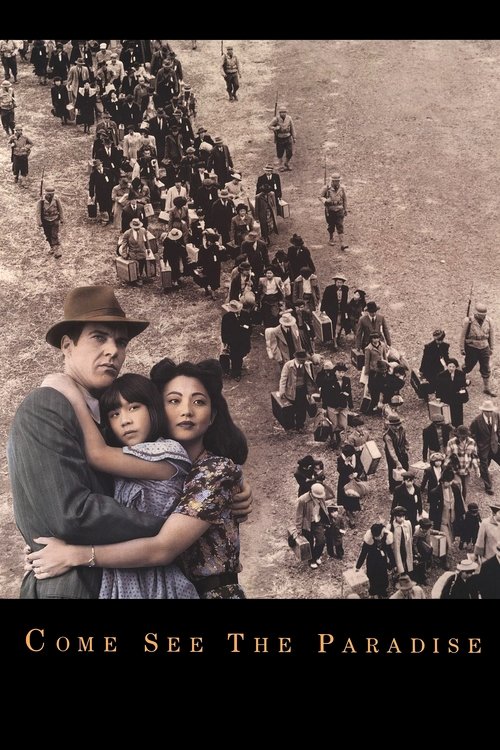
Come See the Paradise
1990In this drama from director Alan Parker, on-the-lam Jack McGurn flees to Los Angeles and takes a job as a projectionist at a movie theater owned by a Japanese-American man. Jack falls for the owner's daughter, Lily, but they are forced to elope to Seattle when her father forbids the relationship. The couple marry and have a daughter, but when World War II breaks out, Jack is powerless to stop his new family's forced internment.
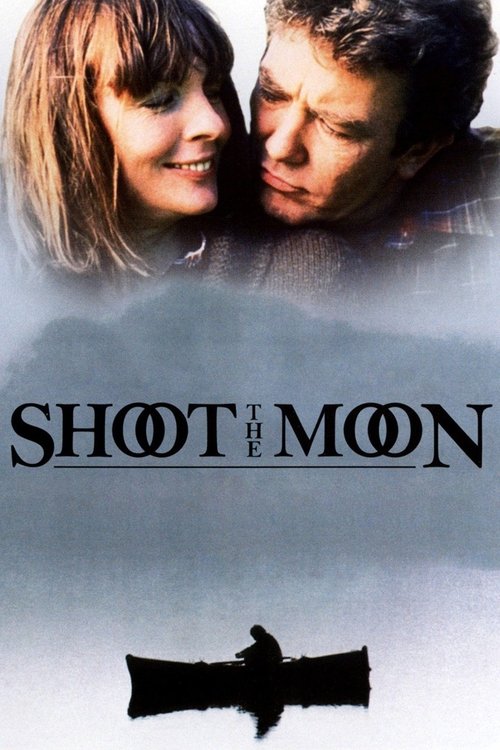
Shoot the Moon
1982After fifteen years of marriage, an affluent couple divorce and take up with new partners.
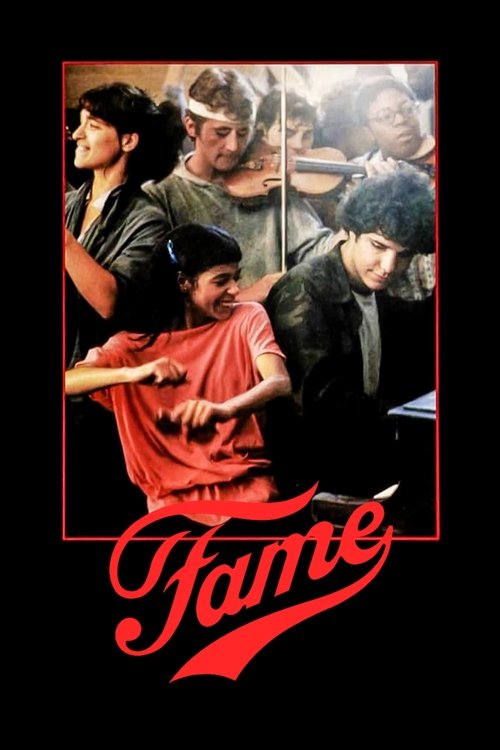
Fame
1980A chronicle of the lives of several teenagers who attend a New York high school for students gifted in the performing arts.
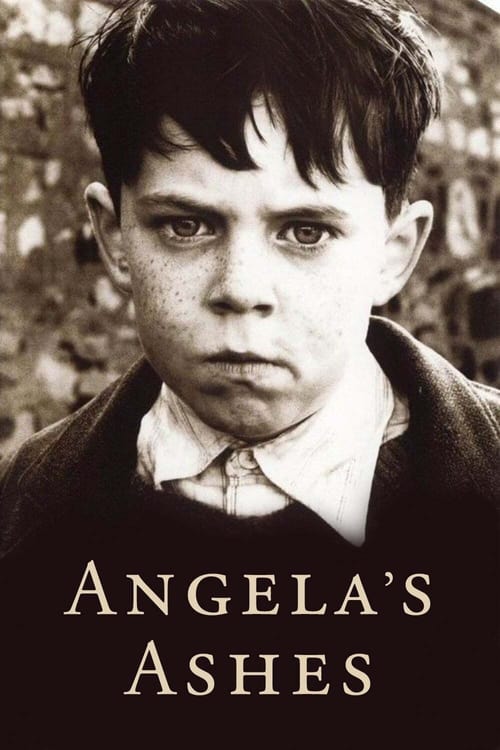
Angela's Ashes
1999An Irish Catholic family returns to 1930s Limerick after a child's death in America. The unemployed I.R.A. veteran father struggles with poverty, prejudice, and alcoholism as the family endures harsh slum conditions.
Parker transforms Frank McCourt’s memoir into a rain-soaked visual poem, finding a grim beauty within the suffocating poverty of Limerick. This film highlights his capacity for epic scale in intimate settings, focusing on the tactile reality of hardship through a meticulously crafted and somber directorial lens.
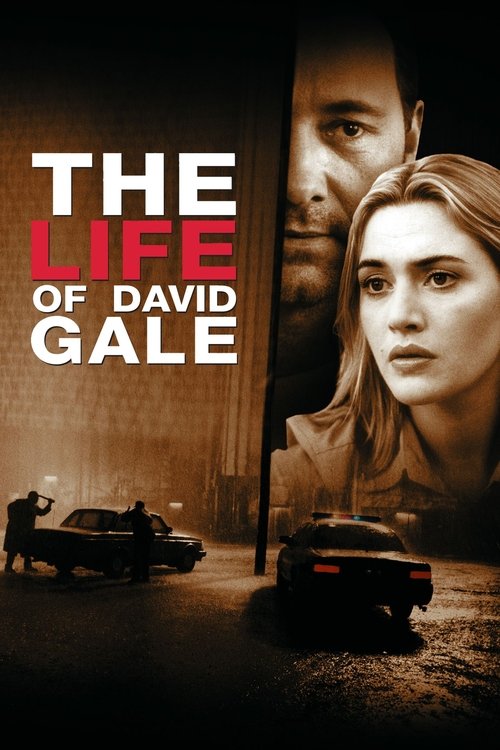
The Life of David Gale
2003A man against capital punishment is accused of murdering a fellow activist and is sent to death row.
In his final feature, Parker returns to the polemic thrills that defined his early career, constructing a clockwork narrative focused on the ethics of capital punishment. While polarizing, the film demonstrates his lifelong obsession with the flaws of the legal system and his mastery of the high-stakes manipulative thriller.
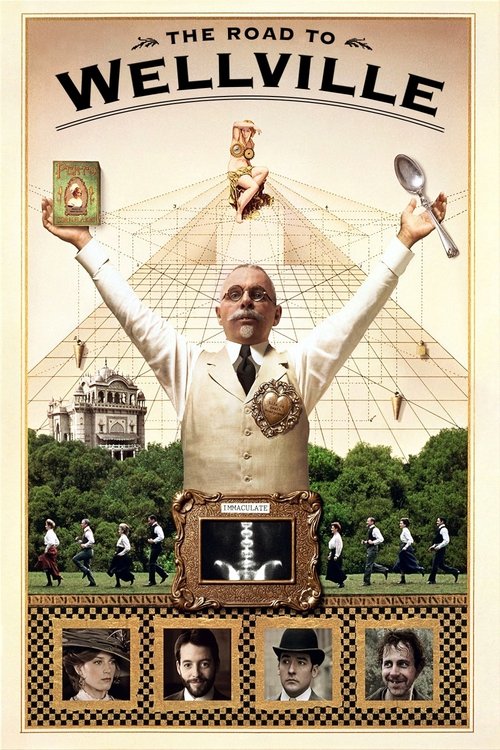
The Road to Wellville
1994An unhappy young couple visit the infamous Kellogg spa in Battle Creek, Michigan while a young hustler tries get into the breakfast-cereal business and compete against John Kellogg's corn flakes.
Parker indulges in a surreal, scatological satire of American health obsessions, utilizing a frantic pace and exaggerated performances to critique the dawn of the wellness industry. It remains a fascinatingly bizarre outlier in his career, highlighting his willingness to embrace the grotesque in pursuit of social caricature.
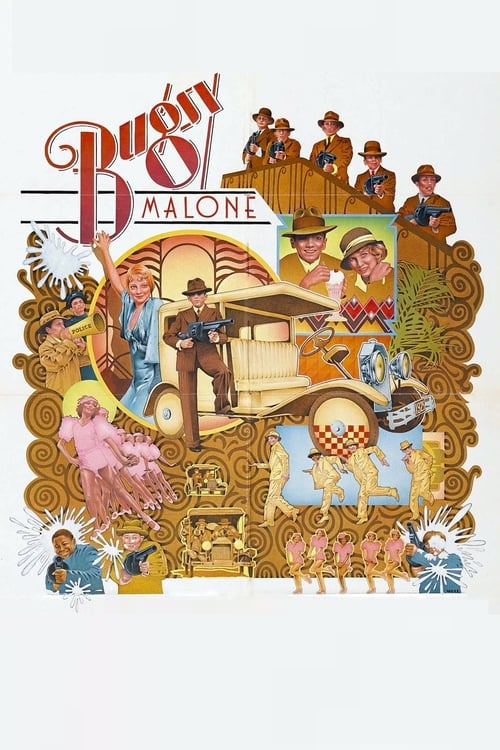
Bugsy Malone
1976New York, 1929, a war rages between two rival gangsters, Fat Sam and Dandy Dan. Dan is in possession of a new and deadly weapon, the dreaded "splurge gun". As the custard pies fly, Bugsy Malone, an all-round nice guy, falls for Blousey Brown, a singer at Fat Sam's speakeasy. His designs on her are disrupted by the seductive songstress Tallulah who wants Bugsy for herself.
This audacious debut subverts the gangster epic by filtering it through a whimsical, juvenile lens, yet Parker’s commitment to the period detail is entirely serious. It occupies a singular space in cinema history, proving from the very start that he was never afraid to take massive stylistic risks on seemingly impossible concepts.
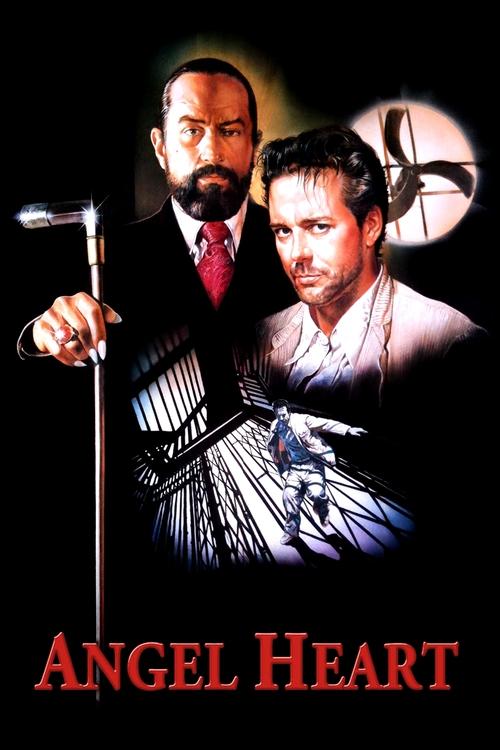
Angel Heart
1987A down-and-out Brooklyn detective is hired to track down a singer on an odyssey that will take him through the desperate streets of Harlem, the smoke-filled jazz clubs of New Orleans, and the swamps of Louisiana and its seedy underworld of voodoo.
Blending hard-edged noir with occult horror, Parker treats New Orleans as a decaying purgatory where every shadow feels heavy with theological dread. This film serves as the ultimate testament to his talent for genre-bending, maintaining a suffocating mood of inevitable doom through meticulously layered production design.
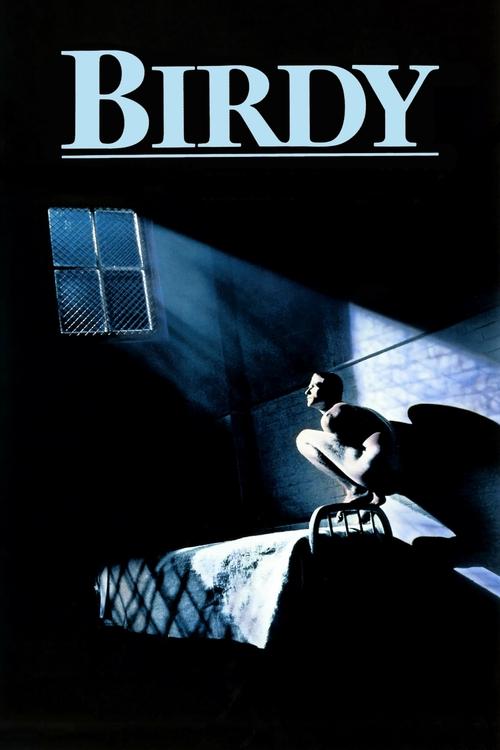
Birdy
1984Two young men are seriously affected by the Vietnam War. One of them has always been obsessed with birds - but now believes he really is a bird, and has been sent to a mental hospital. Can his friend help him pull through?
Parker navigates the delicate boundary between reality and hallucination in this lyrical exploration of trauma and avian obsession. It is a quiet departure for a director known for intensity, yet it remains his most empathetic work, utilizing inventive camera techniques to soar through the internal landscapes of a fractured mind.
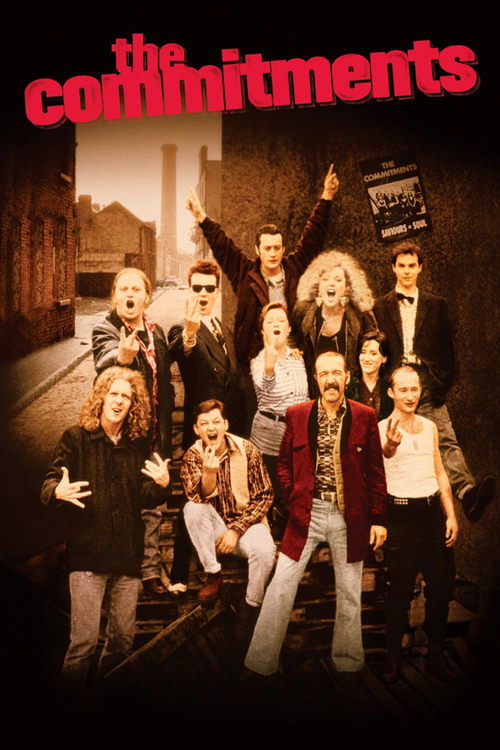
The Commitments
1991Jimmy Rabbitte, just a thick-ya out of school, gets a brilliant idea: to put a soul band together in Barrytown, his slum home in north Dublin. First he needs musicians and singers: things slowly start to click when he finds three fine-voiced females virtually in his back yard, a lead singer (Deco) at a wedding, and, responding to his ad, an aging trumpet player, Joey "The Lips" Fagan.
Shifting gears with effortless grace, Parker captures the soul of Dublin through a gritty, handheld naturalism that feels both lived-in and harmoniously chaotic. It stands as his most joyful achievement, showcasing an innate understanding of how music serves as a lifeline for the working class without ever lapsing into sentimentality.
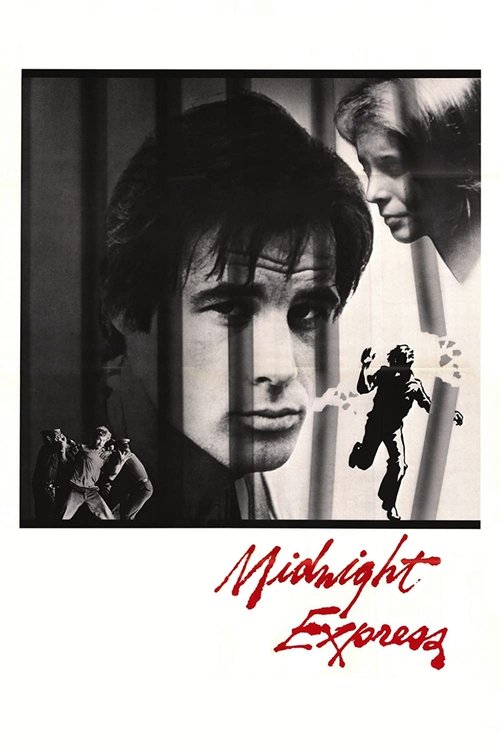
Midnight Express
1978Billy Hayes is caught attempting to smuggle drugs out of Turkey. The Turkish courts decide to make an example of him, sentencing him to more than 30 years in prison. Hayes has two opportunities for release: the appeals made by his lawyer, his family, and the American government, or the "Midnight Express".
This harrowing dive into claustrophobia and institutional dread exemplifies Parker's penchant for sensory overload and rhythmic editing. By weaponizing Moroder’s synth score against stark, brutalist visuals, he established a blueprint for the modern survival drama that prioritizes emotional exhaustion over simple catharsis.
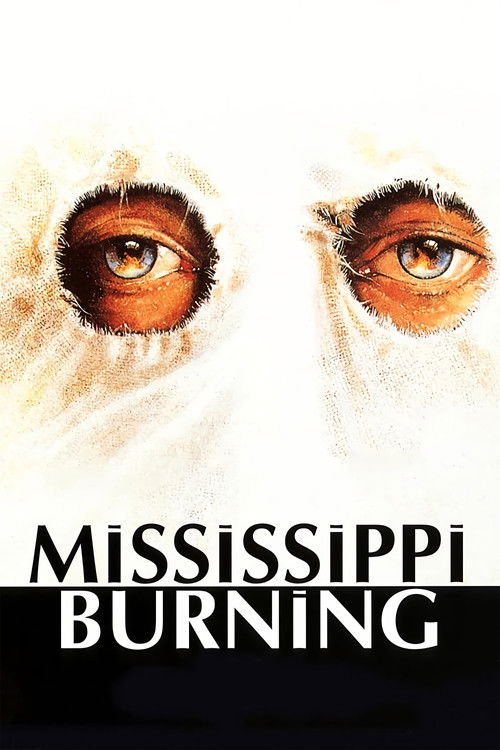
Two FBI agents investigating the murder of civil rights workers during the 60s seek to breach the conspiracy of silence in a small Southern town where segregation divides black and white. The younger agent trained in FBI school runs up against the small town ways of his partner, a former sheriff.
A technical masterclass in atmospheric tension, this film showcases Parker’s ability to frame historical trauma through the high-octane lens of a procedural thriller. His uncompromising aesthetic turns the sweltering heat of the American South into a physical presence, cementing his legacy as a filmmaker who could marry provocative social commentary with mainstream kinetic energy.
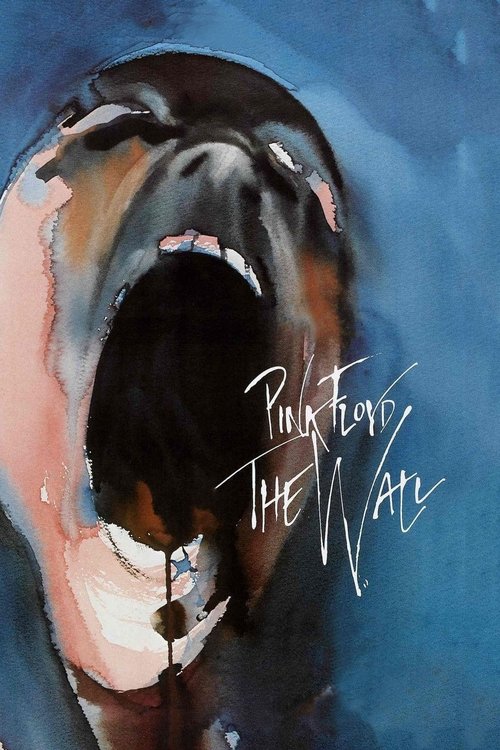
Pink Floyd: The Wall
1982A troubled rock star descends into madness in the midst of his physical and social isolation from everyone.
Parker reaches a stylistic zenith here, synthesizing Gerald Scarfe’s grotesque animations with a live-action descent into madness that redefines the rock-and-roll odyssey. This visceral experiment in visual storytelling remains his most daring rejection of traditional narrative structure, proving his unparalleled ability to translate abstract psychological disintegration into indelible cinematic iconography.
Frequently Asked Questions
Everything you need to know about this list and SnakeDrafts
- 'Pink Floyd: The Wall' is ranked highest due to its groundbreaking fusion of music and visual storytelling, showcasing Parker's unique ability to translate complex themes into a captivating cinematic experience. Its innovative style and enduring cultural impact set it apart as a standout in his filmography.
- Many of Parker's films explore themes of outsiders and social struggles, evident in movies like 'Mississippi Burning' and 'Midnight Express.' His work often blends gritty realism with a tactile visual style, highlighting emotional intensity across genres from drama to musical.
- 'Bugsy Malone' is notable for Parker's bold choice to create a gangster musical featuring an all-child cast, demonstrating his versatility and willingness to experiment with genre. This film uniquely balances humor, music, and action, highlighting his creative risk-taking early in his career.
- 'Midnight Express' embodies Parker's intense and immersive filmmaking approach, portraying harrowing real-life events with a raw and oppressive atmosphere. Its gripping narrative and visceral depiction of imprisonment showcase his talent for psychological and social drama.
- The inclusion of 'The Road to Wellville' and 'Shoot the Moon' might surprise some, as these films diverge from Parker's more intense dramas and musicals, exploring comedy and romance elements. Their presence highlights Parker's range and experimentation across different cinematic styles.
- 'The Commitments' stands out for its authentic portrayal of working-class Dublin musicians and its energetic soundtrack, reflecting Parker's skill in blending musical vibrancy with heartfelt storytelling. The film's successful mix of comedy and drama captures the spirit of aspiration and community.
- 'Angel Heart' marks a distinct venture into the horror and mystery genres, showcasing Parker's ability to create eerie, suspenseful atmospheres. Its psychological complexity and dark visual tone exemplify his fearless exploration beyond conventional filmmaking territories.