Gene Wilder's Greatest Movies Ranked
The Pure Imagination and Comedic Genius of a Legend
Explore the definitive filmography of Gene Wilder, featuring his legendary collaborations with Mel Brooks and iconic role as Willy Wonka.
About Gene Wilder
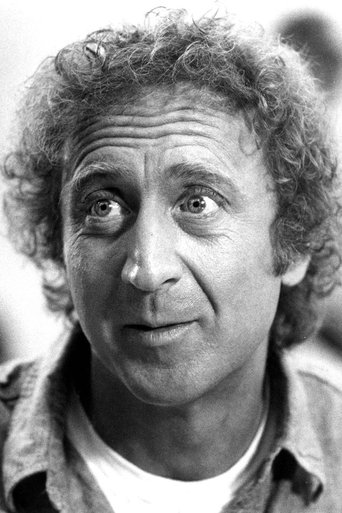
If you look closely at the eyes of Gene Wilder, you see a man constantly teetering on the edge of a nervous breakdown, yet somehow remaining the most soulful person in the room. He didn't just act; he possessed a rare, high-wire ability to transition from a whisper to a scream without losing the audience's trust. While his contemporaries relied on bravado, he leaned into a frantic, poetic vulnerability that turned neurosis into an art form. It was this specific alchemy that made him the ultimate collaborator for Mel Brooks and a singular icon for generations of children and misfits.
His breakout as Leo Bloom in The Producers set the template for the Wilder brand of comedic hysteria. Watching him clutch a blue security blanket while spiraling into a panic attack offered a masterclass in physical comedy that felt terrifyingly real. He wasn't playing for laughs so much as he was playing for survival. This sincerity grounded the absurdity of his later work, particularly in Young Frankenstein, where he served as the straight man to his own madness. By bringing a grounded, intellectual dignity to Dr. Frankenstein, he allowed the film to transcend simple parody and become a genuine gothic masterpiece.
Modern audiences often first encounter him through the purple velvet coat of Willy Wonka, a performance that remains one of the most debated portrayals in cinema. He understood that a candy maker for children should be a little bit dangerous. That subtle edge of unpredictability, most famous during the psychedelic boat ride through the chocolate factory, ensured the character stayed immortal rather than saccharine. It was a performance built on secrets and sudden shifts in energy, much like his brief but unforgettable turn in Bonnie and Clyde, where his panicked civilian energy provided a necessary jolt of grounded reality to the high-stakes crime drama.
Beyond the frantic energy, he was a pioneer of the buddy comedy, establishing a legendary onscreen chemistry with Richard Pryor. In Silver Streak and the box-office juggernaut Stir Crazy, the duo dismantled racial barriers through pure comedic timing. Their partnership felt less like a scripted act and more like a genuine friendship, with Wilder playing the eccentric foil to Pryor's street-smart cynicism. This rapport continued through the late eighties with See No Evil, Hear No Evil, proving his longevity as a leading man who could share the spotlight without ever eclipsing his partners.
Even when he stepped behind the camera to direct projects like The Adventure of Sherlock Holmes Smarter Brother or The Woman in Red, that signature gentleness remained his north star. He had a way of making the audience feel protective of him, even when he was the one causing the chaos. Whether he was playing a bewildered rabbi in The Frisco Kid or a fox in The Little Prince, his work was defined by a profound empathy. He remains a beloved figure because he never felt like a distant movie star. He felt like the frantic, brilliant, and deeply kind human being we all secretly suspect ourselves to be when the world gets a little too loud.
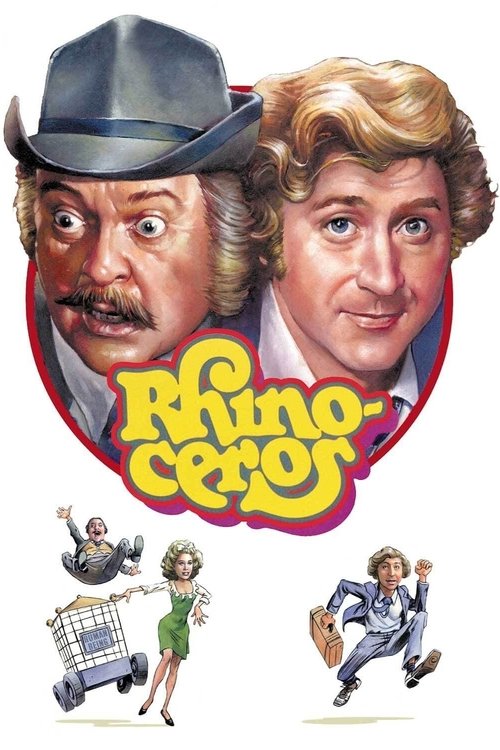
Rhinoceros
1974A boozing young man in love with his co-worker finds that everyone around him, even his pompous and condescending best friend, is changing into a rhinoceros.
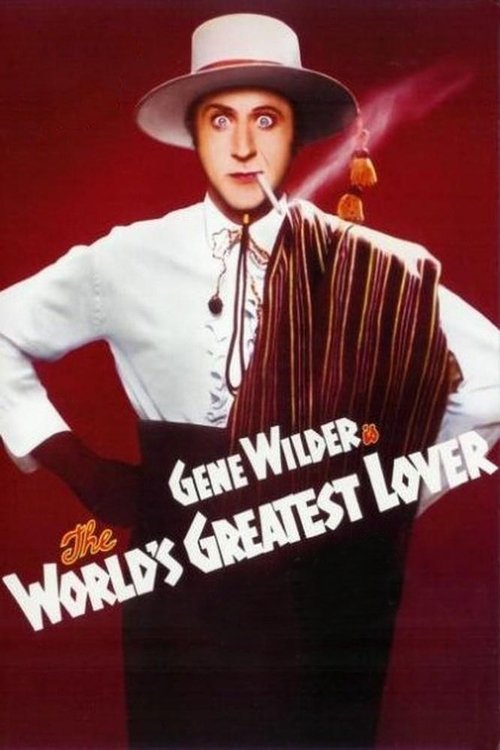
The World's Greatest Lover
1977When frustrated movie studio mogul Adolph Zitz announces a talent search for a romantic leading man to rival the great Rudolph Valentino, thousands of hopefuls decend upon Hollywood. Rudy Valentine, a neurotic baker from Milwaukee, knows little about romance or acting. But when his wife leaves him for the real Valentino, Rudy goes to outrageous lengths to win the role of a lifetime and win back the love of his life.
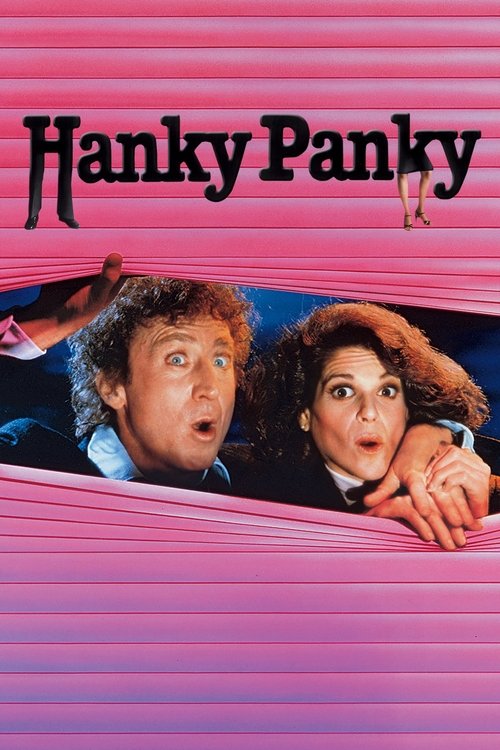
Hanky Panky
1982Naïve Michael Jordon is drawn into a web of government secrets when a girl carrying a mysterious package gets into a taxi with him. When she's later murdered, Michael becomes the chief suspect and goes on the run.
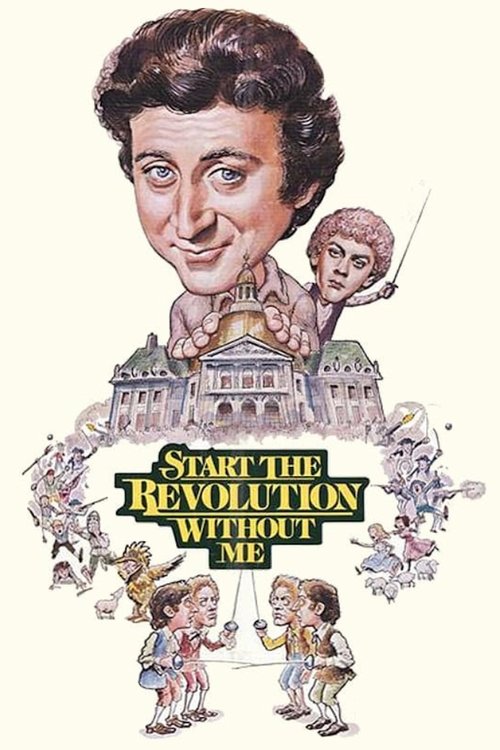
Start the Revolution Without Me
1970Two sets of identical twins are accidentally switched at birth. One pair, Phillipe and Pierre DeSisi, are aristocratic and haughty, while the other, Charles and Claude Coupé, are poor and dim-witted. On the eve of the French Revolution, both sets find themselves entangled in palace intrigue.
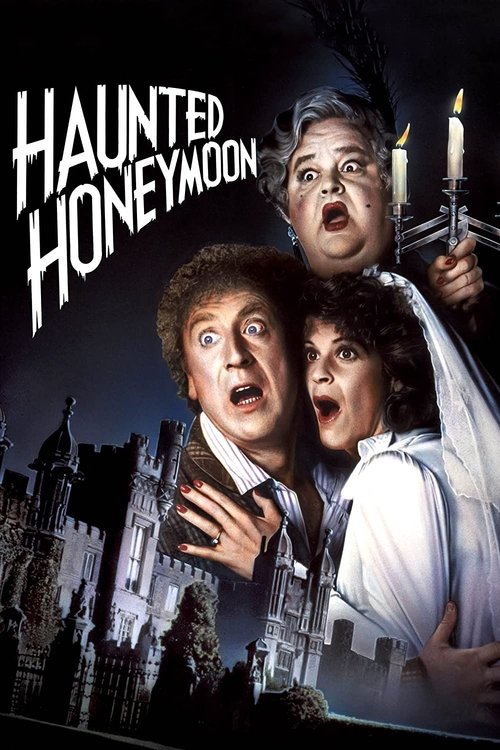
Haunted Honeymoon
1986Radio personalities Larry Abbot and Vickie Pearle are stars of a mystery show. Since they announced their engagement, Larry has been plagued by speech problems and, seeking out an unconventional cure, he returns to his boyhood home, a mansion in the countryside, bringing Vickie along. Larry reunites with numerous family members, but discovers that there are sinister things afoot within the walls of the creepy estate.
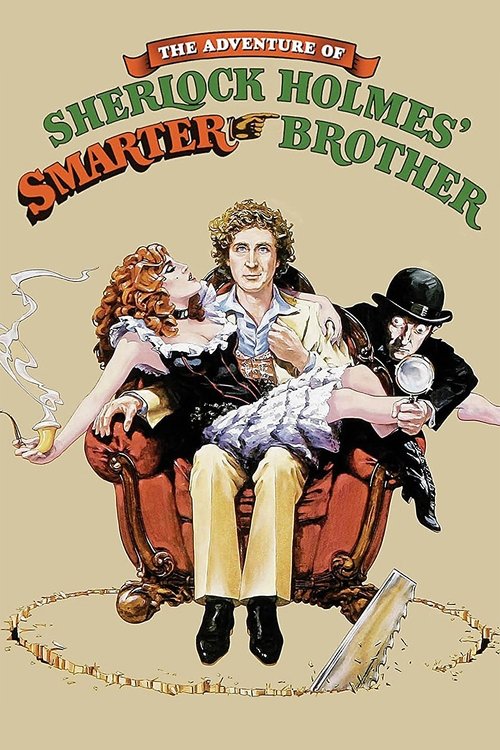
The Adventure of Sherlock Holmes' Smarter Brother
1975After spending decades living in the shadow of his more famous and successful sibling, Consulting Detective Sigerson Holmes (Wilder) is called upon to help solve a crucial case that leads him on a hilarious trail of false identities, stolen documents, secret codes... and exposed backsides.
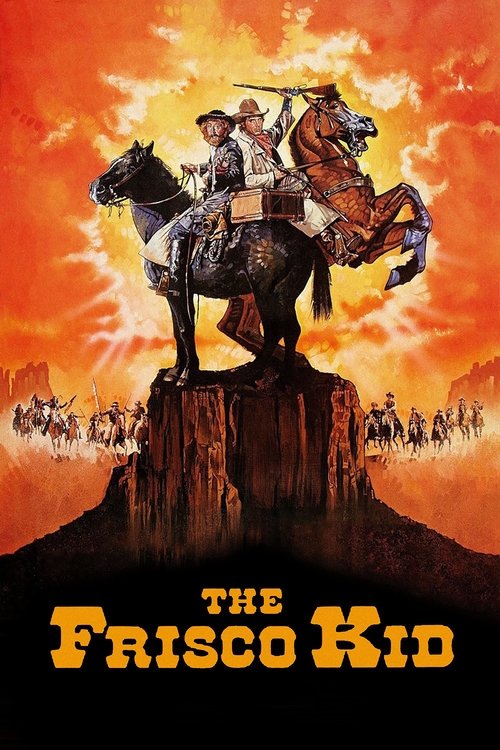
The Frisco Kid
1979Rabbi Avram arrives in Philadelphia from Poland en route to San Francisco where he will be a congregation's new rabbi. An innocent and inexperienced traveller, he is tricked by con men to pay for the trip to go west, then they leave him and his belongings scattered along a deserted road. He is befriended by a stranger, Tommy, who is a bank robber and have many adventures during their journey.
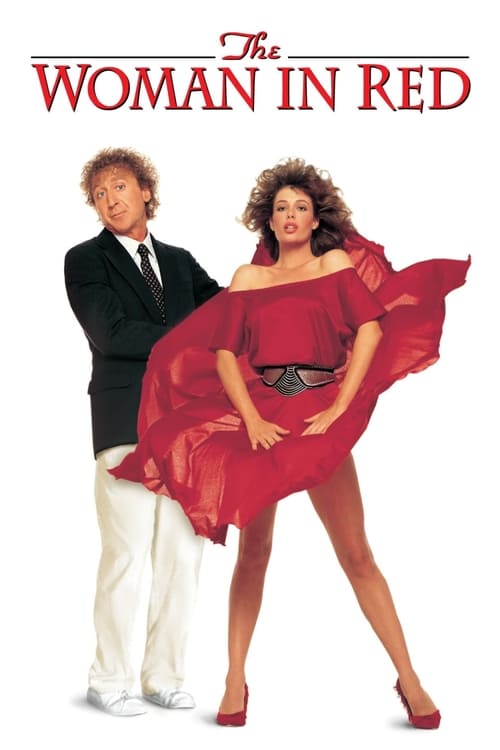
The Woman in Red
1984When a happily married family man, who would never consider an affair, meets a beautiful woman in red, he is totally infatuated and desperate to make her acquaintance. However, as he tries out various schemes to sneak out to meet her, he realizes that adultery is not quite as easy as it looks.
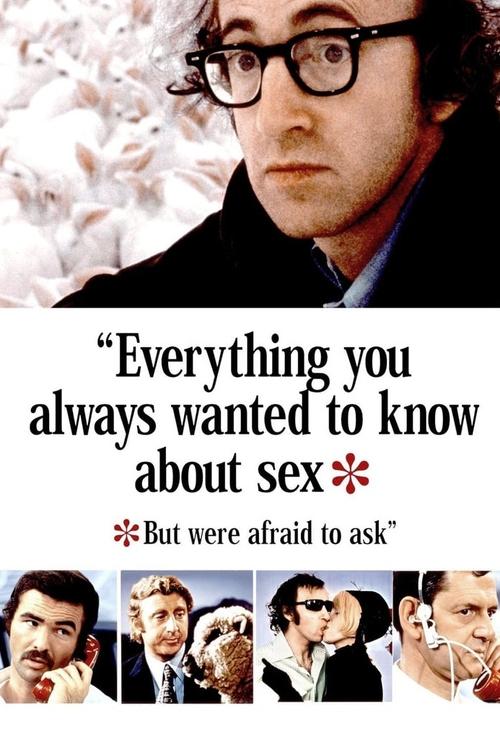
Everything You Always Wanted to Know About Sex *But Were Afraid to Ask
1972A collection of seven vignettes, which each address a question concerning human sexuality. From aphrodisiacs to sexual perversion to the mystery of the male orgasm, characters like a court jester, a doctor, a queen and a journalist adventure through lab experiments and game shows, all seeking answers to common questions that many would never ask.
By treating a patently ridiculous romance with a sheep with the gravitas of a Shakespearian tragedy, Wilder creates the film's most enduring vignette. He manages to find a weirdly sincere pathos in the absurd, a feat few actors could accomplish without winking at the camera.
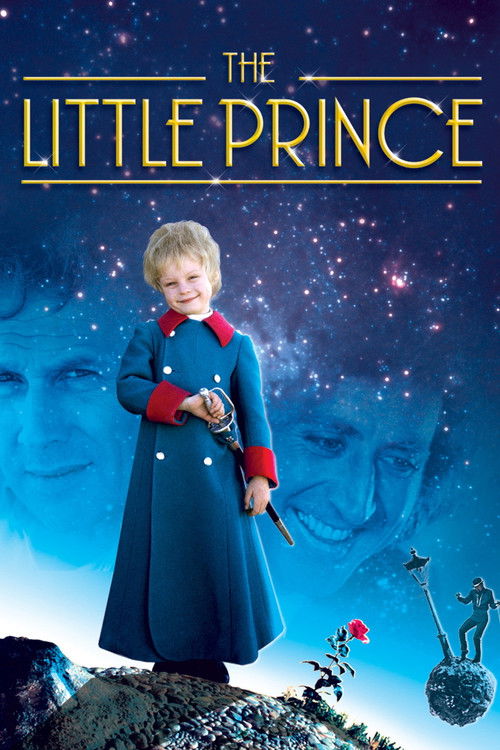
The Little Prince
1974After a pilot is forced to make an emergency landing in the Sahara Desert, he befriends a young prince from outer space; the friendship conjures up stories of journeys through the solar system for the stranded aviator.
Stepping into a musical fantasy, Wilder offers a poetic and melancholic interpretation of the Fox that highlights his gentler sensibilities. It is a rare, delicate highlight in his filmography that prioritizes his ability to convey wisdom and longing over his typical comedic outbursts.
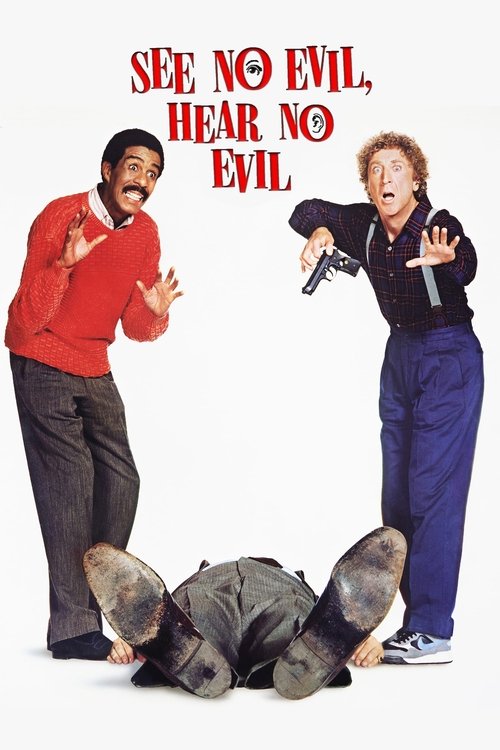
See No Evil, Hear No Evil
1989A murder takes place in the shop of David Lyons, a deaf man who fails to hear the gunshot being fired. Outside, blind man Wally Karue hears the shot, but cannot see the perpetrator. Both are arrested, but escape to form an unlikely partnership. Being chased by both the law AND the original killers, can the pair work together to outwit them all?
Wilder showcases his veteran timing and physical comedy instincts by playing the straight man to a sensory gimmick. Even in a more commercial vehicle, his commitment to the logic of the character provides the necessary friction to make the high-concept premise land with audiences.
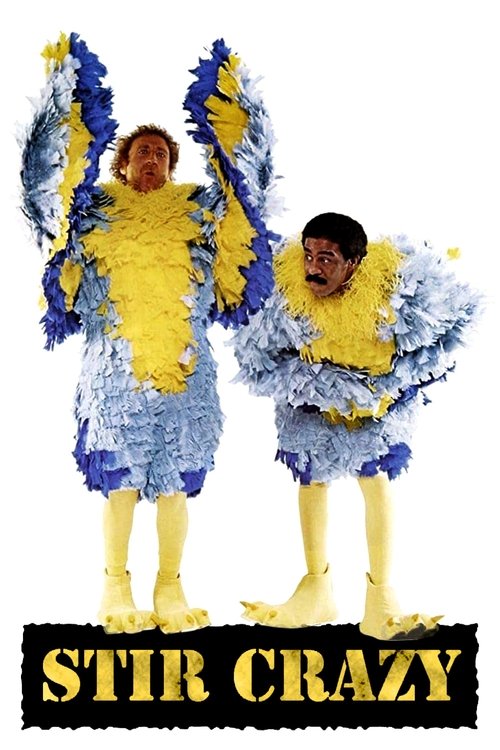
Stir Crazy
1980New Yorkers Skip Donahue and Harry Monroe have no jobs and no prospects, so they decide to flee the city and find work elsewhere, landing jobs wearing woodpecker costumes to promote the opening of a bank. When their feathery costumes are stolen and used in a bank robbery, they no longer have to worry about employment — they're sent to prison.
Widely regarded as the pinnacle of his shorthand with Pryor, Wilder’s performance is a riot of improvised rhythm and desperate optimism. He leans into the absurdity of the prison setting with a wide-eyed sincerity that makes the chemistry between the leads feel entirely effortless.
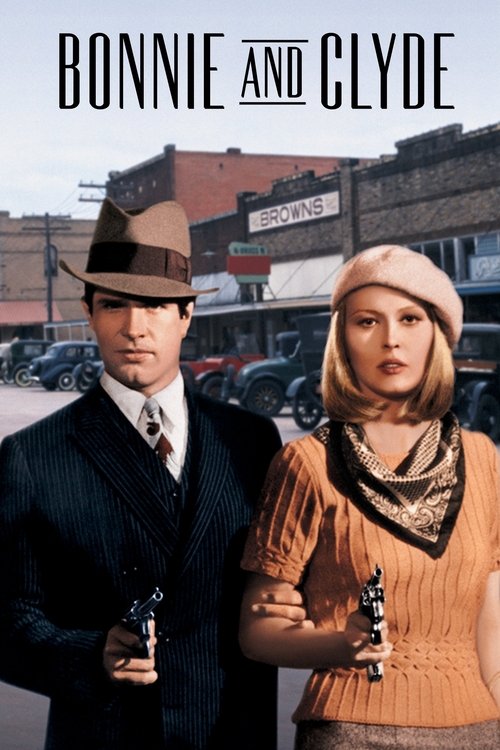
Bonnie and Clyde
1967In the 1930s, bored European-American waitress Bonnie Parker falls in love with a European-American ex-con named Clyde Barrow and together they start a violent crime spree through the country, stealing cars and robbing banks.
In a brief but electric screen debut, Wilder brings a jittery, nervous energy that momentarily halts the film's violent momentum. He manages to leave an indelible mark on the New Hollywood movement by injecting a grounded, Everyman vulnerability into a world of stylized outlaws.
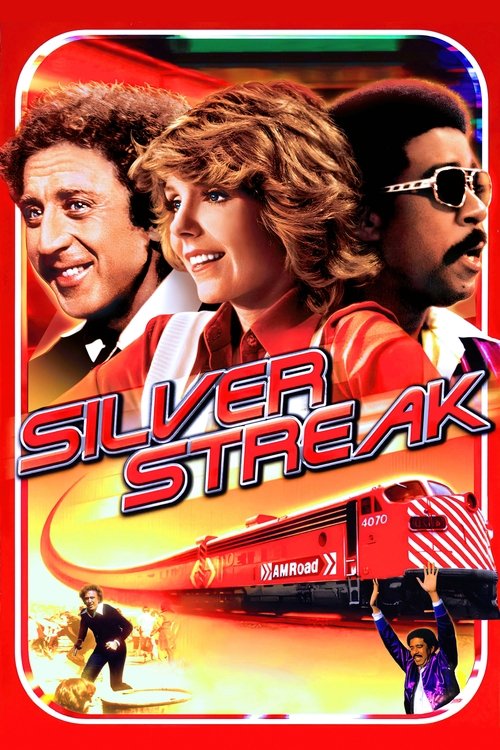
Silver Streak
1976A somewhat daffy book editor on a rail trip from Los Angeles to Chicago thinks that he sees a murdered man thrown from the train. When he can find no one who will believe him, he starts doing some investigating of his own. But all that accomplishes is to get the killer after him.
Marking the birth of a legendary comedic partnership with Richard Pryor, Wilder navigates this Hitchcockian homage with a perfect blend of romantic charm and physical desperation. His ability to anchor the rising stakes of an action-adventure while maintaining his neurotic edge proved his versatility in the mainstream.
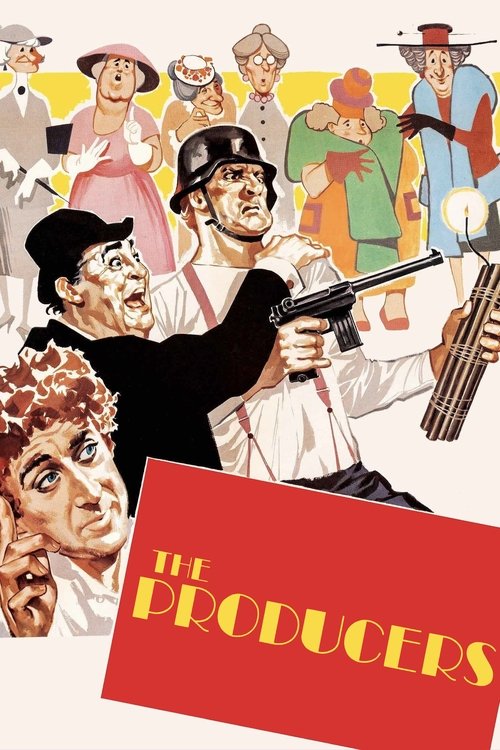
The Producers
1968A conniving Broadway producer and his meek accountant plan to profit from charming wealthy old biddies to invest in an overbudget production, and then put on a sure-fire disaster, so nobody will ask for their money back — and what's more disastrous than a tasteless musical celebrating Adolf Hitler.
This breakout role introduced the world to Wilder’s singular brand of high-anxiety comedy, characterized by a blue blanket and a panic attack for the ages. He captures the frantic energy of a suppressed man finally breaking, establishing the neurotic archetype he would refine for decades.
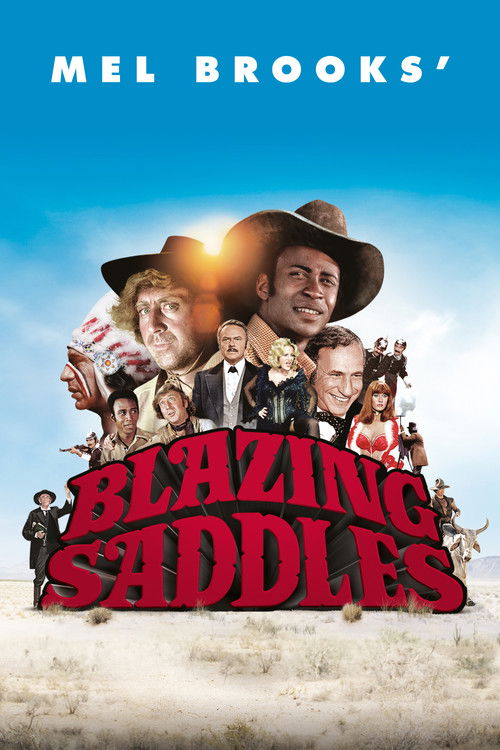
Blazing Saddles
1974A town—where everyone seems to be named Johnson—stands in the way of the railroad. In order to grab their land, robber baron Hedley Lamarr sends his henchmen to make life in the town unbearable. After the sheriff is killed, the town demands a new sheriff from the Governor, so Hedley convinces him to send the town the first black sheriff in the west.
As the Waco Kid, Wilder provides the cool, laconic counterpoint to the film's frenetic social satire. His understated delivery and weary charisma demonstrated a remarkable range, showing he could steal scenes just as effectively through stillness as through shouting.
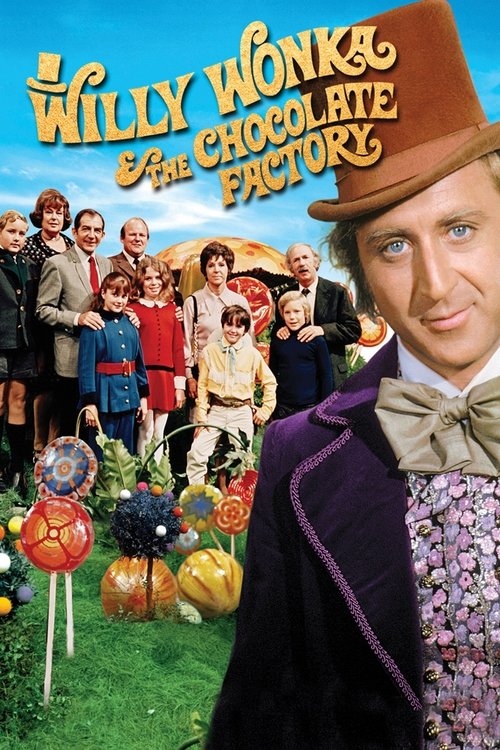
Willy Wonka & the Chocolate Factory
1971When eccentric candy man Willy Wonka promises a lifetime supply of sweets and a tour of his chocolate factory to five lucky kids, penniless Charlie Bucket seeks the golden ticket that will make him a winner.
Through a masterclass in calculated ambiguity, Wilder crafts a candy mogul who is simultaneously whimsical and profoundly unsettling. It is a transformative turn that weaponized his penchant for sudden tonal shifts, cementing his status as a titan of eccentric character acting.
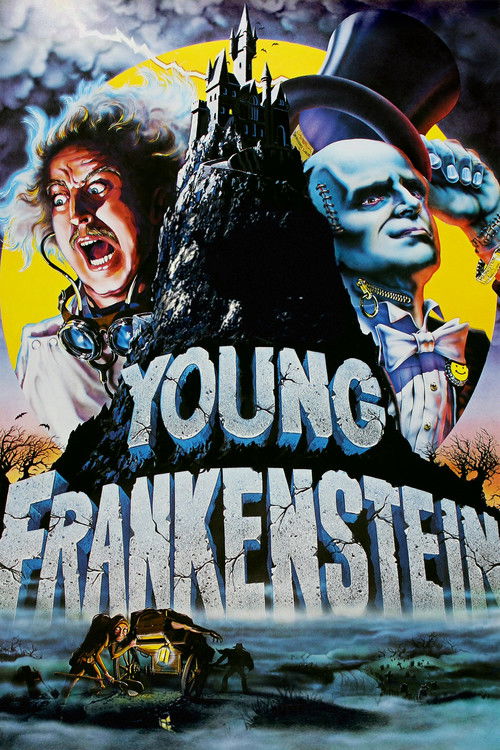
A young neurosurgeon inherits the castle of his grandfather, the famous Dr. Victor von Frankenstein. In the castle he finds a funny hunchback, a pretty lab assistant and the elderly housekeeper. Young Frankenstein believes that the work of his grandfather was delusional, but when he discovers the book where the mad doctor described his reanimation experiment, he suddenly changes his mind.
Wilder achieves a manic, intellectual peak as Dr. Fronkonsteen, balancing explosive hysteria with a surprising undercurrent of pathos. This remains his definitive collaboration with Mel Brooks, proving he could anchor a chaotic parody with genuine heart and leading-man gravitas.
Frequently Asked Questions
Everything you need to know about this list and SnakeDrafts
- Young Frankenstein is the acclaimed Gene Wilder film where he teams up with director Mel Brooks to parody the classic Frankenstein tale. The comedy brilliantly blends horror tropes with Wilder's signature frantic vulnerability, making it a must-watch for fans of his work.
- Gene Wilder's portrayal of Willy Wonka in Willy Wonka & the Chocolate Factory combined whimsy with a subtle edge of mystery, deeply influencing how the character is perceived in popular culture. His performance brought a unique balance of charm and intrigue that continues to captivate audiences across generations.
- Gene Wilder and Mel Brooks frequently explored comedy through satire and parody, often blending absurd humor with clever social commentary. Movies like Blazing Saddles and The Producers highlight Wilder's ability to convey neurotic charm alongside Brooks' sharp, irreverent wit.
- Gene Wilder directed films such as The Woman in Red and The Adventure of Sherlock Holmes' Smarter Brother, demonstrating his talents beyond acting. These movies allowed him to craft comedic narratives infused with his characteristic whimsical style and emotional depth.
- Silver Streak is the crime-comedy film featuring Gene Wilder that mixes elements of romance, thriller, and action. This film showcases Wilder's ability to transition smoothly between comedic timing and suspenseful storytelling.
- Yes, Gene Wilder starred in Start the Revolution Without Me, a historical comedy that parodies the French Revolution era with his trademark blend of humor and neurotic energy. This film is an example of his versatility in tackling various comedic sub-genres.
- The Frisco Kid stands out as an adventurous western comedy that stars Gene Wilder, blending humor with heartfelt drama. This film highlights his skill in balancing lighthearted comedy with deeper emotional themes.