Richard Lester's Top Films Ranked
The Visionary of Swinging London and Action Cinema
Explore the essential films of Richard Lester, from Beatles classics to groundbreaking superhero sequels and swashbuckling adventures.
About Richard Lester
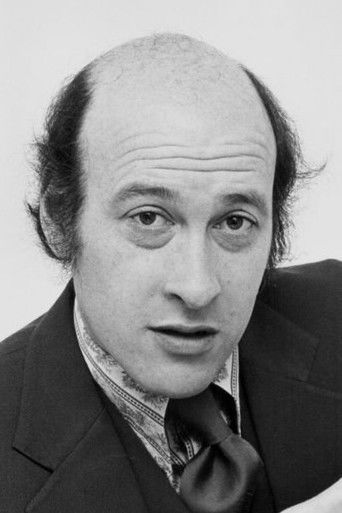
Richard Lester didn't just film the sixties; he invented the visual grammar that allowed the decade to move at the speed of light. An American expatriate working with a jazzman's sense of timing in London, he dismantled the rigid traditions of British cinema and replaced them with a frantic, irreverent energy that felt like a brick through a window. To watch his work is to witness a perpetual motion machine where the jokes land as fast as the jump cuts, and the camera is never quite content to sit still.
His arrival as a cultural force came via A Hard Day's Night, a film that effectively fathered the modern music video. By capturing the Beatles not as untouchable icons but as harried, witty boys caught in a whirlwind of their own making, he grounded their surreal stardom in a documentary-style kineticism. He followed this with Help!, trading black-and-white grit for a pop-art kaleidoscope that predicted everything from Monty Python to Edgar Wright. In these films, Lester proved that the medium could be as playful and unpredictable as the music it depicted.
Beyond the musical mayhem, his signature style relied on a sophisticated sense of organized chaos. He was a master of the multi-camera setup, often hiding cameras in bushes or behind pillars to capture actors in moments of genuine, unscripted frenzy. This technique breathed a wild, lived-in air into The Three Musketeers and its sequel, The Four Musketeers. These aren't the stiff, theatrical swashbucklers of the golden age. Instead, they are mud-caked, slapstick epics where the swordsmanship feels dangerous and the humor feels modern. He treated the 17th century with the same frantic cynicism he applied to the mod London of The Knack... and How to Get It, proving that his vision was less about a specific era and more about the beautiful absurdity of human behavior.
While he is often celebrated for his wit, a streak of melancholy runs beneath his faster-paced work. In Robin and Marian, he tore down the legend of Sherwood Forest to reveal a heartbreaking, weary romance between two aging icons. It is a quiet masterpiece that showcases his ability to pivot from zany spectacle to profound human frailty. Even in his blockbusters, like the inventive and rescue-heavy Superman II, there is a distinct lack of pomposity. He understood that icons are most interesting when they are knocked off their pedestals or forced to deal with the messy reality of the physical world.
Whether he was navigating the claustrophobic tension of a bomb-threatened ship in Juggernaut or exploring the fractured, kaleidoscopic heartbreak of Petulia, his lens remained unflinching and distinct. He possessed a rare ability to blend high-concept farce with high-stakes drama, all while maintaining a visual pace that most directors are still trying to catch up with. Richard Lester remains the great architect of the frantic frame, a filmmaker who realized that life is too fast and too strange to ever be captured with a stationary camera.
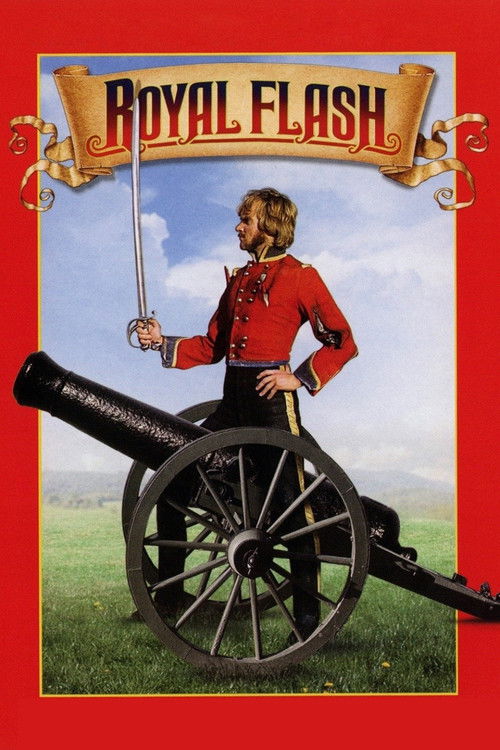
Royal Flash
1975Cowardly rogue Harry Flashman's (Malcolm McDowell) schemes to gain entry to the royal circles of 19th-century Europe go nowhere until he meets a pair of devious nobles with their own agenda. At their urging, Flashman agrees to re-create himself as a bogus Prussian nobleman to woo a beautiful duchess. But the half-baked plan quickly comes unraveled, and he's soon on the run from several new enemies who are all calling for the rapscallion's head.
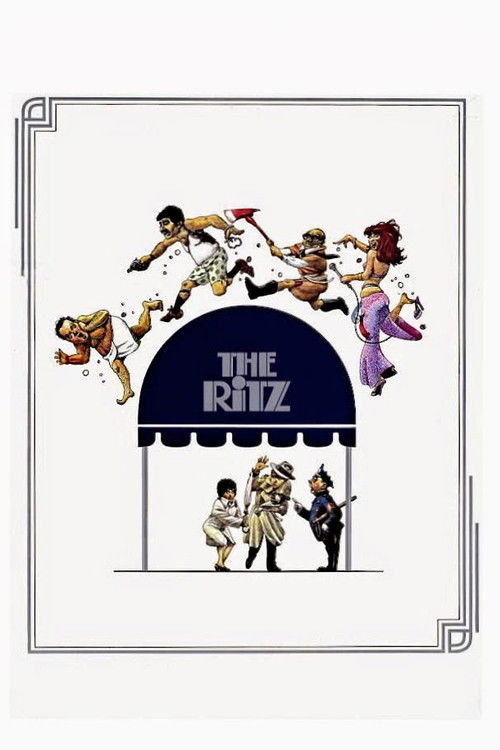
The Ritz
1976To escape from a mobster, businessman Gaetano Proclo orders a cab driver to take him to a place where he can't be found. Unfortunately for Gaetano, the place turns out to be a gay bathhouse.
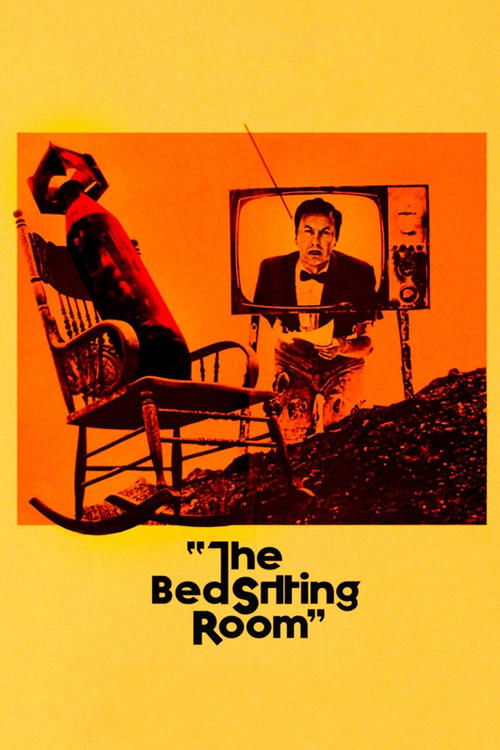
The Bed Sitting Room
1969In the hazy aftermath of World War III, the fallout from a 'nuclear misunderstanding' is producing strange mutations amongst the survivors, and the noble Lord Fortnum finds himself transforming into a bed sitting room.
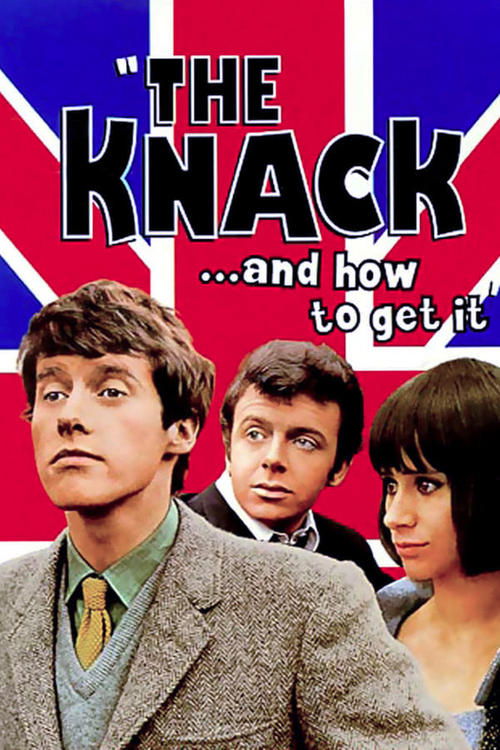
The Knack... and How to Get It
1965A nebbish schoolteacher begs his smooth (and misogynistic) pal to teach him 'the knack' – how to score with women. Serendipitously, the men meet up with a new girl in town, as well as a friendly lunatic who can’t help but paint things white.
A quintessential artifact of Mod culture, this film showcases Lester’s talent for turning linguistic banter into a visual playground. His use of Fourth Wall breaks and stylized montage captures the fleeting, restless spirit of London’s youth revolution.
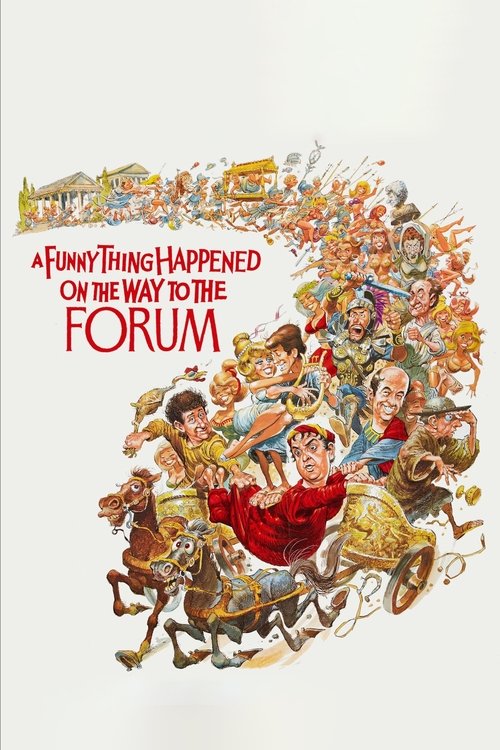
A Funny Thing Happened on the Way to the Forum
1966A wily slave must unite a virgin courtesan and his young smitten master to earn his freedom.
Lester translates the stage musical into a frantic cinematic riot, using zoom lenses and rapid-fire editing to emphasize the frantic nature of Roman farce. His irreverent style purposefully clashes with the classical setting to create a unique, anachronistic energy.
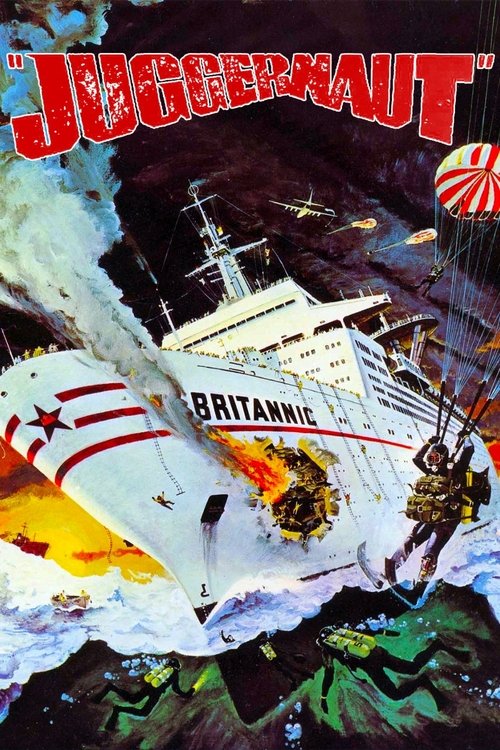
Juggernaut
1974A terrorist demands a huge ransom in exchange for information on how to disarm the seven bombs he has planted aboard a trans-Atlantic cruise ship. Inspired by real events.
In this taut procedural, Lester applies his documentary-style naturalism to the high-stakes thriller, eschewing typical genre bombast for cold, clinical tension. It remains a masterclass in claustrophobic pacing and technical precision.
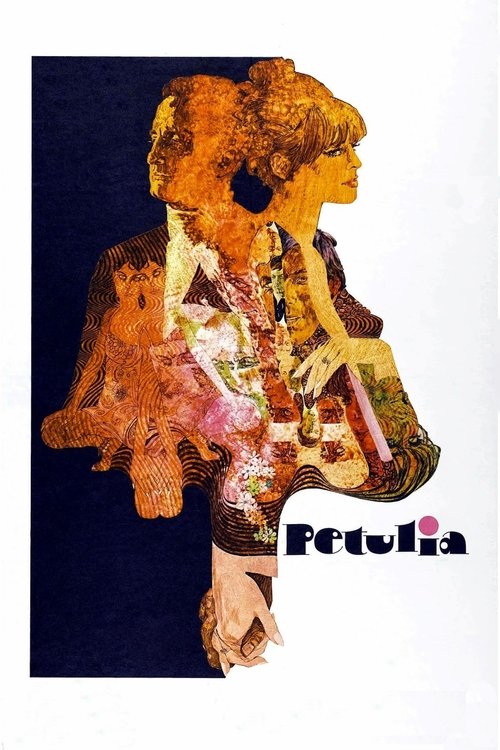
Petulia
1968Dr. Archie Bollen is having a midlife crisis. He's just divorced his wife and is establishing a new life for himself. One night, he catches the eye of Petulia Danner, a charming, free-spirited young woman. Petulia's vibrant personality hides her fear of her abusive husband, David, whose father is a powerful society figure. As Petulia and Archie's feelings for each other grow, they must decide what it is they truly want.
This fragmented, challenging masterpiece serves as Lester’s most sophisticated critique of the Swinging Sixties’ hollow core. By utilizing a non-linear structure and jarring temporal jumps, he captures a specific sense of urban alienation and emotional dislocation.
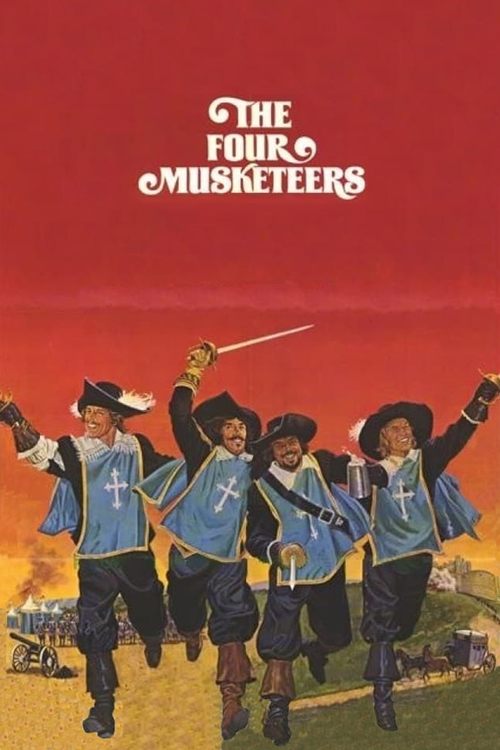
The Four Musketeers
1974The Four Musketeers defend the queen and her dressmaker from Cardinal Richelieu and Milady de Winter.
Darker and more politically biting than its predecessor, this sequel highlights Lester’s ability to transition from slapstick to tragedy without losing his satirical edge. It cements his vision of the past as a place of grit, sweat, and moral ambiguity rather than simple heroism.
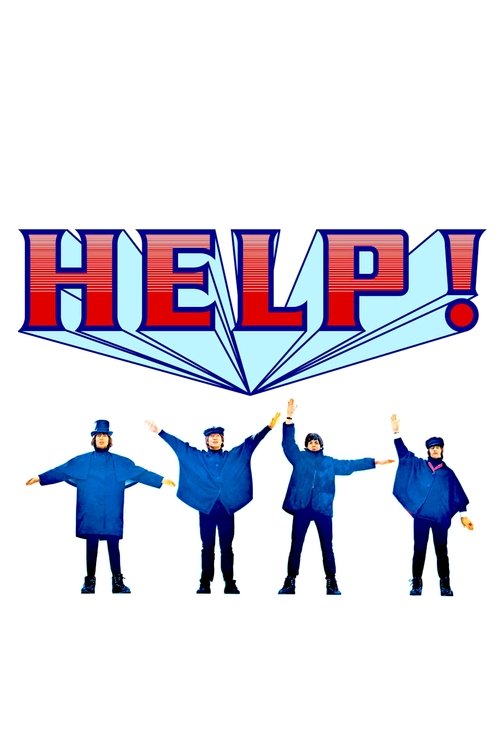
Help!
1965An obscure Eastern cult that practices human sacrifice pursues Ringo after he unknowingly puts on a ceremonial ring (that, of course, won't come off). On top of that, a pair of mad scientists, members of Scotland Yard, and a beautiful but dead-eyed assassin all have their own plans for the Fab Four.
Lester leans into pure surrealism and pop-art vibrance, sacrificing the grounded charm of his previous effort for a kaleidoscopic exercise in visual gags. It stands as a pinnacle of 1960s aesthetic excess, showcasing a director in total command of experimental editing and absurdist timing.
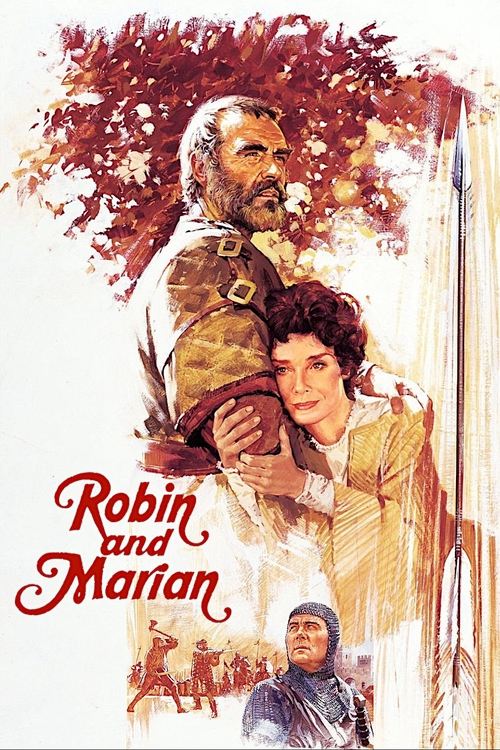
Robin and Marian
1976Robin Hood, aging none too gracefully, returns exhausted from the Crusades to woo and win Maid Marian one last time.
A hauntingly elegiac departure from his typical manic pace, this film strips away the legend of Sherwood Forest to reveal the autumnal ache of aging heroes. Lester proves his mastery over tone here, balancing a brutal realism with a tender, heartbreaking intimacy.
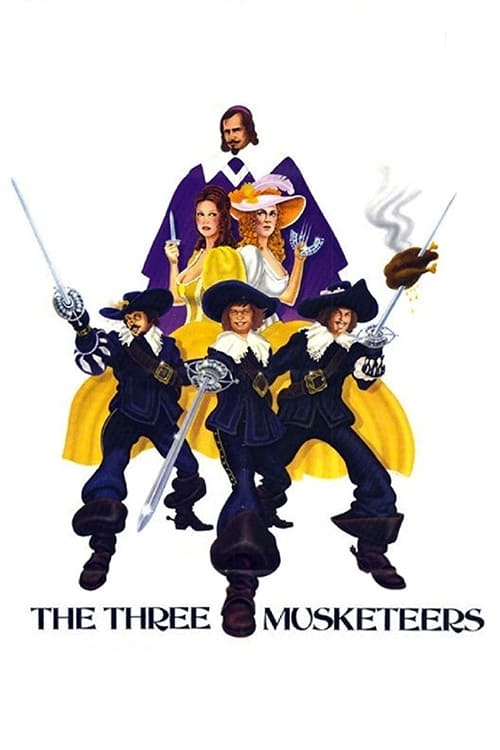
The Three Musketeers
1973In 17th century France, young D'Artagnan wants to join the King's Musketeers, but instead befriends three legendary musketeers—Athos, Porthos, and Aramis—and together, they become embroiled in the political intrigue surrounding King Louis XIII and his adversaries, particularly the powerful Cardinal Richelieu.
This is a muddy, visceral rejection of Hollywood's sanitized swashbucklers, favoring chaotic choreography and lived-in production design over choreographed grace. Lester’s frantic cutting and cynical eye find the grim absurdity buried within Dumas’s romantic artifice.
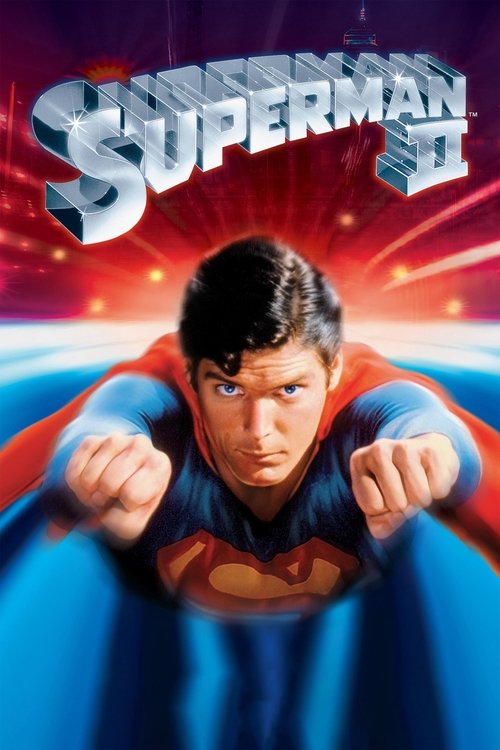
Superman II
1980Three Kryptonian criminals led by General Zod team up with Lex Luthor to conquer Earth, forcing a depowered Superman to regain his strength and stop them.
Moving away from the operatic myth-making of the first installment, Lester injects a palpable sense of slapstick and human vulnerability into the superhero genre. His preference for improvisational textures and physical comedy makes the cosmic stakes feel unusually grounded and irreverent.
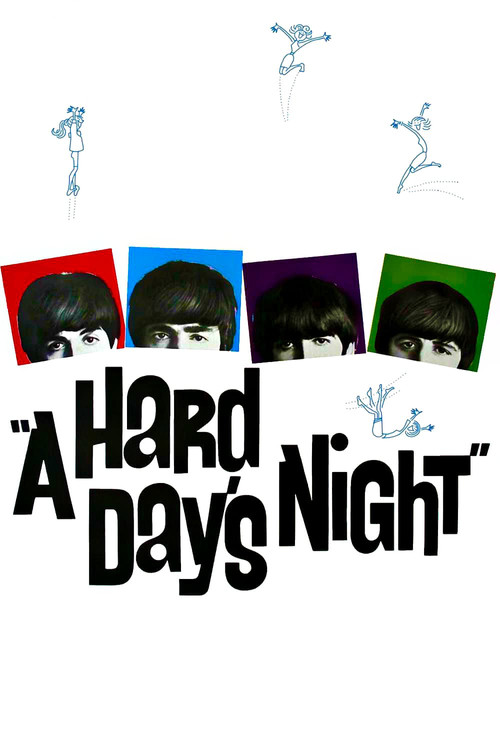
A Hard Day's Night
1964Capturing John Lennon, Paul McCartney, George Harrison and Ringo Starr in their electrifying element, 'A Hard Day's Night' is a wildly irreverent journey through this pastiche of a day in the life of The Beatles during 1964. The band have to use all their guile and wit to avoid the pursuing fans and press to reach their scheduled television performance, in spite of Paul's troublemaking grandfather and Ringo's arrest.
Lester effectively invented the modern music video by treating the camera as a frantic participant rather than a static observer. This masterpiece of French New Wave energy and British dry wit remains the definitive document of pop stardom as a kinetic, joyous prison.
Frequently Asked Questions
Everything you need to know about this list and SnakeDrafts
- Richard Lester is known for his energetic, irreverent style that blends fast-paced editing with a jazz-like sense of timing. This style is evident in films like "A Hard Day's Night" and "Help!", where rapid jump cuts and playful camera work create a dynamic viewing experience that redefined 1960s cinema.
- Lester made a significant mark on the superhero genre with "Superman II," directing the thrilling and character-driven sequel that balanced action, adventure, and emotional depth. His direction brought a unique blend of excitement and humanity to a blockbuster superhero film, influencing future genre entries.
- Adventure and comedy are central themes in Lester's work, often combined to create lighthearted yet action-packed narratives. Movies like "The Three Musketeers" and "The Four Musketeers" showcase his talent for mixing swashbuckling action with humor and romance, refreshing classic stories with his signature style.
- Lester's collaborations with The Beatles in "A Hard Day's Night" and "Help!" were groundbreaking, capturing the band's charm and cultural impact with innovative filmmaking techniques. These films not only boosted The Beatles' cinematic legacy but also influenced music and comedy films with their inventive style.
- Richard Lester skillfully blends genres such as comedy, romance, adventure, and even science fiction to create multifaceted films that appeal to diverse audiences. For instance, "The Bed Sitting Room" combines comedy and science fiction, while "Petulia" mixes drama and romance, showcasing his versatility and inventiveness.
- In "Petulia," Lester explores complex emotional and social themes, including love and disconnection within the modern world. This film marks a departure from his more comedic works, highlighting his ability to handle serious subject matter with nuance and stylistic flair.
- Lester revolutionized British cinema by breaking away from traditional, rigid storytelling and introducing a lively, fast-paced narrative style. His films, such as "The Knack... and How to Get It," brought a fresh and youthful energy to the British film scene of the 1960s and 1970s.