Every Quentin Tarantino Movie Ranked
Master of Dialogue and Stylized Cinematic Violence
Explore the definitive filmography of Quentin Tarantino, featuring his most iconic theatrical releases from cult classics to Academy Award winners.
About Quentin Tarantino
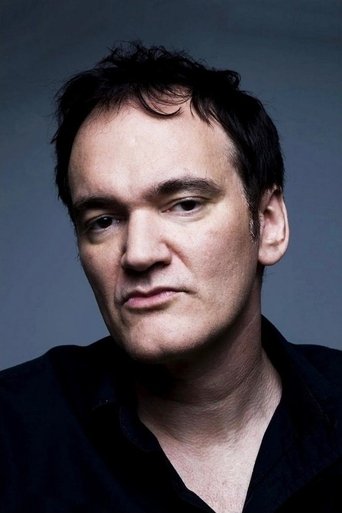
In the early nineties, a video store clerk from Manhattan Beach walked onto the Sundance stage and effectively rewrote the rules of the American crime film. Without formal training, Quentin Tarantino relied on a relentless, encyclopedic obsession with cinema history to forge a style that felt both ancient and shockingly new. He treats celluloid like a DJ treats a vinyl collection, sampling the grit of seventies blaxploitation, the kinetic energy of Hong Kong action, and the tension of spaghetti westerns to create something entirely singular. To watch one of his films is to step into a universe where every character is an expert conversationalist and every silence is a powder keg waiting for a match.
His debut, Reservoir Dogs, established the blueprint for this aesthetic. It was a heist movie where the heist happened off-screen, replaced by hyper-articulate gangsters debating the hidden meanings of pop songs. This obsession with the rhythm of language reached its zenith in Pulp Fiction, a non-linear tapestry that transformed mundane conversations about cheeseburgers into iconic snippets of cultural currency. He understands that audiences are often more captivated by what a character says before they pull the trigger than the act of violence itself. His scripts move with a musicality, punctuated by sudden, explosive bursts of stylized mayhem that remind the viewer they are watching a movie, not a documentary.
As his career progressed, his ambitions shifted from the streets of Los Angeles toward the grand theater of historical revisionism. In Inglourious Basterds, he proved that a camera could do what history books could not, using the medium to offer a cathartic, violent reimagining of World War II. This streak continued with Django Unchained, a sprawling, tonal tightrope walk that used the tropes of the western to confront the horrors of American slavery through a lens of stylized vengeance. These films showcase his unique ability to marry high-concept genre thrills with deeply researched period details, all while maintaining a subversive, playful edge.
Even when he slows down to examine the weary soul of a middle-aged woman in Jackie Brown or traps a group of suspicious travelers in the snowy claustrophobia of The Hateful Eight, his fingerprints are unmistakable. He favors tactile filmmaking, championing 35mm and 70mm film stock in an increasingly digital world. This reverence for the physical craft of moviemaking shines brightest in Once Upon a Time in Hollywood, a love letter to a fading era of Tinseltown that feels more like a hazy dream than a standard narrative. Whether he is splitting a revenge epic into the two-part martial arts extravaganza of Kill Bill or staging a high-speed automotive slasher in Death Proof, he remains the ultimate fanboy turned maestro. He has built a legacy on the idea that movies should be cool, loud, and unapologetically obsessed with their own existence. He does not just direct stories; he manufactures myths.
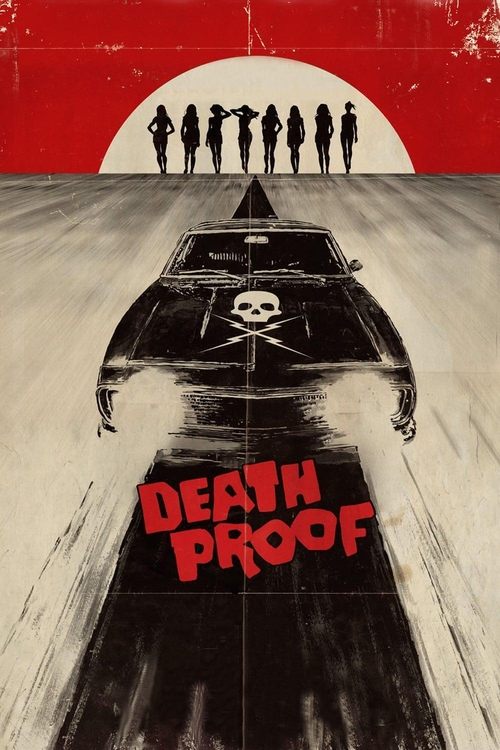
Death Proof
2007Austin's hottest DJ, Jungle Julia, sets out into the night to unwind with her two friends Shanna and Arlene. Covertly tracking their moves is Stuntman Mike, a scarred rebel leering from behind the wheel of his muscle car, revving just feet away.
A fetishistic immersion into the grindhouse tradition, this high-octane experiment celebrates the tactile thrill of practical stunts and analogue filmmaking. While niche in its appeal, it stands as a purist’s appreciation for the mechanical grace of the chase and the resilience of the female archetype.
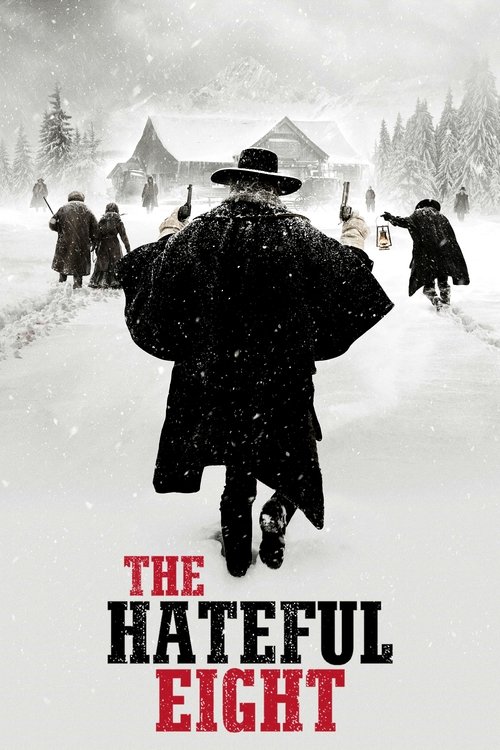
Bounty hunters seek shelter from a raging blizzard and get caught up in a plot of betrayal and deception.
This claustrophobic chamber piece returns to the director's theatrical roots, utilizing a snowbound landscape to isolate the worst impulses of humanity. Filmed in ultra-wide proportions to capture the intimacy of suspicion, it serves as a cynical, biting critique of post-war sociopolitical rot.
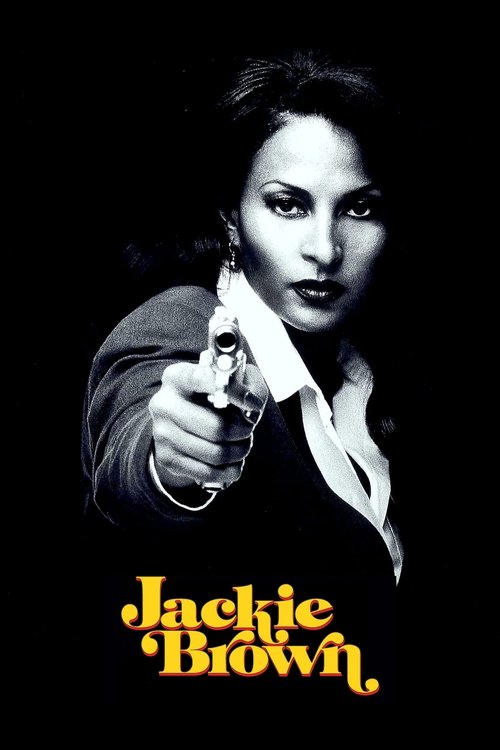
Jackie Brown
1997Jackie Brown is a flight attendant who gets caught in the middle of smuggling cash into the country for her gunrunner boss. When the cops try to use Jackie to get to her boss, she hatches a plan — with help from a bail bondsman — to keep the money for herself.
Demonstrating a sophisticated restraint, this adaptation trades flash for a soulful, mid-tempo groove that prioritizes adult stakes and lived-in textures. It remains a testament to the director's versatility, proving he could master the rhythmic subtleties of the heist-thriller without sacrificing his distinct authorial voice.
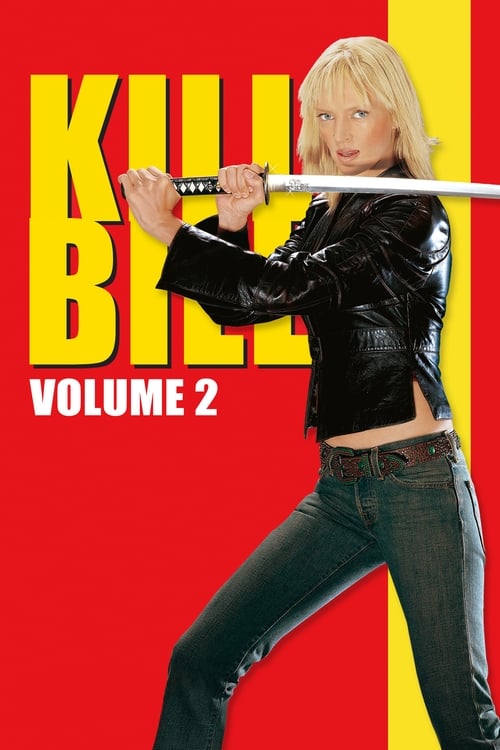
The Bride unwaveringly continues on her roaring rampage of revenge against the band of assassins who had tried to kill her and her unborn child. She visits each of her former associates one-by-one, checking off the victims on her Death List Five until there's nothing left to do … but kill Bill.
Where its predecessor prioritized the blade, this conclusion leans into the resonance of the spoken word and the emotional exhaustion of an arc nearing its end. It matures the revenge saga into a character study that balances myth-making with surprising domestic intimacy.
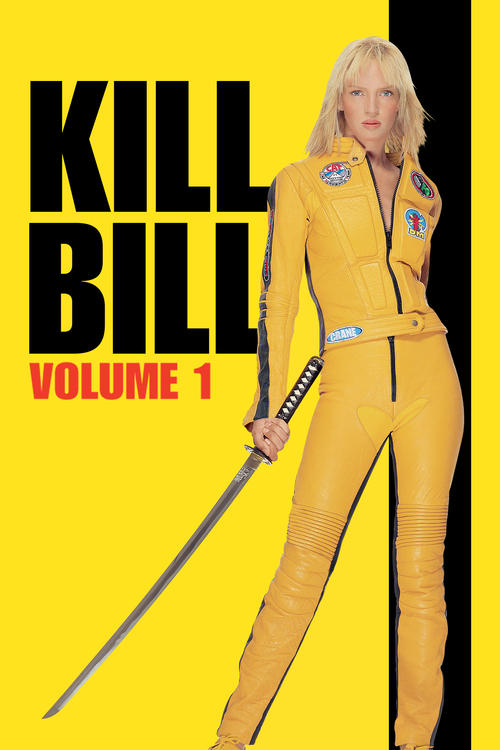
An assassin is shot by her ruthless employer, Bill, and other members of their assassination circle – but she lives to plot her vengeance.
A hyper-kinetic love letter to Chanbara and Shaw Brothers classics, this volume strips away traditional narrative density in favor of pure, aestheticized motion. It serves as the director’s most visceral exercise in sheer technical choreography and kinetic color palettes.
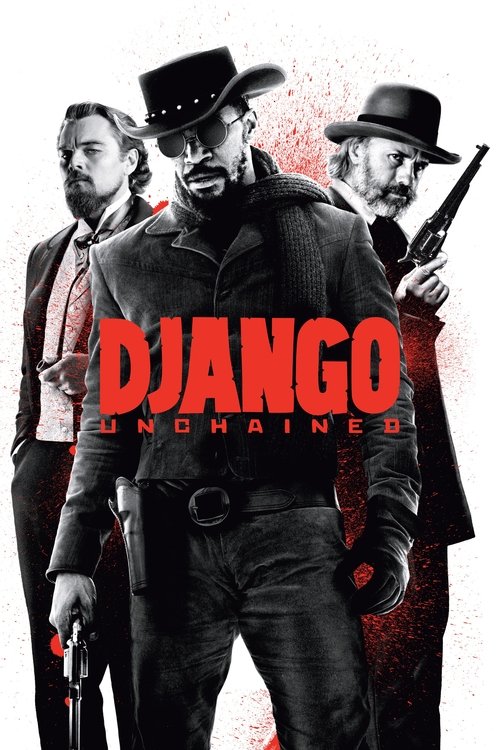
Django Unchained
2012With the help of a German bounty hunter, a freed slave sets out to rescue his wife from a brutal Mississippi plantation owner.
Operating at a scale of operatic audacity, this subverted Western interrogates America’s original sin through the lens of spaghetti-western visual flair. It stands as a ferocious exploration of justice and reclamation, proving that a stylized spectacle can still carry heavy thematic weight.
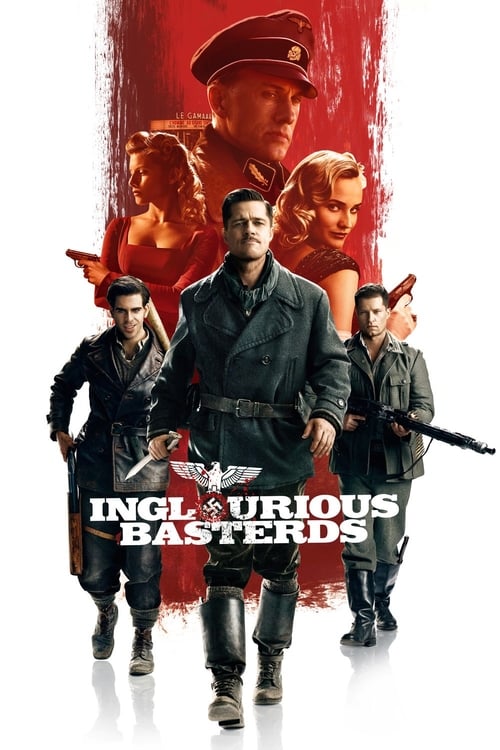
In Nazi-occupied France during World War II, a group of Jewish-American soldiers known as "The Basterds" are chosen specifically to spread fear throughout the Third Reich by scalping and brutally killing Nazis. The Basterds, lead by Lt. Aldo Raine soon cross paths with a French-Jewish teenage girl who runs a movie theater in Paris which is targeted by the soldiers.
This revisionist epic weaponizes the cinematic medium itself, suggesting that the power of projection can rewrite the scars of history. Through tense, multi-lingual set pieces, the film displays a masterful command of suspense that culminates in a pyrotechnic catharsis unlike anything else in the genre.
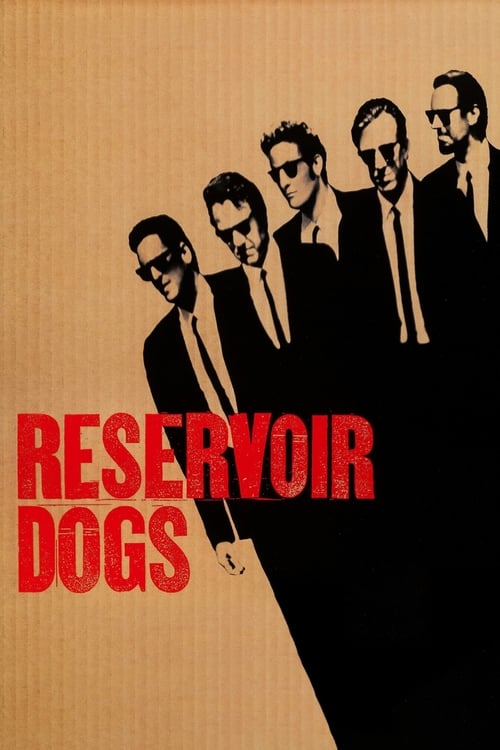
Reservoir Dogs
1992A botched robbery indicates a police informant, and the pressure mounts in the aftermath at a warehouse. Crime begets violence as the survivors -- veteran Mr. White, newcomer Mr. Orange, psychopathic parolee Mr. Blonde, bickering weasel Mr. Pink and Nice Guy Eddie -- unravel.
Minimalist in setting but maximalist in dialogue, this debut established the archetype for the heist film where the crime is secondary to the interpersonal friction. It is a masterclass in tension and spatial dynamics that proved a visionary voice had arrived to disrupt the status quo.
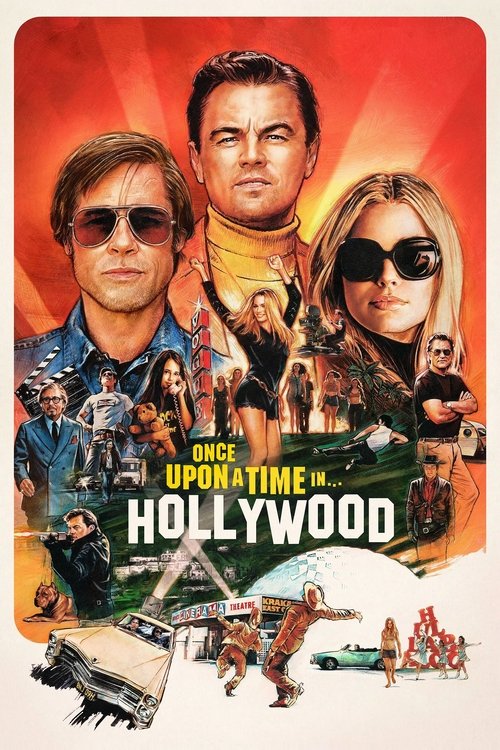
Los Angeles, 1969. TV star Rick Dalton, a struggling actor specializing in westerns, and stuntman Cliff Booth, his best friend, try to survive in a constantly changing movie industry. Dalton is the neighbor of the young and promising actress and model Sharon Tate, who has just married the prestigious Polish director Roman Polanski…
This melancholic reverie captures a fading era with tactile precision, functioning as a sun-drenched fairy tale about the industry’s own transience. It is a rare, leisurely exploration of atmosphere where the director trades his signature frantic energy for a poignant, contemplative sense of place.
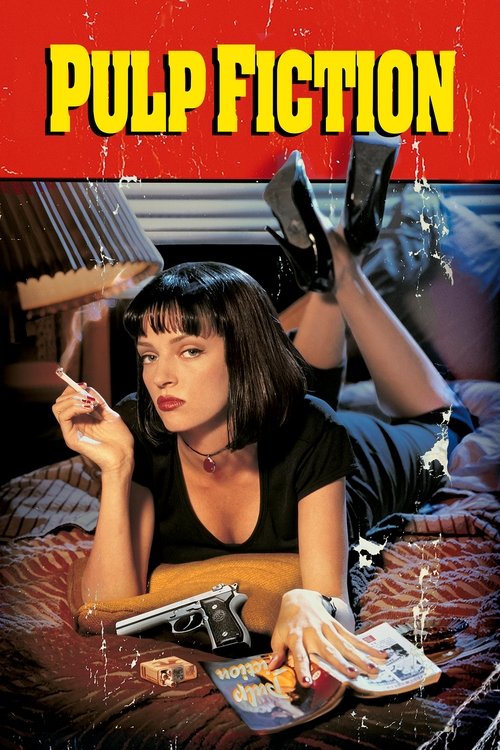
Pulp Fiction
1994A burger-loving hit man, his philosophical partner, a drug-addled gangster's moll and a washed-up boxer converge in this sprawling, comedic crime caper. Their adventures unfurl in three stories that ingeniously trip back and forth in time.
A tectonic shift in independent cinema, this non-linear mosaic fused high-brow philosophical inquiry with gritty street fatigue to redefine the post-modern aesthetic. It remains the ultimate manifesto of the director's ability to transmute recycled pop culture debris into a singular work of high art.
Frequently Asked Questions
Everything you need to know about this list and SnakeDrafts
- Tarantino's films often delve into themes of crime, revenge, and justice, with frequent settings in gritty urban environments or historical contexts. His movies combine intense drama with sharp dialogue and dark humor, evident in titles like 'Reservoir Dogs' and 'Django Unchained.'
- 'Once Upon a Time... in Hollywood' offers a nostalgic look at 1960s Hollywood, blending comedy, drama, and thriller elements with a more reflective tone compared to Tarantino's earlier, more violent and fast-paced crime films. It stands out for its exploration of the film industry's golden era and complex character relationships.
- 'Pulp Fiction' is renowned for its nonlinear narrative, eclectic dialogue, and blend of crime with dark comedy. These stylistic choices revolutionized American cinema, influencing many filmmakers and solidifying Tarantino's reputation for innovative storytelling.
- 'Kill Bill: Vol. 1' focuses on high-energy action and stylized violence, while 'Vol. 2' delves deeper into character development and emotional storytelling. Together, they create a comprehensive tale of revenge and empowerment, showcasing Tarantino's versatility across action and drama genres.
- Tarantino reimagines historical events with a bold, revisionist approach, blending fact with fiction to create entertaining yet thought-provoking stories. Both films use history as a backdrop to explore themes of resistance and justice while delivering his signature stylized violence and memorable dialogue.
- 'Jackie Brown' stands out for its mature pacing and focus on complex character interactions rather than intense violence. This film pays homage to 1970s blaxploitation cinema and highlights Tarantino’s skill in adapting source material with a nuanced narrative.
- 'The Hateful Eight' is notable for its confined setting and suspenseful dialogue-driven plot, combining elements of mystery with classic Western motifs. It showcases Tarantino’s talent for building tension and character dynamics in a claustrophobic environment.
- Violence in Tarantino’s films is often stylized and serves as both a narrative and thematic device, enhancing the impact of revenge and justice motifs. From the raw brutality of 'Reservoir Dogs' to the choreographed fight sequences in 'Kill Bill,' violence is integral to his cinematic signature.