The Best Benicio del Toro Movies
From Criminal Masterminds to Oscar Winning Grit
Explore the definitive ranking of Benicio del Toro's greatest films, featuring his most iconic performances in gritty dramas and cult classics.
About Benicio del Toro
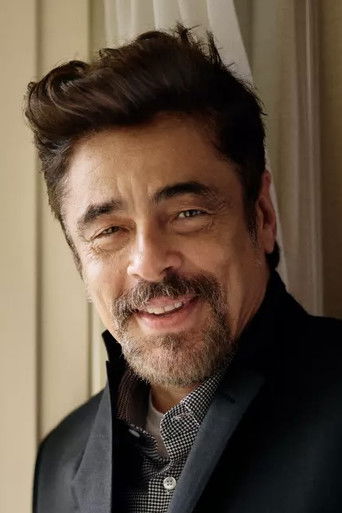
There is a specific kind of heavy-lidded magnetism that Benicio del Toro brought to the screen in the mid-nineties, a presence that felt less like traditional acting and more like a series of beautiful, calculated accidents. When he mumbled his way through The Usual Suspects, he transformed a throwaway henchman into a cult icon, proving that he didn't need clear articulation to steal a scene from a room full of heavy hitters. He operates with a physical mass and a restless intellect, a combination that makes him the last of the true moody sophisticates in Hollywood. He doesn't just inhabit a role; he haunts it, leaving behind a trail of smoke and unspoken history.
His career is defined by a refusal to stay in one lane. Many actors with his smoldering intensity would have spent decades played the romantic lead or the standard-issue villain, yet he chose to disappear into the psychedelic chaos of Fear and Loathing in Las Vegas, gaining weight and losing his vanity to match Johnny Depp’s manic energy. That fearless streak eventually led him to a career-defining turn in Traffic, where his quiet, moral struggle amidst the drug war earned him an Academy Award. It was a performance that anchored a sprawling epic, grounding the political noise in the weary eyes of a man just trying to do one right thing.
Audiences gravitate toward him because there is an inherent shadow in his portrayals. Whether he is playing the volatile Jack Jordan in 21 Grams or the revolutionary lead in the two-part Che biopic, he suggests a life lived off-camera that we aren't privy to. He conveys a soulful exhaustion that feels remarkably human. This gravitas allowed him to transition seamlessly into the blockbuster landscape, bringing a strange, regal eccentricity to the Marvel Cinematic Universe as The Collector in Guardians of the Galaxy and Avengers: Infinity War. He treats a galactic eccentric with the same internal rigor he applied to the brutal noir landscapes of Sin City or the psychological tension of The Pledge.
In recent years, he has mastered the art of the silent predator. His work in Sicario is a masterclass in economy, using stillness as a weapon. He moves through the frame like a ghost with a grudge, commanding the screen without needing to raise his voice. Even as he lends his distinctive vocal rasp to projects like The Little Prince, that signature weight remains. With upcoming turns in One Battle After Another and The Phoenician Scheme, he continues to seek out directors who understand that his best work often happens in the margins and the silences. He remains a rare commodity in a loud industry: a performer who understands that the most captivating thing an actor can do is keep a secret from the audience. He doesn't demand your attention; he waits for you to realize you can't look away.
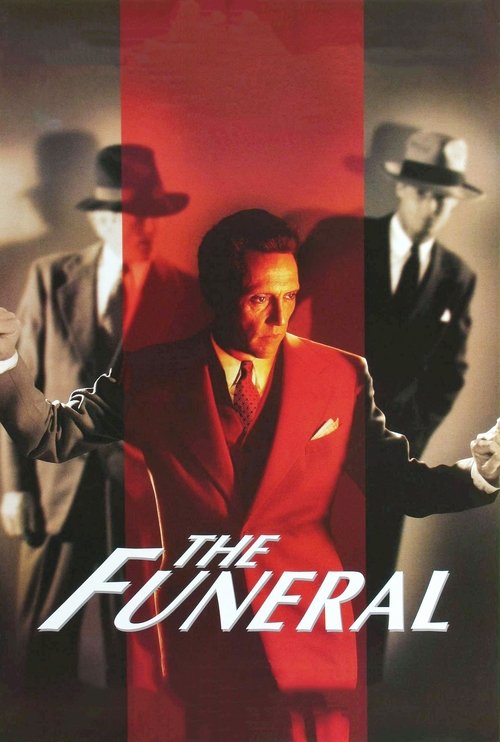
The Funeral
1996After the funeral of one of their own, a criminal family decides to embark on an emotionally unnerving journey in an attempt to exact bloody revenge.
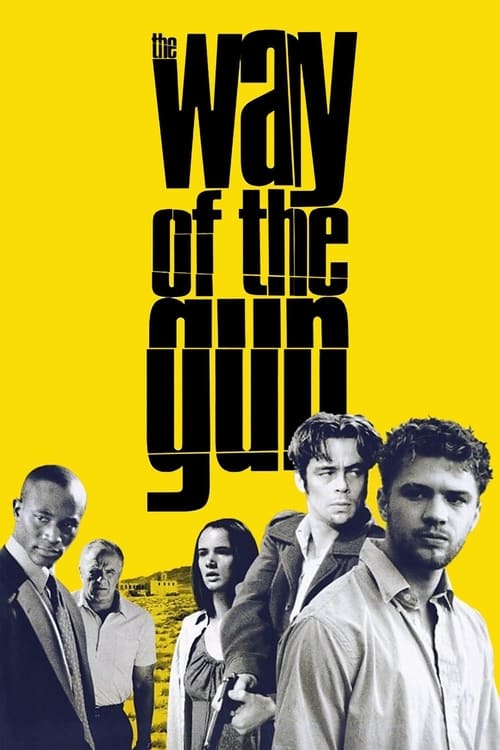
The Way of the Gun
2000Two criminal drifters without sympathy get more than they bargained for after kidnapping and holding for ransom the surrogate mother of a powerful and shady man.

A Perfect Day
2015Somewhere in the Balkans, 1995. A team of aid workers must solve an apparently simple problem in an almost completely pacified territory that has been devastated by a cruel war, but some of the local inhabitants, the retreating combatants, the UN forces, many cows and an absurd bureaucracy will not cease to put obstacles in their way.

Things We Lost in the Fire
2007A recent widow invites her husband's troubled best friend to live with her and her two children. As he gradually turns his life around, he helps the family cope and confront their loss.
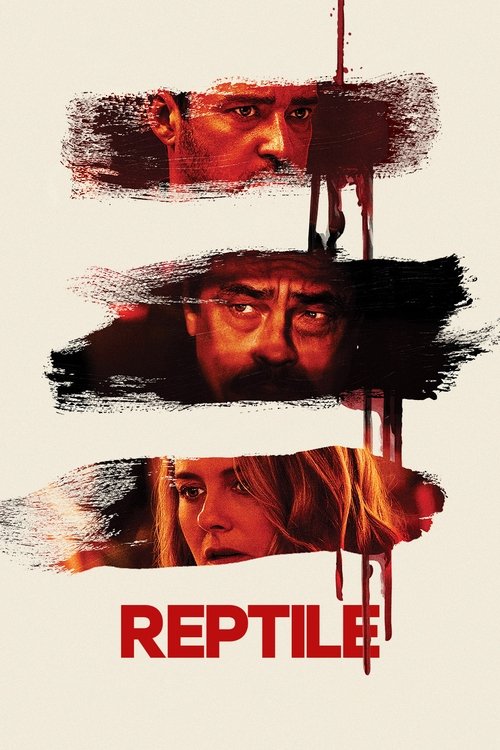
Reptile
2023Following the brutal murder of a young real estate agent, a hardened detective attempts to uncover the truth in a case where nothing is as it seems, and by doing so dismantles the illusions in his own life.
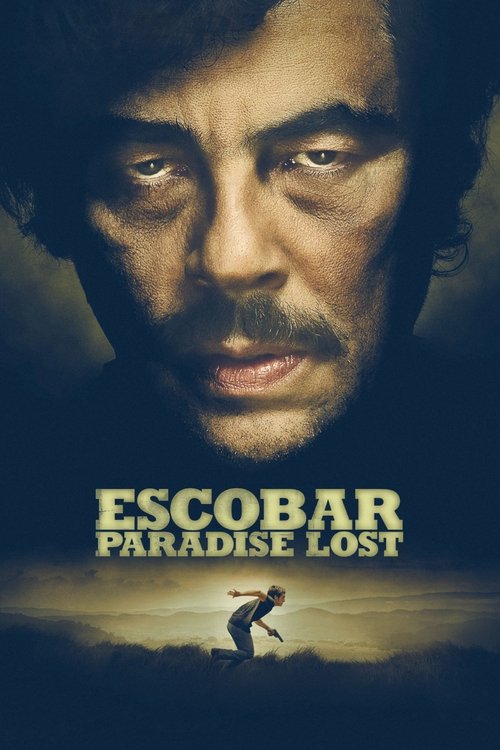
Escobar: Paradise Lost
2014For Pablo Escobar family is everything. When young surfer Nick falls for Escobar's niece, Maria, he finds his life on the line when he's pulled into the dangerous world of the family business.

The Little Prince
2015Based on the best-seller book 'The Little Prince', the movie tells the story of a little girl that lives with resignation in a world where efficiency and work are the only dogmas. Everything will change when accidentally she discovers her neighbor that will tell her about the story of the Little Prince that he once met.
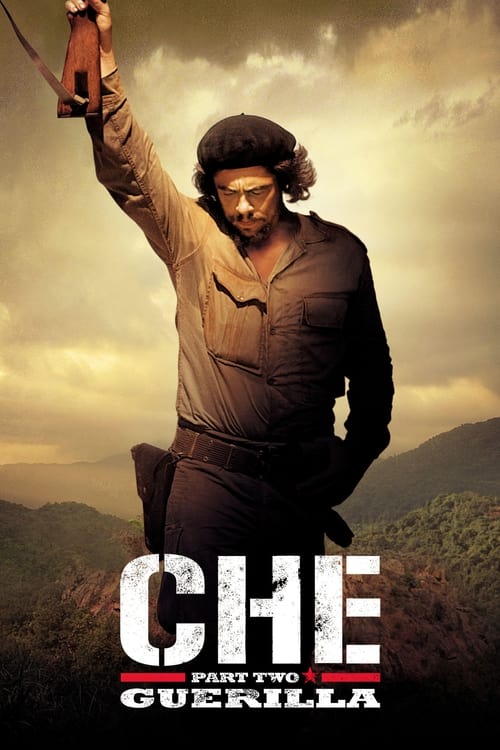
Che: Part Two
2008Seven years after his triumph in Cuba, Che winds up in Bolivia, where he tries to ignite the same revolutionary fires as before.

The Phoenician Scheme
2025Wealthy businessman Zsa-zsa Korda appoints his only daughter, a nun, as sole heir to his estate. As Korda embarks on a new enterprise, they soon become the target of scheming tycoons, foreign terrorists, and determined assassins.
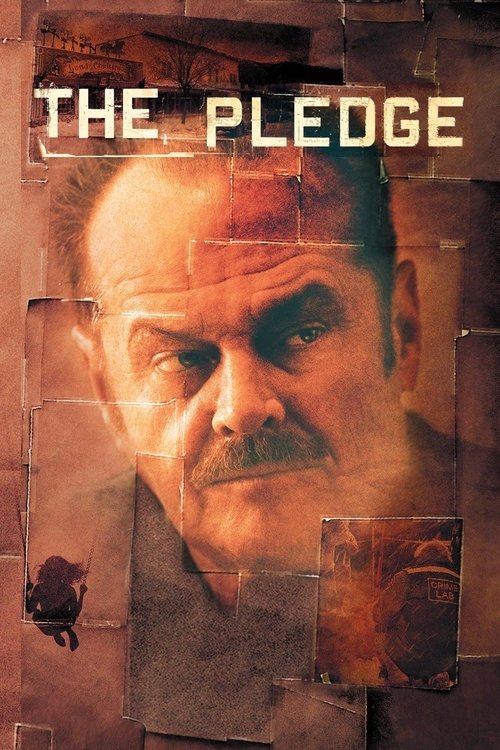
The Pledge
2001A police chief, about to retire, pledges to help a woman find her daughter's killer.
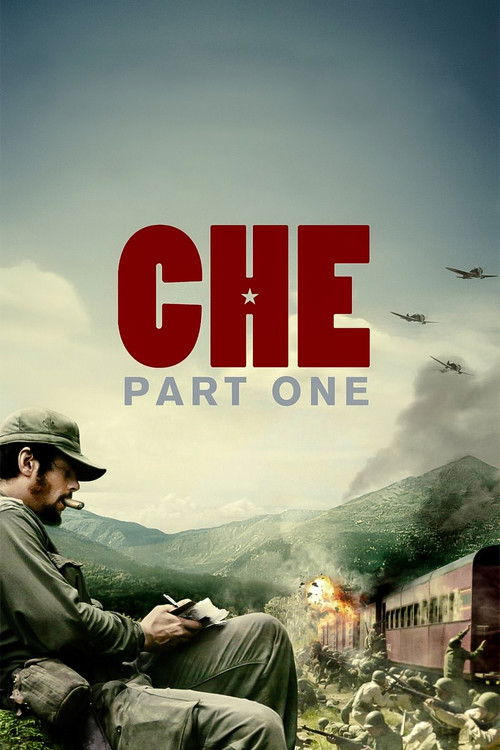
Che: Part One
2008Ernesto Guevara, known as 'Che', leads a group of Cuban exiles under Fidel Castro in a revolution to overthrow Fulgencio Batista, the dictator of Cuba.
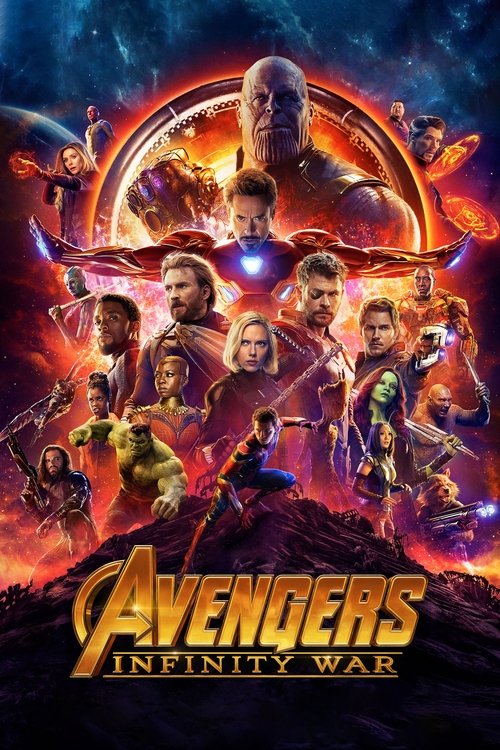
As the Avengers and their allies have continued to protect the world from threats too large for any one hero to handle, a new danger has emerged from the cosmic shadows: Thanos. A despot of intergalactic infamy, his goal is to collect all six Infinity Stones, artifacts of unimaginable power, and use them to inflict his twisted will on all of reality. Everything the Avengers have fought for has led up to this moment - the fate of Earth and existence itself has never been more uncertain.
Del Toro transforms the Collector into a vibrating mass of eccentric decadence, channeling a distracted, silk-robed menace that feels entirely alien to the MCU’s rigid heroism. By injecting a masterclass in strange, tactile physicality, he proves he can steal a billion-dollar franchise centerpiece through sheer, weirdo magnetism. It is a brief but essential reminder that even in a blockbuster landscape, Del Toro remains cinema’s most reliable merchant of the bizarre.
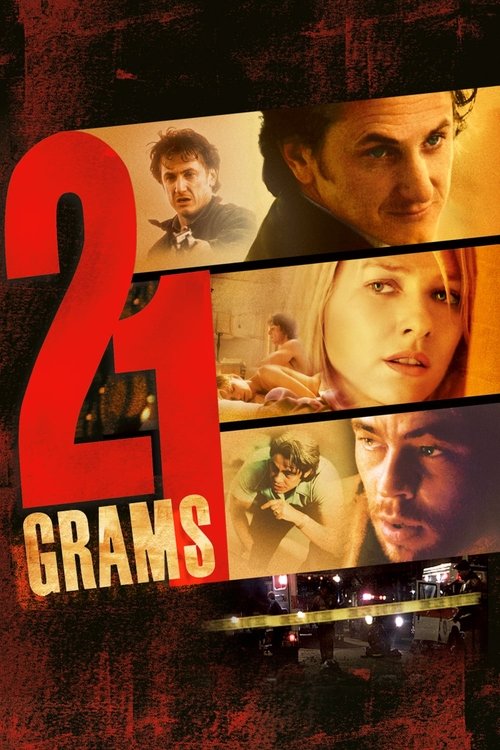
21 Grams
2003Paul Rivers, an ailing mathematician lovelessly married to an English émigré; Christina Peck, an upper-middle-class suburban housewife and mother of two girls; and Jack Jordan, a born-again ex-con, are brought together by a terrible accident that changes their lives.
Del Toro captures a soul in a state of spiritual collapse, trading his usual cool-guy swagger for a raw, jittery desperation that feels dangerously tactile. It is the defining moment where he proved he could carry the emotional debris of a film, weaponizing his heavy-lidded intensity to portray a man haunted as much by his faith as by his guilt. He manages to turn his physical presence into a bruise, marking the definitive transition from character actor standout to a heavyweight dramatic anchor.
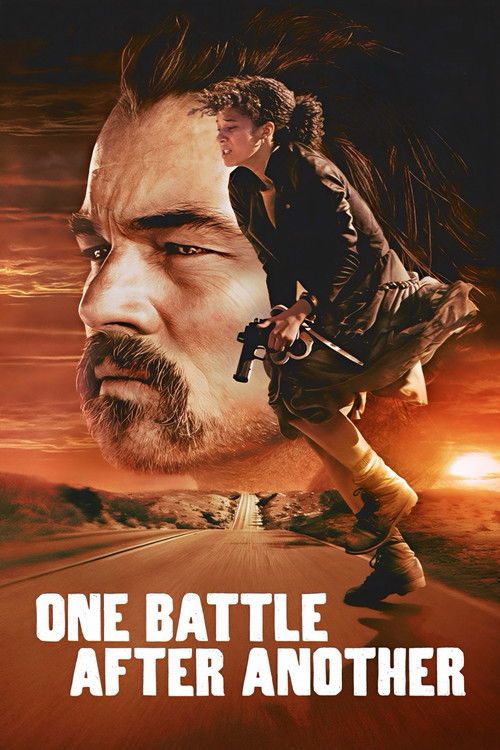
Washed-up revolutionary Bob exists in a state of stoned paranoia, surviving off-grid with his spirited, self-reliant daughter, Willa. When his evil nemesis resurfaces after 16 years and she goes missing, the former radical scrambles to find her, father and daughter both battling the consequences of his past.
Del Toro commands the screen with a weathered, minimalist interiority that strips away his usual eccentricity in favor of a hauntingly still authority. It marks a pivotal evolution into his elder-statesman era, trading his signature mumble for a gravelly, calculated precision that anchors the film’s chaos. This is Benicio at his most disciplined, proving he can dominate a frame through silence better than any contemporary actor.
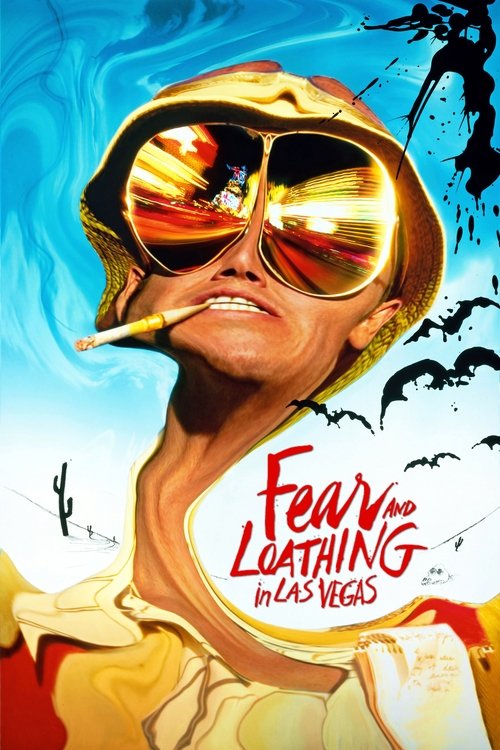
Raoul Duke and his attorney Dr. Gonzo drive a red convertible across the Mojave desert to Las Vegas with a suitcase full of drugs to cover a motorcycle race. As their consumption of drugs increases at an alarming rate, the stoned duo trash their hotel room and fear legal repercussions. Duke begins to drive back to L.A., but after an odd run-in with a cop, he returns to Sin City and continues his wild drug binge.
Del Toro is a terrifying, sweat-soaked marvel of physical commitment, disappearing under eighty pounds of excess weight and a menacingly erratic snarl. As the volatile Dr. Gonzo, he traded his brooding leading-man potential for a grotesque, guttural unpredictability that proved he was the most fearless character actor of his generation. It remains a masterclass in controlled chaos, capturing a specific brand of psychedelic menace that feels dangerously real.
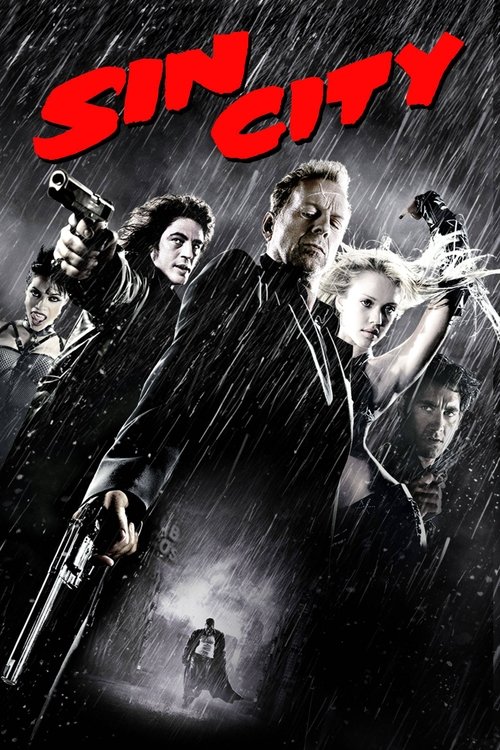
Sin City
2005Welcome to Sin City. This town beckons to the tough, the corrupt, the brokenhearted. Some call it dark… Hard-boiled. Then there are those who call it home — Crooked cops, sexy dames, desperate vigilantes. Some are seeking revenge, others lust after redemption, and then there are those hoping for a little of both. A universe of unlikely and reluctant heroes still trying to do the right thing in a city that refuses to care.
Del Toro transforms Jackie Boy into a grotesque, darkly comic nightmare, finding a strange vulnerability in the character even as he navigates the film’s hyper-stylized violence. It remains one of the most transformative turns of his career, proving he could out-weird the source material by leaning into a slurred, feral intensity that haunts the screen long after his head is off his shoulders. This is Del Toro at his most unhinged, blending noir cynicism with a gonzo sensibility that defines the movie’s visual grit.
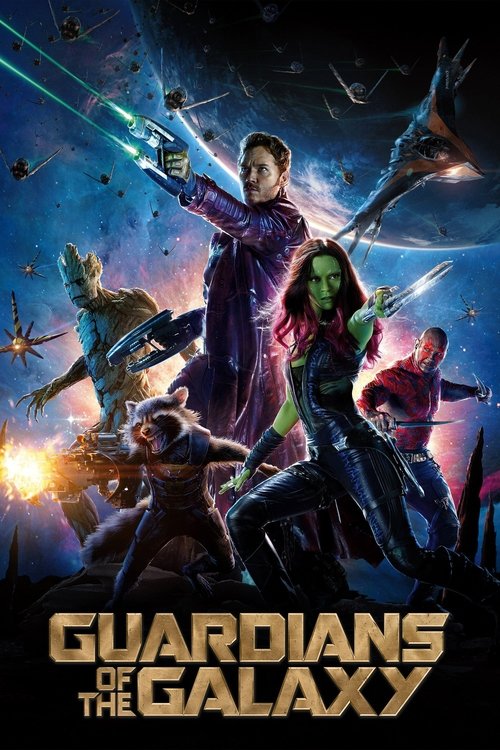
Light years from Earth, 26 years after being abducted, Peter Quill finds himself the prime target of a manhunt after discovering an orb wanted by Ronan the Accuser.
Del Toro transforms the Collector into a shivering, platinum-maned curiosity, blending eccentric high-camp with a sinister undercurrent of cosmic greed. His brief appearance signaled a daring shift into blockbuster maximalism, proving he could command the screen with nothing more than a flamboyant costume and a predatory, silk-voiced stillness. He successfully bypassed the generic villain mold to create a fascinatingly weird anchor for the MCU’s expanding mythology.
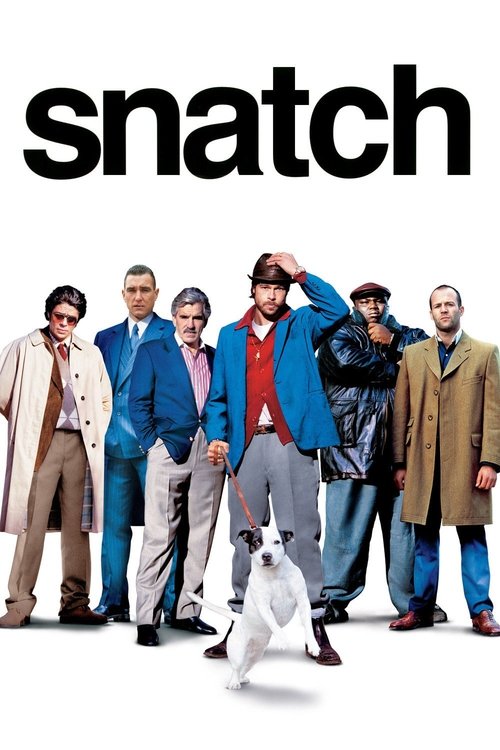
Snatch
2000Unscrupulous boxing promoters, violent bookies, a Russian gangster, incompetent amateur robbers, and supposedly Jewish jewellers fight to track down a priceless stolen diamond.
Del Toro radiates a hilarious, low-frequency exhaustion as Franky Four Fingers, turning a gambling-addicted heist man into a study of stylish incompetence. It is a pivotal moment in his career that proved he could play the clown without losing his dangerous edge, grounding Guy Ritchie’s frenetic chaos with a weary, mumbled charisma. He dominates his limited screen time by simply looking like a man who desperately needs a nap and a winning hand.
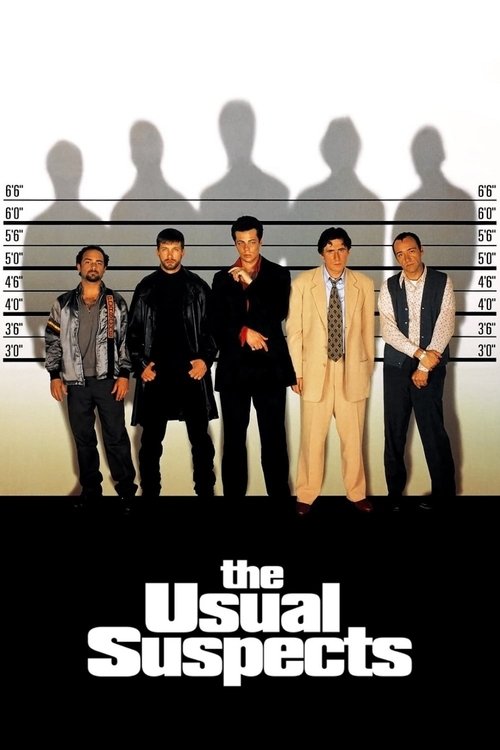
Held in an L.A. interrogation room, Verbal Kint attempts to convince the feds that a mythic crime lord, Keyser Soze, not only exists, but was also responsible for drawing him and his four partners into a multi-million dollar heist that ended with an explosion in San Pedro harbor – leaving few survivors. Verbal lures his interrogators with an incredible story of the crime lord's almost supernatural prowess.
Del Toro hijacked the ensemble by inventing a marble-mouthed, unintelligible dialect that transformed the disposable henchman Fred Fenster into the film’s most magnetic enigma. This calculated risk of prioritizing pure style over clarity served as his mainstream breakout, proving he could steal a scene without needing the audience to understand a single word he said.
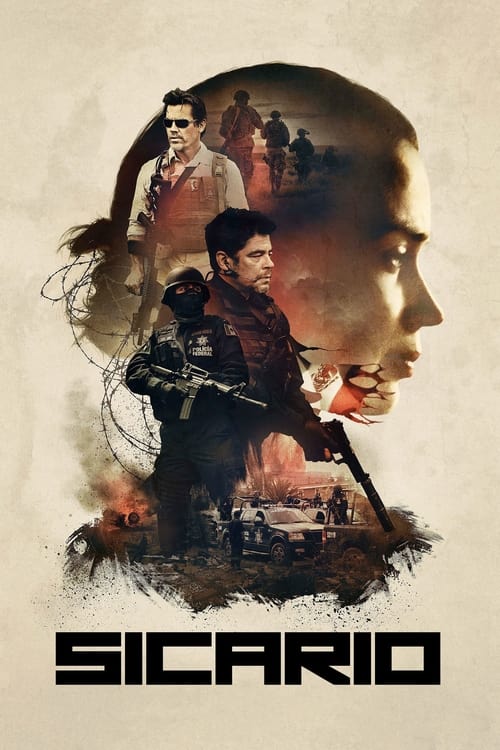
Sicario
2015An idealistic FBI agent is enlisted by a government task force to aid in the escalating war against drugs at the border area between the U.S. and Mexico.
Del Toro commands the screen with a terrifying, coiled stillness, weaponizing silence and a heavy-lidded gaze to create a phantom-like presence. It is the definitive distillation of his career-long mastery of the "menace with a soul" archetype, peeling back layers of world-weary grief to reveal a relentless, surgical hunter. He doesn't just play a ghost of the drug war; he haunts the entire frame with a predatory economy of motion.
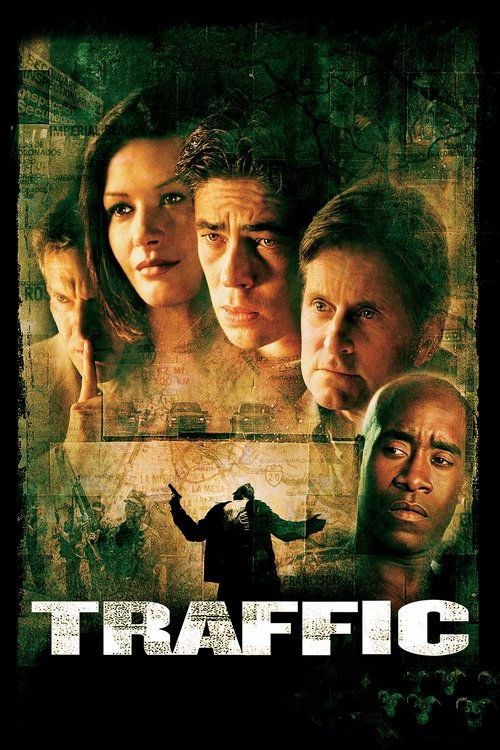
Traffic
2000An exploration of the United States of America's war on drugs from multiple perspectives. For the new head of the Office of National Drug Control Policy, the war becomes personal when he discovers his well-educated daughter is abusing cocaine within their comfortable suburban home. In Mexico, a flawed, but noble policeman agrees to testify against a powerful general in league with a cartel, and in San Diego, a drug kingpin's sheltered trophy wife must learn her husband's ruthless business after he is arrested, endangering her luxurious lifestyle.
Del Toro anchors the film with a weary, soulful stillness, navigating a landscape of corruption through flickering eyes and minimalist gestures rather than grandstanding. This magnetic turn as Javier Rodriguez transformed him from a reliable character actor into an undeniable leading man, earning him an Academy Award for a role delivered primarily in Spanish. He commands the screen with a quiet moral exhaustion that remains the definitive heartbeat of the movie.
Frequently Asked Questions
Everything you need to know about this list and SnakeDrafts
- Benicio del Toro is renowned for his intense portrayals of complex characters, often in gritty dramas and crime thrillers like Sicario and Traffic. He brings a heavy-lidded magnetism and a physical presence that make his roles memorable and layered.
- Benicio del Toro has worked multiple times with acclaimed directors such as Steven Soderbergh in Traffic and the two Che films, as well as Denis Villeneuve for Sicario. These collaborations have significantly contributed to some of his career-defining performances.
- In The Usual Suspects, Benicio del Toro transformed a relatively minor role into a cult icon with his distinctive mumbling and subtle intensity. This performance showcased his ability to steal scenes and leave a lasting impression even with limited screen time.
- Yes, Benicio del Toro has appeared in major blockbusters like Guardians of the Galaxy and Avengers: Infinity War, where he brought his unique charisma to roles within the Marvel Cinematic Universe. These films highlight his versatility beyond crime dramas and thrillers.
- Benicio del Toro combines a restless intellect with a physicality that feels spontaneous yet deeply calculated, creating performances that resonate authentically. His acting often feels like a series of beautiful accidents, adding depth and unpredictability to his characters.
- Yes, the list includes upcoming titles such as One Battle After Another and The Phoenician Scheme, which are highly anticipated due to del Toro’s involvement. These films suggest a continued presence in intense thriller and crime genres.
- Benicio del Toro portrays the revolutionary Che Guevara in Che: Part One and Che: Part Two, directed by Steven Soderbergh. His portrayal is critically acclaimed for its depth and authenticity, capturing the complexity of the historical icon.

