Ranking the Best Steven Spielberg Directed Movies
Masterpieces of Cinema and Blockbuster Magic
Explore the definitive filmography of Steven Spielberg, featuring legendary cinematic masterpieces and award-winning dramas from a Hollywood icon.
About Steven Spielberg
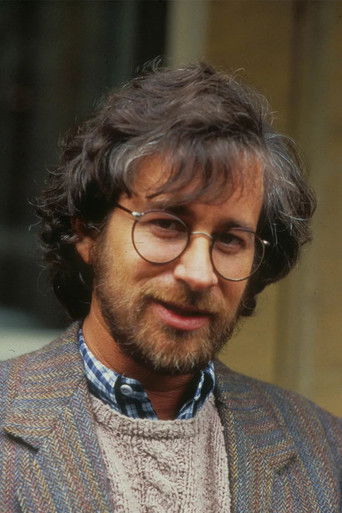
If cinema has a patron saint of the awe-struck gaze, it is undeniably Steven Spielberg. For five decades, he has operated as the industry's primary architect of wonder, possessed by a supernatural instinct for where to place a camera to extract the maximum emotional toll. While other directors might lean on grit or detached intellectualism, he leans into the light. His frames are often flooded with a soft, ethereal glow, capturing faces tilted upward in wordless fascination. This visual hallmark, often called the Spielberg Face, grounds his most fantastical premises in a relatable, childlike vulnerability. Whether he is tracking a boy on a bicycle or a scientist staring down a cloned predator, he prioritizes the human reaction over the spectacle itself.
His mastery of the blockbuster began with Jaws, a film that essentially invented the concept of the summer event movie by weaponizing silence and a mechanical shark that rarely worked. By the time he unleashed the prehistoric majesty of Jurassic Park, he had refined a fluid, kinetic blocking style that remains the gold standard for action choreography. He moves the camera with a rhythmic elegance that feels invisible to the untrained eye but makes his storytelling feel inevitable. In Raiders of the Lost Ark and Indiana Jones and the Last Crusade, this craftsmanship turns pulp adventure into high art, using a dolly zoom or a sudden silhouette to telegraph danger and wit simultaneously.
A striking duality exists within his filmography, a tension between the populist entertainer and the somber historian. He can pivot from the suburban intimacy of E.T. the Extra-Terrestrial or the celestial optimism of Close Encounters of the Third Kind to the devastating, visceral reality of Schindler's List. Even when documenting the horrors of war in Saving Private Ryan, he retains a jeweler's eye for composition, using the chaotic jitter of the frame to pull the audience into the foxhole. He is a composer of movement, capable of finding the same emotional resonance in the frantic chase of Catch Me If You Can as he does in the sweeping, epic tragedy of Empire of the Sun or the soulful resilience of The Color Purple.
Lately, his work has taken a turn toward the introspective, a shift best seen in the self-reflective warmth of The Fabelmans. Here, he finally turned the lens on his own origins, deconstructing the broken family dynamics that fueled his lifelong obsession with fatherhood and suburban escapism. Even when diving into the high-octane futurism of Minority Report, A.I. Artificial Intelligence, or the neon-soaked chaos of Ready Player One, his obsession remains the same: the fragility of the family unit. He uses grand canvases to tell small, intimate stories about people trying to find their way home. Spielberg does not just make movies; he creates the collective dreamscape that defines what it means to go to the theater. His legacy is not just a list of hits, but a specific, luminous language of hope that continues to shape our visual imagination.
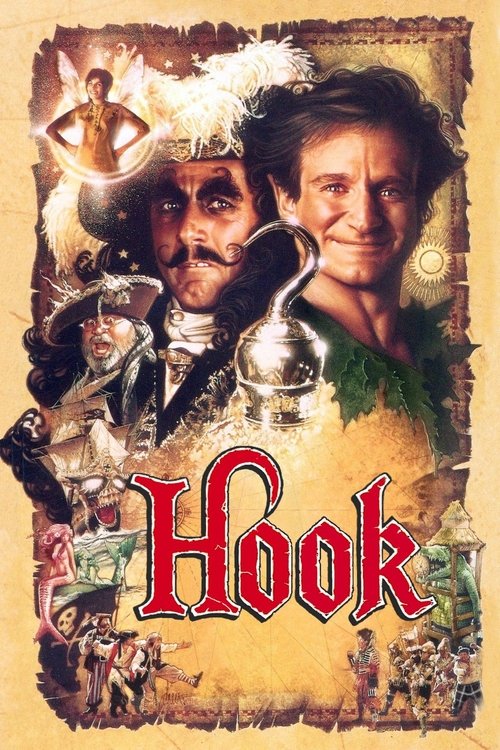
Hook
1991The boy who wasn't supposed to grow up—Peter Pan—does just that, becoming a soulless corporate lawyer whose workaholism could cost him his wife and kids. During his trip to see Granny Wendy in London, the vengeful Capt. Hook kidnaps Peter's kids and forces Peter to return to Neverland.
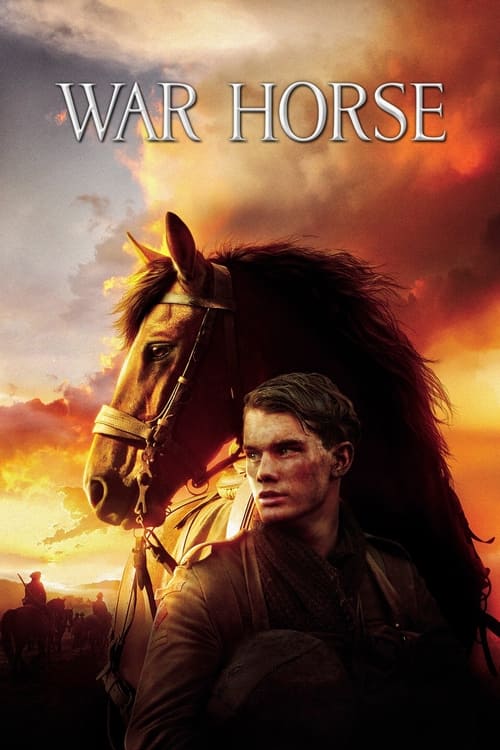
War Horse
2011On the brink of the First World War, Albert's beloved horse Joey is sold to the Cavalry by his father. Against the backdrop of the Great War, Joey begins an odyssey full of danger, joy, and sorrow, and he transforms everyone he meets along the way. Meanwhile, Albert, unable to forget his equine friend, searches the battlefields of France to find Joey and bring him home.

West Side Story
2021Two youngsters from rival New York City gangs fall in love, but tensions between their respective friends build toward tragedy.
David, a robotic boy—the first of his kind programmed to love—is adopted as a test case by a Cybertronics employee and his wife. Though he gradually becomes their child, a series of unexpected circumstances make this life impossible for David.
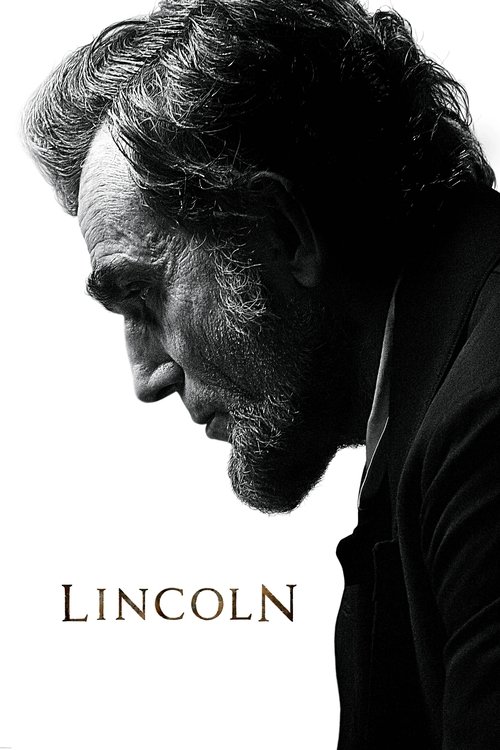
Lincoln
2012The revealing story of the 16th US President's tumultuous final months in office. In a nation divided by war and the strong winds of change, Lincoln pursues a course of action designed to end the war, unite the country and abolish slavery. With the moral courage and fierce determination to succeed, his choices during this critical moment will change the fate of generations to come.
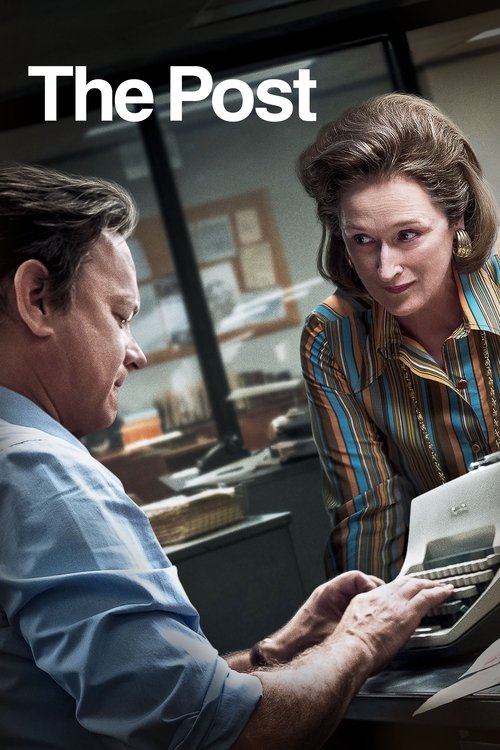
The Post
2017A cover-up that spanned four U.S. Presidents pushed the country's first female newspaper publisher and a hard-driving editor to join an unprecedented battle between journalist and government. Inspired by true events.
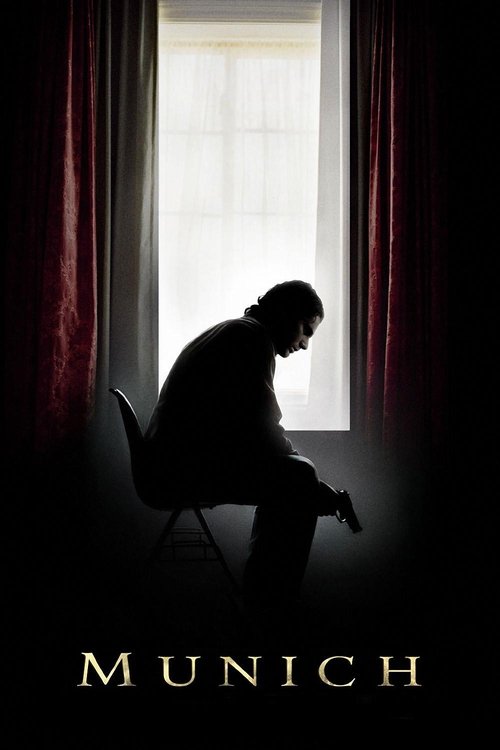
Munich
2005During the 1972 Olympic Games in Munich, eleven Israeli athletes are taken hostage and murdered by a Palestinian terrorist group known as Black September. In retaliation, the Israeli government recruits a group of Mossad agents to track down and execute those responsible for the attack.
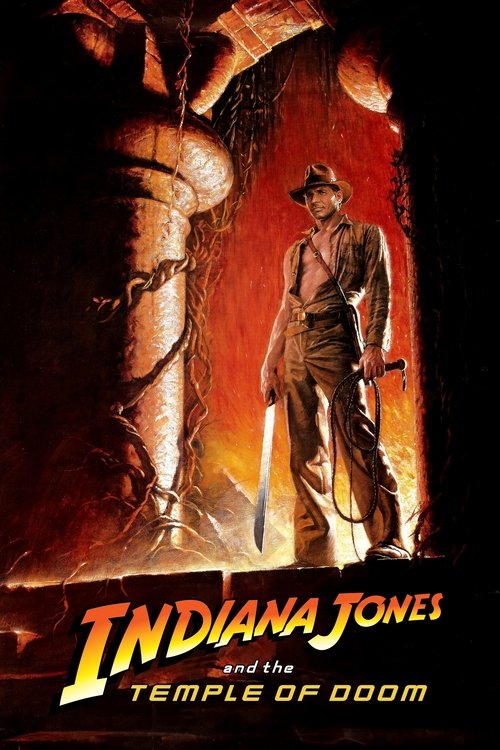
After arriving in India, Indiana Jones is asked by a desperate village to find a mystical stone. He agrees – and stumbles upon a secret cult plotting a terrible plan in the catacombs of an ancient palace.

The Terminal
2004An Eastern European tourist unexpectedly finds himself stranded in JFK airport, and must take up temporary residence there.
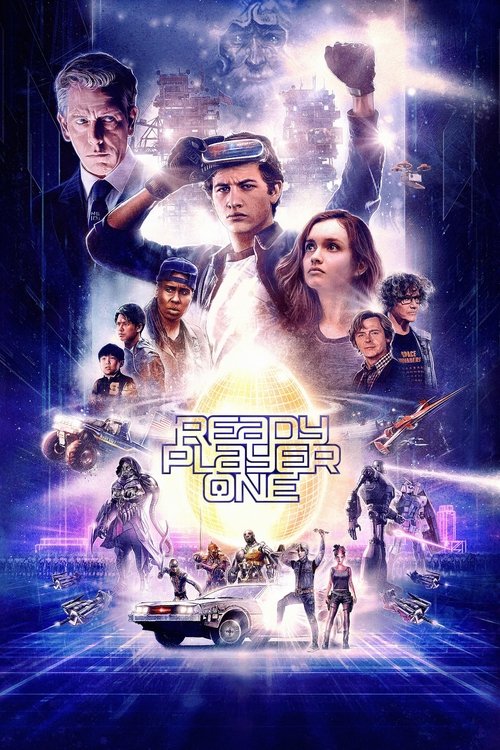
Ready Player One
2018When the creator of a popular video game system dies, a virtual contest is created to compete for his fortune.
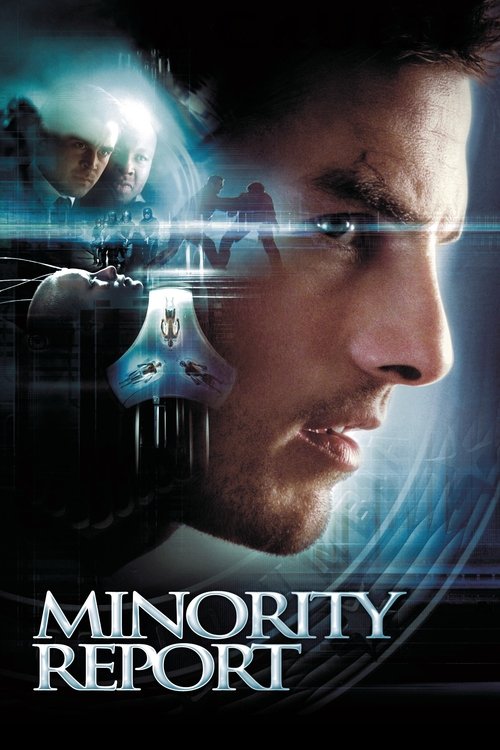
Minority Report
2002John Anderton is a top 'Precrime' cop in the late-21st century, when technology can predict crimes before they're committed. But Anderton becomes the quarry when another investigator targets him for a murder charge.
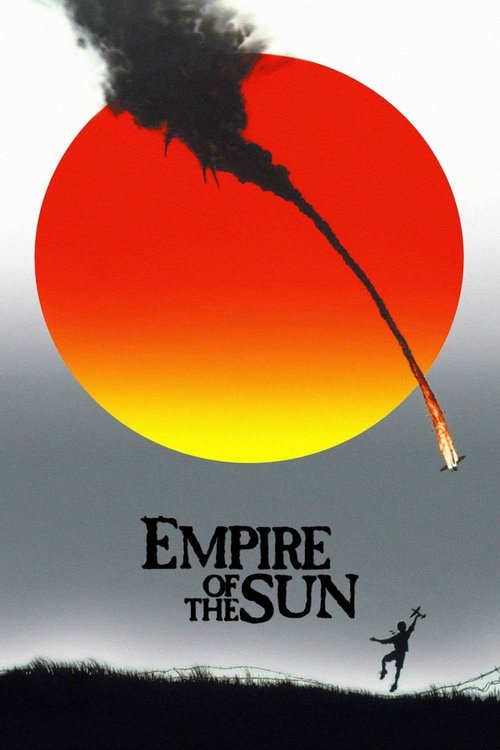
Jamie Graham, a privileged English boy, is living in Shanghai when the Japanese invade and force all foreigners into prison camps. Jamie is captured with an American sailor, who looks out for him while they are in the camp together. Even though he is separated from his parents and in a hostile environment, Jamie maintains his dignity and youthful spirit, providing a beacon of hope for the others held captive with him.

The Color Purple
1985An epic tale spanning forty years in the life of Celie, an African-American woman living in the South who survives incredible abuse and bigotry. After Celie's abusive father marries her off to the equally debasing 'Mister' Albert Johnson, things go from bad to worse, leaving Celie to find companionship anywhere she can. She perseveres, holding on to her dream of one day being reunited with her sister in Africa.
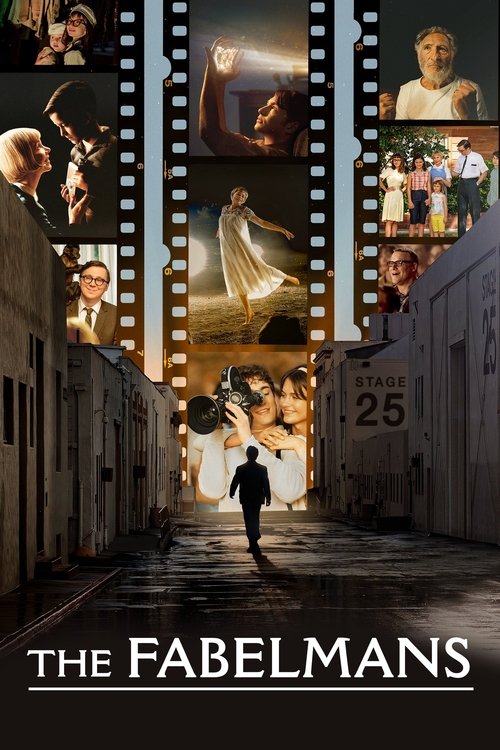
The Fabelmans
2022Growing up in post-World War II era Arizona, young Sammy Fabelman aspires to become a filmmaker as he reaches adolescence, but soon discovers a shattering family secret and explores how the power of films can help him see the truth.
In this vulnerable late-career self-portrait, Spielberg finally turns the camera on his own origin story to deconstruct the obsession that fuels his creativity. It is a sophisticated meta-commentary on how cinema functions as both a sanctuary and a source of emotional distance within a family unit.
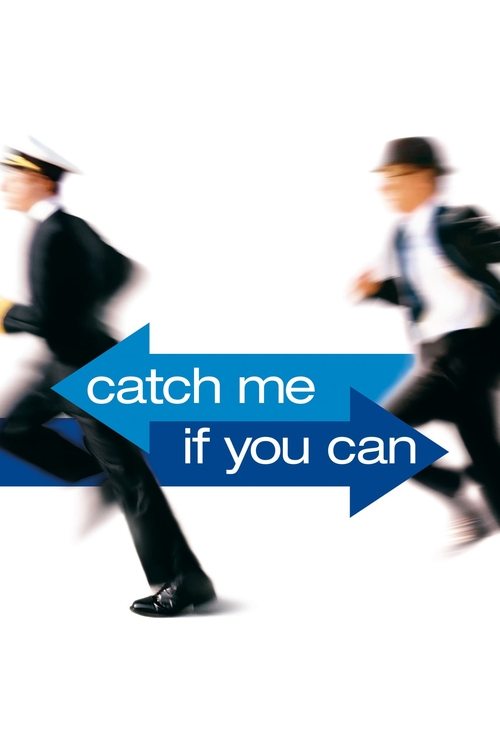
A true story about Frank Abagnale Jr. who, before his 19th birthday, successfully conned millions of dollars worth of checks as a Pan Am pilot, doctor, and legal prosecutor. An FBI agent makes it his mission to put him behind bars. But Frank not only eludes capture, he revels in the pursuit.
This stylish, polyphonic caper reveals a more nimble and rhythmic side of the director's craftsmanship, utilizing a vibrant 1960s palette to mask a deeper story about broken homes. It is a masterclass in tone, oscillating effortlessly between breezy escapism and a poignant search for belonging.
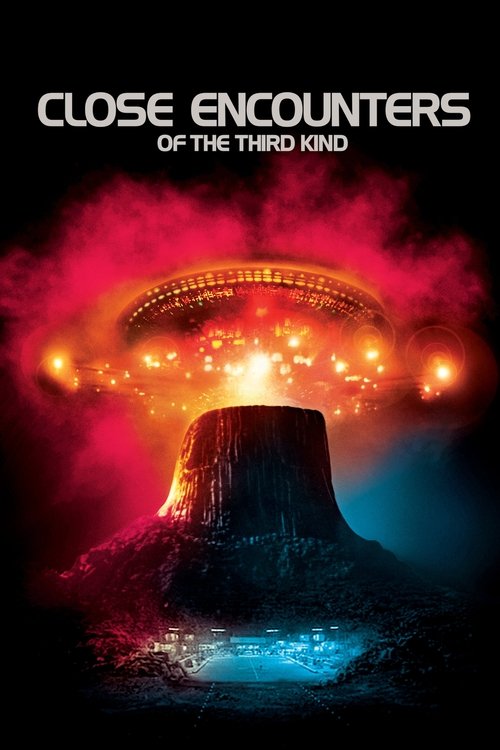
Close Encounters of the Third Kind
1977After an encounter with UFOs, an electricity linesman feels undeniably drawn to an isolated area in the wilderness where something spectacular is about to happen.
Departing from the era's trend of hostile alien invasions, Spielberg opted for a symphonic exploration of communication and cosmic curiosity. The film's use of light and sound as a universal language represents his most transcendental vision of humanity's place in the universe.
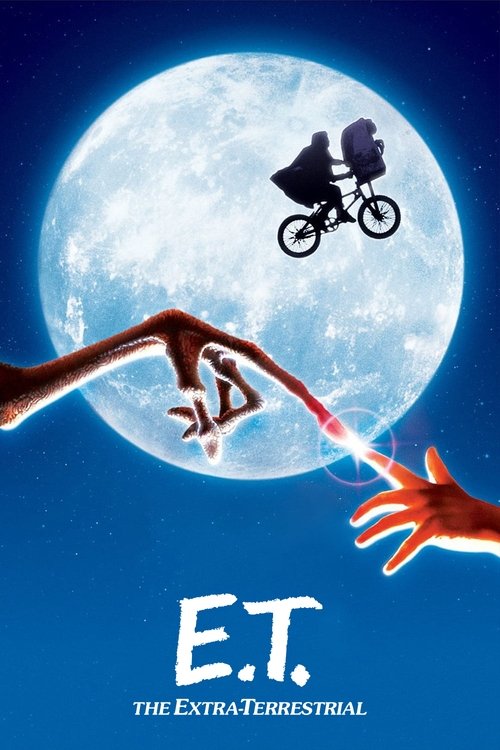
An alien is left behind on Earth and saved by the 10-year-old Elliott who decides to keep him hidden in his home. While a task force hunts for the extra-terrestrial, Elliott, his brother, and his little sister Gertie form an emotional bond with their new friend, and try to help him find his way home.
Through a low-angle perspective that captures the world from a child's height, Spielberg crafts an intimate epic about loneliness and empathy. This film defines his unique brand of suburban wonder, proving that his most resonant spectacle is often found in the quiet, emotional connection between two outsiders.
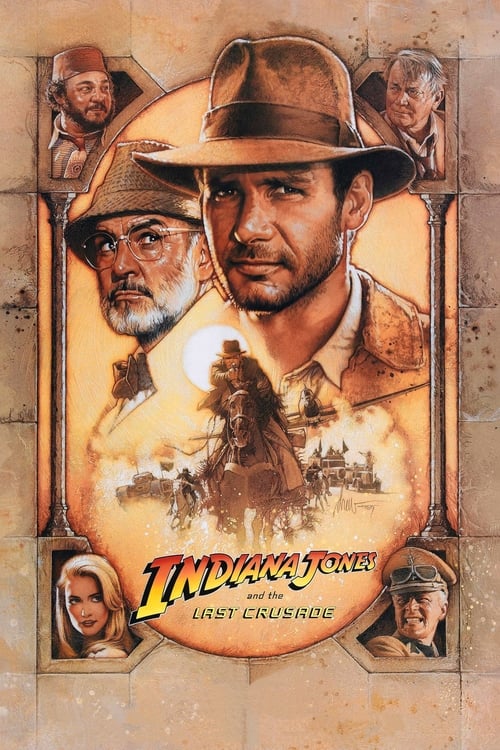
In 1938, an art collector appeals to eminent archaeologist Dr. Indiana Jones to embark on a search for the Holy Grail. Indy learns that a medieval historian has vanished while searching for it, and the missing man is his own father, Dr. Henry Jones Sr.. He sets out to rescue his father by following clues in the old man's notebook, which his father had mailed to him before he went missing. Indy arrives in Venice, where he enlists the help of a beautiful academic, Dr. Elsa Schneider, along with Marcus Brody and Sallah. Together they must stop the Nazis from recovering the power of eternal life and taking over the world!
While the series began with grit, this entry finds its soul by pivoting toward a witty, character-driven dynamic that explores the fractured relationship between father and son. It serves as a crucial bridge in Spielberg's filmography, blending his penchant for high adventure with the introspective themes of paternal legacy.
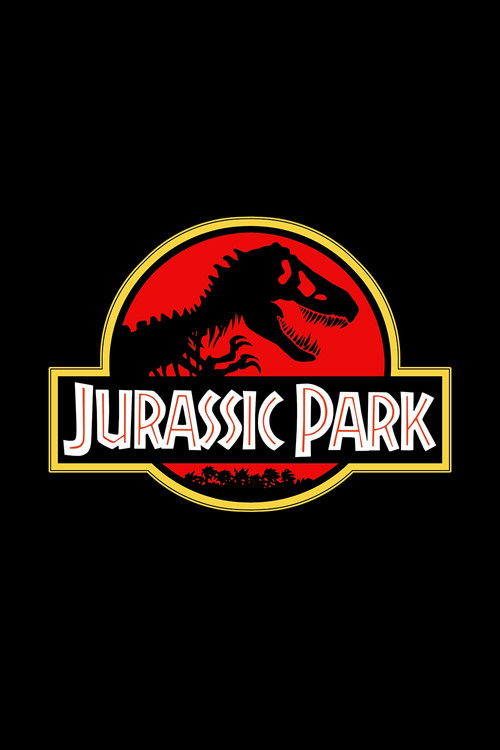
Jurassic Park
1993A wealthy entrepreneur secretly creates a theme park featuring living dinosaurs drawn from prehistoric DNA. Before opening day, he invites a team of experts and his two eager grandchildren to experience the park and help calm anxious investors. However, the park is anything but amusing as the security systems go off-line and the dinosaurs escape.
Bridging the gap between practical puppetry and digital wizardry, this film marks the exact moment the possibilities of cinema expanded forever. Spielberg expertly balances scientific awe with the ruthless efficiency of a creature feature, grounding his technological breakthroughs in a tangible sense of physical scale.
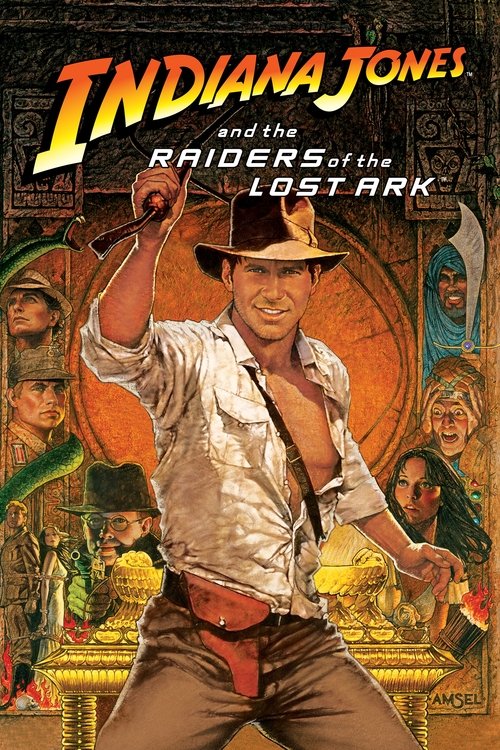
When Dr. Indiana Jones – the tweed-suited professor who just happens to be a celebrated archaeologist – is hired by the government to locate the legendary Ark of the Covenant, he finds himself up against the entire Nazi regime.
Spielberg revitalized the pulp serial with a sophisticated blend of kinetic choreography and immaculate framing that elevates action to the level of high art. It remains the gold standard for pacing, showcasing a director at the height of his powers regarding visual storytelling and rhythmic editing.
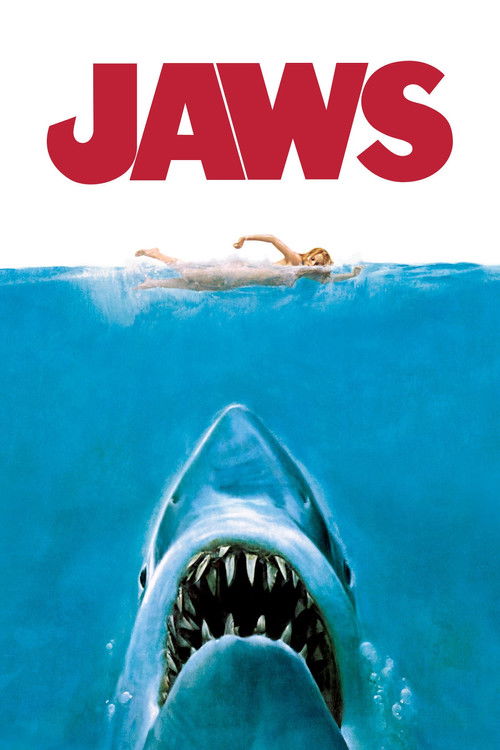
Jaws
1975When the seaside community of Amity finds itself under attack by a dangerous great white shark, the town's chief of police, a young marine biologist, and a grizzled shark hunter embark on a desperate quest to kill the beast before it strikes again.
This masterclass in tension proves that what remains unseen is often more terrifying than what is revealed, turning mechanical limitations into a blueprint for the modern blockbuster. It solidified Spielberg's ability to manipulate collective primal fears through precise pacing and a revolutionary use of subjective camera angles.
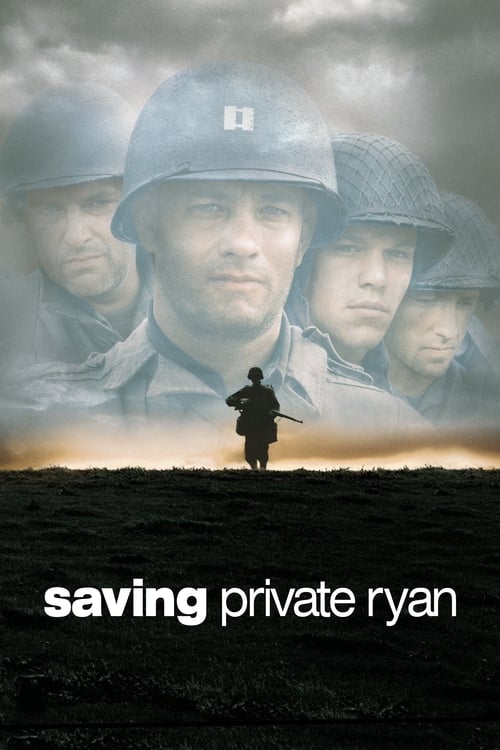
As U.S. troops storm the beaches of Normandy, three brothers lie dead on the battlefield, with a fourth trapped behind enemy lines. Ranger captain John Miller and seven men are tasked with penetrating German-held territory and bringing the boy home.
The visceral, kinetic chaos of the opening sequence redefined the visual grammar of the war genre by prioritizing sensory immersion over traditional heroism. Spielberg uses a jittery, de-saturated lens to deconstruct the myth of the noble soldier, focusing instead on the terrifying mechanics of survival.

Schindler's List
1993The true story of how businessman Oskar Schindler saved over a thousand Jewish lives from the Nazis while they worked as slaves in his factory during World War II.
A monumental shift in Spielberg's career, this film strips away his signature artifice to confront the darkest corners of the human soul through stark, journalistic monochrome. It stands as a definitive testament to his capacity for profound moral gravity and historical preservation.
Frequently Asked Questions
Everything you need to know about this list and SnakeDrafts
- Schindler's List is ranked highest due to its profound historical impact and emotional depth. It showcases Spielberg's masterful ability to handle serious subject matter with sensitivity, earning widespread critical acclaim and multiple Academy Awards.
- Both films explore the brutal realities of war while highlighting human resilience and moral complexity. Spielberg's direction combines stark historical accuracy with poignant storytelling to evoke deep empathy.
- Jaws is credited with revolutionizing the thriller genre and pioneering the summer blockbuster. Its suspenseful narrative and groundbreaking special effects have made it a timeless classic, cementing Spielberg's versatility.
- These adventure movies highlight Spielberg's gift for thrilling storytelling and charismatic characters. They offer high-energy action combined with humor and nostalgia, expanding his appeal across diverse audiences.
- E.T. symbolizes Spielberg's talent for crafting heartfelt family and fantasy stories that emphasize wonder and innocence. Its enduring popularity reflects his ability to connect emotionally with audiences of all ages.
- These films showcase Spielberg's versatility in drama and comedy beyond his signature genres. They offer intimate character studies and lighter tones, illustrating his broad directorial range.
- These sci-fi titles demonstrate Spielberg's adaptation to modern storytelling and technology themes while maintaining his signature emotional core. They reflect his ability to evolve with cinematic trends and explore futuristic concepts.
- While the list features many acclaimed films, some might find less mainstream entries like 'Empire of the Sun' and 'The Color Purple' underrated. Their inclusion highlights Spielberg's commitment to diverse narratives and historical perspectives beyond blockbuster fare.