The Best Sean Penn Movies Ranked
From Intense Dramas to Iconic Cult Classics
Explore the definitive ranking of Sean Penn's greatest performances, featuring Oscar-winning masterpieces and unforgettable cinematic roles.
About Sean Penn

In the pantheon of modern American cinema, few figures command as much gravity or spark as much debate as Sean Penn. He is an actor who seems to operate at a different atmospheric pressure than his peers, possessing a combustible energy that suggests he might either ignite the screen or implode right before your eyes. While many stars spend their careers crafting a relatable persona, he has spent decades dismantling his own, replacing it with a succession of ghosts, gangsters, and grieving fathers who feel uncomfortably real. To watch him perform is to witness a total surrender to the character’s nervous system, a trait that has earned him a reputation as the ultimate actor’s actor.
Long before he was the elder statesman of political activism and gritty realism, he was etched into the teenage psyche as Jeff Spicoli in Fast Times at Ridgemont High. It remains one of the great subversions in Hollywood history that the man who gave us the quintessential stoner archetype would evolve into the industry’s most rigorous dramatic heavyweight. By the time he appeared in the raw juvenile delinquency drama Bad Boys, the industry realized the surf-shack charm was a mask for a terrifyingly precise level of focus. This intensity reached a fever pitch in the nineties with State of Grace and Carlito’s Way, where he held his own against legends by playing men vibrating with paranoid, cocaine-flecked desperation.
What draws audiences into his orbit is a rare brand of empathy that transcends mere performance. In Dead Man Walking, he took a character who should have been irredeemable and found a sliver of humanity that felt earned rather than manipulated. This ability to inhabit the fringes of the human experience peaked in the early 2000s, a period where he seemed to possess a monopoly on the Academy Awards. As the vengeful, broken father in Mystic River, he delivered a performance of such operatic grief that it felt like a physical weight on the viewer. Shortly after, he pivoted to the gentle, heart-wrenching simplicity of I Am Sam and the fragmented, soulful agony of 21 Grams, proving his range was less of a spectrum and more of a total immersion.
Even when he steps into the background or embraces the surreal, he remains the most interesting person in the frame. Whether providing the elusive mystery at the heart of The Secret Life of Walter Mitty or the calculated menace in The Game, he operates with a quiet confidence that demands attention. His portrayal of Harvey Milk in Milk was perhaps his most transformative act of the century, shedding his natural grit for a buoyancy and light that captured the spirit of a movement. Now, looking toward projects like One Battle After Another, he continues to seek out narratives that pulse with contemporary relevance.
Ultimately, his cultural impact lies in his refusal to be easy. He doesn’t ask for the audience's affection; he demands their witness. From the nihilistic sweat of U Turn to the philosophical meditation of The Thin Red Line, his filmography is a map of the American psyche in all its brilliance and brutality. He remains a singular force of nature, a performer who treats the screen not as a stage for vanity, but as a site for an ongoing, often uncomfortable, search for the truth.
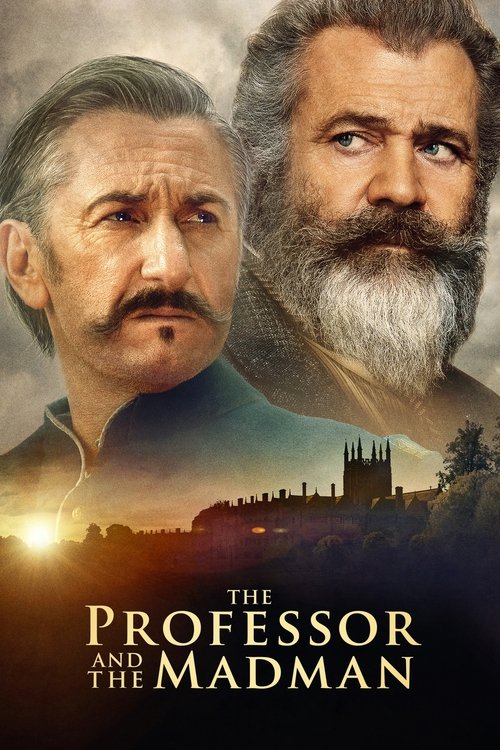
The Professor and the Madman
2019Professor James Murray begins work compiling words for the first edition of the Oxford English Dictionary in the mid 19th century, and receives over 10,000 entries from a patient at Broadmoor Criminal Lunatic Asylum, Dr. William Minor.
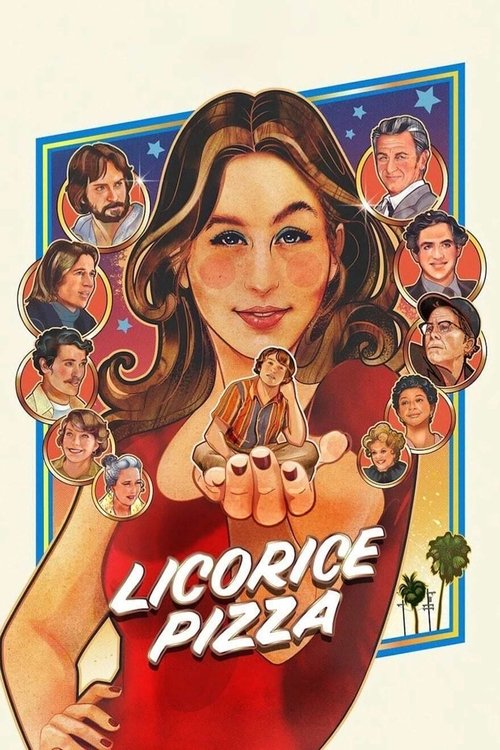
Licorice Pizza
2021The story of Gary Valentine and Alana Kane growing up, running around and going through the treacherous navigation of first love in the San Fernando Valley, 1973.
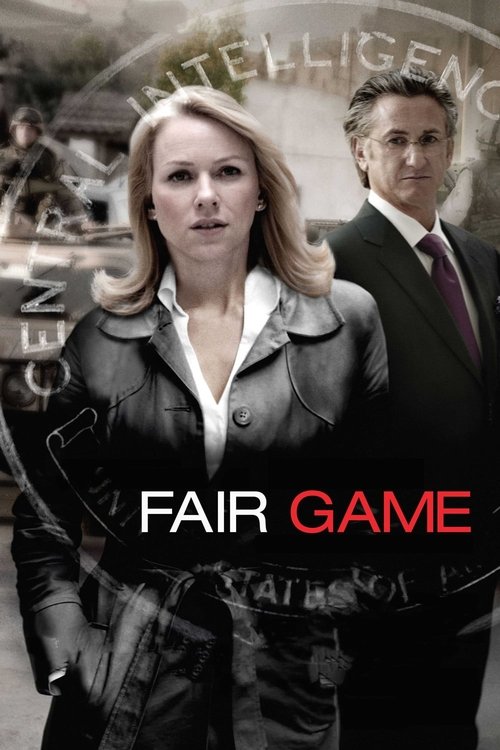
Fair Game
2010A devoted wife and mother leads a secret life as a CIA agent until her husband’s article exposes a scandal, putting her identity and loved ones at risk. As her world crumbles, she must navigate the fallout of her double life.
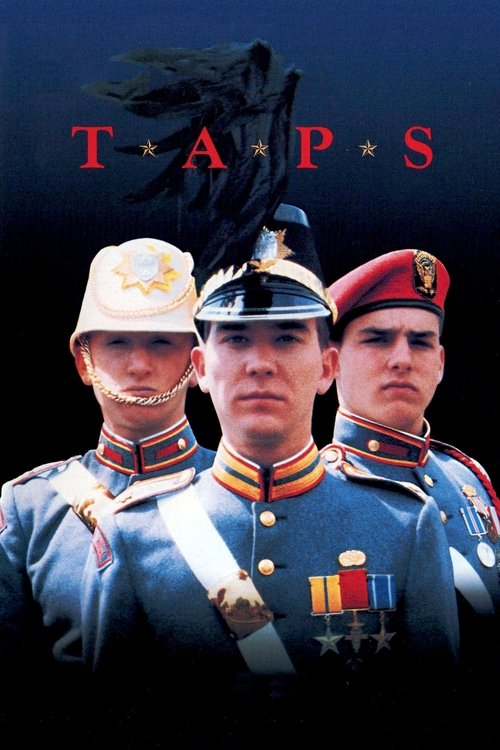
Taps
1981Military cadets take extreme measures to ensure the future of their academy when its existence is threatened by local condo developers.
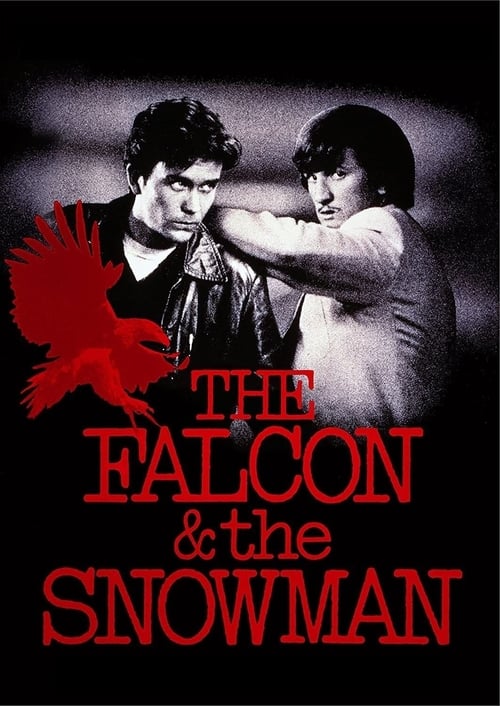
The Falcon and the Snowman
1985The true story of a disillusioned military contractor employee and his drug pusher childhood friend who became walk-in spies for the Soviet Union.
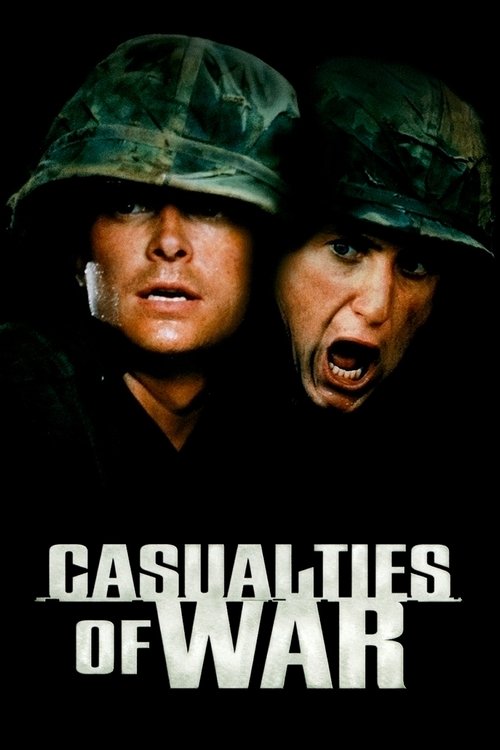
During the Vietnam War, a soldier finds himself the outsider of his own squad when they unnecessarily kidnap a female villager.
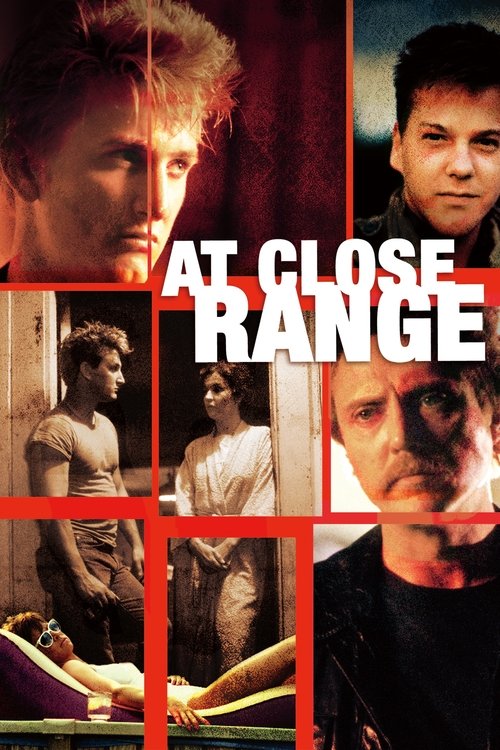
At Close Range
1986Brad Whitewood Jr. lives in rural Pennsylvania and has few prospects. Against his mother's wishes, he seeks out his estranged father, the head of a gang of thieves in a nearby town. Though his new girlfriend supports his criminal ambitions, Brad Jr. soon learns that his father is a dangerous man. Inspired by the real events that led to the end of the Johnston Gang, who operated in the northeastern United States in the 1970s.
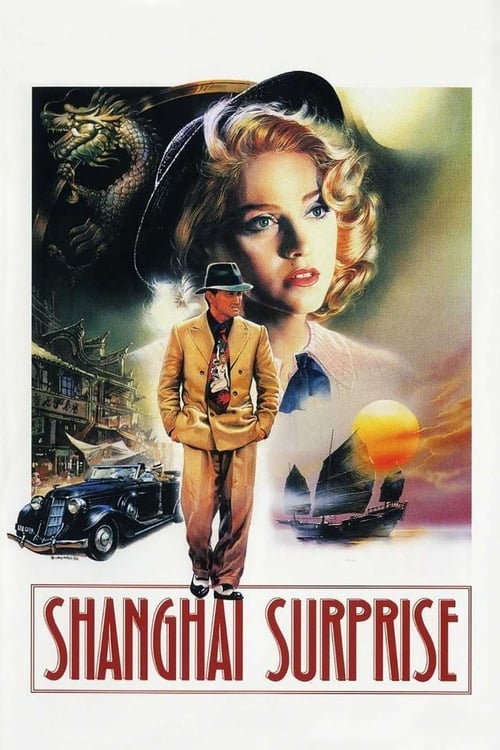
Shanghai Surprise
1986Glendon Wasey is a fortune hunter looking for a fast track out of China. Gloria Tatlock is a missionary nurse seeking the curing powers of opium for her patients. Fate sets them on a hectic, exotic, and even romantic quest for stolen drugs. But they are up against every thug and smuggler in Shangai.
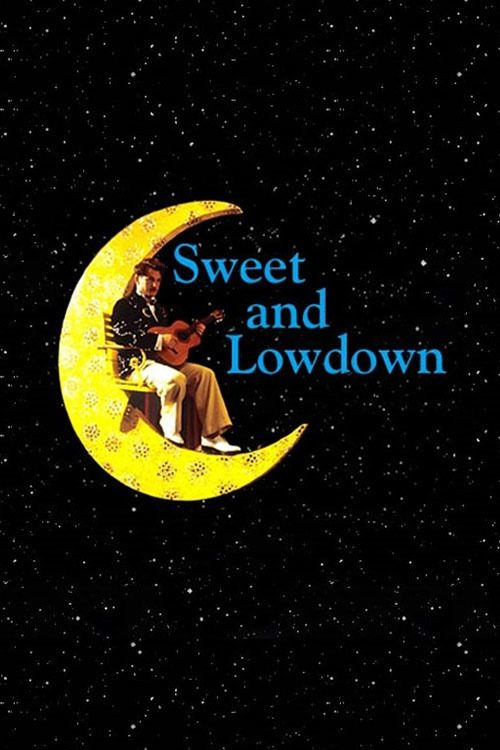
Sweet and Lowdown
1999In the 1930s, jazz guitarist Emmet Ray idolizes Django Reinhardt, faces gangsters and falls in love with a mute woman.
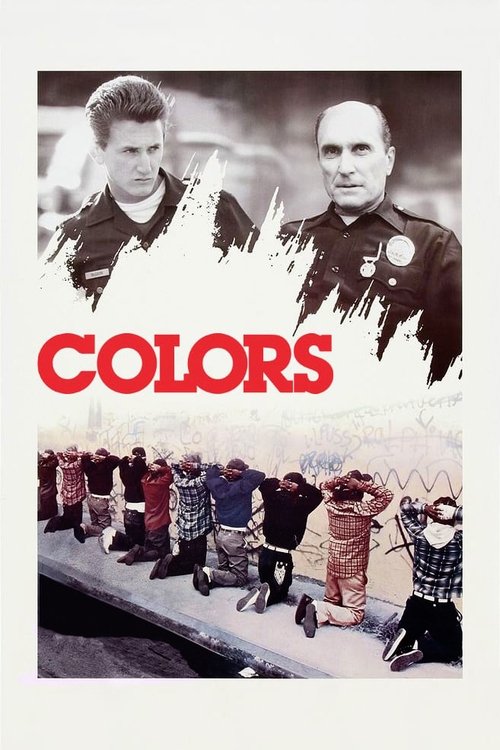
Colors
1988A confident young cop is shown the ropes by a veteran partner in the dangerous gang-controlled barrios of Los Angeles, where the gang culture is enforced by the colors the members wear.
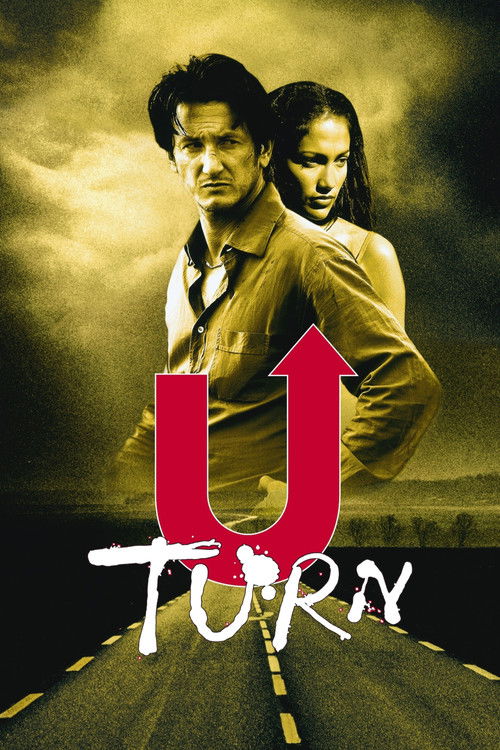
U Turn
1997When a desperate man’s car breaks down in a bizarre desert town while evading vengeful bookies, he becomes entangled in a dangerous love triangle. Caught between a married couple, he’s faced with deadly contracts to kill them both.
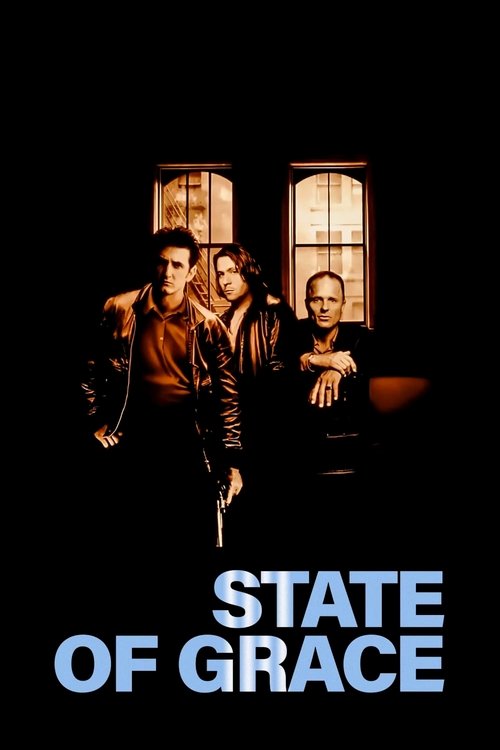
State of Grace
1990Hell's Kitchen, New York. Terry Noonan returns home after a ten-year absence. He soon reconnects with Jackie, a childhood friend and member of the Irish mob, and rekindles his love affair with Jackie's sister Kathleen.
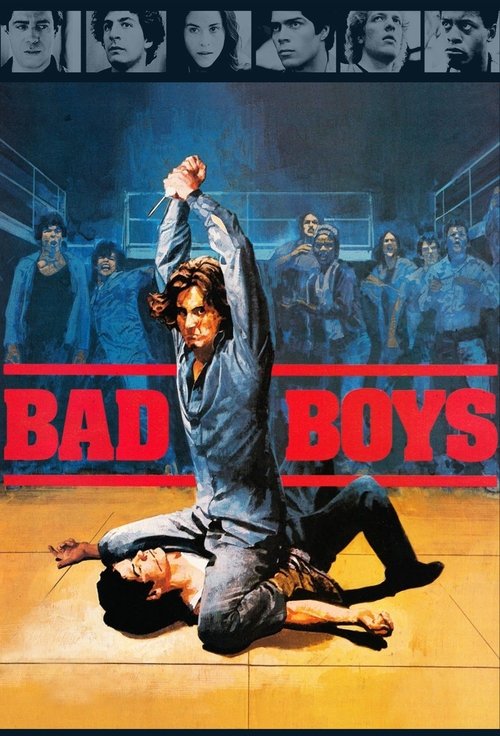
Bad Boys
1983Mick O'Brien is a young Chicago street thug torn between a life of petty crime and the love of his girlfriend. But when the heist of a local drug dealer goes tragically wrong Mick is sentenced to a brutal juvenile prison where violence is a rite of passage and respect is measured in vengeance.
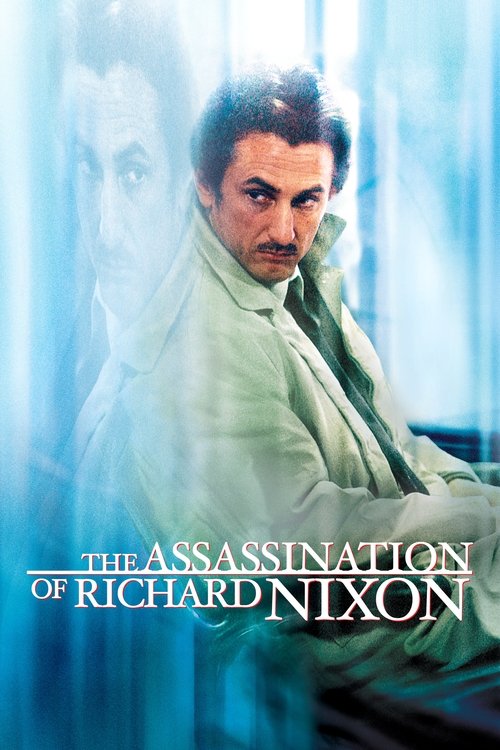
The Assassination of Richard Nixon
2004It’s 1974 and Sam Bicke has lost everything. His wife leaves him with his three kids, his boss fires him, his brother turns away from him, and the bank won’t give him any money to start anew. He tries to find someone to blame for his misfortunes and comes up with the President of the United States who he plans to murder.
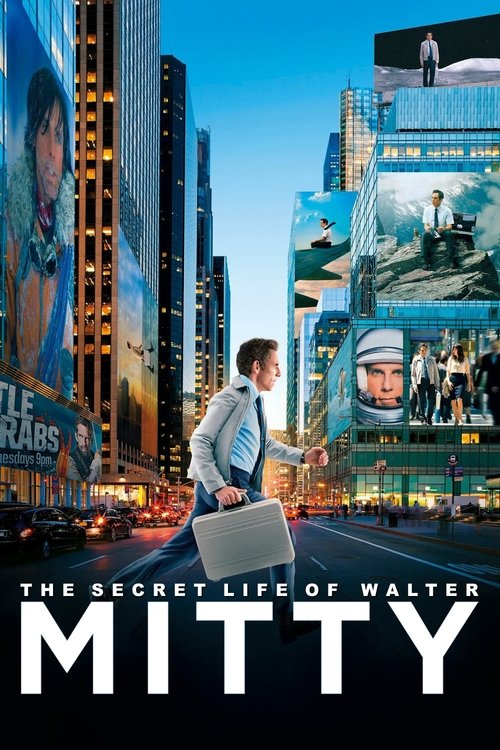
The Secret Life of Walter Mitty
2013A timid magazine photo manager who lives life vicariously through daydreams embarks on a true-life adventure when a negative goes missing.
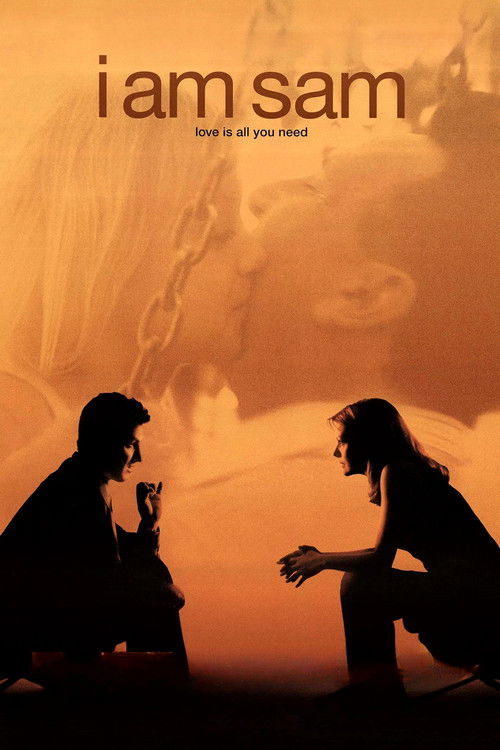
I Am Sam
2001Sam, a neurodivergent man, has a daughter with a homeless woman who abandons them when they leave the hospital, leaving Sam to raise Lucy on his own. But as Lucy grows up, Sam's limitations as a parent start to become a problem and the authorities take her away. Sam convinces high-priced lawyer Rita to take his case pro bono and in turn teaches her the value of love and family.
Penn channels a raw, nerve-ending vulnerability into Sam Dawson, eschewing his typical brooding intensity for a performance defined by rhythmic vocal patterns and a guileless physical grace. While the role remains a lightning rod for debates over the ethics of portraying intellectual disability, it marked a definitive shift in Penn’s career from gritty anti-hero to an actor willing to risk total sentimental exposure. He navigates the character’s emotional extremes with a meticulous, wide-eyed sincerity that earned him an Oscar nod and cemented his status as a relentless chameleon.
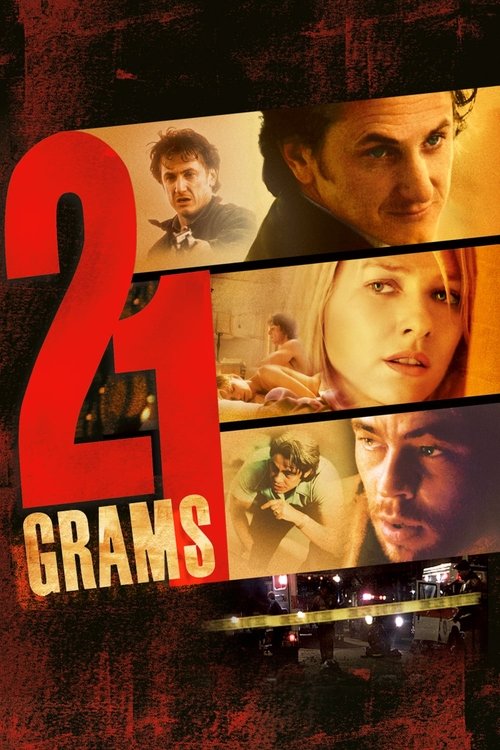
21 Grams
2003Paul Rivers, an ailing mathematician lovelessly married to an English émigré; Christina Peck, an upper-middle-class suburban housewife and mother of two girls; and Jack Jordan, a born-again ex-con, are brought together by a terrible accident that changes their lives.
Penn channels a frayed, clinical desperation into Paul Rivers, masterfully balancing the frailty of a dying man with the haunting vigor of a heart transplant recipient. It is a pivotal role that cemented his transition into the weathered, soulful gravity of his veteran era, trading his youthful volatility for a more profound, quiet devastation. He navigates the film’s jagged timeline with a grounded intensity that anchors the chaos of Almodóvar-level melodrama.
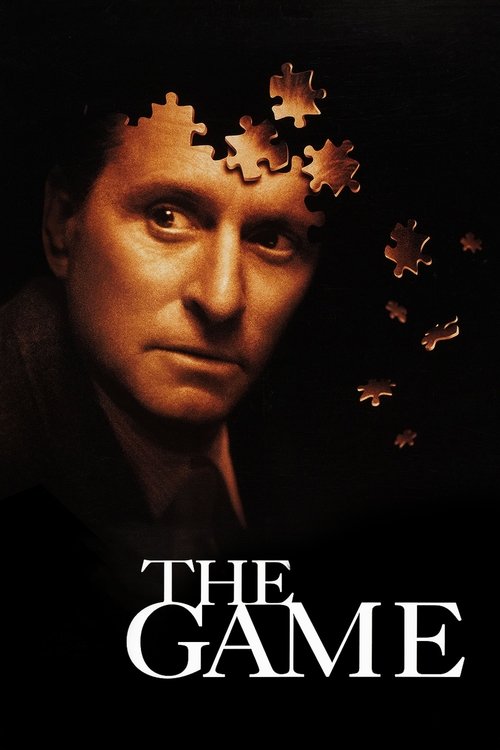
The Game
1997In honor of his birthday, San Francisco banker Nicholas Van Orton, a financial genius and a cold-hearted loner, receives an unusual present from his younger brother, Conrad: a gift certificate to play a unique kind of game. In nary a nanosecond, Nicholas finds himself consumed by a dangerous set of ever-changing rules, unable to distinguish where the charade ends and reality begins.
Penn injects a kinetic, twitchy instability into the film's clockwork precision, playing the loose-cannon brother with a manic desperation that anchors the surreal plot in raw nerves. It remains a standout moment in his career where he traded his usual heavy-duty stoicism for a jittery, high-wire act of charisma. He operates as the story’s essential live wire, providing the human friction necessary to keep the machinery from feeling purely academic.
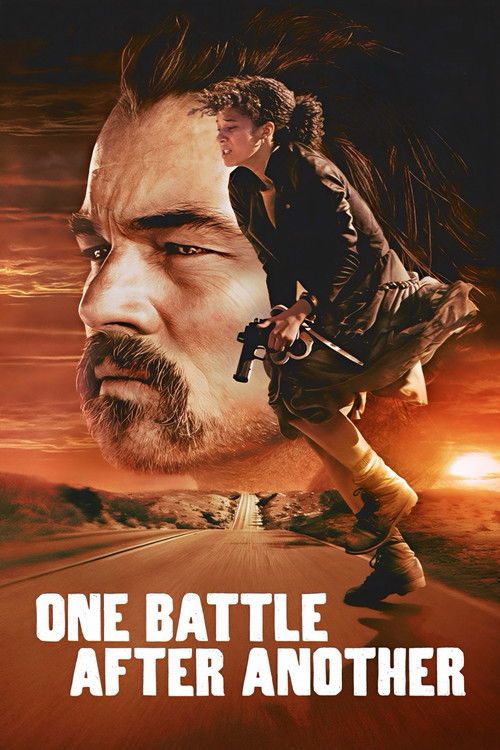
Washed-up revolutionary Bob exists in a state of stoned paranoia, surviving off-grid with his spirited, self-reliant daughter, Willa. When his evil nemesis resurfaces after 16 years and she goes missing, the former radical scrambles to find her, father and daughter both battling the consequences of his past.
Penn sheds his usual volatility for a haunting, hollowed-out stillness that marks a startling late-career pivot into minimalist restraint. By trading explosive monologues for microscopic facial twitches, he delivers his most internalized work to date, proving he can command a screen through sheer atmospheric gravity rather than volume.
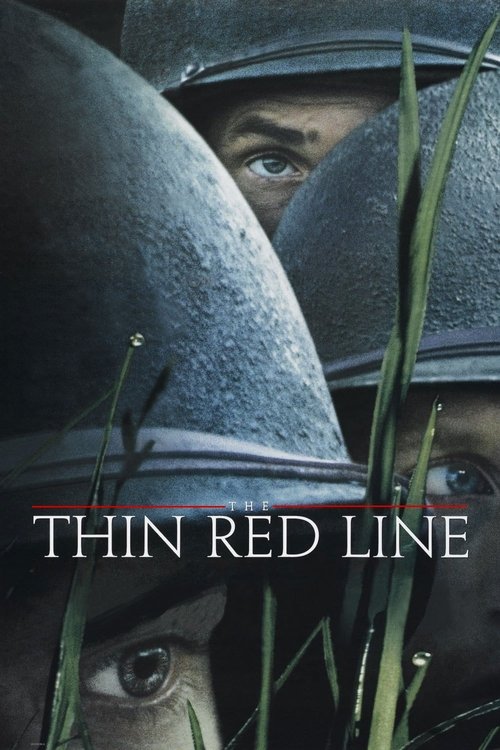
The story of a group of men, an Army Rifle company called C-for-Charlie, who change, suffer, and ultimately make essential discoveries about themselves during the fierce World War II battle of Guadalcanal. It follows their journey, from the surprise of an unopposed landing, through the bloody and exhausting battles that follow, to the ultimate departure of those who survived.
Penn discards his usual volatility for a haunting, hollowed-out cynicism as First Sergeant Edward Welsh, grounding Malick’s metaphysical wandering with a weary, boots-on-the-ground pragmatism. It marks a pivotal shift in his filmography, proving he could command the screen through stillness and stone-faced stoicism rather than outward aggression. He serves as the film’s moral anchor, delivering a masterclass in suppressed empathy and sandpaper-dry delivery.
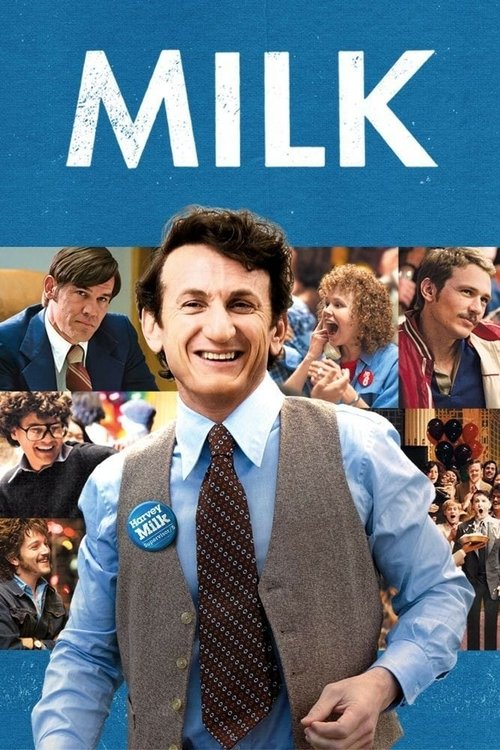
Milk
2008The true story of Harvey Milk, the first openly gay man ever elected to public office. In San Francisco in the late 1970s, Harvey Milk becomes an activist for gay rights and inspires others to join him in his fight for equal rights that should be available to all Americans.
Penn sheds his usual brooding intensity for a performance defined by radiant optimism and a disarming, kinetic warmth. By capturing Harvey Milk’s savvy political mind alongside his vulnerable playfulness, Penn secured his legacy as a master of transformation, proving he could command the screen with grace rather than just grit. It remains the definitive high-water mark of his career, swapping his trademark volatility for a revolutionary kind of joy.
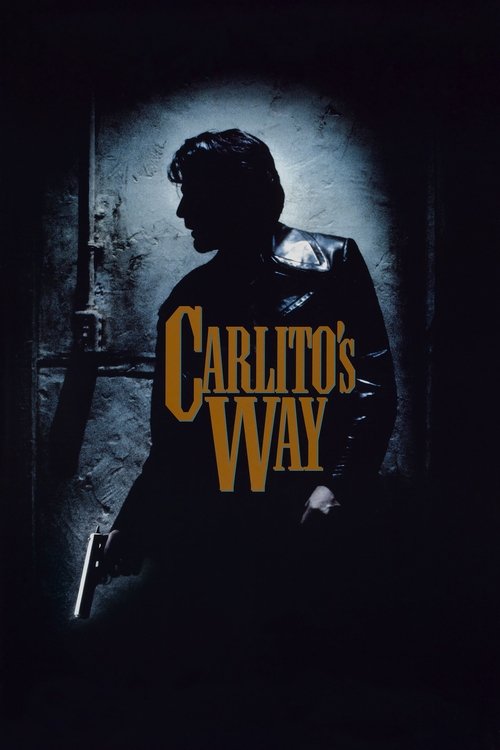
Carlito's Way
1993Free after years in prison, Carlito Brigante intends to give up his criminal ways, but it's not long before the ex-con is sucked back into the New York City underworld.
Vanishing behind a frizzy perm and a coke-fueled twitch, Penn delivers a masterclass in sleaze that remains the most transformative outlier of his career. He replaces his usual brooding intensity with a pathetic, volatile desperation, playing David Kleinfeld not as a caricature, but as a dangerous parasite rotting from the inside out. It is a rare, scenery-chewing turn that proves he could be just as magnetic playing a cowardly snake as he is playing a hero.
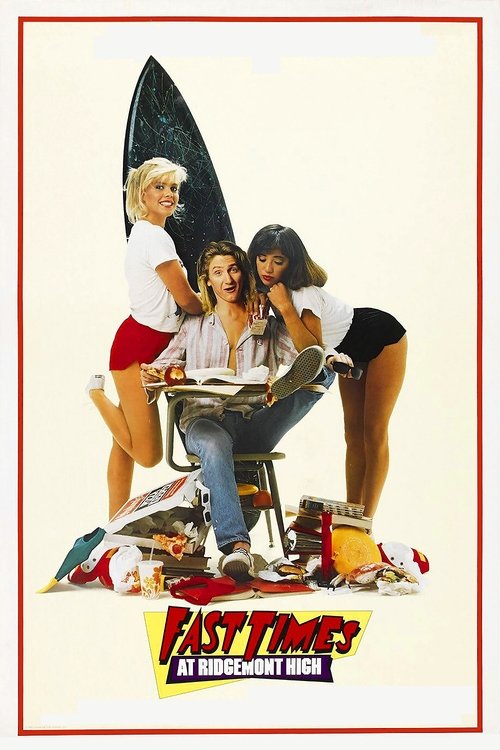
Based on the real-life adventures chronicled by Cameron Crowe, Fast Times follows a group of high school students growing up in Southern California. Stacy Hamilton and Mark Ratner are looking for love, and are helped along by their older classmates, Linda Barrett and Mike Damone. Jeff Spicoli, a perpetually stoned surfer faces-off with the resolute teacher, Mr. Hand. Hilarity and heartbreak ensue.
Penn crafts the definitive blueprint for the cinematic stoner, wielding a vacant, honey-drip drawl and a chaotic physical looseness that feels entirely improvised. It remains the rare transformative comedic turn that launched a prestige career, proving that even a surfing burnout could be played with singular, method-actor commitment. Jeff Spicoli wasn’t just a caricature; Penn made him a cultural landmark.
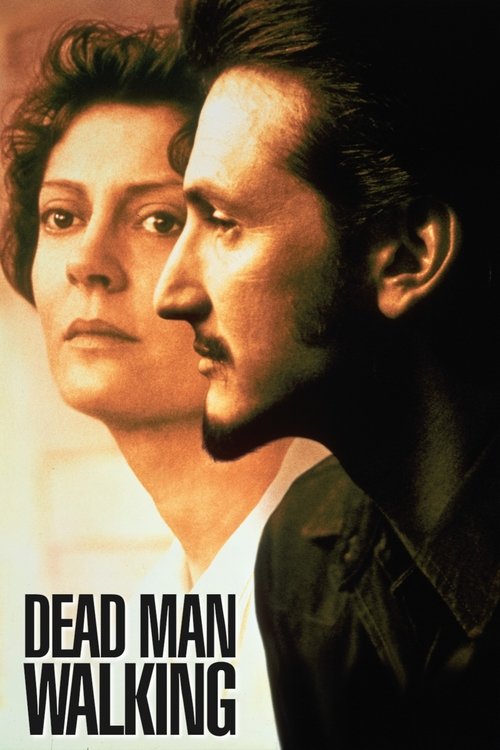
Dead Man Walking
1995A death row inmate turns for spiritual guidance to a local nun in the days leading up to his scheduled execution for the murders of a young couple.
Penn sheds his brat-pack volatility for a chillingly lean, desperate stillness as death row inmate Matthew Poncelet. He anchors the film with a twitchy, unvarnished humanity that evolved his image from a Hollywood rebel into a premier dramatic heavyweight. It is a masterclass in controlled hostility, proving he could command the screen through silence as effectively as through a snarl.

Mystic River
2003The lives of three men who were childhood friends are shattered when one of them suffers a family tragedy.
Penn channels a raw, volcanic grief that remains the definitive blueprint for his brand of high-stakes Method intensity. He navigates Jimmy Markum’s transition from mourning father to neighborhood judge with a terrifyingly quiet precision, earning an Oscar that solidified his status as the premier dramatic heavyweight of his generation. It is a masterclass in controlled combustion, where every flicker of rage feels dangerously authentic.
Frequently Asked Questions
Everything you need to know about this list and SnakeDrafts
- Sean Penn's performance in "Mystic River," directed by Clint Eastwood, is widely regarded as his most critically acclaimed role on the list. The film showcases his intense and nuanced acting in a gripping thriller and crime drama setting.
- In "Milk," Sean Penn portrays real-life gay rights activist Harvey Milk, demonstrating his ability to embody historical figures with depth and authenticity. This role stands out as a historic drama that earned him an Academy Award for Best Actor, emphasizing his versatility beyond crime and thriller genres.
- Many of Sean Penn's films feature themes of crime, moral complexity, and personal struggle, such as in "Carlito's Way" and "The Assassination of Richard Nixon." His work often explores intense emotional and psychological landscapes, highlighting conflicted and dynamic characters.
- "Mystic River" is a prime example where Sean Penn masterfully blends drama with mystery, under the direction of Clint Eastwood. The film's suspenseful narrative and Penn’s powerful performance contribute to its critical success.
- While the list highlights collaborations with many renowned directors like Clint Eastwood and Gus Van Sant, it shows Sean Penn's diverse work across different filmmakers rather than repeated collaborations. This variety underscores his adaptability and appeal to a wide range of directorial styles.
- Sean Penn’s filmography in this list spans a wide array of genres including crime drama ("Carlito's Way"), thriller ("The Game"), comedy ("Fast Times at Ridgemont High"), and historical biopics ("Milk"). This range illustrates his versatility as an actor able to inhabit different cinematic worlds convincingly.
- "Fast Times at Ridgemont High" showcases Sean Penn’s early career and his flair for comedy and romance. This cult classic remains a significant departure from his later, more intense dramatic roles and highlights his range as an actor.
- Yes, the list features an upcoming film titled "One Battle After Another," directed by Paul Thomas Anderson, which is anticipated to add an action-packed thriller to Sean Penn’s extensive filmography. This project continues to build on his reputation for choosing challenging and varied roles.