The Best Jeremy Irons Movies
Masterclass Performances from the Voice of Scar
Discover the most iconic performances by Jeremy Irons, from his Oscar-winning roles to legendary blockbusters and unforgettable character studies.
About Jeremy Irons

If cinema had a sound, it would likely resonate in the same baritone register as the throat of Jeremy Irons. His voice is a rich, honeyed rasp that carries the weight of a thousand years of literature and at least several hundred years of refined cynicism. For decades, he has occupied a unique space in the cultural consciousness as the thinking person’s villain and the sophisticated person’s enigma. He does not merely portray characters; he haunts them, bringing a certain skeletal grace and a razor-sharp intellect to every frame he occupies.
His rise to the heights of the industry was built on a foundation of intellectual intensity. In the eighties, he anchored the spiritual epic The Mission with a quiet, burning conviction that proved he could command the screen without raising his voice. Yet, it was his willingness to lean into the macabre and the morally ambiguous that truly set him apart. His dual performance in Dead Ringers remains a chilling masterclass in psychological disintegration, while his Oscar winning turn in Reversal of Fortune solidified his reputation for making the elite feel dangerous. He played Claus von Bulow with such icy, high-society detachment that he managed to make being a murder suspect look like a social grace.
Audiences connect with him because he never asks for their sympathy. Whether he is whispering threats as the Machiavellian Scar in The Lion King or playing the bomb-planting mastermind in Die Hard With a Vengeance, there is an inherent dignity to his malice. He treats every role with the same Shakespearean weight, whether he is navigating the forbidden desires of Lolita and Damage or grounding the comic book grandeur of Zack Snyder’s Justice League as a weary, sardonic Alfred Pennyworth. He possesses the rare ability to bridge the gap between high art and popcorn fun, often appearing in films like The Beekeeper just to show that he can still steal a scene with a simple, arched eyebrow and a perfectly timed line delivery.
There is a tactile quality to his work that makes his characters feel lived-in. In Margin Call, his portrayal of a coldhearted titan of finance felt so authentic it was predatory, yet a few years later, he brought a heartbreaking warmth to the role of a mentor in The Man Who Knew Infinity. He excels at playing men who carry secrets, from the swashbuckling musketeer of The Man in the Iron Mask to the weary diplomat in Munich The Edge of War. Even when he steps into period pieces like The Merchant of Venice or Kingdom of Heaven, he avoids the stiff formality that traps lesser actors, instead finding the modern, beating heart inside the historical costume.
Ultimately, he remains one of the few actors who can make the simple act of thinking look cinematic. He is the guardian of a certain kind of European sophistication that feels increasingly rare in a loud, frantic modern landscape. To watch him on screen is to witness the power of restraint. He understands that a well placed silence or a subtle vocal inflection can do more work than a dozen explosions. He is the silver tongued shadow of the silver screen, a performer who reminds us that the most interesting people in the room are usually the ones who know exactly how much they are hiding.
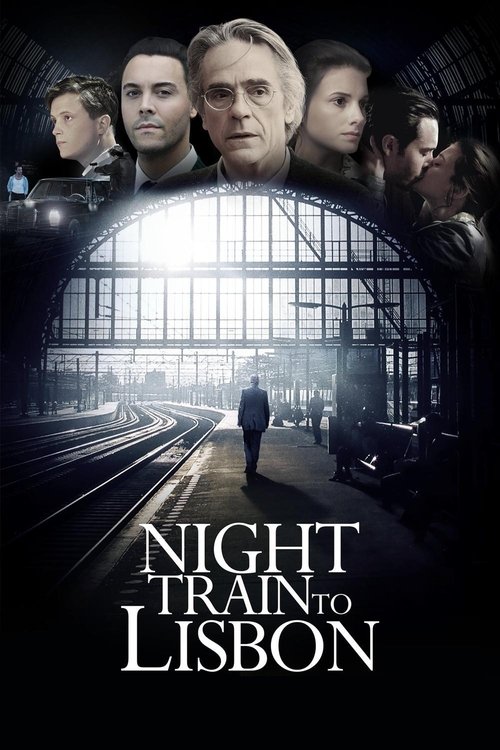
Night Train to Lisbon
2013Raimund Gregorius, having saved a beautiful Portuguese woman from leaping to her death, stumbles upon a mesmerizing book by a Portuguese author, which compels him to suddenly abandon the boring life he has led for years and to embark on an enthralling adventure. In search of the author, Gregorius acts as detective, pulling together pieces of a puzzle that involves political and emotional intrigue and the highest possible stakes. His voyage is one that transcends time and space, delving into the realms of history, medicine and love, all in search of true meaning to his life.

Race
2016Based on the story of Jesse Owens, the athlete whose quest to become the greatest track and field athlete in history thrusts him onto the world stage of the 1936 Olympics, where he faces off against Adolf Hitler's vision of Aryan supremacy.
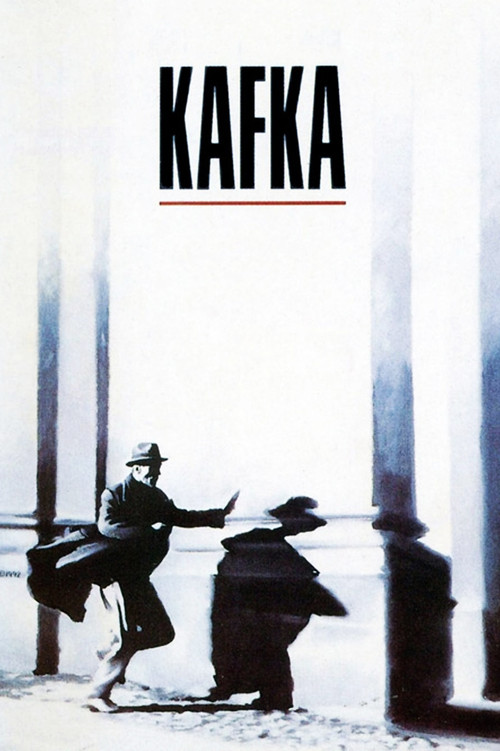
Kafka
1991After a colleague is murdered, insurance worker Kafka gets embroiled in an underground group who are attempting to thwart a secret organization that controls the major events in society.
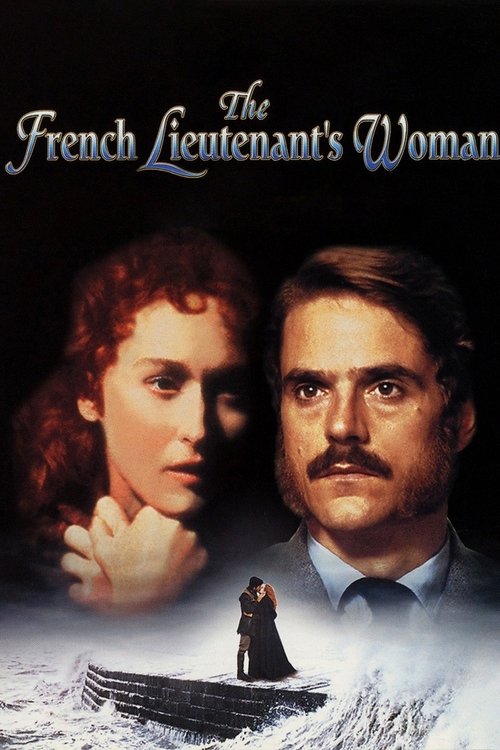
In this story-within-a-story, Anna is an actress starring opposite Mike in a period piece about the forbidden love between their respective characters, Sarah and Charles. Both actors are involved in serious relationships, but the passionate nature of the script leads to an off-camera love affair as well. While attempting to maintain their composure and professionalism, Anna and Mike struggle to come to terms with their infidelity.

M. Butterfly
1993In 1960s China, French diplomat Rene Gallimard falls in love with an opera singer, Song Liling – but Song is not at all who Gallimard thinks.
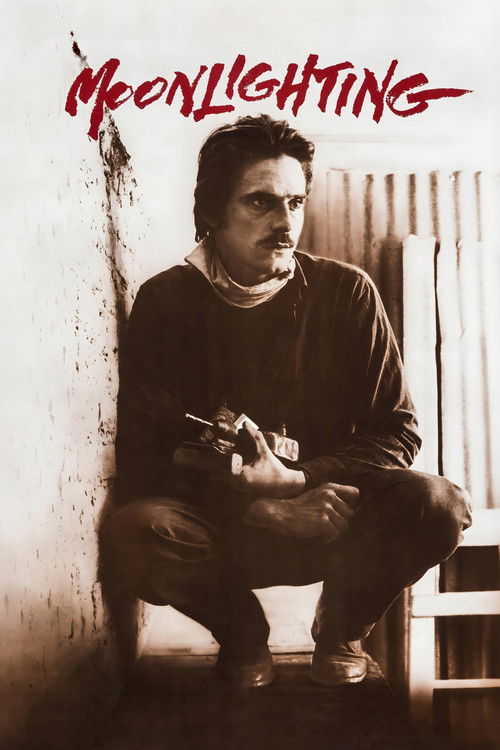
Moonlighting
1982A Polish contractor, Nowak, leads a group of workmen to London so they can provide cheap labor for a government official based there. Nowak has to manage the project and the men as they encounter the tempations of the West and loneliness and separation from their families. Nowak is the only one of the group who speaks English, and he uses this as a tool over his team. When the unrest in Poland leads to a military takeover, Nowak is faced with a much more difficult situation than he expected.
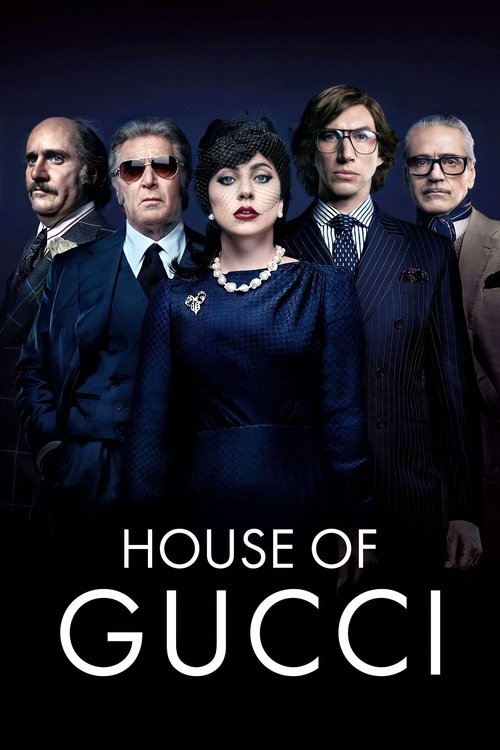
House of Gucci
2021When Patrizia Reggiani, an outsider from humble beginnings, marries into the Gucci family, her unbridled ambition begins to unravel the family legacy and triggers a reckless spiral of betrayal, decadence, revenge, and ultimately… murder.

Justice League
2017Fuelled by his restored faith in humanity and inspired by Superman's selfless act, Bruce Wayne and Diana Prince assemble a team of metahumans consisting of Barry Allen, Arthur Curry and Victor Stone to face the catastrophic threat of Steppenwolf and the Parademons who are on the hunt for three Mother Boxes on Earth.

Inland Empire
2006When actress Nikki Grace gets the lead role in a cursed film, her world becomes more and more surreal, blending realities and ideas of infidelity, reincarnation, and supernatural forces.

Damage
1992The life of a respected British politician at the height of his career crumbles when he becomes obsessed with his son's lover.
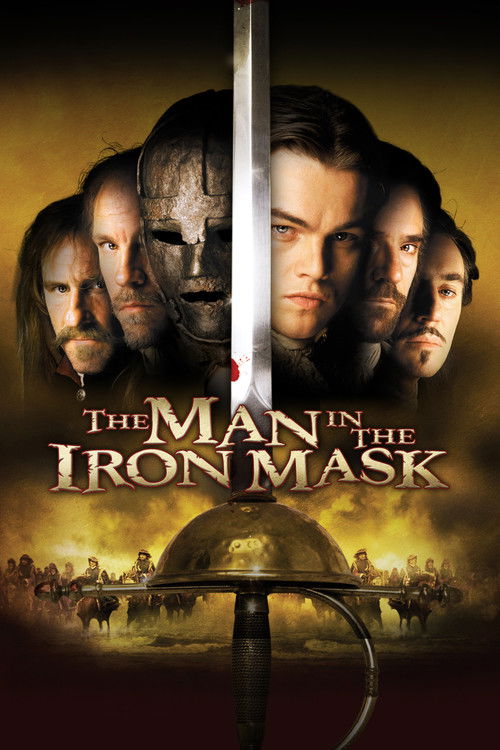
The Man in the Iron Mask
1998Years have passed since the Three Musketeers, Aramis, Athos and Porthos, have fought together with their friend, D'Artagnan. But with the tyrannical King Louis using his power to wreak havoc in the kingdom while his twin brother, Philippe, remains imprisoned, the Musketeers reunite to abduct Louis and replace him with Philippe.

The Merchant of Venice
2004Venice, 1596. Bassanio begs his friend Antonio, a prosperous merchant, to lend him a large sum of money so that he can woo Portia, a very wealthy heiress; but Antonio has invested his fortune abroad, so they turn to Shylock, a Jewish moneylender, and ask him for a loan.
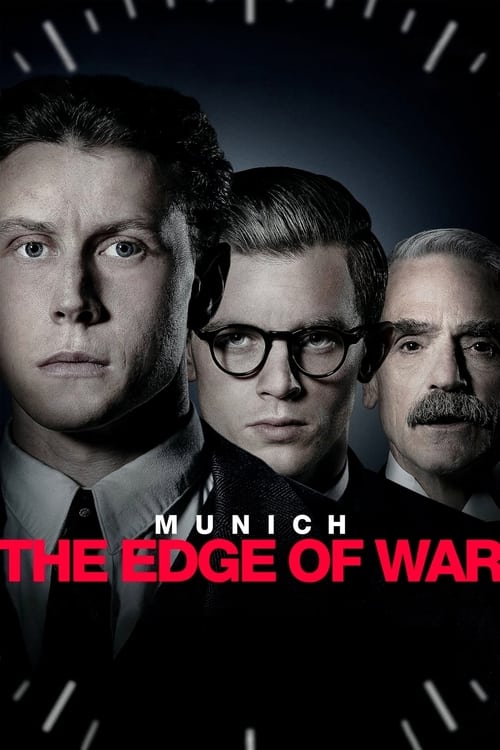
Munich – The Edge of War
2021At the tense 1938 Munich Conference, former friends who now work for opposing governments become reluctant spies racing to expose a Nazi secret.
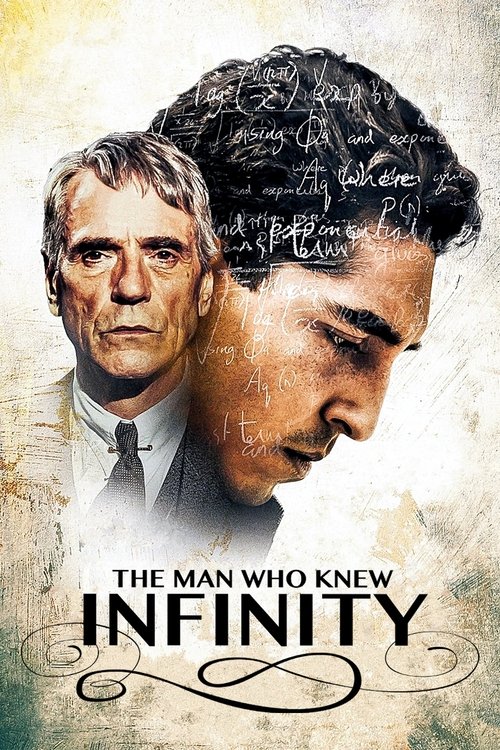
The Man Who Knew Infinity
2016Growing up poor in Madras, India, Srinivasa Ramanujan Iyengar earns admittance to Cambridge University during WWI, where he becomes a pioneer in mathematical theories with the guidance of his professor, G.H. Hardy.
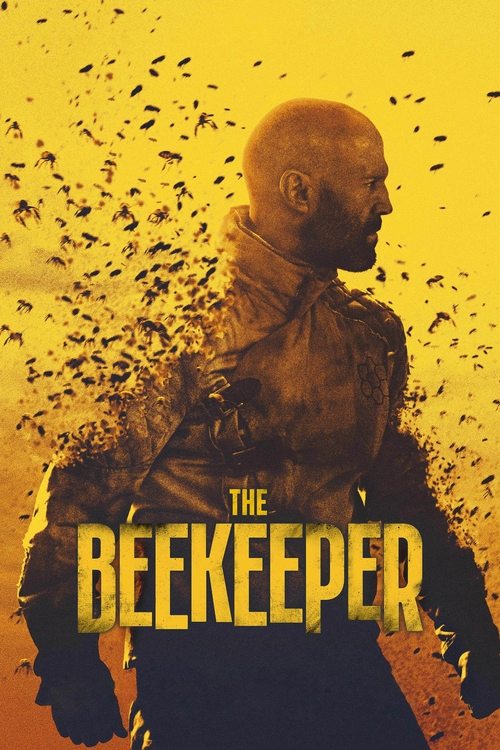
The Beekeeper
2024One man's campaign for vengeance takes on national stakes after he is revealed to be a former operative of a powerful and clandestine organization known as Beekeepers.
Leaning into his late-career status as a prestige heavy hitter, Irons lends a layer of unexpected class to this high-octane thriller as a fixer for the powerful. He clearly relishes the opportunity to play a pragmatic power player who understands exactly how the world’s secret levers are pulled.

Lolita
1997Humbert Humbert is a middle-aged British novelist who is both appalled by and attracted to the vulgarity of American culture. When he comes to stay at the boarding house run by Charlotte Haze, he soon becomes obsessed with Lolita, the woman's teenaged daughter.
Irons takes on the unenviable task of portraying a man consumed by a devastating and forbidden obsession with a pathetic, tragic vulnerability. He eschews simple villainy to show the psychological disintegration of a character trapped in his own moral wasteland.
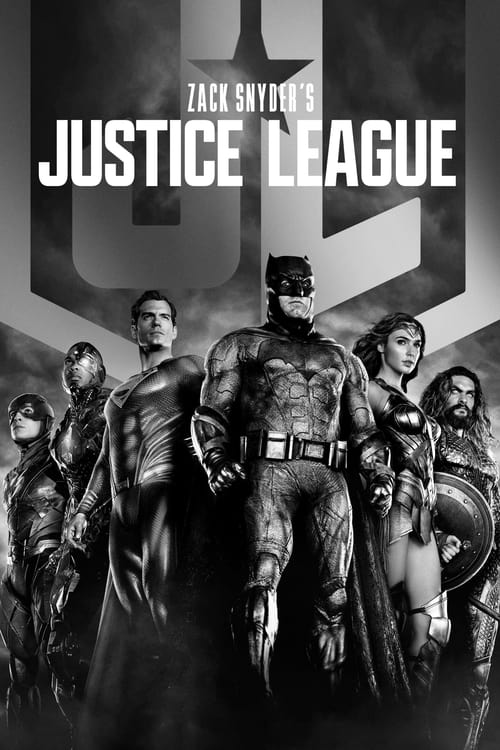
Determined to ensure Superman's ultimate sacrifice was not in vain, Bruce Wayne aligns forces with Diana Prince with plans to recruit a team of metahumans to protect the world from an approaching threat of catastrophic proportions.
Redefining the archetype of the loyal butler, his Alfred is less a servant and more a cynical, tech-savvy tactical advisor with a dry wit. Irons provides a much-needed human tether to the god-like scale of the narrative, grounding the superhero spectacle with world-weary pragmatism.
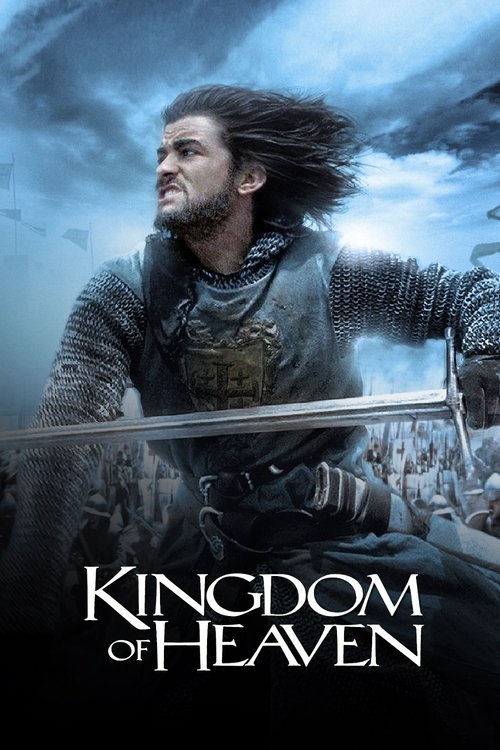
After his wife dies, a blacksmith named Balian is thrust into royalty, political intrigue and bloody holy wars during the Crusades.
Irons brings a necessary sense of historical exhaustion to the role of Tiberias, serving as the weary conscience of a dying kingdom. Even in a sprawling epic, his weathered dignity and resonant voice provide the film with its most grounded and philosophical moments.
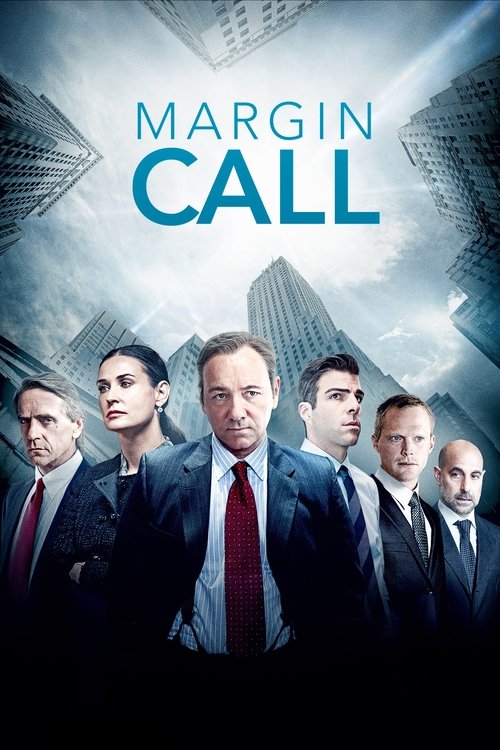
Margin Call
2011A thriller that revolves around the key people at an investment bank over a 24-hour period during the early stages of the financial crisis.
As a vulture-like CEO during a financial collapse, Irons dominates the screen with an intimidating authority that feels both ancient and dangerously modern. He exemplifies the ruthless pragmatism of the elite, commanding every room with a weary yet terrifying clarity.

Dead Ringers
1988Elliot, a successful gynecologist, works at the same practice as his identical twin, Beverly. Elliot is attracted to many of his patients and has affairs with them. When he inevitably loses interest, he will give the woman over to Beverly, the meeker of the two, without the woman knowing the difference. Beverly falls hard for one of the patients, Claire, but when she inadvertently deceives him, he slips into a state of madness.
In a chilling dual performance that remains his most technically impressive feat, Irons differentiates two identical twins through subtle shifts in posture and psychic fragility. He navigates David Cronenberg’s body horror with a surgical precision that blurs the lines between individual identities and shared madness.
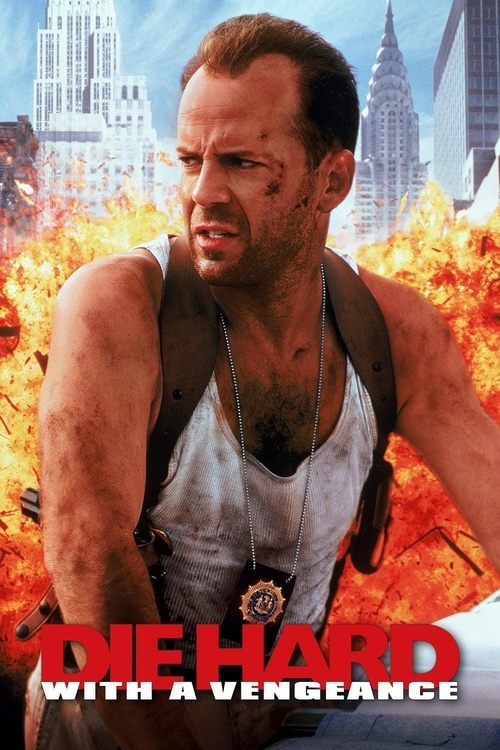
Die Hard: With a Vengeance
1995New York detective John McClane is back and kicking bad-guy butt in the third installment of this action-packed series, which finds him teaming with civilian Zeus Carver to prevent the loss of innocent lives. McClane thought he'd seen it all, until a genius named Simon engages McClane, his new "partner" -- and his beloved city -- in a deadly game that demands their concentration.
Irons injects a jolt of sophisticated menace into the action genre as a calculating mastermind who views domestic terrorism as a grand game of chess. His sleek, predatory energy provides the perfect intellectual counterpoint to the blue-collar grit of the franchise’s hero.

The Mission
1986When a Spanish Jesuit goes into the South American wilderness to build a mission in the hope of converting the Indians of the region, a slave hunter is converted and joins his mission. When Spain sells the colony to Portugal, they are forced to defend all they have built against the Portuguese aggressors.
Playing a Jesuit priest against the backdrop of colonial brutality, Irons provides a masterclass in quiet, spiritual fortitude that anchors the film’s moral weight. It is a luminous turn that established his capacity for portraying deep-seated conviction and the agonizing struggle of a man caught between faith and the sword.

The Lion King
1994Young lion prince Simba, eager to one day become king of the Pride Lands, grows up under the watchful eye of his father Mufasa; all the while his villainous uncle Scar conspires to take the throne for himself. Amid betrayal and tragedy, Simba must confront his past and find his rightful place in the Circle of Life.
Irons weaponizes his Shakespearean gravitas to create the ultimate animated Machiavellian, proving that a voice alone can command more terror and charisma than a physical presence. This role captures his singular ability to blend aristocratic disdain with a lethal, oily charm that remains the gold standard for cinematic villainy.
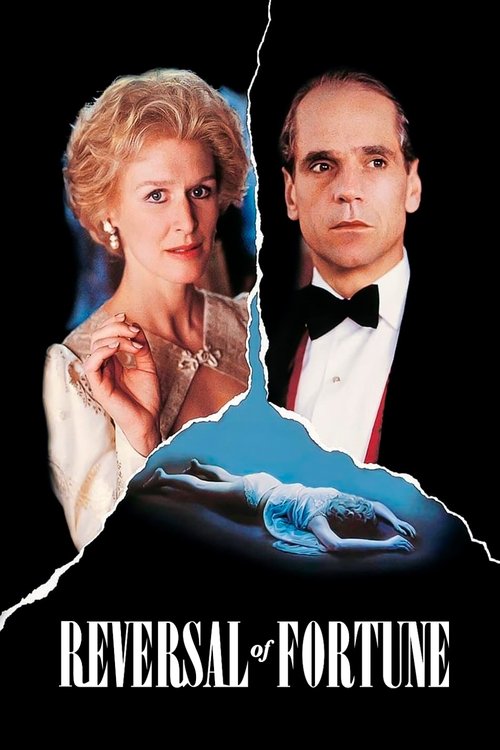
Wealthy Sunny von Bülow lies brain-dead, husband Claus guilty of attempted murder; but he says he's innocent and hires Alan Dershowitz for his appeal.
Mastering a cold and impenetrable ambiguity, Irons earned his Oscar by perfectly inhabiting the enigma of Claus von Bülow. He crafts a performance so aloof and darkly humorous that the audience is left hypnotized by his mask of aristocratic indifference.
Frequently Asked Questions
Everything you need to know about this list and SnakeDrafts
- Jeremy Irons won the Academy Award for Best Actor for his riveting performance as Claus von Bülow in 'Reversal of Fortune.' His portrayal masterfully captured the complexity of a man accused of attempting to murder his wife, showcasing Irons' exceptional talent for playing morally ambiguous characters.
- Jeremy Irons' distinctive baritone voice adds a rich, menacing texture to his characters, notably as the villainous Scar in 'The Lion King.' His vocal performance lends a sophisticated depth that enhances the character's cunning and malevolence, making it one of his most memorable roles.
- Jeremy Irons’ films often delve into complex moral and psychological themes, as seen in movies like 'Dead Ringers' and 'The Mission.' His choice of roles reflects a penchant for exploring deep character studies, conflicts of conscience, and historical dramas, highlighting his range and preference for thought-provoking narratives.
- Jeremy Irons stars in several historically set films from the list, including 'The Mission,' 'Kingdom of Heaven,' and 'Munich – The Edge of War.' These films showcase his ability to bring authenticity and gravitas to characters entangled in significant historical events and cultural shifts.
- In thrillers such as 'Margin Call' and 'Die Hard: With a Vengeance,' Jeremy Irons adopts a more intense and suspense-driven approach, often portraying strategic and resolute figures. This contrasts with his dramatic roles where he focuses more deeply on emotional complexity and psychological nuance.
- Jeremy Irons' dual role as twin gynecologists in 'Dead Ringers' is a standout performance due to his remarkable ability to distinctly inhabit two complex and psychologically troubled characters. His portrayal underlines his skill in exploring identity and madness, directed by David Cronenberg’s chilling vision.
- 'The Beekeeper,' a 2024 action-crime thriller, highlights Jeremy Irons' ongoing versatility and willingness to tackle diverse genres late into his career. This role demonstrates his continual adaptation and relevance in contemporary cinema, embracing both character depth and dynamic storytelling.
- In literary adaptations like 'Lolita' and 'The Merchant of Venice,' Jeremy Irons brings a refined, nuanced interpretation that honors the source material’s complexity. His thoughtful portrayals emphasize the psychological intricacies and moral dilemmas central to these classic narratives.