The Definitive Kathy Bates Movie Performance Ranking
From Horror Icons to Heartwarming Dramas
Explore Kathy Bates' most legendary roles, featuring Oscar-winning performances and cinematic classics that define her incredible acting career.
About Kathy Bates
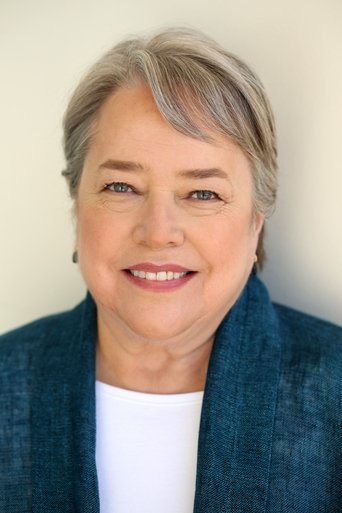
In the pantheon of American cinema, few actors possess the terrifying tectonic power and the sudden, disarming warmth of Kathy Bates. She did not arrive in Hollywood as a starlet crafted by a studio machine; instead, she emerged as a fully formed force of nature, possessing a face that could shift from maternal comfort to homicidal mania in a single blink. When she burst into the global consciousness with Misery in 1990, she did more than just win an Oscar. She redefined the cinematic villain, turning Annie Wilkes into a tragic, lonely, and deeply human monster. That performance remains a masterclass in psychological volatility, yet it was merely the opening salvo for a career defined by an refusal to be pigeonholed.
What makes her so indispensable to the medium is her grounded transparency. She carries a blue-collar dignity that makes her feel like someone we actually know. In Fried Green Tomatoes, she captured the quiet revolution of a woman discovering her own worth, while in Dolores Claiborne, she channeled a weathered, stoic endurance that felt pulled directly from the rocky coast of Maine. She has a singular gift for anchoring high-concept drama in reality. Whether she is playing the brassy Molly Brown amidst the sinking grandeur of Titanic or the razor-sharp political operative in Primary Colors, she commands the screen by being the most authentic person in the room.
Audiences connect with her because she never seems to be performing for the sake of vanity. She is unafraid of messiness, aging, or vulnerability. This lack of ego was famously displayed in her Oscar-nominated turn in About Schmidt, where her fearless comfort in her own skin challenged the very notions of how older women are depicted on screen. Her filmography reads like a map of the human condition. She can play the overbearing but fiercely loyal mother in The Waterboy or The Blind Side, or transition seamlessly into the understated wisdom of Gertrude Stein in Midnight in Paris. Even in more recent years, she has found new ways to surprise us, offering a heartbreaking, grounded performance as the mother of a wrongly accused man in Richard Jewell and bringing a spirited, lived-in charm to the grandmotherly role in Are You There God? It's Me, Margaret.
Her legacy is one of endurance and versatility. She has moved through every genre, from the legal gravity of On the Basis of Sex to the gritty history of The Highwaymen and the weeping romance of Revolutionary Road and P.S. I Love You. Through it all, she has maintained a reputation as an actor's actor, a performer who elevates everyone around her through sheer presence. She does not just inhabit a role; she breathes life into the history and the secrets of every character she touches. To watch her work is to watch someone who understands that the greatest special effect in cinema isn't CGI, but the honesty reflected in a human gaze. She remains a vital, soulful pillar of the industry, a reminder that true talent is timeless and that the most compelling stories are often the ones told with a touch of grit and a lot of heart.

The Golden Compass
2007In a parallel universe, after overhearing a shocking secret, precocious orphan Lyra Belacqua trades her carefree existence roaming the halls of Jordan College for an otherworldly adventure in the far North, unaware that it's part of her destiny.
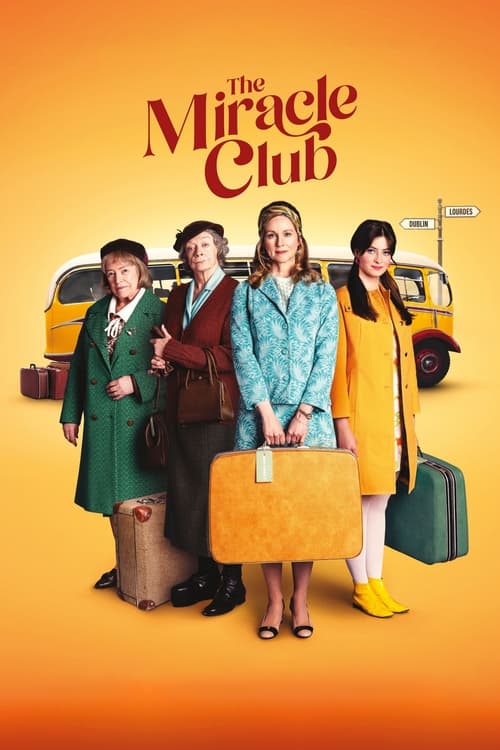
The Miracle Club
2023Three close friends who have never left the outskirts of Dublin (much less Ireland) get the journey of a lifetime — a visit to Lourdes, the picturesque French town and place of miracles.

The Death & Life of John F. Donovan
2019A decade after the death of an American TV star, a young actor reminisces about the written correspondence he once shared with the former, as well as the impact those letters had on both their lives.
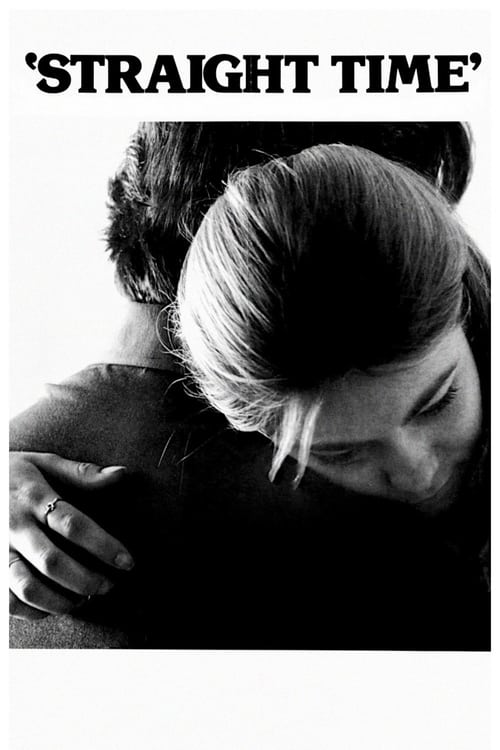
Straight Time
1978After being released on parole, a burglar attempts to go straight, get a regular job, and just go by the rules. He soon finds himself back in jail at the hands of a power-hungry parole officer.
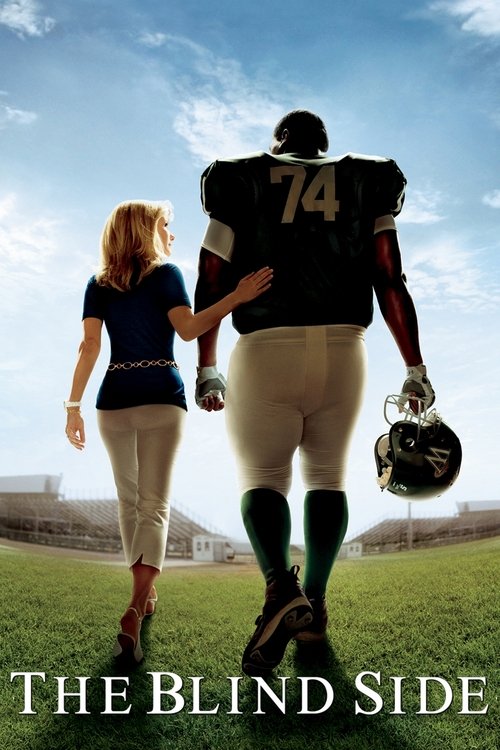
The Blind Side
2009The story of Michael Oher, a homeless and traumatized boy who became an All American football player and first round NFL draft pick with the help of a caring woman and her family.

The Waterboy
1998Bobby Boucher is a water boy for a struggling college football team. The coach discovers Boucher's hidden rage makes him a tackling machine whose bone-crushing power might vault his team into the playoffs.

The Highwaymen
2019In 1934, Frank Hamer and Manny Gault, two former Texas Rangers, are commissioned to put an end to the wave of vicious crimes perpetrated by Bonnie Parker and Clyde Barrow, a notorious duo of infamous robbers and cold-blooded killers who nevertheless are worshiped by the public.

Primary Colors
1998In this adaptation of the best-selling roman à clef about Bill Clinton's 1992 run for the White House, the young and gifted Henry Burton is tapped to oversee the presidential campaign of Governor Jack Stanton. Burton is pulled into the politician's colorful world and looks on as Stanton -- who has a wandering eye that could be his downfall -- contends with his ambitious wife, Susan, and an outspoken adviser, Richard Jemmons.

P.S. I Love You
2007A young widow discovers that her late husband has left her 10 messages intended to help ease her pain and start a new life.

Revolutionary Road
2008A young couple living in a Connecticut suburb during the mid-1950s struggle to come to terms with their personal problems while trying to raise their two children. Based on a novel by Richard Yates.
In this claustrophobic drama, Bates uses her role as a meddling real estate agent to represent the suffocating polite society of the 1950s. She masterfully navigates the subtext of suburban denial, making her character’s obliviousness feel like its own form of cruelty.
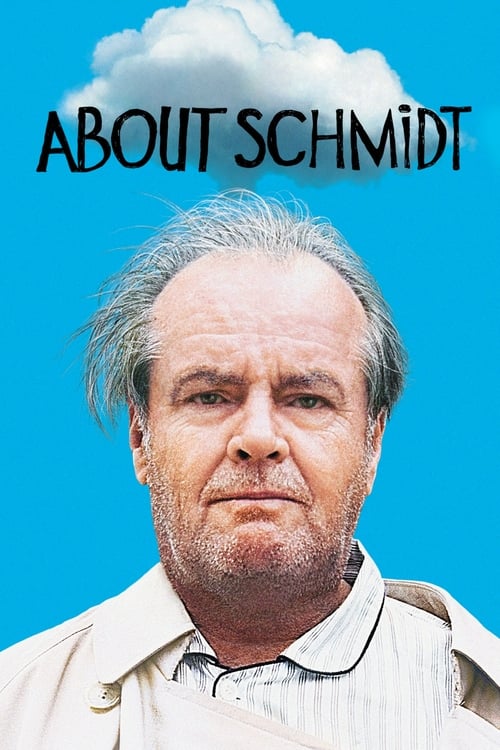
About Schmidt
2002A recently retired man embarks on a journey to his estranged daughter's wedding, only to discover more about himself and life than he ever expected.
Bates fearlessly embraces a bohemian eccentricity that provides a jolt of raw energy to the film's somber, observational tone. Her uninhibited presence serves as a necessary catalyst for the protagonist's discomfort, highlighting her talent for calculated scene stealing.

On the Basis of Sex
2018Young lawyer Ruth Bader Ginsburg teams with her husband Marty to bring a groundbreaking case before the U.S. Court of Appeals and overturn a century of sex discrimination.
Casting a long shadow in a pivotal supporting role, Bates portrays Dorothy Kenyon with the flinty authority of a pioneer. She perfectly encapsulates the generational friction and hard won wisdom of a woman who fought legal battles before the world was ready to listen.
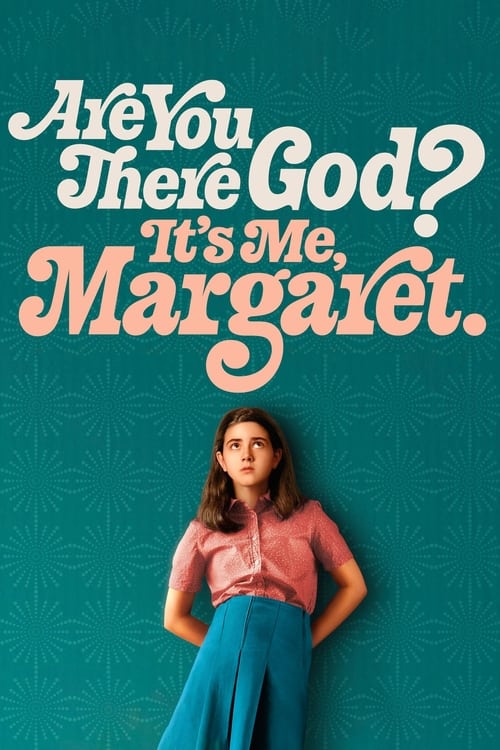
Are You There God? It's Me, Margaret.
2023When her family moves from New York City to New Jersey, an 11-year-old girl navigates new friends, feelings, and the beginning of adolescence.
Bates shines as the vivacious grandmother who rejects the typical tropes of aging for something far more spirited and sharp. She provides a joyous counterpoint to the central coming of age anxieties, proving her enduring ability to light up a screen with warmth and comedic timing.

Midnight in Paris
2011While on a trip to Paris with his fiancée's family, a nostalgic screenwriter finds himself mysteriously going back to the 1920s every day at midnight.
As Gertrude Stein, Bates brings a formidable intellectual weight and a dry wit to Woody Allen’s whimsical landscape. She inhabits the role of an artistic gatekeeper with such ease that she becomes the most grounded and convincing figure in the film's historical ensemble.
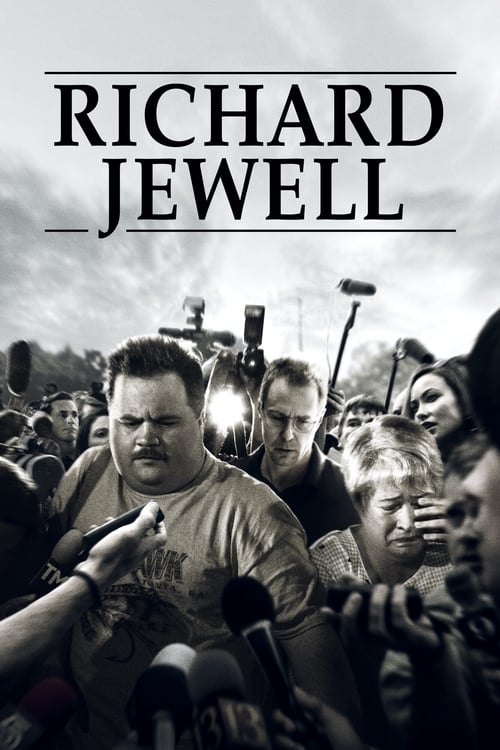
Richard Jewell
2019Richard Jewell thinks quick, works fast, and saves hundreds, perhaps thousands, of lives after a domestic terrorist plants several pipe bombs and they explode during a concert, only to be falsely suspected of the crime by sloppy FBI work and sensational media coverage.
In this late career triumph, Bates strips away all artifice to portray a mother’s heartbreak with agonizing vulnerability. Her capacity to channel pure, unadulterated grief earned her a well deserved return to the Academy Award conversation.
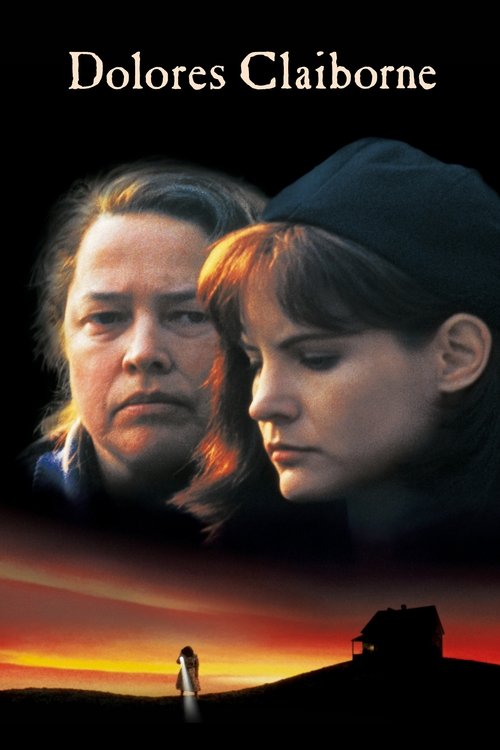
Dolores Claiborne
1995Dolores Claiborne was accused of killing her abusive husband twenty years ago, but the court's findings were inconclusive and she was allowed to walk free. Now she has been accused of killing her employer, Vera Donovan, and this time there is a witness who can place her at the scene of the crime. Things look bad for Dolores when her daughter Selena, a successful Manhattan magazine writer, returns to cover the story.
Returning to the Stephen King well, Bates delivers a masterclass in weary resilience that proves her earlier thrillers were no fluke. Her portrayal of a hardened woman weathered by secrets is a study in stoic intensity and protective maternal instinct.

Titanic
1997101-year-old Rose DeWitt Bukater tells the story of her life aboard the Titanic, 84 years later. A young Rose boards the ship with her mother and fiancé. Meanwhile, Jack Dawson and Fabrizio De Rossi win third-class tickets aboard the ship. Rose tells the whole story from Titanic's departure through to its death—on its first and last voyage—on April 15, 1912.
Stealing scenes as the Unsinkable Molly Brown, Bates provides much needed levity and a sharp class critique amidst the high stakes industrial disaster. She serves as the film's moral compass, injecting a sense of gritty, nouveau riche realism into an otherwise ethereal romance.

Amidst her own personality crisis, a southern housewife meets an outgoing old woman who tells her the story of Idgie Threadgoode and Ruth Jamison, two young women who experienced hardships and love in 1920s Whistle Stop, Alabama.
Commanding the screen during her transition into a Hollywood leading lady, Bates captures the quiet desperation and eventual liberation of a woman discovering her own agency. She anchors the film's emotional core by making a journey toward self-worth feel both radical and deeply relatable.

Misery
1990After an accident, acclaimed novelist Paul Sheldon is rescued by a nurse who claims to be his biggest fan. Her obsession takes a dark turn when she holds him captive in her remote Colorado home and forces him to write back to life the popular literary character he killed off.
Bates weaponizes domesticity in an Oscar winning turn that redefined the cinematic stalker as a terrifyingly polite force of nature. This performance remains the definitive benchmark for her ability to pivot from sweetness to sociopathy with a single flicker of the eyes.
Frequently Asked Questions
Everything you need to know about this list and SnakeDrafts
- Kathy Bates' portrayal in Misery (1990) is widely regarded as her most iconic performance, redefining cinematic villainy and earning her an Oscar. This role showcases her range and intensity, marking a career-defining moment in American cinema.
- Bates exhibits remarkable versatility by seamlessly transitioning from intense thrillers like Dolores Claiborne to heartfelt dramas such as Fried Green Tomatoes and even lighthearted comedies like The Waterboy. This range highlights her ability to embody a wide variety of characters with authenticity.
- Kathy Bates shines in historical dramas like Richard Jewell (2019) and On the Basis of Sex (2018), where she portrays real-life figures with compelling depth. These roles underscore her skill in bringing history to life with emotional complexity.
- Themes of resilience, complexity, and humanity are central across Bates' filmography, with characters often facing intense personal and social challenges. Her work in films like Dolores Claiborne and Revolutionary Road highlights her focus on nuanced, multifaceted women.
- In ensemble-driven films such as Titanic and Fried Green Tomatoes, Bates adds depth and warmth, enhancing the dynamic among characters. Her strong presence supports storytelling by enriching the interrelationships that underpin these classics.
- Are You There God? It's Me, Margaret. (2023) showcases Bates in a role that balances comedic timing with emotional nuance, reflecting her continued ability to bring depth to contemporary stories. This role contributes to the film's charm and relatability.
- Bates masterfully conveys psychological tension and emotional depth, creating characters who are simultaneously vulnerable and formidable. Her performances reveal layers of strength and fragility that engage audiences deeply.