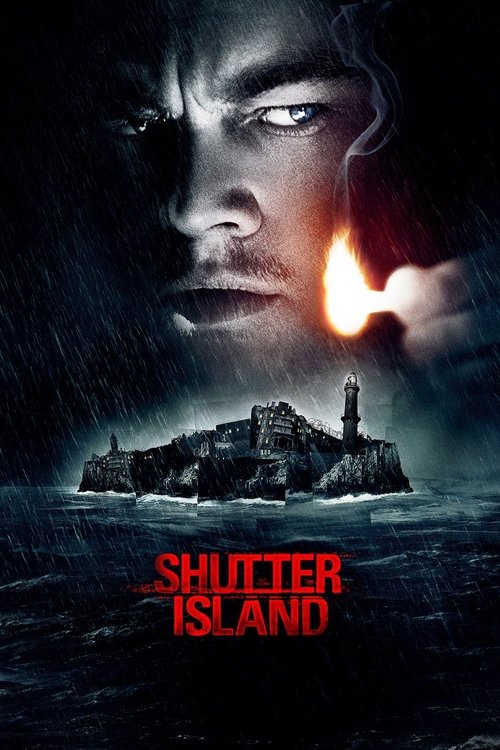
Shutter Island
Shutter Island (2010) is a gripping psychological thriller directed by Martin Scorsese, featuring Leonardo DiCaprio as U.S. Marshal Teddy Daniels unraveling a haunting mystery on a remote island asylum. This film masterfully blends drama, suspense, and complex narrative twists that keep viewers on the edge of their seats.
Director
Release Year
2010
Runtime
138 minutes
About Shutter Island
Shutter Island stands out as a culturally impactful film that explores the fragile nature of the human psyche and the blurred lines between reality and delusion. The movie invites audiences into the eerie world of a mental institution on a secluded island, serving as a backdrop for a deep dive into trauma, memory, and identity without revealing key plot twists.
Set in the 1950s, the premise revolves around Teddy Daniels investigating the disappearance of a patient from Ashecliffe Hospital, where darker secrets lurk beneath the surface. The film’s atmospheric tension is heightened through Scorsese's meticulous direction and a haunting score, creating a sense of unease that permeates every scene.
Critically, Shutter Island received acclaim for its complex storytelling, DiCaprio’s intense performance, and its ability to unsettle audiences while provoking thoughtful discussions about mental health and reality. It has garnered a loyal following and sparked various interpretations and analyses regarding its ambiguous ending.
Though it didn't rack up major awards, the film's legacy endures as a standout in the thriller genre, praised for its layered narrative and psychological depth. It continues to be a reference point in discussions about modern psychological thrillers and films that challenge viewers' perceptions.
Drafts Featuring Shutter Island
Every SnakeDrafts listicle where this movie appears
The Best Leonardo DiCaprio Movies
Ranked #10
The Very Best Ben Kingsley Films
Ranked #4
The Best Mark Ruffalo Movies Ranked
Ranked #2
The Definitive Michelle Williams Filmography Ranked
Ranked #4
The Ultimate Martin Scorsese Movie Rankings
Ranked #9
2010's Best Movies Ranked
Ranked #8
The Greatest Thriller Movies of 2010
Ranked #1
The Best Thriller Movies of All Time, Ranked
Ranked #15
Best Max von Sydow Movies Ranked
Ranked #3
The Best 2010s Thriller Movies Ranked
Ranked #7
Similar Movies
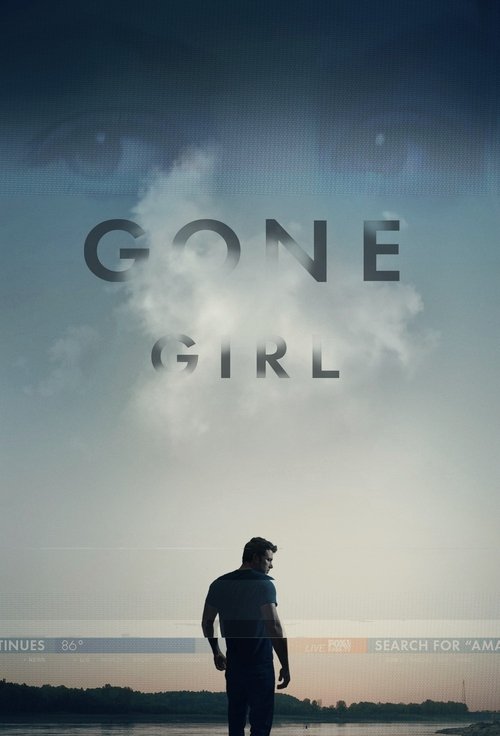
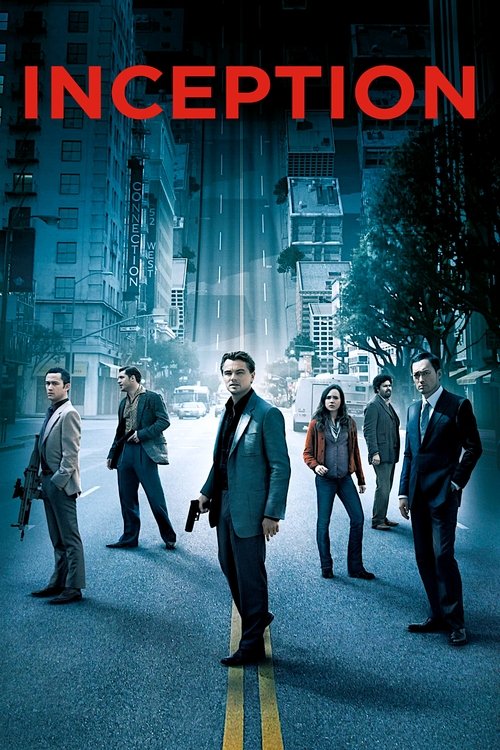
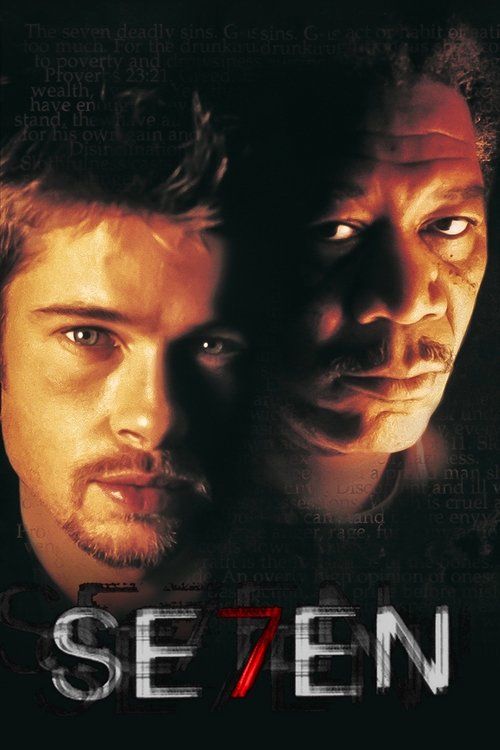
Movies related to Shutter Island
Frequently Asked Questions
Everything you need to know about Shutter Island
- The lighthouse symbolizes a source of truth and revelation in the film, acting as a pivotal location where crucial plot developments and revelations occur, making it a beacon of understanding amidst the uncertainties.
- Teddy’s trauma deeply influences his perception and actions throughout the film, contributing to the psychological complexity and unreliable narration, as his memories and reality often intertwine and conflict.
- The ending leaves viewers questioning what is real versus imagined, as it provides multiple interpretations regarding Teddy’s fate and mental state, encouraging debates about sanity and acceptance.
- The hospital staff are integral to the unfolding mystery, their behavior and responses adding layers of suspicion, confusion, and ultimately leading to key revelations about the true nature of Ashecliffe Hospital.
- Yes, motifs like water, the island’s isolation, and shadows recur throughout the film, symbolizing themes of entrapment, subconscious fear, and the fluidity of memory and reality.
- Guilt and denial are central themes that manifest through Teddy’s journey, showcasing how individuals cope with traumatic events by repressing or distorting memories as a psychological defense mechanism.
- Teddy’s dreams and visions serve as narrative devices that reveal subconscious truths and foreshadow key plot points, blurring the lines between reality and imagination.
- The film portrays mental illness with complexity, highlighting its impact on identity and perception while also critiquing asylum treatment practices of the era, prompting reflection on stigma and empathy.

