The Ultimate Martin Scorsese Movie Rankings
Masterpieces of Cinema by the Legendary Director
Discover the essential films of Martin Scorsese, from gritty crime dramas to epic historical tales and modern cinematic masterpieces.
About Martin Scorsese
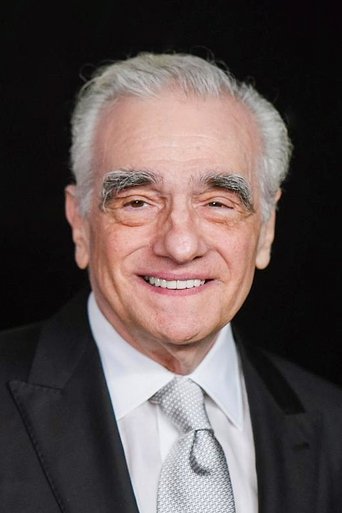
To watch a film by Martin Scorsese is to surrender to a frantic, restless heartbeat. For over half a century, he has translated the chaotic pulse of the American experience into a visual language that feels both operatic and dangerously intimate. His camera never merely observes; it prowls, zooms, and hurtles through space, mimicking the manic energy of characters who are often their own worst enemies. Whether he is capturing the decaying streets of 1970s New York or the gilded boardrooms of 1990s finance, his work is defined by an obsession with the soul under pressure, caught between the lure of the profane and the ghost of the sacred.
The foundation of his genius lies in an unparalleled sense of rhythm. Think of the kinetic, drug-fueled paranoia that vibrates through the final act of GoodFellas or the punishing, sweat-soaked brutality of the ring in Raging Bull. He uses the edit as a weapon, slicing through time to mirror the psychological fractures of men like Travis Bickle or Jake LaMotta. This restlessness is not just stylistic flair; it is a confession of his own cinematic upbringing. As a scholar of the medium, he stitches the DNA of classic noir, religious iconography, and European art house into something entirely modern and visceral.
While he is frequently associated with the dark glamour of the underworld, his true subject is the architecture of guilt. In Mean Streets and The Departed, he explores the complex codes of loyalty and the crushing weight of betrayal. Even when he ventures into the psychological thriller territory of Cape Fear or the gothic mystery of Shutter Island, the central tension remains an internal struggle for grace. His late-period masterpieces, such as The Irishman and Killers of the Flower Moon, suggest a director reflecting on the toll of violence, trading the frantic whip-pans of his youth for a more contemplative, mournful gaze that still retains its capacity to shock.
His collaborations are legendary, serving as a masterclass in how a director can mold an actor into a permanent fixture of the cultural imagination. From the volatile intensity of his early work with Robert De Niro in The King of Comedy and Casino to the charismatic, moral ambiguity of his later partnership with Leonardo DiCaprio in The Aviator and The Wolf of Wall Street, he demands a total immersion from his performers. He thrives in the messiness of humanity. He finds the beauty in a frantic night across Manhattan in After Hours and the brutal historical weight of Gangs of New York, never losing sight of the individual heart beating beneath the spectacle.
Ultimately, he remains the patron saint of cinema because he refuses to let the medium become stagnant. He treats the frame as a canvas for his own spiritual questions, inviting the audience to find empathy for the unredeemable. To sit with his filmography is to experience a career-long fever dream of faith, blood, and the relentless pursuit of artistic truth. He has not just captured the American century on film; he has defined what it feels like to live through it.
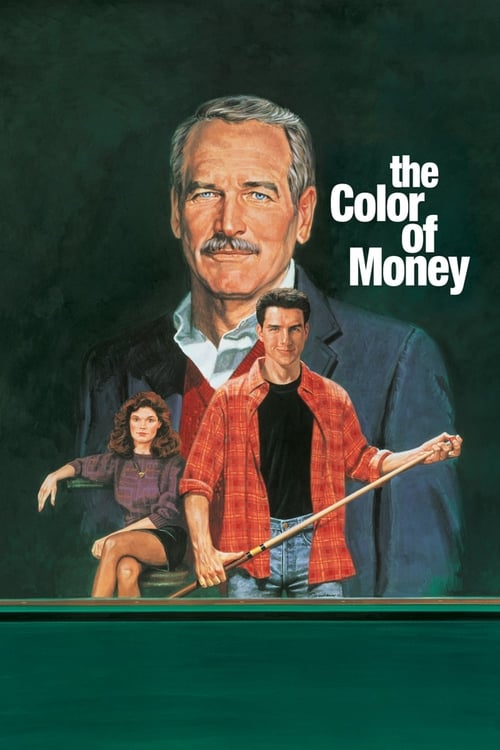
Former pool hustler "Fast Eddie" Felson decides he wants to return to the game by taking a pupil. He meets talented but green Vincent Lauria and proposes a partnership. As they tour pool halls, Eddie teaches Vincent the tricks of scamming, but he eventually grows frustrated with Vincent's showboat antics, leading to an argument and a falling-out. Eddie takes up playing again and soon crosses paths with Vincent as an opponent.
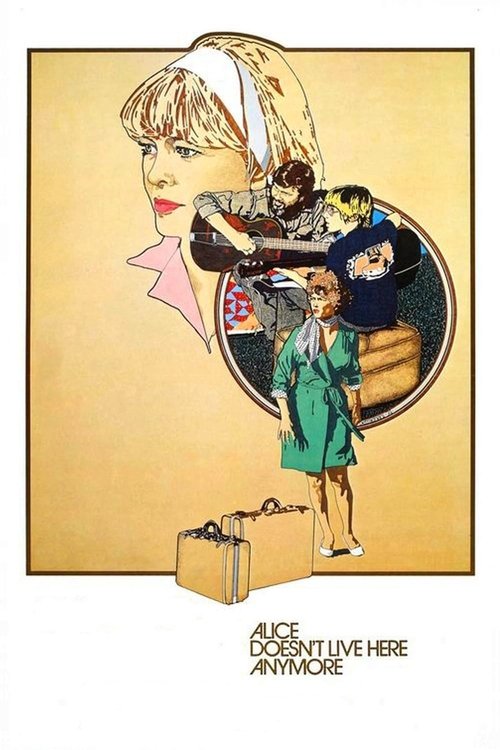
Alice Doesn't Live Here Anymore
1974After her husband dies, Alice and her son, Tommy, leave their small New Mexico town for California, where Alice hopes to make a new life for herself as a singer. Money problems force them to settle in Arizona instead, where Alice takes a job as waitress in a small diner.
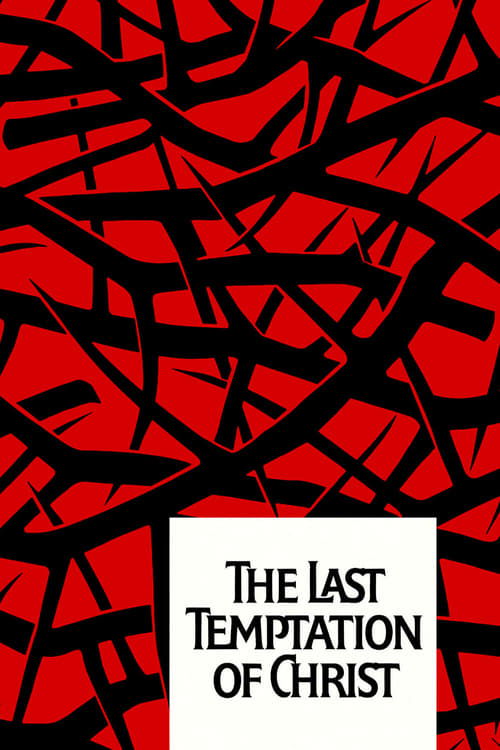
Jesus, a humble Judean carpenter beginning to see that he is the son of God, is drawn into revolutionary action against the Roman occupiers by Judas -- despite his protestations that love, not violence, is the path to salvation. The burden of being the savior of mankind torments Jesus throughout his life, leading him to doubt.
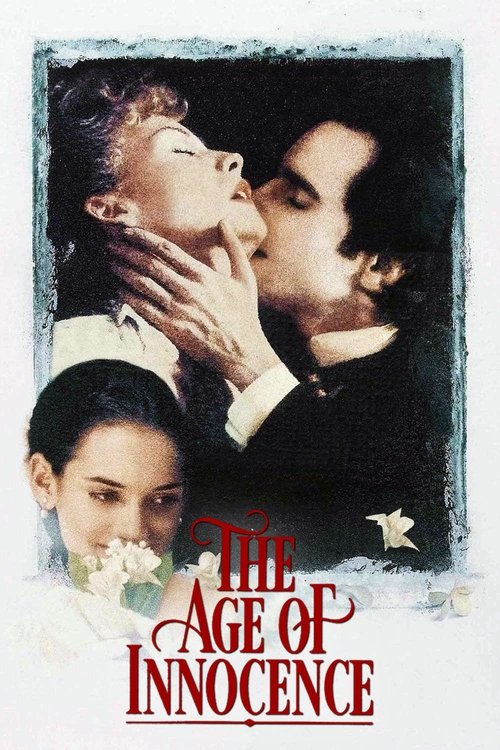
In 19th century New York high society, a young lawyer falls in love with a woman separated from her husband, while he is engaged to the woman's cousin.
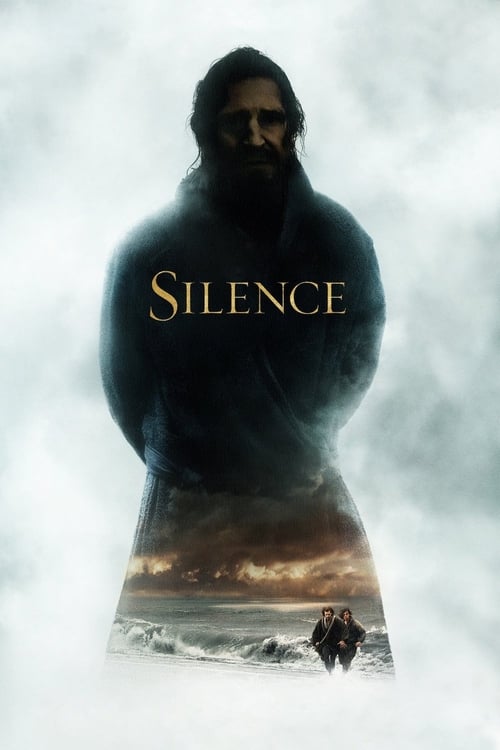
Silence
2016In the 17th century, two Portuguese Jesuit priests travel to Japan in an attempt to locate their mentor, who is rumored to have committed apostasy, and to propagate Catholicism.
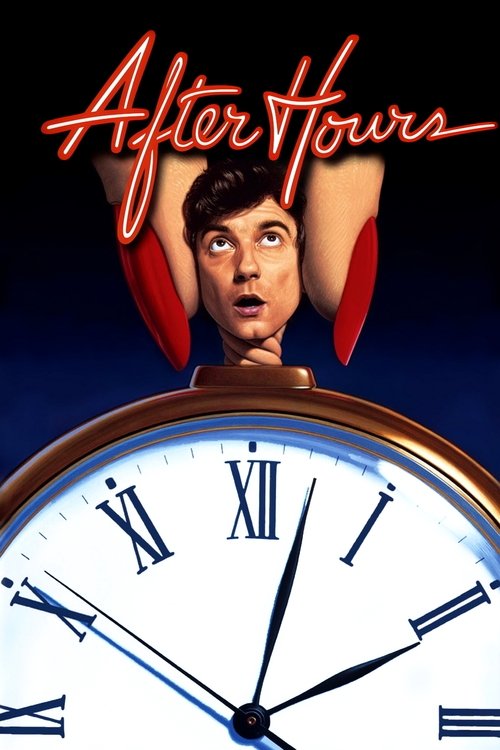
After Hours
1985Desperate to escape his mind-numbing routine, uptown Manhattan office worker Paul Hackett ventures downtown for a hookup with a mystery woman.
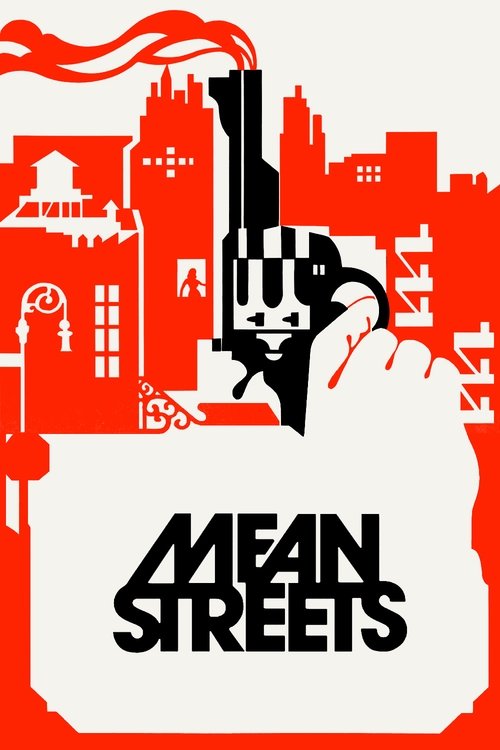
Mean Streets
1973A small-time hood must choose from among love, friendship and the chance to rise within the mob.
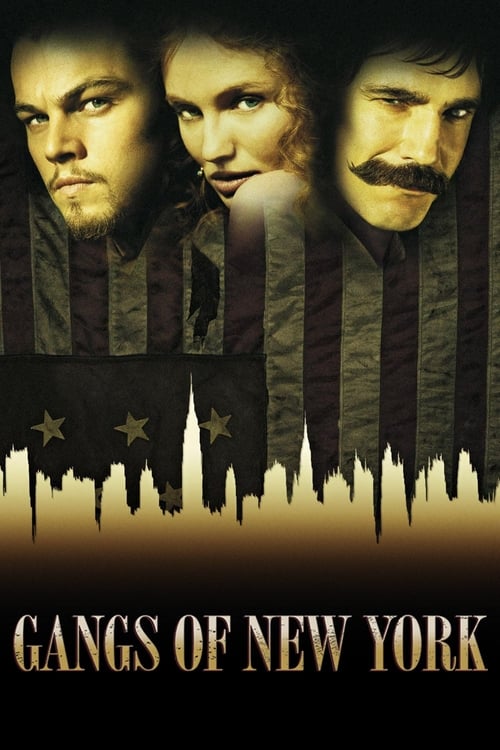
In early 1860s New York, Irish immigrant Amsterdam Vallon is released from prison and returns to the Five Points, seeking revenge against his father's killer, William Cutting, a powerful anti-immigrant gang leader. He knows that revenge can only be attained by infiltrating Cutting's inner circle. Vallon's journey becomes a fight for personal survival and to find a place for the Irish people.
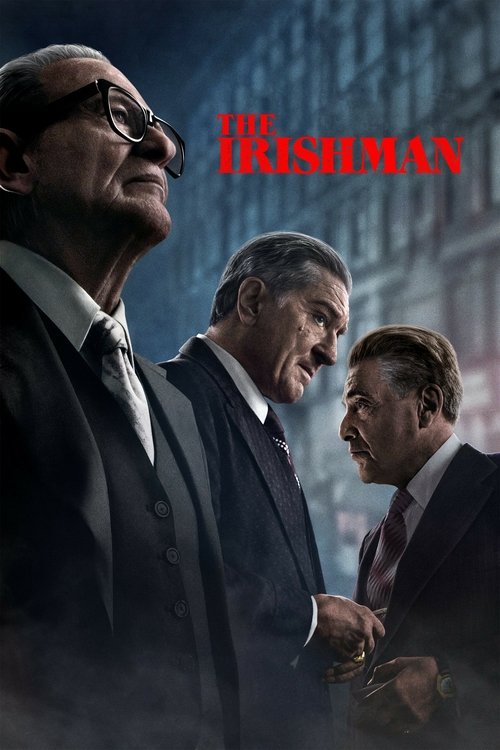
The Irishman
2019Pennsylvania, 1956. Frank Sheeran, a war veteran of Irish origin who works as a truck driver, accidentally meets mobster Russell Bufalino. Once Frank becomes his trusted man, Bufalino sends him to Chicago with the task of helping Jimmy Hoffa, a powerful union leader related to organized crime, with whom Frank will maintain a close friendship for nearly twenty years.
Serving as a reflective coda to a lifetime of crime cinema, this film slows the director's frenetic pace to a contemplative, funereal crawl. It is a profound meditation on time and the hollow legacy of a life spent in the shadows, marking a deeply personal evolution in his storytelling.
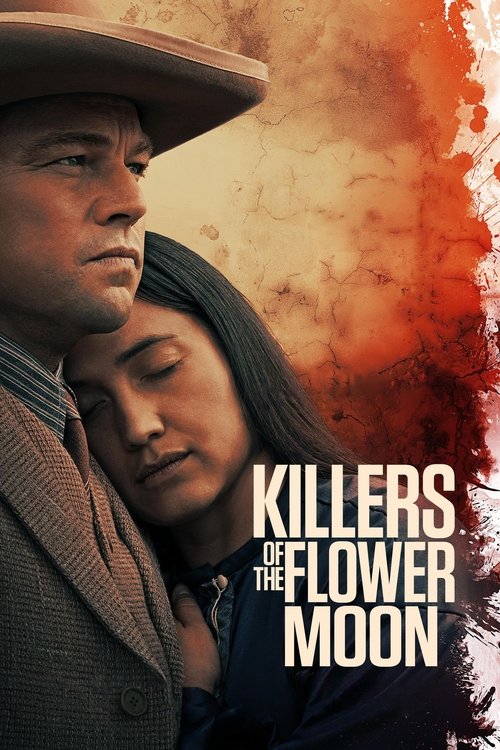
Killers of the Flower Moon
2023When oil is discovered in 1920s Oklahoma under Osage Nation land, the Osage people are murdered one by one—until the FBI steps in to unravel the mystery.
This somber, elegiac epic demonstrates a late period shift toward historical accountability and a more deliberate, patient visual rhythm. Scorsese pivots from the glamor of the outlaw to a haunting examination of systemic complicity and the silence that follows great evil.
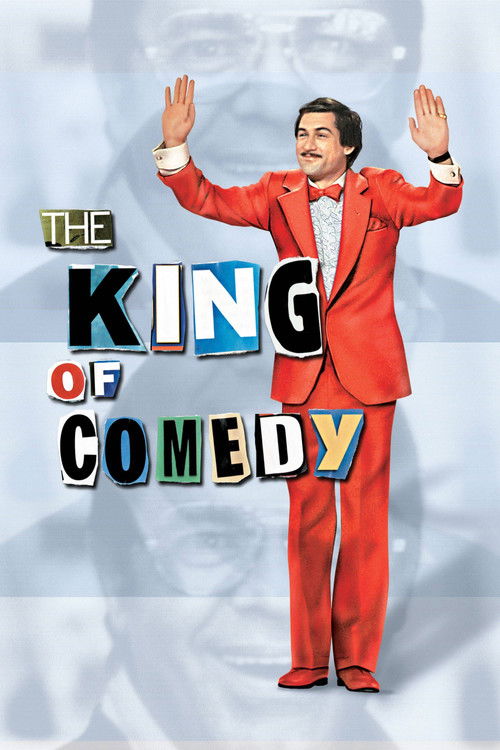
Aspiring comic Rupert Pupkin attempts to achieve success in show business by stalking his idol, a late night talk-show host who craves his own privacy.
A chillingly prophetic look at the intersection of desperation and celebrity culture, this film trades Scorsese's usual violence for a more skin crawling brand of social discomfort. It remains his most understated yet biting critique of the American obsession with being seen.
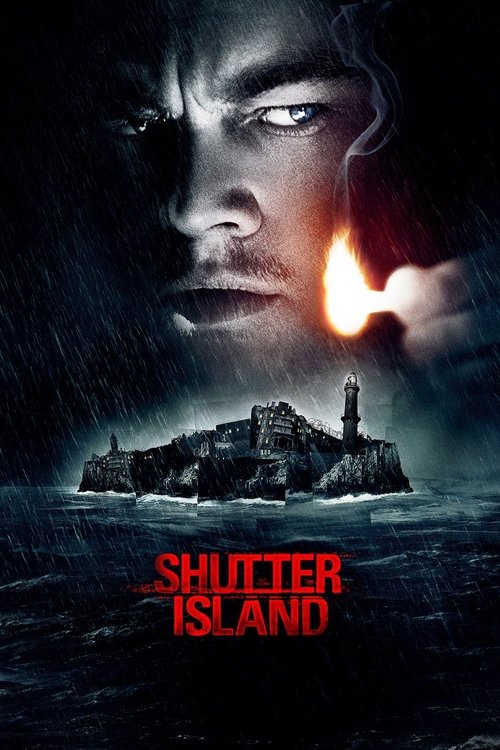
Shutter Island
2010World War II soldier-turned-U.S. Marshal Teddy Daniels investigates the disappearance of a patient from a hospital for the criminally insane, but his efforts are compromised by troubling visions and a mysterious doctor.
Scorsese indulges in the aesthetics of Gothic horror and mid century noir to craft a labyrinthine study of trauma and perception. The film stands out as a meticulous exercise in atmospheric tension, where his directorial precision is used to destabilize the viewer's sense of reality.
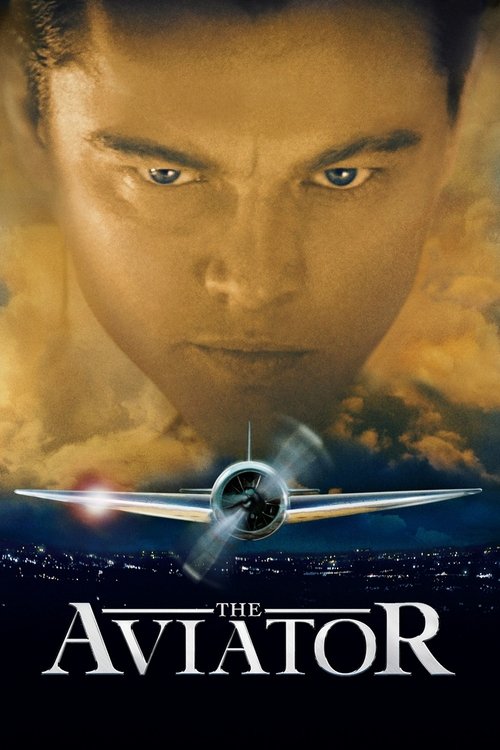
The Aviator
2004A biopic depicting the life of filmmaker and aviation pioneer Howard Hughes from 1927 to 1947, during which time he became a successful film producer and an aviation magnate, while simultaneously growing more unstable due to severe obsessive-compulsive disorder.
Scorsese transforms the industrial obsession of Howard Hughes into a chromatic odyssey, charting the evolution of cinema through a meticulous shift from two-strip to three-strip Technicolor aesthetics. It represents a vital pivot in his legacy where the grit of the streets meets the grandeur of old Hollywood, proving he could command a massive historical epic without losing his signature kinetic energy. His direction captures the tragic intersection of visionary genius and psychic fragmentation, framing the cockpit as both a throne and a cage.
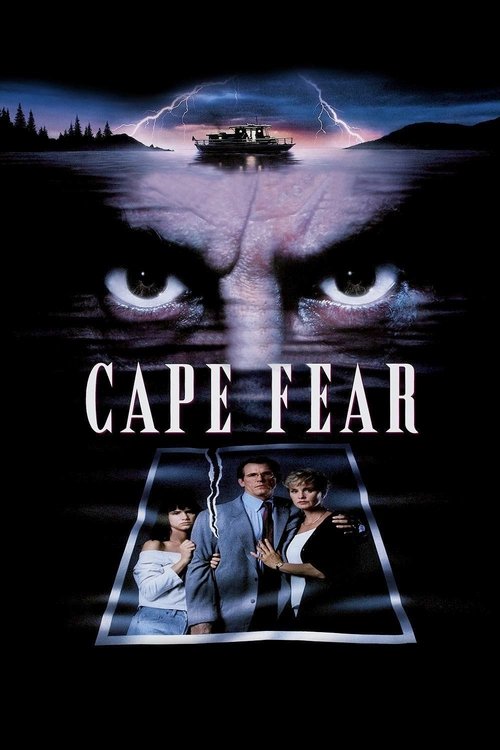
Cape Fear
1991Sam Bowden is a small-town corporate attorney. Max Cady is a tattooed, cigar-smoking, Bible-quoting, psychotic rapist. What do they have in common? 14 years ago, Sam was a public defender assigned to Max Cady's rape trial, and he made a serious error: he hid a document from his illiterate client that could have gotten him acquitted. Now, the cagey Cady has been released, and he intends to teach Sam Bowden and his family a thing or two about loss.
Scorsese transforms a studio thriller into a gothic fever dream by weaponizing Hitchcockian tension with a hyper-stylized, aggressive visual grammar. Relying on Dutch angles and Saul Bass inspired kinetics, he pushes the genre toward religious mania to explore the fragility of moral superiority. It stands as a vital pivot in his career where he proved he could dismantle big-budget Hollywood conventions from the inside.
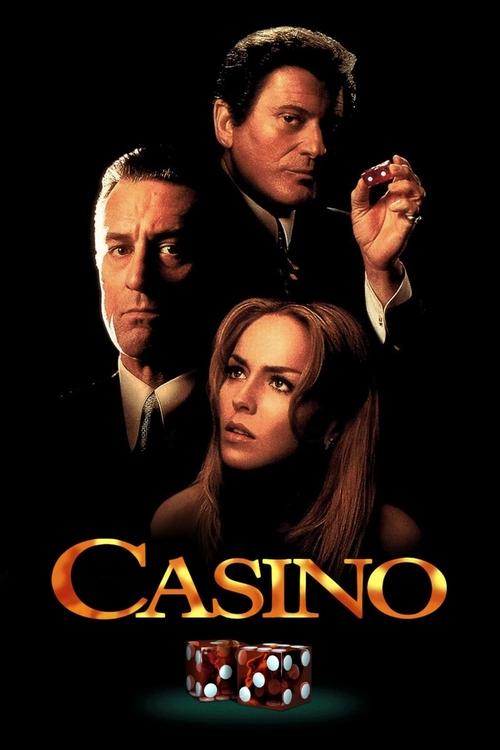
Casino
1995In Las Vegas, two best friends--a casino executive and a Mafia enforcer--compete for a gambling empire and a fast-living, fast-loving socialite.
This operatic post mortem of Las Vegas serves as a sprawling companion piece to his earlier crime sagas, trade marking a style of exhausting, brilliant detail. Scorsese uses the blinking lights of the desert to expose the inevitable collapse of any empire built on paranoia and glitz.
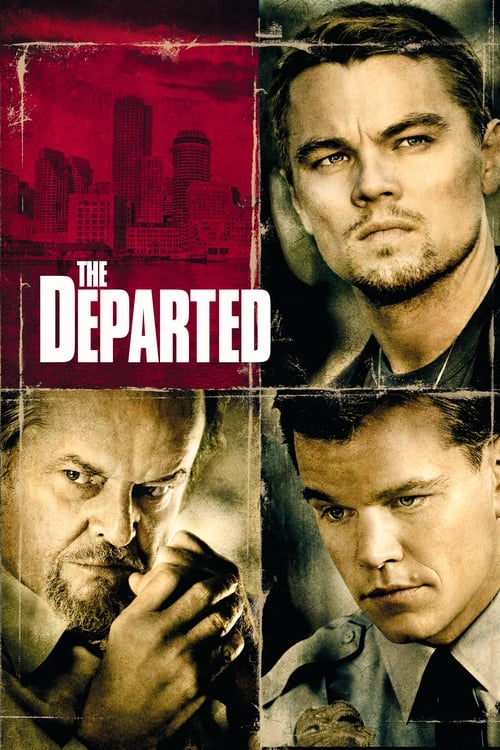
The Departed
2006To take down South Boston's Irish Mafia, the police send in one of their own to infiltrate the underworld, not realizing the syndicate has done likewise. While an undercover cop curries favor with the mob kingpin, a career criminal rises through the police ranks. But both sides soon discover there's a mole among them.
Scorsese reimagines the police procedural as a frantic, high stakes shell game defined by moral ambiguity and jagged pacing. This work demonstrates his late career mastery of populist tension, proving he could translate his gritty street sensibilities into a polished, breathless cat and mouse thriller.
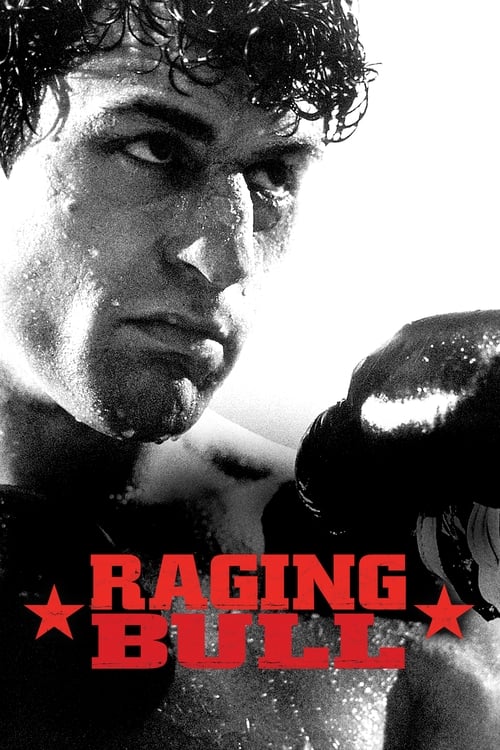
Raging Bull
1980The life of boxer Jake LaMotta, whose violence and temper that led him to the top in the ring destroyed his life outside of it.
By stripping the boxing biopic of its sentimentality, Scorsese creates a brutal operatic study of self destruction through stark black and white cinematography. The film represents the peak of his formalist rigor, where every punch landed feels like a spiritual crisis captured on celluloid.
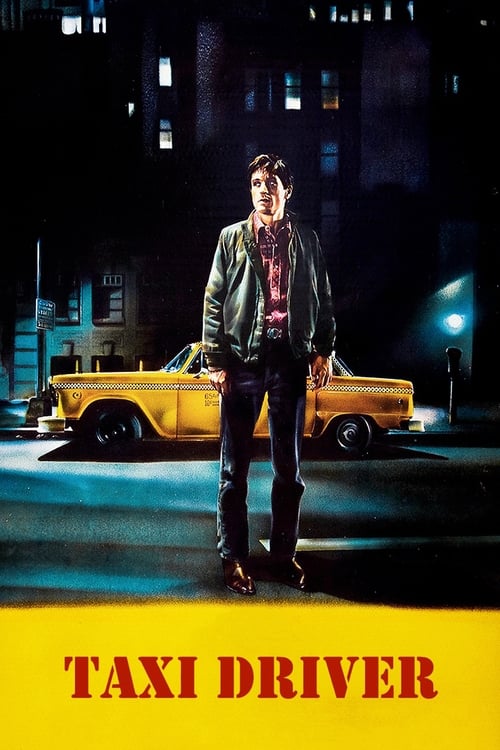
Taxi Driver
1976Suffering from insomnia, disturbed loner Travis Bickle takes a job as a New York City cabbie, haunting the streets nightly, growing increasingly detached from reality as he dreams of cleaning up the filthy city.
A haunting descent into metropolitan alienation, this film solidified Scorsese's ability to translate psychological decay into a grimy, neon soaked visual language. It remains his most vital exploration of the lonely, fractured male psyche festering within the rot of a dying city.
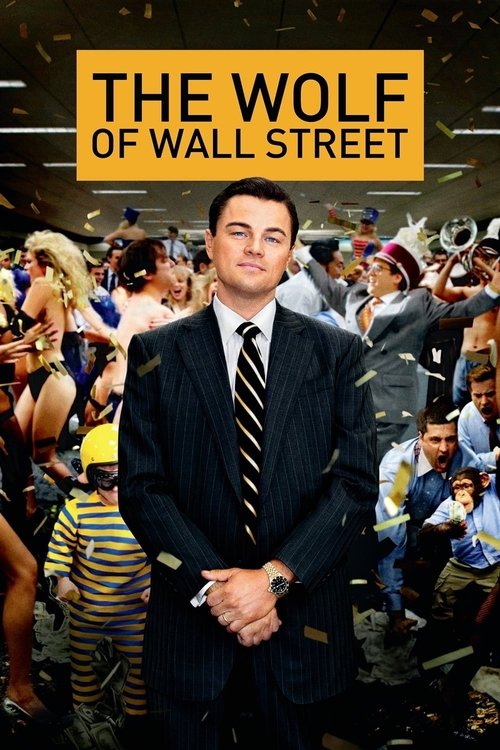
A New York stockbroker refuses to cooperate in a large securities fraud case involving corruption on Wall Street, corporate banking world and mob infiltration. Based on Jordan Belfort's autobiography.
With a runtime fueled by pure cinematic adrenaline, this satire serves as a maximalist indictment of American greed and unchecked ego. It showcases a director leaning into his most frantic impulses to mirror the grotesque absurdity of financial hedonism.
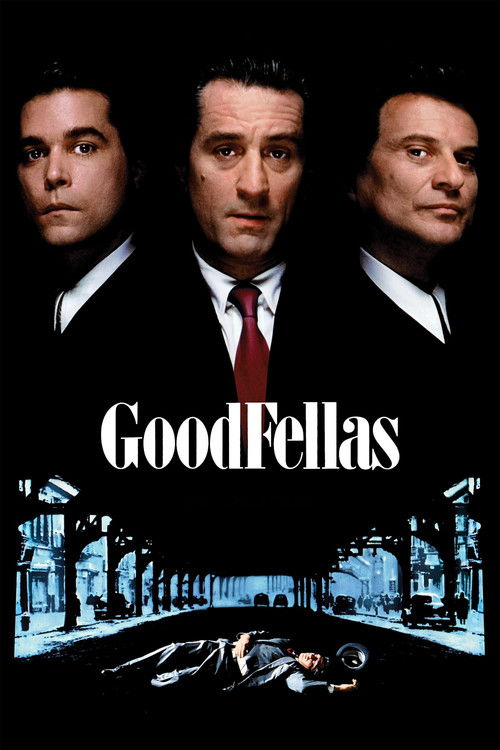
GoodFellas
1990The true story of Henry Hill, a half-Irish, half-Sicilian Brooklyn kid who is adopted by neighbourhood gangsters at an early age and climbs the ranks of a Mafia family under the guidance of Jimmy Conway.
Scorsese perfects the kinetic vocabulary of the gangster epic here, utilizing a restless camera and rhythmic editing to capture the seductive adrenaline of underworld life. This masterpiece stands as his definitive stylistic statement, transforming the crime genre into a sensory explosion of pop culture and visceral betrayals.
Frequently Asked Questions
Everything you need to know about this list and SnakeDrafts
- GoodFellas ranks number one due to its masterful storytelling, dynamic characters, and groundbreaking approach to the crime genre. It showcases Scorsese's signature style with intense pacing and immersive narration, securing its place as a quintessential Scorsese classic.
- Many of Scorsese's highest-ranked films, such as The Wolf of Wall Street and Taxi Driver, delve into themes of ambition, moral ambiguity, and the dark side of the American Dream. These films portray complex characters grappling with internal and external chaos in a raw, unfiltered manner.
- Raging Bull is a landmark film in Scorsese's career that showcases his ability to combine intense character study with innovative filmmaking techniques. Its brutal honesty and striking cinematography highlight Scorsese's commitment to exploring flawed, compelling protagonists.
- Crime dramas dominate Scorsese's rankings because they serve as the ideal backdrop for his exploration of complex characters and societal issues. Films like Casino, The Departed, and Mean Streets demonstrate his talent for portraying gritty realities intertwined with personal and moral conflicts.
- The Aviator stands out as a biographical drama that captures the grandeur and troubled genius of Howard Hughes, showcasing Scorsese's versatility. Unlike his usual crime-focused movies, it emphasizes historical epic storytelling and intricate character portraiture.
- The inclusion of After Hours and The King of Comedy highlights Scorsese's flair for dark comedy, which is often less celebrated compared to his crime dramas. However, some might find notable omissions like Mean Streets ranking lower, reflecting the subjective nature of ranking his extensive filmography.
- The Irishman is ranked among the top Martin Scorsese films for its ambitious narrative scope, cutting-edge de-aging technology, and reflective take on aging and loyalty in the mafia world. It epitomizes Scorsese's late-career mastery of epic storytelling within the crime genre.
- Historical context is crucial in Gangs of New York and Killers of the Flower Moon, as Scorsese uses true events to explore broader themes of power, corruption, and cultural identity. These films blend epic history with intense character drama, expanding the director's thematic repertoire beyond contemporary crime tales.