The Ultimate Paul Thomas Anderson Movie Rankings
Ranking the Masterpieces of a Modern American Auteur
Explore the definitive ranking of Paul Thomas Anderson's feature films, from gritty San Fernando Valley tales to epic historical dramas.
About Paul Thomas Anderson
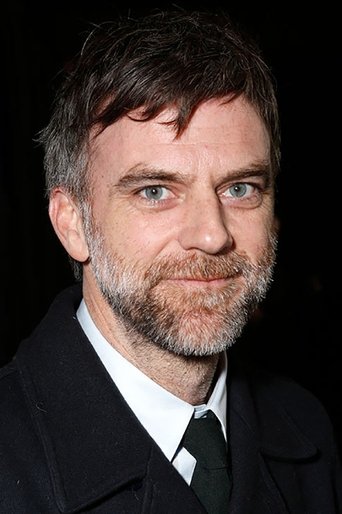
In the landscape of modern American cinema, few filmmakers command the same religious devotion as Paul Thomas Anderson. He occupies a singular space where old Hollywood scale meets a restless, avant garde spirit, crafting stories that feel simultaneously massive and uncomfortably intimate. If you look at his trajectory from the Valley caffeine kicks of the late nineties to the austere, high fashion corridors of mid century London, you see a craftsman who has systematically dismantled the traditional rules of the prestige drama. He is a master of the chaotic ensemble and the solitary obsessive alike, a director who understands that the human heart is rarely logical and always prone to self destruction.
His early work burst onto the screen with the kinetic energy of a man trying to fit every cinematic trick he had ever seen into a single frame. In Boogie Nights and Magnolia, he painted a sprawling portrait of Los Angeles populated by losers, dreamers, and pornographers, using restless tracking shots and a towering sense of melodrama to elevate the mundane. These films established his fascination with surrogate families and the desperate need for connection, but they also hinted at a burgeoning formal discipline. By the time he pivoted to the surreal, percussive romance of Punch Drunk Love, it was clear he was less interested in genre conventions than he was in the specific, jagged rhythms of his characters internal lives.
The midpoint of his career saw a shift toward a more muscular, monolithic style of storytelling. In There Will Be Blood, the frantic camera movements of his youth were replaced by a terrifying, static precision. The film transformed the landscape of the American West into a battlefield of greed and faith, anchored by a performance history will never forget. This period of his filmography reflects a growing obsession with power dynamics and the magnetic pull of charismatic, broken men. The Master continued this exploration, trading the oil fields for the post war psyche, using 70mm film to capture the agonizing intimacy between a drifter and a cult leader. It is here that his aesthetic became truly unmistakable: lush, tactile, and deeply atmospheric.
Even when he retreats into the hazy, cannabis smoke of Inherent Vice or the sun drenched nostalgia of Licorice Pizza, there is a technical rigor underlying every frame. He treats his camera like a physical participant in the scene, sometimes floating through a party with effortless grace and other times staring unblinkingly at a face until the tension becomes unbearable. In Phantom Thread, this elegance reached a fever pitch, resulting in a film that felt like a handcrafted piece of couture itself. It was a study in control and the subversion of it, showcasing his ability to find humor and horror in the smallest domestic gestures.
What cements his legacy is this refusal to repeat himself while maintaining a visual language that is entirely his own. He does not just direct movies; he builds immersive worlds where the sound design, the score, and the lighting all conspire to pull the viewer into a specific emotional frequency. Whether he is exploring the gritty origins of his debut Hard Eight or the whimsical chaos of a teenage hustle in the seventies, he remains the poet laureate of American eccentricity. He captures the grandeur of our mistakes and the quiet dignity of our obsessions, proving that the most ambitious thing a filmmaker can do is simply look closer.
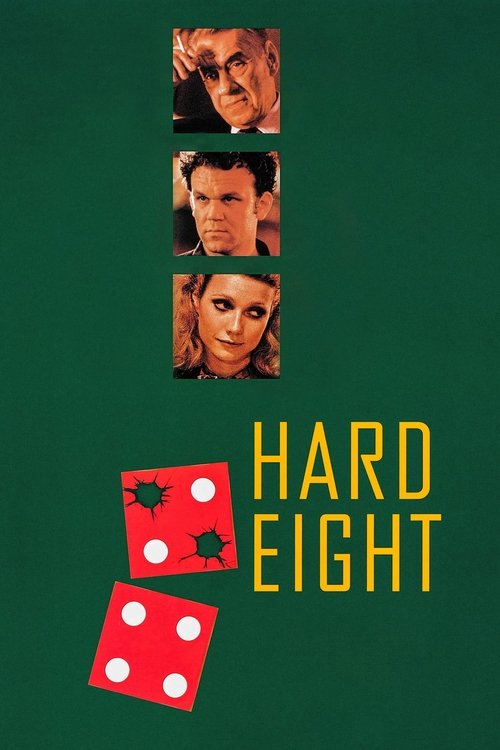
Hard Eight
1997A stranger mentors a young Reno gambler who weds a hooker and befriends a vulgar casino regular.
Though more restrained than his later works, this debut establishes the director’s career-long preoccupation with the father-son dynamic and the codes of honor among outcasts. It is a lean, noirish floor-plan for the themes of redemption and surrogate lineage that would soon expand into his larger cinematic universe.
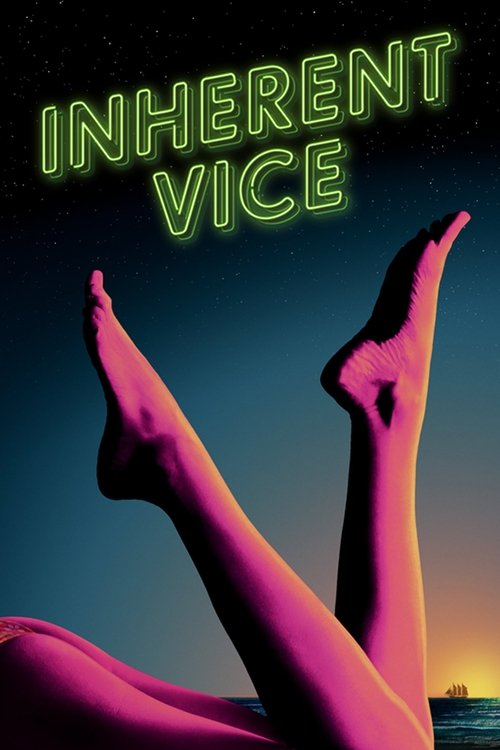
Inherent Vice
2014In Los Angeles at the turn of the 1970s, drug-fueled detective Larry "Doc" Sportello investigates the disappearance of an ex-girlfriend.
A dense, smoke-filled labyrinth that captures the paranoid dissolution of the hippie era through a purposefully disorienting lens. Anderson embraces a stoner-noir aesthetic where the mood takes precedence, resulting in a challenging piece of cinema that demands multiple viewings to untangle its psychedelic decay.
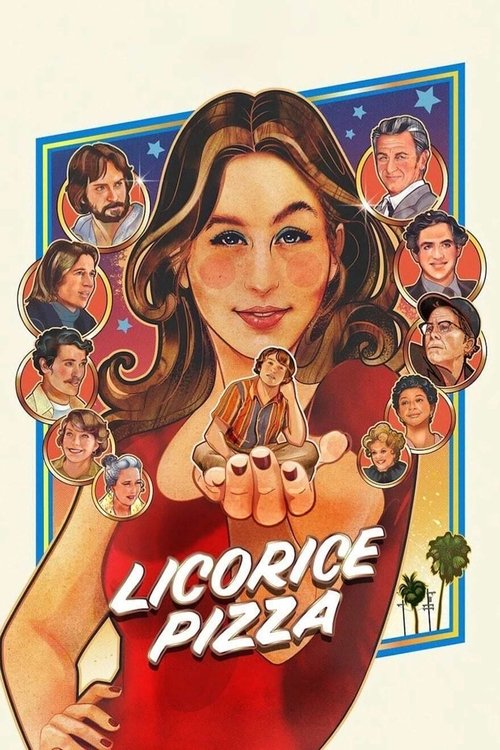
Licorice Pizza
2021The story of Gary Valentine and Alana Kane growing up, running around and going through the treacherous navigation of first love in the San Fernando Valley, 1973.
This sun-drenched odyssey through the San Fernando Valley prioritizes the hazy, anecdotal rhythms of memory over a rigid plot architecture. It showcases a looser, more improvisational side of the director’s craft while maintaining a sharp eye for the awkward friction of adolescence.

Punch-Drunk Love
2002A socially awkward and volatile small business owner meets the love of his life after being threatened by a gang of scammers.
By subverting the tropes of the romantic comedy, Anderson crafts a tactile and percussive look at how suppressed rage can be transmogrified into ecstatic devotion. The film’s erratic color palette and jagged soundscape provide a radical, sensory-driven reimagining of the traditional Hollywood love story.
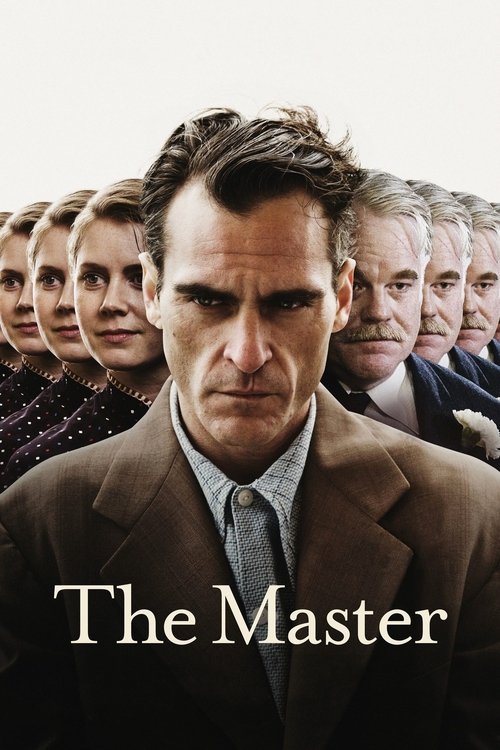
The Master
2012Freddie, a volatile, heavy-drinking veteran who suffers from post-traumatic stress disorder, finds some semblance of a family when he stumbles onto the ship of Lancaster Dodd, the charismatic leader of a new "religion" he forms after World War II.
This cryptic, liquid character study trades traditional narrative beats for an atmospheric drift through the post-war American psyche. It is a dense achievement in 70mm photography that prioritizes the friction between discipline and animalistic instinct over easy resolution.
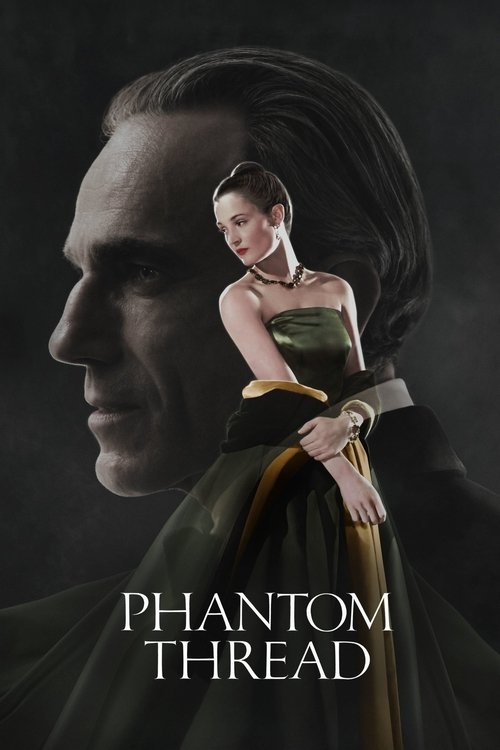
Phantom Thread
2017In 1950s London, a renowned dressmaker's meticulous lifestyle begins drastically changing as his relationship with his young muse intensifies.
A claustrophobic exercise in elegance, this gothic romance deconstructs the myth of the tortured artist through a series of meticulous, psychological power plays. Anderson utilizes exquisite texture and stifling silence to explore the toxic, symbiotic necessity between a creator and his muse.
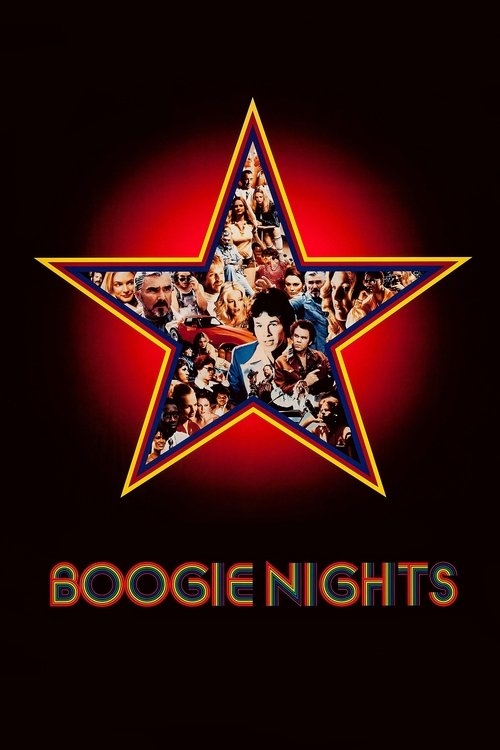
Boogie Nights
1997Set in 1977, back when sex was safe, pleasure was a business and business was booming, idealistic porn producer Jack Horner aspires to elevate his craft to an art form. Horner discovers Eddie Adams, a hot young talent working as a busboy in a nightclub, and welcomes him into the extended family of movie-makers, misfits and hangers-on that are always around. Adams' rise from nobody to a celebrity adult entertainer is meteoric, and soon the whole world seems to know his porn alter ego, "Dirk Diggler". Now, when disco and drugs are in vogue, fashion is in flux and the party never seems to stop, Adams' dreams of turning sex into stardom are about to collide with cold, hard reality.
Blending the vibrancy of the seventies with a deep-seated melancholy, this kinetic epic serves as the definitive exploration of makeshift families and the fragility of the American dream. It remains a masterclass in ensemble blocking and restless, Scorsese-inflected energy that defined the director’s early virtuosic reputation.
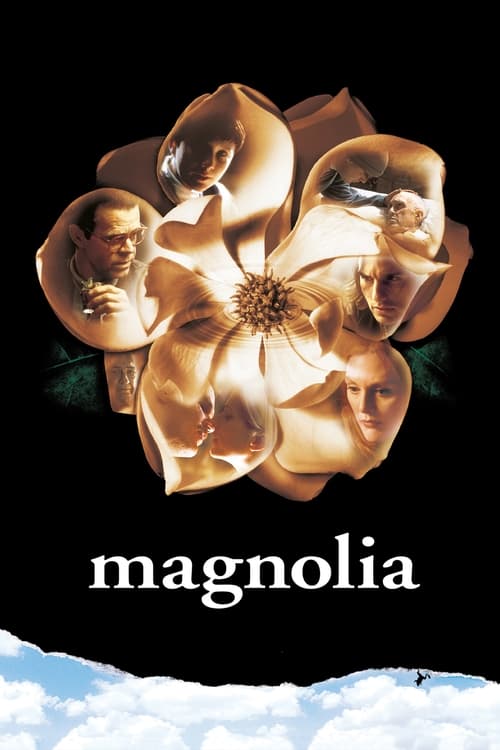
Magnolia
1999On one random day in the San Fernando Valley, a dying father, a young wife, a male caretaker, a famous lost son, a police officer in love, a boy genius, an ex-boy genius, a game show host and an estranged daughter will each become part of a dazzling multiplicity of plots, but one story.
This sprawling mosaic captures a filmmaker at the peak of his maximalist powers, weaving disparate lives through a symphony of divine intervention and profound regret. Its ambitious structure and rhythmic camerawork prove that Anderson can orchestrate chaos into a cohesive, soul-baring meditation on cosmic coincidence.
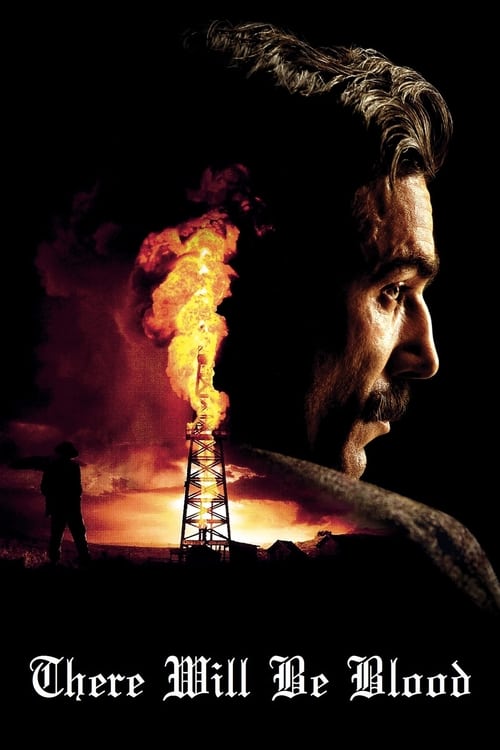
There Will Be Blood
2007Ruthless silver miner, turned oil prospector, Daniel Plainview, moves to oil-rich California. Using his son to project a trustworthy, family-man image, Plainview cons local landowners into selling him their valuable properties for a pittance. However, local preacher Eli Sunday suspects Plainview's motives and intentions, starting a slow-burning feud that threatens both their lives.
A monolithic achievement in American myth-making, this film strips away the artifice of the frontier to reveal a jagged, nihilistic core. Anderson’s visual language here is operatic and uncompromising, cementing his transition from a kinetic stylist to a master of high-stakes cinematic gravity.
Frequently Asked Questions
Everything you need to know about this list and SnakeDrafts
- Paul Thomas Anderson's films often explore complex human emotions, ambition, and moral ambiguity, as seen in works like 'There Will Be Blood' and 'Magnolia.' His stories frequently delve into family dynamics and personal struggle, highlighting his distinctive narrative style.
- 'Phantom Thread' is unique in Anderson's oeuvre for its intimate focus on the intricate relationship dynamics set against the backdrop of mid-century London fashion, blending drama and romance with a meticulously crafted aesthetic.
- 'Punch-Drunk Love' and 'Licorice Pizza' are notable for blending humor with romance and drama, offering a lighter yet emotionally resonant tone compared to Anderson's typically intense storytelling.
- Anderson's ranked films span drama, romance, comedy, mystery, and crime genres, showcasing his versatility. For instance, 'Inherent Vice' includes mystery and comedy elements, while 'Hard Eight' ventures into crime drama.
- Anderson's style has evolved from gritty, character-driven narratives like 'Boogie Nights' to more refined and visually stylized works such as 'Phantom Thread,' reflecting his growth in narrative complexity and visual storytelling.
- 'There Will Be Blood' stands out for its epic storytelling, powerful performances, and exploration of greed and ambition, marking a pinnacle in Anderson's exploration of American themes and cinematic scale.
- Yes, several films in the list feature recurring collaborations, most notably with actors like Daniel Day-Lewis in 'There Will Be Blood' and 'Phantom Thread,' and Philip Seymour Hoffman in 'The Master,' underscoring Anderson's preference for working with trusted talent.