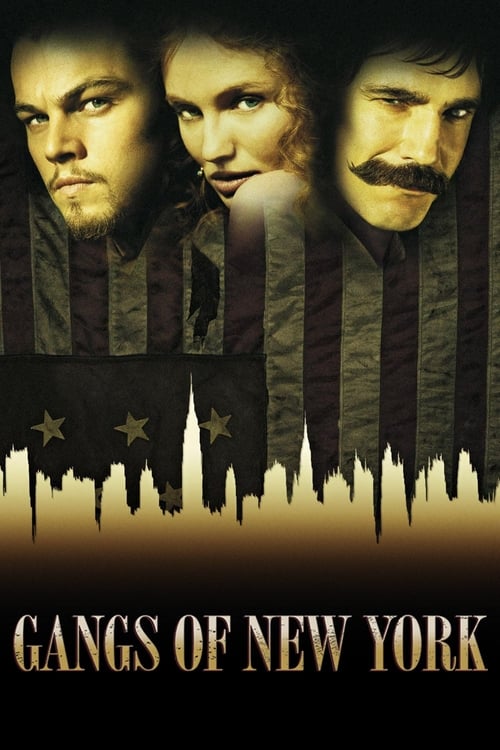
Gangs of New York
Martin Scorsese’s epic historical crime drama, Gangs of New York, plunges viewers into the brutal, chaotic underworld of 1860s Five Points, New York. Witness a gripping tale of revenge, power, and the fight for immigrant survival amidst one of America’s most turbulent eras. This visually stunning film offers a visceral look at the birth of a nation’s identity through the blood-soaked streets of its largest city.
Director
Release Year
2002
Runtime
168 minutes
Main Cast
Leonardo DiCaprio, Daniel Day-Lewis, Cameron Diaz, Jim Broadbent, John C. Reilly
About Gangs of New York
Martin Scorsese's 2002 epic, *Gangs of New York*, serves as a sprawling canvas depicting the tumultuous birth of modern America through the lens of its most notorious 19th-century slum, the Five Points. The film meticulously reconstructs a forgotten era, immersing audiences in a New York rife with nativist tensions, gang warfare, and political corruption. Its release was met with widespread anticipation, given Scorsese's masterful hand in crafting historical narratives and ensemble casts.
The narrative centers on Amsterdam Vallon (Leonardo DiCaprio), an Irish immigrant seeking vengeance for his father's murder at the hands of William Cutting, famously known as Bill the Butcher (Daniel Day-Lewis). As Amsterdam infiltrates Bill's inner circle, he navigates a complex web of loyalty and betrayal, all against the backdrop of the American Civil War and the burgeoning immigrant experience. The film intricately explores themes of identity, belonging, and the raw, often violent, struggle for power.
Critically, *Gangs of New York* garnered significant attention, praised for its ambitious scope, historical detail, and especially Daniel Day-Lewis's transformative performance as Bill the Butcher, which earned him an Academy Award nomination for Best Actor. While some critics debated the film's pacing and narrative focus, its visual grandeur and unflinching portrayal of historical brutality were widely acknowledged. The movie was nominated for ten Academy Awards, including Best Picture and Best Director, solidifying its place as a significant work in Scorsese's esteemed filmography.
Beyond its critical reception, *Gangs of New York* has carved out a distinct legacy, influencing subsequent historical dramas and offering a powerful, if grim, reflection on the roots of American society. Its vivid portrayal of the immigrant struggle and urban strife resonates even today, serving as a cinematic touchstone for discussions on class, ethnicity, and the often-violent forging of national identity. The film continues to be studied for its historical reconstruction, character development, and Scorsese's iconic directorial style.
Drafts Featuring Gangs of New York
Every SnakeDrafts listicle where this movie appears
The Best John C. Reilly Movies Ranked
Ranked #6
The Best Leonardo DiCaprio Movies
Ranked #16
The Best Cameron Diaz Movies Ranked
Ranked #5
The Best Daniel Day-Lewis Movies
Ranked #4
Brendan Gleeson's Greatest Movies Ranked
Ranked #12
Liam Neeson's Top Movies Ranked
Ranked #4
The Ultimate Martin Scorsese Movie Rankings
Ranked #13
Top 2000s Movies Ranked
Ranked #59
2002's Best Movies Ranked
Ranked #13
The Best Crime Movies of 2002, Ranked
Ranked #4
The Best 2000s Crime Movies Ranked
Ranked #8
Similar Movies
Movies related to Gangs of New York
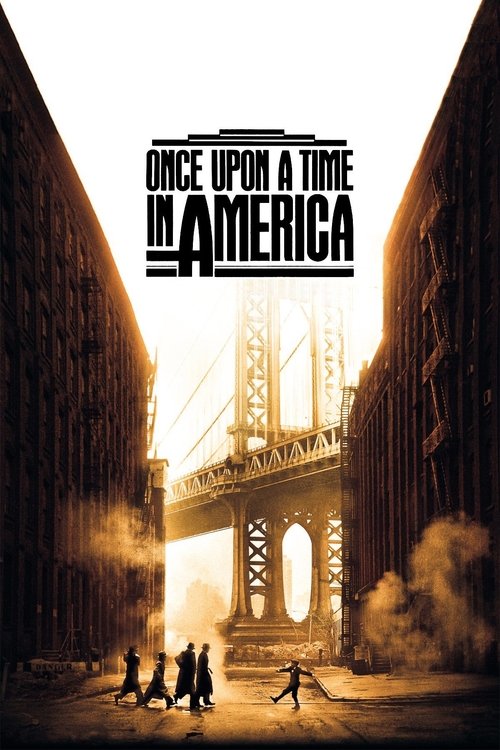
Once Upon a Time in America
1984
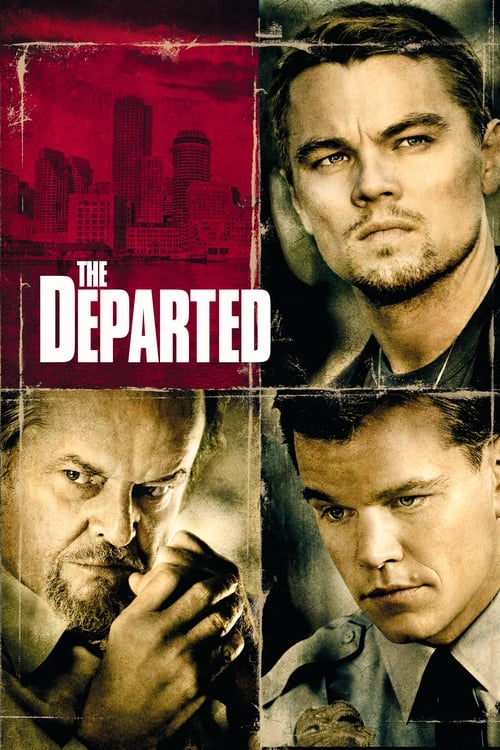
The Departed
2006
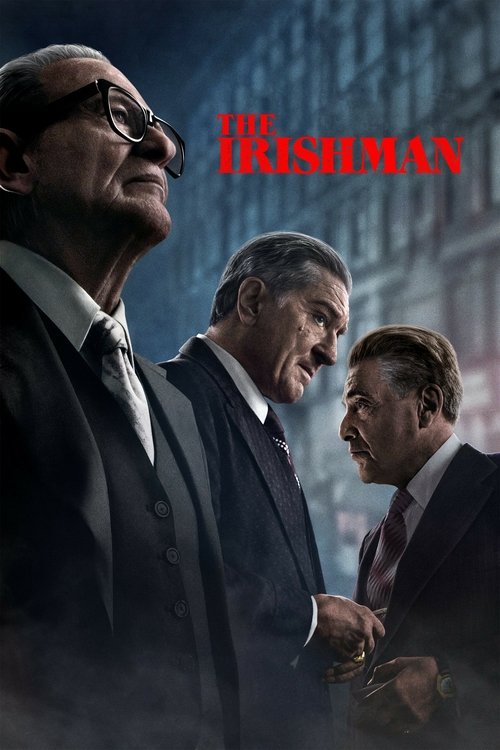
The Irishman
2019
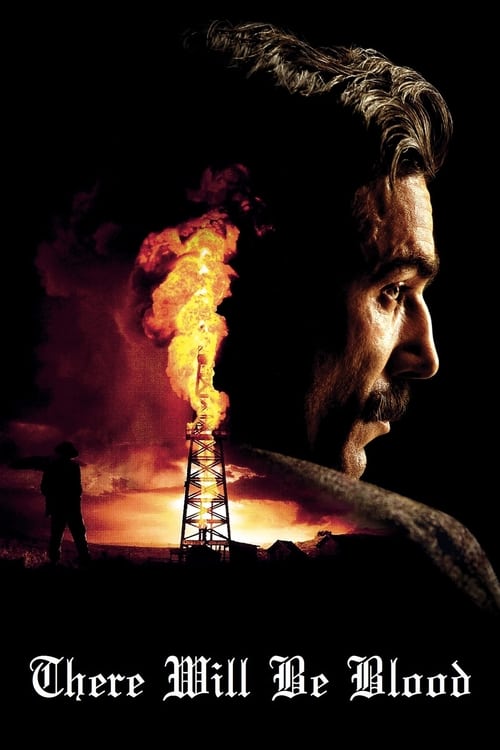
There Will Be Blood
2007
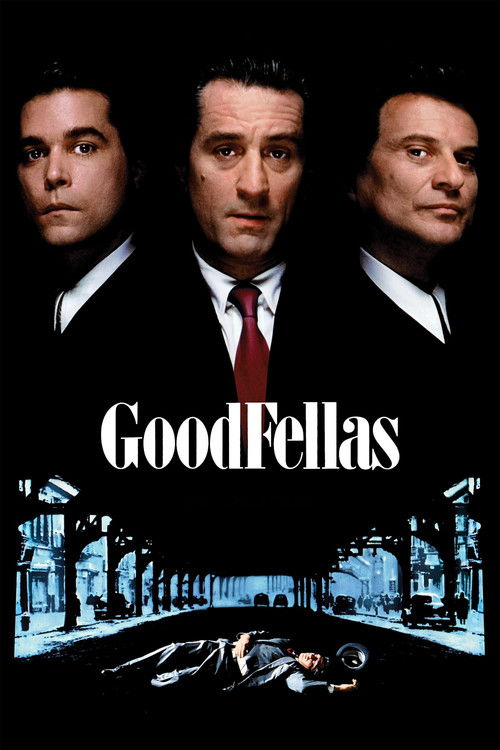
GoodFellas
1990
Frequently Asked Questions
Everything you need to know about Gangs of New York
- The Dead Rabbits are the Irish-American gang led by Amsterdam Vallon's father, Priest Vallon. They represent the incoming wave of Irish immigrants fighting for survival and recognition in a hostile new land. Their struggle symbolizes the broader conflict between established nativist groups and new arrivals in 19th-century New York.
- Bill the Butcher is the quintessential embodiment of nativism, fiercely believing in the superiority of 'native-born' Americans and vehemently opposing Irish and other immigrant populations. His brutal leadership of the 'Natives' gang underscores the deep-seated xenophobia and territorialism prevalent in the era.
- The complex relationship between Amsterdam Vallon and Jenny Everdeane (Cameron Diaz), a pickpocket and grifter, symbolizes the allure and dangers of the Five Points underworld. Jenny represents independence and survival in a harsh environment, while their romance adds a layer of personal stakes and emotional conflict to Amsterdam's quest for revenge amidst the grander historical narrative.
- The New York City draft riots of 1863 form the explosive historical backdrop for the film's climax, intertwining Amsterdam's personal vendetta with a pivotal moment in American history. This sequence highlights the societal unrest, class divisions, and anti-immigrant sentiment that boiled over during the Civil War, culminating in a devastating and anarchic confrontation.
- The film's poignant final shot, depicting the gradual transformation of the Five Points cityscape into modern-day New York, signifies the relentless march of time and the cyclical nature of history. It emphasizes that while the physical landscape changes and old conflicts fade, the foundational struggles and sacrifices of past generations ultimately shaped the city's enduring identity and its ongoing evolution.

