The Ultimate James Cameron Movie Rankings
The King of the World's Blockbuster Legacy
Explore the ultimate filmography of James Cameron, featuring his groundbreaking sci-fi epics and record-breaking cinematic masterpieces.
About James Cameron

James Cameron does not just make movies; he engineers events that shift the tectonic plates of pop culture. To watch one of his films is to witness a collision between high-octane spectacle and an almost obsessive level of industrial precision. While his peers may be content with the limitations of current technology, he treats the existing tools of cinema as mere suggestions, often pausing his career for a decade just to invent the cameras required to capture his imagination. He is the rare auteur who functions like a general, commanding massive budgets and even larger risks to build worlds that feel tactile, lived-in, and terrifyingly vast.
His obsession with the intersection of humanity and machinery took root early. In The Terminator, he turned a lean, low-budget slasher concept into a meditation on destiny and our own technological hubris. It was a foundational text for eighties sci-fi, but he truly redefined the genre with Aliens. Rather than mimicking the quiet dread of the original, he injected the franchise with high-stakes militarism and a relentless, percussive energy that makes every frame feel like it is vibrating. This gift for kinetic action surfaced again in True Lies, where he balanced domestic comedy with hardware-heavy choreography that remains a high-water mark for the nineties.
What sets him apart from every other blockbuster merchant is his unwavering sincerity. He is a romantic at heart, often pinning his massive spectacles to simple, archetypal emotional beats. Titanic was mocked before its release as a potential catastrophe, yet it became a global phenomenon because he understood that the sinking of a ship meant nothing if we did not care about the people on the deck. He used the same philosophy in the deep-sea claustrophobia of The Abyss, finding the soul inside the digital liquid. He demands that the audience feel something profound, even when they are surrounded by the most expensive visual effects ever rendered.
That pursuit of the impossible reached its natural peak with Avatar and its sequel, The Way of Water. These projects represent the director as a world-builder in the purest sense, creating entire ecosystems with a biologist's eye for detail. He is fascinated by the natural world, particularly the ocean, and that reverence translates into immersive experiences that transcend traditional storytelling. Whether he is perfecting the terrifying liquid metal of Terminator 2: Judgment Day or designing the bioluminescent forests of Pandora, his work is defined by a refusal to settle for good enough. He builds machines to capture dreams, and so far, the rest of the industry is still trying to catch up. He remains the undisputed king of the box office not because he chases trends, but because he builds the spectacles that define them.
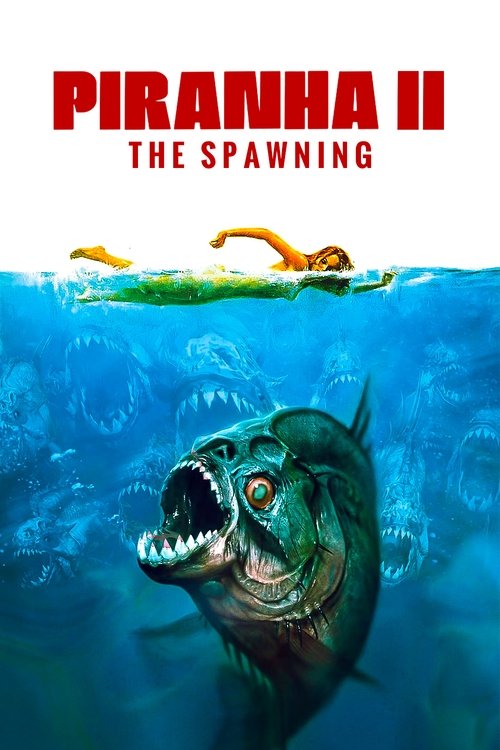
Piranha II: The Spawning
1982A scuba diving instructor, her biochemist boyfriend, and her police chief ex-husband try to link a series of bizarre deaths to a mutant strain of piranha fish whose lair is a sunken freighter ship off a Caribbean island resort.
While largely a historical curiosity, this debut offers a raw glimpse into the emerging tenacity of a filmmaker forced to innovate under extreme constraints. It is the scrappy, chaotic foundation upon which a career of unprecedented technical mastery was eventually built.

True Lies
1994A fearless, globe-trotting, terrorist-battling secret agent has his life turned upside down when he discovers his wife might be having an affair with a used car salesman while terrorists smuggle nuclear war heads into the United States.
This muscular fusion of domestic comedy and global espionage demonstrates Cameron’s ability to handle tonal shifts with the same muscle he applies to heavy machinery. It is a high-water mark for the 1990s action blockbuster, balancing pyrotechnic excess with a sharp, satirical eye for the absurdities of suburban life.
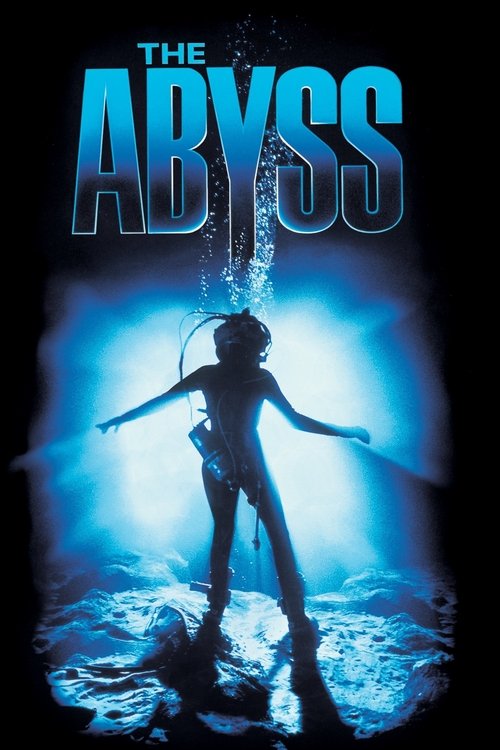
The Abyss
1989A civilian oil rig crew is recruited to conduct a search and rescue effort when a nuclear submarine mysteriously sinks. One diver soon finds himself on a spectacular odyssey 25,000 feet below the ocean's surface where he confronts a mysterious force that has the power to change the world or destroy it.
An ambitious, soggy epic that highlights the director’s grueling commitment to physical realism and innovative underwater photography. Despite its difficult production history, the film is a vital bridge in his filmography, introducing the pioneering CGI techniques that would soon change the industry forever.

Set more than a decade after the events of the first film, learn the story of the Sully family (Jake, Neytiri, and their kids), the trouble that follows them, the lengths they go to keep each other safe, the battles they fight to stay alive, and the tragedies they endure.
Returning to his lifelong obsession with the ocean, Cameron treats the frame as a vast, breathable ecosystem that prioritizes sensory experience over traditional narrative tropes. It represents a director so confident in his technical wizardry that he can command the audience to simply exist within his hyper-detailed digital currents.

Avatar
2009In the 22nd century, a paraplegic Marine is dispatched to the moon Pandora on a unique mission, but becomes torn between following orders and protecting an alien civilization.
With this immersive venture into Pandora, Cameron single-handedly revitalized 3D technology and asserted himself as the preeminent world-builder of modern cinema. The film serves as the ultimate expression of his environmentalist ethos and his desire to push the boundaries of digital performance capture to their absolute limits.

The Terminator
1984In the post-apocalyptic future, reigning tyrannical supercomputers teleport a cyborg assassin known as the "Terminator" back to 1984 to kill Sarah Connor, whose unborn son is destined to lead insurgents against 21st century mechanical hegemony. Meanwhile, the human-resistance movement dispatches a lone warrior to safeguard Sarah. Can he stop the virtually indestructible killing machine?
This lean, mean work of techno-noir showcases Cameron at his most efficient, utilizing a limited budget to create a terrifyingly plausible vision of the future. It established his career-long fascination with the intersection of cold technology and resilient human instinct, all wrapped in a pursuit thriller of relentless kinetic energy.
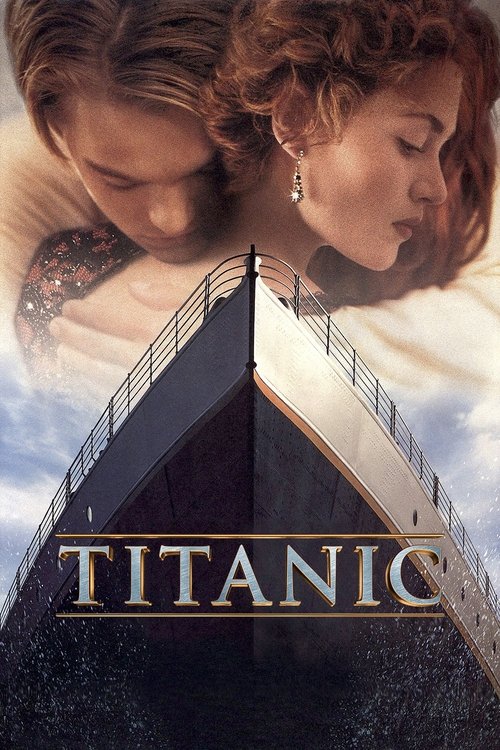
Titanic
1997101-year-old Rose DeWitt Bukater tells the story of her life aboard the Titanic, 84 years later. A young Rose boards the ship with her mother and fiancé. Meanwhile, Jack Dawson and Fabrizio De Rossi win third-class tickets aboard the ship. Rose tells the whole story from Titanic's departure through to its death—on its first and last voyage—on April 15, 1912.
Cameron successfully bridged the gap between old-school Hollywood grandiosity and cutting-edge digital spectacle to create an era-defining cultural monolith. It stands as a testament to his obsession with historical detail and his singular ability to ground massive technological feats in earnest, universal melodrama.

Aliens
1986Ripley, the sole survivor of the Nostromo's deadly encounter with the monstrous Alien, returns to Earth after drifting through space in hypersleep for 57 years. Although her story is initially met with skepticism, she agrees to accompany a team of Colonial Marines back to LV-426.
By pivoting from claustrophobic horror to high-octane militaristic action, Cameron redefined how a franchise can evolve while maintaining its DNA. This film remains the definitive blueprint for the 'more is more' philosophy of sequels, executed with peerless structural precision and structural pacing.

Ten years after the events of the original, a reprogrammed T-800 is sent back in time to protect young John Connor from the shape-shifting T-1000. Together with his mother Sarah, he fights to stop Skynet from triggering a nuclear apocalypse.
A rare masterpiece where the sequel eclipses the original through sheer technical audacity and a profound expansion of its own mythology. Cameron reimagines the relentless killing machine as a protective icon, flawlessly marrying groundbreaking liquid-metal effects with a surprisingly poignant meditation on human potential.
Frequently Asked Questions
Everything you need to know about this list and SnakeDrafts
- "Terminator 2: Judgment Day" is ranked #1 due to its groundbreaking special effects, compelling story, and lasting impact on the sci-fi and action genres. It revolutionized visual effects with its use of CGI and solidified James Cameron's reputation as a visionary director.
- Both "Aliens" and "The Abyss" explore themes of human survival and confrontation with unknown forces, blending intense action with deep emotional storytelling. Cameron’s use of innovative technology heightens these dramatic elements, making his sci-fi thrillers standout.
- "Titanic" is ranked highly because it masterfully combines epic romance with historical drama and groundbreaking visual effects. Its massive box office success and 11 Academy Awards highlight Cameron's ability to create culturally resonant cinematic events.
- Ranked #6, "Avatar: The Way of Water" continues Cameron’s tradition of pioneering technological advances in filmmaking, especially underwater motion capture. It also expands the narrative and visual world of the original "Avatar," emphasizing environmental themes and family.
- Including "Piranha II: The Spawning" at #9 highlights Cameron's early work in horror, which contrasts with his later sci-fi and epic blockbusters. This inclusion shows the evolution of his directing style and willingness to explore different genres.
- "True Lies" stands out as an action-thriller that showcases Cameron’s ability to blend intense action sequences with humor and character-driven storytelling. Its placement reflects the diversity in Cameron’s directorial catalog beyond strictly futuristic or sci-fi themes.
- Innovation is a key factor, as many films on the list, such as "Avatar" and "The Abyss," demonstrate Cameron’s willingness to invent new technologies to achieve his artistic vision. This commitment to pushing cinematic boundaries greatly influences their high rankings.