Chris Cooper Movies Ranked Definitively
Essential Performances from a Modern Character Acting Icon
Explore the most impactful films and legendary performances of Academy Award winner Chris Cooper, from Adaptation to American Beauty and beyond.
About Chris Cooper
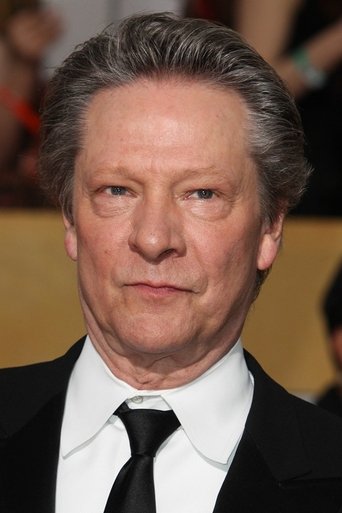
In an industry built on vanity and volume, Chris Cooper operates like a master carpenter. There is a sturdy, weathered reliability to his presence that makes him feel less like a movie star and more like a permanent fixture of the American landscape. He does not demand your attention with pyrotechnics or vanity. Instead, he exerts a gravitational pull through stillness, possessing a face that seems to hold a century of unspoken history. Whether he is playing a high-ranking military official or a grieving father, there is an interior life visible in his eyes that suggests a man who has seen everything and decided to keep most of it to himself.
His arrival in John Sayles's Matewan established the blueprint for a career defined by integrity. He played a labor organizer with a quiet, flinty resolve, proving early on that he could anchor a film without raising his voice. This soulful authority eventually led him to Lone Star, where his portrayal of Sherriff Sam Deeds turned a neo-western mystery into a profound meditation on legacy and buried secrets. It remains one of the most quintessential performances in modern cinema, anchoring the sprawling narrative with a weary, investigative grace.
The early 2000s saw him transition from a respected indie veteran into a ubiquitous force in major studio dramas. In American Beauty, he captured the tragic, repressed rigidity of a man at war with his own identity, a performance so chillingly precise it became one of the film's most enduring images. Yet, he could just as easily pivot to the warmth of October Sky, playing a coal miner who struggles to understand his son's celestial ambitions, or the rugged wisdom of the horse trainer in Seabiscuit. He possesses a rare blue-collar elegance that allows him to inhabit historical epics like The Patriot or contemporary thrillers like The Bourne Identity with equal ease.
The pinnacle of this versatile run came with Adaptation, where he famously played the eccentric orchid thief John Laroche. In a film swirling with meta-commentary and double roles, he provided the soul, winning an Oscar by transforming into a toothless, charismatic philosopher of the Everglades. It was a reminder that beneath his stoic exterior lies a fierce, unpredictable imagination. He followed this with a masterclass in psychological tension in Breach, playing the traitorous Robert Hanssen with a terrifying, cold intellect that made the viewer feel like they were trapped in a room with a predator.
Even as he moved into the later stages of his career, his ability to ground a scene never faltered. He brought a heartbreaking vulnerability to the dysfunction of August: Osage County and infused A Beautiful Day in the Neighborhood with a tender, late-life regret. In Greta Gerwig's Little Women, his presence as Mr. Laurence offered a silent, moving anchor of grief and eventual kindness. Audiences trust him because he refuses to use shortcuts. He never asks for sympathy, which is exactly why he always receives it. He is the quiet conscience of the American screen, a performer who understands that the most powerful things a person can say are often the things they leave unsaid.
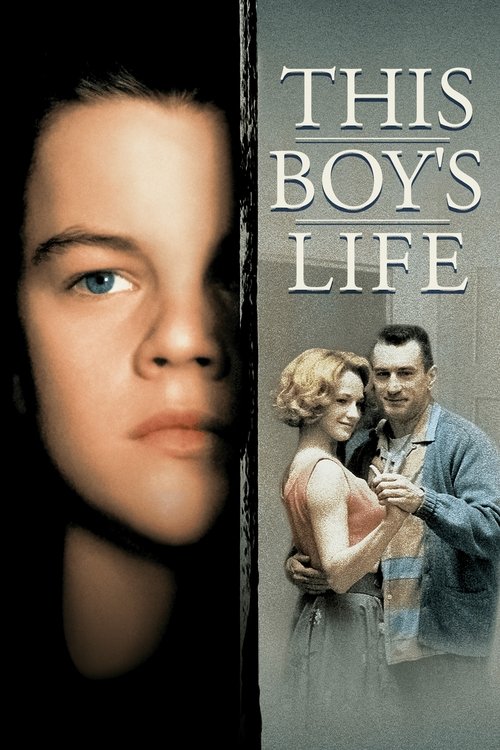
This Boy's Life
1993When a son and mother move to Seattle in hopes for a better life, the mother meets a seemingly polite man. Things go south when the man turns out to be abusive, endangering their lives. As the mother struggles to maintain hope in an impossible situation, the son has plans to escape.
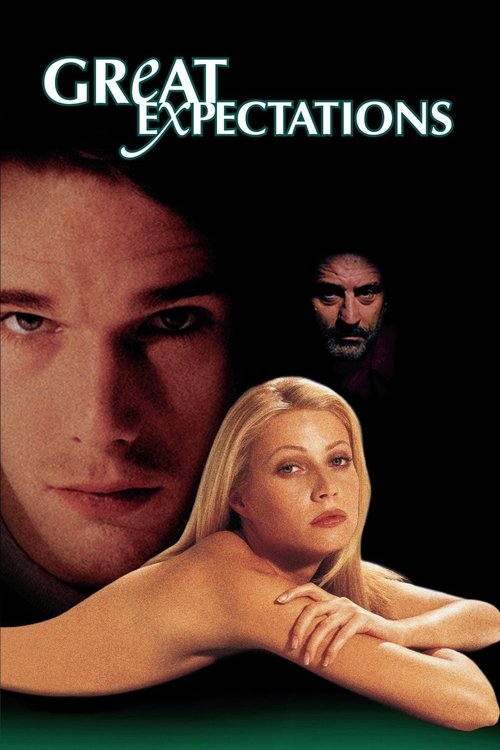
Great Expectations
1998Loosely based on the Charles Dickens' classic novel, "Great Expectations" is a sensual tale of a young man's unforgettable passage into manhood, and the three individuals who will undeniably change his life forever. Through the surprising interactions of these vivid characters, "Great Expectations" takes a unique and contemporary look at life's great coincidences.
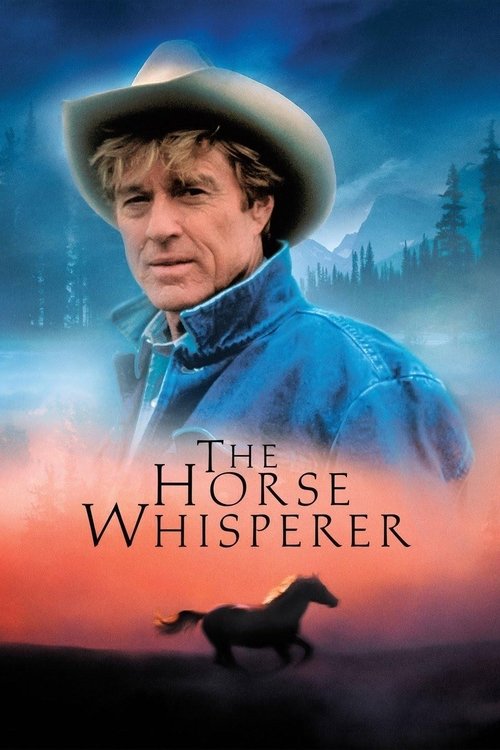
The Horse Whisperer
1998The mother of a severely traumatized daughter enlists the aid of a unique horse trainer to help the girl's equally injured horse.
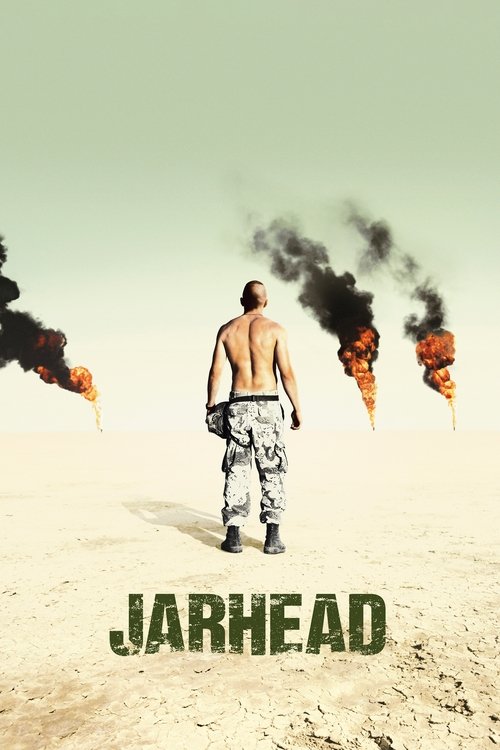
Jarhead
2005Jarhead is a film about a US Marine Anthony Swofford’s experience in the Gulf War. After putting up with an arduous boot camp, Swofford and his unit are sent to the Persian Gulf where they are eager to fight, but are forced to stay back from the action. Swofford struggles with the possibility of his girlfriend cheating on him, and as his mental state deteriorates, his desire to kill increases.
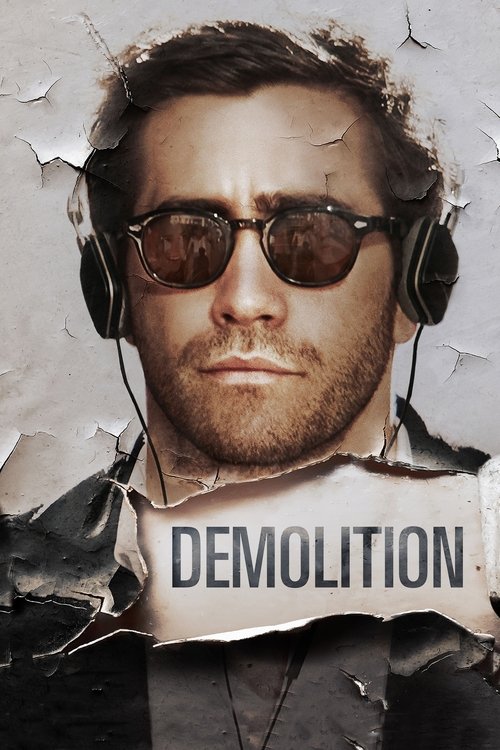
Demolition
2016An emotionally desperate investment banker finds hope through a woman he meets.

Remember Me
2010Still reeling from a heartbreaking family event and his parents' subsequent divorce, Tyler Hawkins discovers a fresh lease on life when he meets Ally Craig, a gregarious beauty who witnessed her mother's death. But as the couple draws closer, the fallout from their separate tragedies jeopardizes their love.
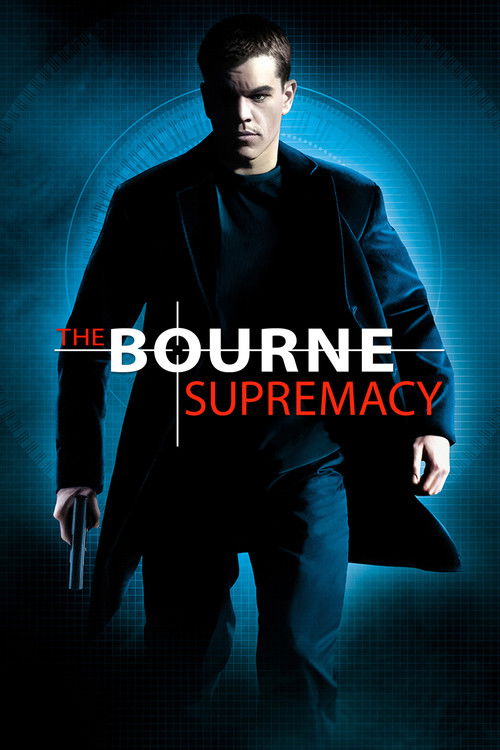
A CIA operation to purchase classified Russian documents is blown by a rival agent, who then shows up in the sleepy seaside village where Bourne and Marie have been living. The pair run for their lives and Bourne, who promised retaliation should anyone from his former life attempt contact, is forced to once again take up his life as a trained assassin to survive.
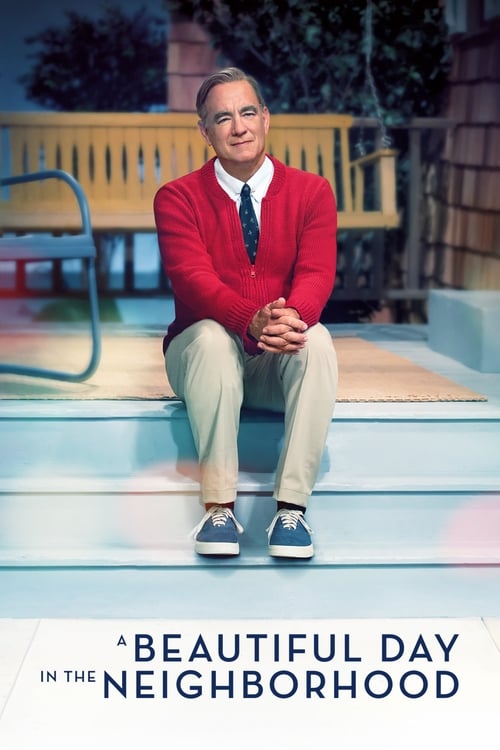
A Beautiful Day in the Neighborhood
2019An award-winning cynical journalist, Lloyd Vogel, begrudgingly accepts an assignment to write an Esquire profile piece on the beloved television icon Fred Rogers. After his encounter with Rogers, Vogel's perspective on life is transformed.
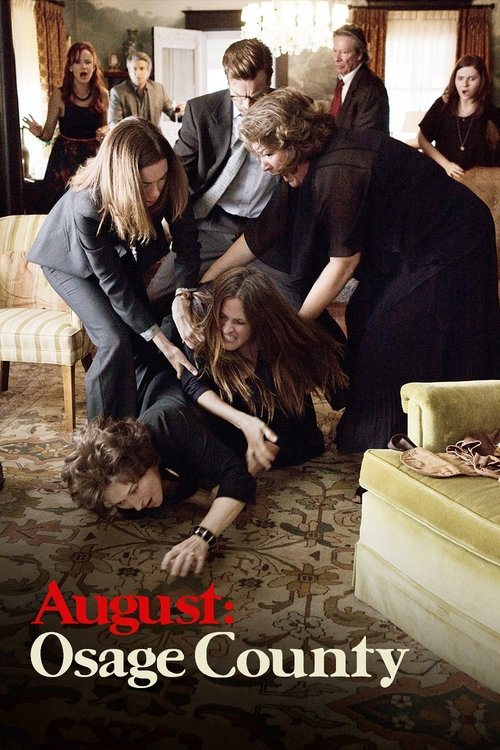
August: Osage County
2013An intense look at the lives of the strong-willed daughters of the Weston family, whose paths have diverged until a family crisis brings them back to the Midwest house they grew up in, and to the dysfunctional mother who raised them.
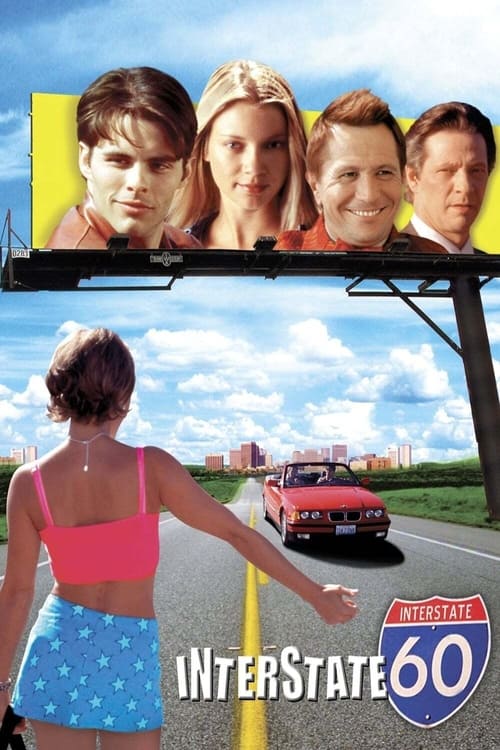
Interstate 60
2002An aspiring painter meets various characters and learns valuable lessons while traveling across America.
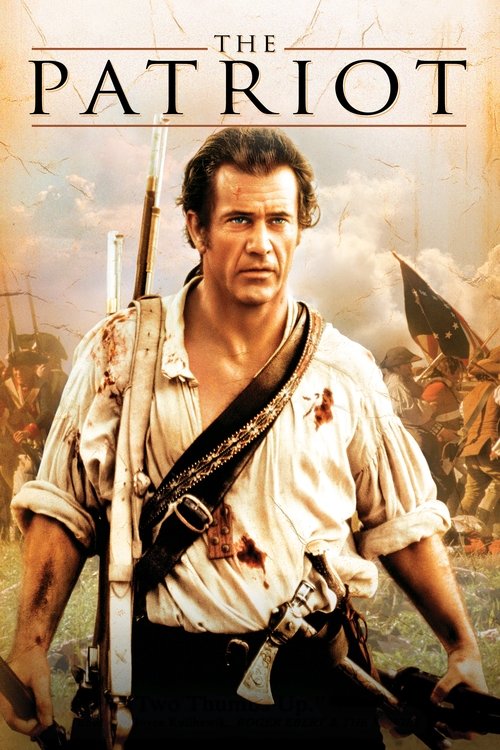
The Patriot
2000After proving himself on the field of battle in the French and Indian War, Benjamin Martin wants nothing more to do with such things, preferring the simple life of a farmer. But when his son Gabriel enlists in the army to defend their new nation, America, against the British, Benjamin reluctantly returns to his old life to protect his son.
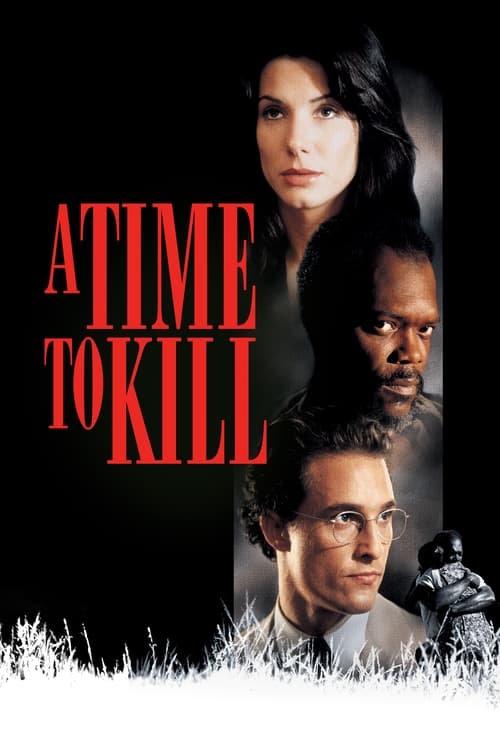
A Time to Kill
1996A young lawyer defends a black man accused of murdering two white men who raped his 10-year-old daughter, sparking a rebirth of the KKK.
Breach
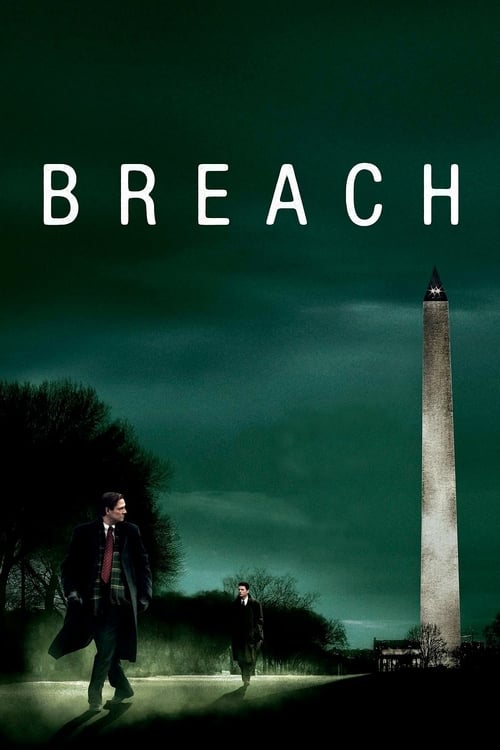
2007Eric O'Neill, a low-level surveillance expert with the FBI, believes he is accomplishing his dream of becoming a full-fledged agent, with his unexpected promotion and assignment to clerk for Robert Hanssen, a renowned senior agent with 25 years in the FBI. However, he soon learns the reason for his promotion is to gain Hanssen's trust and find proof that he is a traitor to the country. Determined to draw the suspected double-agent out of deep cover, O'Neill finds himself in a lethal game of spy vs. spy, where nothing is as it seems.
Engaging in a tense psychological chess match, Cooper portrays real life traitor Robert Hanssen with a chilling mixture of religious devotion and intellectual arrogance. It is a subtle, unsettling character study that relies on his unique ability to play a man hiding in plain sight.
Capote
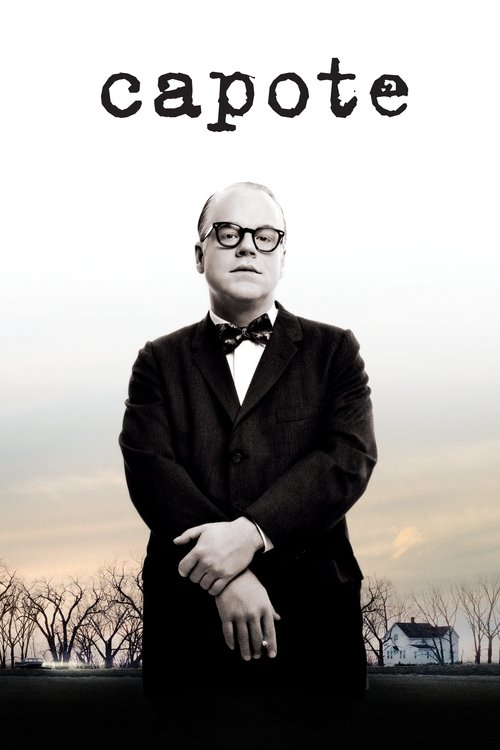
2005A biopic of writer Truman Capote and his assignment for The New Yorker to write the non-fiction book "In Cold Blood".
Cooper offers a grounded, procedural contrast to the film’s flamboyant central figure by playing Alvin Dewey with a meticulous and weary professionalism. He represents the audience’s moral compass, bringing a necessary stability to a story defined by manipulation and artifice.
Seabiscuit
2003True story of the undersized Depression-era racehorse whose victories lifted not only the spirits of the team behind it but also those of their nation.
As the monosyllabic horse trainer Tom Smith, Cooper acts almost entirely through his eyes and the way he inhabits the dusty landscape. He provides the film’s spiritual center, grounding the underdog sentimentality in a weathered, authentic stoicism.
Matewan
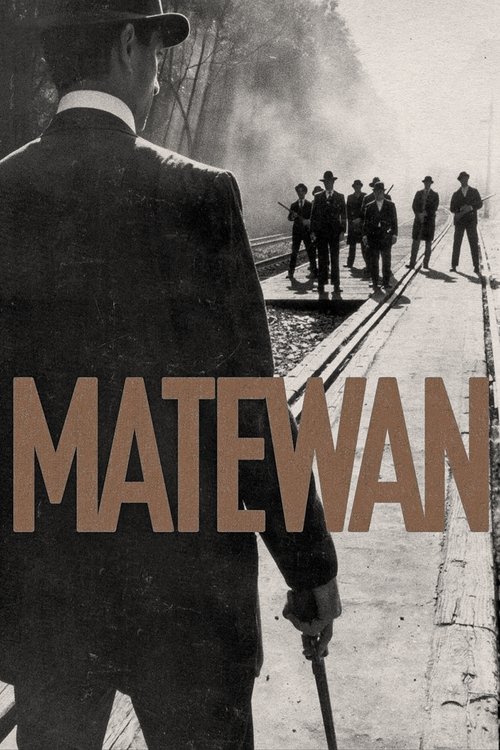
1987Filmed in the coal country of West Virginia, "Matewan" celebrates labor organizing in the context of a 1920s work stoppage. Union organizer, Joe Kenehan, a scab named "Few Clothes" Johnson and a sympathetic mayor and police chief heroically fight the power represented by a coal company and Matewan's vested interests so that justice and workers' rights need not take a back seat to squalid working conditions, exploitation and the bottom line.
This breakout role introduced the world to an actor who could embody the moral backbone of a movement with sheer blue collar authenticity. Cooper’s work as a union organizer remains a benchmark for quiet heroism and principled conviction in independent film.
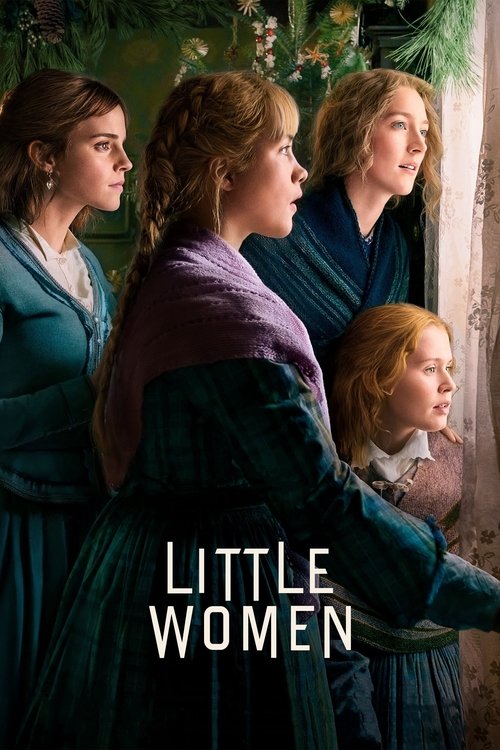
Little Women
2019Four sisters come of age in America in the aftermath of the Civil War.
In a career defined by hardness, his portrayal of Mr. Laurence offers a beautiful masterclass in gentleness and grieving. He manages to communicate a lifetime of loss and newfound affection through the smallest gestures, grounding the period drama in a quiet, masculine tenderness.
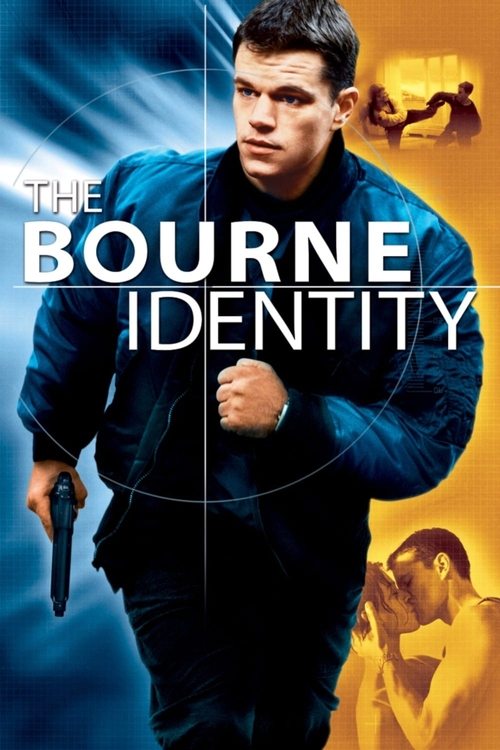
Wounded to the brink of death and suffering from amnesia, Jason Bourne is rescued at sea by a fisherman. With nothing to go on but a Swiss bank account number, he starts to reconstruct his life, but finds that many people he encounters want him dead. However, Bourne realizes that he has the combat and mental skills of a world-class spy—but who does he work for?
Cooper reinvented the bureaucratic villain archetype by portraying Alexander Conklin with a frantic, cold blooded pragmatism that felt dangerously real. His presence elevated the blockbuster into a paranoid thriller, proving he could command big budget spectacles without sacrificing his signature intensity.
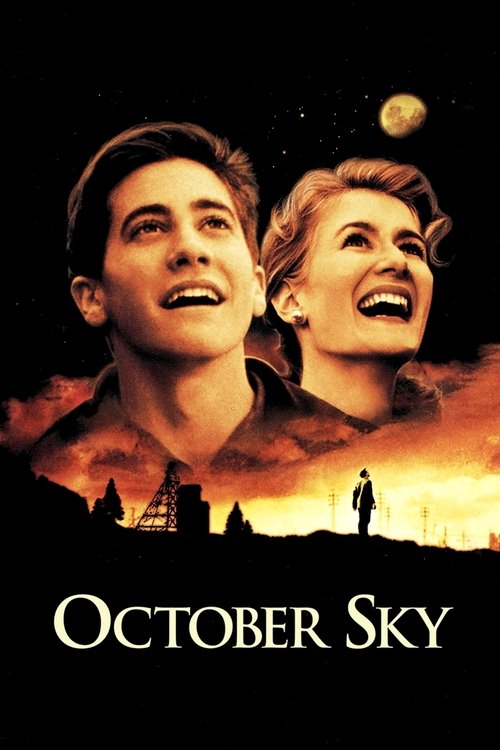
October Sky
1999The true story of Homer Hickam, a coal miner's son who was inspired by the first Sputnik launch to take up rocketry against his father's wishes.
Playing the quintessential hard nosed father, Cooper avoids every cliché of the genre by imbuing an uncompromising mine foreman with deep, unspoken vulnerability. He serves as the film’s immovable object, making his eventual emotional concessions feel earned and monumental.
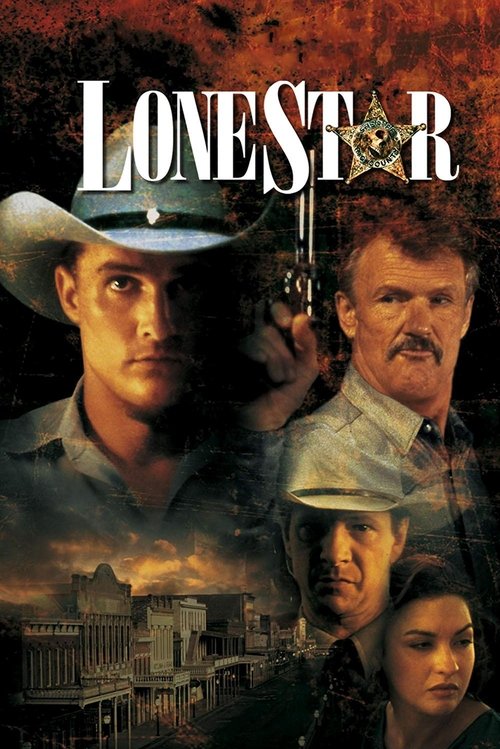
Lone Star
1996When the skeleton of his murdered predecessor is found, Sheriff Sam Deeds unearths many other long-buried secrets in his Texas border town.
John Sayles found the perfect vessel for his neo Western mystery in Cooper, who carries the weight of history and inherited sin in every weary glance. This performance established him as a premier leading man capable of anchoring complex, novelistic narratives with understated gravity.

American Beauty
1999Lester Burnham, a depressed suburban father in a mid-life crisis, decides to turn his hectic life around after developing an infatuation with his daughter's attractive friend.
As the repressed Colonel Fitts, Cooper provides the film with its most terrifying and tragic anchor through a portrait of suffocating hyper masculinity. He weaponizes silence in a way that makes every explosive outburst feel like a genuine psychological rupture.
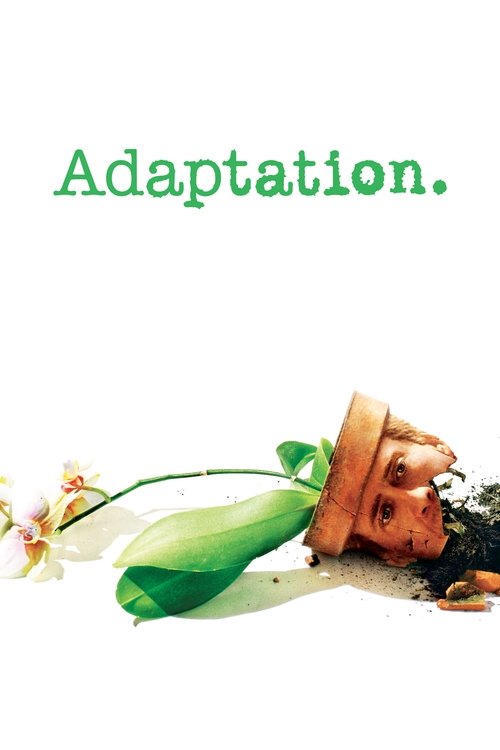
Adaptation.
2002Charlie Kaufman is a confused L.A. screenwriter overwhelmed by feelings of inadequacy, sexual frustration, self-loathing, and by the screenwriting ambitions of his freeloading twin brother Donald. While struggling to adapt "The Orchid Thief," by Susan Orlean, Kaufman's life spins from pathetic to bizarre. The lives of Kaufman, Orlean's book, become strangely intertwined as each one's search for passion collides with the others'.
Cooper captures lightning in a bottle as the eccentric John Laroche, shedding his usual stoicism for a toothless, manic energy that remains one of the most transformative turns in modern cinema. This Oscar winning role proved he could master high wire idiosyncratic comedy just as easily as grit.
Frequently Asked Questions
Everything you need to know about this list and SnakeDrafts
- Chris Cooper's notable films often explore complex human emotions, moral dilemmas, and the intricacies of American life. For instance, dramas like American Beauty and Lone Star delve into personal and societal conflicts, while movies like Adaptation blend self-reflexivity with crime and comedy elements.
- Chris Cooper appears in several historically set films such as Little Women (2019), Matewan (1987), and Seabiscuit (2003), where his performances add authenticity and depth to period narratives, enhancing the storytelling of significant American histories and cultural moments.
- Known for his nuanced and understated acting, Chris Cooper brings a grounded presence to his roles, allowing subtle emotional currents to drive the narrative. This approach is evident in movies like Adaptation and Breach, where his calm intensity heightens dramatic tension without overpowering the ensemble.
- Chris Cooper has worked multiple times with directors such as John Sayles, evident in Lone Star and Matewan, showcasing a strong creative synergy. This collaboration highlights Cooper's strength in character-driven stories within socially conscious settings.
- While Chris Cooper's filmography is diverse, ranging from drama and history to crime and thriller, he rarely appears in conventional romantic comedies or science fiction blockbusters. His choice of roles leans more towards grounded, character-focused storytelling as seen in films like August: Osage County and The Patriot.
- In adaptations such as Little Women and A Beautiful Day in the Neighborhood, Chris Cooper selects roles that require subtlety and emotional intelligence, enhancing the source material's depth. His portrayals often serve to anchor the narrative in a relatable humanity that resonates with audiences familiar with the original works.
- Chris Cooper's participation in action films like The Bourne Identity demonstrated his versatility, balancing intense physicality with his trademark nuanced acting. This broadened his appeal and showcased his ability to effectively contribute to high-profile, fast-paced movies without losing his distinctive presence.