The Best Kate Winslet Movies Ranked
From Period Dramas to Sci-Fi Masterpieces
Explore the finest performances of Kate Winslet, featuring award-winning roles in Titanic, Eternal Sunshine, and more cinematic classics.
About Kate Winslet

Kate Winslet has spent three decades dismantling the very idea of the traditional movie star. While her peers often chased the manicured perfection of Hollywood royalty, she chose a path defined by grit, sweat, and an almost frightening level of emotional transparency. From the moment she burst onto the screen as a murderous, imaginative teenager in Heavenly Creatures, it was clear that she possessed a raw frequency most actors spend years trying to tune into. She does not just inhabit a role; she anchors it with a physical presence that demands to be taken seriously.
Most audiences first met her through the sweeping romanticism of Sense and Sensibility, where she channeled the breathless yearning of Marianne Dashwood. Yet it was the colossal, generation-defining success of Titanic that solidified her status as a global icon. In the hands of a lesser talent, Rose DeWitt Bukater could have been a standard damsel in distress, but she gave the character a defiant spine that resonated far beyond the film’s tragic ending. Rather than retreating into the safety of blockbuster franchises after that whirlwind, she pivoted toward the eccentric and the intimate. She traded the corset for a shock of blue hair in Eternal Sunshine of the Spotless Mind, delivering a performance as Clementine Kruczynski that remains a touchstone for anyone who has ever felt beautifully, messily human.
What makes her so enduring is a total lack of vanity. She is entirely comfortable playing women who are unlikable, exhausted, or morally compromised. This fearless streak earned her an Academy Award for The Reader, where she navigated the chilling complexities of a former concentration camp guard with haunting stillness. She thrives in the pressure cooker of domestic drama, whether she is drowning in suburban malaise alongside Leonardo DiCaprio in Revolutionary Road or exploring the suffocating secrets of Little Children. Even when diving into the satirical chaos of Carnage or the whimsical vengeance of The Dressmaker, she maintains a groundedness that keeps the story tethered to reality.
There is a sense of athletic endurance to her craft that few can match. For Avatar: The Way of Water, she famously broke records by holding her breath underwater for over seven minutes, a feat that speaks to her relentless dedication to the job. Yet she can just as easily pivot to the cozy, enduring charm of The Holiday or lend her voice to the animated hijinks of Flushed Away without losing an ounce of her credibility. She moves seamlessly between the intellectual weight of Hamlet and the sentimental warmth of Finding Neverland, always finding the pulse of the character.
Ultimately, the connection she shares with her audience is built on trust. We believe her because she refuses to airbrush the human experience. Whether she is facing down a political execution in The Life of David Gale or commanding the screen with a single look, she remains the gold standard for authenticity in a medium often built on artifice. She has become the ultimate chameleon, not because she hides who she is, but because she gives so much of herself to every frame. In the landscape of modern cinema, she isn't just an actress, she is a force of nature.
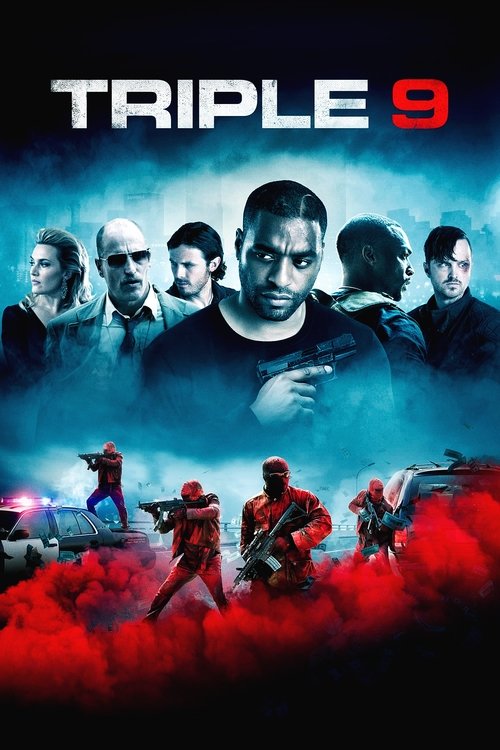
Triple 9
2016A gang of criminals and corrupt cops plan the murder of a police officer in order to pull off their biggest heist yet across town.
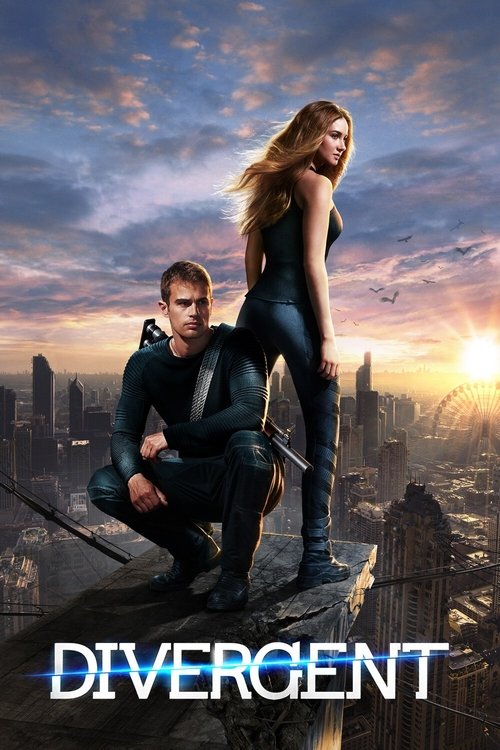
Divergent
2014In a world divided into factions based on personality types, Tris learns that she's been classified as Divergent and won't fit in. When she discovers a plot to destroy Divergents, Tris and the mysterious Four must find out what makes Divergents dangerous before it's too late.

The Mountain Between Us
2017Stranded on a mountain after a tragic plane crash, two strangers must work together to endure the extreme elements of the remote, snow-covered terrain. When they realize help is not coming, they embark on a perilous journey across hundreds of miles of wilderness, pushing each other to survive and discovering their inner strength.

Flushed Away
2006London high-society mouse, Roddy is flushed down the toilet by Sid, a common sewer rat. Hang on for a madcap adventure deep in the sewer bowels of Ratropolis, where Roddy meets the resourceful Rita, the rodent-hating Toad and his faithful thugs, Spike and Whitey.
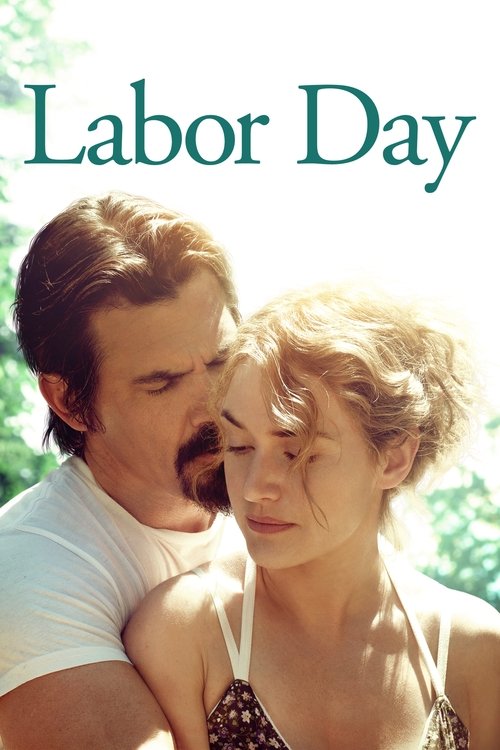
Labor Day
2013Two strangers are drawn together under incredible circumstances. What starts as an unforeseen encounter over a long holiday weekend soon becomes a second chance love story.

Little Children
2006The lives of two lovelorn spouses from separate marriages, a registered sex offender, and a disgraced ex-police officer intersect as they struggle to resist their vulnerabilities and temptations.

Lee
2024The true story of photographer Elizabeth "Lee" Miller, a fashion model who became an acclaimed war correspondent for Vogue magazine during World War II.
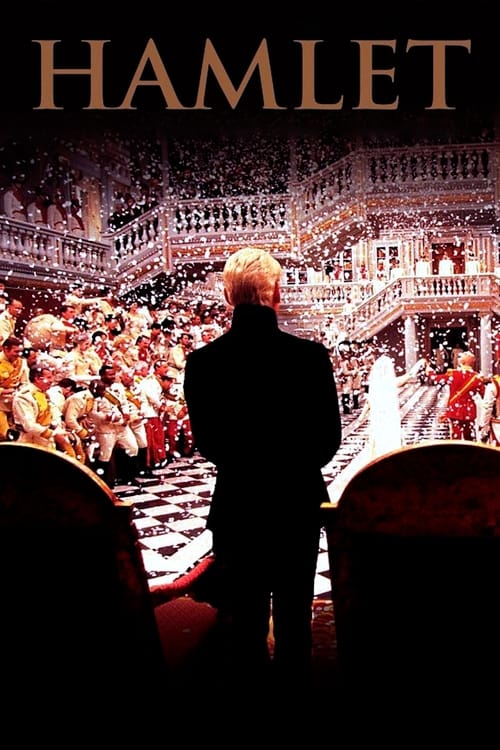
Hamlet
1996Hamlet, Prince of Denmark, returns home to find his father murdered and his mother now marrying the murderer... his uncle. Meanwhile, war is brewing.
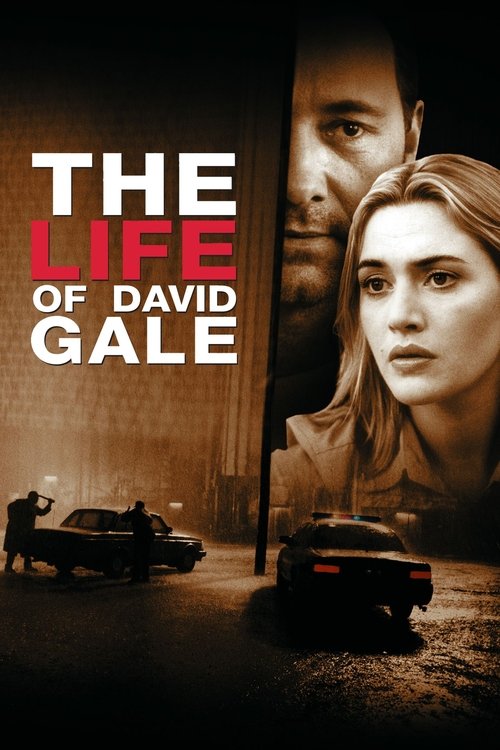
The Life of David Gale
2003A man against capital punishment is accused of murdering a fellow activist and is sent to death row.
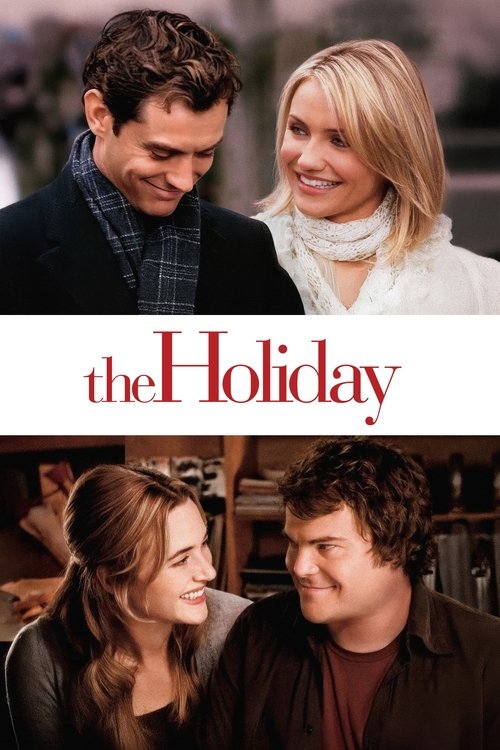
The Holiday
2006Two women, one American and one British, swap homes at Christmastime following bad breakups. Each woman finds romance with a local man but realizes that the imminent return home may end the relationship.
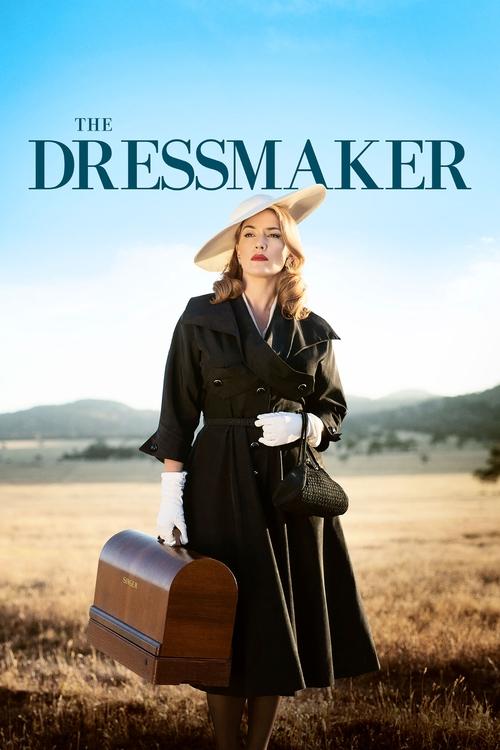
The Dressmaker
2015In 1950s Australia, beautiful, talented dressmaker Tilly returns to her tiny hometown to right wrongs from her past. As she tries to reconcile with her mother, she starts to fall in love while transforming the fashion of the town.
Winslet blends high-fashion glamour with a sharp, vengeful wit in this eccentric Australian fable. She navigates the film’s tonal shifts between slapstick and tragedy by treating her character’s sewing machine like a lethal weapon.

Set more than a decade after the events of the first film, learn the story of the Sully family (Jake, Neytiri, and their kids), the trouble that follows them, the lengths they go to keep each other safe, the battles they fight to stay alive, and the tragedies they endure.
Even behind a digital mask of performance capture, Winslet radiates a fierce, oceanic authority as the matriarch Ronal. Her commitment to the physical demands of the role reinvented her as a blockbusting powerhouse capable of commanding entire digital ecosystems.
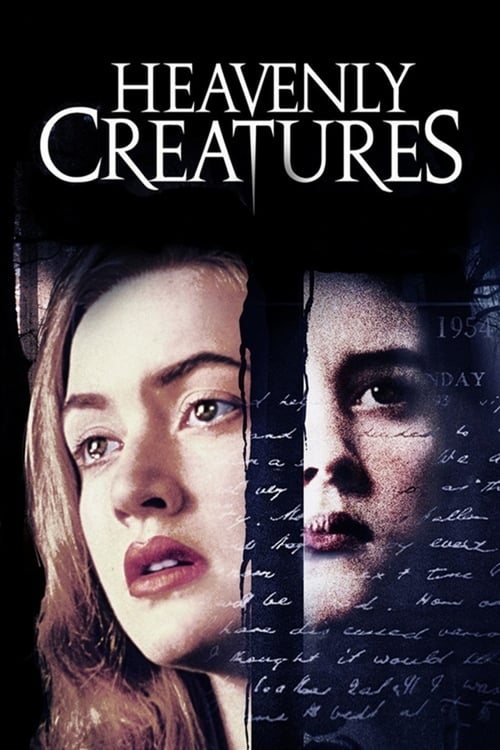
Precocious teenager Juliet moves to New Zealand with her family and soon befriends the quiet, brooding Pauline through their shared love of fantasy and literature. This friendship gradually develops into an intense and obsessive bond.
In her cinematic debut, Winslet vibrates with a dangerous, obsessive energy that signaled the arrival of a major force. The savage intensity she brings to this teenage fantasy world remains one of the most daring introductions in modern acting history.
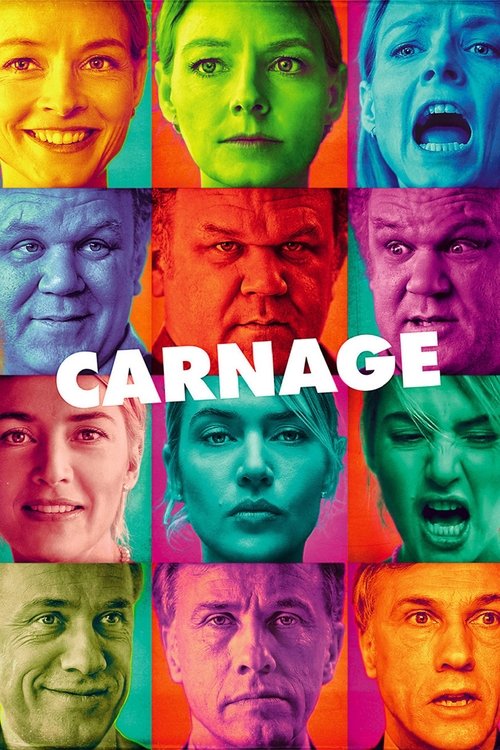
Carnage
2011Two pairs of parents hold a cordial meeting after their sons are involved in a fight, though as their time together progresses, increasingly childish behavior throws the discussion into chaos.
Trapped in a single room, Winslet excels at capturing the gradual disintegration of bourgeois politeness into drunken, projectile-vomiting chaos. It is a masterclass in physical comedy and the slow-burn unveiling of repressed maternal resentment.
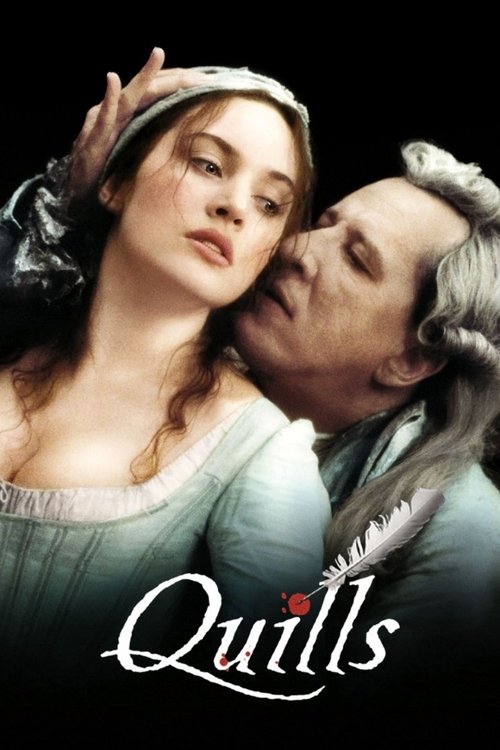
Quills
2000In early 19th-century France, the Marquis de Sade is confined to an asylum where his forbidden writings continue to circulate beyond its walls. As the authorities tighten control, a clash unfolds between the Marquis’ unyielding imagination, the reformist ideals of the Abbé in charge, and the repressive measures of a doctor sent to silence him. Desire, power, and censorship collide in a battle over freedom of expression.
Winslet radiates a sharp, earthy intelligence that prevents her character from becoming a mere gothic archetype. She captures a rare blend of youthful defiance and working class pragmatism, marking a pivotal transition from her period piece ingenue era into more complex, physically grounded roles. Her ability to hold the screen against veteran heavyweights reveals a performer finally weaponizing her own maturity.
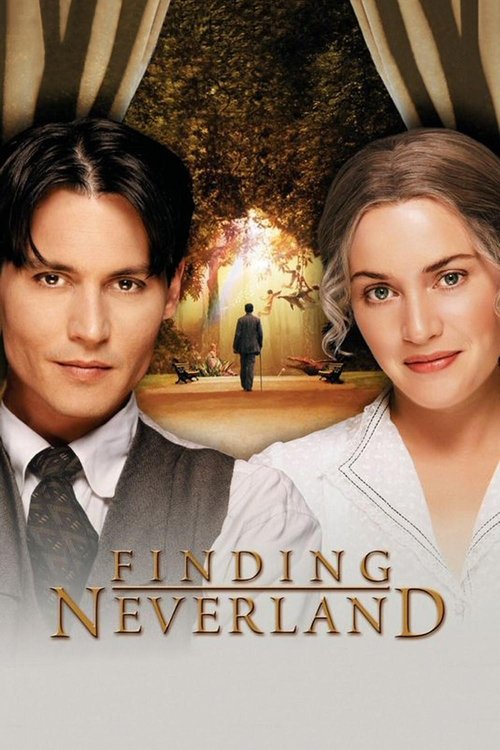
During a writing slump, playwright J.M. Barrie meets a widow and her four children, all young boys—who soon become an important part of Barrie’s life and the inspiration that lead him to create his masterpiece. Peter Pan.
In this understated turn, Winslet provides a soulful, grounded counterpoint to the film’s whimsical flights of fancy. She masters the art of the empathetic observer, proving she can command the screen through quiet grace rather than loud dramatics.
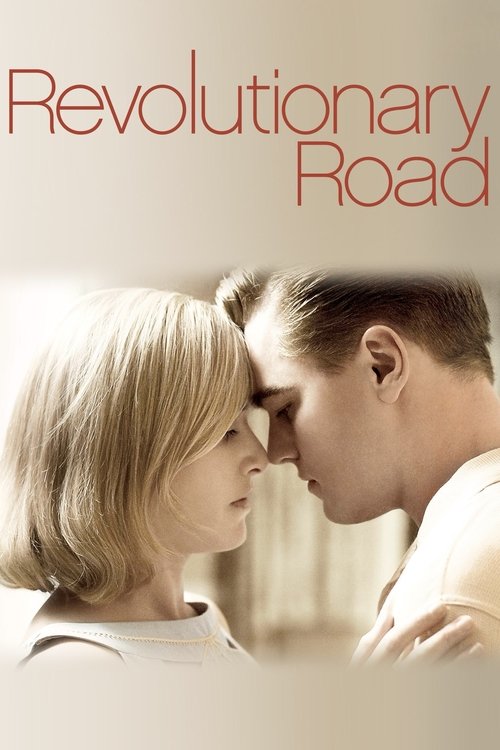
Revolutionary Road
2008A young couple living in a Connecticut suburb during the mid-1950s struggle to come to terms with their personal problems while trying to raise their two children. Based on a novel by Richard Yates.
Winslet weaponizes suburban ennui as April Wheeler, turning a crumbling marriage into a site of devastating psychological warfare. Her ability to portray the slow erosion of a woman's spirit makes this one of the most grueling yet technically precise entries in her filmography.
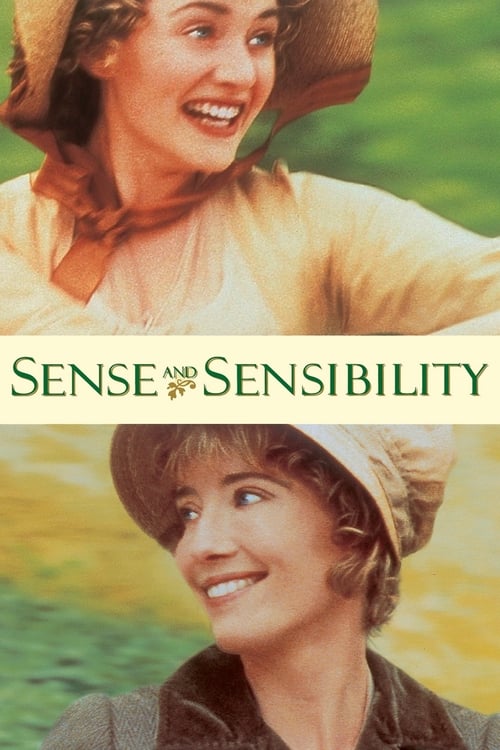
The Dashwood sisters, sensible Elinor and passionate Marianne, learn that their prospects of marriage seem doomed by their family's sudden loss of fortune. After Henry Dashwood dies unexpectedly, his estate must pass on by law to his son. These circumstances leave Mr. Dashwood's wife and daughters without a home and with barely enough money to live on. As Elinor and Marianne struggle to find romantic fulfillment in a society obsessed with financial and social status, they must learn to mix sense with sensibility in their dealings with both money and men.
Playing Marianne Dashwood, Winslet captures the breathless volatility of romantic idealism with infectious fervor. This breakout performance established her as the preeminent interpreter of literary heroines for a new generation of filmgoers.
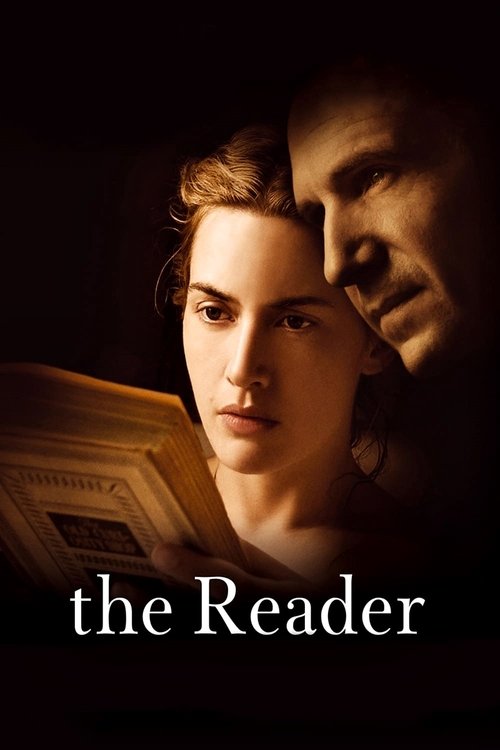
The Reader
2008The story of Michael Berg, a German lawyer who, as a teenager in the late 1950s, had an affair with an older woman, Hanna, who then disappeared only to resurface years later as one of the defendants in a war crimes trial stemming from her actions as a concentration camp guard late in the war. He alone realizes that Hanna is illiterate and may be concealing that fact at the expense of her freedom.
Navigating the chilling moral ambiguity of Hanna Schmitz, Winslet utilizes a haunting stillness to explore the intersection of illiteracy and atrocity. This Oscar-winning turn showcases her fearless willingness to inhabit deeply unsympathetic, complex figures.
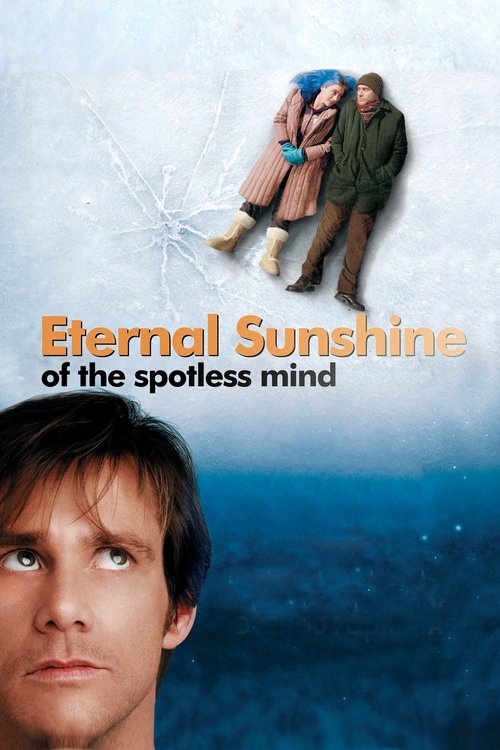
Joel Barish, heartbroken that his girlfriend underwent a procedure to erase him from her memory, decides to do the same. However, as he watches his memories of her fade away, he realises that he still loves her, and may be too late to correct his mistake.
As the neon-haired Clementine Kruczynski, Winslet deconstructs the Manic Pixie Dream Girl trope with a jagged, kaleidoscopic vulnerability. This role shattered her period-piece typecasting, proving she could anchor a high-concept sci-fi romance with raw, modern eccentricity.
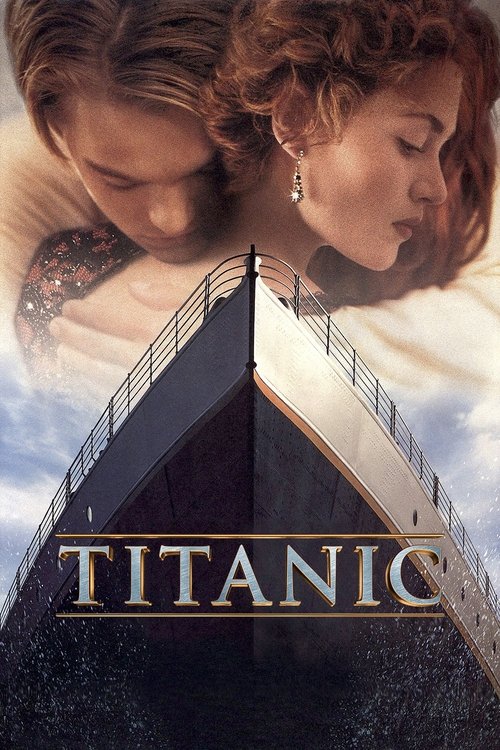
Titanic
1997101-year-old Rose DeWitt Bukater tells the story of her life aboard the Titanic, 84 years later. A young Rose boards the ship with her mother and fiancé. Meanwhile, Jack Dawson and Fabrizio De Rossi win third-class tickets aboard the ship. Rose tells the whole story from Titanic's departure through to its death—on its first and last voyage—on April 15, 1912.
Winslet’s Rose Dewitt Bukater is the fiery heartbeat of a massive spectacle, grounding historical tragedy in a palpable sense of youthful rebellion. It remains the definitive moment she transitioned from a promising talent to a global cinematic icon.
Frequently Asked Questions
Everything you need to know about this list and SnakeDrafts
- Eternal Sunshine of the Spotless Mind uniquely blends science fiction and romance, featuring Kate Winslet in a deeply emotional role that explores memory and relationships through a visually inventive narrative.
- The Reader is a compelling drama where Kate Winslet plays a character entangled in post-World War II Germany, delivering an award-winning performance that explores themes of guilt, love, and redemption.
- Kate Winslet has delivered remarkable performances in period dramas such as Sense and Sensibility, set in Regency England, and Lee, a recent portrayal that dives into historical war drama, showcasing her versatility in adapting to different eras.
- Titanic, directed by James Cameron, a filmmaker renowned for his visually grand storytelling, features Kate Winslet in a romantic drama that became an iconic cinematic masterpiece.
- Carnage places Kate Winslet in a sharp, dark comedy where the story unfolds primarily in one location, allowing her to exhibit her strong comedic timing alongside dramatic depth.
- Yes, Finding Neverland blends fantasy and drama beautifully, with Kate Winslet contributing to the magical retelling of the creation of the beloved Peter Pan story.
- A recurring theme in Kate Winslet's acclaimed films is the exploration of complex human emotions and relationships, often set against dramatic or historical backdrops, which highlights her skill in portraying nuanced, multi-dimensional characters.