The Definitive Tilda Swinton Filmography: Every Must-Watch Performance Ranked
Defining the Career of Cinema's Most Versatile Chameleon
Discover the most iconic performances by Tilda Swinton, from arthouse masterpieces and Wes Anderson gems to blockbuster Marvel and Narnia roles.
About Tilda Swinton
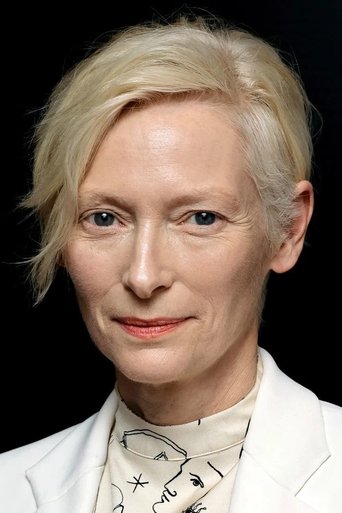
To look at Katherine Matilda Swinton is to witness a rare biological phenomenon that seems to bypass the traditional constraints of age, gender, and even species. Within the industry, she occupies a space entirely of her own making, existing less as a movie star and more as a high priestess of the avant-garde who occasionally deigns to conquer the multiplex. She does not merely inhabit roles; she refracts them, turning her translucent features and statuesque frame into a canvas for some of the most daring transformations in modern cinema.
The foundation of her mythos was arguably poured in Orlando, where her portrayal of a nobleman who transcends centuries and genders established her as the patron saint of the unconventional. It was a declaration of fluid identity that remains her creative north star. While she possesses the refined bone structure of British aristocracy, she has spent decades dismantling that elegance through grotesque or gritty character work. In Michael Clayton, she captured the frantic, sweating desperation of corporate malpractice with such precision that the Academy had no choice but to hand her an Oscar. Yet, she followed that grounded triumph by leaning into the surreal, playing a thousand year old hipster vampire in Only Lovers Left Alive and a terrifying, denture-wearing bureaucrat in Snowpiercer.
Audiences gravitate toward her because she offers a level of commitment that feels dangerously sincere. Whether she is the cold, terrifying White Witch in The Chronicles of Narnia or the ancient, wizardly mentor of Doctor Strange and Avengers: Endgame, she brings a weight to the frame that grounds even the loftiest fantasy. There is a sense that she is never winking at the camera, even when she is buried under layers of prosthetic makeup. In the 2018 reimagining of Suspiria, she famously played three distinct roles, including an elderly male psychoanalyst, a feat of camouflage so complete many viewers didn't realize it was her until the credits rolled.
Her collaborative spirit has made her the ultimate muse for visionary directors. With Wes Anderson, she has become a recurring eccentric, providing deadpan brilliance to the colorful worlds of The Grand Budapest Hotel, Moonrise Kingdom, and Isle of Dogs. In her work with Bong Joon-ho, particularly in the biting satire Okja, she leans into the absurdities of capitalism with a manic energy that few actors would dare. Even when the subject matter is agonizing, such as her devastating turn as a mother grappling with the unthinkable in We Need to Talk About Kevin, she avoids cheap sentimentality. She instead invites the viewer into a complex, often uncomfortable psychological landscape.
Ultimately, her cultural impact stems from her refusal to be categorized. She is just as likely to be found sleeping in a glass box at the MoMA as she is appearing in an international blockbuster. She treats the screen as an experimental playground, making her one of the few performers who can transition from the quiet intimacy of The Curious Case of Benjamin Button to the meta-eccentricities of Adaptation without ever losing her distinct, ethereal essence. In a town obsessed with branding and relatability, she remains gloriously unknowable, a shapeshifter who reminds us that cinema is at its best when it dares to be strange.
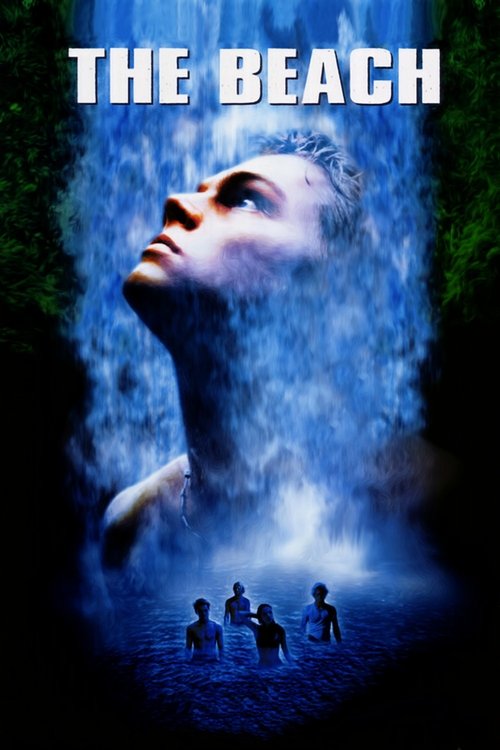
The Beach
2000Twenty-something Richard travels to Thailand and finds himself in possession of a strange map. Rumours state that it leads to a solitary beach paradise, a tropical bliss - excited and intrigued, he sets out to find it.
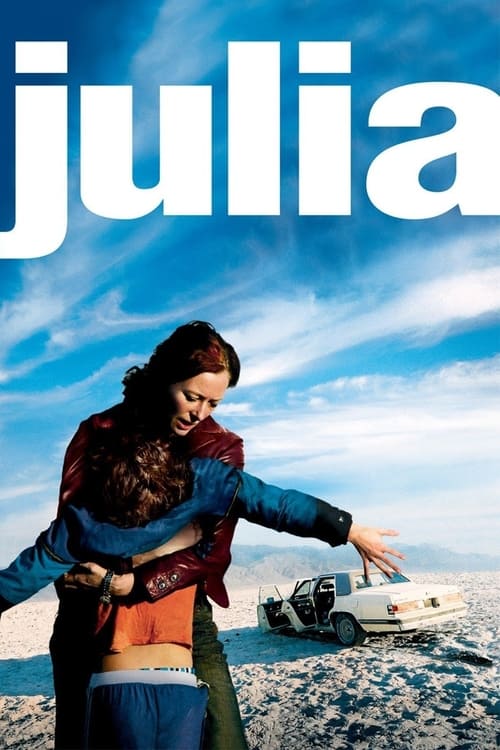
Julia
2008An alcoholic becomes involved in a fellow A.A. member's plan to kidnap her young son from the boy's wealthy grandfather.
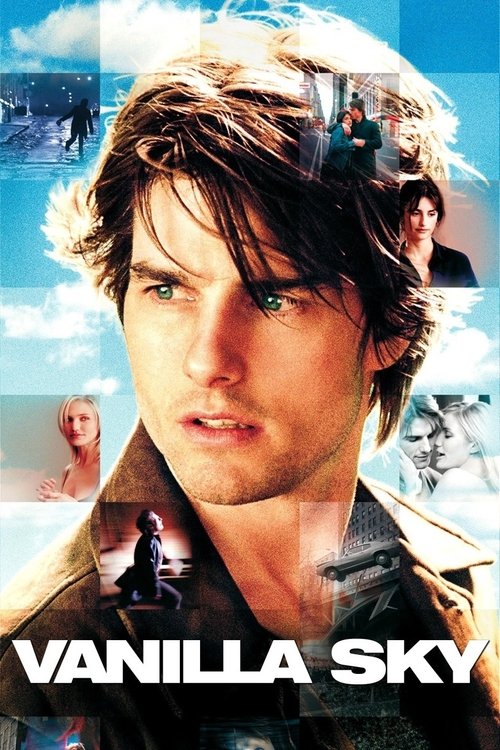
Vanilla Sky
2001David Aames has it all: wealth, good looks and gorgeous women on his arm. But just as he begins falling for the warmhearted Sofia, his face is horribly disfigured in a car accident. That's just the beginning of his troubles as the lines between illusion and reality, between life and death, are blurred.
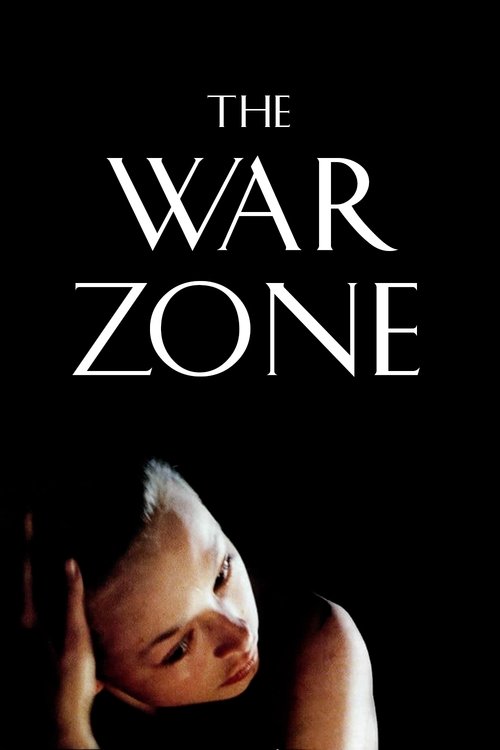
The Deep End
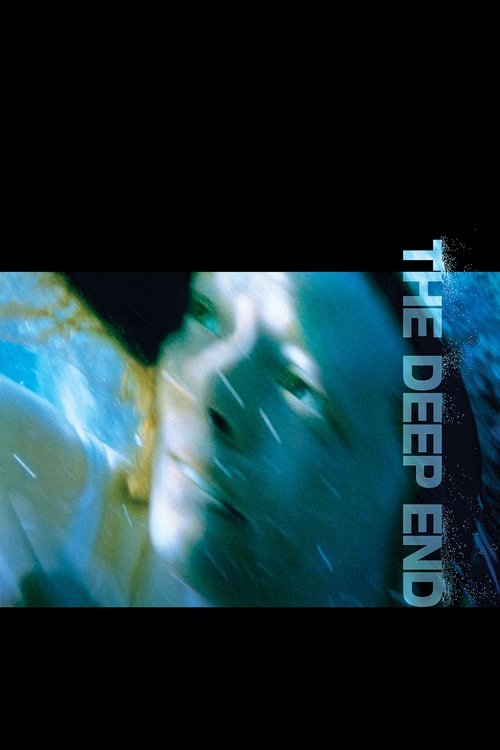
2001With her husband Jack perpetually away at work, Margaret Hall raises her children virtually alone. Her teenage son is testing the waters of the adult world, and early one morning she wakes to find the dead body of his gay lover on the beach of their rural lakeside home. What would you do? What is rational and what do you do to protect your child? How far do you go and when do you stop?

Problemista
2024Alejandro is an aspiring toy designer from El Salvador, struggling to bring his unusual ideas to life in New York City. As time on his work visa runs out, a job assisting an erratic art-world outcast becomes his only hope to stay in the country and realize his dream.
Guillermo del Toro's Pinocchio
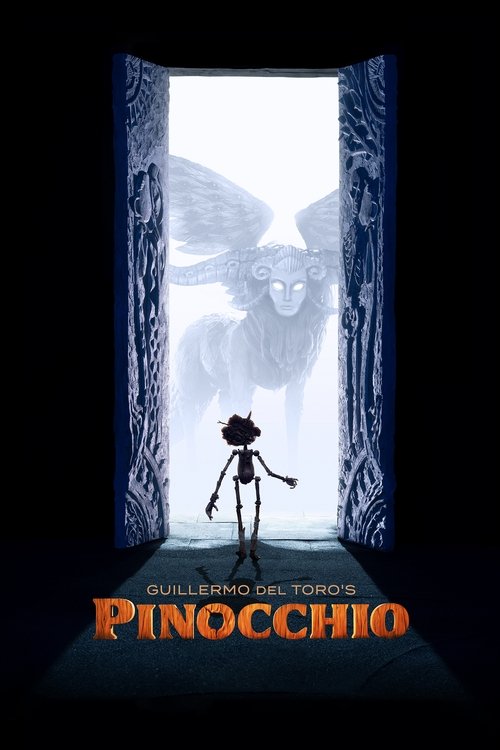
2022During the rise of fascism in Mussolini's Italy, a wooden boy brought magically to life struggles to live up to his father's expectations.
Constantine
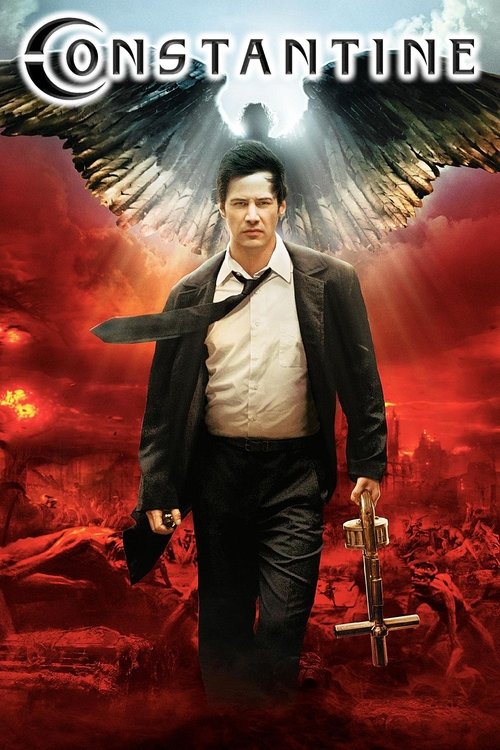
2005John Constantine has literally been to Hell and back. When he teams up with a policewoman to solve the mysterious suicide of her twin sister, their investigation takes them through the world of demons and angels that exists beneath the landscape of contemporary Los Angeles.

The staff of an American magazine based in France puts out its last issue, with stories featuring an artist sentenced to life imprisonment, student riots, and a kidnapping resolved by a chef.

Isle of Dogs
2018In the future, an outbreak of canine flu leads the mayor of a Japanese city to banish all dogs to an island used as a garbage dump. The outcasts must soon embark on an epic journey when a 12-year-old boy arrives on the island to find his beloved pet.
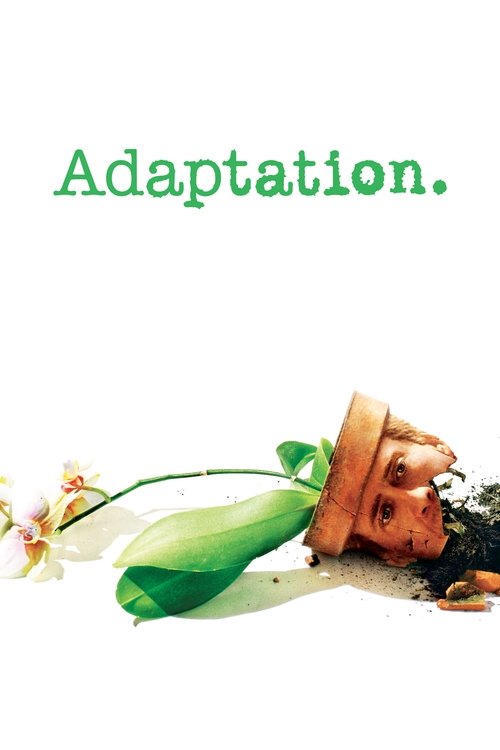
Adaptation.
2002Charlie Kaufman is a confused L.A. screenwriter overwhelmed by feelings of inadequacy, sexual frustration, self-loathing, and by the screenwriting ambitions of his freeloading twin brother Donald. While struggling to adapt "The Orchid Thief," by Susan Orlean, Kaufman's life spins from pathetic to bizarre. The lives of Kaufman, Orlean's book, become strangely intertwined as each one's search for passion collides with the others'.

Suspiria
2018A darkness swirls at the center of a world-renowned dance company, one that will engulf the artistic director, an ambitious young dancer, and a grieving psychotherapist. Some will succumb to the nightmare. Others will finally wake up.
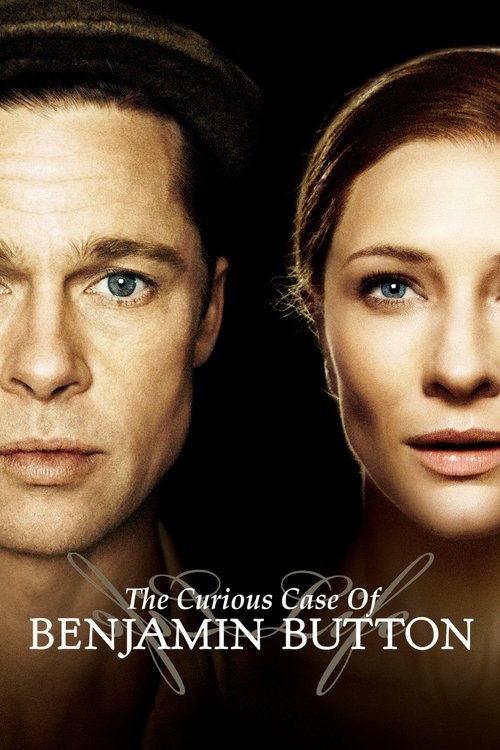
Born under unusual circumstances, Benjamin Button springs into being as an elderly man in a New Orleans nursing home and ages in reverse. Twelve years after his birth, he meets Daisy, a child who flits in and out of his life as she grows up to be a dancer. Though he has all sorts of unusual adventures over the course of his life, it is his relationship with Daisy, and the hope that they will come together at the right time, that drives Benjamin forward.
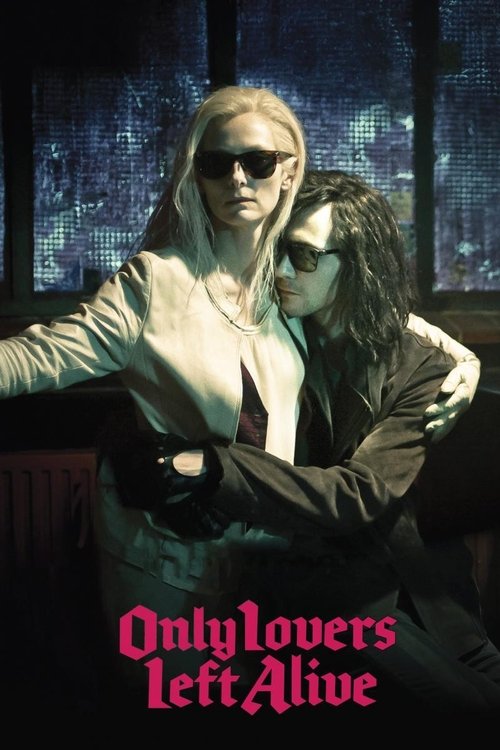
Only Lovers Left Alive
2013A depressed musician reunites with his lover. However, their romance, already played over several centuries, is disrupted by the arrival of her uncontrollable younger sister.
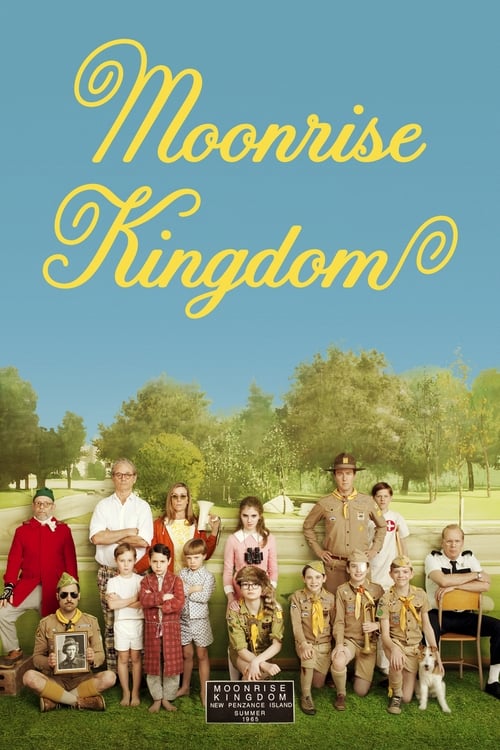
Moonrise Kingdom
2012Set on an island off the coast of New England in the summer of 1965, Moonrise Kingdom tells the story of two twelve-year-olds who fall in love, make a secret pact, and run away together into the wilderness. As various authorities try to hunt them down, a violent storm is brewing off-shore – and the peaceful island community is turned upside down in more ways than anyone can handle.
Swinton is delightfully rigid as the personification of bureaucratic coldness, credited simply as Social Services. Her performance serves as a sharp, blue coated contrast to the film's nostalgic warmth, embodying the unyielding rules of the adult world.
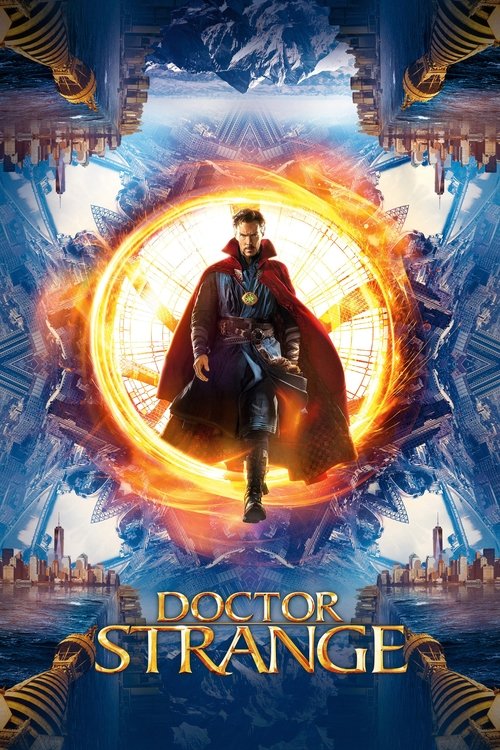
Doctor Strange
2016After his career is destroyed, a brilliant but arrogant surgeon gets a new lease on life when a sorcerer takes him under her wing and trains him to defend the world against evil.
As the Ancient One, Swinton reimagines a traditional archetype through an androgynous, kinetic lens of philosophical detachment. She elevates the blockbuster material by injecting a specialized brand of spiritual authority and physical precision.
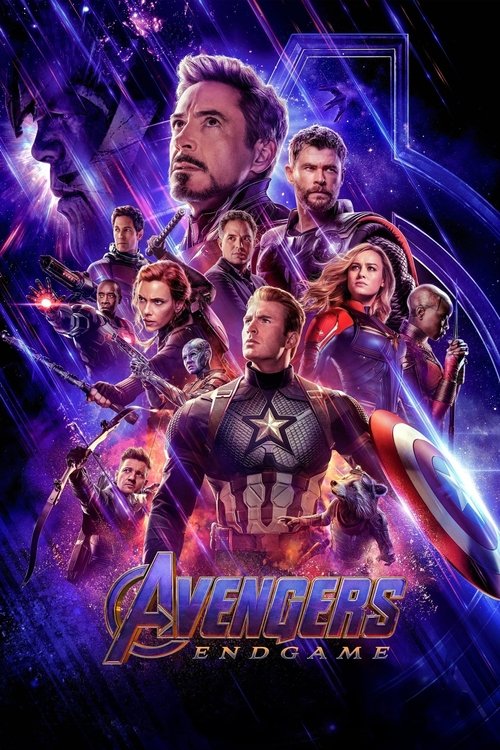
After the devastating events of Avengers: Infinity War, the universe is in ruins due to the efforts of the Mad Titan, Thanos. With the help of remaining allies, the Avengers must assemble once more in order to undo Thanos' actions and restore order to the universe once and for all, no matter what consequences may be in store.
Swinton lends a necessary gravitas to the cosmic stakes of the MCU by reprising her role as the serene arbiter of time. Even in a brief appearance, her presence anchors the kinetic action with a sense of ancient, unshakeable wisdom.
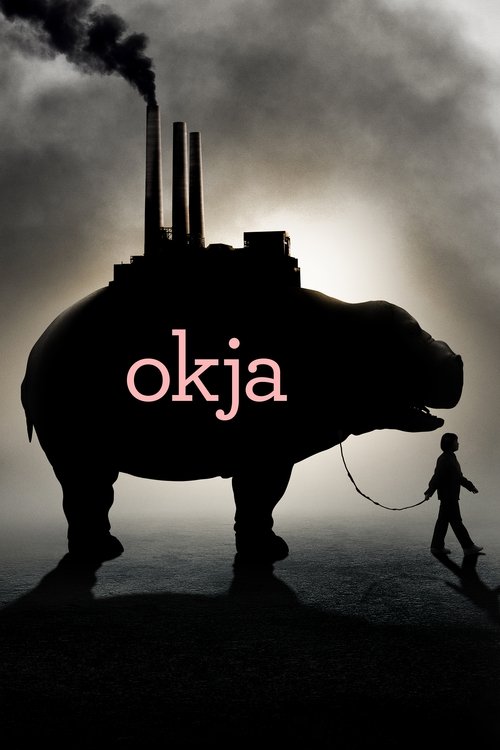
Okja
2017A young girl named Mija risks everything to prevent a powerful, multi-national company from kidnapping her best friend - a massive animal named Okja.
Playing dual roles as twin corporate moguls, Swinton satirizes the manic optimism and ruthless vanity of late stage capitalism. Her ability to pivot between fragile insecurity and ruthless marketing genius gives the film its sharpest satirical edge.
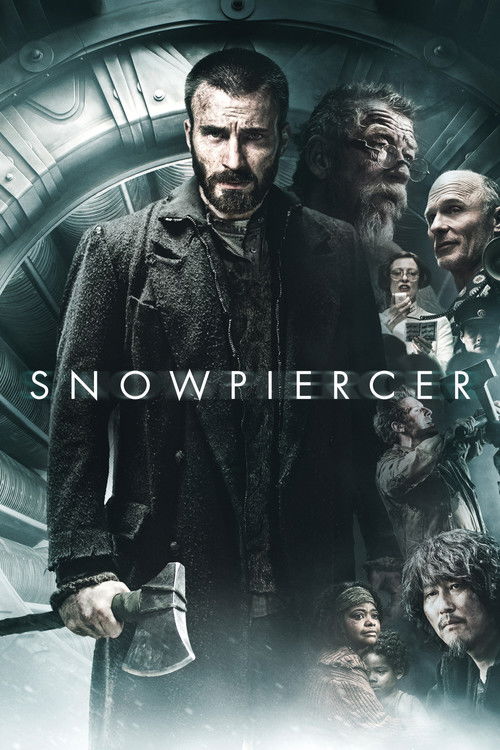
Snowpiercer
2013In a future where a failed global-warming experiment kills off most life on the planet, a class system evolves aboard the Snowpiercer; a train that travels around the globe via a perpetual-motion engine.
Adopting a grotesque set of dentures and a Thatcherite zeal, Swinton creates a cartoonish yet chilling bureaucrat amidst the grime of a dystopian train. It is a wildly tactile performance that highlights her fearless appetite for the absurd.
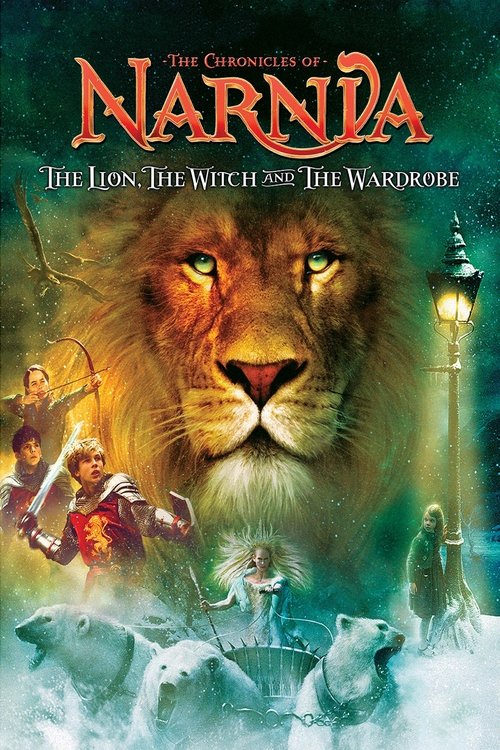
The Chronicles of Narnia: The Lion, the Witch and the Wardrobe
2005Siblings Lucy, Edmund, Susan and Peter step through a magical wardrobe and find the land of Narnia. There, they discover a charming, once peaceful kingdom that has been plunged into eternal winter by the evil White Witch, Jadis. Aided by the wise and magnificent lion, Aslan, the children lead Narnia into a spectacular, climactic battle to be free of the Witch's glacial powers forever.
Swinton exudes a terrifying, crystalline frigidity as Jadis, opting for a subtle and predatory composure rather than typical fantasy villainy. This role introduced her ethereal intensity to a global audience, defining the aesthetic of a mythical despot.

The Grand Budapest Hotel tells of a legendary concierge at a famous European hotel between the wars and his friendship with a young employee who becomes his trusted protégé. The story involves the theft and recovery of a priceless Renaissance painting, the battle for an enormous family fortune and the slow and then sudden upheavals that transformed Europe during the first half of the 20th century.
Buried under layers of prosthetic age, Swinton occupies the brief but pivotal role of Madame D. with a decadent, fragile eccentricity. This collaboration marks a peak in her partnership with Wes Anderson, proving her willingness to disappear into his symmetrical whimsy.
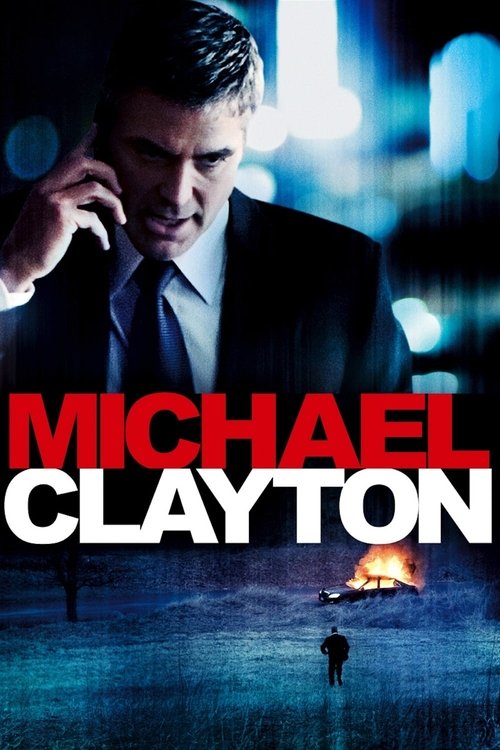
Michael Clayton
2007A law firm brings in its "fixer" to remedy the situation after a lawyer has a breakdown while representing a chemical company that he knows is guilty in a multi-billion dollar class action suit.
In an Oscar winning turn of palpable desperation, Swinton deconstructs the corporate predator through a lens of private sweat and public poise. She brilliantly exposes the frantic insecurity rattling beneath the tailored armor of a high stakes litigator.
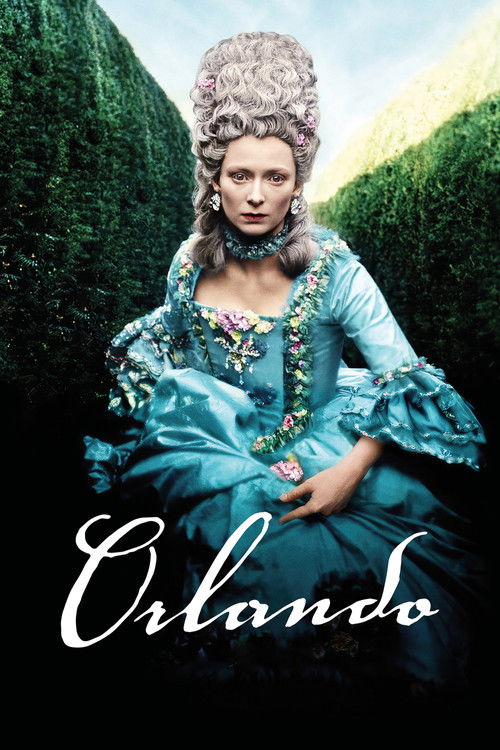
Orlando
1992England, 1600. Queen Elizabeth I promises Orlando, a young nobleman obsessed with poetry, that she will grant him land and fortune if he agrees to satisfy a very particular request.
Breaking the fourth wall with an otherworldly wink, Swinton transcends gender and centuries in a transformative turn that remains the cornerstone of her Chameleonic reputation. It is a luminous meditation on identity that cemented her status as the ultimate muse for avant-garde cinema.
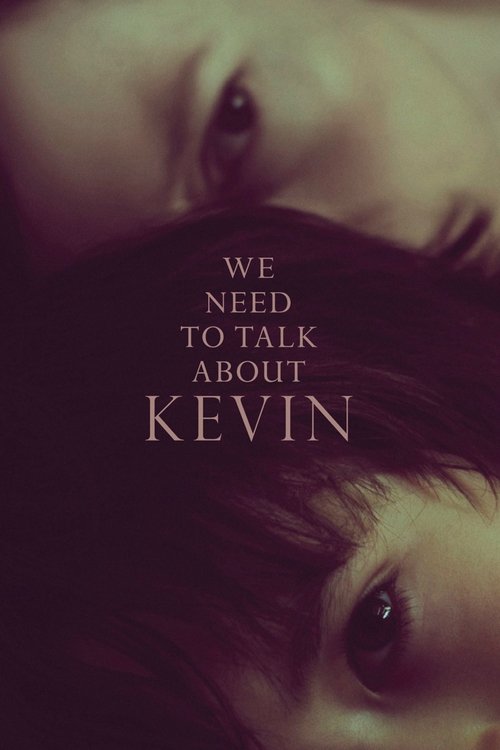
We Need to Talk About Kevin
2011After her son Kevin commits a horrific act, troubled mother Eva reflects on her complicated relationship with her disturbed son as he grew from a toddler into a teenager.
Swinton delivers a harrowing mastery of internal collapse as a mother haunted by the toxic legacy of her own ambivalence. This agonizing portrait of maternal alienation stands as the definitive showcase of her ability to weaponize silence and architectural stillness.
Frequently Asked Questions
Everything you need to know about this list and SnakeDrafts
- 'We Need to Talk About Kevin' is ranked highest due to Tilda Swinton's intense and deeply haunting portrayal of a mother grappling with her son's dark actions. This role showcases her ability to drive a psychological thriller with emotional complexity, earning critical acclaim and solidifying her status as a dramatic powerhouse.
- 'Orlando' is a landmark in Tilda Swinton's career, highlighting her extraordinary versatility by portraying a character that transcends centuries and gender. The film allows Swinton to explore identity in a highly stylized and fluid narrative, which remains a fan favorite and a critical pillar of her arthouse legacy.
- In Wes Anderson's films such as 'The Grand Budapest Hotel' and 'Moonrise Kingdom,' Tilda Swinton brings a distinctive whimsical and eclectic charm that complements Anderson's signature visual style. Her roles in these films are memorable for their quirky depth and subtle humor, showcasing her adaptability to both comedy and drama.
- Tilda Swinton's participation in blockbusters like 'Avengers: Endgame' and 'Doctor Strange' demonstrates her ability to bridge arthouse cinema and mainstream superhero franchises. These roles introduce her to a wider audience while allowing her to embed uniquely ethereal and enigmatic qualities into high-profile films.
- 'Snowpiercer' and 'Okja' both combine elements of science fiction with sharp social commentary, and Tilda Swinton's performances highlight her commitment to roles that challenge conventional narratives. Her work in these Bong Joon Ho films underscores her talent for engaging with complex character-driven stories that explore environmental and societal issues.
- This listicle covers most of Tilda Swinton's landmark performances, but some fans might notice the absence of 'Constantine' (2005), where she played a crucial supernatural role. However, the list prioritizes films that best showcase her range and artistic impact across genres and directors.
- Tilda Swinton's filmography reveals a pattern of embracing boundary-pushing roles that defy traditional gender and narrative norms, often in arthouse and genre crossovers. Many of her top-ranked films like 'Orlando,' 'Only Lovers Left Alive,' and 'Suspiria' emphasize themes of transformation, identity, and the uncanny, cementing her avant-garde reputation.